
Author name: Yasir Zubairi

Yasir Zubairi is the founder and publisher of NEN Agency (News Era Network). He leads NEN's coverage of Pakistan's national affairs, economy, foreign relations and sports, and is responsible for the accuracy and standards of every story published on nenagency.com.

Begum Shahi Mosque Endangered by Seepage and Encroachments
Pakistan

Begum Shahi Mosque Endangered by Seepage and Encroachments

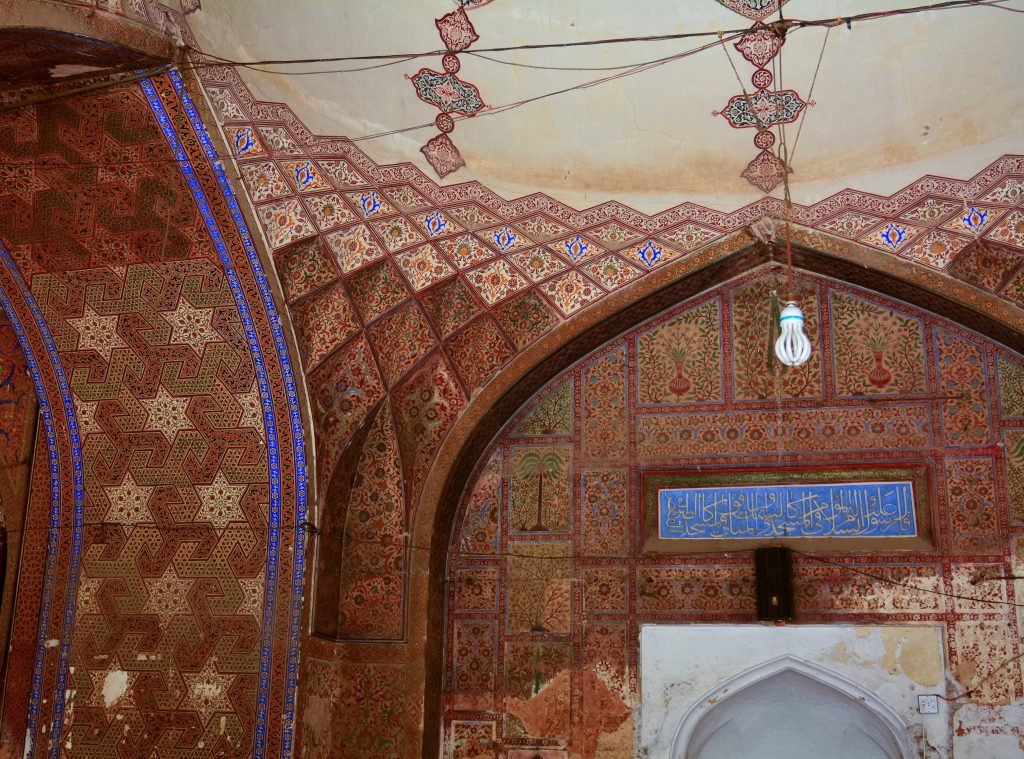
LAHORE — The historic Begum Shahi Mosque, a prominent Mughal-era monument in Lahore, is currently facing significant structural threats due to ongoing water seepage and illegal encroachments, according to officials on Thursday. Despite ongoing conservation efforts, these issues continue to pose serious risks to the integrity of the mosque. What Happened The Begum Shahi Mosque, constructed during the reign of Mughal Emperor Jahangir in the early 17th century, is experiencing severe structural challenges. Officials have reported that persistent water seepage is damaging the mosque’s foundations, while illegal encroachments are further exacerbating the situation. The mosque, often referred to as the ‘Mother of All Mosques’ due to its historical significance, is a vital part of Lahore’s architectural heritage. Conservation efforts have been underway for several years, aiming to preserve the mosque’s intricate frescoes and structural integrity. However, the continuous seepage has led to damp conditions that threaten the mosque’s walls and ceilings. An official from the Punjab Archaeology Department stated, “The seepage issue is critical and needs immediate attention to prevent irreversible damage.” In addition to the water-related issues, the mosque is surrounded by illegal encroachments that hinder conservation efforts. These encroachments not only obstruct access to the site for maintenance work but also contribute to the deterioration of the mosque’s surroundings. Local authorities have been urged to take swift action to remove these encroachments and facilitate the preservation of the mosque. Background The Begum Shahi Mosque holds a significant place in Pakistan’s cultural and historical landscape. Built in 1614 by Empress Nur Jahan, the mosque is a testament to the architectural prowess of the Mughal era. It served as a model for later Mughal mosques, including the famous Badshahi Mosque. Over the centuries, the mosque has witnessed numerous restoration projects, yet it continues to face challenges due to urban development and lack of adequate maintenance. In recent years, the Punjab government has initiated several conservation projects aimed at preserving the mosque’s unique architectural features. However, these efforts have often been hampered by administrative hurdles and insufficient funding. The mosque’s location in a densely populated area of Lahore further complicates conservation efforts, as urban encroachments continue to threaten its structural stability. Why It Matters The plight of the Begum Shahi Mosque underscores the broader challenges faced by heritage sites in Pakistan. As urbanization accelerates, many historic sites are at risk of being overshadowed by modern development. The mosque’s deterioration not only threatens a piece of Pakistan’s cultural heritage but also highlights the need for more robust policies to protect such sites. Economically, heritage sites like the Begum Shahi Mosque have the potential to boost tourism, contributing to local economies. However, without proper preservation, these opportunities may be lost. The mosque’s current state of disrepair could deter tourists and historians, impacting the cultural tourism sector in Lahore. Socially, the mosque serves as a place of worship and community gathering, making its preservation vital for maintaining cultural identity. The loss of such a site would be a significant blow to the community’s historical consciousness and identity. Key Takeaways The Begum Shahi Mosque is facing structural threats due to water seepage and illegal encroachments. Conservation efforts are ongoing but are hindered by administrative challenges and urban encroachment. The mosque is a significant cultural and historical site, reflecting Mughal architectural heritage. Preservation of the mosque is crucial for cultural tourism and community identity in Lahore. There is an urgent need for effective policies to protect heritage sites amid urban development. Source Attribution This article is based on official government statements, press releases, and public communications from relevant authorities. Author: NEN Editorial Desk | Editor: NEN Newsroom | Fact Checked By: NEN Editorial Team Author: NEN Editorial Desk  |  Editor: NEN Newsroom  |  Last Updated: August 06, 2026  |  Source: NEN Reporter This article was produced by the NEN Editorial Desk in accordance with NEN Agency’s Editorial Policy and Fact-Checking Policy.

Peshawar High Court Rejects Petitions by Former Afghan Generals
Pakistan

Peshawar High Court Rejects Petitions by Former Afghan Generals

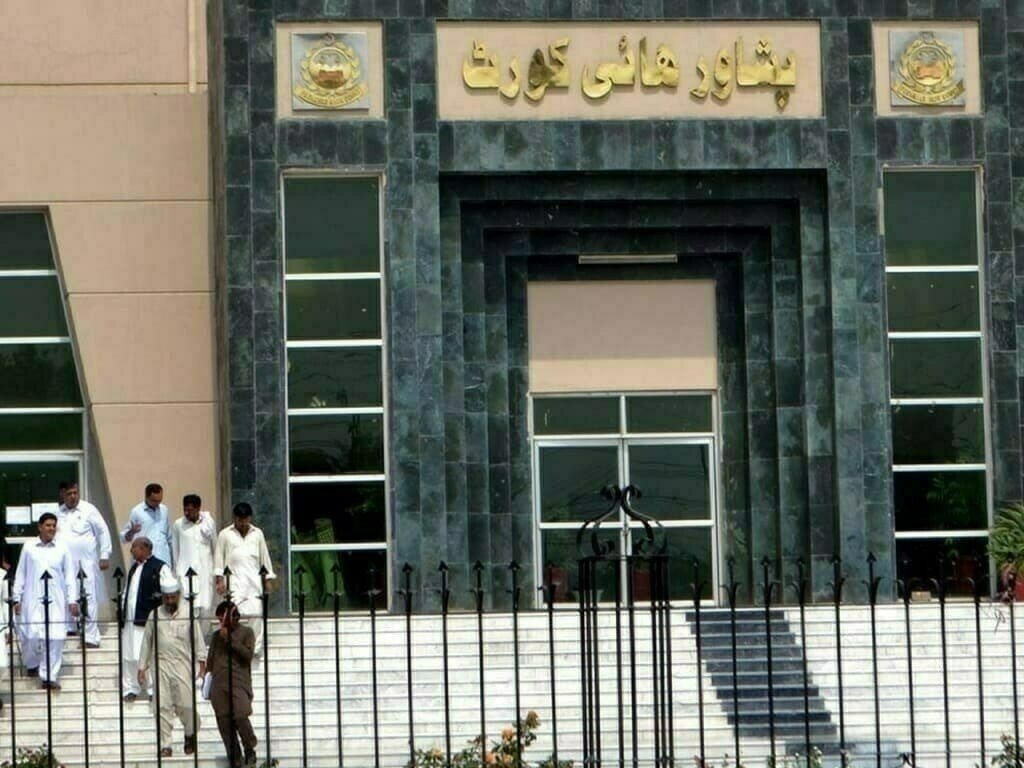
PESHAWAR — The Peshawar High Court on Thursday dismissed petitions filed by two former Afghan generals who sought temporary residence in Pakistan, visa renewals, and protection from deportation. The decision was delivered by a bench consisting of Justice Waqar Ahmad and Justice Kamran Hayat Miankhel. What Happened The Peshawar High Court issued a detailed written order dismissing the petitions of two former Afghan generals. The petitioners, who previously held significant positions in Afghanistan’s military and protective services, argued that their lives would be at risk if they were forced to return to Afghanistan following the change in government there. They requested the court’s intervention to allow them to remain temporarily in Pakistan and receive emergency medical treatment. The petitioners had already submitted applications to the relevant authorities for visa extension and renewal. They sought the court’s directive to prevent their arrest, harassment, and deportation until their visa applications were processed. However, the court clarified that issues related to visa renewal, extension, and the stay of foreign nationals are under the jurisdiction of government and administrative bodies, not the judiciary. In its decision, the court referenced Article 199 of the Constitution, stating there was no legal basis for judicial intervention in such administrative matters. As a result, the bench dismissed the petitions, leaving the former generals to pursue their requests through the appropriate governmental channels. Background The situation of Afghan nationals seeking refuge in Pakistan has been a complex issue, particularly after the Taliban’s takeover of Afghanistan in August 2021. Many former Afghan officials and military personnel have sought asylum or temporary refuge in neighboring countries, fearing persecution or retribution under the new regime. Pakistan, sharing a long and porous border with Afghanistan, has been a primary destination for Afghan refugees. The country has hosted millions of Afghan refugees over the past four decades, following various conflicts in Afghanistan. However, the legal and administrative processes for asylum seekers and visa renewals are governed by strict regulations, often leaving many in precarious situations. Why It Matters The dismissal of the petitions by the Peshawar High Court underscores the challenges faced by Afghan nationals seeking refuge in Pakistan. The court’s decision highlights the limitations of judicial intervention in matters that are primarily administrative and governmental. This ruling may set a precedent for similar cases, affecting the lives of numerous Afghan nationals in Pakistan. Economically, the influx of Afghan refugees and asylum seekers poses a challenge for Pakistan, which is already grappling with its own economic issues. The need for humanitarian assistance, coupled with the administrative burden of processing asylum and visa applications, strains Pakistan’s resources. Politically, the situation affects Pakistan’s diplomatic relations with Afghanistan and the international community. Pakistan’s handling of Afghan refugees is closely watched by international human rights organizations and could influence its global standing. Socially, the presence of Afghan refugees impacts local communities, leading to both humanitarian solidarity and tensions over resource allocation. The legal status of these individuals remains a contentious issue, with implications for their safety, employment, and integration into society. Key Takeaways The Peshawar High Court dismissed petitions from two former Afghan generals seeking to stay in Pakistan. The court ruled that visa and stay matters are administrative, not judicial, issues. Afghan nationals face significant challenges in securing legal status in Pakistan. The decision may impact future cases of Afghan asylum seekers in Pakistan. The situation has broader economic, political, and social implications for Pakistan. Source Attribution This article is based on official government statements, press releases, and public communications from relevant authorities. Author: NEN Editorial Desk | Editor: NEN Newsroom | Fact Checked By: NEN Editorial Team Author: NEN Editorial Desk  |  Editor: NEN Newsroom  |  Last Updated: August 06, 2026  |  Source: Press Release from Government of Pakistan This article was produced by the NEN Editorial Desk in accordance with NEN Agency’s Editorial Policy and Fact-Checking Policy.
Gold Prices Surge by Rs11,300 Per Tola in Pakistan
Pakistan

Gold Prices Surge by Rs11,300 Per Tola in Pakistan

ISLAMABAD — Gold prices in Pakistan experienced a significant rise on Thursday as the rate for 24-karat gold per tola increased by Rs11,300, reaching Rs449,236. This surge was reported by the All Pakistan Sarafa Gems and Jewellers Association, reflecting the ongoing volatility in the precious metals market. What Happened The local gold market saw a substantial price hike, with 24-karat gold per tola now priced at Rs449,236. This increase of Rs11,300 marks a notable shift in the market, as reported by the All Pakistan Sarafa Gems and Jewellers Association. The association regularly provides updates on gold prices, which are closely monitored by investors and traders alike. The rise in gold prices is attributed to various factors, including international market trends and fluctuations in the value of the Pakistani rupee. The global gold market has been experiencing instability due to economic uncertainties, which often leads to increased demand for gold as a safe-haven asset. Additionally, local currency depreciation against the US dollar can further exacerbate the rise in gold prices domestically. According to market analysts, the current economic conditions, both globally and locally, are contributing to the unpredictability of gold prices. “The increase in gold prices is largely driven by the international market dynamics and the weakening of the Pakistani rupee,” stated a representative from the All Pakistan Sarafa Gems and Jewellers Association. Background Gold has traditionally been a popular investment in Pakistan, often seen as a hedge against inflation and currency devaluation. The country’s gold market is influenced by both international market trends and domestic economic conditions. Historically, gold prices in Pakistan have shown a tendency to rise during periods of economic uncertainty or when the local currency faces devaluation pressures. The All Pakistan Sarafa Gems and Jewellers Association plays a crucial role in setting and announcing gold prices in the country. The association’s rates are widely accepted and used as a benchmark by jewelers and traders across Pakistan. The association’s announcements are based on a combination of international gold market trends and local market conditions. Why It Matters The surge in gold prices holds significant implications for various stakeholders in Pakistan. For investors, the increase represents an opportunity to capitalize on the rising value of gold, which is often considered a stable investment during times of economic uncertainty. However, for consumers, particularly those planning weddings or other events that traditionally involve gold purchases, the price hike could pose financial challenges. Economically, the rise in gold prices can impact the country’s trade balance. As gold becomes more expensive, the cost of imports may rise, potentially affecting the overall trade deficit. This could lead to further pressure on the Pakistani rupee, which has already been facing depreciation against major currencies. Socially, the increase in gold prices may affect cultural practices and traditions that involve gold, such as dowries and gifts during weddings. Families may need to adjust their budgets or seek alternatives to gold, which could impact the local jewelry industry. On an international level, the fluctuation in gold prices reflects broader economic trends, including inflation concerns and geopolitical tensions. As countries navigate these challenges, gold remains a critical asset for both individual and institutional investors. Key Takeaways Gold prices in Pakistan rose by Rs11,300 per tola, reaching Rs449,236. The increase is attributed to international market trends and local currency depreciation. The All Pakistan Sarafa Gems and Jewellers Association provides regular updates on gold prices. The rise impacts investors, consumers, and the broader economic landscape in Pakistan. Gold remains a critical asset amid global economic uncertainties. Source Attribution This article is based on official government statements, press releases, and public communications from relevant authorities. Author: NEN Editorial Desk | Editor: NEN Newsroom | Fact Checked By: NEN Editorial Team Author: NEN Editorial Desk  |  Editor: NEN Newsroom  |  Last Updated: August 06, 2026  |  Source: NEN Reporter This article was produced by the NEN Editorial Desk in accordance with NEN Agency’s Editorial Policy and Fact-Checking Policy.

PSX Investor Base Exceeds 600,000 Mark, Says Finance Ministry
Pakistan

PSX Investor Base Exceeds 600,000 Mark, Says Finance Ministry

ISLAMABAD — The Pakistan Stock Exchange (PSX) has achieved a significant milestone with its investor base surpassing 600,000 for the first time, according to the Ministry of Finance. As of July 2026, the total number of investors reached 607,025, indicating a growing confidence in the country’s capital markets. What Happened The Ministry of Finance announced that the PSX’s investor base has grown to 607,025 individuals, marking a new high in the history of Pakistan’s stock market. This development comes as the PSX continues to attract a diverse range of investors, including both domestic and international participants. The increase in the number of investors is seen as a positive sign of the market’s resilience and its ability to draw interest despite global economic uncertainties. According to the Finance Ministry, this growth in the investor base reflects a broader trend of increasing participation in financial markets by the Pakistani public. The Ministry attributed this rise to several factors, including improved market regulations, enhanced investor awareness programs, and the introduction of new financial products that cater to a wider audience. In a statement, a spokesperson for the Ministry of Finance highlighted the significance of this achievement, stating, “The surpassing of the 600,000 investor mark is a testament to the robust performance of the PSX and the growing trust of investors in the capital markets of Pakistan.” The spokesperson also noted that the government remains committed to further strengthening the regulatory framework to ensure a fair and transparent market environment. Background The Pakistan Stock Exchange has been a pivotal institution in the country’s financial landscape since its inception. Over the years, it has undergone several transformations, including the merger of the Karachi, Lahore, and Islamabad stock exchanges into a single entity in 2016. This consolidation aimed to streamline operations and enhance the efficiency of the capital market. Historically, the PSX has faced challenges such as market volatility, political instability, and economic fluctuations. However, various reforms and initiatives have been implemented to stabilize the market and attract more investors. These include the introduction of new trading systems, the establishment of a regulatory framework in line with international standards, and efforts to increase market transparency. Why It Matters The growth in the PSX investor base is significant for several reasons. Economically, it signals increased public engagement with the stock market, which can lead to greater capital formation and investment in the economy. A larger investor base also enhances market liquidity, making it easier for companies to raise capital through equity offerings. Socially, the rise in the number of investors reflects a shift in the financial behavior of the Pakistani population, with more individuals seeking to diversify their investment portfolios and participate in the wealth creation process. This trend is supported by educational initiatives aimed at improving financial literacy and encouraging investment in capital markets. Politically, a robust stock market is often seen as a barometer of economic health and stability. The government’s ability to foster a conducive environment for investment can enhance its credibility and attract foreign direct investment, which is crucial for economic growth and development. Internationally, the PSX’s growth can improve Pakistan’s standing in global financial markets, potentially leading to increased foreign investment and partnerships. As the investor base expands, the PSX may also become more attractive to international investors looking for opportunities in emerging markets. Key Takeaways The PSX investor base has surpassed 600,000, reaching 607,025 in July 2026. This growth reflects increased confidence in Pakistan’s capital markets. Factors contributing to this rise include improved regulations and investor awareness. The expansion of the investor base enhances market liquidity and capital formation. Internationally, the PSX’s growth may attract more foreign investment. Source Attribution This article is based on official government statements, press releases, and public communications from relevant authorities. Author: NEN Editorial Desk | Editor: NEN Newsroom | Fact Checked By: NEN Editorial Team Author: NEN Editorial Desk  |  Editor: NEN Newsroom  |  Last Updated: August 06, 2026  |  Source: Press Release from Ministry of Finance This article was produced by the NEN Editorial Desk in accordance with NEN Agency’s Editorial Policy and Fact-Checking Policy.
PSX Rally Continues as KSE-100 Index Gains 1,761 Points
Pakistan

PSX Rally Continues as KSE-100 Index Gains 1,761 Points

ISLAMABAD — The Pakistan Stock Exchange (PSX) continued its upward trajectory on Thursday as the benchmark KSE-100 Index surged by 1,761.66 points, marking a 0.98 percent increase. The index closed at 181,776.60 points, up from the previous close of 180,014.93 points, reflecting sustained investor confidence in the market. What Happened The KSE-100 Index of the Pakistan Stock Exchange experienced a significant boost on Thursday, extending its rally with a gain of 1,761.66 points. This increase represents a positive change of 0.98 percent, bringing the index to a close of 181,776.60 points. The previous trading session saw the index at 180,014.93 points, indicating a robust performance in the current session. Market analysts attribute this bullish trend to several factors, including positive investor sentiment driven by recent economic indicators and policy measures. The rally was supported by increased trading volumes and positive movements in key sectors such as banking, cement, and oil and gas. A market analyst noted, “The current rally is a reflection of improved investor confidence, buoyed by recent economic data and policy stability.” Furthermore, foreign investment inflows have contributed to the positive market sentiment. According to data from the PSX, foreign investors have shown renewed interest in Pakistani equities, further bolstering the market’s performance. The increase in the index is also seen as a response to the government’s recent economic policies aimed at stabilizing the economy and encouraging investment. Background The Pakistan Stock Exchange has been experiencing fluctuations in recent months due to various economic and political factors. Historically, the KSE-100 Index is a key indicator of market performance and investor sentiment in Pakistan. The index comprises the top 100 companies by market capitalization and is widely used as a benchmark for the overall health of the stock market. In recent years, the PSX has faced challenges such as political instability, economic uncertainty, and external economic pressures. However, recent policy measures by the government, including fiscal reforms and efforts to attract foreign investment, have contributed to a more stable economic environment. These measures have been instrumental in restoring investor confidence and driving the recent rally in the stock market. Why It Matters The continued rally of the KSE-100 Index is significant for several reasons. Economically, it reflects growing investor confidence in Pakistan’s market, which is crucial for attracting both domestic and foreign investment. A strong stock market can lead to increased capital flows into the country, supporting economic growth and development. Socially, a thriving stock market can have a positive impact on employment and income levels. As companies perform well and their stock prices rise, they are more likely to expand operations, create jobs, and contribute to economic prosperity. This can lead to improved living standards and economic opportunities for citizens. Politically, the performance of the stock market is often seen as a barometer of government effectiveness in managing the economy. A rising index can enhance the government’s credibility and strengthen its position in implementing further economic reforms. It also signals to international investors that Pakistan is a stable and attractive destination for investment. Internationally, a robust stock market performance can improve Pakistan’s standing in global financial markets. It can lead to better credit ratings, lower borrowing costs, and increased foreign direct investment. This, in turn, can contribute to a more resilient and diversified economy, less vulnerable to external shocks. Key Takeaways The KSE-100 Index gained 1,761.66 points, closing at 181,776.60 points. Positive investor sentiment and foreign investment inflows contributed to the rally. The stock market’s performance reflects confidence in recent economic policies. A strong stock market can lead to economic growth and job creation. Improved market performance enhances Pakistan’s international economic standing. Source Attribution This article is based on official government statements, press releases, and public communications from relevant authorities. Author: NEN Editorial Desk | Editor: NEN Newsroom | Fact Checked By: NEN Editorial Team Author: NEN Editorial Desk  |  Editor: NEN Newsroom  |  Last Updated: August 06, 2026  |  Source: NEN Reporter This article was produced by the NEN Editorial Desk in accordance with NEN Agency’s Editorial Policy and Fact-Checking Policy.
KPRA Director Engages Interns, Evaluates Practical Training
Pakistan

KPRA Director Engages Interns, Evaluates Practical Training

PESHAWAR — Director General of the Khyber Pakhtunkhwa Revenue Authority (KPRA), Irum Naz, engaged with interns to assess their learning experiences and practical training. The session took place at the KPRA’s Iftikhar Qutab Memorial Hall, providing a platform for interns to discuss their experiences and insights gained during their tenure. What Happened The session, held in Peshawar, was organized to facilitate an interactive dialogue between the Director General and the interns who have been working in various departments of the KPRA. Irum Naz emphasized the importance of practical exposure in enhancing the skills and competencies of young professionals entering the workforce. She stated, “The hands-on experience gained during internships is invaluable for young professionals, as it bridges the gap between academic knowledge and practical application.” During the session, interns shared their experiences working in different wings of the KPRA, including tax collection, compliance, and policy implementation. They highlighted the challenges faced and the skills acquired during their internship period. The Director General encouraged the interns to continue their professional development and to apply the knowledge gained in their future careers. The event also included presentations by the interns, showcasing the projects they worked on and the outcomes achieved. The presentations covered a range of topics, from improving tax collection mechanisms to enhancing compliance strategies. Irum Naz commended the interns for their hard work and dedication, noting that their contributions have positively impacted the Authority’s operations. Background The Khyber Pakhtunkhwa Revenue Authority was established to streamline tax collection and improve revenue generation in the province. It plays a crucial role in implementing tax policies and ensuring compliance with provincial tax laws. Internships at KPRA are designed to provide young professionals with exposure to the workings of a revenue authority and to prepare them for careers in public administration and finance. Internship programs like the one at KPRA are part of a broader initiative by the government to enhance the employability of graduates by providing them with practical experience. These programs aim to equip interns with the necessary skills to succeed in a competitive job market and to contribute effectively to the public sector. Why It Matters The interaction between the KPRA Director General and the interns underscores the importance of practical training in the professional development of young graduates. In a country where the job market is highly competitive, internships provide a critical pathway for students to gain real-world experience and to apply their academic knowledge in practical settings. For the KPRA, engaging with interns is not only about providing training but also about fostering a new generation of professionals who are well-versed in the intricacies of tax administration and public finance. This initiative helps build a skilled workforce that can contribute to the efficiency and effectiveness of public sector operations, ultimately benefiting the province’s economy. Furthermore, such programs play a significant role in addressing the skills gap in Pakistan’s labor market. By equipping interns with practical skills and knowledge, the KPRA is helping to prepare them for future roles in both the public and private sectors, thereby enhancing their employability and career prospects. Key Takeaways Director General Irum Naz engaged with KPRA interns to review their learning experiences. The session included presentations by interns on their projects and achievements. Internships at KPRA provide practical exposure to tax administration and public finance. Such programs are crucial for bridging the skills gap in Pakistan’s labor market. The initiative supports the professional development of young graduates, enhancing their employability. Source Attribution This article is based on official statements and public communications from the Khyber Pakhtunkhwa Revenue Authority. Author: NEN Editorial Desk | Editor: NEN Newsroom | Fact Checked By: NEN Editorial Team Author: NEN Editorial Desk  |  Editor: NEN Newsroom  |  Last Updated: August 06, 2026  |  Source: NEN Reporter This article was produced by the NEN Editorial Desk in accordance with NEN Agency’s Editorial Policy and Fact-Checking Policy.
ICCI and RTO Islamabad Collaborate to Facilitate Taxpayers
Pakistan

ICCI and RTO Islamabad Collaborate to Facilitate Taxpayers

ISLAMABAD — The Islamabad Chamber of Commerce and Industry (ICCI) and the Regional Tax Office (RTO) Islamabad have announced a collaborative initiative to facilitate taxpayers. This decision was reached during a meeting on Thursday between ICCI President Sardar Tahir Mehmood and RTO Islamabad Chief Commissioner Yasmin Fatima. The initiative aims to enhance cooperation between the tax administration and the business community to streamline tax processes and improve compliance. What Happened During the meeting held in Islamabad, ICCI President Sardar Tahir Mehmood and Chief Commissioner Yasmin Fatima discussed various strategies to ease the tax filing process for businesses and individuals. The two leaders emphasized the importance of a cooperative approach to address the challenges faced by taxpayers. “Our goal is to create a more taxpayer-friendly environment that encourages compliance and boosts economic activity,” stated Yasmin Fatima. The joint facilitation drive will focus on providing guidance and support to taxpayers, particularly small and medium enterprises (SMEs), which often struggle with complex tax regulations. The initiative will include workshops, seminars, and one-on-one sessions to educate taxpayers about their obligations and the benefits of compliance. Sardar Tahir Mehmood highlighted the need for regular communication between the tax authorities and the business community to ensure that policies are effectively implemented and understood. Both parties agreed to establish a dedicated help desk at the ICCI office to assist taxpayers with their queries and concerns. This help desk will serve as a liaison between the RTO and the business community, ensuring that issues are promptly addressed and resolved. Background The collaboration between ICCI and RTO Islamabad comes in the wake of ongoing efforts by the government to increase the tax net and improve revenue collection. Historically, Pakistan has faced challenges in broadening its tax base, with a significant portion of the economy operating in the informal sector. The government has introduced various measures to encourage formalization and compliance, including tax amnesty schemes and digitalization of tax processes. In recent years, the Federal Board of Revenue (FBR) has been working to modernize the tax system and make it more accessible to taxpayers. Initiatives such as online tax filing and automated systems have been introduced to reduce the burden on taxpayers and minimize human interaction, thereby reducing opportunities for corruption and inefficiency. Why It Matters The joint facilitation drive by ICCI and RTO Islamabad is significant for several reasons. Economically, it aims to improve tax compliance, which is crucial for increasing government revenue and funding public services. By making the tax system more accessible and understandable, the initiative could lead to higher compliance rates, thereby expanding the tax base. Socially, the initiative seeks to build trust between taxpayers and the tax authorities. Many businesses and individuals perceive the tax system as cumbersome and opaque, leading to reluctance in compliance. By providing direct support and education, the initiative can help demystify the process and encourage voluntary compliance. Politically, this collaboration reflects the government’s commitment to reforming the tax system and addressing the concerns of the business community. It aligns with broader efforts to improve the ease of doing business in Pakistan, which is essential for attracting foreign investment and boosting economic growth. Key Takeaways The ICCI and RTO Islamabad are launching a joint facilitation drive to support taxpayers. The initiative will focus on educating SMEs and improving tax compliance. A dedicated help desk will be established at the ICCI office for taxpayer assistance. The collaboration aims to broaden the tax base and increase government revenue. This effort is part of broader tax system reforms to enhance economic growth. Source Attribution This article is based on official government statements, press releases, and public communications from relevant authorities. Author: NEN Editorial Desk | Editor: NEN Newsroom | Fact Checked By: NEN Editorial Team Author: NEN Editorial Desk  |  Editor: NEN Newsroom  |  Last Updated: August 06, 2026  |  Source: NEN Reporter This article was produced by the NEN Editorial Desk in accordance with NEN Agency’s Editorial Policy and Fact-Checking Policy.
Mushaal Mullick Reiterates Offer to Mediate Azad Jammu and Kashmir Crisis
World

Mushaal Mullick Reiterates Offer to Mediate Azad Jammu and Kashmir Crisis

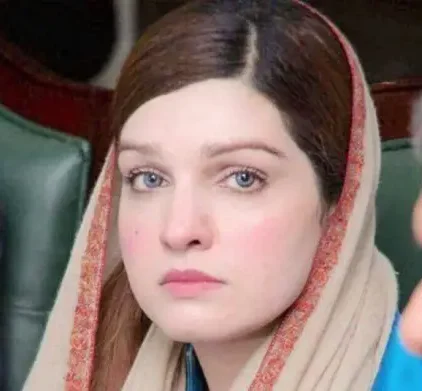
ISLAMABAD — Mushaal Hussein Mullick, a prominent advocate for the Kashmir cause, on Thursday reiterated her offer to mediate the ongoing crisis in Azad Jammu and Kashmir (AJK). She emphasized the importance of unity and peaceful dialogue to ensure internal stability, which she views as crucial to advancing the broader struggle for the rights of the people in Indian Illegally Occupied Jammu and Kashmir (IIOJK). What Happened Mushaal Mullick, known for her vocal support of the Kashmir issue, has once again stepped forward to offer her services as a mediator in the current tensions affecting AJK. In her statement, Mullick stressed that achieving internal stability within AJK is vital for the sustained advocacy of the rights of Kashmiris living under Indian administration. She called for unity among the various factions within AJK and encouraged a peaceful approach to resolving disputes. Mullick’s offer comes amid heightened tensions in the region, where political and social unrest have been escalating. Her proposal aims to bridge the gap between conflicting parties and foster a dialogue that could lead to a peaceful resolution. “The internal stability of AJK is not just a regional concern but a crucial element in the larger struggle for the rights of the people of IIOJK,” Mullick stated. Her call for mediation underscores a persistent effort to address the complex dynamics affecting the region. Mullick has previously engaged in similar initiatives, advocating for peace and dialogue as tools for conflict resolution. Her renewed offer highlights the ongoing challenges faced by the people in AJK and the interconnected nature of their struggle with the broader Kashmir issue. Background The region of Azad Jammu and Kashmir has historically been a focal point of tension between India and Pakistan, both of which claim the entire territory of Jammu and Kashmir. The conflict dates back to the partition of British India in 1947, which led to the first Indo-Pakistani war over Kashmir. Since then, the region has been divided, with Pakistan administering AJK and Gilgit-Baltistan, and India controlling Jammu and Kashmir. Efforts to mediate and resolve the Kashmir conflict have been ongoing for decades, involving both bilateral talks between India and Pakistan and multilateral discussions with international stakeholders. Despite numerous attempts, a lasting resolution remains elusive, with periodic escalations in violence and political unrest. Mushaal Mullick, the wife of detained Kashmiri leader Yasin Malik, has been an active advocate for the rights of Kashmiris. Her involvement in the Kashmir cause is deeply personal and political, as she continues to campaign for the release of her husband and other political prisoners in IIOJK. Why It Matters The offer by Mushaal Mullick to mediate the AJK crisis is significant for several reasons. Firstly, it highlights the persistent instability in the region, which has implications for both local governance and the broader geopolitical landscape. The internal divisions within AJK can undermine efforts to present a unified front in the struggle for Kashmiri rights. Secondly, Mullick’s mediation proposal underscores the importance of dialogue and peaceful conflict resolution in a region historically marked by violence and military confrontations. Her approach aligns with international calls for peaceful negotiations as a means to resolve longstanding disputes. Furthermore, the stability of AJK is crucial for Pakistan’s internal security and its diplomatic stance on the Kashmir issue. A stable AJK can serve as a model for governance and development, strengthening Pakistan’s position in international forums advocating for the rights of Kashmiris. Finally, Mullick’s involvement draws attention to the human rights dimension of the Kashmir conflict, emphasizing the need for a solution that prioritizes the welfare and rights of the people affected by the ongoing dispute. Key Takeaways Mushaal Mullick has reiterated her offer to mediate the crisis in Azad Jammu and Kashmir. Her proposal emphasizes the need for unity and peaceful dialogue to achieve internal stability in AJK. The ongoing tensions in AJK are linked to the broader struggle for the rights of Kashmiris in Indian Illegally Occupied Jammu and Kashmir. Mullick’s involvement highlights the importance of peaceful conflict resolution and dialogue in the region. The stability of AJK is crucial for Pakistan’s internal security and its diplomatic position on the Kashmir issue. Source Attribution This article is based on official government statements, press releases, and public communications from relevant authorities. Author: NEN Editorial Desk | Editor: NEN Newsroom | Fact Checked By: NEN Editorial Team Author: NEN Editorial Desk  |  Editor: NEN Newsroom  |  Last Updated: August 06, 2026  |  Source: NEN Reporter This article was produced by the NEN Editorial Desk in accordance with NEN Agency’s Editorial Policy and Fact-Checking Policy.
Pakistan And Iran Explore Enhanced Energy Cooperation And Gwadar Electricity Supply
World

Pakistan And Iran Explore Enhanced Energy Cooperation And Gwadar Electricity Supply

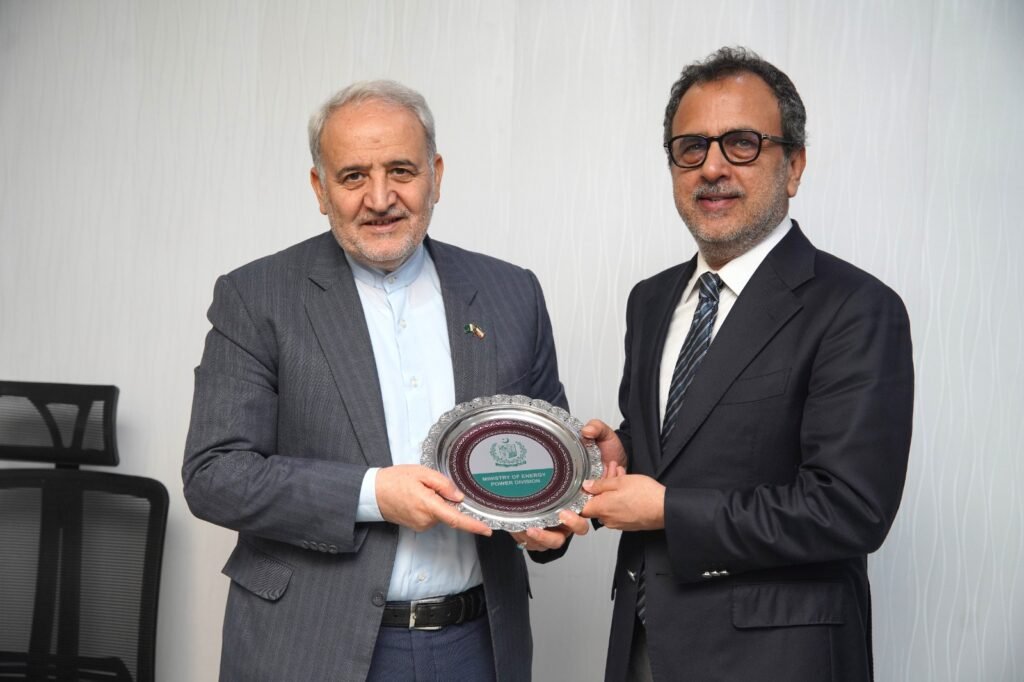
ISLAMABAD — Federal Minister for Energy (Power Division) Sardar Awais Ahmad Khan Leghari met with Iranian Ambassador to Pakistan Dr. Reza Amiri Moghaddam on Thursday to discuss expanding bilateral cooperation in the energy sector, with a focus on electricity supply to Gwadar. The meeting underscores the commitment of both nations to strengthen ties and address mutual energy needs. What Happened The meeting between Minister Leghari and Ambassador Moghaddam took place in Islamabad, where both officials engaged in detailed discussions on enhancing energy cooperation between Pakistan and Iran. The dialogue centered around the potential for increasing electricity supply to Gwadar, a strategic port city in Pakistan’s Balochistan province, which is pivotal for the China-Pakistan Economic Corridor (CPEC). Minister Leghari highlighted the importance of reliable energy supply to Gwadar, emphasizing its role in supporting economic activities and development projects in the region. He stated, “Ensuring a stable electricity supply to Gwadar is crucial for the economic uplift of the area and the success of ongoing projects.” Ambassador Moghaddam expressed Iran’s willingness to collaborate closely with Pakistan in the energy sector, stating that Iran is ready to enhance its electricity exports to meet Pakistan’s growing energy demands. “Iran is committed to supporting Pakistan in its energy needs, particularly in regions like Gwadar, where development is a priority,” the ambassador remarked. The meeting also explored other areas of mutual interest, including the potential for joint ventures and investments in renewable energy projects. Both sides agreed to continue discussions and work towards implementing practical solutions to enhance energy cooperation. Background Pakistan and Iran have a history of cooperation in the energy sector, with Iran previously supplying electricity to Pakistan’s border areas. The two countries have also explored possibilities for gas pipeline projects, although geopolitical challenges have hindered progress. Gwadar, located near the Strait of Hormuz, is a focal point of CPEC, which aims to connect Gwadar Port to China’s Xinjiang region. The development of Gwadar is crucial for Pakistan’s economic growth, and ensuring a steady energy supply is vital for its operational success. In recent years, Pakistan has faced significant energy shortages, prompting the government to seek diverse sources of energy, including renewable options and cross-border electricity imports. Why It Matters The discussions between Pakistan and Iran are significant for several reasons. Firstly, they represent a strategic effort to address Pakistan’s chronic energy shortages, which have hampered industrial growth and economic development. By potentially increasing electricity imports from Iran, Pakistan can alleviate some of its energy constraints, particularly in critical areas like Gwadar. Secondly, enhancing energy cooperation with Iran aligns with Pakistan’s broader strategy to diversify its energy sources. This diversification is crucial for energy security and reducing reliance on any single source or country. Collaborative projects with Iran could also pave the way for future energy initiatives, including renewable energy ventures, which are essential for sustainable development. Furthermore, the successful implementation of energy projects in Gwadar will bolster the CPEC initiative, attracting more investments and fostering economic growth in the region. This development is not only vital for Pakistan’s economy but also enhances its geopolitical standing by strengthening ties with Iran, a key regional player. Key Takeaways Pakistan and Iran are discussing enhanced energy cooperation, focusing on electricity supply to Gwadar. The meeting between Minister Leghari and Ambassador Moghaddam highlights mutual commitment to address energy needs. Reliable energy supply to Gwadar is crucial for the success of CPEC and regional development. Iran’s willingness to increase electricity exports could help alleviate Pakistan’s energy shortages. Strengthened energy ties with Iran support Pakistan’s strategy of diversifying energy sources. Source Attribution This article is based on official government statements, press releases, and public communications from relevant authorities. Author: NEN Editorial Desk | Editor: NEN Newsroom | Fact Checked By: NEN Editorial Team Author: NEN Editorial Desk  |  Editor: NEN Newsroom  |  Last Updated: August 06, 2026  |  Source: NEN Reporter This article was produced by the NEN Editorial Desk in accordance with NEN Agency’s Editorial Policy and Fact-Checking Policy.

State Bank Consultative Session Focuses on Prime Minister’s Housing Program
Pakistan

State Bank Consultative Session Focuses on Prime Minister’s Housing Program

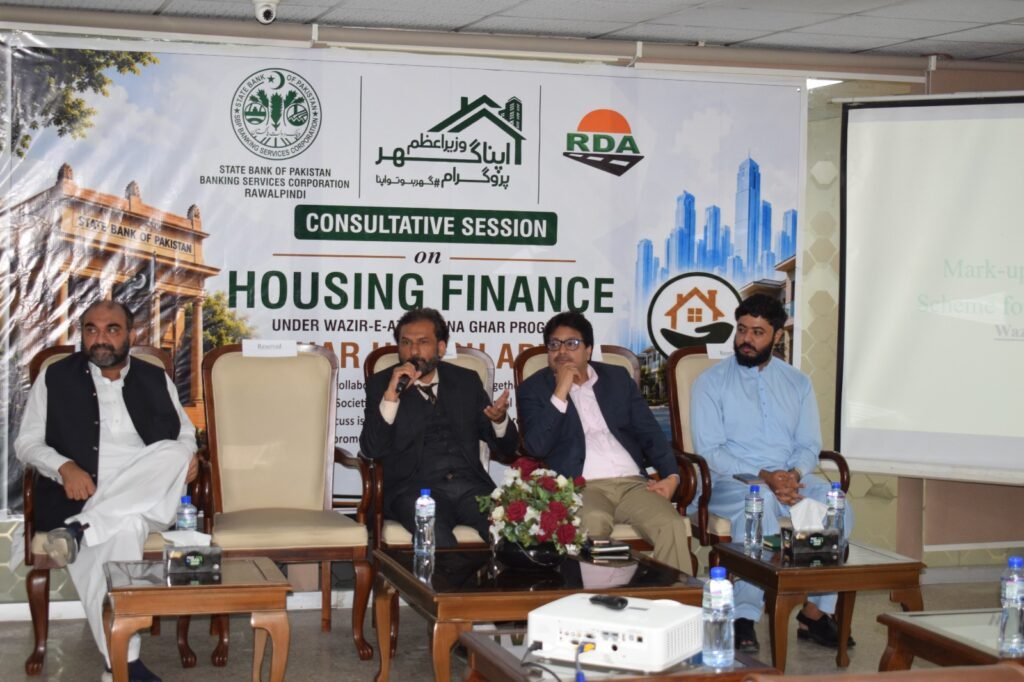
RAWALPINDI — The State Bank of Pakistan hosted a significant consultative session on Thursday to discuss the implementation challenges of the Prime Minister’s Housing Program, known as “Ghar Ho Tou Apna, Apna Ghar Programme.” The event, held in Rawalpindi, gathered representatives from 25 commercial banks, the Rawalpindi Development Authority (RDA), the Rawalpindi Chamber of Commerce and Industry (RCCI), housing societies, students, and the general public. What Happened The session, chaired by Rizwan Khaleel Shamsi, Chief Manager of the State Bank Rawalpindi, aimed to address the hurdles faced in executing the housing initiative. Shamsi commended the banks for their active participation in promoting the scheme and urged developers to consider vertical housing as a sustainable and affordable solution. He highlighted the environmental issues resulting from the conversion of forests and green belts into housing societies, advocating for vertical urbanization to mitigate these challenges while providing low-cost housing options. Shamsi also shared examples of successful low-cost housing models from various countries, suggesting that these could be adapted to fit local needs. During the session, commercial banks presented issues related to documentation, and housing societies received briefings from banks to better inform their customers about the scheme. The banks proposed a one-window operation for documentation at the RDA to streamline the process and recommended appointing focal persons from revenue authorities and the RDA to ensure efficient processing. The forum included open discussions on mortgage and lien marking issues, with stakeholders sharing challenges and recommendations. Umar Siddique Khattak, Sr. Deputy Chief Manager, announced plans for high-level events and proposed forming a working group with all stakeholders to address challenges and make recommendations for promoting affordable housing in Pakistan. Participants expressed their commitment to making Rawalpindi a model city for low-cost housing and concluded the session by thanking the State Bank for organizing the event. Background The Prime Minister’s Housing Program is part of a broader government initiative to address Pakistan’s housing shortage by providing affordable housing solutions. The program aims to facilitate homeownership for low- and middle-income families through various financial incentives and policy measures. The initiative is critical as Pakistan faces a significant housing deficit, exacerbated by rapid urbanization and population growth. Previous efforts to tackle the housing crisis have included policy reforms and financial packages aimed at encouraging private sector participation and investment in the housing sector. However, challenges such as regulatory bottlenecks, land acquisition issues, and financial constraints have hindered progress. Why It Matters The successful implementation of the Prime Minister’s Housing Program is crucial for addressing Pakistan’s housing deficit, which has far-reaching social and economic implications. Access to affordable housing is a fundamental need that impacts quality of life, economic stability, and social equity. By promoting vertical housing, the program aims to provide sustainable solutions that align with environmental conservation goals. The session’s focus on documentation and process simplification is significant, as bureaucratic hurdles have historically delayed housing projects. Streamlining these processes can accelerate project timelines, reduce costs, and increase accessibility for potential homeowners. Moreover, the formation of a working group comprising key stakeholders indicates a collaborative approach to overcoming challenges, which is essential for the program’s success. Economically, the housing program has the potential to stimulate growth by creating jobs in construction and related industries. It also encourages financial sector participation, which can lead to increased investment and innovation in housing finance products. Socially, providing affordable housing can enhance community development, reduce urban sprawl, and improve living standards. Key Takeaways The State Bank of Pakistan held a consultative session to address challenges in the Prime Minister’s Housing Program. Vertical housing was advocated as a sustainable solution to environmental and housing issues. Commercial banks suggested a one-window documentation process at the RDA for efficiency. A working group will be formed to address challenges and promote affordable housing. The initiative aims to make Rawalpindi a model city for low-cost housing. Source Attribution This article is based on official government statements, press releases, and public communications from relevant authorities. Author: NEN Editorial Desk | Editor: NEN Newsroom | Fact Checked By: NEN Editorial Team Author: NEN Editorial Desk  |  Editor: NEN Newsroom  |  Last Updated: August 06, 2026  |  Source: Press Release from State Bank of Pakistan (SBP) This article was produced by the NEN Editorial Desk in accordance with NEN Agency’s Editorial Policy and Fact-Checking Policy.

Scroll to Top