
Pakistan

News related to Pakistan in Pakistan and around the world.

Pakistan

SECP Establishes Group to Enhance Corporate Debt Market

ISLAMABAD — The Securities and Exchange Commission of Pakistan (SECP) has initiated efforts to bolster the nation’s corporate debt market by forming a specialized working group. Announced on Monday, the group aims to review and reform the regulatory framework to facilitate long-term financing options for businesses. What Happened The SECP has constituted a high-level working group tasked with conducting a comprehensive review of the existing regulatory framework governing the corporate debt market in Pakistan. This initiative is part of a broader strategy to deepen the country’s capital markets and provide businesses with enhanced access to long-term financing. The working group is expected to propose a series of reforms aimed at improving market efficiency and encouraging greater participation from both domestic and international investors. According to the SECP, the working group comprises experts from various sectors, including finance, law, and corporate governance. These experts will collaborate to identify existing barriers within the regulatory framework and suggest actionable reforms. The SECP’s spokesperson stated, “The formation of this working group underscores our commitment to fostering a more robust and dynamic corporate debt market, which is crucial for economic growth.” The group will also explore innovative financial instruments and mechanisms that can be introduced to the market, thereby expanding the range of options available to businesses seeking capital. The SECP has emphasized the importance of aligning Pakistan’s corporate debt market regulations with international best practices to attract foreign investment and enhance market credibility. Background Historically, Pakistan’s corporate debt market has been underdeveloped, with limited participation from both issuers and investors. The market primarily relies on banking institutions for financing, which can constrain the availability of capital for businesses. Over the years, various attempts have been made to stimulate the growth of the corporate debt market, but challenges such as regulatory hurdles, lack of investor awareness, and limited market infrastructure have persisted. In recent years, the SECP has taken steps to address these issues by introducing regulatory changes and facilitating the issuance of debt securities. However, the market’s growth has been slower than anticipated, necessitating a more focused approach to reform. Why It Matters The development of a vibrant corporate debt market is essential for Pakistan’s economic growth and stability. By providing businesses with diverse financing options, a well-functioning debt market can reduce reliance on traditional banking channels and enhance financial resilience. This is particularly important for small and medium-sized enterprises (SMEs), which often face difficulties in accessing bank loans. Economically, a robust corporate debt market can lead to more efficient capital allocation, lower borrowing costs, and increased investment in productive sectors. It can also facilitate infrastructure development, which is critical for Pakistan’s long-term growth prospects. From a social perspective, the expansion of the corporate debt market can lead to job creation and improved living standards by enabling businesses to grow and innovate. Politically, enhancing the debt market aligns with government efforts to attract foreign investment and integrate Pakistan more fully into the global financial system. Internationally, aligning with global standards can boost investor confidence and position Pakistan as a competitive destination for investment. This can lead to increased foreign direct investment (FDI), which is vital for economic development and technological advancement. Key Takeaways The SECP has formed a working group to review and reform the corporate debt market’s regulatory framework. The initiative aims to provide businesses with improved access to long-term financing options. The working group will consist of experts from finance, law, and corporate governance sectors. Developing a robust corporate debt market is crucial for economic growth and reducing reliance on traditional banking channels. Aligning with international standards can enhance investor confidence and attract foreign investment. Source Attribution This article is based on official government statements, press releases, and public communications from relevant authorities. Author: NEN Editorial Desk | Editor: NEN Newsroom | Fact Checked By: NEN Editorial Team Author: NEN Editorial Desk  |  Editor: NEN Newsroom  |  Last Updated: August 04, 2026  |  Source: NEN Reporter This article was produced by the NEN Editorial Desk in accordance with NEN Agency’s Editorial Policy and Fact-Checking Policy.
Pakistan

Livestock Directorate Conducts Orientation for CM Internship in Rawalpindi

RAWALPINDI — The Livestock Directorate in Rawalpindi hosted an orientation session and facility review for interns under the Chief Minister Punjab Internship Programme on Tuesday. The event aimed to familiarize Veterinary Officer (VO) and Paravet Staff interns, including Veterinary Assistants and Artificial Insemination Technicians (AITs), with the department’s operations and objectives. What Happened The orientation session, held at the Livestock Department in Rawalpindi, was attended by newly inducted interns who are part of the Chief Minister Punjab Internship Programme. During the session, officials from the directorate provided a comprehensive briefing on the department’s structural hierarchy, strategic objectives, and core functions. The aim was to equip the interns with the necessary knowledge and skills to effectively contribute to the department’s goals. The session included detailed presentations on various aspects of livestock management, veterinary practices, and the latest techniques in artificial insemination. The interns were also given a tour of the facilities, allowing them to observe the practical applications of their theoretical knowledge. This hands-on experience is expected to enhance their understanding and proficiency in the field. Directorate officials emphasized the importance of the internship programme in developing skilled professionals who can contribute to the livestock sector in Punjab. “The internship is designed to provide practical experience and enhance the technical skills of the interns, preparing them for future roles in the livestock industry,” an official stated. Background The Chief Minister Punjab Internship Programme is an initiative aimed at providing practical training and experience to young professionals in various sectors, including livestock. The programme is part of the Punjab government’s efforts to address unemployment and enhance the skill set of the youth, thereby contributing to the province’s economic development. The Livestock Directorate plays a crucial role in managing and promoting livestock production in Punjab. Its responsibilities include disease control, breeding programmes, and the provision of veterinary services. The department also focuses on research and development to improve livestock productivity and sustainability. Why It Matters The orientation session and facility review are significant for several reasons. Firstly, they represent a proactive approach by the Punjab government to bridge the gap between academic knowledge and practical application. By providing interns with hands-on experience, the programme aims to produce a workforce that is better equipped to meet the challenges of the livestock industry. Economically, the livestock sector is a vital component of Punjab’s economy, contributing significantly to the GDP and providing employment to a large segment of the population. Enhancing the skills of professionals in this sector can lead to increased productivity, improved animal health, and higher quality livestock products, which in turn can boost exports and strengthen the economy. Socially, the programme addresses the issue of youth unemployment by creating opportunities for young graduates to gain valuable work experience. This not only improves their employability but also encourages innovation and entrepreneurship in the sector. Furthermore, the focus on artificial insemination techniques and veterinary practices highlights the government’s commitment to adopting modern and efficient methods in livestock management. This can lead to better breeding outcomes and disease control, ultimately benefiting farmers and consumers alike. Key Takeaways The Livestock Directorate in Rawalpindi conducted an orientation for interns under the Chief Minister Punjab Internship Programme. The session aimed to familiarize interns with the department’s operations and enhance their practical skills. The programme is part of efforts to address youth unemployment and improve the livestock sector in Punjab. Hands-on training in modern techniques is expected to boost productivity and economic growth. The initiative underscores the government’s commitment to developing a skilled workforce in the livestock industry. Source Attribution This article is based on official government statements, press releases, and public communications from relevant authorities. Author: NEN Editorial Desk | Editor: NEN Newsroom | Fact Checked By: NEN Editorial Team Author: NEN Editorial Desk  |  Editor: NEN Newsroom  |  Last Updated: August 04, 2026  |  Source: NEN Reporter This article was produced by the NEN Editorial Desk in accordance with NEN Agency’s Editorial Policy and Fact-Checking Policy.

Pakistan

PIDE Advocates Trust and Accountability in Pakistan’s AI and Fintech Growth

ISLAMABAD — The Pakistan Institute of Development Economics (PIDE) has urged the nation to construct its artificial intelligence (AI) and financial technology (fintech) landscape on the pillars of trust, inclusion, and institutional accountability. This call was made on Tuesday as PIDE emphasized the importance of responsible technology adoption that prioritizes public value, human oversight, and evidence-based policy-making. What Happened During a recent seminar, PIDE highlighted the critical need for establishing a robust framework that ensures the ethical and effective integration of AI and fintech into Pakistan’s economic fabric. The institute underscored that the rapid advancement in these sectors necessitates a strategic approach to mitigate potential risks while maximizing benefits. “We must ensure that technology serves the public interest and contributes to national development goals,” a PIDE spokesperson stated. According to PIDE, the integration of AI and fintech should not only focus on technological advancements but also on creating an ecosystem where trust and accountability are paramount. The institute pointed out that without these foundational elements, the potential for misuse and the erosion of public trust could undermine the benefits these technologies promise. PIDE’s recommendations include implementing policies that enforce transparency in AI and fintech operations, fostering an inclusive environment that does not marginalize any segment of the population, and ensuring that there is adequate human oversight in the deployment of these technologies. The institute also called for evidence-based policy-making to guide the development and regulation of AI and fintech, ensuring that decisions are informed by data and research rather than conjecture. Background Pakistan’s journey into the realms of AI and fintech is part of a broader global trend where countries are leveraging technology to enhance economic growth and improve service delivery. In recent years, Pakistan has seen a surge in fintech startups and AI-driven solutions aimed at addressing local challenges. However, the regulatory framework has struggled to keep pace with these rapid developments, often leading to gaps in governance and accountability. Historically, Pakistan’s technology sector has faced challenges related to data privacy, cybersecurity, and the digital divide. Previous attempts to regulate the sector have been met with mixed results, highlighting the need for a more cohesive and comprehensive policy approach. Why It Matters The call from PIDE is significant as it comes at a time when Pakistan is poised to make substantial investments in its digital infrastructure. The AI and fintech sectors are seen as key drivers of economic growth, capable of transforming industries and creating new job opportunities. However, without a framework that ensures ethical practices and accountability, these benefits could be overshadowed by risks such as data breaches, financial fraud, and increased inequality. For the average Pakistani citizen, the integration of AI and fintech could mean improved access to financial services, better healthcare outcomes, and more efficient government services. However, these advancements must be accompanied by safeguards that protect individual rights and ensure equitable access. On the international stage, Pakistan’s approach to AI and fintech regulation could influence its attractiveness as a destination for foreign investment. Countries that demonstrate a commitment to ethical technology practices are more likely to attract investors who are increasingly concerned with corporate social responsibility and sustainable development. Key Takeaways PIDE emphasizes the need for trust, inclusion, and accountability in AI and fintech development. Responsible technology adoption should prioritize public value and human oversight. Pakistan’s regulatory framework needs to evolve to address the rapid growth in AI and fintech. Ethical practices in technology can enhance Pakistan’s appeal to international investors. AI and fintech have the potential to transform Pakistan’s economy and improve public services. Source Attribution This article is based on official statements and public communications from the Pakistan Institute of Development Economics (PIDE). Author: NEN Editorial Desk | Editor: NEN Newsroom | Fact Checked By: NEN Editorial Team Author: NEN Editorial Desk  |  Editor: NEN Newsroom  |  Last Updated: August 04, 2026  |  Source: NEN Reporter This article was produced by the NEN Editorial Desk in accordance with NEN Agency’s Editorial Policy and Fact-Checking Policy.
Pakistan

BOI Minister Engages With Sundar Green SEZ Delegation in Islamabad

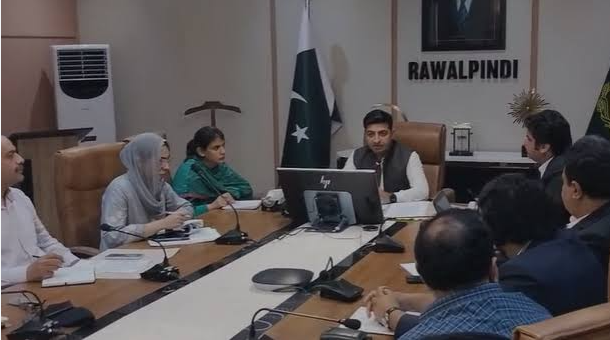
ISLAMABAD — Federal Minister for Board of Investment (BOI), Qaiser Ahmed Sheikh, engaged in discussions with a delegation from the Sundar Green Special Economic Zone (SEZ) on August 4. The meeting, held in Islamabad, included Member National Assembly (MNA) Rana Muhammad Hayat and key figures from the SEZ, such as Azeem Iftikhar, CEO; Muhammad Abid, Managing Director; and Rana Faisal Hayat, Director. The dialogue focused on enhancing investment opportunities and addressing challenges within the SEZ framework. What Happened The meeting between the BOI Minister and the Sundar Green SEZ delegation was an effort to bolster economic activities and attract investment in the region. The discussions centered around the current status of the SEZ, potential areas for development, and strategies to overcome existing hurdles. Azeem Iftikhar, CEO of Sundar Green SEZ, highlighted the zone’s capacity for growth and its strategic importance in promoting industrialization in Pakistan. Minister Qaiser Ahmed Sheikh emphasized the government’s commitment to facilitating investors and ensuring a conducive environment for business operations. He stated, “The government is dedicated to providing all necessary support to enhance the operational efficiency of SEZs and attract foreign and local investments.” The meeting also explored potential incentives for investors and the role of the BOI in streamlining processes to expedite project implementations. Rana Muhammad Hayat, representing the legislative perspective, assured the delegation of continued support from the National Assembly to ensure policy alignment and legislative backing for SEZ initiatives. The delegation expressed optimism about the government’s proactive approach and reiterated their commitment to contributing to Pakistan’s economic growth. Background Special Economic Zones (SEZs) in Pakistan are designated areas with special economic regulations that differ from other areas in the same country. These zones are part of the government’s broader strategy to enhance industrialization, attract foreign direct investment (FDI), and boost exports. The Sundar Industrial Estate, where the Sundar Green SEZ is located, has been pivotal in fostering industrial growth in Punjab. The concept of SEZs was introduced in Pakistan to replicate the success seen in other countries, such as China, where SEZs have significantly contributed to economic development. The Pakistani government has been actively working to improve the infrastructure and regulatory framework of these zones to make them more attractive to investors. Why It Matters The meeting between the BOI Minister and the Sundar Green SEZ delegation is significant for several reasons. Economically, it underscores the government’s ongoing efforts to revitalize the industrial sector, which is crucial for job creation and economic stability. By enhancing the operational capabilities of SEZs, Pakistan aims to increase its competitiveness in the global market, thereby boosting exports and reducing trade deficits. Socially, the development of SEZs can lead to significant job creation, which is vital in a country with a burgeoning youth population. The focus on green and sustainable practices within the Sundar Green SEZ also aligns with global trends towards environmentally friendly industrial practices, potentially positioning Pakistan as a leader in sustainable industrialization in the region. Politically, the engagement reflects the government’s commitment to fostering a business-friendly environment, which is essential for attracting both domestic and international investors. This approach is likely to enhance Pakistan’s image as a viable investment destination, thereby encouraging further economic partnerships. Key Takeaways Federal Minister Qaiser Ahmed Sheikh met with the Sundar Green SEZ delegation to discuss investment opportunities. The meeting focused on enhancing the operational efficiency of SEZs and attracting investments. Special Economic Zones are crucial for Pakistan’s industrial growth and economic stability. The government is committed to providing legislative and operational support to SEZs. The development of SEZs is expected to create jobs and boost exports. Source Attribution This article is based on official government statements, press releases, and public communications from relevant authorities. Author: NEN Editorial Desk | Editor: NEN Newsroom | Fact Checked By: NEN Editorial Team Author: NEN Editorial Desk  |  Editor: NEN Newsroom  |  Last Updated: August 04, 2026  |  Source: Press Release from Government of Pakistan This article was produced by the NEN Editorial Desk in accordance with NEN Agency’s Editorial Policy and Fact-Checking Policy.
Pakistan

Archbishop Calls for National Effort to Eradicate Child Labour in Pakistan

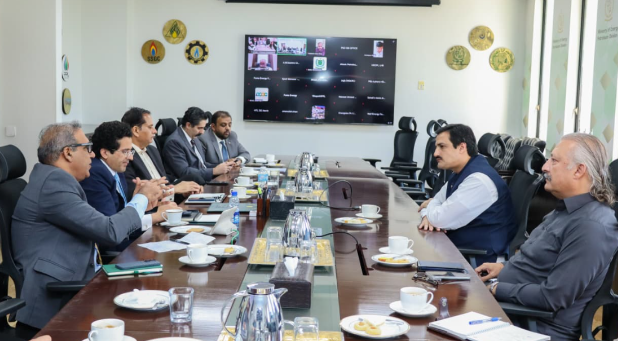
ISLAMABAD — Archbishop Dr. Joseph Arshad, the Bishop of Islamabad-Rawalpindi, has made a fervent appeal for a unified national strategy to combat child labour across Pakistan. On August 4, he described the practice as a severe infringement on human dignity, which strips millions of children of their rightful childhood, education, and prospects for a better future. What Happened In a statement issued from Islamabad, Archbishop Dr. Joseph Arshad condemned child labour, highlighting its detrimental impact on the lives of countless children in Pakistan. He emphasized the urgent need for a coordinated response involving various sectors of society, including the government, law enforcement agencies, educational institutions, religious leaders, and employers. “Child labour is a grave violation of human dignity,” he stated, urging all stakeholders to collaborate in eradicating this pervasive issue. The Archbishop’s call to action comes amid growing concerns about the prevalence of child labour in Pakistan, where children are often forced into work due to economic hardships faced by their families. Dr. Arshad stressed the importance of education as a fundamental right that should be accessible to all children, advocating for policies that ensure children remain in school rather than being exploited in the workforce. He also urged religious leaders to use their influence to raise awareness about the moral and ethical implications of child labour. By engaging communities in dialogue, he believes religious leaders can play a pivotal role in changing societal attitudes towards child labour and promoting the welfare of children. Background Child labour has been a persistent issue in Pakistan, with millions of children engaged in various forms of work. According to estimates by the International Labour Organization (ILO), Pakistan has one of the highest numbers of child labourers in the world. The country’s legal framework, including the Employment of Children Act 1991 and the Punjab Restriction on Employment of Children Ordinance 2016, prohibits child labour, yet enforcement remains weak. Historically, economic factors, such as poverty and lack of access to quality education, have driven families to send their children to work. Despite legislative measures, child labour continues to thrive in informal sectors, including agriculture, brick kilns, and domestic work, where regulations are often poorly enforced. Why It Matters The eradication of child labour is critical for Pakistan’s socio-economic development. Child labour not only deprives children of their education and childhood but also perpetuates the cycle of poverty. Without education, children are less likely to secure well-paying jobs in the future, thereby limiting their economic mobility and contributing to intergenerational poverty. Addressing child labour is also essential for improving Pakistan’s international standing and compliance with global human rights standards. The country’s reputation on the global stage is influenced by its ability to protect the rights of its most vulnerable citizens, including children. Effective measures to eliminate child labour would enhance Pakistan’s image and could lead to increased foreign investment and trade opportunities. Moreover, tackling child labour aligns with Pakistan’s commitments under the United Nations Sustainable Development Goals (SDGs), particularly Goal 8, which aims to promote sustained, inclusive, and sustainable economic growth, full and productive employment, and decent work for all. Key Takeaways Archbishop Dr. Joseph Arshad has called for a coordinated national effort to eliminate child labour in Pakistan. Child labour is a significant issue in Pakistan, affecting millions of children and depriving them of education and a brighter future. Legal frameworks exist to combat child labour, but enforcement is weak, particularly in informal sectors. Eradicating child labour is crucial for breaking the cycle of poverty and improving Pakistan’s international reputation. Efforts to address child labour align with Pakistan’s commitments to the United Nations Sustainable Development Goals. Source Attribution This article is based on official statements and public communications from relevant authorities. Author: NEN Editorial Desk | Editor: NEN Newsroom | Fact Checked By: NEN Editorial Team Author: NEN Editorial Desk  |  Editor: NEN Newsroom  |  Last Updated: August 04, 2026  |  Source: NEN Reporter This article was produced by the NEN Editorial Desk in accordance with NEN Agency’s Editorial Policy and Fact-Checking Policy.
Pakistan

PCB Names Michael Smith As Men’s Batting Coach On Two-Year Deal

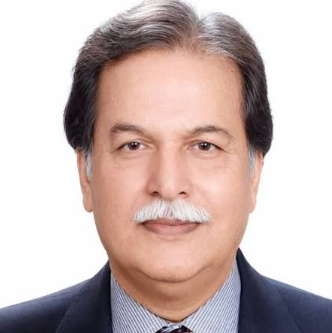
LAHORE — The Pakistan Cricket Board (PCB) has announced the appointment of Australian Michael Smith as the new batting coach for the Pakistan men’s cricket team. Smith’s two-year contract will see him working with both the red-ball and white-ball national teams, beginning with the upcoming Test series against England scheduled to start on August 19, 2026. What Happened The PCB confirmed on Tuesday that Michael Smith, a seasoned Australian cricket coach, will assume the role of batting coach for the Pakistan men’s cricket team. The 46-year-old brings a wealth of experience from his playing and coaching career, which includes a significant stint in first-class, List A, and Twenty20 cricket. Smith has accumulated 7,029 runs in his career, with nine centuries and 40 half-centuries to his name. Smith’s coaching credentials are equally impressive. He holds a Level 4 coaching qualification, one of the highest certifications in cricket coaching, which underscores his expertise and suitability for the role. His previous coaching roles include serving as the batting coach for the Hobart Hurricanes and Cricket Tasmania. Notably, he has also been part of the coaching staff for three franchises in the HBL Pakistan Super League (PSL), which has given him considerable insight into the dynamics of Pakistani cricket. The PCB hopes that Smith’s appointment will bolster the performance of Pakistan’s batting line-up across all formats of the game. His role will be crucial as the team prepares for the challenging Test series against England, a key fixture in the international cricket calendar. Background The appointment of Michael Smith comes at a time when the PCB is keen on strengthening its coaching staff to enhance the team’s performance on the international stage. The role of a batting coach is pivotal, especially given the challenges faced by Pakistan’s batsmen in recent years across different formats. The PCB’s decision aligns with its broader strategy to bring in experienced international coaches to provide technical expertise and fresh perspectives. Historically, Pakistan has had a mixed record in international cricket, with batting often identified as an area needing improvement. The PCB has previously engaged foreign coaches to address these challenges, aiming to leverage their international experience to develop local talent. Why It Matters Michael Smith’s appointment as the batting coach is significant for several reasons. Firstly, it reflects the PCB’s commitment to improving the technical skills and performance consistency of its batsmen. Smith’s extensive experience in both playing and coaching is expected to bring a new dimension to the team’s preparation and strategy. Economically, cricket is a major sport in Pakistan, with substantial investments from sponsors and stakeholders. A strong performance by the national team can enhance the sport’s popularity and financial viability, attracting more sponsorships and increasing revenue from international tours. Socially, cricket is a unifying force in Pakistan, often bringing together people from diverse backgrounds. Success on the cricket field can boost national morale and provide a sense of pride and achievement. Smith’s role in improving the batting lineup could be instrumental in achieving such success. Internationally, Pakistan’s cricket team is a key player in global tournaments. Strengthening the team’s batting capabilities can improve its competitiveness in events like the ICC World Cup and ICC World Test Championship, enhancing Pakistan’s reputation in the cricketing world. Key Takeaways Michael Smith appointed as Pakistan men’s cricket team batting coach on a two-year contract. Smith brings extensive playing and coaching experience, including a Level 4 coaching qualification. His appointment aims to strengthen Pakistan’s batting across all formats. Smith’s role will commence with the Test series against England starting August 19, 2026. The PCB’s move aligns with its strategy to enhance team performance with experienced international coaches. Source Attribution This article is based on official statements and public communications from the Pakistan Cricket Board. Author: NEN Editorial Desk | Editor: NEN Newsroom | Fact Checked By: NEN Editorial Team Author: NEN Editorial Desk  |  Editor: NEN Newsroom  |  Last Updated: August 04, 2026  |  Source: NEN Reporter This article was produced by the NEN Editorial Desk in accordance with NEN Agency’s Editorial Policy and Fact-Checking Policy.
Pakistan

Faisalabad Launches First Public Sector E-Swapping Battery Station

FAISALABAD — The city of Faisalabad has taken a significant step towards sustainable energy with the inauguration of Pakistan’s first public sector e-swapping battery charging station. This initiative, launched on August 3, aims to provide electric bike users with a swift and efficient method to replace depleted batteries, thereby promoting environmentally friendly transportation options. What Happened The e-swapping battery charging station was inaugurated by Divisional Commissioner Faisalabad, Dr. Imran Hamid Sheikh. This pilot project is part of the broader environmental initiatives spearheaded by Punjab Chief Minister Maryam Nawaz. The facility offers electric bike users the convenience of swapping their used batteries for fully charged ones in under a minute. This not only saves time but also encourages the adoption of electric vehicles by addressing one of the primary concerns of potential users: battery life and charging time. Dr. Imran Hamid Sheikh, while speaking at the inauguration, emphasized the importance of such projects in reducing carbon emissions and promoting sustainable urban mobility. “This e-swapping station is a step towards a cleaner and greener Faisalabad. It aligns with our commitment to environmental sustainability and innovation,” he stated. The station is strategically located to serve a large number of electric bike users, and it is expected to significantly reduce the dependency on fossil fuels. The project is seen as a model that could be replicated in other cities across Pakistan, contributing to the country’s efforts to combat climate change and reduce its carbon footprint. Background Electric vehicles (EVs) have been gaining traction globally as a cleaner alternative to traditional fossil fuel-powered vehicles. In Pakistan, the government has been actively promoting the use of EVs through various incentives and initiatives. The establishment of the e-swapping battery station in Faisalabad is part of these efforts, reflecting a growing commitment to sustainable energy solutions. Historically, Pakistan has faced challenges in adopting electric vehicles due to inadequate infrastructure and the high cost of EVs. However, recent government policies have aimed to address these issues by encouraging local manufacturing and providing subsidies for EV purchases. The introduction of battery swapping technology is a crucial development in this context, as it alleviates one of the main barriers to EV adoption: long charging times. Why It Matters The launch of the e-swapping battery station in Faisalabad is a significant development for several reasons. Economically, it represents a potential boost for the local economy by creating jobs and fostering innovation in the energy sector. As more stations are established, there will be increased demand for skilled workers to manage and maintain these facilities. Socially, the project promotes the use of electric vehicles, which are quieter and produce no emissions, leading to improved air quality and reduced noise pollution in urban areas. This has direct health benefits for the population, particularly in densely populated cities like Faisalabad. Politically, the initiative aligns with Pakistan’s commitments under international climate agreements to reduce greenhouse gas emissions. By investing in sustainable infrastructure, the government demonstrates its dedication to meeting these commitments and transitioning towards a greener economy. Internationally, the success of such projects can enhance Pakistan’s reputation as a country committed to environmental sustainability, potentially attracting foreign investment in the green energy sector. It also positions Pakistan as a leader in innovative solutions to global environmental challenges. Key Takeaways Faisalabad has launched Pakistan’s first public sector e-swapping battery charging station. The project is part of Punjab Chief Minister Maryam Nawaz’s environmental initiatives. The station allows electric bike users to swap depleted batteries for fully charged ones in under a minute. This initiative is expected to reduce carbon emissions and promote the adoption of electric vehicles. The project could serve as a model for similar initiatives across Pakistan. Source Attribution This article is based on official government statements, press releases, and public communications from relevant authorities. Author: NEN Editorial Desk | Editor: NEN Newsroom | Fact Checked By: NEN Editorial Team Author: NEN Editorial Desk  |  Editor: NEN Newsroom  |  Last Updated: August 04, 2026  |  Source: NEN Reporter This article was produced by the NEN Editorial Desk in accordance with NEN Agency’s Editorial Policy and Fact-Checking Policy.

Pakistan

Punjab Food Authority Raids Substandard Ice Lolly Unit in Gujar Khan

GUJAR KHAN — The Punjab Food Authority (PFA) Rawalpindi conducted a significant operation against food adulteration on Tuesday, targeting an ice lolly production unit in Gujar Khan. The raid resulted in the destruction of 8,000 substandard ice lollies and the imposition of a Rs 50,000 fine on the facility. What Happened The PFA’s enforcement team, acting on a tip-off, inspected the ice lolly production site in Gujar Khan, where they discovered a large quantity of ice lollies that failed to meet the health and safety standards set by the authority. The operation, part of a broader campaign to ensure food safety across Punjab, involved a detailed examination of the production process and ingredients used in the manufacturing of the ice lollies. According to PFA officials, the ice lollies were found to contain harmful additives and were produced in unsanitary conditions. The team promptly destroyed the entire batch of 8,000 ice lollies to prevent them from entering the market. “Our priority is to protect public health by ensuring that all food products available to consumers are safe and meet the required standards,” stated a PFA spokesperson. The PFA also issued a fine of Rs 50,000 to the production unit for violating food safety regulations. The authority has warned that strict actions will continue against those who compromise on food quality, emphasizing the importance of compliance with food safety laws. Background The Punjab Food Authority has been actively involved in regulating and monitoring food safety standards across the province. Established under the Punjab Food Authority Act 2011, the PFA is tasked with ensuring the provision of safe and hygienic food to the public. Over the years, the authority has conducted numerous raids and inspections, targeting various food production units, eateries, and markets to curb food adulteration and ensure compliance with health standards. Gujar Khan, a tehsil in the Rawalpindi District, has seen several such operations by the PFA, as part of a broader effort to improve food safety and hygiene. The authority’s actions are part of a comprehensive strategy to enhance food quality and protect consumers from health hazards associated with substandard food products. Why It Matters The PFA’s crackdown on substandard ice lolly production in Gujar Khan is a critical step in safeguarding public health. Food adulteration poses significant risks, including foodborne illnesses and long-term health issues. By ensuring that food products meet safety standards, the PFA plays a vital role in protecting consumers and maintaining public confidence in the food supply chain. Economically, such operations also serve as a deterrent to businesses that might consider cutting corners to maximize profits at the expense of consumer safety. The financial penalties and destruction of non-compliant products send a clear message that the government is serious about enforcing food safety laws. On a broader scale, these actions contribute to Pakistan’s efforts to align with international food safety standards, which is crucial for the country’s trade and export potential. Ensuring that local products meet global standards can enhance Pakistan’s reputation as a reliable source of safe food products, potentially opening up new markets and boosting the economy. Key Takeaways The Punjab Food Authority destroyed 8,000 substandard ice lollies in Gujar Khan. A fine of Rs 50,000 was imposed on the production unit for violating food safety standards. The operation is part of a broader campaign to combat food adulteration in Punjab. The PFA’s actions aim to protect public health and ensure compliance with safety regulations. Such measures also support Pakistan’s alignment with international food safety standards. Source Attribution This article is based on official government statements, press releases, and public communications from relevant authorities. Author: NEN Editorial Desk | Editor: NEN Newsroom | Fact Checked By: NEN Editorial Team Author: NEN Editorial Desk  |  Editor: NEN Newsroom  |  Last Updated: August 04, 2026  |  Source: NEN Reporter This article was produced by the NEN Editorial Desk in accordance with NEN Agency’s Editorial Policy and Fact-Checking Policy.

Pakistan

National Bank of Pakistan Releases Latest Currency Exchange Rates

KARACHI — The National Bank of Pakistan (NBP) has announced the latest exchange rates for major foreign currencies as of Tuesday. These rates are crucial for individuals and businesses engaging in international transactions, providing a benchmark for currency conversion in the country. What Happened On Tuesday, the National Bank of Pakistan issued the updated selling and buying rates for several major currencies. The exchange rate for the US dollar was set at 279.54 for selling and 276.54 for buying. The British pound was listed at 375.34 for selling and 370.92 for buying. The euro’s selling rate was established at 321.72, with a buying rate of 317.93. The Japanese yen, a less frequently traded currency in Pakistan, was priced at 1.7732 for selling and 1.7523 for buying. Additionally, the Saudi riyal and the UAE dirham were set at 74.44 and 76.12 for selling, with buying rates of 73.55 and 75.20, respectively. The exchange rates provided by NBP serve as a standard for currency conversion across Pakistan. These rates are particularly significant for importers, exporters, and individuals who need to convert foreign currency for travel or remittances. The rates are subject to change based on market conditions and are typically updated regularly to reflect the latest economic trends and geopolitical developments. Background The National Bank of Pakistan, established in 1949, is one of the largest commercial banks in the country. It plays a pivotal role in Pakistan’s financial system, offering a range of banking services, including currency exchange. The bank’s exchange rates are closely monitored by businesses and financial institutions due to their influence on trade and investment decisions. Currency exchange rates are determined by a variety of factors, including interest rates, inflation, political stability, and economic performance. In recent years, Pakistan’s currency, the rupee, has experienced fluctuations due to several economic challenges, including trade deficits and external debt. The State Bank of Pakistan, the country’s central bank, also plays a crucial role in managing the exchange rate through monetary policy and foreign exchange reserves. Why It Matters Exchange rates have a profound impact on Pakistan’s economy, affecting everything from the cost of imports and exports to inflation and purchasing power. For businesses engaged in international trade, understanding the current exchange rates is essential for pricing goods and services competitively. A weaker rupee can make imports more expensive, leading to higher costs for consumers and businesses that rely on foreign goods. Conversely, it can make Pakistani exports more attractive to foreign buyers, potentially boosting the country’s trade balance. For individuals, exchange rates influence the cost of travel and remittances. A strong rupee can reduce the cost of traveling abroad, while a weaker rupee can increase the cost of sending money home for expatriates. The exchange rate also affects the purchasing power of remittances, which are a significant source of foreign exchange for Pakistan. On a macroeconomic level, exchange rates can impact inflation and economic growth. A depreciating currency can lead to higher inflation as import prices rise, while a stable or appreciating currency can help keep inflation in check. Policymakers must balance these factors when setting monetary policy to ensure economic stability and growth. Key Takeaways The National Bank of Pakistan has released the latest exchange rates for major currencies, including the US dollar, British pound, and euro. Exchange rates are crucial for businesses and individuals engaged in international transactions, affecting trade, travel, and remittances. The NBP’s rates serve as a benchmark for currency conversion across Pakistan, influencing economic decisions. Exchange rates impact inflation, purchasing power, and economic growth, making them a key focus for policymakers. Fluctuations in the rupee’s value are influenced by economic conditions, political stability, and global market trends. Source Attribution This article is based on official government statements, press releases, and public communications from relevant authorities. Author: NEN Editorial Desk | Editor: NEN Newsroom | Fact Checked By: NEN Editorial Team Author: NEN Editorial Desk  |  Editor: NEN Newsroom  |  Last Updated: August 04, 2026  |  Source: NEN Reporter This article was produced by the NEN Editorial Desk in accordance with NEN Agency’s Editorial Policy and Fact-Checking Policy.

Pakistan

IT Ministry and Alibaba Cloud Host AI Training for Public Sector Leaders

ISLAMABAD — The Ministry of Information Technology and Telecommunication, in partnership with Ignite National Technology Fund and Alibaba Cloud, held a training session on Tuesday at the National Incubation Center, focusing on the adoption of artificial intelligence (AI) by public sector leaders. What Happened The training session, titled “AI for Public Sector Leaders,” aimed to equip government officials with the necessary skills and knowledge to effectively integrate AI technologies into public sector operations. The session was attended by various public sector leaders who were introduced to cutting-edge AI tools and technologies that could enhance efficiency and service delivery in government departments. During the session, experts from Alibaba Cloud shared insights on the strategic implementation of AI solutions, emphasizing the importance of data-driven decision-making in the public sector. The training covered a range of topics, including AI ethics, data privacy, and the potential applications of AI in areas such as healthcare, education, and public safety. A spokesperson from the Ministry of Information Technology highlighted the government’s commitment to leveraging AI to improve governance and public service delivery. “This training is a step towards building a digitally empowered Pakistan where technology serves as a catalyst for development,” the spokesperson said. Ignite National Technology Fund, which focuses on fostering innovation and entrepreneurship in Pakistan, played a pivotal role in organizing the event. The collaboration with Alibaba Cloud, a global leader in cloud computing and AI services, provided participants with access to international expertise and best practices in AI adoption. Background Pakistan has been making strides in digital transformation, with the government prioritizing the integration of technology across various sectors. The Ministry of Information Technology and Telecommunication has been at the forefront of these efforts, launching several initiatives aimed at enhancing digital literacy and infrastructure. Ignite National Technology Fund, established under the Ministry, has been instrumental in supporting tech startups and promoting innovation through funding and incubation programs. The collaboration with Alibaba Cloud is part of a broader strategy to engage with global tech leaders and bring advanced technological solutions to Pakistan. Alibaba Cloud, part of the Alibaba Group, is renowned for its expertise in cloud computing and AI technologies. The company’s collaboration with the Pakistani government underscores a growing trend of international partnerships aimed at bolstering Pakistan’s tech capabilities. Why It Matters The adoption of AI in the public sector is poised to revolutionize the way government services are delivered in Pakistan. By integrating AI technologies, public sector entities can improve efficiency, reduce costs, and enhance the quality of services provided to citizens. This is particularly significant in a country like Pakistan, where resource constraints often hinder effective service delivery. Furthermore, the training session reflects Pakistan’s commitment to embracing the digital age and preparing its workforce for the challenges and opportunities presented by emerging technologies. As AI continues to evolve, it is crucial for public sector leaders to understand its implications and potential applications, ensuring that Pakistan remains competitive on the global stage. The collaboration with Alibaba Cloud also highlights the importance of international cooperation in the field of technology. By leveraging the expertise of global tech giants, Pakistan can accelerate its digital transformation and foster an environment conducive to innovation and growth. Key Takeaways The Ministry of IT, Ignite, and Alibaba Cloud conducted an AI training session for public sector leaders. The session focused on integrating AI technologies to improve public sector efficiency and service delivery. Participants were introduced to AI tools, ethics, data privacy, and potential applications in various sectors. This initiative is part of Pakistan’s broader strategy to enhance digital literacy and infrastructure. International collaboration with Alibaba Cloud underscores Pakistan’s commitment to tech-driven development. Source Attribution This article is based on official government statements and public communications from relevant authorities. Author: NEN Editorial Desk | Editor: NEN Newsroom | Fact Checked By: NEN Editorial Team Author: NEN Editorial Desk  |  Editor: NEN Newsroom  |  Last Updated: August 04, 2026  |  Source: Press Release from Ministry of IT & Telecom This article was produced by the NEN Editorial Desk in accordance with NEN Agency’s Editorial Policy and Fact-Checking Policy.

Scroll to Top