

Pakistan

News related to Pakistan in Pakistan and around the world.

Pakistan

Khyber Pakhtunkhwa Authority Seizes 2,000 Kg of Substandard Food Items

PESHAWAR — The Khyber Pakhtunkhwa Food Safety and Halal Food Authority has confiscated over 2,000 kilograms of substandard food items, including spices, starch, milk, and packaging materials. The seizure took place at a facility suspected of packaging counterfeit branded spices and custard products in the region. What Happened The operation was conducted by the Khyber Pakhtunkhwa Food Safety and Halal Food Authority, which is responsible for ensuring food quality and safety standards in the province. During the raid, officials discovered a significant quantity of food items that did not meet the required health and safety standards. The seized goods included more than 2,000 kilograms of spices, starch, milk, and various packaging materials. An official from the authority stated, “We have been monitoring this unit for some time now, following complaints about the quality of their products. Our team acted swiftly to prevent these substandard items from reaching the market.” The confiscated items were allegedly being prepared for distribution under counterfeit branding, posing a risk to consumer health and safety. The authority has launched an investigation into the operations of the unit, aiming to uncover the extent of the distribution network and the potential impact on consumers. Legal action is expected to follow against those responsible for the production and distribution of these substandard products. Background The Khyber Pakhtunkhwa Food Safety and Halal Food Authority was established to regulate and monitor food quality across the province. It operates under the Khyber Pakhtunkhwa Food Safety and Halal Food Authority Act, which empowers it to conduct inspections, seize non-compliant products, and take legal action against violators. In recent years, the authority has intensified its efforts to combat food adulteration and ensure that food products meet health and safety standards. This includes regular inspections of food manufacturing units, markets, and distribution centers. The authority’s actions are part of a broader initiative to protect public health and maintain consumer trust in food products available in the market. Why It Matters The seizure of over 2,000 kilograms of substandard food items underscores the ongoing challenges faced by regulatory bodies in ensuring food safety in Pakistan. The presence of counterfeit and substandard food products in the market poses significant health risks to consumers, potentially leading to foodborne illnesses and long-term health issues. Economically, the production and distribution of counterfeit food items can undermine the reputation of legitimate brands, affecting their market share and consumer trust. This can have a ripple effect on the local economy, impacting jobs and livelihoods in the food manufacturing and retail sectors. Socially, the availability of substandard food products can erode public confidence in the safety of food supplies, leading to increased demand for stricter regulations and enforcement. This incident highlights the need for continuous vigilance and robust enforcement mechanisms to safeguard public health. Internationally, ensuring food safety is crucial for Pakistan’s trade relations, particularly in the export of food products. Compliance with international food safety standards is essential for accessing global markets and enhancing the country’s trade opportunities. Key Takeaways The Khyber Pakhtunkhwa Food Safety and Halal Food Authority seized over 2,000 kilograms of substandard food items. The operation targeted a unit involved in packaging counterfeit branded spices and custard products. Legal action is anticipated against those responsible for producing and distributing these items. The incident highlights ongoing challenges in ensuring food safety and protecting public health in Pakistan. Maintaining food safety standards is crucial for economic stability and international trade relations. Source Attribution This article is based on official government statements and public communications from relevant authorities. Author: NEN Editorial Desk | Editor: NEN Newsroom | Fact Checked By: NEN Editorial Team Author: NEN Editorial Desk  |  Editor: NEN Newsroom  |  Last Updated: September 15, 2026  |  Source: Press Release from Government of Pakistan This article was produced by the NEN Editorial Desk in accordance with NEN Agency’s Editorial Policy and Fact-Checking Policy.
Pakistan

Commerce Secretary Engages Public in Sillanwali Open Court Session

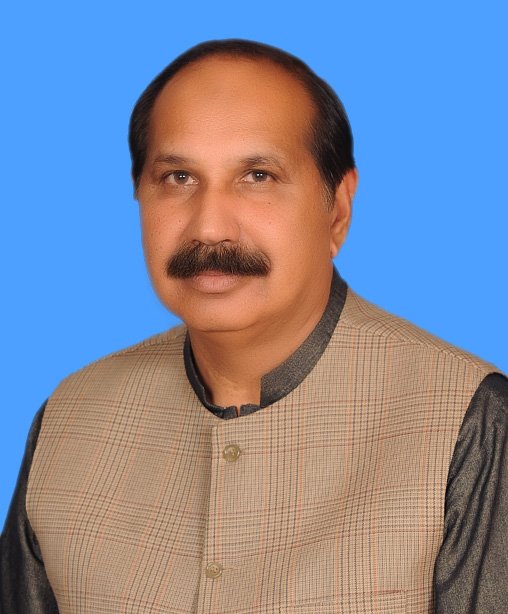
SILLANWALI — Federal Parliamentary Secretary for Commerce and Member of the National Assembly (MNA) from Pakistan Muslim League-Nawaz, Dr Zulfiqar Ali Bhatti, conducted an open court session at the Bhatti Public Secretariat in Sillanwali on Tuesday. The session aimed to address the grievances and issues faced by the local citizens and those from surrounding areas. What Happened Dr Zulfiqar Ali Bhatti, serving as the Federal Parliamentary Secretary for Commerce, engaged directly with the residents of Sillanwali and nearby regions during an open court session held at the Bhatti Public Secretariat. This initiative was part of an ongoing effort to enhance government transparency and accountability by providing a platform for citizens to voice their concerns directly to government officials. The session saw a diverse group of attendees, including local community leaders, business owners, and ordinary citizens, who presented a range of issues. These included infrastructural deficiencies, economic challenges, and administrative hurdles impacting their daily lives. Dr Bhatti listened attentively to each concern, assuring the participants that their issues would be communicated to the relevant authorities for prompt resolution. In his address, Dr Bhatti emphasized the government’s commitment to addressing public grievances and improving service delivery. He stated, “Our goal is to ensure that the voices of our citizens are heard and that their issues are resolved efficiently. This open court is just one of the many steps we are taking to bridge the gap between the government and the people.” Background Open court sessions have been a part of Pakistan’s administrative framework aimed at fostering direct communication between the government and its citizens. Historically, such sessions have been instrumental in identifying grassroots issues that may not always be visible through regular bureaucratic channels. The initiative aligns with the broader objectives of the Pakistan Muslim League-Nawaz (PML-N) to enhance governance and public service delivery. Dr Zulfiqar Ali Bhatti, representing the Sargodha constituency, has been active in addressing local issues through various government programs and initiatives. His engagement in open court sessions reflects a continued effort to maintain transparency and accountability within his jurisdiction. Why It Matters The open court session in Sillanwali is significant for several reasons. Economically, it provides an opportunity for local businesses and entrepreneurs to express their challenges directly to policymakers, potentially influencing policy adjustments that could foster economic growth in the region. Socially, such interactions empower citizens by giving them a platform to voice their concerns, thereby enhancing civic engagement and trust in governmental processes. Politically, the initiative underscores the PML-N’s commitment to grassroots governance and public service. By addressing local grievances, the party aims to strengthen its support base and demonstrate its dedication to improving the lives of ordinary citizens. This approach could have broader implications for political stability and governance in Pakistan, as it encourages other political entities to adopt similar measures. Internationally, the open court system reflects positively on Pakistan’s democratic processes, showcasing a commitment to transparency and citizen participation. Such initiatives can improve the country’s image on the global stage, potentially attracting foreign investment and fostering international partnerships. Key Takeaways Dr Zulfiqar Ali Bhatti held an open court session in Sillanwali to address citizen grievances. The session provided a platform for local residents to discuss issues directly with government officials. Open court sessions are part of a broader effort to enhance transparency and public service delivery. The initiative reflects the PML-N’s commitment to grassroots governance and citizen engagement. Such interactions can positively impact Pakistan’s democratic image internationally. Source Attribution This article is based on official government statements, press releases, and public communications from relevant authorities. Author: NEN Editorial Desk | Editor: NEN Newsroom | Fact Checked By: NEN Editorial Team Author: NEN Editorial Desk  |  Editor: NEN Newsroom  |  Last Updated: September 15, 2026  |  Source: NEN Reporter This article was produced by the NEN Editorial Desk in accordance with NEN Agency’s Editorial Policy and Fact-Checking Policy.

Pakistan

PESCO Recovers Rs2.4 Million in Anti-Power Theft Operations

ISLAMABAD — The Peshawar Electric Supply Company (PESCO) has successfully recovered Rs2.405 million in outstanding dues and fines during a series of anti-power theft operations conducted across various areas of Peshawar. The operations, which took place over the past week, also resulted in the disconnection of 28 illegal electricity connections, according to official statements. What Happened The Peshawar Electric Supply Company (PESCO) initiated a targeted operation to curb electricity theft and recover outstanding dues in Peshawar. The operation, which spanned several localities, was part of a broader strategy to enhance revenue collection and reduce losses due to illegal connections. According to PESCO officials, the operation was conducted with the assistance of local law enforcement agencies to ensure compliance and safety. The operation led to the recovery of Rs2.405 million in unpaid bills and fines. Additionally, 28 illegal connections were identified and disconnected. These connections were reportedly siphoning off electricity without proper authorization, contributing to significant losses for the utility company. “The crackdown on power theft is an ongoing effort to ensure that all consumers pay their fair share for the electricity they consume,” a PESCO spokesperson stated. “We are committed to taking all necessary actions to prevent theft and improve the efficiency of our distribution network.” PESCO has been actively engaging in similar operations across its jurisdiction, aiming to address the challenges posed by electricity theft, which not only affects the company’s financial health but also impacts the overall power supply stability in the region. Background Electricity theft has been a persistent issue in Pakistan, contributing to significant financial losses for utility companies like PESCO. The problem is exacerbated by outdated infrastructure, lack of adequate monitoring, and socio-economic factors that drive some consumers to resort to illegal connections. In recent years, the government and utility companies have intensified efforts to combat this issue through technological upgrades, increased surveillance, and stricter enforcement of penalties. The introduction of smart meters and automated systems has been part of the strategy to detect and deter illegal connections more effectively. PESCO, serving the Khyber Pakhtunkhwa region, has been at the forefront of these initiatives, regularly conducting operations to identify and penalize power theft. The company’s efforts are aligned with national policies aimed at reducing circular debt and improving the financial viability of the power sector. Why It Matters The recovery of Rs2.405 million and the disconnection of illegal connections are significant steps towards addressing the broader issue of electricity theft in Pakistan. This not only helps in improving the financial health of utility companies but also ensures a more stable and reliable power supply for legitimate consumers. Electricity theft contributes to the circular debt crisis, a major challenge for Pakistan’s energy sector. By recovering dues and penalizing illegal connections, PESCO is contributing to the reduction of this debt, which in turn can lead to more investments in infrastructure and service improvements. For citizens, these operations mean a fairer distribution of electricity costs and potentially lower tariffs in the long run, as the financial burden of theft and losses is reduced. It also underscores the importance of compliance and the consequences of illegal activities, promoting a culture of accountability and responsibility among consumers. Key Takeaways PESCO recovered Rs2.405 million in dues and fines during anti-theft operations in Peshawar. 28 illegal electricity connections were disconnected as part of the crackdown. Electricity theft is a significant issue impacting Pakistan’s energy sector and contributing to circular debt. Efforts to combat power theft include technological upgrades and stricter enforcement. The operations aim to improve financial health and stability of the power supply for consumers. Source Attribution This article is based on official statements and public communications from Peshawar Electric Supply Company and relevant authorities. Author: NEN Editorial Desk | Editor: NEN Newsroom | Fact Checked By: NEN Editorial Team Author: NEN Editorial Desk  |  Editor: NEN Newsroom  |  Last Updated: September 15, 2026  |  Source: NEN Reporter This article was produced by the NEN Editorial Desk in accordance with NEN Agency’s Editorial Policy and Fact-Checking Policy.
Pakistan

Rupee Appreciates Slightly Against US Dollar in Interbank Market

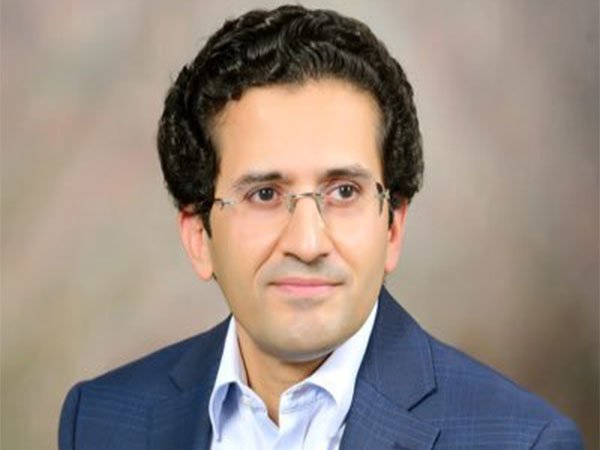
ISLAMABAD — On Monday, the Pakistani Rupee experienced a minor appreciation against the US Dollar in the interbank market, closing at Rs277.31 compared to the previous closing of Rs277.32. This marginal gain of 01 paisa was reported by the Forex Association of Pakistan (FAP), reflecting the ongoing volatility in the currency exchange rates. What Happened The Pakistani Rupee’s slight gain against the US Dollar on September 14, 2023, came as a result of various factors influencing the currency market. According to the Forex Association of Pakistan, the buying and selling rates of the US Dollar in the open market were observed at Rs277.31 and Rs277.32, respectively. This change indicates a stabilization effort amidst economic challenges facing the country. Currency fluctuations are common in Pakistan, driven by multiple economic indicators, including inflation rates, foreign exchange reserves, and international trade balances. The Rupee’s movement against the Dollar is closely monitored by investors and policymakers, as it impacts import costs, foreign debt repayments, and overall economic stability. Market analysts suggest that the slight appreciation could be attributed to recent measures taken by the State Bank of Pakistan (SBP) to manage liquidity and stabilize the currency. These measures include interventions in the foreign exchange market and adjustments in monetary policy to curb inflationary pressures. Background The Pakistani Rupee has faced significant depreciation over the past year, influenced by global economic conditions and domestic challenges. The country has been grappling with high inflation rates, a widening current account deficit, and declining foreign exchange reserves, which have collectively exerted pressure on the Rupee. Historically, the Rupee’s value against the Dollar has been a critical indicator of Pakistan’s economic health. The currency has experienced periods of volatility due to geopolitical tensions, changes in international oil prices, and fluctuations in remittances from overseas Pakistanis. In recent months, the government and the SBP have implemented various strategies to stabilize the Rupee, including seeking financial assistance from international organizations, enhancing export competitiveness, and encouraging foreign direct investment. Why It Matters The Rupee’s value against the US Dollar is a vital economic indicator for Pakistan, affecting various aspects of the economy and the daily lives of its citizens. A stable or appreciating Rupee can help reduce the cost of imports, which is crucial for a country that relies heavily on imported goods, including essential commodities like oil and machinery. For businesses, a stable currency environment provides predictability in financial planning and investment decisions. It can also enhance investor confidence, attracting foreign investment that is essential for economic growth and job creation. On the international front, the Rupee’s performance can influence Pakistan’s trade relationships and its ability to service foreign debt. A stronger Rupee can reduce the burden of external debt repayments, freeing up resources for development projects and social welfare programs. Economically, a stable Rupee can help control inflation by making imported goods more affordable, thereby easing the cost of living for ordinary citizens. This is particularly important in a country where inflation has been a persistent challenge, eroding purchasing power and increasing poverty levels. Key Takeaways The Pakistani Rupee appreciated by 01 paisa against the US Dollar in interbank trading, closing at Rs277.31. The Forex Association of Pakistan reported the buying and selling rates of the Dollar at Rs277.31 and Rs277.32, respectively. Currency fluctuations are influenced by economic indicators such as inflation, foreign reserves, and trade balances. Stabilizing the Rupee is crucial for reducing import costs, managing foreign debt, and controlling inflation. A stable Rupee can enhance investor confidence and attract foreign investment, supporting economic growth. Source Attribution This article is based on official government statements, press releases, and public communications from relevant authorities. Author: NEN Editorial Desk | Editor: NEN Newsroom | Fact Checked By: NEN Editorial Team Author: NEN Editorial Desk  |  Editor: NEN Newsroom  |  Last Updated: September 15, 2026  |  Source: NEN Reporter This article was produced by the NEN Editorial Desk in accordance with NEN Agency’s Editorial Policy and Fact-Checking Policy.
Pakistan

Railways Minister Inaugurates Upgraded University Auditorium, Emphasizes National Unity

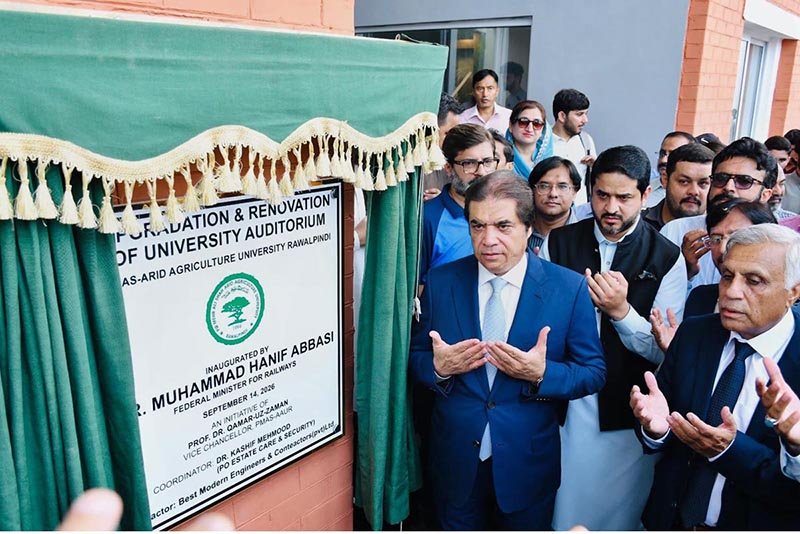
RAWALPINDI — Federal Minister for Railways Muhammad Hanif Abbasi inaugurated the newly upgraded auditorium at Pir Mehr Ali Shah Arid Agriculture University on Thursday. The project, completed in record time, marks a significant enhancement in the university’s infrastructure, aiming to provide better facilities for academic and cultural events. During the ceremony, Abbasi reiterated Pakistan’s status as a nuclear power, emphasizing the importance of national unity and prioritizing the nation’s interests above all. What Happened The inauguration ceremony of the upgraded auditorium at Pir Mehr Ali Shah Arid Agriculture University was attended by faculty members, students, and other dignitaries. Federal Minister Muhammad Hanif Abbasi, who presided over the event, highlighted the swift completion of the project, which is expected to serve as a hub for educational and cultural activities. The minister praised the efforts of the university administration and the contractors involved in the project for their dedication and efficiency. Addressing the audience, Abbasi reaffirmed Pakistan’s position as a nuclear power, stating, “No one can cast an evil eye on our country.” He stressed the need for unity among Pakistanis, urging them to adopt a “Pakistan-first” approach in all matters. His remarks were met with applause from the attendees, who appreciated the minister’s call for solidarity in the face of external and internal challenges. The upgraded auditorium is equipped with state-of-the-art facilities, including advanced audio-visual systems, comfortable seating arrangements, and enhanced acoustics. These improvements are expected to significantly enhance the quality of events hosted at the venue, ranging from academic conferences to cultural performances. Background Pir Mehr Ali Shah Arid Agriculture University, located in Rawalpindi, is one of Pakistan’s leading institutions specializing in agricultural education and research. The university has been at the forefront of developing innovative solutions to address the challenges faced by the agricultural sector in Pakistan. The newly upgraded auditorium is part of the university’s ongoing efforts to improve its infrastructure and provide a conducive environment for learning and development. In recent years, the government has prioritized the enhancement of educational facilities across the country, recognizing the critical role of education in national development. The completion of the auditorium project aligns with these broader efforts to uplift educational standards and infrastructure. Why It Matters The inauguration of the upgraded auditorium at Pir Mehr Ali Shah Arid Agriculture University is significant for several reasons. Firstly, it reflects the government’s commitment to improving educational infrastructure, which is essential for fostering academic excellence and innovation. Such developments are crucial for equipping the next generation with the skills and knowledge needed to drive Pakistan’s economic and social progress. Secondly, the minister’s emphasis on national unity and Pakistan’s nuclear capabilities underscores the importance of solidarity in maintaining the country’s sovereignty and security. In a region marked by geopolitical tensions, reaffirming Pakistan’s defensive capabilities serves as a reminder of the need for internal cohesion to address external threats. Moreover, the upgraded facilities at the university are expected to attract more academic and cultural events, thereby enhancing the institution’s reputation and providing students with greater opportunities for exposure and learning. This aligns with broader educational goals of promoting a well-rounded and globally competitive student body. Key Takeaways Federal Minister Muhammad Hanif Abbasi inaugurated the upgraded auditorium at Pir Mehr Ali Shah Arid Agriculture University. The project was completed in record time, enhancing the university’s infrastructure for academic and cultural events. Abbasi emphasized Pakistan’s status as a nuclear power and called for national unity and a “Pakistan-first” approach. The upgraded facilities are expected to improve the quality of events hosted at the university. The development aligns with government efforts to enhance educational infrastructure nationwide. Source Attribution This article is based on official government statements, press releases, and public communications from relevant authorities. Author: NEN Editorial Desk | Editor: NEN Newsroom | Fact Checked By: NEN Editorial Team Author: NEN Editorial Desk  |  Editor: NEN Newsroom  |  Last Updated: September 15, 2026  |  Source: Press Release from Government of Pakistan This article was produced by the NEN Editorial Desk in accordance with NEN Agency’s Editorial Policy and Fact-Checking Policy.
Pakistan

Government Ensures Petrol Price Relief for Vulnerable Groups: Minister Malik

ISLAMABAD — The Federal Minister for Petroleum, Ali Pervaiz Malik, announced on Monday that the government remains dedicated to safeguarding vulnerable segments of society by offering targeted relief on petrol prices amid challenging economic conditions. Speaking on a private television channel, Malik underscored the government’s strategy to maintain this relief initiative. What Happened On September 14, Federal Minister Ali Pervaiz Malik addressed the nation through a televised interview, elaborating on the government’s commitment to easing the financial burden on economically disadvantaged groups through petrol price relief. The minister highlighted that the government has devised a comprehensive strategy to ensure the continuation of this relief scheme, which is particularly crucial during periods of economic hardship. Malik stated, “The government is fully aware of the difficulties faced by the vulnerable segments of our society, and we are committed to providing them with necessary relief.” He further explained that the relief program is designed to specifically target those most affected by fluctuating fuel prices, which have a significant impact on the cost of living. While the exact details of the strategy were not disclosed, Malik assured that the government is actively working to implement measures that will stabilize petrol prices and mitigate their impact on the populace. The initiative is part of a broader effort to support economic recovery and provide a safety net for those in need. Background The announcement comes in the wake of ongoing economic challenges in Pakistan, exacerbated by global fluctuations in oil prices and domestic inflationary pressures. Historically, petrol prices have been a contentious issue in Pakistan, often leading to public outcry and protests. The government has periodically intervened to adjust prices in response to international market trends and domestic economic conditions. In recent years, the government has faced criticism for not adequately protecting the lower-income groups from the adverse effects of rising fuel costs. This latest initiative aims to address such concerns by offering targeted relief to those most affected. Why It Matters The government’s decision to provide targeted petrol price relief is significant for several reasons. Economically, it represents an effort to cushion the impact of global oil price volatility on Pakistan’s most vulnerable citizens. By stabilizing petrol prices, the government aims to prevent further inflationary pressures on essential goods and services, which could exacerbate poverty levels. Socially, the relief scheme is a critical component of the government’s broader social welfare agenda. It reflects an understanding of the disproportionate impact that fuel price hikes have on low-income households, who spend a larger share of their income on transportation and energy costs. By alleviating some of this burden, the government hopes to improve the quality of life for these groups. Politically, the initiative is an attempt to build public trust and confidence in the government’s ability to manage economic challenges effectively. It also serves as a response to public demands for more equitable economic policies that prioritize the needs of the less privileged. Key Takeaways The government is committed to providing targeted petrol price relief to protect vulnerable segments of society. Federal Minister Ali Pervaiz Malik announced the strategy to continue the relief scheme amid economic challenges. The initiative aims to stabilize petrol prices and mitigate their impact on the cost of living. This move is part of a broader effort to support economic recovery and provide a safety net for those in need. The relief scheme addresses public concerns about the government’s handling of fuel price volatility. Source Attribution This article is based on official government statements, press releases, and public communications from relevant authorities. Author: NEN Editorial Desk | Editor: NEN Newsroom | Fact Checked By: NEN Editorial Team Author: NEN Editorial Desk  |  Editor: NEN Newsroom  |  Last Updated: September 15, 2026  |  Source: NEN Reporter This article was produced by the NEN Editorial Desk in accordance with NEN Agency’s Editorial Policy and Fact-Checking Policy.
Pakistan

Lahore, Karachi Chambers Unite to Address Business Community Concerns

LAHORE — The Karachi Chamber of Commerce and Industry (KCCI) and the Lahore Chamber of Commerce and Industry (LCCI) have announced a collaborative initiative to address the pressing issues faced by the business community with government authorities. This decision was made during a meeting held on Monday in Lahore, where KCCI President Muhammad Rehan Hanif, accompanied by a delegation, met with LCCI President Faheem Ur Rehman Saigol. What Happened During the meeting, both chambers emphasized the need for a unified approach to tackle the challenges confronting businesses in Pakistan. The leadership of KCCI and LCCI agreed to work together to present a consolidated front when engaging with government officials and policymakers. The collaboration aims to ensure that the concerns of the business community are effectively communicated and addressed. KCCI President Muhammad Rehan Hanif highlighted the importance of this partnership, stating, “It is crucial for the business community to have a strong, unified voice when dealing with government issues. By joining forces with LCCI, we aim to make our advocacy more impactful.” LCCI President Faheem Ur Rehman Saigol echoed this sentiment, emphasizing the potential benefits of a coordinated strategy in resolving business-related issues. The meeting also served as a platform to discuss specific challenges, such as regulatory hurdles, taxation policies, and infrastructure development, which have been longstanding concerns for businesses operating in both Karachi and Lahore. The leaders of both chambers expressed their commitment to developing actionable strategies to address these issues, thereby fostering a more conducive environment for business growth and investment. Background The collaboration between KCCI and LCCI marks a significant step in the ongoing efforts to strengthen the business sector in Pakistan. Historically, both chambers have operated independently, focusing on regional issues pertinent to their respective cities. However, the increasing complexity of the business environment and the need for comprehensive policy reforms have necessitated a more integrated approach. In recent years, Pakistan’s business community has faced numerous challenges, including economic instability, fluctuating exchange rates, and inconsistent policy implementation. These issues have been compounded by the global impacts of the COVID-19 pandemic, which has disrupted supply chains and affected market dynamics. The joint efforts of KCCI and LCCI aim to address these challenges by advocating for policies that support business resilience and sustainability. Why It Matters The partnership between KCCI and LCCI is poised to have significant implications for the business landscape in Pakistan. By presenting a united front, the chambers can exert greater influence on policy decisions that affect the business community. This collaboration is expected to enhance the effectiveness of advocacy efforts, leading to more favorable outcomes for businesses in terms of regulatory reforms and economic policies. Economically, the joint initiative could contribute to improved business confidence, encouraging both domestic and foreign investment. A stable and supportive business environment is essential for economic growth and job creation, which are critical for Pakistan’s development trajectory. Socially, addressing business challenges can lead to increased employment opportunities and improved livelihoods for citizens. Politically, the collaboration underscores the importance of public-private partnerships in driving national development. By working together, KCCI and LCCI can help bridge the gap between the private sector and government, fostering a more collaborative approach to economic policymaking. Key Takeaways The Karachi and Lahore Chambers of Commerce are collaborating to address business issues with the government. The partnership aims to present a unified voice to enhance advocacy efforts. Key challenges include regulatory hurdles, taxation policies, and infrastructure development. The collaboration is expected to boost business confidence and encourage investment. This initiative highlights the importance of public-private partnerships in economic development. Source Attribution This article is based on official government statements, press releases, and public communications from relevant authorities. Author: NEN Editorial Desk | Editor: NEN Newsroom | Fact Checked By: NEN Editorial Team Author: NEN Editorial Desk  |  Editor: NEN Newsroom  |  Last Updated: September 14, 2026  |  Source: NEN Reporter This article was produced by the NEN Editorial Desk in accordance with NEN Agency’s Editorial Policy and Fact-Checking Policy.
Pakistan

IRSA Releases 238,000 Cusecs of Water Amid Rising Inflows

ISLAMABAD — The Indus River System Authority (IRSA) has released 238,000 cusecs of water from various rim stations, responding to an inflow of 206,300 cusecs. The decision, made on Monday, aims to manage the water levels effectively across the country’s river systems. What Happened IRSA, responsible for regulating and monitoring the distribution of water resources among Pakistan’s provinces, announced the release of 238,000 cusecs of water. This release is part of its ongoing efforts to manage the water inflow and storage levels in the country’s river systems. According to the data released by IRSA, the water level in the River Indus at Tarbela Dam was recorded at 1543.73 feet, which is 141.73 feet above the dead level. The release of water is crucial for maintaining the balance between inflow and outflow, ensuring that the dam’s capacity is not exceeded, which could lead to potential flooding. The inflow of 206,300 cusecs indicates a significant volume of water entering the system, necessitating careful management to prevent any adverse impacts downstream. IRSA’s decision is based on real-time monitoring and assessment of water levels, inflow rates, and weather forecasts. The authority works closely with provincial irrigation departments to ensure equitable distribution of water, particularly during periods of high inflow, which are common during the monsoon season. Background The Indus River System Authority was established to manage Pakistan’s water resources, particularly the Indus River and its tributaries. The authority’s role is critical in a country where agriculture is a major component of the economy, relying heavily on irrigation. The Water Apportionment Accord of 1991 provides the legal framework for water distribution among the provinces, ensuring that each region receives its fair share based on agreed-upon allocations. Tarbela Dam, one of the largest earth-filled dams in the world, plays a key role in Pakistan’s water management strategy. It serves multiple purposes, including irrigation, flood control, and hydroelectric power generation. Managing the water levels at Tarbela is crucial, especially during the monsoon season when inflows can increase dramatically. Why It Matters The release of 238,000 cusecs of water by IRSA is significant for several reasons. Economically, it supports the agricultural sector by ensuring a steady supply of water for irrigation. This is vital for crops such as rice, wheat, and sugarcane, which are essential to Pakistan’s economy and food security. Socially, effective water management helps prevent flooding, which can have devastating effects on communities living near riverbanks. Floods can lead to loss of life, displacement, and destruction of property, making IRSA’s role in managing water levels critically important for public safety. Politically, water distribution is a sensitive issue in Pakistan, with provinces often competing for their share. IRSA’s decisions are closely watched by provincial governments, and equitable distribution is essential to maintaining harmony and cooperation among the regions. On an international level, effective water management is crucial for Pakistan’s relations with neighboring countries, particularly India, with whom it shares the Indus River system. The Indus Waters Treaty, signed in 1960, governs the use of the river system’s waters, making compliance and cooperation essential to regional stability. Key Takeaways IRSA released 238,000 cusecs of water in response to an inflow of 206,300 cusecs. The water level at Tarbela Dam is 1543.73 feet, significantly above the dead level. Effective water management supports agriculture, prevents flooding, and maintains regional harmony. IRSA’s actions are guided by the Water Apportionment Accord of 1991. Water management has implications for Pakistan’s international relations, particularly with India. Source Attribution This article is based on official government statements, press releases, and public communications from relevant authorities. Author: NEN Editorial Desk | Editor: NEN Newsroom | Fact Checked By: NEN Editorial Team Author: NEN Editorial Desk  |  Editor: NEN Newsroom  |  Last Updated: September 14, 2026  |  Source: NEN Reporter This article was produced by the NEN Editorial Desk in accordance with NEN Agency’s Editorial Policy and Fact-Checking Policy.
Pakistan

Minister Praises Islamabad High Court’s Ruling on Political Activities

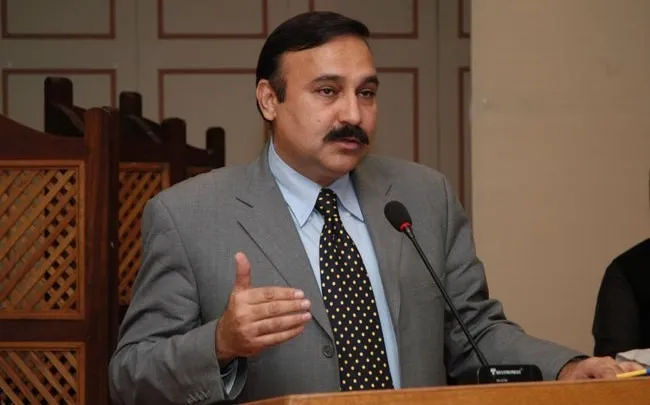
ISLAMABAD — Federal Minister for Parliamentary Affairs Dr. Tariq Fazal Chaudhry expressed approval on Monday regarding the Islamabad High Court’s recent directives concerning political activities in the capital. The minister emphasized that the court’s decision is pivotal for maintaining law and order and safeguarding the constitutional rights of Islamabad’s residents. What Happened The Islamabad High Court (IHC) issued directives aimed at regulating political activities within the federal capital, a move that has been met with approval from various government officials, including Dr. Tariq Fazal Chaudhry. Speaking to the media, Dr. Chaudhry highlighted the importance of the court’s decision in ensuring that political activities do not disrupt the daily lives of citizens or infringe upon their rights. Dr. Chaudhry stated, “The court has clearly established guidelines that will help in balancing the right to political expression with the need to maintain public order.” The minister underscored that the directives are not intended to stifle political expression but to ensure that such activities are conducted in a manner that respects the law and the rights of other citizens. The IHC’s decision comes in response to increasing concerns about the impact of political gatherings and protests on traffic, public safety, and the general environment in Islamabad. The court’s ruling aims to provide a framework within which political parties and groups can organize their activities without causing undue disruption. Background Political activities in Islamabad have often led to significant disruptions, affecting daily life and raising concerns over public safety. Historically, large-scale protests and rallies have resulted in road closures and heightened security measures, impacting both residents and businesses. The IHC’s recent ruling seeks to address these issues by establishing clear guidelines for conducting political activities within the city. The legal framework governing public gatherings in Pakistan is primarily based on the Constitution, which guarantees the right to assembly and freedom of expression. However, these rights are subject to reasonable restrictions in the interest of public order, morality, and national security. The IHC’s directives are an attempt to balance these constitutional rights with the practical need to maintain order in the capital. Why It Matters The Islamabad High Court’s ruling is significant for several reasons. Economically, the regulation of political activities can help minimize disruptions to businesses and public services, which are often affected by large gatherings and protests. This is particularly important in Islamabad, where the concentration of government offices and businesses means that any disruption can have a wide-reaching impact. Socially, the decision is crucial in ensuring that the rights of all citizens are respected. While political expression is a fundamental right, it must be balanced with the rights of others to live and work in a safe and orderly environment. The court’s directives aim to create a framework that allows for political expression without compromising public safety and order. Politically, the ruling could set a precedent for other cities in Pakistan, where similar issues are prevalent. By establishing a clear legal framework for political activities, the IHC’s decision could influence how other regions manage public gatherings, potentially leading to more consistent and orderly conduct of political activities nationwide. Key Takeaways The Islamabad High Court has issued directives to regulate political activities in the capital. Federal Minister Dr. Tariq Fazal Chaudhry supports the decision, emphasizing its importance for law and order. The ruling aims to balance political expression with public safety and order. Historically, political activities in Islamabad have caused significant disruptions. The decision could influence how other cities in Pakistan manage political gatherings. Source Attribution This article is based on official government statements, press releases, and public communications from relevant authorities. Author: NEN Editorial Desk | Editor: NEN Newsroom | Fact Checked By: NEN Editorial Team Author: NEN Editorial Desk  |  Editor: NEN Newsroom  |  Last Updated: September 14, 2026  |  Source: Press Release from Government of Pakistan This article was produced by the NEN Editorial Desk in accordance with NEN Agency’s Editorial Policy and Fact-Checking Policy.

Pakistan

Lebanese Minister Meets Pakistan Army Chief During Visit

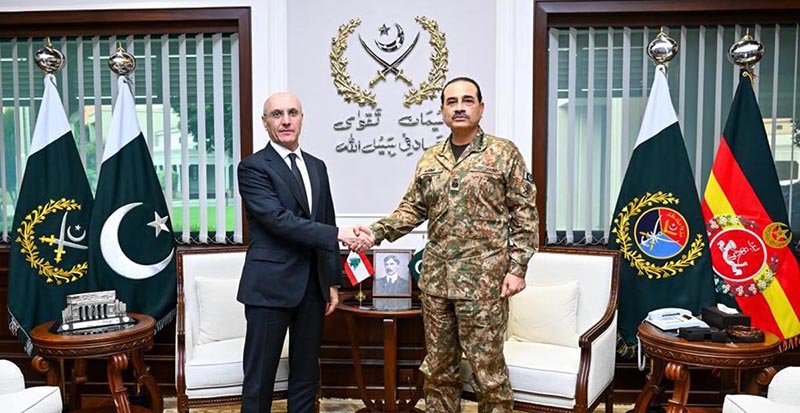
RAWALPINDI — Lebanese Minister of Interior and Municipalities Ahmad Al Hajjar met with Pakistan’s Chief of Army Staff, Field Marshal Syed Asim Munir, at the General Headquarters in Rawalpindi. The meeting took place during Al Hajjar’s two-day official visit to Pakistan. What Happened On his visit to Pakistan, Ahmad Al Hajjar, the Lebanese Minister of Interior and Municipalities, held discussions with Field Marshal Syed Asim Munir, the Chief of Army Staff and Chief of Defence Forces of Pakistan. The meeting occurred at the General Headquarters (GHQ) in Rawalpindi, a key location for military and strategic discussions in Pakistan. The discussions between the two officials focused on enhancing bilateral ties, particularly in areas of mutual interest such as security cooperation and regional stability. According to official sources, the meeting underscored the importance of collaboration between Lebanon and Pakistan in tackling shared challenges, including terrorism and regional security threats. During the meeting, Field Marshal Munir emphasized Pakistan’s commitment to fostering strong relations with Lebanon. He stated, “Our countries share a common interest in promoting peace and stability in the region, and we look forward to working closely with Lebanon to achieve these goals.” Minister Al Hajjar reciprocated the sentiment, expressing Lebanon’s desire to strengthen ties with Pakistan. The two leaders also discussed potential areas for future cooperation, including training programs for Lebanese military personnel in Pakistan, which has a well-regarded military training infrastructure. Discussions highlighted the potential for joint exercises and intelligence sharing to enhance the capabilities of both nations in addressing security challenges. Background Pakistan and Lebanon have maintained diplomatic relations since the mid-20th century, with both countries often engaging in dialogue to promote mutual interests. Historically, Pakistan has provided support to Lebanon in various capacities, including military training and humanitarian aid during times of crisis. Lebanon, situated in a geopolitically sensitive region, faces numerous security challenges, including internal political instability and external threats from neighboring conflicts. Pakistan, with its experience in counter-terrorism and military operations, offers valuable expertise and support to Lebanon in addressing these challenges. Why It Matters The meeting between Minister Al Hajjar and Field Marshal Munir is significant for several reasons. Firstly, it highlights the ongoing efforts by both countries to strengthen their bilateral relations through strategic dialogue and cooperation. Such meetings are crucial for fostering trust and understanding between nations, particularly in regions plagued by instability. Economically, enhanced cooperation between Pakistan and Lebanon could open avenues for trade and investment, benefiting both countries. Pakistan’s defense industry, which has been expanding its reach internationally, could find new markets in Lebanon, while Lebanese businesses could explore opportunities in Pakistan’s growing economy. On a broader scale, the collaboration between Pakistan and Lebanon could contribute to regional stability. As both countries face threats from terrorism and political unrest, joint efforts in security and intelligence could help mitigate these challenges. By working together, Pakistan and Lebanon can play a role in promoting peace and security in the Middle East and South Asia. Furthermore, this meeting underscores Pakistan’s role as a key player in regional diplomacy. By engaging with countries like Lebanon, Pakistan demonstrates its commitment to fostering peace and cooperation beyond its immediate borders, enhancing its standing in the international community. Key Takeaways Lebanese Minister Ahmad Al Hajjar met with Pakistan’s Army Chief during a two-day visit. The meeting focused on enhancing bilateral ties and security cooperation. Discussions included potential military training programs and joint exercises. Strengthened relations could lead to economic and strategic benefits for both nations. Collaboration aims to contribute to regional stability and security. Source Attribution This article is based on official government statements, press releases, and public communications from relevant authorities. Author: NEN Editorial Desk | Editor: NEN Newsroom | Fact Checked By: NEN Editorial Team Author: NEN Editorial Desk  |  Editor: NEN Newsroom  |  Last Updated: September 14, 2026  |  Source: Press Release from Government of Pakistan This article was produced by the NEN Editorial Desk in accordance with NEN Agency’s Editorial Policy and Fact-Checking Policy.

Scroll to Top