

Pakistan

News related to Pakistan in Pakistan and around the world.

Pakistan

MNA Babar Nawaz Khan Advocates For Creation Of Hazara Province

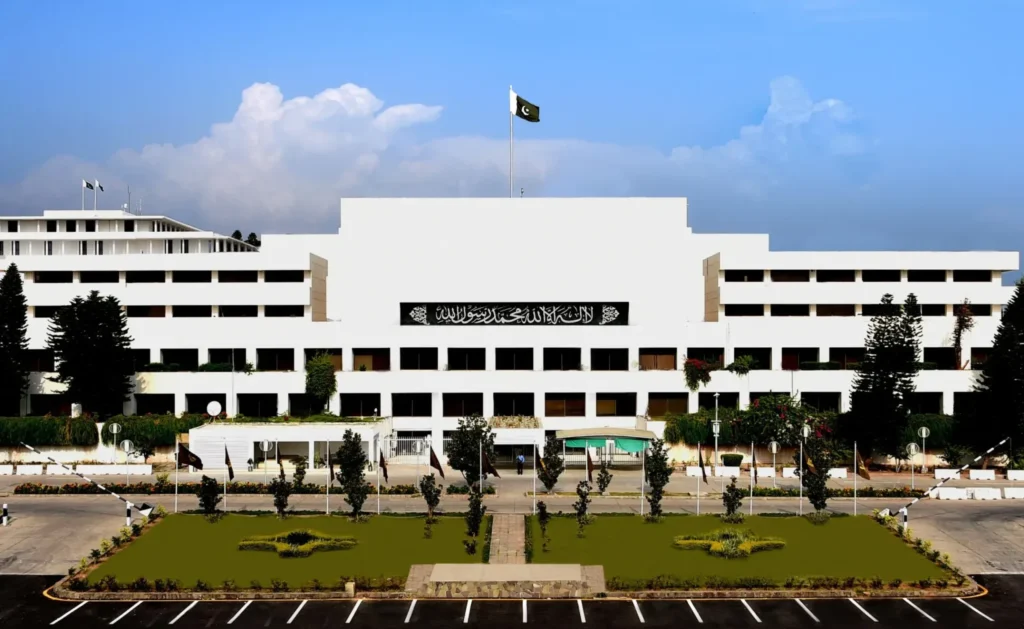
ISLAMABAD — Member of the National Assembly (MNA) from Pakistan Muslim League-Nawaz (PML-N), Babar Nawaz Khan, has underscored the need for establishing Hazara province, asserting that there is a consensus among all political parties on this matter. Speaking to the media outside the parliament house on Monday, Khan emphasized that there are no significant obstacles hindering the creation of the new province. What Happened During a media interaction in Islamabad, MNA Babar Nawaz Khan reiterated his commitment to the formation of Hazara province. He stated that the political consensus across party lines has paved the way for this administrative change. Khan expressed confidence that the establishment of Hazara as a separate province would lead to accelerated development and better governance in the region. Khan highlighted that the demand for a separate province has been a long-standing issue for the people of Hazara. He noted, “All political parties have agreed on the necessity of creating Hazara province, and there is no hindrance in its way.” According to him, the creation of the province is crucial for addressing the unique administrative and developmental needs of the Hazara region. The MNA also pointed out that the current administrative setup does not adequately address the challenges faced by the people of Hazara. He argued that a new provincial framework would allow for more focused development projects and efficient allocation of resources, ultimately benefiting the local population. Background The demand for Hazara province dates back to the early 1980s, when residents of the region began advocating for administrative separation from Khyber Pakhtunkhwa (KPK). The movement gained momentum in 2010 following the renaming of the North-West Frontier Province to Khyber Pakhtunkhwa, which led to widespread protests in Hazara. The protesters argued that the new name did not reflect the identity and cultural heritage of the Hazara people. Since then, the movement has seen varying levels of support from different political entities. The Pakistan Muslim League-Nawaz (PML-N) has historically been a proponent of creating new provinces, including Hazara, as part of its broader strategy to ensure equitable development across Pakistan. Why It Matters The creation of Hazara province holds significant implications for the political and administrative landscape of Pakistan. Economically, a new province could lead to more targeted investments in infrastructure, education, and healthcare, tailored specifically to the needs of the Hazara region. This could result in improved living standards and economic opportunities for its residents. Politically, the establishment of Hazara province would require constitutional amendments, which necessitates a two-thirds majority in both houses of Parliament. This process would test the political will and unity among parties, potentially setting a precedent for other regions with similar demands. Socially, the move could address long-standing grievances related to identity and representation. The people of Hazara have often felt marginalized within the larger Khyber Pakhtunkhwa province. A separate province could provide them with a stronger voice and greater control over their affairs. Internationally, the creation of a new province could enhance Pakistan’s image as a country willing to address regional disparities and promote inclusive governance. It may also attract international attention and support for developmental initiatives in the newly formed province. Key Takeaways MNA Babar Nawaz Khan advocates for the creation of Hazara province, citing political consensus. The demand for a separate province stems from historical grievances and identity issues. Establishing Hazara province could lead to targeted economic development and improved governance. The move requires constitutional amendments, testing political unity in Parliament. Creating a new province could enhance Pakistan’s international image regarding regional equity. Source Attribution This article is based on official government statements, press releases, and public communications from relevant authorities. Author: NEN Editorial Desk | Editor: NEN Newsroom | Fact Checked By: NEN Editorial Team Author: NEN Editorial Desk  |  Editor: NEN Newsroom  |  Last Updated: August 17, 2026  |  Source: NEN Reporter This article was produced by the NEN Editorial Desk in accordance with NEN Agency’s Editorial Policy and Fact-Checking Policy.

Pakistan

National Assembly Session Extended Until August 28

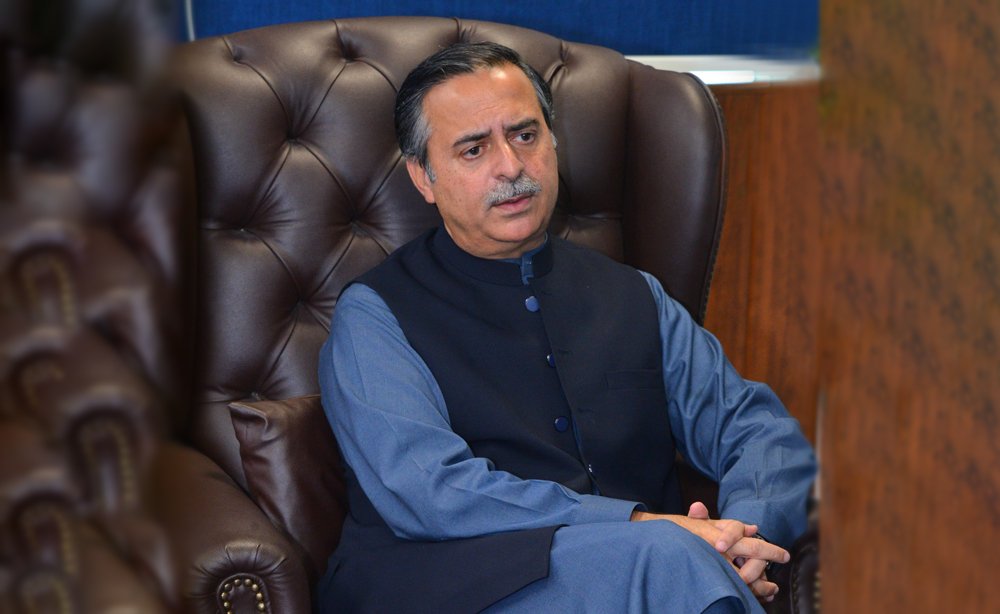
ISLAMABAD — The National Assembly of Pakistan has extended its current session until August 28, following a decision by the House Business Advisory Committee. The meeting, chaired by Speaker Sardar Ayaz Sadiq, took place at the Parliament House on Monday, where the agenda and duration of the 29th session were discussed. What Happened The House Business Advisory Committee convened to deliberate on the ongoing 29th session of the National Assembly, ultimately deciding to extend the session until August 28. This decision was made to ensure that all pending legislative business could be addressed effectively. Speaker Sardar Ayaz Sadiq presided over the meeting, which included discussions on various legislative matters that require the assembly’s attention. The extension of the session reflects the assembly’s commitment to addressing critical legislative issues. The decision comes at a time when several important bills are pending, and the extended timeframe is expected to provide lawmakers with sufficient opportunity to debate and pass necessary legislation. The committee emphasized the importance of utilizing the extended session to focus on key national issues and ensure that the legislative process is not hindered by time constraints. During the meeting, members of the committee also reviewed the agenda for the remaining days of the session. They highlighted the need for comprehensive discussions on pressing national matters, including economic policies, social welfare programs, and security concerns. The committee’s decision to extend the session underscores the assembly’s dedication to fulfilling its legislative duties and addressing the needs of the nation. Background The National Assembly of Pakistan, as the lower house of the country’s bicameral parliament, plays a crucial role in the legislative process. It is responsible for debating and passing laws, as well as overseeing the implementation of government policies. The assembly’s sessions are typically scheduled to address a wide range of legislative and policy issues, with the House Business Advisory Committee playing a key role in determining the agenda and duration of each session. Historically, the National Assembly has faced challenges in managing its legislative workload, often necessitating the extension of sessions to ensure that important bills are not left pending. The current session is the 29th since the assembly’s formation, and its extension reflects the ongoing efforts to address the legislative backlog and ensure that critical issues are given due consideration. Why It Matters The extension of the National Assembly session until August 28 holds significant implications for Pakistan’s legislative process and governance. By providing additional time for lawmakers to address pending bills, the extension ensures that the legislative process is thorough and comprehensive. This is particularly important given the range of critical issues currently facing the nation, including economic challenges, social welfare concerns, and security threats. Economically, the extended session allows for more detailed discussions on policies aimed at stabilizing the economy and promoting growth. Lawmakers can engage in debates on fiscal policies, trade agreements, and initiatives to attract foreign investment, all of which are crucial for Pakistan’s economic recovery and development. Socially, the extension provides an opportunity to address pressing issues related to education, healthcare, and social welfare. With additional time, the assembly can focus on formulating policies that enhance the quality of life for citizens, particularly in areas such as poverty alleviation, healthcare access, and educational reforms. Politically, the extended session demonstrates the assembly’s commitment to fulfilling its legislative responsibilities and maintaining transparency in the governance process. It allows for greater scrutiny of government actions and policies, ensuring that the executive branch is held accountable to the public. Key Takeaways The National Assembly session has been extended until August 28 to address pending legislative business. The House Business Advisory Committee made the decision, chaired by Speaker Sardar Ayaz Sadiq. The extension provides additional time for lawmakers to debate and pass important bills. Economic, social, and political issues are expected to be a focus during the extended session. The decision underscores the assembly’s commitment to fulfilling its legislative duties. Source Attribution This article is based on official government statements, press releases, and public communications from relevant authorities. Author: NEN Editorial Desk | Editor: NEN Newsroom | Fact Checked By: NEN Editorial Team Author: NEN Editorial Desk  |  Editor: NEN Newsroom  |  Last Updated: August 17, 2026  |  Source: NEN Reporter This article was produced by the NEN Editorial Desk in accordance with NEN Agency’s Editorial Policy and Fact-Checking Policy.
Pakistan

OGRA Introduces Digital System for Real-Time Petroleum Stock Data

ISLAMABAD — The Oil and Gas Regulatory Authority (OGRA) is advancing its digital capabilities by developing a comprehensive platform to directly acquire petroleum stock data from oil marketing companies (OMCs) and refineries. This initiative, announced recently, aims to enhance transparency and efficiency in Pakistan’s oil supply chain. What Happened OGRA is in the process of establishing a digital oil supply-chain platform designed to seamlessly integrate with the Enterprise Resource Planning (ERP) systems of OMCs and refineries. The platform will utilize Automatic Tank Gauging (ATG) sensors to provide real-time stock positions. This technological upgrade is expected to streamline data collection processes, ensuring that OGRA receives accurate and timely information directly from the source. According to OGRA officials, the new system will significantly reduce the reliance on manual data reporting, which is often prone to errors and delays. The integration with ERP systems will allow for automated data transfer, thus minimizing human intervention and enhancing data accuracy. “This initiative is a step forward in modernizing our regulatory framework and ensuring that we have real-time access to critical data,” an OGRA spokesperson stated. The development of this digital platform is part of OGRA’s broader strategy to improve regulatory oversight and operational efficiency in the oil and gas sector. By leveraging technology, OGRA aims to address longstanding issues related to data discrepancies and improve decision-making processes. Background OGRA, established in 2002, is responsible for regulating the midstream and downstream oil and gas industry in Pakistan. Over the years, the authority has faced challenges in obtaining timely and accurate data from OMCs and refineries, which has impacted its ability to effectively monitor and regulate the sector. The introduction of a digital system is seen as a response to these challenges, aligning with global best practices in regulatory oversight. Historically, the oil and gas sector in Pakistan has been marred by inefficiencies and a lack of transparency. Issues such as fuel shortages and discrepancies in stock reporting have often been attributed to outdated data collection methods. The new digital platform is expected to mitigate these issues by providing OGRA with a direct line of sight into the operations of OMCs and refineries. Why It Matters The implementation of OGRA’s digital system holds significant implications for Pakistan’s energy sector. Economically, the initiative promises to enhance the efficiency of the oil supply chain, potentially reducing costs associated with manual data handling and error rectification. This could translate into more stable fuel prices for consumers, as better data management leads to improved supply chain predictability. Socially, the move towards a digital system reflects a broader trend of digital transformation within Pakistan’s regulatory bodies. By adopting modern technologies, OGRA is setting a precedent for other sectors to follow, fostering a culture of innovation and efficiency across the board. This shift is particularly important in a country where digital infrastructure is still developing, and such advancements can drive further technological adoption. Politically, the initiative enhances OGRA’s credibility and authority as a regulator. By ensuring that data is accurate and timely, OGRA can make more informed decisions, thus improving its regulatory effectiveness. This can lead to increased investor confidence in Pakistan’s oil and gas sector, potentially attracting more foreign investment. Key Takeaways OGRA is developing a digital platform to obtain real-time petroleum stock data from OMCs and refineries. The system will integrate with ERP systems and use ATG sensors for accurate data collection. This initiative aims to improve transparency and efficiency in the oil supply chain. The digital system aligns with global best practices and addresses longstanding data discrepancies. The move is expected to have positive economic, social, and political impacts on Pakistan’s energy sector. Source Attribution This article is based on official government statements and public communications from relevant authorities. Author: NEN Editorial Desk | Editor: NEN Newsroom | Fact Checked By: NEN Editorial Team Author: NEN Editorial Desk  |  Editor: NEN Newsroom  |  Last Updated: August 17, 2026  |  Source: NEN Reporter This article was produced by the NEN Editorial Desk in accordance with NEN Agency’s Editorial Policy and Fact-Checking Policy.
Pakistan

Minister Unveils 400-Acre Garment City Project at Port Qasim

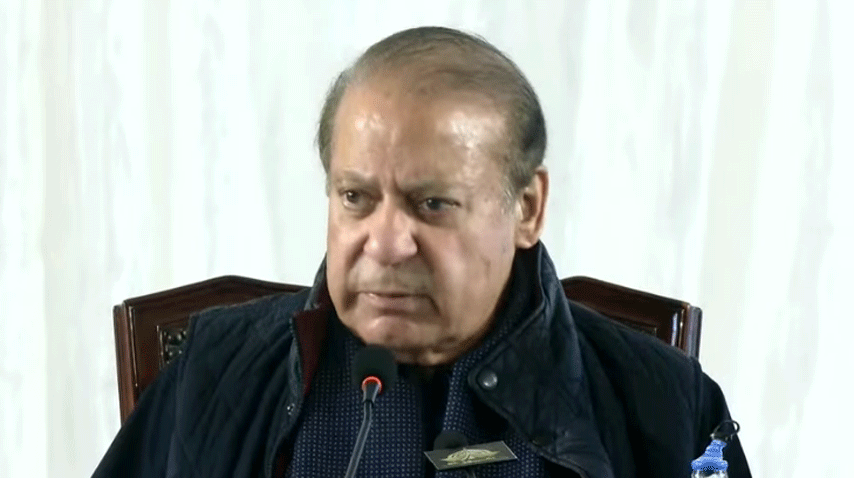
ISLAMABAD — Federal Minister for Maritime Affairs Muhammad Junaid Anwar Chaudhry has announced an ambitious project to establish a 400-acre garment city at Port Qasim. The initiative is expected to generate over 138,000 jobs and boost annual exports by approximately $2.2 billion. What Happened On Tuesday, Federal Minister Muhammad Junaid Anwar Chaudhry revealed plans for a new apparel zone at Port Qasim, a strategic move aimed at bolstering Pakistan’s textile industry. The project, spanning 400 acres, is set to be developed in phases, with the first phase alone projected to create more than 138,000 jobs. This development is anticipated to significantly contribute to the national economy by enhancing export capabilities. Minister Chaudhry emphasized the project’s potential to transform the textile sector, stating, “This initiative will not only create employment opportunities but will also enhance our export capacity, contributing significantly to the national GDP.” The garment city is expected to attract both local and international investors, fostering a robust industrial ecosystem. The announcement comes as part of the government’s broader strategy to invigorate the textile industry, which is a cornerstone of Pakistan’s economy. The project at Port Qasim is strategically located to leverage existing infrastructure, including proximity to the port, which will facilitate efficient logistics and export operations. Background Port Qasim, located near Karachi, is one of Pakistan’s major ports and plays a crucial role in the country’s trade and logistics. The decision to establish a garment city here aligns with the government’s ongoing efforts to enhance industrial zones and export processing areas across the nation. The textile sector has historically been a significant contributor to Pakistan’s economy, accounting for a substantial portion of exports and employment. However, the industry has faced challenges, including outdated infrastructure and competition from regional players. Initiatives like the Port Qasim garment city are part of a series of measures aimed at revitalizing the sector. Previous efforts to boost the textile industry have included policy reforms, financial incentives, and infrastructure development. The government’s focus on creating specialized zones for textiles is intended to provide a competitive edge by concentrating resources and expertise. Why It Matters The establishment of the garment city at Port Qasim is poised to have a significant impact on Pakistan’s economic landscape. By creating over 138,000 jobs, the project addresses unemployment concerns and provides a much-needed boost to the textile workforce. This is particularly crucial given the current economic challenges facing the country. Economically, the projected $2.2 billion increase in annual exports will enhance Pakistan’s trade balance, providing a buffer against external economic pressures. The increased export capacity is expected to attract foreign investment, further strengthening the country’s economic position. Socially, the job creation aspect of the project will have a ripple effect, improving livelihoods and contributing to poverty alleviation. The focus on skill development and employment in the textile sector will empower communities and foster economic inclusion. Internationally, the garment city positions Pakistan as a competitive player in the global textile market. By enhancing production capabilities and ensuring quality standards, the country can better compete with regional textile hubs, potentially capturing a larger share of the global market. Key Takeaways The 400-acre garment city at Port Qasim is expected to create over 138,000 jobs. The project aims to boost annual exports by approximately $2.2 billion. Strategically located at Port Qasim, the project leverages existing logistics infrastructure. The initiative is part of broader efforts to revitalize Pakistan’s textile sector. Increased export capacity is anticipated to attract both local and international investment. Source Attribution This article is based on official government statements and public communications from relevant authorities. Author: NEN Editorial Desk | Editor: NEN Newsroom | Fact Checked By: NEN Editorial Team Author: NEN Editorial Desk  |  Editor: NEN Newsroom  |  Last Updated: August 17, 2026  |  Source: Press Release from Government of Pakistan This article was produced by the NEN Editorial Desk in accordance with NEN Agency’s Editorial Policy and Fact-Checking Policy.
Pakistan

Nawaz Sharif Discusses Women’s Reserved Seats in Azad Kashmir

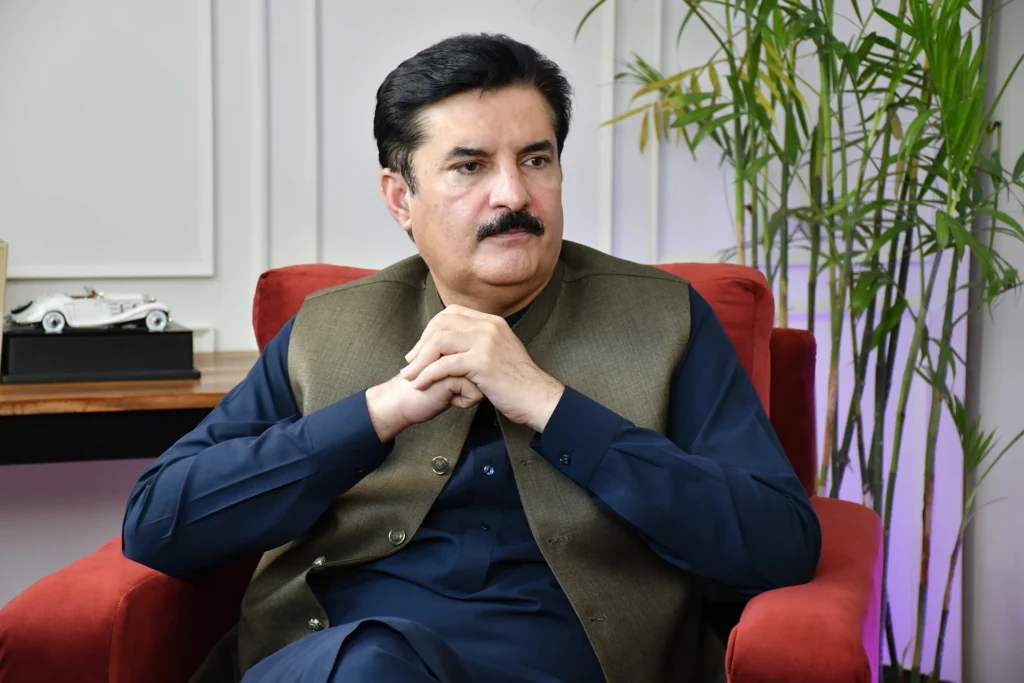
LAHORE — Pakistan Muslim League-Nawaz (PML-N) President Muhammad Nawaz Sharif chaired a meeting on Sunday to deliberate on the reserved seats for women in Azad Jammu and Kashmir (AJK). The meeting underscored the significance of women’s participation in the region’s electoral process. What Happened The meeting, held in Lahore, brought together key figures from the PML-N, including Punjab Chief Minister Maryam Nawaz Sharif, PML-N Azad Kashmir President Shah Ghulam Qadir, Federal Minister Rana Sanaullah, and former Minister Anusha Rahman. The discussion focused on the role of women in the upcoming elections in AJK, particularly concerning the allocation and impact of reserved seats for female candidates. Participants expressed appreciation for the active involvement of women in the political landscape of Azad Kashmir. They described this engagement as a positive development that could bolster the democratic framework of the region. Nawaz Sharif emphasized the need for policies that support and enhance women’s representation in the political arena, highlighting the importance of gender inclusivity in governance. The meeting concluded with a consensus on the necessity of ensuring that the reserved seats for women are utilized effectively to empower female leaders and contribute to the political stability and progress of AJK. Background Azad Jammu and Kashmir, a self-governing administrative region under Pakistan’s control, has a history of political engagement and electoral processes that include reserved seats for women. This policy aims to promote gender equality and ensure women’s representation in legislative assemblies. Historically, women’s participation in AJK politics has been limited, but recent years have seen an increase in female political activity, partly due to reserved seats. The PML-N, under the leadership of Nawaz Sharif, has been vocal about enhancing women’s roles in politics across Pakistan, including in regions like AJK. The party has previously advocated for policies that support women’s education, employment, and political participation as part of its broader agenda for social development. Why It Matters The discussion on women’s reserved seats in AJK is significant for several reasons. Firstly, it reflects a broader trend in Pakistani politics towards greater gender inclusivity. By focusing on women’s roles in the electoral process, the PML-N aims to ensure that female voices are heard and represented in decision-making bodies. Economically, empowering women through political participation can lead to more comprehensive policy-making that addresses the needs of all citizens. Women’s involvement in politics often results in policies that prioritize education, healthcare, and social welfare, which can have a positive impact on the overall development of the region. Politically, strengthening women’s roles in AJK can enhance the legitimacy and effectiveness of democratic institutions. It can also serve as a model for other regions in Pakistan, encouraging similar initiatives to promote gender equality in politics. Internationally, Pakistan’s efforts to increase women’s political participation align with global movements advocating for gender equality and women’s rights. Demonstrating progress in this area can improve Pakistan’s standing in international forums and contribute to its image as a nation committed to democratic principles and human rights. Key Takeaways Nawaz Sharif chaired a meeting on women’s reserved seats in Azad Kashmir, emphasizing their importance in the electoral process. The meeting included prominent PML-N leaders and focused on enhancing women’s political representation in AJK. Women’s participation in politics is seen as a way to strengthen democracy and promote gender equality. Empowering women politically can lead to more inclusive and effective policy-making in AJK. Increasing women’s roles in politics aligns with global gender equality movements and can improve Pakistan’s international image. Source Attribution This article is based on official government statements, press releases, and public communications from relevant authorities. Author: NEN Editorial Desk | Editor: NEN Newsroom | Fact Checked By: NEN Editorial Team Author: NEN Editorial Desk  |  Editor: NEN Newsroom  |  Last Updated: August 16, 2026  |  Source: Press Release from Government of Pakistan This article was produced by the NEN Editorial Desk in accordance with NEN Agency’s Editorial Policy and Fact-Checking Policy.

Pakistan

Governor Kundi Offers Condolences for Recent Bereavements in Khyber Pakhtunkhwa

PESHAWAR — Governor of Khyber Pakhtunkhwa Faisal Karim Kundi expressed his heartfelt condolences on Sunday following the recent passing of two prominent individuals in the province. The governor extended his sympathies to the families of senior journalist Syed Sultan Shah, whose father passed away, and the ex-deputy mayor, whose wife also recently died. What Happened Governor Faisal Karim Kundi reached out to the families of the deceased to offer his condolences and support during their time of mourning. The father of Syed Sultan Shah, a respected figure in the journalistic community, passed away, leaving behind a legacy of dedication and service. Similarly, the wife of the former deputy mayor of Peshawar has also passed, marking a significant loss for her family and the local community. In his message, Governor Kundi expressed profound sorrow over the losses and acknowledged the contributions of both families to the province. He stated, “The passing of these individuals is a great loss not only to their families but also to the community they served. We stand with them in this time of grief.” The governor’s outreach is part of a broader tradition of public officials in Pakistan offering condolences and support to families of notable figures who have contributed to society. Such gestures are seen as an important part of maintaining community ties and acknowledging the roles individuals play in the social fabric of the region. Background Syed Sultan Shah is a senior journalist known for his insightful reporting and dedication to the profession. His father’s passing is a significant personal loss, affecting not only his family but also his colleagues and the journalistic community in Khyber Pakhtunkhwa. The former deputy mayor of Peshawar, whose wife has passed away, served in a political capacity that involved significant engagement with the community. The loss of his wife is a poignant moment for those who knew the family and respected their contributions to local governance and civic life. In Pakistan, it is customary for public figures to publicly express condolences to families of deceased individuals who have made notable contributions to society. This practice underscores the interconnectedness of communities and the importance of mutual support in times of loss. Why It Matters The governor’s condolences highlight the importance of community and the role of public figures in supporting citizens during times of personal loss. Such gestures reinforce the social and cultural fabric of Khyber Pakhtunkhwa, where personal relationships and community bonds are highly valued. For the journalistic community, the loss of Syed Sultan Shah’s father is a reminder of the personal sacrifices often made by those in the profession. Journalists frequently face challenging circumstances in their work, and the support of public figures can provide a measure of comfort and recognition. Similarly, the passing of the former deputy mayor’s wife resonates within the political community, emphasizing the personal dimensions of public service. It serves as a reminder of the personal lives behind public roles and the shared humanity that connects individuals across different sectors. These events also reflect the broader cultural practices in Pakistan, where expressions of sympathy and solidarity are integral to community life. They serve to strengthen communal ties and ensure that individuals feel supported during difficult times. Key Takeaways Governor Kundi offered condolences to the families of Syed Sultan Shah and the former deputy mayor of Peshawar. The governor’s gesture underscores the importance of community support in times of loss. Syed Sultan Shah is a senior journalist, and his father’s passing is a significant loss to the journalistic community. The former deputy mayor’s wife’s death is a notable loss for the local political community. Expressions of condolences by public figures are a key aspect of cultural and community life in Pakistan. Source Attribution This article is based on official government statements, press releases, and public communications from relevant authorities. Author: NEN Editorial Desk | Editor: NEN Newsroom | Fact Checked By: NEN Editorial Team Author: NEN Editorial Desk  |  Editor: NEN Newsroom  |  Last Updated: August 16, 2026  |  Source: Press Release from Government of Pakistan This article was produced by the NEN Editorial Desk in accordance with NEN Agency’s Editorial Policy and Fact-Checking Policy.

Pakistan

PDMA Issues Weather Alert for Heavy Rains in Khyber Pakhtunkhwa

ISLAMABAD — The Provincial Disaster Management Authority (PDMA) has issued a weather alert for Khyber Pakhtunkhwa (KP) amid forecasts of heavy rainfall and thunderstorms from August 17 to 21. The alert follows predictions from the Meteorological Department, warning residents and local authorities to prepare for potential disruptions. What Happened The PDMA’s alert highlights the potential for heavy rainfall and thunderstorms to affect various regions across Khyber Pakhtunkhwa over a five-day period. The Meteorological Department has indicated that the intensity of the weather could lead to flash floods in vulnerable areas, landslides in hilly regions, and disruptions to daily life. In response to these forecasts, the PDMA has urged district administrations to remain vigilant and take necessary precautions to mitigate the impact of the adverse weather conditions. The authority has also advised citizens to stay informed about the latest weather updates and to avoid unnecessary travel during the forecasted period. “We are closely monitoring the situation and coordinating with local administrations to ensure that all necessary measures are in place,” a PDMA spokesperson stated. “Our priority is to safeguard lives and property, and we urge the public to cooperate with authorities during this period.” The PDMA has also activated emergency response teams to assist in any potential rescue operations and has ensured that relief supplies are readily available. Local authorities have been instructed to clear drainage systems and ensure that emergency services are on standby. Background Khyber Pakhtunkhwa, a province known for its diverse topography, often experiences severe weather conditions during the monsoon season. The region’s mountainous terrain makes it particularly susceptible to landslides and flash floods, which can cause significant damage to infrastructure and pose risks to human life. Historically, monsoon rains have led to widespread flooding in the province, resulting in displacement and loss of life. The PDMA, established to manage and mitigate disaster risks, plays a crucial role in coordinating response efforts and implementing preventive measures. In recent years, the PDMA has strengthened its capacity to respond to natural disasters through improved forecasting, early warning systems, and community engagement. However, challenges remain in effectively communicating risks and ensuring timely evacuations in remote areas. Why It Matters The impending weather conditions in Khyber Pakhtunkhwa have significant implications for the region’s residents and infrastructure. The potential for flash floods and landslides poses a direct threat to communities, particularly those residing in low-lying and mountainous areas. Economically, the heavy rains could disrupt agriculture, a key sector in the province, affecting crop yields and livelihoods. Transportation networks may also be impacted, hindering the movement of goods and people, which could lead to supply chain disruptions and increased costs. Socially, the adverse weather conditions could exacerbate vulnerabilities in already marginalized communities, highlighting the need for effective disaster preparedness and response strategies. The PDMA’s alert serves as a critical reminder of the importance of resilience-building measures to protect lives and property. On a broader scale, the situation underscores the challenges posed by climate change, as extreme weather events become more frequent and intense. Pakistan, including Khyber Pakhtunkhwa, must continue to invest in adaptive strategies to mitigate the impacts of such events and safeguard its population. Key Takeaways The PDMA has issued a weather alert for KP due to expected heavy rains and thunderstorms from August 17 to 21. Residents are advised to stay informed and avoid unnecessary travel during this period. Emergency response teams have been activated, and relief supplies are on standby. The region is prone to landslides and flash floods, posing risks to communities and infrastructure. The situation highlights the need for effective disaster preparedness and climate adaptation strategies. Source Attribution This article is based on official statements and public communications from the Provincial Disaster Management Authority and the Meteorological Department. Author: NEN Editorial Desk | Editor: NEN Newsroom | Fact Checked By: NEN Editorial Team Author: NEN Editorial Desk  |  Editor: NEN Newsroom  |  Last Updated: August 16, 2026  |  Source: NEN Reporter This article was produced by the NEN Editorial Desk in accordance with NEN Agency’s Editorial Policy and Fact-Checking Policy.

Pakistan

Sana Bahadur Wins PSA Challenger 3K Bendigo Open Title

ISLAMABAD — Sana Bahadur has emerged victorious at the PSA Challenger 3K Bendigo Open 2026, which took place from August 13 to 16 at the Bendigo Squash Centre in Melbourne, Australia. The Pakistani squash player defeated Australia’s Rechael Grinha with a score of 3-1 in the final match, securing the prestigious title. What Happened The PSA Challenger 3K Bendigo Open 2026 saw Sana Bahadur showcasing her exceptional skills and determination throughout the tournament. The event, held at the Bendigo Squash Centre, attracted top talent from around the world. Sana’s journey to the title was marked by a series of impressive performances, culminating in her victory against Rechael Grinha in the final. In the decisive match, Sana demonstrated her tactical prowess and physical endurance, winning three out of four games against her Australian opponent. The final scores were 11-7, 9-11, 11-6, and 11-8, reflecting Sana’s ability to adapt her strategy and maintain composure under pressure. The Pakistan Squash Federation (PSF) expressed pride in Sana’s achievement. In an official statement, the federation congratulated her on her success and highlighted the significance of her win for Pakistani squash. “Sana Bahadur’s victory at the Bendigo Open is a testament to her hard work and dedication. She has made the nation proud,” the statement read. Background Sana Bahadur’s triumph at the Bendigo Open is part of a broader narrative of Pakistan’s rich history in squash. The country has produced legendary players such as Jahangir Khan and Jansher Khan, who dominated the sport in the 1980s and 1990s. In recent years, efforts have been made to revive the sport in Pakistan, with a focus on nurturing young talent and providing them with international exposure. The PSA Challenger Tour, organized by the Professional Squash Association, serves as a platform for emerging players to gain experience and improve their world rankings. The Bendigo Open is one of several events on the tour, offering players the opportunity to compete at a high level and earn valuable ranking points. Why It Matters Sana Bahadur’s victory is significant not only for her personal career but also for the broader landscape of squash in Pakistan. Her success brings attention to the potential of Pakistani athletes on the international stage, inspiring young players to pursue the sport professionally. Economically, victories like Sana’s can attract sponsorships and investments in Pakistani squash, providing necessary resources for training and development programs. This, in turn, can lead to improved facilities and increased participation at the grassroots level. Socially, Sana’s achievement serves as a beacon of hope and motivation for women in sports. In a country where female athletes often face challenges in gaining recognition and support, her win underscores the importance of gender equality in sports and encourages more women to engage in athletic pursuits. Internationally, Sana’s performance enhances Pakistan’s reputation in the global squash community, potentially leading to more international tournaments being hosted in the country. This can foster cross-cultural exchanges and strengthen diplomatic ties through sports diplomacy. Key Takeaways Sana Bahadur won the PSA Challenger 3K Bendigo Open 2026, defeating Rechael Grinha 3-1 in the final. The tournament was held from August 13 to 16 at the Bendigo Squash Centre in Melbourne, Australia. The Pakistan Squash Federation congratulated Sana on her achievement, highlighting its significance for Pakistani squash. Her victory contributes to the revival of squash in Pakistan and inspires young athletes, particularly women. Sana’s success could lead to increased investments and international recognition for Pakistani squash. Source Attribution This article is based on official statements and public communications from the Pakistan Squash Federation and relevant authorities. Author: NEN Editorial Desk | Editor: NEN Newsroom | Fact Checked By: NEN Editorial Team Author: NEN Editorial Desk  |  Editor: NEN Newsroom  |  Last Updated: August 16, 2026  |  Source: NEN Reporter This article was produced by the NEN Editorial Desk in accordance with NEN Agency’s Editorial Policy and Fact-Checking Policy.
Pakistan

PSB Signs MoU to Enhance Athlete Health and Wellness

LAHORE — The Pakistan Sports Board (PSB) Coaching Centre Lahore has entered into a Memorandum of Understanding (MoU) with ACTIVIT to advance sports, health, and wellness initiatives for athletes. The agreement, signed on Sunday, aims to foster sustainable opportunities for athletes through a collaborative approach. What Happened The PSB Coaching Centre Lahore and ACTIVIT formalized their partnership by signing an MoU intended to bolster the health and wellness regime for athletes in Pakistan. This agreement marks a significant step towards enhancing the infrastructure and support available to athletes, ensuring they receive comprehensive health and wellness services. The MoU outlines a framework for cooperation between the two entities, focusing on the development of programs that promote physical fitness and mental well-being among athletes. The collaboration is expected to introduce innovative training methods and wellness practices, tailored to meet the unique needs of athletes across various sports disciplines. Officials from both organizations expressed optimism about the potential impact of this partnership. A representative from the PSB stated, “This MoU is a testament to our commitment to improving the health standards of our athletes. By working with ACTIVIT, we aim to provide them with the best possible resources to excel in their respective fields.” ACTIVIT, known for its expertise in sports health and wellness, will contribute its knowledge and resources to develop and implement these programs. The organization will work closely with the PSB to ensure that athletes have access to state-of-the-art facilities and receive guidance from health and wellness experts. Background The Pakistan Sports Board has long been involved in promoting sports and supporting athletes across the nation. Established with the objective of fostering sports development, the PSB has played a pivotal role in nurturing talent and providing necessary infrastructure for athletes. In recent years, there has been a growing recognition of the importance of health and wellness in sports. Athletes require not only physical training but also mental health support to perform at their best. This understanding has led to increased collaborations between sports bodies and health organizations to create holistic support systems for athletes. ACTIVIT, with its focus on sports health, has been actively involved in various initiatives aimed at improving athlete wellness. The organization has a track record of working with sports entities to enhance the overall health regime for sports professionals. Why It Matters This collaboration between the PSB and ACTIVIT is particularly significant for the sports community in Pakistan. By prioritizing the health and wellness of athletes, the initiative is likely to lead to improved performance and greater success in both national and international arenas. The partnership is expected to address several challenges faced by athletes, including the lack of access to quality health services and the need for specialized training programs. By integrating health and wellness into the core training regimen, athletes can achieve better physical and mental resilience, which is crucial for competitive sports. Furthermore, this initiative aligns with global trends where sports organizations are increasingly focusing on athlete well-being as a critical component of sports success. By adopting a comprehensive approach to athlete health, Pakistan can enhance its reputation in the international sports community and potentially attract more opportunities for its athletes. On a broader scale, the MoU reflects a growing awareness of the need to invest in the health infrastructure supporting athletes. This investment is likely to have long-term benefits, not only for the athletes themselves but also for the sports industry in Pakistan, contributing to its growth and development. Key Takeaways The PSB Coaching Centre Lahore and ACTIVIT have signed an MoU to promote athlete health and wellness. The collaboration aims to introduce innovative training and wellness programs for athletes. This initiative addresses the need for comprehensive health support systems for athletes in Pakistan. Improved athlete health is expected to enhance performance in national and international sports events. The partnership aligns with global trends emphasizing athlete well-being as a key component of sports success. Source Attribution This article is based on official statements and public communications from the Pakistan Sports Board and ACTIVIT. Author: NEN Editorial Desk | Editor: NEN Newsroom | Fact Checked By: NEN Editorial Team Author: NEN Editorial Desk  |  Editor: NEN Newsroom  |  Last Updated: August 16, 2026  |  Source: NEN Reporter This article was produced by the NEN Editorial Desk in accordance with NEN Agency’s Editorial Policy and Fact-Checking Policy.

Pakistan

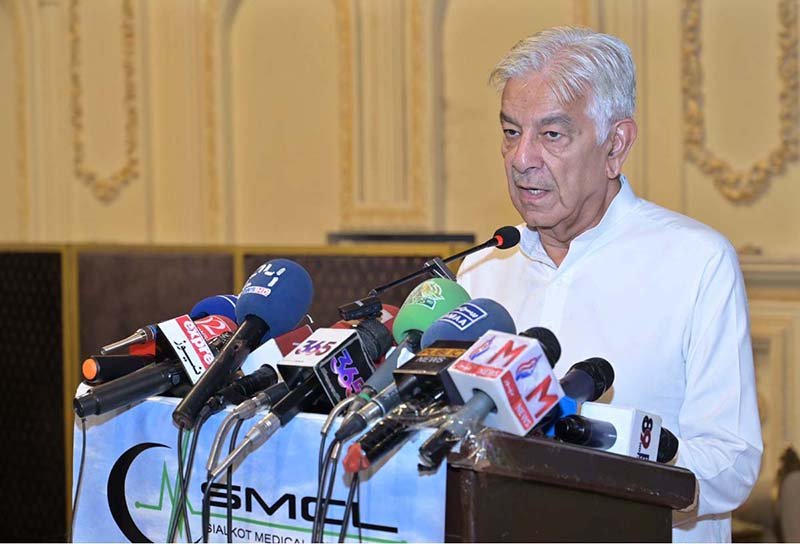
Khawaja Asif Praises Sialkot Chamber’s Healthcare Initiative

ISLAMABAD — Federal Minister for Defence Khawaja Muhammad Asif has commended the Sialkot Chamber of Commerce and Industry (SCCI) for launching a significant healthcare initiative aimed at enhancing medical facilities in Sialkot. The initiative addresses the city’s long-standing need for advanced healthcare services, marking a critical development in the region’s medical infrastructure. What Happened The Sialkot Chamber of Commerce and Industry has embarked on a healthcare project designed to improve the availability and quality of medical services in Sialkot. According to Khawaja Asif, this initiative is a response to the pressing healthcare needs of the local population, which has been underserved for years. During a recent event, Asif highlighted the importance of this project, noting that it represents a collaborative effort between the business community and healthcare providers to deliver better health outcomes for residents. Asif stated, “The SCCI’s initiative is a commendable step towards addressing the healthcare challenges faced by the people of Sialkot. It is crucial that we support such efforts that aim to enhance the quality of life for our citizens.” The project is expected to involve the establishment of new healthcare facilities equipped with modern technology and staffed by trained professionals. The SCCI’s healthcare initiative is part of a broader strategy to improve public health infrastructure in the region. Details on the specific facilities to be developed and the timeline for their completion are anticipated to be released in the coming months. The initiative underscores the role of the private sector in supporting public health objectives and bridging gaps in service provision. Background Sialkot, a city known for its industrial prowess, particularly in the production of sports goods and surgical instruments, has historically faced challenges in healthcare provision. Despite its economic contributions, the city has lagged in developing adequate medical facilities, leading to a reliance on neighboring cities for specialized treatment. The SCCI has been instrumental in driving economic growth in Sialkot, and its involvement in healthcare marks a strategic expansion of its role in community development. This initiative aligns with national health policies aimed at improving healthcare access and quality across Pakistan, particularly in underserved areas. Why It Matters The Sialkot Chamber’s healthcare initiative is significant for several reasons. Economically, it represents an investment in human capital, as improved health services can lead to a more productive workforce. Socially, it addresses a critical need for accessible and quality healthcare, which is essential for the well-being of the community. Politically, the initiative demonstrates the potential for public-private partnerships in addressing infrastructure deficits. It highlights the importance of collaboration between government entities and the private sector in achieving sustainable development goals. The project also aligns with broader national objectives to enhance healthcare delivery and reduce regional disparities in service availability. Internationally, the initiative could serve as a model for other regions facing similar challenges, showcasing how local business communities can play a pivotal role in public health improvements. By addressing healthcare needs, Sialkot can enhance its reputation not only as an industrial hub but also as a city committed to the welfare of its residents. Key Takeaways The Sialkot Chamber of Commerce and Industry has launched a healthcare initiative to improve medical facilities in Sialkot. Federal Minister Khawaja Asif praised the initiative, highlighting its importance for the community. The project aims to establish new healthcare facilities with modern technology and trained staff. This initiative reflects the role of the private sector in supporting public health objectives. It aligns with national health policies to improve healthcare access in underserved areas. Source Attribution This article is based on official government statements, press releases, and public communications from relevant authorities. Author: NEN Editorial Desk | Editor: NEN Newsroom | Fact Checked By: NEN Editorial Team Author: NEN Editorial Desk  |  Editor: NEN Newsroom  |  Last Updated: August 16, 2026  |  Source: NEN Reporter This article was produced by the NEN Editorial Desk in accordance with NEN Agency’s Editorial Policy and Fact-Checking Policy.

Scroll to Top