

Pakistan

News related to Pakistan in Pakistan and around the world.

Pakistan

Pakistan Hockey Federation Advances School Hockey Development Nationwide

ISLAMABAD — The Pakistan Hockey Federation (PHF) has announced substantial progress in its School Hockey Development Program, with 711 schools from 54 districts successfully completing registration. This initiative aims to rejuvenate the sport at the grassroots level across the country. What Happened The PHF’s School Hockey Development Program has reached a significant milestone with 711 schools now registered from 54 districts nationwide. This development marks a crucial step in the federation’s efforts to revive hockey, a sport that once brought international acclaim to Pakistan. The program is designed to identify and nurture young talent by providing them with the necessary infrastructure and training to excel in the sport. According to a statement from the PHF, the registration process has been met with enthusiastic participation from schools, indicating a growing interest in hockey among the younger generation. The program aims to equip schools with the necessary resources, including hockey sticks, balls, and training kits, to facilitate regular practice sessions. Furthermore, trained coaches will be deployed to these schools to ensure that students receive quality instruction. PHF Secretary Asif Bajwa expressed optimism about the program’s potential impact. “We are committed to reviving hockey in Pakistan, and the response from schools has been very encouraging. By focusing on young players, we aim to build a strong foundation for the future of hockey in our country,” he stated. Background Hockey has a storied history in Pakistan, with the national team having won multiple Olympic gold medals and World Cup titles in the past. However, the sport has seen a decline in recent decades due to a lack of investment, infrastructure, and interest at the grassroots level. The PHF’s School Hockey Development Program is part of a broader strategy to restore hockey’s former glory by focusing on youth development and grassroots engagement. In recent years, the PHF has faced challenges, including financial constraints and administrative hurdles, that have hindered its ability to effectively promote and develop the sport. The federation’s current leadership is keen on overcoming these obstacles by implementing initiatives that target the root causes of the decline. Why It Matters The revitalization of hockey in Pakistan holds significant implications for the country’s sports landscape. By investing in youth development through the School Hockey Development Program, the PHF aims to create a pipeline of talented players who can eventually represent Pakistan on the international stage. This initiative not only seeks to restore national pride in hockey but also aims to provide young athletes with opportunities for personal and professional growth. Economically, the development of hockey can lead to increased investment in sports infrastructure and related industries, potentially boosting local economies. Socially, engaging youth in sports can have positive effects on health, discipline, and teamwork, contributing to the overall well-being of communities. On the international front, a resurgence in Pakistan’s hockey performance could enhance the country’s reputation and foster stronger ties with other hockey-playing nations. This could also lead to increased opportunities for international collaborations and tournaments, further promoting the sport within the country. Key Takeaways The PHF’s School Hockey Development Program has registered 711 schools from 54 districts. The initiative aims to revive hockey at the grassroots level by providing resources and training. Hockey has historically been a successful sport for Pakistan, with past Olympic and World Cup victories. Reviving hockey can have economic, social, and international benefits for Pakistan. The program is part of a broader strategy to overcome challenges faced by the PHF. Source Attribution The article is based on official statements and public communications from the Pakistan Hockey Federation. Author: NEN Editorial Desk | Editor: NEN Newsroom | Fact Checked By: NEN Editorial Team Author: NEN Editorial Desk  |  Editor: NEN Newsroom  |  Last Updated: August 16, 2026  |  Source: NEN Reporter This article was produced by the NEN Editorial Desk in accordance with NEN Agency’s Editorial Policy and Fact-Checking Policy.
Pakistan

ICCI Hosts Business Conference in Istanbul to Boost Pakistan–Türkiye Trade

ISLAMABAD — The Islamabad Chamber of Commerce and Industry (ICCI) organized a Business Opportunity Conference (BoC) in Istanbul on Thursday, aiming to strengthen trade and investment ties between Pakistan and Türkiye. The event gathered prominent business leaders from both nations to explore potential collaborations in various sectors. What Happened The ICCI’s Business Opportunity Conference in Istanbul marked a significant effort to bolster economic cooperation between Pakistan and Türkiye. Held on August 15, the conference attracted leading business figures from both countries, representing industries such as textiles, construction, technology, and agriculture. The primary focus was to identify and discuss new avenues for trade, investment, joint ventures, and business-to-business partnerships. Pakistan’s Consul General in Istanbul, along with other dignitaries, participated in the event, highlighting the importance of enhancing bilateral trade relations. The conference served as a platform for Pakistani and Turkish entrepreneurs to engage in dialogue and explore mutual interests. The discussions centered around leveraging each country’s strengths to create synergies that could lead to increased economic activity and job creation. ICCI President, during his address, emphasized the potential for growth in sectors where both countries have competitive advantages. He stated, “This conference is a testament to our commitment to fostering deeper economic ties with Türkiye. We believe that by working together, we can unlock significant opportunities for our businesses.” The event also featured presentations on the investment climate in Pakistan, highlighting the government’s initiatives to create a more conducive environment for foreign investors. Turkish business leaders expressed interest in exploring opportunities in Pakistan’s burgeoning market, particularly in infrastructure development and technology sectors. Background Pakistan and Türkiye have historically enjoyed strong bilateral relations, with cultural and historical ties dating back centuries. The two countries have been working towards enhancing their economic partnership, with trade agreements and joint ventures being key components of this relationship. In recent years, both nations have expressed a desire to increase their bilateral trade volume, which currently stands at approximately $1 billion annually. Efforts to strengthen economic ties have included high-level visits by government officials and business delegations, as well as participation in trade fairs and exhibitions. The ICCI’s initiative to hold a Business Opportunity Conference in Istanbul is part of a broader strategy to engage with Turkish businesses and explore untapped potential in various sectors. Why It Matters The conference is a critical step in enhancing economic cooperation between Pakistan and Türkiye, two countries with complementary economic strengths. For Pakistan, increasing trade and investment with Türkiye could lead to job creation, technology transfer, and an influx of foreign capital, which are vital for the country’s economic growth. Türkiye, on the other hand, can benefit from access to Pakistan’s large consumer market and strategic location as a gateway to South Asia. Strengthening trade relations with Pakistan aligns with Türkiye’s broader strategy of expanding its economic footprint in Asia. The successful execution of the conference underscores the commitment of both countries to deepen economic ties. It also sends a positive signal to the international business community about the potential for profitable ventures in Pakistan and Türkiye. This initiative could pave the way for future collaborations and joint ventures, contributing to the economic prosperity of both nations. Key Takeaways The ICCI organized a Business Opportunity Conference in Istanbul to enhance Pakistan–Türkiye trade relations. The conference attracted business leaders from both countries to explore trade, investment, and joint ventures. Pakistan’s Consul General in Istanbul and ICCI President highlighted the potential for economic growth through collaboration. Historical ties and recent efforts have laid the groundwork for increased bilateral trade, currently at $1 billion annually. The conference is part of a broader strategy to engage Turkish businesses and explore new market opportunities. Source Attribution This article is based on official government statements, press releases, and public communications from relevant authorities. Author: NEN Editorial Desk | Editor: NEN Newsroom | Fact Checked By: NEN Editorial Team Author: NEN Editorial Desk  |  Editor: NEN Newsroom  |  Last Updated: August 16, 2026  |  Source: NEN Reporter This article was produced by the NEN Editorial Desk in accordance with NEN Agency’s Editorial Policy and Fact-Checking Policy.
Pakistan

NPO Schedules Webinar on Digital Kaizen for Manufacturing Efficiency

ISLAMABAD — The National Productivity Organization (NPO) is set to host a webinar titled “Digital Kaizen in Manufacturing” on August 17. This initiative aims to enlighten manufacturing professionals on the integration of digital technologies to enhance productivity, quality, and operational efficiency. What Happened The NPO, a key player in promoting productivity and efficiency across various sectors in Pakistan, announced its upcoming webinar as part of its ongoing efforts to integrate modern technological practices into traditional manufacturing processes. Scheduled for August 17, the session will delve into the concept of Digital Kaizen, a methodology that combines traditional Japanese Kaizen principles with contemporary digital tools. Kaizen, a Japanese term meaning “continuous improvement,” has long been a staple in manufacturing, focusing on incremental changes to enhance efficiency and quality. By incorporating digital technologies, the NPO aims to provide participants with innovative strategies to streamline operations and boost productivity. According to the NPO, the webinar will cover various aspects of Digital Kaizen, including the use of data analytics, automation, and digital monitoring systems. These tools are designed to identify inefficiencies and provide actionable insights for continuous improvement. The session will feature industry experts who will share their experiences and insights on implementing these technologies effectively. “Our goal is to equip manufacturing professionals with the knowledge and skills necessary to thrive in an increasingly digital world,” a spokesperson for the NPO stated. “By understanding and applying Digital Kaizen, companies can achieve significant improvements in their operations.” Background The concept of Kaizen has its roots in post-World War II Japan, where it was developed as part of the country’s efforts to rebuild its industrial base. Over the decades, Kaizen has evolved into a global management philosophy, emphasizing continuous, incremental improvements in all aspects of an organization. In recent years, the advent of digital technologies has transformed traditional Kaizen practices. Digital Kaizen integrates tools such as the Internet of Things (IoT), artificial intelligence (AI), and big data analytics to enhance the traditional focus on process improvement. This approach allows for real-time data collection and analysis, enabling more precise and timely decision-making. Pakistan’s manufacturing sector, which plays a crucial role in the national economy, has been gradually adopting these digital practices to remain competitive in a rapidly changing global market. The NPO’s initiative to promote Digital Kaizen aligns with broader government efforts to modernize the country’s industrial base. Why It Matters The integration of digital technologies into manufacturing is not merely a trend but a necessity for maintaining competitiveness in the global market. As industries worldwide embrace the Fourth Industrial Revolution, characterized by the fusion of advanced technologies, Pakistani manufacturers must adapt to remain viable. The NPO’s webinar on Digital Kaizen is particularly significant as it addresses the need for continuous improvement in efficiency and quality, which are critical for economic growth and competitiveness. By adopting these practices, Pakistani manufacturers can reduce waste, lower costs, and improve product quality, all of which contribute to enhanced profitability and market share. Furthermore, the focus on digital technologies aligns with Pakistan’s broader economic goals of increasing productivity and fostering innovation. As the country seeks to diversify its industrial base and reduce reliance on traditional sectors, initiatives like this webinar play a vital role in equipping businesses with the tools necessary for transformation. On a social level, improved manufacturing efficiency can lead to job creation and skill development, as workers are trained to operate and manage new technologies. This, in turn, can contribute to higher living standards and economic stability. Key Takeaways The NPO is hosting a webinar on August 17 focused on Digital Kaizen in manufacturing. Digital Kaizen combines traditional improvement methods with modern digital tools. The initiative aims to enhance productivity, quality, and operational efficiency in manufacturing. Adopting digital technologies is crucial for maintaining competitiveness in the global market. The initiative supports Pakistan’s broader economic goals of modernization and innovation. Source Attribution This article is based on official statements and public communications from the National Productivity Organization. Author: NEN Editorial Desk | Editor: NEN Newsroom | Fact Checked By: NEN Editorial Team Author: NEN Editorial Desk  |  Editor: NEN Newsroom  |  Last Updated: August 16, 2026  |  Source: NEN Reporter This article was produced by the NEN Editorial Desk in accordance with NEN Agency’s Editorial Policy and Fact-Checking Policy.
Pakistan

Women Harvest Grass in Latifabad Amidst Daily Challenges

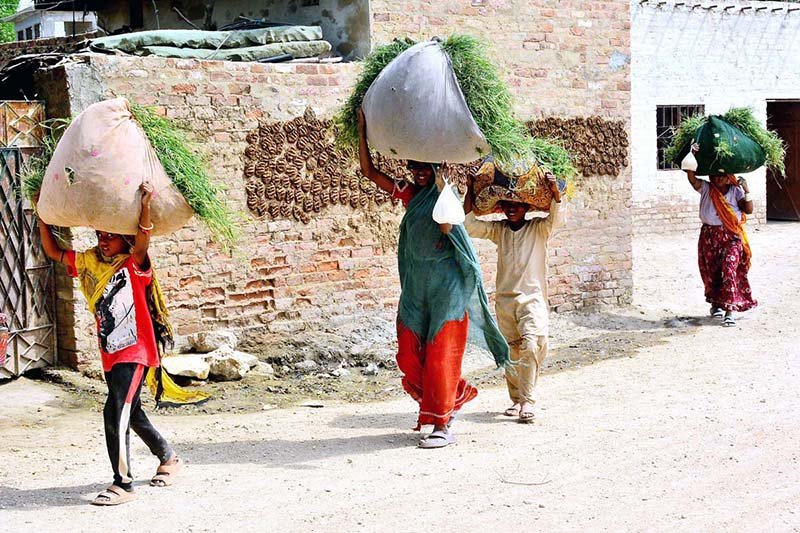
HYDERABAD — In the bustling locality of Latifabad Unit No. 4, women can be seen carrying bundles of grass on their heads, a testament to their daily toil in the fields. This scene, captured recently, underscores the ongoing agricultural activities in the region, where women play a crucial role in sustaining local economies. What Happened The sight of women balancing hefty bundles of grass on their heads is a common one in Latifabad, a neighborhood in Hyderabad known for its vibrant community and agricultural activities. These women, after cutting the grass from the fields, transport it manually, showcasing their strength and resilience. The grass is typically used for feeding livestock, a vital component of rural livelihoods. Latifabad Unit No. 4, with its sprawling fields, provides an essential resource for local families who depend on agriculture and livestock for their sustenance. The women involved in this labor-intensive task often start their day early, navigating the fields to harvest grass, which is then used to feed cattle and other livestock. This practice not only supports their families but also contributes to the local agricultural economy. According to local sources, the women of Latifabad have been engaged in these activities for generations, passing down skills and techniques that are vital for maintaining the productivity of their fields. The grass-cutting season is a particularly busy time, requiring coordinated efforts to ensure that enough fodder is collected to last through the year. Background Hyderabad, a city with a rich history and cultural heritage, has long been a hub for agricultural activities in Sindh province. Latifabad, one of its prominent areas, is known for its agricultural output, which includes crops such as wheat, rice, and sugarcane. The role of women in this sector is significant, as they often manage both household responsibilities and agricultural duties. Historically, the agricultural sector in Pakistan has been a major contributor to the national economy, providing employment to a large portion of the population. In rural areas, women are often at the forefront of agricultural labor, involved in planting, harvesting, and processing agricultural products. Despite their contributions, they frequently face challenges such as limited access to resources, education, and healthcare. Why It Matters The image of women carrying grass in Latifabad highlights the broader socio-economic dynamics in rural Pakistan. Women in agriculture are pivotal to food security and economic stability, yet they often remain underrepresented in official statistics and policy discussions. Recognizing and supporting their contributions is crucial for sustainable development. Economically, the labor of these women directly impacts the agricultural output of the region. By providing fodder for livestock, they help sustain the dairy and meat industries, which are vital components of the local and national economy. Socially, their work empowers them within their communities, fostering a sense of independence and resilience. On an international level, the role of women in agriculture is increasingly being recognized as a key factor in achieving global food security. Initiatives aimed at improving the conditions for women in agriculture can lead to enhanced productivity and economic growth, aligning with global development goals. Key Takeaways Women in Latifabad play a crucial role in the local agricultural economy by harvesting grass for livestock. The agricultural sector is a major contributor to Pakistan’s economy, with women at the forefront in rural areas. Despite their contributions, rural women face challenges such as limited access to resources and education. Supporting women in agriculture is essential for sustainable development and economic growth. International recognition of women’s roles in agriculture is vital for achieving global food security. Source Attribution This article is based on official government statements, press releases, and public communications from relevant authorities. Author: NEN Editorial Desk | Editor: NEN Newsroom | Fact Checked By: NEN Editorial Team Author: NEN Editorial Desk  |  Editor: NEN Newsroom  |  Last Updated: August 16, 2026  |  Source: NEN Reporter This article was produced by the NEN Editorial Desk in accordance with NEN Agency’s Editorial Policy and Fact-Checking Policy.

Pakistan

Met Office Forecasts Extended Rain and Thundershowers in Pakistan

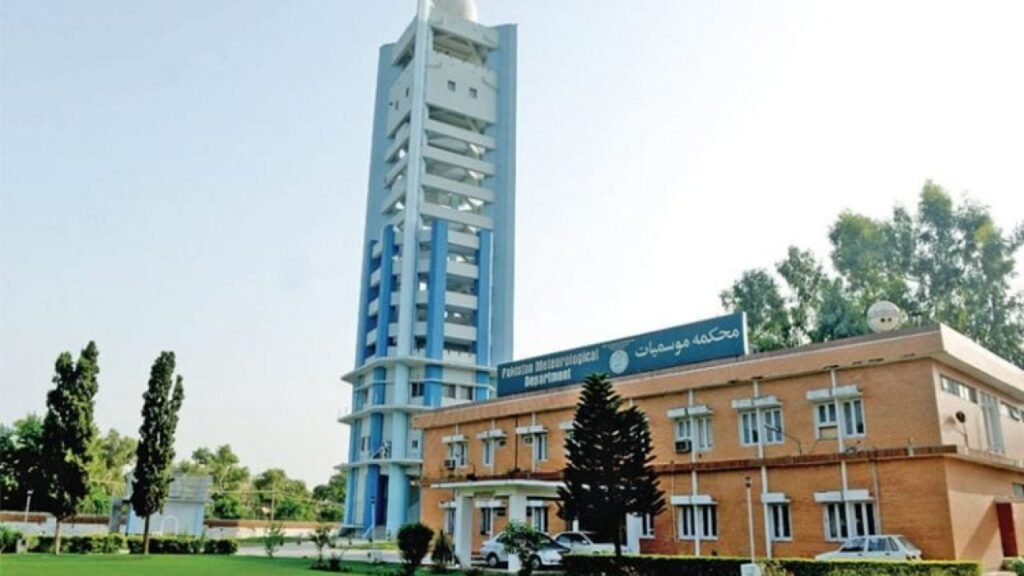
ISLAMABAD — The Pakistan Meteorological Department (PMD) has issued a forecast predicting an extended period of rain, wind, and thundershowers across the upper and central regions of Pakistan. This weather pattern is expected to persist from August 17 to 21, with intermittent breaks. What Happened The PMD has announced that a series of weather systems are likely to bring significant rainfall to various parts of the country over the coming days. According to the forecast, the upper and central regions, including areas such as Islamabad, Punjab, Khyber Pakhtunkhwa, and parts of Balochistan, will experience sporadic rain and thunderstorms. The department has advised residents in these areas to prepare for potential disruptions caused by heavy rainfall and strong winds. In a statement, the PMD highlighted that the weather systems are expected to be more intense in the northern regions, where heavy downpours could lead to localized flooding. “Citizens are advised to remain cautious and take necessary precautions to avoid any untoward incidents,” a PMD official stated. The department also warned of possible landslides in the hilly terrains of Khyber Pakhtunkhwa and northern Punjab. The forecast indicates that the weather conditions could impact daily life, with transportation and outdoor activities likely to be affected. The PMD has urged local authorities to remain vigilant and ensure that emergency services are on standby to deal with any adverse situations. Background Pakistan often experiences monsoon rains during the months of July to September, which are crucial for the country’s agriculture. However, these rains can also lead to severe flooding, particularly in the northern and central regions. In recent years, climate change has been cited as a factor contributing to the increased frequency and intensity of extreme weather events in the region. Historically, the monsoon season has brought both relief and challenges. While it replenishes water reservoirs and supports agricultural activities, it also poses risks of flooding and infrastructure damage. The government has been working on improving flood management systems and raising public awareness to mitigate the impact of such weather events. Why It Matters The anticipated spell of rain and thundershowers is significant for several reasons. Economically, the rains are essential for agriculture, which is a backbone of Pakistan’s economy. Adequate rainfall supports crop growth, particularly for staples like rice and sugarcane. However, excessive rainfall can damage crops and disrupt supply chains, potentially leading to economic losses. Socially, the weather conditions can affect millions of people, especially those living in rural and flood-prone areas. The risk of flooding and landslides poses a direct threat to communities, potentially displacing families and causing property damage. Effective disaster management and community preparedness are crucial to minimize these risks. Politically, the government’s response to weather-related challenges can influence public perception and trust. Efficient management of the situation, including timely warnings and relief efforts, can bolster confidence in governmental institutions. Conversely, inadequate response can lead to criticism and unrest. Internationally, Pakistan’s handling of extreme weather events is closely watched as part of the broader conversation on climate change and resilience. The country’s experiences contribute to global understanding and strategies for dealing with similar challenges. Key Takeaways The PMD forecasts rain, wind, and thundershowers in upper and central Pakistan from August 17 to 21. Heavy rainfall may lead to localized flooding and landslides, particularly in northern regions. The monsoon season is crucial for agriculture but poses risks of flooding and infrastructure damage. Effective disaster management is essential to minimize the impact on communities and the economy. Pakistan’s response to weather events is part of a larger global discussion on climate resilience. Source Attribution This article is based on official statements from the Pakistan Meteorological Department and public communications from relevant authorities. Author: NEN Editorial Desk | Editor: NEN Newsroom | Fact Checked By: NEN Editorial Team Author: NEN Editorial Desk  |  Editor: NEN Newsroom  |  Last Updated: August 16, 2026  |  Source: NEN Reporter This article was produced by the NEN Editorial Desk in accordance with NEN Agency’s Editorial Policy and Fact-Checking Policy.

Pakistan

Pakistan Hockey Federation Sees Strong Interest in U15 Registration Portal

ISLAMABAD — The Pakistan Hockey Federation (PHF) has reported a significant response to its newly launched National U-15 Hockey Registration Portal, aimed at rejuvenating hockey at the grassroots level across the country. As of August 16, 791 schools nationwide have registered, reflecting widespread enthusiasm among young athletes and educational institutions. What Happened The PHF’s initiative to launch the National U-15 Hockey Registration Portal has been met with an enthusiastic response, as evidenced by the registration of 791 schools from various regions of Pakistan. This development is part of PHF’s broader strategy to identify and nurture young talent in the sport, which has historically been a significant part of Pakistan’s sporting culture. The portal, which was recently made accessible, serves as a centralized platform for schools and young players to register for participation in upcoming hockey events and training programs. PHF officials have expressed optimism regarding the portal’s potential to streamline the process of talent identification and development. A PHF spokesperson stated, “The response has been overwhelming and it shows the passion for hockey still exists among the youth. This is a positive sign for the future of hockey in Pakistan.” The registration portal is designed to ensure that young players have the opportunity to showcase their skills and gain access to professional training and competitive events. This initiative is expected to lay the groundwork for a more structured and sustainable development pathway for young hockey players in Pakistan. Background Hockey has a storied history in Pakistan, with the national team having achieved considerable success on the international stage, including multiple Olympic gold medals and World Cup victories. However, in recent decades, the sport has faced challenges such as declining performance levels, lack of infrastructure, and reduced funding. In response to these challenges, the PHF has been actively seeking ways to revive the sport. The launch of the National U-15 Hockey Registration Portal is part of these efforts, aimed at reinvigorating interest and participation at the grassroots level. Historically, school-level competitions have been a breeding ground for future national players, and the PHF hopes to rekindle this tradition. Why It Matters The launch of the National U-15 Hockey Registration Portal is significant for several reasons. Firstly, it represents a proactive step by the PHF to address the decline in hockey’s popularity and performance in Pakistan. By focusing on the youth, the federation aims to build a strong foundation for future success at the national and international levels. Economically, the revival of hockey can have positive effects by potentially attracting sponsorships and investments in sports infrastructure. Socially, it can engage young people in productive activities, promoting physical fitness and teamwork. Politically, a resurgence in hockey success could enhance national pride and unity, as sports often play a role in fostering national identity. Internationally, a strong hockey program can restore Pakistan’s reputation as a formidable competitor, encouraging more international matches and exchanges. This could also lead to increased opportunities for Pakistani players to participate in foreign leagues, thus gaining valuable experience and exposure. Key Takeaways The PHF’s National U-15 Hockey Registration Portal has registered 791 schools across Pakistan. The initiative aims to revive hockey at the grassroots level by engaging young players. Hockey has a rich history in Pakistan, but has faced challenges in recent decades. The portal is part of broader efforts to rejuvenate the sport and identify new talent. Reviving hockey could have economic, social, and international benefits for Pakistan. Source Attribution This article is based on official statements and public communications from the Pakistan Hockey Federation. Author: NEN Editorial Desk | Editor: NEN Newsroom | Fact Checked By: NEN Editorial Team Author: NEN Editorial Desk  |  Editor: NEN Newsroom  |  Last Updated: August 16, 2026  |  Source: NEN Reporter This article was produced by the NEN Editorial Desk in accordance with NEN Agency’s Editorial Policy and Fact-Checking Policy.
Pakistan

Pakistan’s ICT Sector Faces Talent Drain as Women Exit Post-Marriage

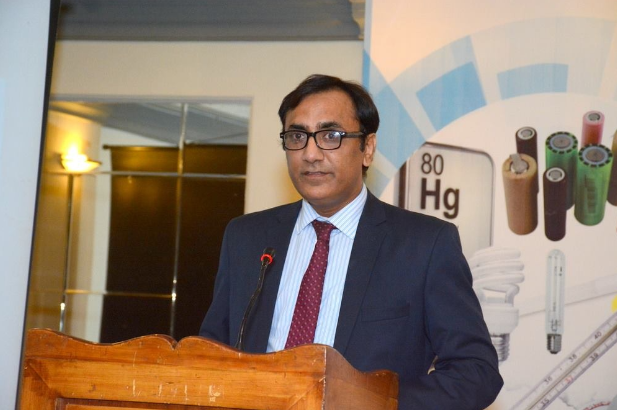
ISLAMABAD — Pakistan’s burgeoning Information and Communication Technology (ICT) sector faces a significant challenge as over 12,000 female graduates annually are compelled to leave the workforce due to marriage, motherhood, and family obligations. This trend poses a substantial threat to the country’s economic growth and its aspirations to become a hub for digital and artificial intelligence (AI) innovation. What Happened Each year, Pakistani universities produce a significant number of female graduates in the ICT sector, a field critical to the nation’s economic advancement. However, societal expectations and traditional roles often pressure these women to prioritize domestic responsibilities over professional careers. As a result, many talented women exit the workforce soon after marriage or childbirth, despite having the qualifications and potential to contribute significantly to the ICT industry. According to industry experts, this loss of skilled labor is detrimental to Pakistan’s economy, which is increasingly reliant on digital and AI technologies. The demand for ICT professionals continues to rise, yet the talent pool is shrinking as women, who make up a substantial portion of ICT graduates, are sidelined. “We are losing a critical segment of our workforce at a time when we need them the most,” said a senior official from the Ministry of Information Technology and Telecommunication. “The contributions of women in ICT are invaluable, and their absence is felt across the sector.” Background Historically, women in Pakistan have faced numerous barriers to employment, particularly in male-dominated fields like ICT. Cultural norms and family expectations often dictate that women focus on home-making and child-rearing, limiting their professional opportunities. Despite progressive policies aimed at increasing female participation in the workforce, traditional attitudes persist, hindering women’s career advancement. The government has introduced several initiatives to encourage women’s participation in STEM (Science, Technology, Engineering, and Mathematics) fields, yet these efforts have not fully addressed the root causes of workforce attrition. The societal pressure to conform to traditional roles remains a significant barrier for many women. Why It Matters The exit of women from the ICT workforce has far-reaching implications for Pakistan’s economy and its global competitiveness. As the world becomes increasingly digital, countries that fail to harness their full talent potential risk falling behind. For Pakistan, this means not only a loss of skilled labor but also a setback in its efforts to establish itself as a leader in AI and digital technologies. Economically, the underutilization of female ICT graduates translates into a significant loss of potential GDP growth. Studies have shown that gender diversity in the workforce leads to better decision-making, increased innovation, and higher profitability. By not fully integrating women into the ICT sector, Pakistan is missing out on these benefits. Socially, the trend underscores the need for a cultural shift towards more equitable gender roles. Empowering women to pursue careers in ICT not only benefits the economy but also promotes gender equality and social progress. Encouragingly, some companies are beginning to offer flexible work arrangements and support networks to retain female talent, but these practices need to be more widespread. Key Takeaways Over 12,000 female ICT graduates in Pakistan leave the workforce annually due to societal pressures. This trend poses a significant challenge to Pakistan’s economic growth and ICT sector development. Government initiatives exist to promote female participation in STEM, but cultural barriers persist. The loss of female talent in ICT hinders Pakistan’s global competitiveness and potential GDP growth. Efforts to retain women in the workforce include flexible work arrangements and support networks. Source Attribution This article is based on official statements, press releases, and public communications from relevant authorities. Author: NEN Editorial Desk | Editor: NEN Newsroom | Fact Checked By: NEN Editorial Team Author: NEN Editorial Desk  |  Editor: NEN Newsroom  |  Last Updated: August 16, 2026  |  Source: NEN Reporter This article was produced by the NEN Editorial Desk in accordance with NEN Agency’s Editorial Policy and Fact-Checking Policy.

Pakistan

Study Urges Shift in GLOF Reporting Towards Solutions in Pakistan

ISLAMABAD — A recent study has highlighted the need for a paradigm shift in how Pakistan’s media covers glacial lake outburst floods (GLOFs), urging a move from disaster-centric reporting to a focus on solutions. The study, released on August 16, reveals that a significant 76.8 percent of media coverage on GLOFs remains concentrated on the immediate problems rather than on preparedness, early warning systems, adaptation strategies, and long-term resilience. What Happened The study, conducted by researchers analyzing news reports, editorials, and opinion pieces in leading Pakistani newspapers, found that GLOF events are predominantly reported as isolated incidents. This approach, according to the study, neglects the critical aspects of preparedness and adaptation that are essential for mitigating the impacts of such natural disasters. The research underscores the importance of shifting the narrative towards proactive measures that can help communities better prepare for and respond to these events. Glacial lake outburst floods are sudden releases of water from a glacial lake, often caused by the melting of glaciers. These events can lead to catastrophic flooding in downstream areas, posing significant risks to lives, infrastructure, and livelihoods. The study suggests that by focusing on the solutions, media can play a pivotal role in raising awareness about the importance of early warning systems and community preparedness. The researchers argue that media outlets have a responsibility to not only report on the immediate impacts of GLOFs but also to highlight successful adaptation strategies and policy measures that can enhance resilience. By doing so, they can contribute to a more informed public discourse and encourage policy makers to prioritize investments in climate adaptation and disaster risk reduction. Background Pakistan is home to over 7,000 glaciers, making it one of the most glaciated regions outside the polar areas. The country has experienced several GLOF events in recent years, which have caused significant damage to infrastructure and displaced communities. The increasing frequency of these events is attributed to climate change, which accelerates glacier melting and increases the risk of glacial lake formation and subsequent outbursts. Historically, the media in Pakistan has focused on the immediate aftermath of such disasters, often highlighting the destruction and humanitarian needs. While this is crucial for mobilizing emergency response, it does not address the underlying vulnerabilities or promote long-term resilience. Why It Matters The shift in media coverage from disaster reporting to solutions is crucial for several reasons. Firstly, it can lead to better-informed communities that are aware of the risks and equipped with the knowledge to take preventive measures. This awareness is vital in a country like Pakistan, where many communities live in remote areas with limited access to information and resources. Secondly, by highlighting successful adaptation strategies and policy interventions, media can influence public opinion and drive policy changes. This can lead to increased investment in infrastructure that enhances resilience, such as early warning systems and flood defenses. It can also encourage the adoption of community-based adaptation measures, which are often more sustainable and effective in the long term. Furthermore, a focus on solutions can foster international cooperation and attract funding for climate adaptation projects. As Pakistan seeks to address the impacts of climate change, international support will be crucial in implementing large-scale adaptation and mitigation projects. Key Takeaways The study calls for a shift in media coverage of GLOFs from disaster reporting to solution-oriented narratives. 76.8 percent of current coverage focuses on the immediate problems rather than preparedness and adaptation. Improved media coverage can enhance community awareness and influence policy changes. Highlighting solutions can attract international support for climate adaptation projects. Pakistan’s vulnerability to GLOFs is increasing due to climate change, necessitating proactive measures. Source Attribution This article is based on official government statements, press releases, and public communications from relevant authorities. Author: NEN Editorial Desk | Editor: NEN Newsroom | Fact Checked By: NEN Editorial Team Author: NEN Editorial Desk  |  Editor: NEN Newsroom  |  Last Updated: August 16, 2026  |  Source: NEN Reporter This article was produced by the NEN Editorial Desk in accordance with NEN Agency’s Editorial Policy and Fact-Checking Policy.
Pakistan

Sethi House in Peshawar Added to UNESCO Heritage List

PESHAWAR — Sethi House, a historic architectural gem located in the heart of Peshawar, has been officially added to the UNESCO World Heritage list, marking a significant recognition of its cultural and historical value. The announcement was made on August 16, bringing global attention to this unique site nestled in the bustling city. What Happened Sethi House, situated in the narrow lanes of Mohallah Sethian near the historic Qissa Khawani Bazaar, has been recognized by UNESCO for its distinctive architectural style that combines elements of wood, glass, and intricate carvings. The house, which dates back to the 19th century, is renowned for its elaborate wooden doors, stained glass windows, and the play of light and shadow within its interiors. The inclusion of Sethi House in the UNESCO World Heritage list is a testament to its importance as a cultural and historical landmark. The site has long been a point of interest for tourists and historians alike, who are drawn to its unique blend of artistic and architectural features that reflect the rich trading history of Peshawar. The house was built by the Sethi family, prominent traders who played a significant role in the economic and cultural exchanges along the Silk Road. The UNESCO designation is expected to enhance preservation efforts and boost tourism, as the site gains international recognition. According to local officials, this status will help secure funding and expertise necessary for the conservation of this historic site, ensuring it remains a part of Peshawar’s heritage for future generations. Background Sethi House was constructed in the late 1800s by the Sethi family, who were influential traders in the region. The family was known for their extensive trade networks that stretched from Central Asia to the Indian subcontinent. The house itself is a reflection of the wealth and status the family enjoyed during that era. The architecture of Sethi House is a blend of traditional South Asian and Central Asian styles, featuring intricate woodwork and vibrant stained glass that are characteristic of the period. The house has been preserved as a museum, offering visitors a glimpse into the opulent lifestyle of Peshawar’s merchant class in the 19th century. Over the years, various efforts have been made to preserve the house, with local authorities and cultural organizations working to maintain its structural integrity and historical authenticity. The addition to the UNESCO list is seen as a culmination of these efforts, providing a framework for ongoing preservation and promotion of the site. Why It Matters The inclusion of Sethi House in the UNESCO World Heritage list is significant for several reasons. Economically, it is expected to increase tourism to Peshawar, bringing with it potential revenue and job opportunities for the local community. The recognition also highlights the cultural richness of the region, encouraging further exploration and appreciation of Pakistan’s historical sites. Socially, the designation serves as a point of pride for the people of Peshawar, reinforcing their cultural identity and heritage. It also underscores the importance of preserving historical sites not just for their aesthetic value, but for their role in telling the stories of past generations. On an international level, the recognition of Sethi House by UNESCO places Pakistan on the global map of cultural heritage, attracting scholars, historians, and tourists from around the world. This can lead to increased cultural exchanges and a better understanding of Pakistan’s historical contributions to global trade and culture. Key Takeaways Sethi House in Peshawar has been added to the UNESCO World Heritage list. The site is known for its unique architectural style combining wood, glass, and intricate carvings. The recognition is expected to boost tourism and preservation efforts in Peshawar. The house reflects the rich trading history of the Sethi family and Peshawar’s cultural heritage. UNESCO status enhances Pakistan’s presence on the global cultural heritage map. Source Attribution This article is based on official government statements, press releases, and public communications from relevant authorities. Author: NEN Editorial Desk | Editor: NEN Newsroom | Fact Checked By: NEN Editorial Team Author: NEN Editorial Desk  |  Editor: NEN Newsroom  |  Last Updated: August 16, 2026  |  Source: NEN Reporter This article was produced by the NEN Editorial Desk in accordance with NEN Agency’s Editorial Policy and Fact-Checking Policy.

Pakistan

Minister Armaghan Subhani Engages with Public in Vario Open Court

SIALKOT — Minister of State for Planning and Development, Chaudhry Armaghan Subhani, conducted an open court session on Sunday at his Daira in Vario, Sialkot, where he addressed the grievances and concerns of local residents. The event saw a large turnout, reflecting the community’s eagerness to engage directly with governmental representatives. What Happened Chaudhry Armaghan Subhani, in a bid to foster direct communication with the public, organized an open court session at his residence in Vario. The session was attended by a significant number of local residents who brought forth a variety of issues ranging from infrastructure deficiencies to social welfare concerns. The Minister of State listened attentively to each individual, taking notes and promising to address their issues with the relevant authorities. During the session, residents highlighted problems such as inadequate road conditions, lack of clean drinking water, and insufficient healthcare facilities. Chaudhry Armaghan Subhani assured the attendees that their concerns would be prioritized in upcoming development plans. He emphasized the government’s commitment to resolving these issues, stating, “We are dedicated to improving the quality of life for our citizens and will take immediate steps to address these challenges.” The open court also served as a platform for the Minister to update the community on ongoing and future development projects. He outlined plans for infrastructure improvements, including road repairs and the installation of new water filtration plants. The session concluded with the Minister thanking the attendees for their participation and encouraging ongoing dialogue between the public and government officials. Background Open court sessions have been a traditional method for government officials in Pakistan to engage directly with the public, allowing citizens to voice their concerns without the bureaucratic hurdles typically associated with formal complaint processes. This approach is seen as a way to build trust and transparency between the government and its citizens. Chaudhry Armaghan Subhani, who has been serving as the Minister of State for Planning and Development, has been actively involved in community engagement initiatives. His efforts are part of a broader strategy by the government to enhance public service delivery and ensure that development projects align with the actual needs of the population. Why It Matters The open court session in Vario is significant as it highlights the government’s efforts to bridge the gap between policymakers and the public. In a country where citizens often feel disconnected from government processes, such initiatives can enhance transparency and accountability. Economically, addressing infrastructure issues and improving public services can lead to increased productivity and better quality of life for residents. For instance, better road conditions can facilitate trade and transport, while access to clean water and healthcare can improve public health outcomes. These improvements are crucial for the socio-economic development of regions like Vario, which may not always be prioritized in national development agendas. Politically, the engagement of officials like Chaudhry Armaghan Subhani in direct dialogue with citizens can bolster public confidence in the government. It demonstrates a commitment to listening to and acting upon the needs of the people, which is essential for maintaining public trust and support. Key Takeaways Minister of State Chaudhry Armaghan Subhani held an open court in Vario, Sialkot, to address public concerns. Residents raised issues related to infrastructure, water supply, and healthcare. The Minister promised to prioritize these concerns in future development plans. Open court sessions enhance government transparency and public trust. Improving infrastructure and services can have significant socio-economic benefits for the region. Source Attribution This article is based on official government statements and public communications from relevant authorities. Author: NEN Editorial Desk | Editor: NEN Newsroom | Fact Checked By: NEN Editorial Team Author: NEN Editorial Desk  |  Editor: NEN Newsroom  |  Last Updated: August 16, 2026  |  Source: Press Release from Government of Pakistan This article was produced by the NEN Editorial Desk in accordance with NEN Agency’s Editorial Policy and Fact-Checking Policy.

Scroll to Top