

World

Welcome to the World section of NEN Agency, your window to the stories shaping our planet. From global politics and economic shifts to science breakthroughs, cultural moments, and humanitarian crises, we connect you to events that matter — wherever they happen.

Inside This Category

  • Global Politics & Diplomacy: International relations, summits, and policy shifts.

  • World Economy & Trade: Market trends, trade agreements, and financial developments.

  • Conflicts & Security: Coverage of wars, peace efforts, and security challenges.

  • Science & Environment: Climate change, technological advances, and space exploration.

  • Culture & Society: Arts, sports, and lifestyle stories from around the globe.

Why Our World Coverage Stands Out
We deliver global news with context, helping readers see how events beyond borders influence life in Pakistan and the wider region.

World

IHC Schedules Hearing for Imran Khan and Bushra Bibi Appeals in £190 Million Case

ISLAMABAD — The Islamabad High Court (IHC) has set June 29 as the date to hear the appeals filed by Pakistan Tehreek-e-Insaaf (PTI) founder Imran Khan and his wife Bushra Bibi concerning their convictions in a case involving £190 million. The court’s decision was announced on June 24, as per the official cause list released by the IHC Registrar. What Happened The IHC has scheduled a hearing for the appeals submitted by Imran Khan, former Prime Minister of Pakistan, and his spouse Bushra Bibi. The case revolves around a substantial sum of £190 million, which has been a subject of legal scrutiny. The appeals challenge the convictions handed down in this high-profile case, which has captured significant public and media attention. The case is set to be heard by a division bench of the IHC, as indicated in the court’s cause list for the upcoming week. The legal proceedings have been closely monitored, given the political stature of Imran Khan and the implications of the case on his political career and the PTI’s standing. Imran Khan and Bushra Bibi’s legal team is expected to present arguments contesting the earlier court decisions that led to their convictions. The specifics of the convictions and the grounds for appeal have not been publicly detailed, but the case’s financial magnitude underscores its significance. Background The £190 million case has its roots in a series of financial transactions that have been under investigation by Pakistani authorities. The case is part of broader efforts by the government to address financial irregularities and corruption. Imran Khan, who served as Pakistan’s Prime Minister from August 2018 until April 2022, has been a central figure in the nation’s political landscape, advocating for transparency and anti-corruption measures. The legal challenges faced by Khan and his wife are part of a series of cases that have emerged following his tenure as Prime Minister. These cases have raised questions about the intersection of politics and legal accountability in Pakistan. Why It Matters The upcoming hearing is significant for several reasons. Firstly, it represents a critical juncture for Imran Khan, whose political influence remains substantial despite no longer holding office. The outcome of the appeals could impact his ability to participate in future elections and his role within the PTI. For the PTI, the case is pivotal as it navigates its position in Pakistan’s political arena. The party’s leadership and supporters are keenly watching the proceedings, which could influence public perception and voter confidence in the PTI’s commitment to addressing corruption. On a broader scale, the case highlights ongoing efforts in Pakistan to tackle corruption and ensure accountability among public figures. The legal proceedings are part of a larger narrative concerning governance, rule of law, and the integrity of public officials in Pakistan. Key Takeaways The IHC will hear appeals from Imran Khan and Bushra Bibi on June 29 regarding their convictions in the £190 million case. The case involves significant financial transactions and has legal and political implications for Khan and the PTI. The outcome of the appeals could affect Khan’s political future and the PTI’s public standing. This case is part of broader anti-corruption efforts in Pakistan, reflecting on governance and accountability issues. The hearing is closely watched by political analysts and the public, given its potential impact on Pakistan’s political dynamics. Source Attribution The information was sourced from the Associated Press of Pakistan (APP), which provided details on the IHC’s scheduling of the hearing and the context of the case. The source material outlines the procedural aspects and the significance of the upcoming legal proceedings. Author: NEN Editorial Desk | Editor: NEN Newsroom | Fact Checked By: NEN Editorial Team Author: NEN Editorial Desk  |  Editor: NEN Newsroom  |  Last Updated: June 24, 2026  |  Source: Associated Press of Pakistan (APP) This article was produced by the NEN Editorial Desk in accordance with NEN Agency’s Editorial Policy and Fact-Checking Policy.
World

BRA Intensifies Industrial Tax Enforcement to Enhance Revenue Collection

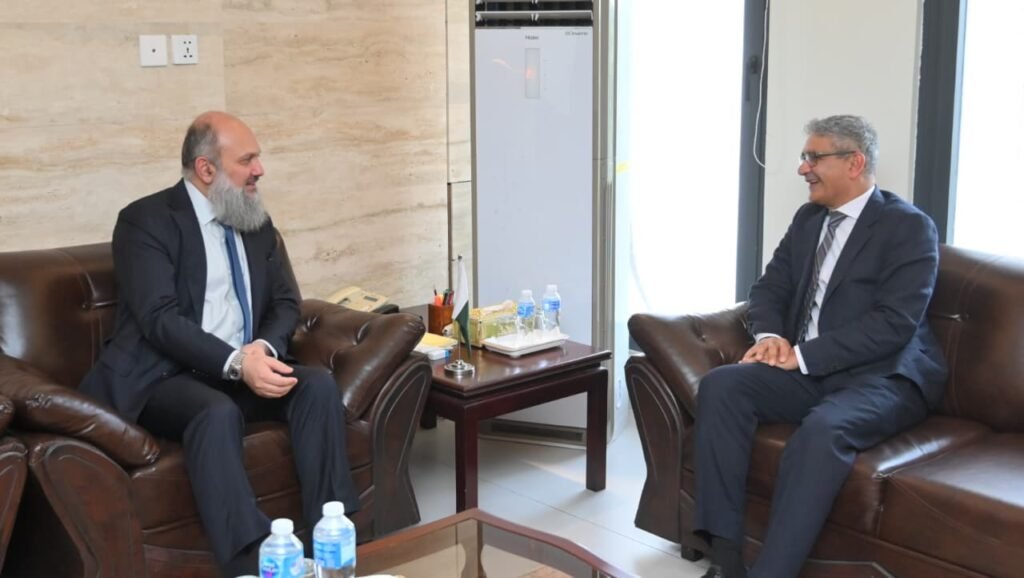
QUETTA — The Balochistan Revenue Authority (BRA) has intensified its efforts to enhance revenue collection by reviewing industrial tax compliance. An important meeting was held on June 24 under the chairmanship of the BRA Chairman, focusing on the evaluation of tax collection from private withholding agents and contractual executions. What Happened The meeting convened by the BRA was aimed at assessing the current state of tax compliance among industrial entities and discussing strategies to improve revenue generation. Officials emphasized the need for strict enforcement measures to ensure that all due taxes are collected efficiently. The session highlighted the importance of expanding the tax net to include more businesses and industries, thereby increasing the overall revenue for the province. During the meeting, the BRA Chairman underscored the necessity of enhancing the authority’s capacity to monitor and enforce tax compliance. He stated, “We are committed to ensuring that all industrial entities comply with the tax regulations. Strict enforcement is essential to boost our revenue collection efforts.” The discussion also included the evaluation of ongoing enforcement measures and the identification of areas where improvements could be made. Officials at the meeting deliberated on various strategies to broaden the tax base, including the introduction of new technologies and methodologies to streamline tax collection processes. The BRA aims to implement these strategies to ensure that all taxable activities are properly documented and taxed, thereby reducing the potential for tax evasion. Background The Balochistan Revenue Authority was established to enhance the province’s fiscal capacity by improving tax collection mechanisms. Over the years, the authority has been working to increase compliance among businesses and industries, which are crucial contributors to the provincial economy. Despite these efforts, challenges such as tax evasion and underreporting have persisted, necessitating stricter enforcement measures. Historically, tax compliance in Balochistan has faced hurdles due to a lack of resources and infrastructure. The BRA has been focusing on overcoming these challenges by investing in capacity-building initiatives and leveraging technology to improve efficiency. The authority’s efforts are aligned with the broader national strategy to increase tax revenues and reduce fiscal deficits. Why It Matters The enforcement of industrial tax compliance is critical for Balochistan’s economic stability and development. By ensuring that all due taxes are collected, the BRA can significantly enhance the province’s revenue base, which is essential for funding public services and infrastructure projects. This, in turn, can lead to improved living standards for the residents of Balochistan. Economically, increased revenue collection can reduce the province’s reliance on federal transfers, allowing for greater financial autonomy. This is particularly important in the context of Balochistan’s ongoing development needs, which require substantial investment in infrastructure, education, and healthcare. Politically, the BRA’s efforts to enforce tax compliance can strengthen governance by demonstrating a commitment to transparency and accountability. This can enhance public trust in governmental institutions and encourage greater civic engagement. Internationally, improved tax compliance and revenue generation can position Balochistan as a more attractive destination for foreign investment. Investors are often keen to engage with regions that demonstrate fiscal responsibility and economic stability. Key Takeaways The BRA is intensifying efforts to enhance tax compliance among industrial entities in Balochistan. Strict enforcement measures are being implemented to boost revenue collection. The authority aims to expand the tax net and improve monitoring capabilities. Increased revenue is crucial for the province’s economic development and fiscal autonomy. Improved tax compliance can enhance governance and attract foreign investment. Source Attribution This article is based on information from the Associated Press of Pakistan (APP). The source material provides a summary of the BRA’s meeting and its objectives but does not include specific data or detailed outcomes of the discussions. Author: NEN Editorial Desk | Editor: NEN Newsroom | Fact Checked By: NEN Editorial Team Author: NEN Editorial Desk  |  Editor: NEN Newsroom  |  Last Updated: June 24, 2026  |  Source: APP This article was produced by the NEN Editorial Desk in accordance with NEN Agency’s Editorial Policy and Fact-Checking Policy.
World

Senator Highlights Karbala’s Enduring Legacy of Truth and Justice

QUETTA — Senator Abdul Qadir, Chairman of the Senate Standing Committee on Defence Production, emphasized the enduring significance of the martyrdom of Imam Hussain (RA) and the martyrs of Karbala as a guiding light for truth, justice, and perseverance. In a statement issued on June 24, 2023, Senator Qadir underscored the timeless lessons that the events of Karbala impart to humanity in the fight against oppression. What Happened Senator Abdul Qadir, addressing the public from Quetta, articulated the profound impact of the martyrdom of Imam Hussain (RA), the grandson of the Prophet Muhammad (PBUH), and his companions at the Battle of Karbala in 680 AD. He described their sacrifice as an enduring symbol of resistance against tyranny and injustice. “The legacy of Imam Hussain (RA) is a beacon that continues to illuminate the path of righteousness and courage,” he stated. The Battle of Karbala, which took place on the 10th of Muharram in the Islamic calendar, is remembered annually by millions of Muslims around the world, particularly during the observance of Ashura. The events are commemorated for their profound spiritual and moral implications, serving as a reminder of the struggle for justice and the importance of standing against oppression, even at great personal cost. Senator Qadir’s remarks come at a time when the themes of justice and resistance are particularly resonant in various parts of the world. He called upon individuals to draw inspiration from the sacrifices made at Karbala, urging them to uphold the values of truth and justice in their daily lives. Background The Battle of Karbala holds a significant place in Islamic history, particularly within the Shia tradition. It marks the confrontation between the forces of Yazid I, the Umayyad caliph, and Imam Hussain (RA), who refused to pledge allegiance to Yazid, citing his unjust rule. The battle resulted in the martyrdom of Imam Hussain (RA) and his followers, who were vastly outnumbered and faced severe hardships. This event has been commemorated for centuries and serves as a pivotal moment in Islamic history, symbolizing the struggle against tyranny and the pursuit of justice. The martyrdom of Imam Hussain (RA) is seen as a defining moment that underscores the principles of sacrifice, steadfastness, and the refusal to capitulate to unjust authority. Why It Matters The message of Karbala transcends religious boundaries and holds universal significance. It serves as a powerful reminder of the importance of standing firm against injustice and oppression, regardless of the odds. The themes of sacrifice and perseverance resonate deeply in contemporary society, where issues of social justice and human rights remain pressing concerns. For Pakistan, a nation grappling with its own challenges of governance, social justice, and human rights, the lessons of Karbala offer a framework for ethical leadership and civic responsibility. The commemoration of these events encourages individuals and leaders alike to reflect on their roles in promoting justice and equity within their communities. Internationally, the story of Karbala is a testament to the enduring human spirit and the quest for justice. It inspires movements for change and serves as a rallying point for those advocating for human rights and dignity across the globe. Key Takeaways Senator Abdul Qadir emphasized the enduring legacy of Karbala as a symbol of truth and justice. The Battle of Karbala is commemorated annually, highlighting themes of sacrifice and resistance. The events of Karbala serve as a universal reminder of the importance of standing against oppression. For Pakistan, Karbala’s lessons are relevant in addressing contemporary issues of justice and governance. Internationally, Karbala inspires movements advocating for human rights and dignity. Source Attribution The information in this article is based on a statement issued by Senator Abdul Qadir and reported by the Associated Press of Pakistan (APP). The source material provides a perspective on the historical and contemporary significance of the martyrdom of Karbala. Author: NEN Editorial Desk | Editor: NEN Newsroom | Fact Checked By: NEN Editorial Team Author: NEN Editorial Desk  |  Editor: NEN Newsroom  |  Last Updated: June 24, 2026  |  Source: Associated Press of Pakistan (APP) This article was produced by the NEN Editorial Desk in accordance with NEN Agency’s Editorial Policy and Fact-Checking Policy.
World

Finance Minister Presents Auditor-General’s Reports to National Assembly

ISLAMABAD — On Wednesday, Finance Minister Senator Muhammad Aurangzeb presented the Appropriation Accounts for the Government of Pakistan for the fiscal year 2024–25 and the Auditor-General’s audit reports for 2025–26 to the National Assembly. These reports are crucial for maintaining transparency and accountability in the management of public funds. What Happened The presentation of the Appropriation Accounts and audit reports is a standard procedure that takes place annually. This year, Finance Minister Aurangzeb laid the documents before the National Assembly, fulfilling a constitutional requirement to report on the financial management and expenditures of the government. The Appropriation Accounts detail the financial allocations and expenditures for the fiscal year 2024–25, while the Auditor-General’s reports provide an independent assessment of how these funds were utilized. During the session, the Finance Minister emphasized the importance of these reports in ensuring governmental accountability. “These documents are vital for assessing the financial discipline and management efficiency of various governmental departments,” Aurangzeb stated. The reports will now be reviewed by the Public Accounts Committee, which will scrutinize any discrepancies or irregularities identified by the Auditor-General. The Auditor-General’s reports are particularly significant as they highlight areas where financial practices may not align with legal and regulatory standards. This year’s reports are expected to cover a wide range of issues, from budgetary compliance to the efficiency of public spending. Background The practice of presenting Appropriation Accounts and audit reports to the National Assembly is rooted in Pakistan’s constitutional framework, which mandates transparency in public finance. The Auditor-General of Pakistan is responsible for auditing the accounts of the federal and provincial governments and reporting the findings to the legislature. Historically, these reports have played a critical role in identifying financial mismanagement and corruption within government bodies. The Public Accounts Committee, a parliamentary body, is tasked with examining these reports and ensuring that corrective measures are taken. Over the years, several high-profile cases of financial irregularities have been uncovered through these audits, leading to reforms and, in some cases, legal action against those responsible. Why It Matters The presentation of these reports is a key component of Pakistan’s efforts to improve governance and financial transparency. In a country where public trust in government institutions is often low, such measures are essential for building confidence among citizens and international partners. Economically, the audit reports help ensure that public funds are used efficiently, which is crucial for a country facing fiscal challenges. Proper financial management can lead to better allocation of resources, improved public services, and enhanced economic growth. Politically, these reports serve as a tool for opposition parties to hold the government accountable. They provide a factual basis for debates on government performance and policy effectiveness, contributing to a more informed and engaged public discourse. Internationally, adherence to transparent financial practices is vital for Pakistan’s relationships with global financial institutions and investors. Demonstrating a commitment to accountability can improve Pakistan’s credit rating and attract foreign investment, which are essential for economic stability and growth. Key Takeaways Finance Minister Aurangzeb presented the Appropriation Accounts and Auditor-General’s reports to the National Assembly. The reports cover the fiscal year 2024–25 and audit year 2025–26, focusing on financial management and accountability. The Public Accounts Committee will review the reports to address any identified irregularities. These reports are crucial for ensuring transparency and building public trust in government institutions. Adherence to financial transparency can enhance Pakistan’s economic and international standing. Source Attribution The information in this article was obtained from the Associated Press of Pakistan (APP). The source provided a factual account of the presentation of the Appropriation Accounts and Auditor-General’s reports to the National Assembly. However, detailed insights into the specific findings of the reports were not available at the time of publication. Author: NEN Editorial Desk | Editor: NEN Newsroom | Fact Checked By: NEN Editorial Team Author: NEN Editorial Desk  |  Editor: NEN Newsroom  |  Last Updated: June 24, 2026  |  Source: Associated Press of Pakistan (APP) This article was produced by the NEN Editorial Desk in accordance with NEN Agency’s Editorial Policy and Fact-Checking Policy.

World

Pakistan’s Latest Foreign Exchange Rates Announced by Financial Markets Association

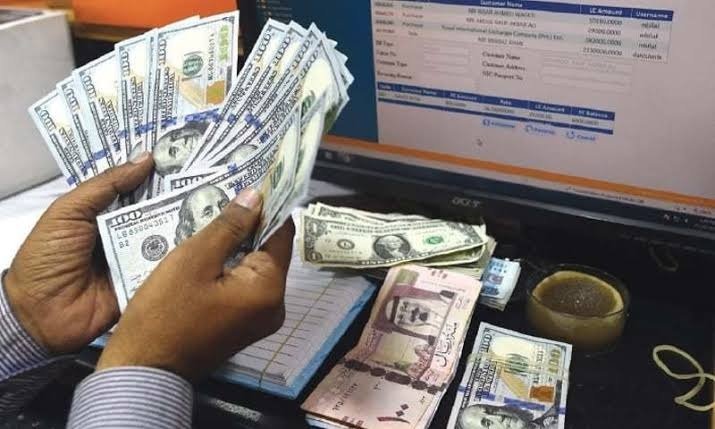
KARACHI — The Financial Markets Association of Pakistan’s Exchange Rates Committee released the latest foreign exchange rates bulletin on Wednesday, June 24, 2026. The bulletin provides updated conversion rates for various foreign currencies, which are crucial for financial transactions and economic planning. What Happened The Exchange Rates Committee of the Financial Markets Association of Pakistan issued the latest foreign exchange rates applicable for forward cover and deposits, excluding FE-25 deposits. The State Bank of Pakistan (SBP) has set the settlement value date for these rates as June 30, 2026. According to the bulletin, the conversion rate for the US dollar (USD) stands at 278.1731 Pakistani rupees. The British pound (GBP) is valued at 366.1065 rupees, while the euro (EUR) is pegged at 317.5068 rupees. The Japanese yen (JPY) is listed at 1.7238 rupees. These rates are pivotal for businesses and individuals involved in international trade and finance. These rates are determined by various factors, including international market trends, demand and supply dynamics, and economic policies. The exchange rates are crucial for businesses that engage in import and export activities, as they directly impact the cost of goods and services traded across borders. Background Foreign exchange rates are a critical component of a country’s economic framework, influencing trade balances, inflation, and economic growth. In Pakistan, the State Bank of Pakistan plays a vital role in managing the exchange rate policy, often intervening in the foreign exchange market to stabilize the currency. Historically, Pakistan has faced challenges with currency depreciation, which affects inflation rates and the cost of living. The exchange rate policy has been a subject of debate, with calls for reforms to ensure stability and competitiveness in international markets. The Financial Markets Association of Pakistan, through its Exchange Rates Committee, regularly updates these rates to reflect current market conditions. This transparency helps businesses and investors make informed decisions regarding currency transactions. Why It Matters The announcement of updated foreign exchange rates has significant implications for Pakistan’s economy. For businesses involved in import and export, these rates determine the profitability of transactions and the pricing of goods and services. A higher exchange rate for the US dollar, for example, can increase the cost of imported goods, affecting consumers and businesses alike. On a macroeconomic level, exchange rates impact inflation and purchasing power. A depreciating rupee can lead to higher inflation, as imported goods become more expensive. This can affect the cost of living for ordinary citizens, leading to economic challenges. Moreover, exchange rates influence foreign investment. A stable and competitive exchange rate can attract foreign investors, boosting economic growth and job creation. Conversely, volatility in exchange rates can deter investment, affecting economic stability. For policymakers, managing exchange rates is a balancing act between promoting economic growth and maintaining price stability. The rates announced by the Financial Markets Association provide a benchmark for the market, guiding financial institutions and businesses in their currency dealings. Key Takeaways The Financial Markets Association of Pakistan released updated foreign exchange rates on June 24, 2026. The US dollar is valued at 278.1731 rupees, the British pound at 366.1065 rupees, the euro at 317.5068 rupees, and the Japanese yen at 1.7238 rupees. Exchange rates are crucial for businesses engaged in international trade and impact inflation and economic growth. Stable exchange rates can attract foreign investment, while volatility can deter investors. Managing exchange rates is essential for balancing economic growth and price stability in Pakistan. Source Attribution The information in this article was sourced from the Associated Press of Pakistan (APP), which provided the official exchange rates bulletin from the Financial Markets Association of Pakistan. The source material is limited to the rates and basic context, with additional analysis provided by the NEN Editorial Desk. Author: NEN Editorial Desk | Editor: NEN Newsroom | Fact Checked By: NEN Editorial Team Author: NEN Editorial Desk  |  Editor: NEN Newsroom  |  Last Updated: June 24, 2026  |  Source: APP This article was produced by the NEN Editorial Desk in accordance with NEN Agency’s Editorial Policy and Fact-Checking Policy.

World

NBP Releases Latest Currency Exchange Rates for Major Currencies

KARACHI — The National Bank of Pakistan (NBP) has announced the latest selling and buying rates for major international currencies as of Wednesday, June 24. These rates are crucial for businesses, investors, and individuals engaged in foreign exchange transactions. What Happened The NBP, Pakistan’s leading financial institution, published the exchange rates for several major currencies, reflecting the current market conditions. According to the figures released, the US dollar (USD) is being sold at PKR 279.99, while the buying rate is PKR 276.99. The British pound (GBP) is available for sale at PKR 369.44, with a buying rate of PKR 365.08. The euro (EUR) is priced at PKR 318.18 for selling and PKR 314.45 for buying. In the Asian currency market, the Japanese yen (JPY) is being sold at PKR 1.7331, with a buying rate of PKR 1.7128. The rates for the United Arab Emirates dirham (AED) and the Saudi riyal (SAR) are also listed, with selling prices of PKR 74.60 and PKR 76.24, respectively, and buying rates of PKR 73.71 and PKR 75.34. The exchange rates are determined by various factors, including the supply and demand dynamics in the foreign exchange market, international trade flows, and economic indicators. These rates are critical for importers and exporters as they impact the cost of goods and services traded internationally. Background The National Bank of Pakistan is a state-owned bank and one of the largest financial institutions in the country. It plays a pivotal role in the economic framework of Pakistan by providing a range of banking services, including currency exchange. The bank regularly updates currency rates to reflect the latest market trends and economic conditions. Historically, currency exchange rates have been influenced by various factors such as inflation rates, interest rates, political stability, and economic performance. In recent years, the Pakistani rupee has experienced fluctuations due to economic challenges, including trade deficits and external debt pressures. Why It Matters The publication of currency exchange rates by the NBP is significant for several reasons. Firstly, it provides transparency and clarity for businesses and individuals engaged in foreign exchange transactions. Accurate exchange rates are essential for budgeting, financial planning, and cost estimation in international trade. For importers, a higher exchange rate for foreign currencies means increased costs for imported goods, which can affect pricing strategies and profit margins. Conversely, exporters may benefit from favorable exchange rates as they can receive more local currency for their foreign sales, potentially boosting their competitiveness in international markets. On a broader scale, currency exchange rates impact inflation and purchasing power. A weaker rupee can lead to higher import costs, contributing to inflationary pressures in the domestic economy. This situation can affect consumer spending and overall economic growth. Furthermore, exchange rates are closely monitored by policymakers and financial analysts as they provide insights into the economic health and stability of a country. Fluctuations in exchange rates can signal underlying economic issues or improvements, influencing monetary policy decisions and investor confidence. Key Takeaways The National Bank of Pakistan has released updated exchange rates for major currencies, including the USD, GBP, and EUR. The US dollar is being sold at PKR 279.99 and bought at PKR 276.99, reflecting current market conditions. Exchange rates are crucial for businesses and individuals involved in international trade and financial transactions. Fluctuations in exchange rates can impact inflation, purchasing power, and economic growth in Pakistan. Accurate exchange rates provide transparency and assist in financial planning and budgeting for importers and exporters. Source Attribution The information in this article is sourced from the Associated Press of Pakistan (APP) and the National Bank of Pakistan’s official release. The data reflects the currency rates as of June 24, 2023. It is important to note that exchange rates are subject to change and may vary based on market conditions. Author: NEN Editorial Desk | Editor: NEN Newsroom | Fact Checked By: NEN Editorial Team Author: NEN Editorial Desk  |  Editor: NEN Newsroom  |  Last Updated: June 24, 2026  |  Source: APP This article was produced by the NEN Editorial Desk in accordance with NEN Agency’s Editorial Policy and Fact-Checking Policy.
World

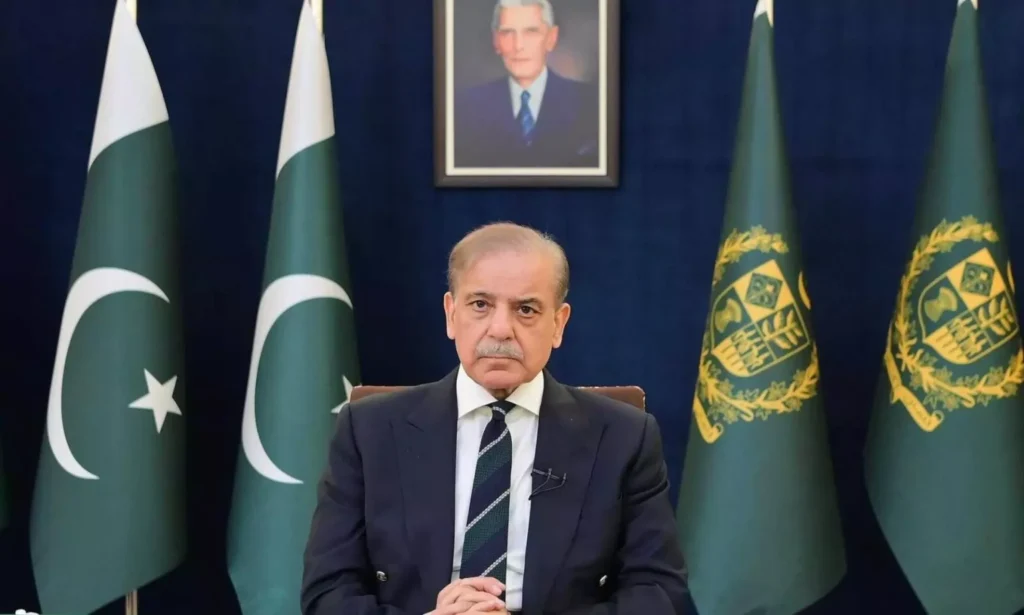
JUI-F Welcomes Iranian President’s Visit to Pakistan for Regional Stability

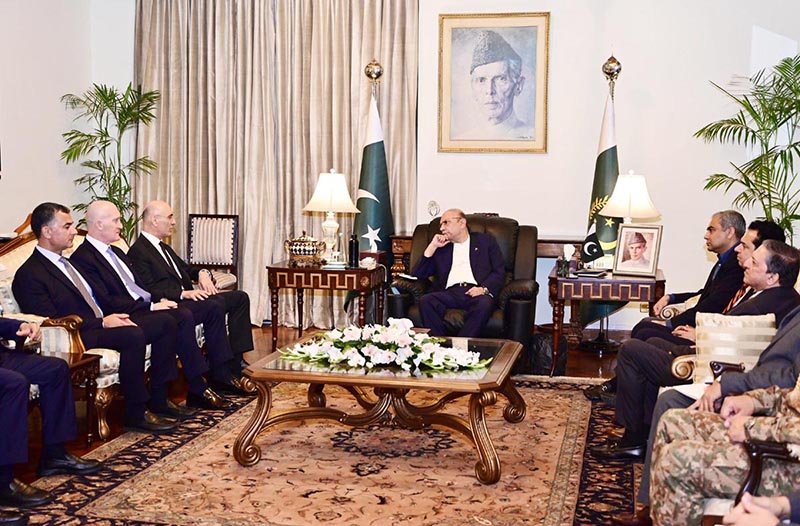
ISLAMABAD — The Jamiat Ulema-i-Islam-Fazl (JUI-F) has expressed a warm welcome to the Iranian President’s visit to Pakistan, emphasizing the potential for enhanced regional stability and cooperation. Maulana Fazlur Rehman, the Emir of JUI-F, articulated the party’s support for fostering stronger bilateral ties between the two neighboring countries. What Happened On Wednesday, Maulana Fazlur Rehman, the leader of JUI-F, publicly welcomed the Iranian President’s visit to Pakistan. He highlighted the importance of this diplomatic engagement, suggesting that it could lead to improved stability and cooperation across the region. The visit is seen as a significant step in strengthening the ties between Pakistan and Iran, two countries that share a long history and a common border. According to Rehman, the visit presents an opportunity to address mutual concerns and explore avenues for collaboration in various sectors. “Stronger relations between Pakistan and Iran would further promote stability and cooperation in the region,” Rehman stated. This sentiment reflects a broader regional desire for peace and economic development, which can be facilitated through enhanced diplomatic relations. The Iranian President’s visit is expected to include discussions on a range of issues, including trade, security, and cultural exchanges. Both nations have historically maintained a complex relationship, often influenced by broader geopolitical dynamics. However, recent engagements indicate a mutual interest in overcoming past challenges and focusing on future opportunities. Background Pakistan and Iran have shared a multifaceted relationship, characterized by periods of both cooperation and tension. Historically, the two countries have collaborated on various economic and security initiatives, yet geopolitical shifts have sometimes strained their ties. The relationship is further complicated by regional alliances and the influence of global powers. In recent years, there has been a renewed effort to strengthen bilateral relations, with both countries recognizing the potential benefits of collaboration. This includes initiatives in trade, energy, and cultural exchanges. The Iranian President’s visit is part of this ongoing effort to solidify ties and address shared challenges such as border security and economic development. Why It Matters The visit of the Iranian President to Pakistan holds significant implications for both countries and the broader region. Economically, enhanced cooperation could lead to increased trade and investment, benefiting industries and creating jobs in both nations. Iran and Pakistan have the potential to collaborate on energy projects, which could help address Pakistan’s energy needs and provide a stable market for Iranian resources. Politically, improved relations between Pakistan and Iran could contribute to regional stability. Both countries play crucial roles in South Asia and the Middle East, and their cooperation could help mitigate regional conflicts and promote peace. Additionally, stronger ties could provide a counterbalance to external influences in the region, allowing both nations to pursue more independent foreign policies. Socially, increased cultural exchanges and people-to-people contacts could enhance mutual understanding and goodwill. This could lead to a more harmonious relationship, reducing the likelihood of misunderstandings and conflicts. Key Takeaways JUI-F welcomes the Iranian President’s visit, emphasizing regional stability. The visit aims to strengthen Pakistan-Iran relations through various collaborations. Historical ties between the two countries have been complex, influenced by geopolitical dynamics. Enhanced cooperation could lead to economic benefits and regional peace. Social and cultural exchanges are expected to improve mutual understanding. Source Attribution The information in this article is sourced from the Associated Press of Pakistan (APP), which reported on the JUI-F’s response to the Iranian President’s visit. The source material provides a foundational account of the event, though further details on specific discussions and agreements during the visit were not available at the time of reporting. Author: NEN Editorial Desk | Editor: NEN Newsroom | Fact Checked By: NEN Editorial Team Author: NEN Editorial Desk  |  Editor: NEN Newsroom  |  Last Updated: June 24, 2026  |  Source: Associated Press of Pakistan This article was produced by the NEN Editorial Desk in accordance with NEN Agency’s Editorial Policy and Fact-Checking Policy.

World

China-Pakistan Event Highlights Need for UNSC Resolution Enforcement

NEW YORK — Speakers at an informal United Nations Security Council (UNSC) meeting on Tuesday emphasized the necessity for robust enforcement of the Council’s resolutions, arguing that without effective implementation, these resolutions remain insufficient. The event, which brought together representatives from China and Pakistan, focused on enhancing the UNSC’s credibility and effectiveness in maintaining global peace and security. What Happened The informal meeting, held at the United Nations headquarters, saw participation from various international delegates, including key figures from China and Pakistan. The speakers underscored the importance of the UNSC’s resolutions, stressing that their impact is significantly diminished if not enforced uniformly and consistently. They called for stronger mechanisms for monitoring and reporting compliance with these resolutions. One of the central themes of the discussion was the need for non-selective implementation of UNSC decisions. Participants argued that selective enforcement undermines the Council’s authority and erodes trust among member states. A representative from Pakistan highlighted that, “The credibility of the UNSC is at stake if resolutions are not applied equally to all member states.” China’s delegate echoed these sentiments, pointing out that the effectiveness of the UNSC is contingent upon its ability to enforce its mandates without bias. The call for reform was also linked to the broader context of international relations, where geopolitical interests often influence the application of UNSC resolutions. Background The United Nations Security Council is responsible for maintaining international peace and security, with the authority to issue binding resolutions that member states are obligated to implement. Historically, the effectiveness of these resolutions has varied, with some being enforced more rigorously than others. This inconsistency has led to criticism and calls for reform to ensure that the UNSC operates more equitably and transparently. In the past, certain resolutions have been criticized for being selectively enforced, particularly those involving major powers with veto rights. This has often resulted in a lack of accountability and has hindered the UNSC’s ability to act decisively in conflict situations. Why It Matters The discussions at the China-Pakistan event underscore a critical issue facing the UNSC: the need for reforms that enhance its legitimacy and effectiveness. The selective enforcement of resolutions not only diminishes the Council’s authority but also affects global trust in the UN’s ability to manage international conflicts effectively. For countries like Pakistan, which are directly affected by regional security dynamics, the consistent and fair application of UNSC resolutions is crucial for maintaining stability. Moreover, the call for non-selective enforcement is significant in the context of ongoing global tensions and conflicts. As new challenges emerge, such as cybersecurity threats and climate change, the UNSC’s role in addressing these issues becomes increasingly important. Ensuring that its resolutions are implemented fairly can help build a more cooperative international environment. For Pakistan and China, both of which have vested interests in regional stability, the enforcement of UNSC resolutions is not just a matter of principle but also of strategic importance. The event highlighted the need for a collective international effort to address the shortcomings of the current system and to work towards a more equitable framework for global governance. Key Takeaways The UNSC’s effectiveness is undermined by the selective enforcement of its resolutions. Speakers at the event called for stronger monitoring and reporting mechanisms. China and Pakistan emphasized the need for non-selective implementation to maintain global trust. The discussions are part of broader calls for reform to enhance the UNSC’s credibility. Effective enforcement of resolutions is crucial for addressing global security challenges. Source Attribution The information in this article is based on a report from the Associated Press of Pakistan (APP), which covered the informal meeting of the United Nations Security Council. The report provided insights into the discussions and the key points raised by the participants. Limitations of the source include the lack of detailed accounts of individual speeches and specific resolutions discussed. Author: NEN Editorial Desk | Editor: NEN Newsroom | Fact Checked By: NEN Editorial Team Author: NEN Editorial Desk  |  Editor: NEN Newsroom  |  Last Updated: June 24, 2026  |  Source: Associated Press of Pakistan This article was produced by the NEN Editorial Desk in accordance with NEN Agency’s Editorial Policy and Fact-Checking Policy.

World

National Bank of Pakistan Releases Latest Foreign Exchange Rates

KARACHI — The Treasury Management Division of the National Bank of Pakistan (NBP) released the latest foreign exchange rates on Wednesday, June 24. The rates reflect the bank’s current buying and selling prices for a variety of international currencies, providing a crucial reference for businesses and individuals engaged in foreign exchange transactions. What Happened The National Bank of Pakistan, through its Treasury Management Division, announced updated exchange rates for multiple currencies. The US dollar, a key currency in global trade, is being sold at PKR 278.60 and bought at PKR 278.10. The euro, another major currency, has a selling rate of PKR 316.60 and a buying rate of PKR 316.03. The British pound, known for its historical strength, is selling at PKR 367.60 and buying at PKR 366.94. Other notable currencies include the Japanese yen, with a selling rate of PKR 1.7245 and a buying rate of PKR 1.7214, and the Swiss franc, selling at PKR 343.87 and buying at PKR 343.25. The Canadian dollar is being sold at PKR 195.97 and bought at PKR 195.62, while the Australian dollar’s rates are PKR 192.34 for selling and PKR 192.00 for buying. Additionally, the Treasury Management Division provided rates for the Swedish krona (SEK 28.56 selling, SEK 28.51 buying), Norwegian krone (NOK 28.38 selling, NOK 28.33 buying), and Danish krone (DKK 42.36 selling, DKK 42.28 buying). The exchange rates for the New Zealand dollar, Singapore dollar, Hong Kong dollar, Korean won, Chinese yuan, Malaysian ringgit, Thai baht, UAE dirham, Saudi riyal, Qatar riyal, and Kuwaiti dinar were also updated, reflecting the dynamic nature of the foreign exchange market. Background Exchange rates are pivotal in international trade and finance, influencing the cost of imports and exports, and impacting inflation and interest rates. The National Bank of Pakistan, as one of the country’s leading financial institutions, regularly updates these rates to reflect market conditions and ensure transparency for its clients. The rates are influenced by various factors including economic indicators, geopolitical events, and market speculation. Historically, Pakistan’s exchange rates have been subject to fluctuations due to economic challenges, including trade deficits and foreign debt obligations. The State Bank of Pakistan, the country’s central bank, plays a significant role in managing the currency’s value through monetary policy and interventions in the foreign exchange market. Why It Matters The release of updated exchange rates by the National Bank of Pakistan is significant for several reasons. For businesses engaged in international trade, these rates determine the cost of importing goods and services, thereby affecting pricing strategies and profit margins. For exporters, favorable exchange rates can enhance competitiveness in global markets. For the general public, exchange rates impact the cost of foreign travel and education abroad. A stronger Pakistani rupee against major currencies can make overseas expenses more affordable for students and tourists. On a macroeconomic level, exchange rates influence inflation and economic growth. A depreciating rupee can lead to higher import costs, contributing to inflationary pressures. Conversely, a stable or appreciating rupee can help control inflation and support economic stability. Internationally, Pakistan’s exchange rate policies and their outcomes are closely watched by investors and financial analysts, as they provide insights into the country’s economic health and policy direction. Key Takeaways The National Bank of Pakistan has updated its foreign exchange rates for a wide range of currencies. The US dollar is currently being sold at PKR 278.60 and bought at PKR 278.10. Exchange rates are crucial for businesses, affecting import and export costs and pricing strategies. Fluctuations in exchange rates can influence inflation and economic stability in Pakistan. These rates are closely monitored by international investors and financial analysts. Source Attribution The information was sourced from the Associated Press of Pakistan (APP), which provided the latest exchange rates as announced by the National Bank of Pakistan’s Treasury Management Division. The data reflects the current market conditions and is subject to change based on economic and geopolitical developments. Author: NEN Editorial Desk | Editor: NEN Newsroom | Fact Checked By: NEN Editorial Team Author: NEN Editorial Desk  |  Editor: NEN Newsroom  |  Last Updated: June 24, 2026  |  Source: APP This article was produced by the NEN Editorial Desk in accordance with NEN Agency’s Editorial Policy and Fact-Checking Policy.

World

Kashmiri Widows Face Ongoing Hardship Amid Conflict

SRINAGAR — Kashmiri widows and half-widows continue to endure the profound impacts of the ongoing conflict in Indian Illegally Occupied Jammu and Kashmir (IIOJK). Over the past 37 years, the number of women who have lost their spouses, either confirmed or presumed dead, has surged, leaving thousands in a state of perpetual grief and economic uncertainty. What Happened The conflict in Kashmir, which has persisted for decades, has resulted in a significant increase in the number of widows and half-widows. According to reports, these women face numerous challenges, including economic hardship, social stigma, and psychological trauma. The term ‘half-widows’ refers to women whose husbands have disappeared, and their fate remains unknown, adding an additional layer of uncertainty and distress. Many of these women are left to fend for themselves and their families without any formal support or recognition from the authorities. The lack of a clear legal framework to address their unique situation exacerbates their plight. As a result, they often struggle to access basic necessities and are forced to live in a state of poverty and insecurity. “The pain of not knowing what happened to my husband is unbearable,” said one half-widow, who wished to remain anonymous. “Every day is a struggle to survive and provide for my children.” Background The conflict in Kashmir dates back to the partition of India and Pakistan in 1947, with both countries claiming the region in full but controlling only parts of it. The ensuing disputes have led to several wars and ongoing skirmishes. Over the years, the conflict has resulted in thousands of deaths and disappearances, significantly impacting the civilian population. Widows and half-widows in Kashmir have been a neglected demographic, with limited attention from both the local and international communities. Despite the high number of affected women, there is no comprehensive policy to support them or address their specific needs. This lack of institutional support has left many women vulnerable to exploitation and further marginalization. Why It Matters The situation of widows and half-widows in Kashmir is a critical humanitarian issue that reflects the broader socio-political challenges in the region. The ongoing conflict has not only resulted in loss of life but has also perpetuated cycles of poverty and instability. The plight of these women highlights the urgent need for a resolution to the Kashmir conflict, which continues to affect millions of lives. Economically, the absence of a male breadwinner forces many widows and half-widows to seek employment in a region with limited opportunities, often leading them to low-paying and insecure jobs. This economic vulnerability can have long-term effects on their families, particularly on children’s education and future prospects. Socially, these women face stigma and isolation, as traditional societal norms often view widowhood with suspicion and prejudice. This social ostracism can lead to mental health issues, further compounding their challenges. Internationally, the situation in Kashmir remains a point of contention between India and Pakistan, with implications for regional stability and security. Addressing the needs of widows and half-widows could serve as a step towards broader peace-building efforts in the region. Key Takeaways The number of widows and half-widows in Kashmir has increased significantly due to the prolonged conflict. These women face economic hardship, social stigma, and psychological trauma. There is a lack of formal support and legal recognition for their unique situation. The plight of widows and half-widows underscores the need for a resolution to the Kashmir conflict. Addressing their needs could contribute to peace-building efforts in the region. Source Attribution The information in this article is based on reports from the Associated Press of Pakistan (APP). The source material highlights the ongoing challenges faced by widows and half-widows in Indian Illegally Occupied Jammu and Kashmir but does not provide specific figures or detailed governmental responses. Author: NEN Editorial Desk | Editor: NEN Newsroom | Fact Checked By: NEN Editorial Team Author: NEN Editorial Desk  |  Editor: NEN Newsroom  |  Last Updated: June 24, 2026  |  Source: Associated Press of Pakistan (APP) This article was produced by the NEN Editorial Desk in accordance with NEN Agency’s Editorial Policy and Fact-Checking Policy.

Scroll to Top