

World

Welcome to the World section of NEN Agency, your window to the stories shaping our planet. From global politics and economic shifts to science breakthroughs, cultural moments, and humanitarian crises, we connect you to events that matter — wherever they happen.

Inside This Category

  • Global Politics & Diplomacy: International relations, summits, and policy shifts.

  • World Economy & Trade: Market trends, trade agreements, and financial developments.

  • Conflicts & Security: Coverage of wars, peace efforts, and security challenges.

  • Science & Environment: Climate change, technological advances, and space exploration.

  • Culture & Society: Arts, sports, and lifestyle stories from around the globe.

Why Our World Coverage Stands Out
We deliver global news with context, helping readers see how events beyond borders influence life in Pakistan and the wider region.

World

PTA Announces Network Upgrade to Enhance Performance and Security

ISLAMABAD — The Pakistan Telecommunication Authority (PTA) has announced a planned network upgrade scheduled to take place from June 24, 2026, at 5:00 PM to June 25, 2026, at 6:00 AM. This maintenance activity aims to bolster the stability, reliability, and security of the PTA’s network infrastructure. What Happened The PTA, in a recent announcement, informed the public about a crucial network upgrade scheduled for late June. The activity is set to commence on June 24, 2026, at 5:00 PM and conclude by June 25, 2026, at 6:00 AM. According to the PTA, this upgrade is essential for enhancing the overall performance of their network systems. The authority has assured that the maintenance will lead to improved service quality for users across Pakistan. This planned upgrade is part of PTA’s ongoing efforts to ensure that their network infrastructure meets the increasing demands of modern telecommunications. The upgrade is expected to address various technical issues, thereby reducing downtime and improving user experience. The PTA has urged users to be patient during this period as some services may experience temporary disruptions. In a statement, the PTA highlighted the importance of this upgrade, stating, “This maintenance is aimed at enhancing the stability, reliability, security, and overall performance of PTA’s network.” The PTA also emphasized that such upgrades are crucial for maintaining the integrity and efficiency of telecommunications services in the country. Background The Pakistan Telecommunication Authority has been actively working to improve the country’s telecommunication infrastructure. Over the past few years, the PTA has undertaken several initiatives to modernize and expand network capabilities. These efforts are in line with the government’s vision to promote digital connectivity and ensure access to high-quality telecommunication services for all citizens. Historically, Pakistan’s telecommunication sector has faced challenges related to outdated infrastructure and limited coverage in rural areas. The PTA’s recent initiatives, including the current network upgrade, are part of a broader strategy to address these challenges and enhance the sector’s overall performance. In recent years, the PTA has also focused on regulatory reforms and collaborations with international partners to bring advanced technologies to Pakistan. These efforts have contributed to significant improvements in network coverage and service quality across the country. Why It Matters This network upgrade is significant for several reasons. Firstly, it reflects the PTA’s commitment to improving telecommunication services in Pakistan. By enhancing network stability and security, the PTA aims to provide a more reliable and efficient service to users, which is crucial in today’s digital age. Economically, improved telecommunication infrastructure can have a positive impact on various sectors, including business, education, and healthcare. Reliable network services are essential for businesses to operate efficiently, and they play a critical role in enabling remote work and digital transactions. In the education sector, enhanced network capabilities can support online learning platforms, providing students with better access to educational resources. On a social level, improved telecommunications can facilitate better connectivity among individuals and communities, fostering communication and collaboration. This is particularly important in rural and underserved areas, where access to reliable telecommunication services can significantly improve quality of life. Internationally, the upgrade aligns with global trends towards digital transformation and modernization of telecommunication networks. By investing in network improvements, Pakistan positions itself as a competitive player in the global digital landscape, attracting potential investments and partnerships. Key Takeaways The PTA has announced a network upgrade from June 24 to June 25, 2026, to enhance performance and security. This maintenance is part of ongoing efforts to improve the stability and reliability of Pakistan’s telecommunication infrastructure. The upgrade is expected to address technical issues, reduce downtime, and improve user experience. Improved telecommunication services can positively impact various sectors, including business, education, and healthcare. This initiative aligns with global trends towards digital transformation and positions Pakistan as a competitive player in the digital landscape. Source Attribution The information in this article is based on a news release from the Associated Press of Pakistan (APP). While the source provides a detailed account of the planned network upgrade, further details on the specific technical improvements and their long-term impact were not disclosed. Author: NEN Editorial Desk | Editor: NEN Newsroom | Fact Checked By: NEN Editorial Team Author: NEN Editorial Desk  |  Editor: NEN Newsroom  |  Last Updated: June 24, 2026  |  Source: Associated Press of Pakistan This article was produced by the NEN Editorial Desk in accordance with NEN Agency’s Editorial Policy and Fact-Checking Policy.
World

EU, UK Envoys Support Pakistan’s Right To Self-Defense Against TTP

ISLAMABAD — European Union Special Envoy Gilles Bertrand and United Kingdom Special Envoy Richard Lindsay have expressed support for Pakistan’s right to self-defense against terrorist threats from the Tehrik-i-Taliban Pakistan (TTP). The envoys criticized the Taliban regime in Afghanistan for failing to eliminate terrorist safe havens, highlighting the ongoing security challenges faced by Pakistan. What Happened In separate interviews, both Bertrand and Lindsay acknowledged Pakistan’s legitimate concerns regarding cross-border terrorism originating from Afghanistan. They emphasized the country’s right to defend itself against imminent threats posed by the TTP, a militant group that has been responsible for numerous attacks within Pakistan. The envoys’ statements come amid escalating tensions between Pakistan and Afghanistan, with Islamabad accusing the Taliban of harboring TTP militants. Gilles Bertrand, representing the European Union, stated, “Pakistan’s security concerns are valid, and it is crucial for the international community to recognize the challenges it faces from terrorism.” Similarly, Richard Lindsay, the UK envoy, remarked, “The Taliban’s inability to dismantle terrorist networks within its borders is a matter of grave concern for regional stability.” Both envoys underscored the importance of international cooperation in addressing the threat of terrorism and urged the Taliban to take decisive action against militant groups operating from Afghan soil. Background The TTP, also known as the Pakistani Taliban, has been a persistent threat to Pakistan’s internal security. Formed in 2007, the group has orchestrated numerous attacks targeting civilians, military personnel, and government installations. Despite military operations by Pakistan to dismantle the TTP’s infrastructure, the group has managed to regroup and launch attacks from bases in Afghanistan. Pakistan has repeatedly called on the Afghan Taliban to fulfill their commitments under the Doha Agreement, which includes preventing terrorist groups from using Afghan territory to threaten other countries. However, the lack of concrete action from the Taliban regime has strained relations between Islamabad and Kabul, with Pakistan urging the international community to hold the Taliban accountable for their commitments. Why It Matters The statements by the EU and UK envoys are significant as they reflect growing international recognition of Pakistan’s security challenges and the need for a coordinated response to terrorism. The support from these influential international actors may bolster Pakistan’s diplomatic efforts to pressure the Taliban into taking action against the TTP. For Pakistan, the threat posed by the TTP is not just a security issue but also a political and economic challenge. Frequent terrorist attacks undermine investor confidence and hinder economic growth, affecting the lives of ordinary citizens. Moreover, the continued presence of militant groups in the region poses a threat to regional stability, which could have broader implications for international security. The envoys’ remarks also highlight the complexities of the geopolitical landscape in South Asia, where the interests of various international players intersect. The EU and the UK, by supporting Pakistan’s stance, may influence other countries to adopt a similar position, potentially leading to increased diplomatic pressure on the Taliban regime. Key Takeaways EU and UK envoys support Pakistan’s right to self-defense against TTP threats. Envoys criticize the Taliban regime for failing to dismantle terrorist safe havens. Pakistan faces ongoing security, political, and economic challenges due to TTP activities. International support may increase diplomatic pressure on the Taliban to act against militants. The situation underscores the need for coordinated international efforts to combat terrorism. Source Attribution The information in this article is based on reports from the Associated Press Of Pakistan (APP). The source material provided interviews with EU Special Envoy Gilles Bertrand and UK Special Envoy Richard Lindsay, reflecting their views on Pakistan’s security situation and the role of the Taliban regime in Afghanistan. Author: NEN Editorial Desk | Editor: NEN Newsroom | Fact Checked By: NEN Editorial Team Author: NEN Editorial Desk  |  Editor: NEN Newsroom  |  Last Updated: June 24, 2026  |  Source: Associated Press Of Pakistan This article was produced by the NEN Editorial Desk in accordance with NEN Agency’s Editorial Policy and Fact-Checking Policy.

World

Pakistan U-19 Focused On Retaining Asia Cup Title, Says Head Coach

MULTAN — The head coach of Pakistan’s Under-19 cricket team, Shahid Anwar, emphasized the importance of defending their title at the upcoming ACC Under-19 Asia Cup. Speaking at the Under-19 Skills Development Camp in Multan on June 24, Anwar highlighted the team’s commitment to maintaining their championship status. What Happened During a session at the Under-19 Skills Development Camp, Shahid Anwar addressed the young cricketers, stressing the significance of their role as defending champions in the ACC Under-19 Asia Cup. The camp, currently underway in Multan, has brought together 31 promising players from across the country. Anwar’s message was clear: the team’s primary objective is to retain the prestigious title they secured in the previous tournament. Anwar stated, “Our focus is on preparing the players to perform at their best in the Asia Cup. We are the defending champions, and it is our responsibility to uphold the title.” The coach’s remarks were aimed at motivating the young athletes to dedicate themselves fully to the rigorous training sessions designed to enhance their skills and readiness for the competition. The Under-19 Skills Development Camp serves as a critical platform for identifying and nurturing future cricket talent in Pakistan. The camp includes intensive training sessions focusing on various aspects of the game, including batting, bowling, fielding, and mental conditioning. Anwar, along with other coaches, is working to ensure that the players are well-prepared to face the challenges of international cricket. Background The ACC Under-19 Asia Cup is a biennial cricket tournament organized by the Asian Cricket Council. It serves as a significant event for showcasing young cricket talent from across Asia. Pakistan’s Under-19 team has a strong history in the tournament, having won the title multiple times. The team’s success in the Asia Cup is seen as a testament to the country’s robust cricketing infrastructure and talent development programs. In the previous edition of the tournament, Pakistan emerged victorious, demonstrating exceptional skill and teamwork. This victory has set high expectations for the current squad, which is now tasked with defending the title against other competitive teams from the region. Why It Matters The focus on defending the Asia Cup title is crucial for several reasons. Firstly, it underscores the importance of nurturing young talent in Pakistan’s cricket ecosystem. The Under-19 team serves as a feeder system for the national team, and success at this level can significantly impact the future of Pakistan cricket. Economically, success in international tournaments enhances the visibility of the sport in the country, potentially attracting sponsorships and investments in cricket development programs. For the players, performing well in the Asia Cup can open doors to professional opportunities, both domestically and internationally. Politically, maintaining a strong presence in regional tournaments like the Asia Cup can bolster Pakistan’s standing in the international cricket community. It also serves as a source of national pride, uniting fans and fostering a sense of achievement. Key Takeaways Pakistan’s Under-19 team is focused on defending their ACC Under-19 Asia Cup title. The Under-19 Skills Development Camp in Multan is preparing 31 players for the tournament. Head Coach Shahid Anwar emphasizes the responsibility of retaining the championship. The Asia Cup is a critical platform for showcasing and developing young cricket talent. Success in the tournament can have significant economic and political implications for Pakistan cricket. Source Attribution The information in this article is based on a report by the Associated Press of Pakistan (APP). The source provides insights into the ongoing preparations of the Pakistan Under-19 cricket team and the objectives set by the coaching staff. While the report offers a comprehensive overview, further details on individual player performances and specific training methodologies were not disclosed. Author: NEN Editorial Desk | Editor: NEN Newsroom | Fact Checked By: NEN Editorial Team Author: NEN Editorial Desk  |  Editor: NEN Newsroom  |  Last Updated: June 24, 2026  |  Source: Associated Press of Pakistan (APP) This article was produced by the NEN Editorial Desk in accordance with NEN Agency’s Editorial Policy and Fact-Checking Policy.
World

Pakistan Rice Festival 2026 Attracts European Business Leaders in Netherlands

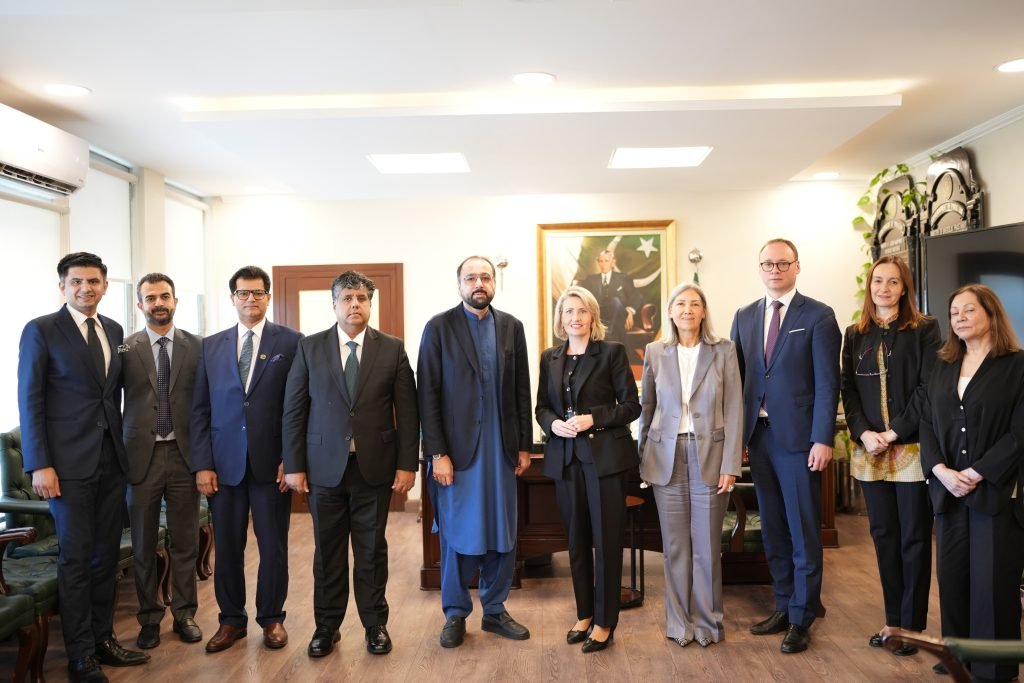
ISLAMABAD — The Pakistan Rice Festival 2026, held in the Netherlands, saw participation from over 100 European business leaders, marking a significant effort to boost Pakistani rice exports. Federal Minister for Commerce Jam Kamal Khan praised the event, emphasizing its role in enhancing trade ties and promoting a positive global image for Pakistan. What Happened The Pakistan Rice Festival 2026 took place in the Netherlands, drawing more than 100 business leaders from across Europe. The event aimed to showcase the quality and variety of Pakistani rice, which is a key export commodity for the country. Federal Minister for Commerce Jam Kamal Khan commended the successful organization of the festival, highlighting its importance in expanding Pakistan’s export markets and fostering international trade relations. The festival featured various activities, including rice tasting sessions and business networking opportunities, designed to connect Pakistani exporters with European importers and distributors. The event served as a platform for Pakistani rice producers to demonstrate the quality and diversity of their products, including basmati and non-basmati varieties, to a European audience. Minister Khan noted that such international trade events are crucial for increasing the visibility of Pakistani products in global markets. He stated, “These events not only promote our exports but also help in projecting a positive image of Pakistan internationally.” The festival was organized by the Ministry of Commerce in collaboration with the Trade Development Authority of Pakistan (TDAP) and the Pakistani Embassy in the Netherlands. Background Pakistan is one of the world’s leading rice exporters, with rice being the second-largest export commodity after textiles. The country produces a significant quantity of basmati rice, which is highly sought after in international markets for its aroma and long grain. The European Union (EU) is a major market for Pakistani rice, and events like the Pakistan Rice Festival are part of a broader strategy to increase market share in Europe. In recent years, Pakistan has faced challenges in maintaining its position in the global rice market due to competition from other rice-producing countries and stringent quality standards imposed by importing nations. The Pakistani government has been actively working to address these challenges by improving production techniques, ensuring compliance with international standards, and enhancing marketing efforts abroad. Why It Matters The Pakistan Rice Festival 2026 is significant for several reasons. Economically, it represents a strategic move to strengthen Pakistan’s export sector, which is vital for the country’s economic growth and stability. By engaging with European business leaders, Pakistan aims to secure new trade deals and increase its market share in the lucrative EU market, which is known for its high demand for quality rice. Socially, the festival helps in building cultural and business bridges between Pakistan and Europe. It provides an opportunity for Pakistani exporters to understand European consumer preferences and adapt their products accordingly. This cultural exchange can lead to more sustainable trade relationships and mutual understanding between the two regions. Politically, the event underscores Pakistan’s commitment to enhancing its international trade relations and diversifying its export markets. In the context of global trade dynamics, such efforts are crucial for Pakistan to remain competitive and resilient against economic fluctuations. Key Takeaways The Pakistan Rice Festival 2026 was held in the Netherlands with participation from over 100 European business leaders. Federal Minister for Commerce Jam Kamal Khan highlighted the event’s role in promoting Pakistani exports and enhancing the country’s global image. The festival aimed to boost Pakistan’s rice exports by showcasing quality and variety to European markets. Pakistan is a leading rice exporter, with efforts underway to increase market share in the EU. The event is part of a broader strategy to strengthen Pakistan’s economic ties with Europe. Source Attribution The information in this article is based on a report from the Associated Press of Pakistan (APP). The source provides a detailed account of the event but does not include specific data on trade deals or economic impact, which limits the analysis to qualitative observations. Author: NEN Editorial Desk | Editor: NEN Newsroom | Fact Checked By: NEN Editorial Team Author: NEN Editorial Desk  |  Editor: NEN Newsroom  |  Last Updated: June 24, 2026  |  Source: APP This article was produced by the NEN Editorial Desk in accordance with NEN Agency’s Editorial Policy and Fact-Checking Policy.
World

Chinese Investors Show Confidence in Pakistan’s SECP Reforms

ISLAMABAD — Chinese strategic investors have expressed strong confidence in the recent reforms implemented by the Securities and Exchange Commission of Pakistan (SECP), particularly under the leadership of Chairman Dr. Kabir Ahmed Sidhu. This endorsement was communicated in a letter addressed to the SECP Chairman, highlighting the positive reception of these changes within Pakistan’s capital markets. What Happened On June 24, Chinese investors involved with the Pakistan Stock Exchange (PSX) conveyed their approval of the reforms introduced by the SECP. These reforms are seen as pivotal in enhancing the regulatory framework and operational efficiency of Pakistan’s capital markets. The investors, who have a significant stake in the PSX, articulated their optimism regarding the future of Pakistan’s financial markets in a formal letter to Dr. Kabir Ahmed Sidhu. The letter emphasized the strategic importance of these reforms in fostering a more robust and transparent financial environment. The investors praised the SECP’s efforts to streamline processes and improve market transparency, which are expected to attract more foreign investment. The reforms are part of a broader initiative by the SECP to align Pakistan’s financial regulations with international standards, thereby enhancing investor confidence and market stability. Dr. Sidhu, in response, reiterated the SECP’s commitment to maintaining a conducive environment for both local and international investors. He acknowledged the support from Chinese investors as a testament to the positive impact of the regulatory changes. The SECP’s recent initiatives include measures to improve corporate governance, enhance market surveillance, and introduce new financial instruments to diversify investment options. Background The SECP has been undertaking a series of reforms aimed at revitalizing Pakistan’s capital markets. Historically, the PSX has faced challenges such as limited investor participation, market volatility, and regulatory inefficiencies. In recent years, the SECP has focused on addressing these issues through comprehensive policy changes and regulatory updates. One of the significant milestones in this reform agenda was the demutualization of the PSX, which separated ownership from management to improve governance. Additionally, the SECP has been working on enhancing the legal framework to protect investors and ensure fair market practices. These efforts are part of Pakistan’s broader economic strategy to attract foreign direct investment and boost economic growth. Why It Matters The confidence expressed by Chinese investors is a significant endorsement of Pakistan’s ongoing efforts to modernize its financial sector. This development is crucial as it signals to the international community that Pakistan is a viable destination for investment. The reforms are expected to increase market liquidity, reduce systemic risks, and improve the overall investment climate. Economically, the influx of foreign investment can lead to job creation, infrastructure development, and technological advancements. For Pakistan, which is striving to overcome economic challenges and achieve sustainable growth, such international endorsements can play a pivotal role in stabilizing the economy and enhancing its global standing. Politically, the support from Chinese investors aligns with the strategic partnership between Pakistan and China, particularly under the China-Pakistan Economic Corridor (CPEC) framework. Strengthening financial ties can further solidify bilateral relations and contribute to regional stability and economic integration. Key Takeaways Chinese investors have expressed strong confidence in the SECP’s recent reforms. The reforms aim to enhance transparency and attract foreign investment in Pakistan’s capital markets. The SECP’s initiatives are part of a broader strategy to align with international financial standards. Improved investor confidence can lead to increased economic growth and job creation in Pakistan. The endorsement aligns with Pakistan’s strategic partnership with China under the CPEC framework. Source Attribution The information in this article is based on a report by the Associated Press of Pakistan (APP). The report highlights the positive reception of SECP reforms by Chinese investors, but does not provide specific details on the content of the reforms or the full scope of the investors’ letter. Author: NEN Editorial Desk | Editor: NEN Newsroom | Fact Checked By: NEN Editorial Team Author: NEN Editorial Desk  |  Editor: NEN Newsroom  |  Last Updated: June 24, 2026  |  Source: APP This article was produced by the NEN Editorial Desk in accordance with NEN Agency’s Editorial Policy and Fact-Checking Policy.

World

Shipping Operations Intensify at Karachi’s Port Qasim

KARACHI — Port Qasim in Karachi witnessed a flurry of activity as three vessels, GSL Melina, Aprex, and Sun Profit, docked at various terminals on Tuesday. These ships were laden with containers, palm oil, and coal, respectively, marking a significant day for the port’s operations. What Happened The GSL Melina berthed at the Qasim International Container Terminal, unloading a substantial volume of containers, which are crucial for sustaining the flow of goods in and out of Pakistan. Meanwhile, the Aprex docked at the Liquid Cargo Terminal with a cargo of palm oil, a vital commodity for Pakistan’s food and manufacturing sectors. The Sun Profit, carrying coal, arrived at the Marginal Wharf Bulk Terminal-4, contributing to the energy sector by supplying essential fuel for power generation. In addition to the arrivals, six more ships are scheduled to dock at Port Qasim. These include GFS Jade, MSC Doulala-VII, Asian Phoenix, PGC Perklis, Avra, and Jahan-1. Their cargoes range from containers and fuel oil to LPG, highlighting the diverse nature of goods handled by the port. The scheduled operations indicate a robust throughput, essential for maintaining the supply chain and supporting economic activities across the country. Background Port Qasim, established in the 1970s, is one of Pakistan’s busiest and most strategically significant ports. Located in Karachi, it handles a substantial portion of the country’s import and export activities. The port’s infrastructure is designed to accommodate a wide range of cargo, including bulk, liquid, and containerized goods. Over the years, Port Qasim has undergone several expansions to increase its capacity and efficiency, aligning with Pakistan’s growing trade demands. The port operates under the jurisdiction of the Port Qasim Authority, which oversees its development and management. With increased global trade and Pakistan’s strategic location, Port Qasim plays a critical role in the country’s economic framework, facilitating international trade and supporting domestic industries. Why It Matters The activity at Port Qasim is a barometer of Pakistan’s economic health and international trade relations. The arrival and departure of ships carrying essential goods like palm oil and coal have direct implications on the country’s industrial and energy sectors. Palm oil is a significant input for the food processing industry, while coal is vital for electricity generation, especially in a country striving to meet its growing energy needs. Moreover, the handling of containers suggests a steady flow of consumer goods and raw materials, which are crucial for both retail markets and manufacturing sectors. Efficient port operations ensure that these goods reach their destinations on time, preventing supply chain disruptions that could lead to economic slowdowns. On a broader scale, the port’s activity reflects Pakistan’s engagement with global trade networks. As the country seeks to enhance its export capabilities and attract foreign investment, the role of ports like Qasim becomes even more pivotal. They not only facilitate trade but also contribute to job creation and economic development in the region. Key Takeaways Three ships, GSL Melina, Aprex, and Sun Profit, docked at Port Qasim carrying containers, palm oil, and coal. Six additional ships are scheduled to arrive, indicating robust port activity. The port’s operations are crucial for Pakistan’s food, manufacturing, and energy sectors. Port Qasim is a vital component of Pakistan’s trade infrastructure, supporting economic growth and international trade relations. Efficient handling of diverse cargo types underscores the port’s strategic importance in the region. Source Attribution The information for this article was sourced from the Associated Press of Pakistan (APP). While APP provides timely updates on shipping activities, it is important to consider that the data may be subject to change as new developments occur. Author: NEN Editorial Desk | Editor: NEN Newsroom | Fact Checked By: NEN Editorial Team Author: NEN Editorial Desk  |  Editor: NEN Newsroom  |  Last Updated: June 24, 2026  |  Source: Associated Press of Pakistan (APP) This article was produced by the NEN Editorial Desk in accordance with NEN Agency’s Editorial Policy and Fact-Checking Policy.
World

PSX Surges as KSE-100 Index Gains 1,878 Points

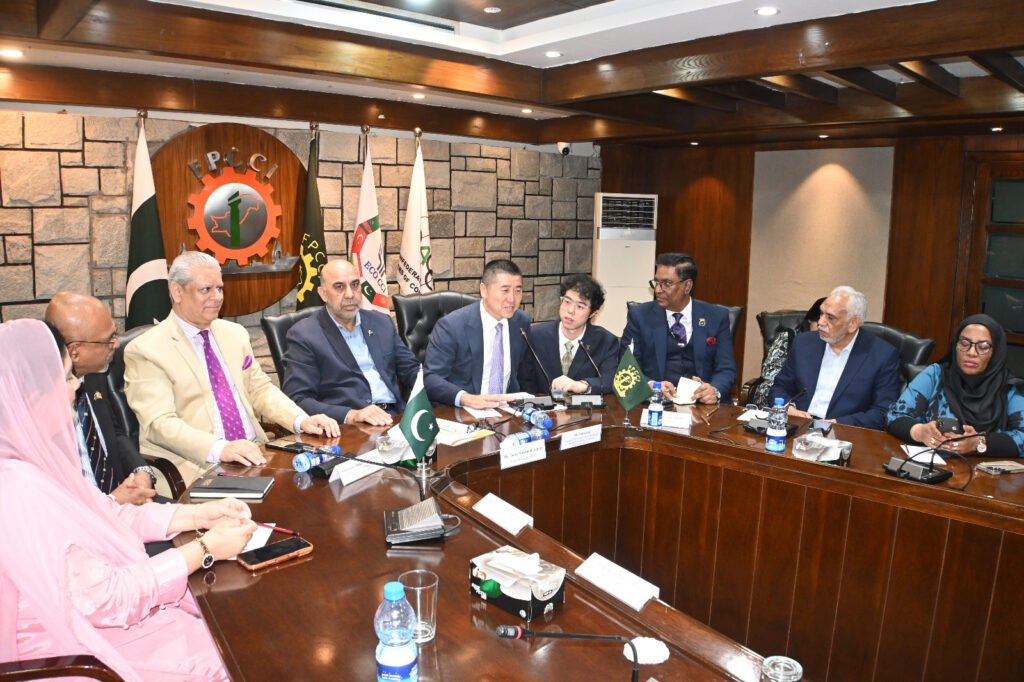
ISLAMABAD — The Pakistan Stock Exchange (PSX) experienced a notable surge on Wednesday as the benchmark KSE-100 Index climbed by 1,878.35 points, marking a 1.06 percent increase. The index closed at 179,571.27 points, up from the previous close of 177,692.92 points. What Happened The trading session on Wednesday saw the PSX exhibit a bullish trend, with the KSE-100 Index gaining significant ground. The index’s rise of 1,878.35 points is reflective of a 1.06 percent positive change. This upward movement brought the index to a closing figure of 179,571.27 points, compared to its previous close at 177,692.92 points. During the session, the market recorded a trading volume of 851.298 million shares, indicating robust investor activity. The surge in the index was driven by positive investor sentiment, which was likely influenced by several factors including economic indicators and market expectations. A market analyst noted, “The recent gains in the PSX are indicative of renewed investor confidence, possibly buoyed by favorable economic data and policy measures.” The analyst further added that the increase in trading volume suggests that investors are actively participating in the market, which could lead to sustained momentum in the coming sessions. Background The Pakistan Stock Exchange has been experiencing fluctuations in recent months, influenced by various domestic and international factors. Historically, the KSE-100 Index serves as a barometer for the overall economic health of the country, reflecting investor sentiment and economic conditions. In the past, the PSX has faced challenges such as political instability, economic uncertainty, and global market trends. However, recent policy measures by the government and the central bank, aimed at stabilizing the economy, have contributed to a more optimistic outlook among investors. The PSX’s performance is also tied to the broader economic policies and reforms being implemented, which aim to enhance economic growth and attract foreign investment. These efforts are crucial in maintaining the momentum seen in the stock market. Why It Matters The recent surge in the PSX is significant for several reasons. Economically, a rising stock market can boost investor confidence, encouraging further investment and potentially leading to increased economic activity. This can have a positive impact on the overall economic growth of Pakistan. From a social perspective, a thriving stock market can contribute to wealth creation for investors, which can have a trickle-down effect on the broader economy. As more individuals and institutions invest in the stock market, the potential for financial growth increases, benefiting various sectors of the economy. Politically, a strong performance in the stock market can be seen as an endorsement of the government’s economic policies. It reflects positively on the administration’s ability to manage the economy and can enhance its credibility both domestically and internationally. On an international level, a robust stock market can attract foreign investors looking for opportunities in emerging markets. This can lead to an influx of foreign capital, further strengthening the country’s economic position and contributing to sustainable growth. Key Takeaways The KSE-100 Index of the Pakistan Stock Exchange gained 1,878.35 points, a 1.06 percent increase. The index closed at 179,571.27 points, up from 177,692.92 points. The trading session recorded a volume of 851.298 million shares, indicating strong market activity. The surge reflects positive investor sentiment and confidence in economic policies. A strong PSX performance can enhance economic growth and attract foreign investment. Source Attribution The information in this article is sourced from the Associated Press of Pakistan (APP). The data provided by APP is considered reliable; however, market conditions can change rapidly, and investors should conduct their own research before making financial decisions. Author: NEN Editorial Desk | Editor: NEN Newsroom | Fact Checked By: NEN Editorial Team Author: NEN Editorial Desk  |  Editor: NEN Newsroom  |  Last Updated: June 24, 2026  |  Source: Associated Press of Pakistan This article was produced by the NEN Editorial Desk in accordance with NEN Agency’s Editorial Policy and Fact-Checking Policy.
World

Pakistan Customs Intensifies Anti-Smuggling Efforts, Seizes Goods Worth Rs. 77 Million

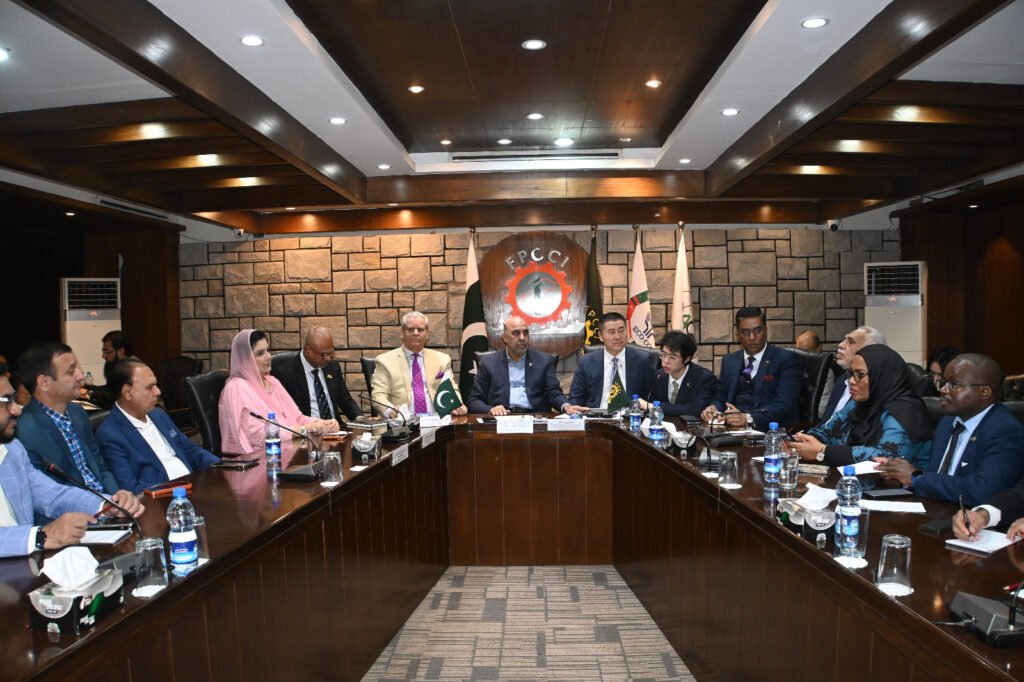
ISLAMABAD — Pakistan Customs has ramped up its anti-smuggling operations in a significant effort to curb illegal trade, with the Collectorate of Customs (Enforcement) in Hyderabad leading the charge. Over the past few weeks, a series of intelligence-driven operations have led to the confiscation of non-custom paid vehicles, smuggled goods, and petroleum products, collectively valued at over Rs. 77 million. What Happened The intensified operations by Pakistan Customs have been part of a broader strategy to combat the persistent issue of smuggling across the country. According to official reports, the Collectorate of Customs in Hyderabad has played a pivotal role in these efforts, executing several successful raids based on intelligence inputs. These operations have resulted in the seizure of a variety of goods, including non-custom paid vehicles, which are often used to transport smuggled items across borders. The confiscated goods also include a substantial quantity of petroleum products, which are frequently smuggled into Pakistan due to price differentials with neighboring countries. The enforcement actions were meticulously planned and executed, demonstrating the effectiveness of intelligence-led policing in tackling smuggling networks. Officials have stated that these operations are part of an ongoing campaign to dismantle smuggling rings that undermine the national economy and deprive the government of significant revenue. The seized goods are currently being processed for legal action, which will include penalties and possible prosecution of those involved in the smuggling activities. Background Smuggling has long been a challenge for Pakistan, impacting various sectors of the economy. The country shares extensive borders with Afghanistan, Iran, and India, making it vulnerable to cross-border smuggling of goods ranging from consumer products to fuel. The government has been under pressure to address this issue due to its adverse effects on local industries and tax revenues. In recent years, Pakistan Customs has enhanced its operational capabilities, investing in technology and training to improve the detection and interception of smuggled goods. The use of intelligence-based operations marks a shift from traditional methods, focusing on preemptive actions to disrupt smuggling networks before goods reach the market. Why It Matters The successful operations by Pakistan Customs are significant for several reasons. Economically, smuggling poses a serious threat to local industries by flooding the market with cheaper, untaxed goods, which undermines legitimate businesses and leads to job losses. By seizing smuggled goods, the government is protecting local industries and ensuring a level playing field for businesses. Socially, smuggling can have detrimental effects on communities, as it often involves organized crime networks that engage in other illegal activities, including drug trafficking and human smuggling. By cracking down on smuggling, the government is also addressing these broader social issues. Politically, the government’s commitment to tackling smuggling is crucial for maintaining public trust and demonstrating effective governance. The success of these operations may bolster confidence in law enforcement agencies and the government’s ability to uphold the rule of law. Internationally, Pakistan’s efforts to combat smuggling are likely to improve its standing with neighboring countries and international partners. Effective border control and anti-smuggling measures are essential for regional stability and cooperation, particularly in the context of trade and security agreements. Key Takeaways Pakistan Customs seized smuggled goods worth over Rs. 77 million in recent operations. The operations focused on non-custom paid vehicles and petroleum products. These efforts are part of a broader strategy to combat smuggling and protect the economy. Smuggling undermines local industries and deprives the government of tax revenue. The success of these operations enhances Pakistan’s international standing and regional cooperation. Source Attribution The information in this article is based on reports from the Associated Press of Pakistan (APP) and official statements from Pakistan Customs. The details provided are subject to further updates as more information becomes available regarding ongoing enforcement actions. Author: NEN Editorial Desk | Editor: NEN Newsroom | Fact Checked By: NEN Editorial Team Author: NEN Editorial Desk  |  Editor: NEN Newsroom  |  Last Updated: June 24, 2026  |  Source: APP This article was produced by the NEN Editorial Desk in accordance with NEN Agency’s Editorial Policy and Fact-Checking Policy.
World

Government Plans Modern Infrastructure Overhaul for Islamabad, Says Talal Chaudhry

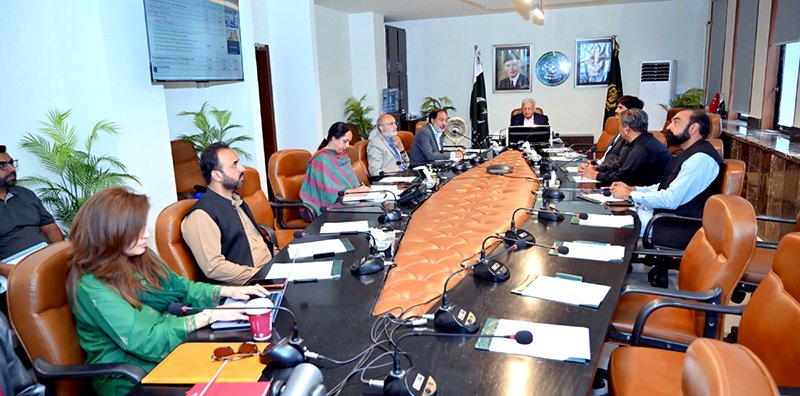
ISLAMABAD — The government is committed to transforming Islamabad into a modern capital with world-class infrastructure, according to Minister of State for Interior Talal Chaudhry. Speaking on June 24, Chaudhry outlined a series of unprecedented measures aimed at addressing the city’s longstanding infrastructural challenges. What Happened Minister Talal Chaudhry announced the government’s ambitious plans to upgrade Islamabad’s infrastructure, focusing on creating a sustainable and globally competitive capital. The minister highlighted several key areas of intervention, including water supply, waste management, traffic flow, security, hospitality, and urban development. Chaudhry emphasized that these initiatives are designed to resolve issues that have plagued the city for years. “We are implementing major infrastructure interventions to ensure a modern, efficient, and sustainable urban environment,” he stated. The minister also mentioned that these projects are part of a broader strategy to enhance the quality of life for Islamabad’s residents and to attract international business and tourism. Specific projects include the expansion of the city’s road networks to improve traffic flow, the introduction of advanced waste management systems, and the enhancement of water supply infrastructure. Security measures are also being upgraded to ensure the safety of residents and visitors alike. Background Islamabad, the capital of Pakistan, has faced numerous infrastructural challenges over the years. Rapid urbanization has led to increased demand for essential services, often outpacing the city’s existing capabilities. Previous administrations have made efforts to address these issues, but many problems persist. The city’s infrastructure has struggled to keep up with the growing population, resulting in traffic congestion, inadequate waste management, and water shortages. These challenges have been compounded by the need for improved security measures in light of regional and international threats. Historically, Islamabad was designed as a planned city in the 1960s, but its infrastructure has not seen significant upgrades since then. Recent government efforts aim to rectify these deficiencies and position Islamabad as a leading capital city in the region. Why It Matters The government’s commitment to modernizing Islamabad’s infrastructure is significant for several reasons. Economically, improved infrastructure can attract foreign investment, boost tourism, and create job opportunities. A modern capital city can serve as a hub for international business, fostering economic growth and development. Socially, these initiatives promise to enhance the quality of life for Islamabad’s residents. Improved water supply and waste management systems can lead to better public health outcomes, while enhanced security measures can provide a safer environment for all. Politically, transforming Islamabad into a modern capital can enhance Pakistan’s image on the international stage. A well-developed capital city reflects positively on the nation’s governance and its ability to provide for its citizens. This can strengthen diplomatic relations and increase Pakistan’s influence in regional and global affairs. Furthermore, addressing the infrastructural challenges in Islamabad sets a precedent for other cities in Pakistan, encouraging similar developments nationwide. This could lead to a more balanced and equitable urban development strategy across the country. Key Takeaways The government is committed to transforming Islamabad into a modern capital with world-class infrastructure. Key focus areas include water supply, waste management, traffic flow, security, and urban development. These initiatives aim to improve the quality of life for residents and attract international business and tourism. Modernizing Islamabad’s infrastructure can enhance Pakistan’s economic, social, and political standing. This development sets a precedent for similar initiatives in other Pakistani cities. Source Attribution The information in this article is based on a statement from Minister of State for Interior Talal Chaudhry, as reported by the Associated Press of Pakistan (APP). While the source provides a comprehensive overview of the government’s plans, further details on specific projects and timelines were not disclosed in the initial report. Author: NEN Editorial Desk | Editor: NEN Newsroom | Fact Checked By: NEN Editorial Team Author: NEN Editorial Desk  |  Editor: NEN Newsroom  |  Last Updated: June 24, 2026  |  Source: Associated Press of Pakistan (APP) This article was produced by the NEN Editorial Desk in accordance with NEN Agency’s Editorial Policy and Fact-Checking Policy.

World

IGP Rizvi Evaluates Muharram Security at Islamabad’s G-9 Imambargah

ISLAMABAD — Inspector General of Police (IGP) Islamabad Syed Ali Nasir Rizvi conducted a thorough review of security arrangements at the G-9/4 Imambargah and the designated procession routes in the federal capital on Wednesday. This inspection is part of the ongoing efforts to ensure safety during the Muharram-ul-Haram observances. What Happened IGP Syed Ali Nasir Rizvi, accompanied by Deputy Inspector General (DIG) Islamabad Muhammad Jawad, visited the G-9/4 Imambargah to assess the security measures in place for the upcoming Muharram processions. The visit was aimed at ensuring that all necessary precautions are being taken to maintain law and order during the religious observance, which is marked by large gatherings and processions. During the inspection, IGP Rizvi reviewed the deployment of police personnel, the installation of security cameras, and the overall readiness of the security forces. He emphasized the importance of vigilance and coordination among the security agencies to prevent any untoward incidents. The IGP also interacted with the local police officers and security staff, instructing them to remain alert and responsive to any potential threats. An official from the Islamabad Police Department, speaking to APP, highlighted that the security arrangements include the deployment of additional police forces, the establishment of checkpoints, and the use of modern surveillance technology. These measures are intended to ensure the safety of participants and the general public during the Muharram processions. Background Muharram is the first month of the Islamic lunar calendar and holds significant religious importance for Muslims, particularly the Shia community. It commemorates the martyrdom of Imam Hussain, the grandson of the Prophet Muhammad, at the Battle of Karbala. The month is marked by mourning rituals, including processions and gatherings at Imambargahs, where religious sermons are held. In Pakistan, Muharram is observed with reverence, and security measures are heightened due to the potential for sectarian tensions and threats of violence. The government and law enforcement agencies annually devise comprehensive security plans to ensure peaceful observance of the rituals. Why It Matters The security arrangements for Muharram are crucial for maintaining peace and preventing sectarian violence in Pakistan. Given the historical context of sectarian tensions in the country, the government and law enforcement agencies must ensure that all communities can observe their religious practices safely. The measures taken by IGP Rizvi and his team are part of a broader strategy to enhance public safety and confidence in the security apparatus. The deployment of additional forces and the use of technology reflect a proactive approach to managing potential threats. This is particularly important in Islamabad, the capital city, where any security lapse could have national implications. Moreover, the successful implementation of these security measures during Muharram can serve as a model for future religious and public events, contributing to a more stable and secure environment in Pakistan. Key Takeaways IGP Rizvi conducted a security review at the G-9/4 Imambargah and procession routes in Islamabad. The inspection is part of ongoing efforts to ensure safety during Muharram-ul-Haram. Security measures include additional police deployment and modern surveillance technology. Muharram holds significant religious importance and requires heightened security due to potential sectarian tensions. The effective management of Muharram security can enhance public confidence and serve as a model for future events. Source Attribution The information in this article is based on a report from the Associated Press of Pakistan (APP). The report provided details of IGP Rizvi’s visit and the security measures being implemented for Muharram. While the source is reliable, it primarily reflects the official perspective and may not include independent verification of the security arrangements. Author: NEN Editorial Desk | Editor: NEN Newsroom | Fact Checked By: NEN Editorial Team Author: NEN Editorial Desk  |  Editor: NEN Newsroom  |  Last Updated: June 24, 2026  |  Source: APP This article was produced by the NEN Editorial Desk in accordance with NEN Agency’s Editorial Policy and Fact-Checking Policy.

Scroll to Top