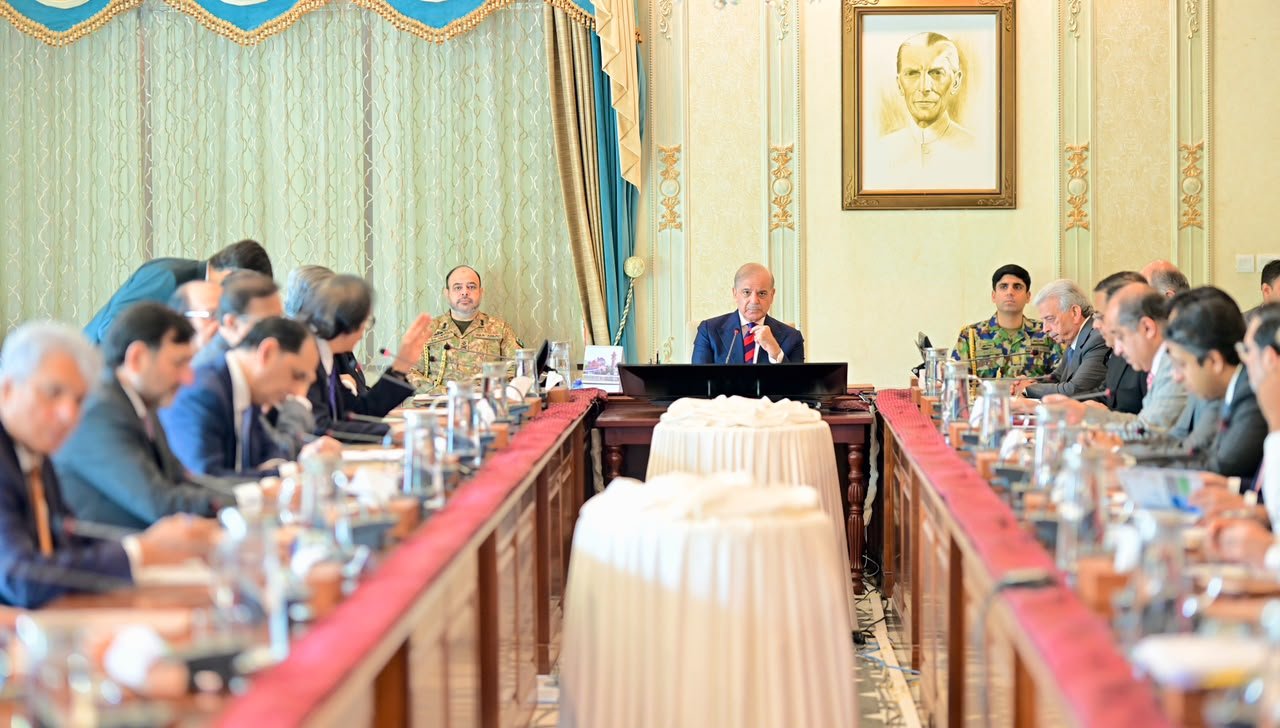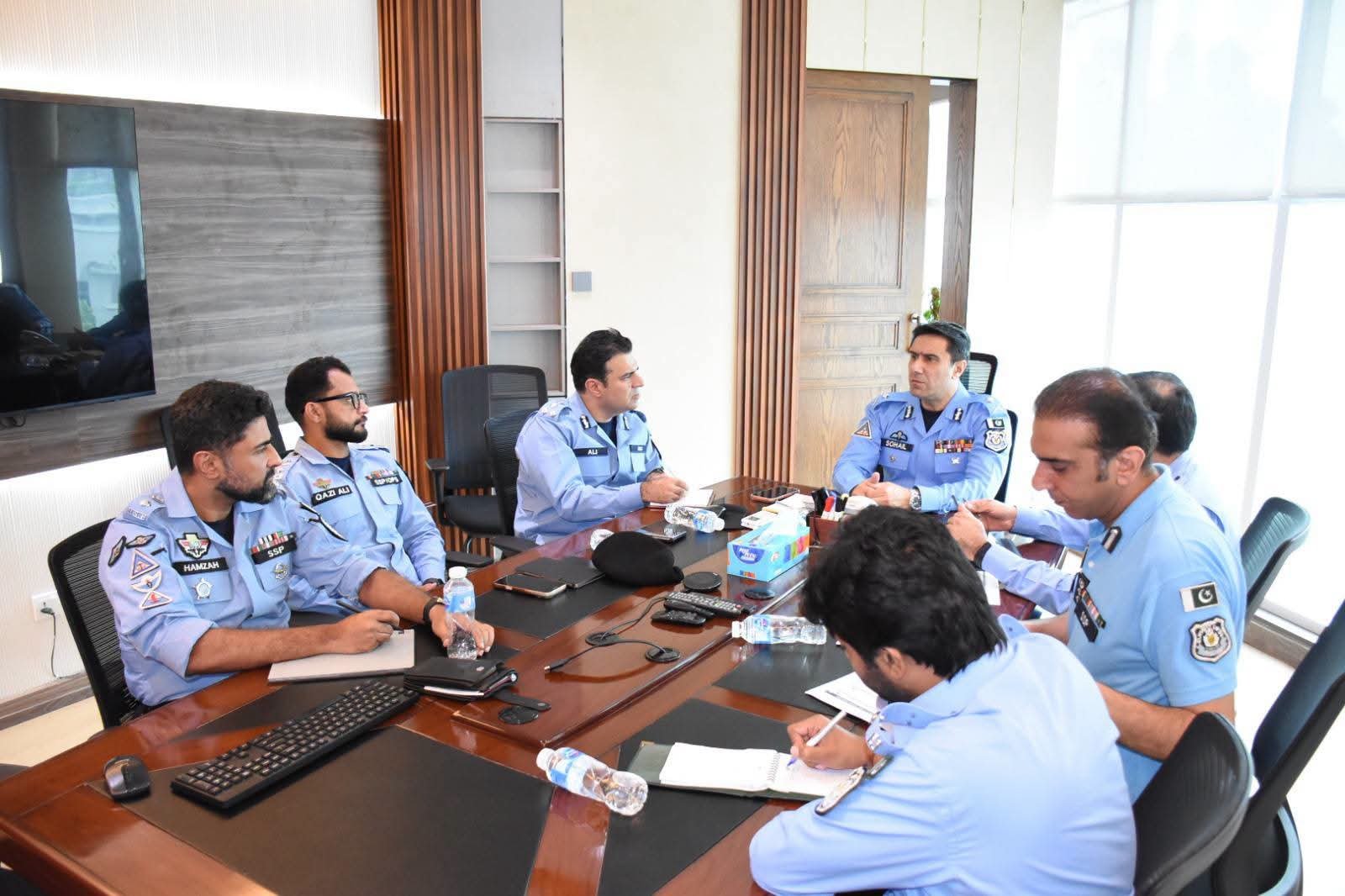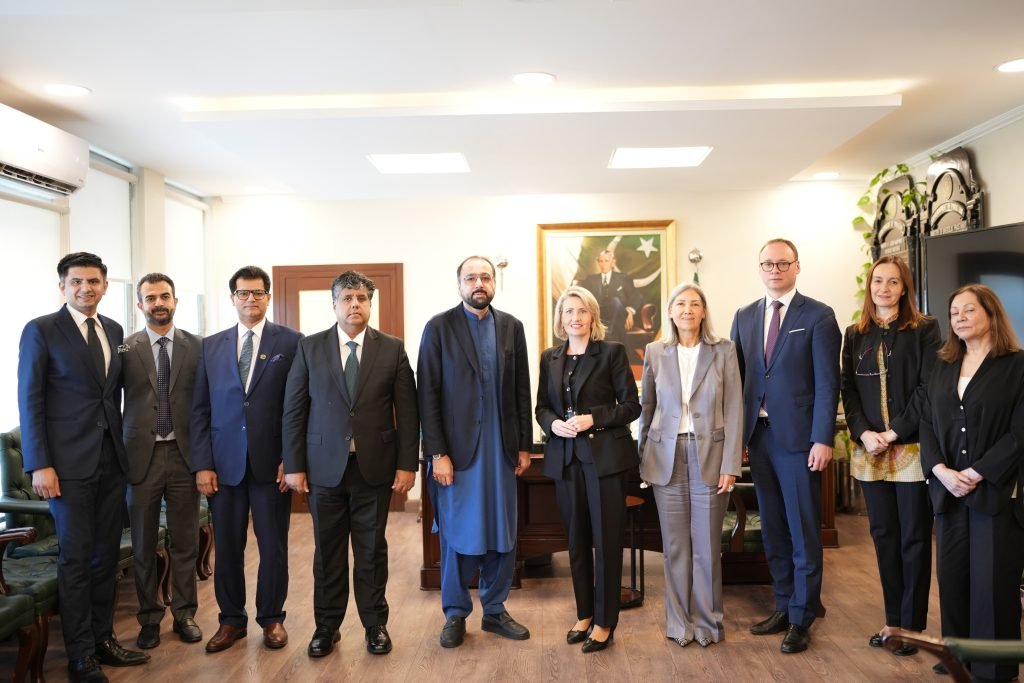
ISLAMABAD — Federal Minister for Overseas Pakistanis and Human Resource Development Chaudhry Salik Hussain has called for improved access to European labour markets for Pakistani workers. During a meeting with international representatives on September 15, he emphasized the importance of expanding legal migration pathways and aligning workforce skills with global employment demands.
What Happened
In a recent meeting held in Islamabad, Chaudhry Salik Hussain, the Federal Minister for Overseas Pakistanis and Human Resource Development, highlighted the need for greater integration of Pakistani skilled and semi-skilled workers into European labour markets. The minister underscored the necessity of creating legal avenues for migration that would allow Pakistani workers to meet the rising demand for skilled labour in Europe.
Minister Hussain stated, “Expanding legal migration pathways is crucial for tapping into the potential of our workforce and meeting the international demand for skilled labour.” He further elaborated on the importance of aligning the skills of Pakistani workers with the requirements of European employers, which would not only benefit the workers but also contribute positively to the economies of both Pakistan and European countries.
The meeting also addressed the challenges faced by Pakistani workers abroad, including issues related to legal status, skill recognition, and employment conditions. The minister called for collaborative efforts between Pakistan and European nations to address these challenges and facilitate smoother transitions for workers seeking opportunities abroad.
Background
The call for greater access to European labour markets comes against a backdrop of increasing unemployment rates in Pakistan, particularly among the youth. Historically, Pakistani workers have sought employment opportunities in the Middle East, but recent shifts in global economic trends have prompted a need to explore new markets.
In recent years, European countries have experienced labour shortages in various sectors, including healthcare, construction, and information technology. These shortages present an opportunity for countries like Pakistan to supply skilled labour, provided that the necessary legal and regulatory frameworks are in place.
Pakistan has existing bilateral agreements with several European countries aimed at facilitating worker migration. However, these agreements often face implementation challenges, including bureaucratic hurdles and a lack of alignment between the skills of Pakistani workers and the needs of European employers.
Why It Matters
The push for increased access to European labour markets holds significant implications for Pakistan’s economy and its workforce. By securing more opportunities for Pakistani workers abroad, the country can alleviate domestic unemployment pressures and increase remittances, which are a vital source of foreign exchange for Pakistan.
Remittances from overseas Pakistanis contribute significantly to the national economy, supporting millions of families and bolstering foreign reserves. Enhanced access to European labour markets could potentially increase these remittances, thereby strengthening economic stability and growth.
Moreover, aligning the skills of Pakistani workers with international standards can lead to a more competitive workforce. This alignment not only benefits the workers but also enhances Pakistan’s reputation as a reliable source of skilled labour, potentially opening doors to further international collaborations and agreements.
On a broader scale, fostering stronger ties with European countries through workforce integration can lead to improved diplomatic relations and increased bilateral trade, benefiting both Pakistan and its European partners.
Key Takeaways
- Minister Chaudhry Salik Hussain advocates for greater access to European labour markets for Pakistani workers.
- The initiative aims to expand legal migration pathways and align workforce skills with international demands.
- Increased access to European markets could alleviate unemployment in Pakistan and boost remittances.
- Aligning skills with international standards can enhance Pakistan’s competitiveness in the global labour market.
- Stronger workforce ties with Europe may improve diplomatic and trade relations.
Source Attribution
This article is based on official government statements and public communications from relevant authorities.