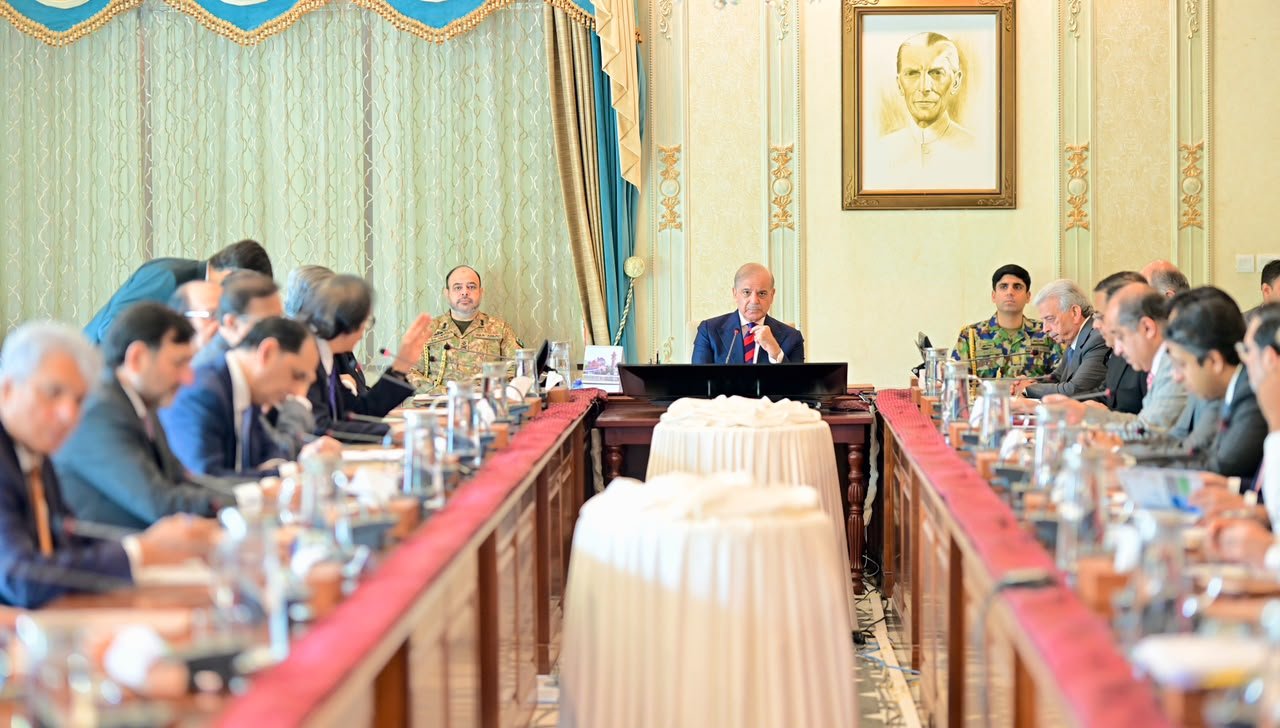
ISLAMABAD — Federal Minister for Economic Affairs and Establishment Division, Senator Ahad Cheema, has advocated for comprehensive structural reforms to enhance the independence and authority of the Drug Regulatory Authority of Pakistan (DRAP). The call for reform was made during a meeting on Tuesday, emphasizing the need for DRAP to become a more empowered regulatory and pricing authority.
What Happened
During a high-level meeting held in Islamabad, Senator Ahad Cheema stressed the importance of transforming DRAP into a robust and autonomous body. He highlighted the necessity for policy reforms that would grant DRAP greater regulatory and pricing authority, particularly in the context of imported medicines. The minister underscored the need for a thorough review of the existing pricing formula to ensure fair and equitable pricing of pharmaceuticals in Pakistan.
Senator Cheema stated, “The current structure of DRAP needs to be revisited to make it an independent and empowered authority that can effectively regulate and price medicines, ensuring accessibility and affordability for the public.” This statement reflects the government’s intent to address long-standing challenges in the pharmaceutical sector, including pricing disputes and regulatory inefficiencies.
The meeting also discussed the potential impact of these reforms on the pharmaceutical industry and public health. By enhancing DRAP’s capabilities, the government aims to improve the quality and safety of medicines available in the market, thereby protecting consumer interests.
Background
DRAP was established in 2012 under the Drug Regulatory Authority of Pakistan Act, with the mandate to regulate the pharmaceutical and healthcare products sector. However, over the years, it has faced criticism for its limited autonomy and effectiveness in regulating drug prices and ensuring compliance with international standards.
Historically, the pharmaceutical industry in Pakistan has been plagued by issues such as price hikes, shortages of essential medicines, and delays in the registration of new drugs. These challenges have often been attributed to bureaucratic hurdles and insufficient regulatory oversight. The call for reforms by Senator Cheema is part of a broader effort to address these systemic issues and align DRAP’s operations with global best practices.
Why It Matters
The proposed reforms are significant for several reasons. Firstly, an empowered DRAP could lead to more transparent and consistent drug pricing, benefiting consumers by making essential medicines more affordable. This is particularly important in a country where a significant portion of the population struggles with healthcare costs.
Secondly, enhancing DRAP’s regulatory capabilities could improve the quality of medicines available in the market, reducing the prevalence of counterfeit and substandard products. This would have a direct impact on public health outcomes, as access to safe and effective medicines is a cornerstone of healthcare provision.
Furthermore, the reforms could attract greater investment in the pharmaceutical sector by providing a more stable and predictable regulatory environment. This could encourage both local and international companies to invest in research and development, ultimately leading to innovation and growth within the industry.
On an international level, aligning DRAP’s practices with global standards could improve Pakistan’s standing in the global pharmaceutical market, potentially opening up new export opportunities for locally manufactured medicines.
Key Takeaways
- Senator Ahad Cheema has called for structural reforms to enhance DRAP’s independence and authority.
- The reforms aim to improve drug pricing and regulatory oversight in Pakistan.
- DRAP’s transformation could lead to better public access to affordable and safe medicines.
- Improved regulatory practices may attract investment and innovation in the pharmaceutical sector.
- Aligning with global standards could enhance Pakistan’s position in the international pharmaceutical market.
Source Attribution
This article is based on official government statements, press releases, and public communications from relevant authorities.