
World

Welcome to the World section of NEN Agency, your window to the stories shaping our planet. From global politics and economic shifts to science breakthroughs, cultural moments, and humanitarian crises, we connect you to events that matter — wherever they happen.

Inside This Category

  • Global Politics & Diplomacy: International relations, summits, and policy shifts.

  • World Economy & Trade: Market trends, trade agreements, and financial developments.

  • Conflicts & Security: Coverage of wars, peace efforts, and security challenges.

  • Science & Environment: Climate change, technological advances, and space exploration.

  • Culture & Society: Arts, sports, and lifestyle stories from around the globe.

Why Our World Coverage Stands Out
We deliver global news with context, helping readers see how events beyond borders influence life in Pakistan and the wider region.

World

Murree Finalizes Health and Rescue Plan for Muharram Safety

RAWALPINDI — Senior health and emergency officials in Murree have finalized a comprehensive health and rescue emergency plan to ensure the safety of residents and visitors during Muharram-ul-Haram. The plan was reviewed in a high-level meeting on Wednesday, focusing on medical and rescue arrangements. What Happened In a concerted effort to enhance safety measures during the upcoming Muharram, CEO Health Dr. Azhar Abbasi and District Emergency Officer Rescue 1122 Engineer Kamran Rashid led a detailed inspection of preparedness in Murree. The review took place on Wednesday, June 24, and involved a thorough examination of ground-level emergency response capabilities in the area of Trait. The officials assessed the readiness of medical teams and rescue personnel, ensuring that all necessary equipment and resources are in place. Dr. Abbasi emphasized the importance of having a robust system to address any health emergencies that might arise during Muharram, a period marked by large gatherings and processions. Engineer Kamran Rashid highlighted the role of Rescue 1122 in providing swift response services. “Our teams are fully equipped and trained to handle any situation that may occur during the Muharram period,” he stated. The inspection also included a review of the communication systems between various emergency services to ensure seamless coordination. The plan includes the deployment of additional medical staff and ambulances at key locations, along with the establishment of temporary medical camps to offer immediate assistance. The officials also discussed strategies to manage crowd control and ensure the smooth flow of traffic during processions. Background Muharram-ul-Haram is the first month of the Islamic calendar and holds significant religious importance for Muslims worldwide. In Pakistan, it is observed with various religious activities, including processions and gatherings, particularly on the 9th and 10th days, known as Ashura. These events often attract large crowds, necessitating comprehensive safety and emergency measures. In previous years, the region has faced challenges related to crowd management and emergency response during Muharram. The administration’s proactive approach this year aims to mitigate potential risks and ensure a safe environment for all participants. Why It Matters The implementation of a comprehensive health and rescue emergency plan is crucial for safeguarding public health and safety during Muharram. The period is characterized by increased public gatherings, which can lead to heightened risks of accidents and health emergencies. By ensuring that all necessary precautions and resources are in place, the Murree administration is taking a proactive stance in protecting its citizens and visitors. Economically, the successful management of Muharram events can enhance Murree’s reputation as a safe destination for religious tourism, potentially boosting local businesses that rely on the influx of visitors during this period. Socially, the plan fosters a sense of security and community trust in local authorities, as residents and visitors can participate in religious observances with confidence in their safety. Politically, the effective handling of Muharram safety measures reflects positively on the local government’s capability to manage large-scale events, which is critical in maintaining public confidence and support. The administration’s efforts also align with national priorities of ensuring peace and security during significant religious events. Key Takeaways Murree administration has finalized a comprehensive health and rescue plan for Muharram. Senior officials conducted a detailed inspection of emergency preparedness in Trait. The plan includes additional medical staff, ambulances, and temporary medical camps. Muharram events require heightened safety measures due to large public gatherings. Successful management of the events can boost local tourism and community trust. Source Attribution The information in this article is based on a report from the Associated Press of Pakistan (APP). The report provided an overview of the finalized emergency plan but did not include specific details on the number of personnel or resources allocated. Author: NEN Editorial Desk | Editor: NEN Newsroom | Fact Checked By: NEN Editorial Team Author: NEN Editorial Desk  |  Editor: NEN Newsroom  |  Last Updated: June 25, 2026  |  Source: APP This article was produced by the NEN Editorial Desk in accordance with NEN Agency’s Editorial Policy and Fact-Checking Policy.
World

Punjab IGP Directs Enhanced Security Measures for Ashura

LAHORE — Punjab Inspector General of Police (IGP) Abdul Kareem has issued directives for heightened security across the province during the upcoming Ashura Muharram. The announcement was made on Wednesday during a meeting held at the Central Police Office (CPO), emphasizing the prevention of sectarian violence and the maintenance of public order. What Happened During the meeting, IGP Abdul Kareem instructed law enforcement agencies to implement a comprehensive security plan to ensure the safety of citizens during Ashura, a significant period of religious observance for Muslims. The IGP emphasized the need for vigilance and coordination among various security forces to prevent any attempts to incite sectarianism or disrupt peace. “We are committed to thwarting any efforts that aim to disturb the peace and harmony during Ashura,” said IGP Kareem. He further instructed the deployment of additional police personnel in sensitive areas, particularly in locations where large gatherings are expected. The IGP also called for the use of modern surveillance technologies, including CCTV cameras and drone monitoring, to enhance security measures. In addition to police deployment, the IGP stressed the importance of community engagement. He urged local leaders and religious scholars to work with authorities to promote unity and understanding among different sects. The meeting also highlighted the need for traffic management plans to facilitate processions and ensure smooth vehicular movement. Background Ashura is observed on the 10th day of Muharram, the first month of the Islamic calendar. It holds significant religious importance for Muslims, particularly for Shia Muslims who commemorate the martyrdom of Imam Hussain, the grandson of Prophet Muhammad, at the Battle of Karbala. In Pakistan, Ashura is marked by processions, gatherings, and religious rituals, often requiring extensive security arrangements due to the potential for sectarian tensions. Historically, Ashura has seen incidents of violence and sectarian clashes in various parts of Pakistan. The government and law enforcement agencies have consistently worked to mitigate these risks through strategic planning and community involvement. Previous years have seen successful implementation of security measures, resulting in peaceful observances. Why It Matters The directive from IGP Abdul Kareem is crucial in ensuring the safety and security of citizens during Ashura. Given the historical context of sectarian tensions in Pakistan, particularly during religious events, the proactive measures are intended to prevent any potential unrest. The security plan not only aims to protect participants in Ashura processions but also seeks to maintain overall public order. Economically, ensuring a peaceful Ashura is vital for local businesses and daily life, as disruptions can lead to financial losses and impact livelihoods. Socially, the directive reinforces the importance of unity and tolerance among different sects, promoting a message of peace and coexistence. Internationally, the successful management of Ashura security can enhance Pakistan’s image as a country capable of handling religious diversity and maintaining internal peace. It also reflects the government’s commitment to safeguarding religious freedoms and protecting minority rights. Key Takeaways Punjab IGP Abdul Kareem has ordered comprehensive security measures for Ashura. Law enforcement agencies are to deploy additional personnel and use modern surveillance technologies. Community engagement and cooperation with religious leaders are emphasized to promote peace. Ashura holds significant religious importance, requiring careful management to prevent sectarian tensions. Successful security measures can positively impact Pakistan’s social and economic stability. Source Attribution The information was sourced from the Associated Press of Pakistan (APP). The report provided details from the meeting chaired by IGP Abdul Kareem, outlining the security measures planned for Ashura. The source material focused on official statements and directives, with limited statistical data or expert analysis included. Author: NEN Editorial Desk | Editor: NEN Newsroom | Fact Checked By: NEN Editorial Team Author: NEN Editorial Desk  |  Editor: NEN Newsroom  |  Last Updated: June 25, 2026  |  Source: APP This article was produced by the NEN Editorial Desk in accordance with NEN Agency’s Editorial Policy and Fact-Checking Policy.
World

PTA Invites Applications For MVNO Licenses In Pakistan

ISLAMABAD — The Pakistan Telecommunication Authority (PTA) has officially opened the application process for Mobile Virtual Network Operator (MVNO) licenses in the country. This development follows the Federal Cabinet’s approval of the Policy Framework for MVNO Services, aiming to enhance competition and innovation within Pakistan’s telecommunications sector. What Happened On June 24, the PTA announced that it is now accepting applications for MVNO licenses, marking a significant step in the implementation of the newly approved policy framework. The framework was notified by the Federal Cabinet, setting the stage for new entrants to offer mobile services without owning the physical infrastructure traditionally required for such operations. The PTA’s invitation to potential applicants is a direct result of the policy framework designed to regulate and facilitate the entry of MVNOs into the Pakistani market. This move is expected to diversify the telecommunications landscape, offering consumers more choices and potentially leading to better service quality and competitive pricing. According to the PTA, interested entities can now apply for these licenses, which will allow them to lease network capacity from existing mobile network operators (MNOs) and offer their own branded mobile services to consumers. The PTA’s announcement underscores the regulatory body’s commitment to fostering a competitive environment that encourages innovation and consumer benefits. PTA officials have stated that the introduction of MVNOs is anticipated to bring about a range of benefits, including increased market competition, enhanced service offerings, and the potential for new and innovative business models within the telecommunications sector. Background The concept of MVNOs is not new globally, with many countries having successfully integrated such operators into their telecommunications ecosystems. MVNOs operate by purchasing network services from existing MNOs and then reselling these services to consumers under their own brand. This model allows for the entry of new players without the need for significant capital investment in network infrastructure. In Pakistan, the move to introduce MVNOs has been under consideration for several years. The recent approval of the policy framework by the Federal Cabinet marks a culmination of these efforts, aimed at liberalizing the telecommunications market and aligning it with international standards. The policy framework outlines the regulatory requirements and operational guidelines for MVNOs, ensuring they operate within the legal and technical parameters set by the PTA. This includes compliance with consumer protection standards, service quality benchmarks, and financial obligations. Why It Matters The introduction of MVNOs in Pakistan is a significant development for several reasons. Economically, it is expected to stimulate competition among service providers, potentially leading to lower prices and improved service quality for consumers. This is particularly important in a market where mobile penetration is high, and consumers are increasingly demanding better value for their money. Socially, the presence of MVNOs could enhance connectivity options for underserved and rural areas, where traditional MNOs may not have a strong presence. By leveraging existing infrastructure, MVNOs can offer services in these regions, contributing to greater digital inclusion and bridging the connectivity gap. Politically, the move aligns with the government’s broader objectives of digital transformation and economic growth. By opening the market to MVNOs, the government is signaling its commitment to fostering an open and competitive telecommunications sector, which is crucial for attracting foreign investment and enhancing Pakistan’s global competitiveness. Internationally, the adoption of MVNOs positions Pakistan alongside other countries that have embraced this model, potentially attracting international MVNOs to enter the market. This could lead to increased foreign direct investment and the introduction of global best practices in the local telecommunications industry. Key Takeaways The PTA has opened applications for MVNO licenses following the Federal Cabinet’s policy approval. MVNOs will lease network capacity from existing operators to offer branded services. This move aims to increase competition and improve service quality in Pakistan’s telecom sector. MVNOs could enhance connectivity in underserved areas, promoting digital inclusion. The initiative aligns with government goals for digital transformation and economic growth. Source Attribution The information in this article is based on a report from the Associated Press of Pakistan (APP) and official statements from the Pakistan Telecommunication Authority (PTA). The source material provides a foundational overview of the regulatory changes and their expected impact on the telecommunications sector. Author: NEN Editorial Desk | Editor: NEN Newsroom | Fact Checked By: NEN Editorial Team Author: NEN Editorial Desk  |  Editor: NEN Newsroom  |  Last Updated: June 24, 2026  |  Source: Associated Press of Pakistan (APP) This article was produced by the NEN Editorial Desk in accordance with NEN Agency’s Editorial Policy and Fact-Checking Policy.
World

Khyber Pakhtunkhwa Economic Zones Lauded for Industrial Growth

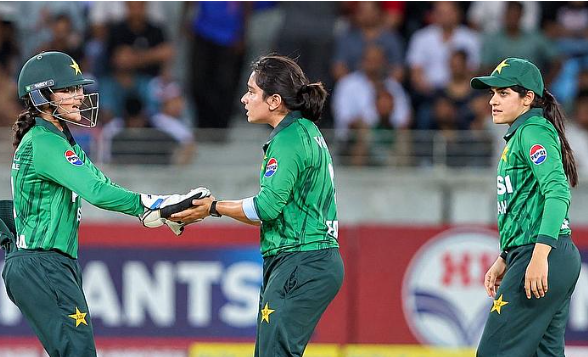
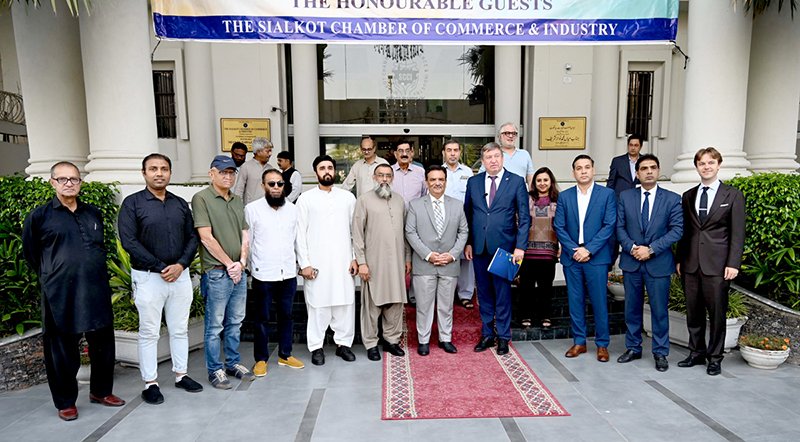
PESHAWAR — The Advisor to the Chief Minister of Khyber Pakhtunkhwa on Industries, Hamayun Khan, praised the Khyber Pakhtunkhwa Economic Zones Development and Management Company (KPEZDMC) for its progressive approach and significant contributions to the province’s industrial sector. He expressed optimism about the company’s ability to continue attracting investment, generating employment, and fostering industrial growth in the region. What Happened During a recent event, Hamayun Khan, the Advisor to the Chief Minister on Industries, highlighted the achievements of the KPEZDMC, describing it as a forward-thinking institution. He commended the company’s efforts in establishing a conducive environment for industrial development in Khyber Pakhtunkhwa. According to Khan, the KPEZDMC has been instrumental in creating opportunities for local and international investors, thereby boosting the province’s economic landscape. He stated, “The KPEZDMC has set a benchmark in promoting industrialization in the province, and I am confident it will continue to play a pivotal role in attracting further investments.” Khan’s remarks came as part of a broader discussion on the economic strategies being implemented to enhance the region’s industrial output and employment rates. The KPEZDMC has been actively involved in the development of various economic zones across the province, which are designed to facilitate industrial activities by providing necessary infrastructure and support services. These zones aim to attract diverse industries, ranging from manufacturing to technology, thereby diversifying the economic base of Khyber Pakhtunkhwa. Background The Khyber Pakhtunkhwa Economic Zones Development and Management Company was established to spearhead the development of industrial zones in the province. Its mandate includes the planning, development, and management of these zones to foster economic growth and job creation. Over the years, the KPEZDMC has launched several initiatives to attract investment, including offering incentives and ensuring ease of doing business for investors. Historically, Khyber Pakhtunkhwa has faced challenges in industrial development due to its geographical and socio-political conditions. However, recent efforts by the provincial government and institutions like the KPEZDMC have aimed to overcome these barriers, focusing on creating a more business-friendly environment. Why It Matters The commendation of KPEZDMC’s performance is significant as it reflects the growing confidence in Khyber Pakhtunkhwa’s industrial potential. The company’s efforts to attract investment and create jobs are crucial for the province’s economic stability and growth. By developing economic zones, the KPEZDMC is not only enhancing industrial capacity but also contributing to the broader socio-economic development of the region. For the local population, increased industrial activity means more employment opportunities and improved living standards. The focus on industrialization also aligns with national economic goals, contributing to Pakistan’s overall industrial output and competitiveness on the global stage. Furthermore, the success of KPEZDMC could serve as a model for other provinces looking to boost their industrial sectors. The strategies implemented by the company, such as offering incentives and ensuring infrastructure readiness, are key factors that can be replicated to stimulate economic growth in other regions. Key Takeaways The KPEZDMC is recognized for its role in promoting industrial growth in Khyber Pakhtunkhwa. Advisor Hamayun Khan expressed confidence in the company’s ability to attract investment and create jobs. The development of economic zones is central to the province’s industrial strategy. The initiative supports broader national economic goals and enhances Pakistan’s industrial competitiveness. KPEZDMC’s success may serve as a model for other regions in Pakistan. Source Attribution The information in this article is based on a report from the Associated Press of Pakistan (APP). The source provides an official account of the statements made by the Advisor to the Chief Minister on Industries. While the report offers a comprehensive overview of the KPEZDMC’s achievements, it does not include specific data on investment figures or employment statistics. Author: NEN Editorial Desk | Editor: NEN Newsroom | Fact Checked By: NEN Editorial Team Author: NEN Editorial Desk  |  Editor: NEN Newsroom  |  Last Updated: June 24, 2026  |  Source: APP This article was produced by the NEN Editorial Desk in accordance with NEN Agency’s Editorial Policy and Fact-Checking Policy.
World

P3A Board Advances Kharian-Rawalpindi Motorway Project

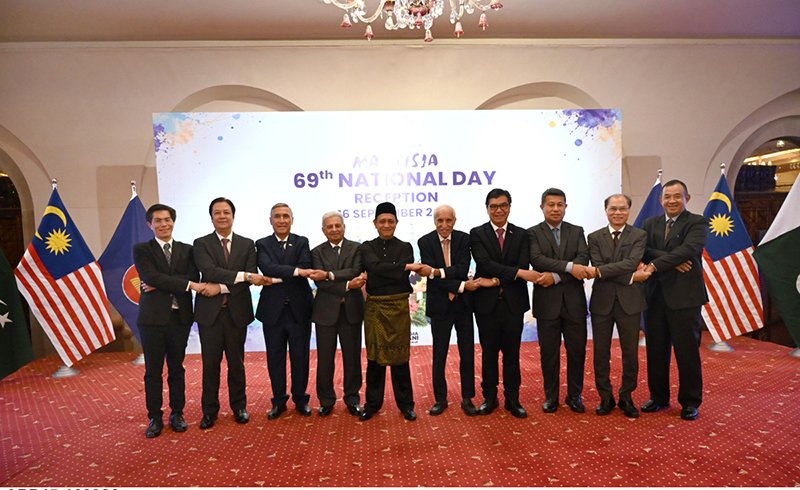
ISLAMABAD — The Public Private Partnership Authority (P3A) Board convened its 43rd meeting to review and advance key public-private partnership initiatives, including the Kharian-Rawalpindi motorway project. The meeting, chaired by Muhammad Ali, Advisor to the Prime Minister on Privatisation and Chairman of the Privatisation Commission, focused on accelerating infrastructure development through collaborative efforts. What Happened The meeting, held in Islamabad, brought together senior government officials and stakeholders to discuss the progress of ongoing projects under the public-private partnership (PPP) framework. Muhammad Ali highlighted the importance of these partnerships in enhancing Pakistan’s infrastructure and economic growth. The board reviewed various projects, with particular emphasis on the Kharian-Rawalpindi motorway, a significant infrastructure project aimed at improving connectivity and reducing travel time between the two cities. According to the P3A, the Kharian-Rawalpindi motorway is expected to play a crucial role in facilitating trade and transportation, contributing to the economic uplift of the region. The project is set to be executed under the PPP model, which allows for shared investment and risk between the public and private sectors. The board discussed potential investors and financial models to ensure the project’s viability and timely completion. During the meeting, Muhammad Ali reiterated the government’s commitment to fostering an environment conducive to private sector investment in infrastructure projects. He stated, “The PPP model is essential for mobilizing resources and expertise from the private sector, which will accelerate our infrastructure development goals.” The board also reviewed other PPP projects, assessing their progress and identifying challenges that need to be addressed to ensure successful implementation. Background The Public Private Partnership Authority (P3A) was established to facilitate and promote collaboration between the public and private sectors in infrastructure development. The PPP model has been increasingly adopted in Pakistan to leverage private sector expertise and funding, thereby reducing the financial burden on the government and speeding up project delivery. The Kharian-Rawalpindi motorway project is part of a broader strategy to enhance Pakistan’s road network, which is crucial for economic development and regional connectivity. Previous projects under the PPP framework have included highways, energy projects, and urban development initiatives, demonstrating the model’s versatility and effectiveness in various sectors. Why It Matters The advancement of the Kharian-Rawalpindi motorway project under the PPP model is significant for several reasons. Economically, it represents a strategic investment in Pakistan’s infrastructure, which is vital for sustaining economic growth and attracting foreign investment. Improved road connectivity can lead to reduced transportation costs, increased trade efficiency, and enhanced access to markets, benefiting businesses and consumers alike. Socially, the project is expected to create job opportunities during its construction and operational phases, contributing to local employment and skill development. Additionally, better road infrastructure can improve access to essential services such as healthcare and education, enhancing the quality of life for residents in the region. Politically, successful PPP projects can bolster public confidence in the government’s ability to deliver on infrastructure promises, potentially leading to greater political stability. Furthermore, the model aligns with Pakistan’s broader goals of sustainable development and economic self-reliance, reducing dependency on foreign aid and loans. Key Takeaways The P3A Board reviewed and advanced the Kharian-Rawalpindi motorway project under the PPP model. The project aims to improve connectivity and economic activity between Kharian and Rawalpindi. PPP initiatives are crucial for leveraging private sector investment and expertise in infrastructure development. The motorway project is expected to create jobs and enhance access to services in the region. Successful PPP projects can strengthen public confidence in government infrastructure initiatives. Source Attribution The information in this article is based on a report from the Associated Press of Pakistan (APP). The report provided details of the P3A Board meeting and the discussions surrounding the Kharian-Rawalpindi motorway project. As with all official sources, the information is subject to the limitations of the data provided by the agency. Author: NEN Editorial Desk | Editor: NEN Newsroom | Fact Checked By: NEN Editorial Team Author: NEN Editorial Desk  |  Editor: NEN Newsroom  |  Last Updated: June 24, 2026  |  Source: APP This article was produced by the NEN Editorial Desk in accordance with NEN Agency’s Editorial Policy and Fact-Checking Policy.

World

Barclays Upgrades Pakistan’s Sovereign Debt Rating to Overweight

ISLAMABAD — Barclays, a leading global financial institution, has upgraded Pakistan’s sovereign debt rating to ‘Overweight’, reflecting a positive assessment of the country’s economic outlook. This announcement was made by Khurram Shehzad, Advisor to the Finance Minister, on Wednesday, highlighting the strengthening of Pakistan’s external and fiscal position. What Happened Barclays’ decision to upgrade Pakistan’s sovereign debt rating comes as a significant endorsement of the country’s economic policies and fiscal management. The ‘Overweight’ rating suggests that Barclays sees Pakistan’s bonds as an attractive investment, predicting better returns compared to other emerging markets. Khurram Shehzad shared this development via his official X account, emphasizing the confidence international financial markets have in Pakistan’s economic trajectory. According to Shehzad, the upgrade is indicative of the improvements in Pakistan’s external accounts, including a narrowing current account deficit and stable foreign exchange reserves. The advisor also noted that the fiscal reforms implemented by the government have played a crucial role in stabilizing the economy, which has been a critical factor in Barclays’ reassessment. Barclays’ analysis points to several positive trends in Pakistan’s economy, including increased exports, remittances from overseas Pakistanis, and a more robust industrial sector. These factors have contributed to a more sustainable economic environment, allowing for better fiscal management and reduced reliance on external borrowing. Background Pakistan has faced significant economic challenges in recent years, including a high fiscal deficit, inflationary pressures, and a volatile exchange rate. The government has been working to implement structural reforms aimed at stabilizing the economy and attracting foreign investment. These efforts have included measures to broaden the tax base, improve public sector efficiency, and enhance the business climate. Historically, Pakistan’s economic performance has been hampered by political instability, security concerns, and external shocks. However, recent initiatives have focused on creating a more conducive environment for economic growth and development. The government’s commitment to fiscal discipline and transparency has been recognized by international financial institutions, contributing to improved confidence in the country’s economic prospects. Why It Matters The upgrade by Barclays is a significant vote of confidence in Pakistan’s economic management and future prospects. It signals to international investors that Pakistan is a viable destination for investment, which could lead to increased capital inflows and economic growth. The ‘Overweight’ rating is likely to enhance Pakistan’s ability to access global capital markets on more favorable terms, reducing the cost of borrowing and supporting infrastructure development and other critical investments. For the average Pakistani, improved economic conditions could translate into more job opportunities, higher wages, and better living standards. The government’s focus on fiscal reforms and economic stability is expected to create a more resilient economy, capable of withstanding external shocks and sustaining long-term growth. On the international stage, Pakistan’s improved economic outlook can enhance its geopolitical standing, allowing for more robust trade relationships and strategic partnerships. As the country continues to stabilize and grow, it may play a more influential role in regional economic dynamics, contributing to broader regional stability and development. Key Takeaways Barclays has upgraded Pakistan’s sovereign debt rating to ‘Overweight’, reflecting confidence in the country’s economic outlook. The upgrade is based on Pakistan’s strengthening external and fiscal position, including improved current account balance and stable reserves. Economic reforms and fiscal discipline have been pivotal in enhancing Pakistan’s investment appeal. The ‘Overweight’ rating could lead to increased foreign investment and lower borrowing costs for Pakistan. Improved economic conditions are expected to benefit Pakistani citizens through job creation and better living standards. Source Attribution The information in this article is attributed to the Associated Press of Pakistan (APP) and statements made by Khurram Shehzad, Advisor to the Finance Minister. The source material provides an overview of Barclays’ rating decision but does not include detailed economic data or independent analysis. Author: NEN Editorial Desk | Editor: NEN Newsroom | Fact Checked By: NEN Editorial Team Author: NEN Editorial Desk  |  Editor: NEN Newsroom  |  Last Updated: June 24, 2026  |  Source: Associated Press of Pakistan This article was produced by the NEN Editorial Desk in accordance with NEN Agency’s Editorial Policy and Fact-Checking Policy.
World

ECC Approves Technical Supplementary Grants and Sectoral Support Measures

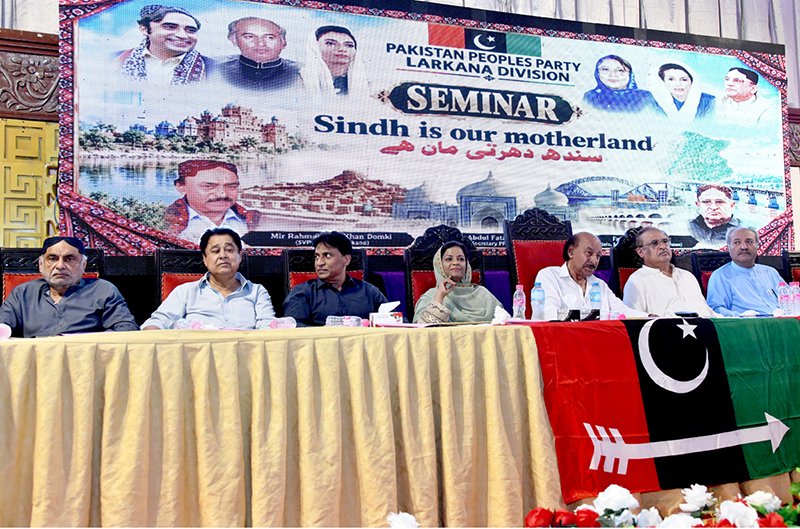
ISLAMABAD — The Economic Coordination Committee (ECC) of the Cabinet, chaired by Federal Minister for Finance and Revenue Senator Muhammad Aurangzeb, approved several key Technical Supplementary Grants (TSGs) and sectoral support measures on Wednesday. The meeting, held at the Finance Division, aimed to address urgent financial requirements across various sectors. What Happened The ECC convened to deliberate on pressing financial matters, ultimately approving a series of TSGs designed to bolster different sectors of the economy. These grants are intended to provide immediate financial relief and support to sectors that are critical to the country’s economic stability and growth. The specific allocations and the sectors benefiting from these grants were not detailed in the initial report. Senator Muhammad Aurangzeb emphasized the importance of these financial measures, stating, “The approved grants are essential for maintaining the momentum of economic activities and ensuring that critical sectors receive the support they need to continue their operations effectively.” The ECC’s decision reflects the government’s commitment to addressing financial challenges and supporting economic recovery efforts. The meeting also discussed various sectoral support measures, which are expected to provide targeted assistance to industries affected by recent economic disruptions. These measures aim to enhance productivity and competitiveness, thereby contributing to overall economic resilience. Background The ECC is a key decision-making body within the Pakistani government, responsible for coordinating economic policies and managing financial resources. It frequently meets to address urgent economic issues and make decisions on financial allocations, subsidies, and other economic measures. The approval of TSGs is a common practice for the ECC, allowing it to reallocate funds to address unforeseen financial needs or to support strategic economic initiatives. In recent months, Pakistan’s economy has faced several challenges, including inflationary pressures, a depreciating currency, and the impacts of global economic shifts. The government’s response has included various fiscal and monetary measures aimed at stabilizing the economy and supporting growth. Why It Matters The approval of these TSGs and sectoral support measures is significant for several reasons. Economically, the grants are expected to inject much-needed liquidity into critical sectors, helping to sustain operations and prevent disruptions that could have wider implications for the national economy. By targeting specific sectors, the government aims to ensure that resources are directed where they are most needed, potentially mitigating the effects of economic downturns. Socially, these measures could help preserve jobs and support livelihoods in sectors that have been hit hard by economic challenges. By maintaining sectoral stability, the government can help prevent job losses and support household incomes, which is crucial for social stability. Politically, the ECC’s decisions demonstrate the government’s proactive approach to managing economic challenges. By taking decisive action to support key sectors, the government can bolster public confidence in its economic management capabilities. This is particularly important in the context of upcoming elections and ongoing public scrutiny of economic policies. Internationally, these measures may improve Pakistan’s economic standing by demonstrating fiscal responsibility and a commitment to economic reform. This could enhance investor confidence and potentially attract foreign investment, which is vital for long-term economic growth. Key Takeaways The ECC approved key Technical Supplementary Grants to support various sectors. Senator Muhammad Aurangzeb chaired the meeting, emphasizing the importance of these measures. The grants aim to provide immediate financial relief and support economic stability. Sectoral support measures are expected to enhance productivity and competitiveness. The ECC’s decisions reflect the government’s commitment to addressing economic challenges. Source Attribution The information in this article is based on a report from the Associated Press of Pakistan (APP). The report provided an overview of the ECC meeting and its outcomes but did not include specific details about the allocations or the sectors involved. Author: NEN Editorial Desk | Editor: NEN Newsroom | Fact Checked By: NEN Editorial Team Author: NEN Editorial Desk  |  Editor: NEN Newsroom  |  Last Updated: June 24, 2026  |  Source: Associated Press Of Pakistan This article was produced by the NEN Editorial Desk in accordance with NEN Agency’s Editorial Policy and Fact-Checking Policy.
World

EU, UK Support Pakistan’s Right To Defend Against TTP Threat

ISLAMABAD — The European Union (EU) and United Kingdom (UK) have expressed their support for Pakistan’s right to self-defense against the Tehrik-i-Taliban Pakistan (TTP), a militant group operating in the region. This affirmation comes amidst growing concerns over the presence of numerous terrorist organizations in Afghanistan, as reported by the United Nations Security Council Monitoring Team. What Happened The EU and UK envoys have reiterated their backing of Pakistan’s efforts to combat terrorism, particularly in light of the increasing threat posed by the TTP. The UN Security Council Monitoring Team has identified over 20 terrorist organizations operating with relative freedom under the Taliban’s regime in Afghanistan. The report estimates that there are between 13,000 to 23,000 terrorist fighters in the region, including members of the TTP, Al-Qaida, Islamic State Khorasan Province (ISKP), Eastern Turkistan Islamic Movement (ETIM), Islamic Movement of Uzbekistan (IMU), and Jamaat Ansarullah. This development underscores the international community’s recognition of the security challenges faced by Pakistan due to the proximity and activities of these militant groups. The support from the EU and UK is seen as a significant diplomatic gesture, highlighting the importance of regional stability and the need for coordinated efforts to address the threat of terrorism. Pakistan has been vocal about the security risks emanating from Afghanistan, particularly after the Taliban’s return to power in August 2021. The resurgence of the TTP and other militant groups has led to an increase in cross-border attacks, posing a direct threat to Pakistan’s national security. Background The TTP, also known as the Pakistani Taliban, has been responsible for numerous attacks within Pakistan, targeting both civilian and military installations. The group seeks to overthrow the Pakistani government and establish a strict interpretation of Islamic law. The TTP has been emboldened by the Taliban’s takeover of Afghanistan, using the country as a safe haven to regroup and plan attacks. Historically, Pakistan has faced significant challenges in its efforts to combat terrorism, with the TTP being one of the most formidable adversaries. The group’s activities have resulted in thousands of casualties over the years, prompting Pakistan to launch military operations to dismantle their networks. Why It Matters The support from the EU and UK is crucial for Pakistan as it navigates the complex geopolitical landscape of South Asia. The affirmation of Pakistan’s right to self-defense not only strengthens bilateral relations but also reinforces the global commitment to combating terrorism. This support could lead to increased collaboration in intelligence sharing, counter-terrorism training, and financial assistance to bolster Pakistan’s security apparatus. Economically, the persistent threat of terrorism has hindered Pakistan’s growth, deterring foreign investment and affecting tourism. By addressing these security concerns, Pakistan can create a more conducive environment for economic development and regional trade. On a broader scale, the international community’s stance against terrorist organizations in Afghanistan highlights the need for a unified approach to ensure regional stability. The presence of these groups poses a threat not only to Pakistan but also to global security, as they have the potential to carry out attacks beyond the region. Key Takeaways The EU and UK have affirmed Pakistan’s right to self-defense against the TTP. Over 20 terrorist organizations, including the TTP, operate freely in Afghanistan. The UN estimates up to 23,000 terrorist fighters are present in the region. International support is crucial for Pakistan’s counter-terrorism efforts. Addressing security threats is vital for Pakistan’s economic and regional stability. Source Attribution The information in this article is based on reports from the Associated Press of Pakistan and the United Nations Security Council Monitoring Team. The source material provides a comprehensive overview of the current security landscape in the region but may not encompass all recent developments or diplomatic communications. Author: NEN Editorial Desk | Editor: NEN Newsroom | Fact Checked By: NEN Editorial Team Author: NEN Editorial Desk  |  Editor: NEN Newsroom  |  Last Updated: June 24, 2026  |  Source: Associated Press of Pakistan This article was produced by the NEN Editorial Desk in accordance with NEN Agency’s Editorial Policy and Fact-Checking Policy.

World

Finance Minister Presents Auditor-General’s Reports to National Assembly

ISLAMABAD — Federal Minister for Finance and Revenue, Senator Muhammad Aurangzeb, presented the Appropriation Accounts of the Government of Pakistan for the Financial Year 2024–25 to the National Assembly on Wednesday. The session also saw the submission of the Audit Reports from the Auditor-General of Pakistan, which pertain to the Accounts of the Federation for the Audit Year 2025–26, as mandated by Article 171 of the Constitution. What Happened During a session of the National Assembly held in Islamabad, Finance Minister Muhammad Aurangzeb laid before the house the comprehensive Appropriation Accounts for the fiscal year 2024–25. These accounts detail the government’s expenditures and financial management over the past year. In addition, the Auditor-General’s reports, which scrutinize the federal accounts for the audit year 2025–26, were also presented. The presentation of these documents is a constitutional requirement, ensuring transparency and accountability in the financial operations of the government. The reports provide an in-depth analysis of how public funds were utilized, highlighting any discrepancies or irregularities that may have occurred. The Auditor-General’s findings are crucial for maintaining fiscal discipline and ensuring that taxpayer money is spent effectively. Senator Aurangzeb emphasized the government’s commitment to financial transparency and accountability. He stated, “These reports are essential for assessing our financial practices and ensuring that we adhere to the highest standards of fiscal responsibility.” The session was attended by key members of the National Assembly, who will review the reports and discuss their implications in upcoming sessions. Background The Auditor-General of Pakistan is responsible for auditing the accounts of the federal and provincial governments and any other authority established by the government. The role is enshrined in the Constitution under Article 171, which requires that audit reports be submitted to the President and laid before the National Assembly. The Appropriation Accounts provide a detailed account of the government’s budgetary allocations and expenditures. They serve as a tool for the legislature to monitor government spending and ensure that it aligns with approved budgets. The audit process is designed to identify any misuse of funds and recommend corrective actions. Historically, the presentation of these reports has been a critical part of Pakistan’s fiscal governance, aimed at promoting transparency and accountability in public financial management. Why It Matters The presentation of the Auditor-General’s reports and Appropriation Accounts holds significant importance for Pakistan’s economic governance. These documents serve as a check on the government’s financial activities, ensuring that public funds are used efficiently and effectively. By identifying areas of financial mismanagement, the reports help in rectifying issues that could otherwise lead to economic instability. For the citizens of Pakistan, these reports are a reassurance that their tax contributions are being monitored and used appropriately. They also provide a basis for public discourse on government spending, allowing citizens to hold their leaders accountable. On a broader scale, the adherence to constitutional requirements for financial reporting bolsters Pakistan’s international reputation as a country committed to transparency and good governance. This can have positive implications for foreign investment, as investors are more likely to engage with a country that demonstrates fiscal responsibility and accountability. Key Takeaways Finance Minister Muhammad Aurangzeb presented the Appropriation Accounts for 2024–25 and Auditor-General’s reports for 2025–26 to the National Assembly. The reports are mandated by Article 171 of the Constitution to ensure transparency and accountability in government spending. The Auditor-General’s findings are crucial for identifying financial discrepancies and promoting fiscal discipline. These reports reassure citizens about the proper use of taxpayer money and facilitate public accountability. Compliance with financial reporting requirements enhances Pakistan’s international standing and attractiveness to investors. Source Attribution The information in this article was sourced from the Associated Press of Pakistan (APP). The source material provided a factual account of the presentation of the Auditor-General’s reports to the National Assembly. Limitations include the absence of specific details on the findings of the reports, which would require further analysis and discussion in the assembly. Author: NEN Editorial Desk | Editor: NEN Newsroom | Fact Checked By: NEN Editorial Team Author: NEN Editorial Desk  |  Editor: NEN Newsroom  |  Last Updated: June 24, 2026  |  Source: APP This article was produced by the NEN Editorial Desk in accordance with NEN Agency’s Editorial Policy and Fact-Checking Policy.

World

Government Confident of Completing Constitutional Term, Says Rana Ihsan Afzal

ISLAMABAD — Coordinator to the Prime Minister, Rana Ihsan Afzal, expressed confidence on Wednesday that the current government would successfully complete its constitutional term without encountering any significant obstacles. His remarks were made during an interview with a private television channel, where he emphasized the government’s commitment to public welfare initiatives. What Happened During the interview, Rana Ihsan Afzal assured the public that the government is on track to fulfill its constitutional mandate, which is set to conclude in 2023. He highlighted that the government is dedicated to implementing policies aimed at improving the socio-economic conditions of the populace. “We are focused on delivering public welfare and providing necessary services to the people,” he stated, underscoring the administration’s priorities. Afzal further elaborated on the government’s ongoing projects and initiatives designed to uplift the standard of living across Pakistan. He mentioned efforts in sectors such as healthcare, education, and infrastructure development, which are pivotal to the government’s agenda. According to Afzal, these initiatives are crucial for ensuring the long-term stability and prosperity of the nation. He also addressed concerns about potential political instability, asserting that the government remains stable and committed to its goals. “There are no significant hurdles in our path, and we are confident in our ability to complete our term,” Afzal reiterated, dismissing rumors of early elections or governmental disruptions. Background The current government, led by Prime Minister Shehbaz Sharif, assumed office following the general elections held in 2018. The administration has faced numerous challenges, including economic difficulties, political opposition, and the impacts of the COVID-19 pandemic. Despite these challenges, the government has maintained its focus on fulfilling its electoral promises and adhering to its constitutional responsibilities. Historically, Pakistani governments have faced difficulties in completing their full terms due to various political and economic pressures. The assurance from Rana Ihsan Afzal comes at a time when speculation about the stability of the government has been rife, fueled by opposition parties and media narratives. Why It Matters The assurance from the Prime Minister’s Coordinator is significant as it aims to quell any uncertainties regarding the government’s stability and its ability to govern effectively until the end of its term. Political stability is crucial for maintaining investor confidence and ensuring the continuity of development projects that are vital for economic growth. For the citizens of Pakistan, the government’s ability to complete its term without disruptions is essential for the continuity of public service delivery and the implementation of long-term policies. The focus on public welfare initiatives, as highlighted by Afzal, is particularly important in addressing the socio-economic challenges faced by many Pakistanis. Internationally, a stable government in Pakistan is vital for regional stability and for maintaining positive relations with global partners. Pakistan’s geopolitical significance means that its internal stability has broader implications for South Asia and beyond. Key Takeaways Rana Ihsan Afzal expressed confidence in the government’s ability to complete its constitutional term. The government is focused on public welfare initiatives in healthcare, education, and infrastructure. Political stability is deemed crucial for economic growth and investor confidence. The assurance aims to address public and international concerns about governmental stability. Pakistan’s internal stability has significant regional and international implications. Source Attribution The information in this article is based on statements made by Rana Ihsan Afzal during an interview with a private television channel, as reported by the Associated Press of Pakistan (APP). The source material provides a direct account of Afzal’s statements but does not include detailed statistical data or independent verification of the government’s claims. Author: NEN Editorial Desk | Editor: NEN Newsroom | Fact Checked By: NEN Editorial Team Author: NEN Editorial Desk  |  Editor: NEN Newsroom  |  Last Updated: June 24, 2026  |  Source: Associated Press of Pakistan (APP) This article was produced by the NEN Editorial Desk in accordance with NEN Agency’s Editorial Policy and Fact-Checking Policy.

Scroll to Top