
World

Welcome to the World section of NEN Agency, your window to the stories shaping our planet. From global politics and economic shifts to science breakthroughs, cultural moments, and humanitarian crises, we connect you to events that matter — wherever they happen.

Inside This Category

  • Global Politics & Diplomacy: International relations, summits, and policy shifts.

  • World Economy & Trade: Market trends, trade agreements, and financial developments.

  • Conflicts & Security: Coverage of wars, peace efforts, and security challenges.

  • Science & Environment: Climate change, technological advances, and space exploration.

  • Culture & Society: Arts, sports, and lifestyle stories from around the globe.

Why Our World Coverage Stands Out
We deliver global news with context, helping readers see how events beyond borders influence life in Pakistan and the wider region.

World

Financial Markets Association Releases July 2026 Foreign Exchange Rates

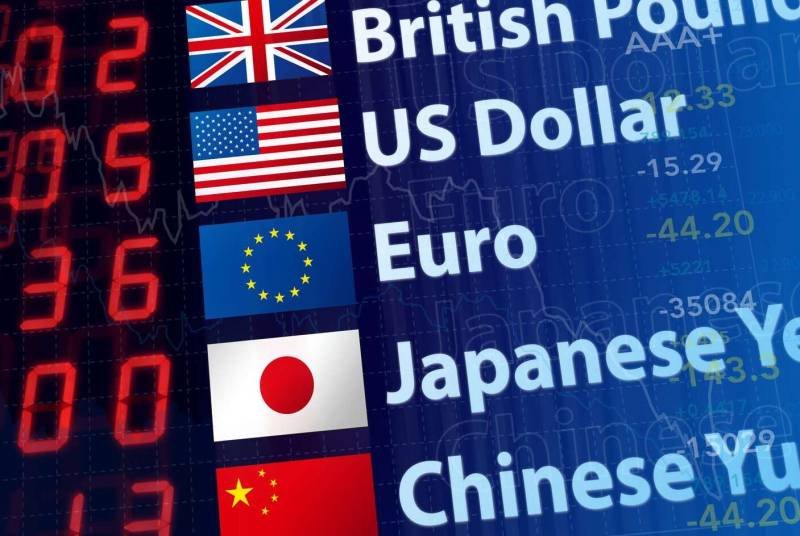
KARACHI — The Exchange Rates Committee of the Financial Markets Association of Pakistan released the latest foreign exchange rates bulletin on Thursday, detailing conversion rates effective for July 9, 2026. These rates are crucial for forward cover deposits, excluding FE-25 deposits, with the State Bank of Pakistan’s settlement value date set for July 13, 2026. What Happened The Financial Markets Association of Pakistan’s Exchange Rates Committee announced the conversion rates for several major currencies against the Pakistani Rupee. The rates are applicable for forward cover deposits, a financial instrument used by businesses and investors to hedge against currency risk. According to the bulletin, the conversion rate for the US dollar stands at 278.0425 PKR. The British pound is pegged at 371.6872 PKR, while the euro is valued at 317.6357 PKR. The Japanese yen is listed at 1.7132 PKR. The announcement of these rates is a routine procedure, yet it holds significant implications for businesses engaged in international trade and individuals involved in foreign currency transactions. The rates are determined by various factors, including market demand and supply, geopolitical developments, and economic indicators both domestically and internationally. These rates are particularly important for financial institutions and corporate entities that engage in forward contracts, which are agreements to buy or sell currency at a predetermined rate on a future date. Such contracts are essential for managing the risk associated with fluctuations in currency values. Background The Financial Markets Association of Pakistan is a key body in the country’s financial sector, responsible for providing guidance and setting benchmarks for various financial instruments, including foreign exchange rates. The association’s Exchange Rates Committee regularly issues bulletins to inform stakeholders about current and future exchange rates, which are critical for financial planning and risk management. Historically, Pakistan’s foreign exchange market has been influenced by a range of factors, including trade balances, foreign direct investment, remittances, and monetary policy decisions by the State Bank of Pakistan. Over the years, the Pakistani Rupee has experienced fluctuations due to both internal economic challenges and external pressures such as global oil prices and geopolitical tensions. Why It Matters The release of foreign exchange rates by the Financial Markets Association is a key event for Pakistan’s economy, impacting various sectors. For businesses engaged in import and export, these rates determine the cost of goods and services traded internationally. A higher exchange rate for the US dollar, for instance, can increase the cost of imports, affecting pricing strategies and profit margins. For the financial sector, these rates are crucial for the valuation of foreign currency reserves and the management of currency risk. Banks and financial institutions use these rates to offer competitive products to their clients, including foreign currency accounts and remittance services. On a broader scale, exchange rate fluctuations can influence inflation rates and economic growth. A depreciating currency can lead to higher import costs, contributing to inflationary pressures. Conversely, a stable or appreciating currency can enhance purchasing power and support economic stability. Internationally, Pakistan’s exchange rates are monitored by investors and credit rating agencies as indicators of economic health and stability. Consistent and transparent exchange rate policies can enhance investor confidence and attract foreign investment, which is vital for economic development. Key Takeaways The Financial Markets Association of Pakistan released foreign exchange rates for July 9, 2026. The US dollar is valued at 278.0425 PKR, the British pound at 371.6872 PKR, and the euro at 317.6357 PKR. These rates are crucial for businesses and financial institutions managing currency risk through forward contracts. Exchange rates impact import costs, inflation, and economic stability in Pakistan. Transparent exchange rate policies can enhance investor confidence and attract foreign investment. Source Attribution This article is based on official government statements, press releases, and public communications from relevant authorities. Author: NEN Editorial Desk | Editor: NEN Newsroom | Fact Checked By: NEN Editorial Team Author: NEN Editorial Desk  |  Editor: NEN Newsroom  |  Last Updated: July 09, 2026  |  Source: NEN Reporter This article was produced by the NEN Editorial Desk in accordance with NEN Agency’s Editorial Policy and Fact-Checking Policy.
World

BITT Announces Committee for Heroes of Hazara Award 2026/27

ISLAMABAD — The Balochistan International Think Tank (BITT) has announced the committee members for the ‘Heroes of Hazara, National Civil Award’ for the 2026/27 cycle. The announcement was made by BITT Chairman Awais Jadoon, highlighting the initiative’s focus on recognizing outstanding contributions from individuals in the Hazara region. What Happened The BITT Chairman, Awais Jadoon, revealed the names of the committee members responsible for selecting the recipients of the ‘Heroes of Hazara, National Civil Award.’ The committee comprises distinguished individuals from various sectors, ensuring a diverse and comprehensive evaluation process. The award aims to honor those who have made significant contributions to the social, cultural, and economic development of the Hazara region. Chairman Jadoon emphasized the importance of this award in acknowledging the efforts of individuals who have worked tirelessly for the betterment of their communities. He stated, “The Heroes of Hazara award is a testament to the incredible work being done by individuals in the region. It is our duty to recognize and celebrate their achievements.” The committee will be tasked with reviewing nominations and selecting awardees based on their impact and contributions. The selection process is expected to be rigorous, with a focus on transparency and fairness. The award ceremony is scheduled to take place in early 2027, where the selected heroes will be honored for their achievements. Background The ‘Heroes of Hazara, National Civil Award’ was established to recognize and honor individuals who have made significant contributions to the Hazara region of Pakistan. The initiative is part of a broader effort by the BITT to promote development and highlight positive stories from the area. The Hazara region, known for its rich cultural heritage and diverse communities, has faced numerous challenges over the years, including socio-economic issues and security concerns. Historically, the region has been home to various ethnic groups, each contributing to its unique cultural tapestry. The award seeks to bring attention to the positive impact of these communities and encourage further development initiatives. Why It Matters The announcement of the committee members for the ‘Heroes of Hazara, National Civil Award’ holds significant importance for several reasons. Firstly, it underscores the need to recognize and celebrate the contributions of individuals who have worked towards the betterment of the Hazara region. Such recognition can inspire others to engage in community service and development activities. Economically, the award can draw attention to the potential of the Hazara region, encouraging investment and development projects. By highlighting success stories, the BITT aims to change the narrative around the region, showcasing it as a place of opportunity and growth. Socially, the award promotes unity and collaboration among the diverse communities within Hazara. By recognizing heroes from different backgrounds, the initiative fosters a sense of pride and belonging among the residents, contributing to social cohesion. On a broader scale, the award aligns with Pakistan’s national goals of promoting regional development and reducing disparities. It serves as a model for other regions, demonstrating the impact of recognizing and supporting local heroes in driving positive change. Key Takeaways The BITT has announced the committee members for the ‘Heroes of Hazara, National Civil Award’ for 2026/27. The award aims to honor individuals who have significantly contributed to the Hazara region’s development. The selection process will be rigorous, focusing on transparency and fairness. The initiative highlights the potential for economic and social development in the Hazara region. The award promotes unity and collaboration among the diverse communities within Hazara. Source Attribution This article is based on official statements and public communications from the Balochistan International Think Tank. Author: NEN Editorial Desk | Editor: NEN Newsroom | Fact Checked By: NEN Editorial Team Author: NEN Editorial Desk  |  Editor: NEN Newsroom  |  Last Updated: July 09, 2026  |  Source: NEN Reporter This article was produced by the NEN Editorial Desk in accordance with NEN Agency’s Editorial Policy and Fact-Checking Policy.
World

Pakistan Calls for Global Cooperation Against Cross-Border Threats at UN Summit

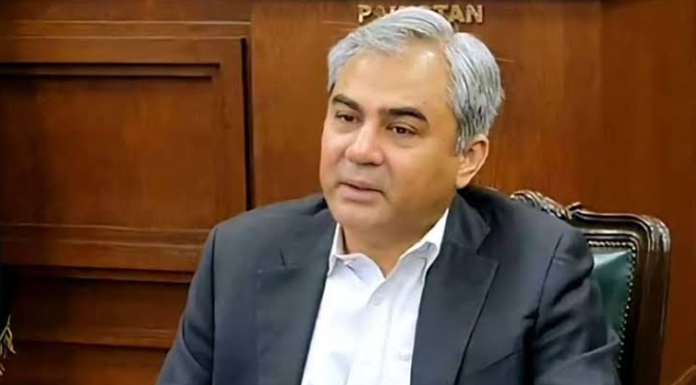
UNITED NATIONS — Pakistan’s Interior Minister Mohsin Naqvi called for enhanced international cooperation to tackle cross-border threats and terrorism during his address at the United Nations Chiefs of Police Summit (UNCOPS-2026) on Wednesday. Speaking at the iconic General Assembly Hall, Naqvi emphasized the need for member states to collaborate in addressing common security challenges that affect nations globally. What Happened During the UNCOPS-2026 summit, Interior Minister Mohsin Naqvi highlighted the pressing need for global cooperation to combat a range of transnational threats. He identified terrorism, organized crime, cybercrime, drug trafficking, human smuggling, and money laundering as significant challenges that no country can tackle alone. “These threats affect all of us; no country is safe from them, and no country can deal with them alone,” Naqvi stated, underscoring the importance of international collaboration. Naqvi urged the international community to build stronger partnerships among law enforcement agencies, share information swiftly, and trust one another to address these challenges effectively. He stressed the rapid evolution of technology and its misuse by criminals, advocating for the use of modern technology to counteract criminal activities. “We must also use modern technology to prevent them,” he said. The Interior Minister called for improving the skills of police officers, enhancing their training, and fostering innovation to better equip them in the fight against crime. He expressed hope that the summit would facilitate open, practical, and solution-oriented discussions among experienced leaders from around the world. “Let us share ideas that have worked, learn from each other’s successes, and find new ways to work together,” Naqvi urged. Background The United Nations Chiefs of Police Summit serves as a platform for police leaders worldwide to discuss strategies for enhancing international cooperation against transnational challenges. The summit aligns with the UN’s broader mandate to promote peace and security, providing a venue for member states to collaborate on global security issues. Pakistan has consistently advocated for international cooperation in combating terrorism and organized crime, given its own experiences with these challenges. The country has been actively involved in various UN initiatives aimed at strengthening global security frameworks and has often highlighted the importance of collective action in addressing security threats. Why It Matters The call for enhanced international cooperation is significant as it reflects the growing recognition of transnational threats that transcend borders and require a collective response. For Pakistan, a country that has faced its share of security challenges, this cooperation is crucial for ensuring national and regional stability. Economically, cross-border threats such as terrorism and organized crime can have detrimental effects on trade, investment, and tourism, impacting Pakistan’s economic growth. Socially, these threats pose risks to public safety and can lead to human rights violations, affecting the well-being of citizens. Politically, Pakistan’s stance at the UN summit underscores its commitment to global peace and security, potentially enhancing its diplomatic relations and standing within the international community. By advocating for cooperation, Pakistan positions itself as a proactive member of the global community, seeking to contribute to international security solutions. Key Takeaways Pakistan’s Interior Minister Mohsin Naqvi called for global cooperation against cross-border threats at the UN Chiefs of Police Summit. Naqvi identified terrorism, organized crime, cybercrime, drug trafficking, human smuggling, and money laundering as key challenges. He emphasized the need for stronger partnerships, information sharing, and the use of modern technology to combat crime. The summit provides a platform for international collaboration on security issues, aligning with the UN’s peace and security mandate. Pakistan’s call for cooperation reflects its commitment to global security and has implications for its economic, social, and political landscape. Source Attribution This article is based on official government statements, press releases, and public communications from relevant authorities. Author: NEN Editorial Desk | Editor: NEN Newsroom | Fact Checked By: NEN Editorial Team Author: NEN Editorial Desk  |  Editor: NEN Newsroom  |  Last Updated: July 09, 2026  |  Source: Press Release from Government of Pakistan This article was produced by the NEN Editorial Desk in accordance with NEN Agency’s Editorial Policy and Fact-Checking Policy.
World

UN Chief Urges De-escalation Amid US-Iran Military Tensions

UNITED NATIONS — UN Secretary-General Antonio Guterres has expressed deep concern over the recent escalation of military tensions between the United States and Iran in the Gulf region. On Wednesday, he called for immediate measures to de-escalate the situation and emphasized the importance of resuming negotiations to achieve a long-lasting resolution to the ongoing Middle East conflict. What Happened The renewed military confrontations between the US and Iran have raised alarms at the United Nations, with Secretary-General Antonio Guterres highlighting the potential threat these incidents pose to diplomatic progress. His spokesperson stated, “These incidents risk derailing the diplomatic progress achieved between Iran and the United States.” The confrontations have reportedly involved naval and aerial encounters in the strategically significant Gulf region, which is a critical artery for global oil shipments. The tensions have been escalating since early July, with both nations accusing each other of provocative actions. The US military has reported several instances of Iranian vessels approaching American ships in a manner deemed unsafe. In response, Iran has accused the US of intruding into its territorial waters and airspace. Guterres has urged both nations to exercise maximum restraint and avoid any actions that could further escalate the situation. He emphasized the need for dialogue and diplomacy as the primary means to resolve the disputes, urging both countries to return to the negotiating table to address their differences. Background The relationship between the United States and Iran has been fraught with tension for decades, with the nuclear issue being a significant point of contention. In 2015, Iran and six world powers, including the US, reached a landmark agreement known as the Joint Comprehensive Plan of Action (JCPOA), aimed at curbing Iran’s nuclear program in exchange for lifting economic sanctions. However, in 2018, the US unilaterally withdrew from the agreement under President Donald Trump, leading to a resurgence of hostilities. Since then, both nations have engaged in a series of confrontations, including the targeted killing of Iranian General Qasem Soleimani by the US in 2020 and subsequent retaliatory actions by Iran. These events have contributed to a volatile situation in the Middle East, with the Gulf region often being the focal point of military tensions. Why It Matters The renewed military tensions between the US and Iran have significant implications for regional stability and international security. The Gulf region, through which a substantial portion of the world’s oil supply is transported, is particularly vulnerable to disruptions caused by military conflicts. Any escalation could lead to a spike in global oil prices, affecting economies worldwide, including Pakistan’s, which relies heavily on imported oil. Moreover, the tensions threaten to undermine diplomatic efforts aimed at resolving broader Middle East conflicts. The international community, including the European Union and other stakeholders, has been working to bring both parties back to the negotiating table to revive the JCPOA. A failure to de-escalate could derail these efforts, leading to a prolonged period of instability in the region. For Pakistan, a nation with deep economic and strategic ties to both the US and Iran, the situation presents a diplomatic challenge. Pakistan has historically advocated for peaceful resolutions to international conflicts and may find itself in a position to mediate or facilitate dialogue between the two nations. Key Takeaways UN Secretary-General Antonio Guterres calls for de-escalation of US-Iran military tensions. Recent confrontations in the Gulf region threaten diplomatic progress between the two nations. The Gulf’s strategic importance for global oil supply underscores the need for stability. Renewed tensions could impact global oil prices, affecting economies worldwide. Pakistan may play a role in advocating for peaceful resolutions in the region. Source Attribution This article is based on official statements and public communications from the United Nations and other relevant authorities. Author: NEN Editorial Desk | Editor: NEN Newsroom | Fact Checked By: NEN Editorial Team Author: NEN Editorial Desk  |  Editor: NEN Newsroom  |  Last Updated: July 09, 2026  |  Source: NEN Reporter This article was produced by the NEN Editorial Desk in accordance with NEN Agency’s Editorial Policy and Fact-Checking Policy.
World

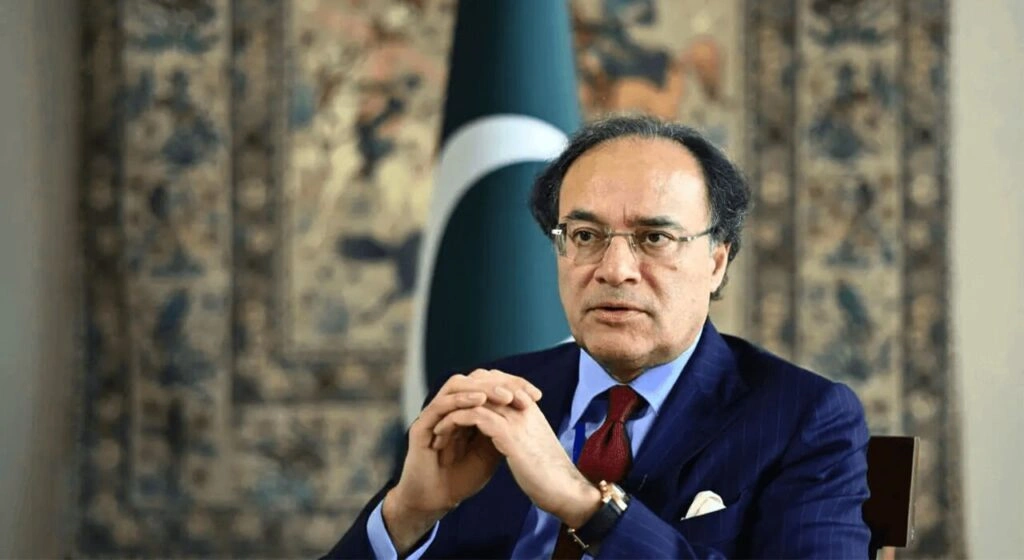
Finance Minister Urges Balanced SECP Reforms for Business Growth

ISLAMABAD — The Federal Minister for Finance and Revenue, Senator Muhammad Aurangzeb, has called for a balanced approach in the Securities and Exchange Commission of Pakistan (SECP) reforms to enhance business growth. On July 8, during a review meeting, he emphasized the need for a regulatory framework that supports ease of doing business while ensuring effective law enforcement. What Happened In a detailed review session held in Islamabad, Finance Minister Muhammad Aurangzeb discussed ongoing reforms within the SECP aimed at fostering a more conducive business environment in Pakistan. The minister highlighted the dual objectives of facilitating business operations and maintaining stringent regulatory oversight to ensure transparency and fairness in the market. “A business-friendly regulatory framework is essential to encourage investment, support entrepreneurship, and strengthen economic growth,” stated Minister Aurangzeb. He underscored the importance of striking a balance between regulatory facilitation and enforcement, suggesting that this balance is crucial for attracting both domestic and international investors. The minister also addressed the need for reforms that are not only comprehensive but also adaptable to the rapidly changing global economic landscape. He urged the SECP to consider international best practices and incorporate them into the local regulatory framework to enhance competitiveness. During the meeting, SECP officials presented updates on various reform initiatives, including measures to streamline regulatory procedures and reduce bureaucratic hurdles. These initiatives are part of a broader strategy to improve Pakistan’s ranking in the World Bank’s Ease of Doing Business Index. Background The SECP, as Pakistan’s apex regulatory body for the corporate sector, plays a pivotal role in shaping the business landscape. Historically, the commission has been tasked with ensuring compliance with corporate laws, promoting investor protection, and facilitating capital formation. Over the years, various reforms have been introduced to modernize the regulatory framework and align it with global standards. In recent years, Pakistan has been striving to improve its business environment to attract foreign investment and stimulate economic growth. The government has introduced several policy measures aimed at reducing the cost of doing business and enhancing regulatory efficiency. These efforts are part of a broader economic reform agenda to boost the country’s economic resilience and sustainability. Why It Matters The emphasis on balanced SECP reforms is significant for several reasons. Economically, a well-regulated business environment can lead to increased investor confidence, which is critical for attracting foreign direct investment (FDI). With Pakistan’s economy facing challenges such as fiscal deficits and inflation, boosting FDI is vital for sustainable economic growth. Socially, a transparent and fair regulatory framework can help reduce corruption and increase trust among businesses and consumers. This can lead to more equitable economic opportunities and contribute to social stability. Politically, the government’s commitment to regulatory reforms can enhance its credibility both domestically and internationally. By aligning with international best practices, Pakistan can strengthen its economic ties with global partners and improve its standing in international markets. Furthermore, the SECP’s reforms are expected to have a positive impact on small and medium-sized enterprises (SMEs), which are crucial for job creation and economic diversification. By simplifying regulatory processes, SMEs can operate more efficiently and contribute more significantly to the national economy. Key Takeaways Finance Minister Aurangzeb calls for balanced SECP reforms to boost business growth. The focus is on creating a business-friendly environment while ensuring effective law enforcement. Reforms aim to improve Pakistan’s Ease of Doing Business ranking and attract foreign investment. SECP is incorporating international best practices into the local regulatory framework. Reforms are expected to benefit SMEs and enhance economic resilience. Source Attribution This article is based on official government statements, press releases, and public communications from relevant authorities. Author: NEN Editorial Desk | Editor: NEN Newsroom | Fact Checked By: NEN Editorial Team Author: NEN Editorial Desk  |  Editor: NEN Newsroom  |  Last Updated: July 08, 2026  |  Source: Press Release from Government of Pakistan This article was produced by the NEN Editorial Desk in accordance with NEN Agency’s Editorial Policy and Fact-Checking Policy.
World

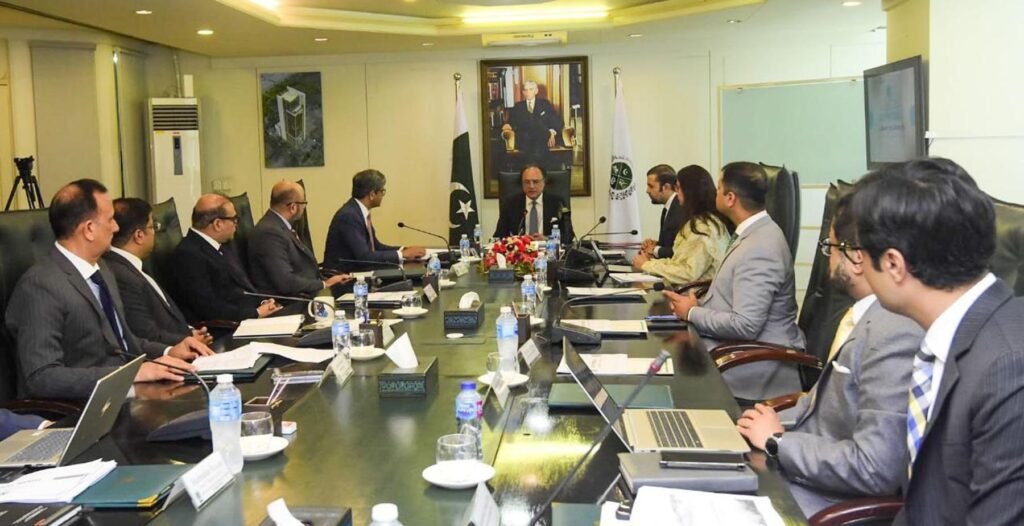
Finance Minister Evaluates SECP’s Progress, Highlights Business Reforms

ISLAMABAD — Federal Minister for Finance and Revenue, Senator Muhammad Aurangzeb, conducted a comprehensive review of the Securities and Exchange Commission of Pakistan’s (SECP) performance on Wednesday. The meeting, held at the SECP headquarters, focused on regulatory reforms and initiatives aimed at enhancing the ease of doing business in Pakistan. What Happened The meeting was convened to evaluate the SECP’s current performance metrics and to discuss future strategies for regulatory improvements. Finance Minister Aurangzeb underscored the importance of creating a conducive business environment by implementing effective regulatory frameworks. He stated, “Our goal is to make Pakistan a more attractive destination for investment by simplifying regulatory processes and ensuring transparency.” During the session, the SECP presented its recent achievements and ongoing projects. The commission highlighted its efforts in digital transformation, which include the introduction of new online services to facilitate businesses. These services are part of a broader strategy to reduce bureaucratic hurdles and expedite business operations. The Finance Minister acknowledged the progress made by the SECP but emphasized the need for continuous improvement. He directed the commission to focus on enhancing its regulatory oversight and ensuring compliance with international standards. “We must align our regulatory practices with global benchmarks to foster investor confidence,” Aurangzeb added. The meeting also addressed the challenges faced by the SECP, such as resource constraints and the need for capacity building. The Finance Minister assured the commission of the government’s support in overcoming these hurdles, highlighting the importance of a robust regulatory body in achieving economic growth. Background The Securities and Exchange Commission of Pakistan, established in 1997, serves as the primary regulatory authority for the corporate sector and capital markets in Pakistan. Over the years, the SECP has been instrumental in implementing reforms aimed at modernizing the financial sector and promoting transparency. In recent years, Pakistan has been striving to improve its Ease of Doing Business ranking, as assessed by the World Bank. The government’s efforts have included simplifying tax procedures, reducing the time required to start a business, and enhancing contract enforcement mechanisms. The SECP plays a crucial role in these initiatives by streamlining regulatory processes and facilitating private sector growth. The commission’s reforms are aligned with the government’s broader economic agenda, which focuses on attracting foreign investment and boosting domestic economic activity. Why It Matters The Finance Minister’s review of the SECP’s performance is significant as it underscores the government’s commitment to fostering a business-friendly environment. Regulatory reforms are vital for attracting foreign direct investment (FDI) and encouraging local entrepreneurship, both of which are essential for Pakistan’s economic development. By focusing on ease of doing business, the government aims to reduce the cost and complexity of regulatory compliance, thereby enabling businesses to operate more efficiently. This is particularly important for small and medium-sized enterprises (SMEs), which are often disproportionately affected by regulatory burdens. Moreover, aligning Pakistan’s regulatory framework with international standards is crucial for enhancing the country’s competitiveness in the global market. Improved regulatory practices can lead to increased investor confidence, which in turn can stimulate economic growth and job creation. The SECP’s ongoing digital transformation efforts are also noteworthy, as they reflect a shift towards more transparent and efficient regulatory processes. By leveraging technology, the commission can provide better services to businesses and ensure greater compliance with regulations. Key Takeaways Finance Minister Aurangzeb reviewed the SECP’s performance, emphasizing regulatory reforms. The SECP is focusing on digital transformation to enhance business facilitation. Regulatory improvements aim to align with international standards and boost investor confidence. The government supports the SECP’s efforts to overcome resource and capacity challenges. Enhancing ease of doing business is crucial for attracting investment and fostering economic growth. Source Attribution This article is based on official government statements, press releases, and public communications from relevant authorities. Author: NEN Editorial Desk | Editor: NEN Newsroom | Fact Checked By: NEN Editorial Team Author: NEN Editorial Desk  |  Editor: NEN Newsroom  |  Last Updated: July 08, 2026  |  Source: Press Release from Government of Pakistan This article was produced by the NEN Editorial Desk in accordance with NEN Agency’s Editorial Policy and Fact-Checking Policy.
World

FPCCI Celebrates 75 Years Of Pakistan-China Diplomatic Relations

ISLAMABAD — The Federation of Pakistan Chambers of Commerce and Industry (FPCCI) marked the 75th anniversary of diplomatic ties between Pakistan and China with a ceremony at its Regional Office on Wednesday. The event highlighted the enduring partnership between the two nations, emphasizing economic collaboration and mutual development. What Happened The FPCCI hosted a commemorative event to celebrate the 75th anniversary of diplomatic relations between Pakistan and China, underscoring the robust partnership that has developed over the decades. The ceremony, held at the FPCCI Regional Office, was attended by key figures from both countries, including business leaders, diplomats, and government officials. During the event, FPCCI President Irfan Iqbal Sheikh praised the longstanding relationship, stating, “The friendship between Pakistan and China is exemplary and has stood the test of time.” He highlighted the significant economic projects undertaken as part of the China-Pakistan Economic Corridor (CPEC), which have been pivotal in enhancing trade and infrastructure development in Pakistan. Chinese Ambassador to Pakistan, Nong Rong, also addressed the gathering, reaffirming China’s commitment to strengthening bilateral ties. He noted, “China and Pakistan have always supported each other, and our cooperation has brought tangible benefits to both nations.” The ambassador emphasized the importance of continued collaboration in various sectors, including technology, energy, and education. The event featured discussions on future opportunities for economic cooperation, with a focus on expanding trade and investment. Participants expressed optimism about the potential for increased collaboration in emerging industries, such as renewable energy and digital technology. Background Diplomatic relations between Pakistan and China were formally established in 1951, marking the beginning of a strategic partnership that has grown stronger over the years. The two countries have consistently supported each other on international platforms and have developed a multifaceted relationship encompassing economic, military, and cultural ties. The China-Pakistan Economic Corridor (CPEC), a flagship project under China’s Belt and Road Initiative, has been a cornerstone of this relationship. Launched in 2015, CPEC aims to enhance connectivity between the two nations through infrastructure development, energy projects, and special economic zones. It has attracted significant Chinese investment into Pakistan, contributing to the country’s economic growth and development. Why It Matters The commemoration of 75 years of diplomatic relations between Pakistan and China is significant for several reasons. Economically, the partnership has been instrumental in driving growth and development in Pakistan. The CPEC projects, in particular, have created jobs, improved infrastructure, and increased energy capacity, contributing to the country’s overall economic stability. Politically, the relationship between Pakistan and China serves as a stabilizing factor in the region. Both countries have consistently supported each other in international forums, strengthening their positions on global issues. This partnership also provides Pakistan with a reliable ally amidst regional tensions. Socially, the collaboration between the two nations has fostered cultural exchange and understanding. Educational initiatives and people-to-people exchanges have enriched the cultural landscape of both countries, promoting mutual respect and cooperation. Internationally, the strong ties between Pakistan and China highlight the importance of strategic alliances in a rapidly changing global landscape. As both countries navigate complex geopolitical challenges, their partnership serves as a model for other nations seeking to build resilient and mutually beneficial relationships. Key Takeaways The FPCCI commemorated the 75th anniversary of Pakistan-China diplomatic relations with a ceremony attended by key figures from both countries. The event highlighted the economic collaboration between the two nations, particularly through the China-Pakistan Economic Corridor (CPEC). Chinese Ambassador Nong Rong reaffirmed China’s commitment to strengthening bilateral ties and exploring new areas of cooperation. The partnership between Pakistan and China has significant economic, political, and social implications for both countries and the broader region. The commemoration underscores the enduring nature of the Pakistan-China relationship and its importance in the global context. Source Attribution This article is based on official government statements, press releases, and public communications from relevant authorities. Author: NEN Editorial Desk | Editor: NEN Newsroom | Fact Checked By: NEN Editorial Team Author: NEN Editorial Desk  |  Editor: NEN Newsroom  |  Last Updated: July 08, 2026  |  Source: NEN Reporter This article was produced by the NEN Editorial Desk in accordance with NEN Agency’s Editorial Policy and Fact-Checking Policy.

World

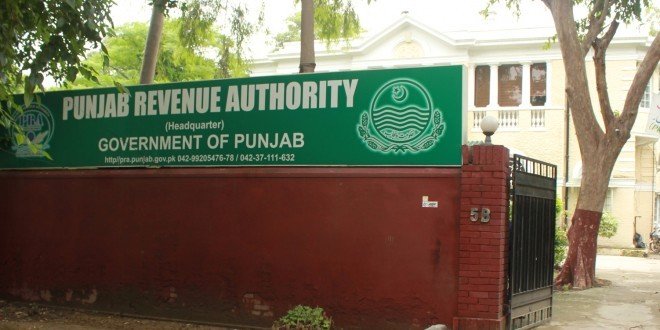
World Bank Delegation Briefed On Punjab Revenue Authority Reforms

LAHORE — A World Bank delegation, led by Clelia Rontoyanni, met with Punjab Revenue Authority (PRA) Chairman Moazzam Iqbal Sipra at the PRA Headquarters on Wednesday. The meeting focused on the PRA’s reform agenda, modernization initiatives, and key institutional programs. What Happened The World Bank delegation’s visit to the PRA Headquarters in Lahore was a significant step in fostering international cooperation on tax reform and modernization. Clelia Rontoyanni, who led the delegation, engaged in discussions with PRA Chairman Moazzam Iqbal Sipra regarding the authority’s ongoing efforts to enhance its operational efficiency and transparency. During the meeting, the PRA’s reform agenda was thoroughly outlined. This agenda includes a series of modernization initiatives aimed at improving tax collection mechanisms, streamlining processes, and enhancing service delivery. Chairman Sipra emphasized the importance of these reforms in increasing the authority’s revenue collection capabilities and ensuring compliance with international standards. The discussions also covered key institutional programs that the PRA is implementing to achieve its reform objectives. These programs are designed to integrate technology into tax administration, thereby reducing manual processes and increasing accuracy in data handling. The delegation was informed about the PRA’s efforts to foster a culture of compliance among taxpayers through awareness campaigns and educational initiatives. Both parties exchanged insights on global best practices in revenue administration, with the World Bank delegation offering their expertise and support in implementing these practices within the PRA’s framework. The meeting concluded with a mutual agreement to continue collaboration and explore further opportunities for technical assistance and knowledge sharing. Background The Punjab Revenue Authority was established to streamline and enhance the tax collection process in the province of Punjab. Over the years, the authority has undertaken various initiatives to modernize its operations and improve efficiency. The PRA’s reform agenda is part of a broader effort by the Punjab government to enhance public sector governance and service delivery. The World Bank has been a longstanding partner in Pakistan’s development efforts, providing financial and technical assistance in various sectors, including tax reform. The bank’s involvement in the PRA’s reform initiatives underscores its commitment to supporting Pakistan in achieving sustainable economic growth and development. Why It Matters The meeting between the World Bank delegation and the PRA is significant for several reasons. Firstly, it highlights the ongoing efforts to modernize Pakistan’s tax administration system, which is crucial for increasing government revenue and reducing fiscal deficits. Efficient tax collection is vital for funding public services and infrastructure projects, which are essential for economic growth and development. Secondly, the collaboration with the World Bank brings international expertise and best practices to the PRA’s reform efforts. This partnership is likely to enhance the authority’s capacity to implement effective tax policies and improve compliance rates among taxpayers. By adopting global standards, the PRA can ensure greater transparency and accountability in its operations. Furthermore, the successful implementation of the PRA’s reform agenda could serve as a model for other provinces in Pakistan, encouraging them to undertake similar modernization initiatives. This could lead to a more harmonized and efficient tax administration system across the country, ultimately benefiting the national economy. Key Takeaways The World Bank delegation met with the Punjab Revenue Authority to discuss tax reform initiatives. The PRA’s reform agenda focuses on modernization, efficiency, and transparency in tax collection. International collaboration with the World Bank brings expertise and best practices to the PRA. Successful reforms could boost government revenue and serve as a model for other provinces. The meeting underscores the importance of efficient tax administration for economic growth. Source Attribution This article is based on official government statements, press releases, and public communications from relevant authorities. Author: NEN Editorial Desk | Editor: NEN Newsroom | Fact Checked By: NEN Editorial Team Author: NEN Editorial Desk  |  Editor: NEN Newsroom  |  Last Updated: July 08, 2026  |  Source: NEN Reporter This article was produced by the NEN Editorial Desk in accordance with NEN Agency’s Editorial Policy and Fact-Checking Policy.
World

AJGL Monthly Golf Match 2026 Scheduled in Lahore on July 21

ISLAMABAD — The Ace Junior Golf League (AJGL) is set to host its Monthly Match 2026 at the Lahore Garrison Greens Golf Club on July 21, offering a competitive stage for young golfers nationwide. This event is part of AJGL’s ongoing efforts to nurture emerging talent in the sport. What Happened The AJGL Monthly Match 2026, scheduled for July 21, will take place at the Lahore Garrison Greens Golf Club. The event is designed to provide young golfers from across Pakistan with an opportunity to showcase their skills in a competitive environment. According to the organisers, the match is open to both AJGL members and non-members, welcoming participants from any city. The deadline for entry submissions is set for July 20. Participants will compete in one of four age-based categories: Birdie (ages 6-10), Eagle (ages 10-14), Albatross (ages 14-18), and Elite (ages 18-21). The Birdie category will be played over nine holes, with a course yardage ranging from 2,000 to 3,000 yards. The Eagle and Albatross categories will compete over 18 holes, with yardages of 4,500-5,000 and 5,500-6,000 yards, respectively. The Elite category will also be contested over 18 holes, on a course exceeding 6,000 yards. The league is committed to adhering to international standards of golf, with prizes awarded based solely on gross scores. Four best gross prizes will be distributed in each category, contingent on the level of participation. The competition will be governed by the Rules of Golf, along with local rules established by the host club and championship committee. Participants are allowed to use distance-measuring devices, provided these devices do not include additional features. Background The Ace Junior Golf League has been instrumental in promoting junior golf in Pakistan, focusing on skill development, golf psychology, and mental strength. By organizing regular competitive events, AJGL aims to provide young golfers with the necessary exposure and experience to excel in the sport. The league’s commitment to international standards ensures that participants gain valuable insights into the competitive nature of golf at a young age. Lahore Garrison Greens Golf Club, the venue for the upcoming match, is renowned for its world-class facilities and has hosted numerous national and international golf events. The club’s commitment to maintaining high standards makes it an ideal location for the AJGL Monthly Match 2026. Why It Matters The AJGL Monthly Match 2026 holds significant importance for the development of junior golf in Pakistan. By providing a platform for young golfers to compete, the league helps to identify and nurture talent from an early age. This initiative is crucial for the long-term growth of golf in the country, as it encourages participation from diverse backgrounds and regions. Economically, events like these contribute to the local economy by attracting participants and spectators to the area, boosting tourism and related industries. Socially, the match promotes inclusivity by welcoming juniors from all backgrounds, fostering a sense of community and sportsmanship among young athletes. On an international level, the AJGL’s adherence to global standards prepares young golfers for potential participation in international tournaments, enhancing Pakistan’s reputation in the global golfing community. This exposure is vital for young athletes aspiring to compete on larger stages, potentially leading to increased opportunities for scholarships and professional careers in golf. Key Takeaways The AJGL Monthly Match 2026 will be held on July 21 at Lahore Garrison Greens Golf Club. The event is open to junior golfers from across Pakistan, with entries closing on July 20. Participants will compete in four age-based categories, adhering to international golf standards. The competition aims to promote junior golf through skill development and regular competitive opportunities. The event contributes to local economic activity and fosters inclusivity in sports. Source Attribution This article is based on official statements and public communications from the Ace Junior Golf League and event organisers. Author: NEN Editorial Desk | Editor: NEN Newsroom | Fact Checked By: NEN Editorial Team Author: NEN Editorial Desk  |  Editor: NEN Newsroom  |  Last Updated: July 08, 2026  |  Source: NEN Reporter This article was produced by the NEN Editorial Desk in accordance with NEN Agency’s Editorial Policy and Fact-Checking Policy.

World

IRSA Releases 284,600 Cusecs of Water Amid Rising Inflows

ISLAMABAD — The Indus River System Authority (IRSA) announced on Wednesday the release of 284,600 cusecs of water from various rim stations, responding to an inflow of 386,900 cusecs. This strategic release is part of IRSA’s ongoing efforts to manage water resources effectively amidst fluctuating inflow levels. What Happened According to the latest data provided by IRSA, the water level in the River Indus at Tarbela Dam has reached 1488.04 feet, which is significantly above the dead level of 1402.00 feet. The inflow and outflow at Tarbela Dam were recorded at 238,800 cusecs and 156,300 cusecs, respectively. This indicates a careful balance between storage and release to maintain optimal water levels. In the Jhelum River, the water level at Mangla Dam was recorded at 1167.70 feet, surpassing its dead level of 1,050 feet by 117.70 feet. The inflow and outflow figures for Mangla Dam stood at 31,800 cusecs and 12,000 cusecs, respectively, showcasing a managed release to ensure downstream water availability. Further downstream, the release of water at Kalabagh, Taunsa, Guddu, and Sukkur was measured at 223,700, 176,800, 112,800, and 50,000 cusecs, respectively. Additionally, River Kabul at Nowshera saw a release of 48,500 cusecs, while River Chenab at Marala released 37,900 cusecs. These figures highlight the comprehensive management of water distribution across various regions. Background IRSA, established in 1992, plays a crucial role in the equitable distribution of water resources among Pakistan’s provinces. The authority is tasked with managing the complex network of rivers and reservoirs, ensuring that water needs for agriculture, industry, and domestic use are met efficiently. Historical challenges, such as seasonal variations and regional disputes over water allocation, have necessitated a robust management framework, which IRSA continues to uphold. Pakistan’s reliance on its river systems for agriculture and hydropower generation underscores the importance of effective water management. The country’s water resources are primarily fed by the Indus River and its tributaries, making IRSA’s role pivotal in maintaining water security. Why It Matters The release of 284,600 cusecs of water by IRSA is significant for several reasons. Economically, it supports the agricultural sector, which is the backbone of Pakistan’s economy, by ensuring adequate water supply for irrigation. This, in turn, impacts food security and the livelihoods of millions of farmers who depend on consistent water availability for their crops. Socially, the management of water resources is critical in preventing conflicts between provinces over water allocation. IRSA’s role in balancing the needs of different regions helps maintain social harmony and prevents disputes that could arise from perceived inequities in water distribution. On an environmental level, the controlled release of water helps maintain ecological balance in riverine systems, supporting biodiversity and preventing issues such as soil erosion and salinity that can arise from mismanaged water resources. Internationally, effective water management by IRSA contributes to Pakistan’s ability to meet its obligations under the Indus Waters Treaty with India, a key component of regional water-sharing agreements. This ensures that Pakistan can negotiate and cooperate with its neighbors on shared water resources from a position of strength. Key Takeaways IRSA released 284,600 cusecs of water in response to an inflow of 386,900 cusecs. The water levels at Tarbela and Mangla Dams are significantly above their respective dead levels. Effective water management supports Pakistan’s agricultural sector and prevents regional disputes. IRSA’s actions are crucial for maintaining ecological balance and fulfilling international treaty obligations. The release supports both economic stability and social harmony across provinces. Source Attribution This article is based on official government statements, press releases, and public communications from relevant authorities. Author: NEN Editorial Desk | Editor: NEN Newsroom | Fact Checked By: NEN Editorial Team Author: NEN Editorial Desk  |  Editor: NEN Newsroom  |  Last Updated: July 08, 2026  |  Source: NEN Reporter This article was produced by the NEN Editorial Desk in accordance with NEN Agency’s Editorial Policy and Fact-Checking Policy.

Scroll to Top