
World

Welcome to the World section of NEN Agency, your window to the stories shaping our planet. From global politics and economic shifts to science breakthroughs, cultural moments, and humanitarian crises, we connect you to events that matter — wherever they happen.

Inside This Category

  • Global Politics & Diplomacy: International relations, summits, and policy shifts.

  • World Economy & Trade: Market trends, trade agreements, and financial developments.

  • Conflicts & Security: Coverage of wars, peace efforts, and security challenges.

  • Science & Environment: Climate change, technological advances, and space exploration.

  • Culture & Society: Arts, sports, and lifestyle stories from around the globe.

Why Our World Coverage Stands Out
We deliver global news with context, helping readers see how events beyond borders influence life in Pakistan and the wider region.

World

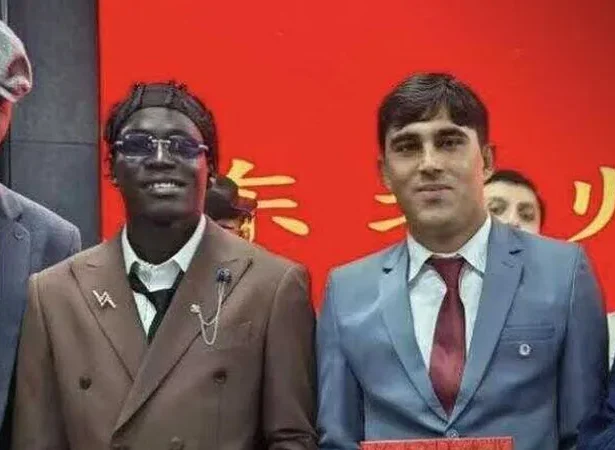
Pakistani Student Honored With ‘Progress Star’ Award in China

BEIJING — A Pakistani student has been awarded the prestigious ‘Progress Star’ at Northeast Normal University (NENU) in China, recognizing his academic achievements during the second semester of the 2025-2026 academic year. The accolade highlights the student’s exceptional performance among preparatory overseas students. What Happened The ‘Progress Star’ award was conferred upon a 20-year-old Pakistani student who has distinguished himself through outstanding academic performance at Northeast Normal University, located in Changchun, China. This award is part of the university’s initiative to acknowledge and encourage academic excellence among international students. The student, whose identity has not been publicly disclosed, was recognized for his dedication and hard work in his studies, setting a benchmark for his peers. According to university officials, the ‘Progress Star’ is awarded to students who demonstrate significant improvement and excellence in their academic pursuits. The Pakistani student was selected from a pool of talented international students, underscoring the competitive nature of the award. The ceremony, held at the university campus, was attended by faculty members, international students, and representatives from the Pakistani Embassy in China. The award not only celebrates the student’s academic success but also strengthens the educational ties between Pakistan and China. It is a testament to the growing presence and impact of Pakistani students in Chinese educational institutions. The recipient expressed gratitude for the support received from both the university and the Pakistani community in China, which he credited as instrumental in his academic journey. Background Northeast Normal University is one of China’s prominent institutions, known for its emphasis on teacher education and international collaboration. The university has been hosting a significant number of international students, particularly from Pakistan, as part of China’s Belt and Road Initiative, which aims to enhance educational and cultural exchanges. Pakistani students have been increasingly enrolling in Chinese universities, attracted by the quality of education and the opportunities for cultural exchange. This trend has been facilitated by various scholarship programs and bilateral agreements between the two countries, promoting educational cooperation. The ‘Progress Star’ award is part of a broader effort by Chinese universities to recognize and reward the contributions of international students. It reflects China’s commitment to fostering a diverse and inclusive educational environment. Why It Matters The recognition of a Pakistani student with the ‘Progress Star’ award holds significant implications for both Pakistan and China. For Pakistan, it highlights the success of its students on an international platform, showcasing their ability to excel in competitive academic environments. This can inspire more Pakistani students to pursue education abroad, particularly in China, where opportunities for academic and cultural enrichment are abundant. For China, the award underscores its role as a global educational hub, attracting talent from around the world. It reinforces the country’s commitment to international education and its strategic partnerships with countries like Pakistan. The growing number of Pakistani students in China also reflects the strengthening of bilateral relations, contributing to mutual understanding and cooperation. On a broader scale, the success of Pakistani students in China can have positive economic and social impacts. Educated individuals returning to Pakistan can contribute to the country’s development, bringing new skills and perspectives gained from their experiences abroad. Moreover, such achievements can enhance Pakistan’s image on the global stage, promoting it as a nation capable of producing world-class talent. Key Takeaways A Pakistani student received the ‘Progress Star’ award at Northeast Normal University in China. The award recognizes academic excellence among preparatory overseas students. This achievement highlights the growing presence of Pakistani students in Chinese educational institutions. The award strengthens educational ties between Pakistan and China, promoting bilateral cooperation. The success of Pakistani students abroad can have positive implications for Pakistan’s development and international image. Source Attribution This article is based on official statements and public communications from Northeast Normal University and relevant authorities. Author: NEN Editorial Desk | Editor: NEN Newsroom | Fact Checked By: NEN Editorial Team Author: NEN Editorial Desk  |  Editor: NEN Newsroom  |  Last Updated: July 08, 2026  |  Source: NEN Reporter This article was produced by the NEN Editorial Desk in accordance with NEN Agency’s Editorial Policy and Fact-Checking Policy.
World

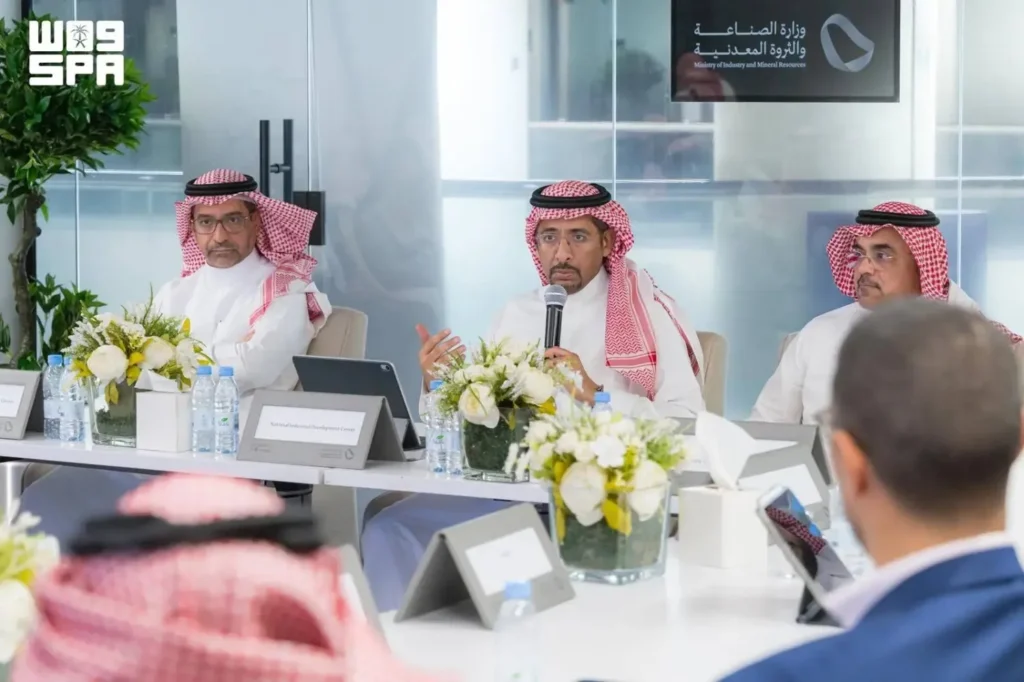
Saudi Arabia Advances Helicopter Manufacturing with Industry Workshop

RIYADH — The Ministry of Industry and Mineral Resources of Saudi Arabia recently conducted a workshop aimed at advancing the localization of helicopter manufacturing within the Kingdom. Held in partnership with the National Center for Industrial Development and the global aviation giant Airbus, the workshop marks a significant step in Saudi Arabia’s efforts to enhance its domestic aerospace capabilities. What Happened The workshop, organized by the Ministry of Industry and Mineral Resources, focused on the Kingdom’s ambitious national helicopter manufacturing project. This initiative is part of Saudi Arabia’s broader Vision 2030 strategy, which seeks to diversify the economy and reduce reliance on oil revenues by fostering local industries. Airbus, a key player in the global aviation sector, collaborated with the ministry to provide insights and share expertise on the technical and logistical aspects of helicopter production. During the workshop, industry experts and stakeholders discussed various strategies to boost local manufacturing capabilities. The sessions included presentations on the latest technological advancements in helicopter design and production, as well as discussions on potential challenges and solutions. The workshop also highlighted the importance of developing a skilled workforce capable of supporting the industry’s growth. According to a statement from the Ministry of Industry and Mineral Resources, the workshop is a critical component of the Kingdom’s strategy to establish a robust aerospace sector. The ministry emphasized the role of international partnerships, like the one with Airbus, in achieving these goals. The collaboration is expected to facilitate technology transfer, enhance local expertise, and ultimately lead to the establishment of a self-sustaining helicopter manufacturing industry in Saudi Arabia. Background Saudi Arabia’s Vision 2030, unveiled in 2016, is a comprehensive plan to transform the Kingdom’s economy by reducing dependence on oil, diversifying income sources, and developing public service sectors such as health, education, infrastructure, recreation, and tourism. A key element of this vision is the development of local industries, including aerospace and defense, which are seen as critical to the nation’s economic diversification and security objectives. The Kingdom has been making concerted efforts to localize its defense manufacturing capabilities. In recent years, Saudi Arabia has signed several agreements with international defense companies to establish joint ventures and manufacturing facilities within the country. The focus on helicopter manufacturing aligns with these broader efforts to build a self-reliant defense industry. Why It Matters The localization of helicopter manufacturing in Saudi Arabia is significant for several reasons. Economically, it represents a move towards reducing the Kingdom’s reliance on imported military equipment, thereby retaining more capital within the country. By developing a domestic aerospace industry, Saudi Arabia can create high-skilled jobs, stimulate technological innovation, and enhance its industrial base. Politically, this initiative strengthens Saudi Arabia’s strategic autonomy. By developing local manufacturing capabilities, the Kingdom can reduce its dependence on foreign suppliers for critical defense needs, thus enhancing national security. This move is particularly important in the context of regional security dynamics, where self-reliance in defense capabilities is increasingly seen as a strategic imperative. On an international level, the collaboration with Airbus underscores Saudi Arabia’s willingness to engage with global industry leaders to achieve its Vision 2030 objectives. Such partnerships not only facilitate technology transfer but also position the Kingdom as a competitive player in the global aerospace market. Key Takeaways Saudi Arabia’s Ministry of Industry and Mineral Resources held a workshop on helicopter manufacturing localization. The initiative is part of the Kingdom’s Vision 2030 to diversify its economy and develop local industries. Airbus is collaborating with Saudi Arabia to provide expertise and facilitate technology transfer. The project aims to create high-skilled jobs and enhance Saudi Arabia’s strategic autonomy in defense. International partnerships are crucial for achieving the Kingdom’s aerospace industry goals. Source Attribution This article is based on official government statements, press releases, and public communications from relevant authorities. Author: NEN Editorial Desk | Editor: NEN Newsroom | Fact Checked By: NEN Editorial Team Author: NEN Editorial Desk  |  Editor: NEN Newsroom  |  Last Updated: July 08, 2026  |  Source: Press Release from Government of Pakistan This article was produced by the NEN Editorial Desk in accordance with NEN Agency’s Editorial Policy and Fact-Checking Policy.
World

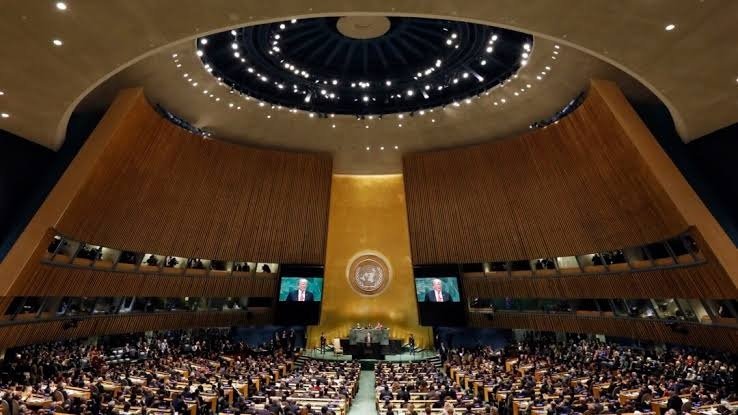
UNGA Overwhelmingly Votes to Continue Debate on Cuba Embargo

NEW YORK — The United Nations General Assembly (UNGA) voted 136-9 on Tuesday to override a United States attempt to halt discussions on the ongoing embargo against Cuba. Pakistan was among the nations advocating for the continuation of the debate, highlighting the increasing hardships faced by the Cuban population due to the decades-long sanctions. What Happened The UN General Assembly convened to address the longstanding embargo imposed by the United States on Cuba, a measure that has been in place for over six decades. In a decisive move, 136 member states voted in favor of continuing the debate, effectively rejecting the U.S. proposal to cease discussions on the matter. Nine nations sided with the U.S., while 12 abstained from the vote. Pakistan, aligning with the majority, emphasized the humanitarian impact of the embargo on the Cuban people. The Pakistani representative at the UN stated, “The embargo has not only stifled economic growth in Cuba but has also exacerbated the suffering of its citizens, particularly in the wake of global economic challenges.” The debate at the UNGA comes amid growing international calls for the lifting of the embargo, which critics argue has failed to achieve its intended political objectives while causing significant economic hardship for ordinary Cubans. The U.S., however, maintains that the embargo is a necessary tool to pressure the Cuban government on issues related to human rights and political freedoms. Background The U.S. embargo against Cuba was first imposed in 1960 following the Cuban Revolution and the nationalization of American-owned properties in Cuba. Over the years, the embargo has been strengthened through various legislative measures, including the Cuban Democracy Act of 1992 and the Helms-Burton Act of 1996. These laws aim to isolate Cuba economically until it transitions to a democratic government. Despite periodic attempts to ease restrictions, such as during the Obama administration, the core elements of the embargo remain intact. The UNGA has repeatedly called for the lifting of the embargo, with annual votes overwhelmingly in favor of ending it. However, these resolutions are non-binding and have not led to substantive policy changes by the U.S. Why It Matters The UNGA’s decision to continue the debate on the Cuban embargo underscores the growing international consensus against unilateral sanctions that disproportionately affect civilian populations. For Pakistan, supporting the debate aligns with its broader foreign policy goals of advocating for equitable international relations and humanitarian considerations. Economically, the embargo has significantly hindered Cuba’s development, limiting its access to international markets and financial systems. This has resulted in shortages of essential goods, including food and medicine, exacerbating the hardships faced by ordinary Cubans. The continuation of the debate at the UNGA keeps the issue in the international spotlight, potentially increasing pressure on the U.S. to reconsider its stance. Politically, the vote reflects a shift in global attitudes towards unilateral sanctions, with many countries advocating for multilateral approaches to conflict resolution and human rights advocacy. The debate also highlights the diplomatic isolation of the U.S. on this issue, as evidenced by the overwhelming majority against its proposal. Key Takeaways The UNGA voted 136-9 to continue discussions on the U.S. embargo against Cuba. Pakistan supported the continuation of the debate, citing humanitarian concerns. The embargo has been in place since 1960, with significant economic impacts on Cuba. The UNGA’s decision reflects a broader international consensus against unilateral sanctions. The debate maintains international pressure on the U.S. to reconsider its policy. Source Attribution This article is based on official government statements, press releases, and public communications from relevant authorities. Author: NEN Editorial Desk | Editor: NEN Newsroom | Fact Checked By: NEN Editorial Team Author: NEN Editorial Desk  |  Editor: NEN Newsroom  |  Last Updated: July 08, 2026  |  Source: NEN Reporter This article was produced by the NEN Editorial Desk in accordance with NEN Agency’s Editorial Policy and Fact-Checking Policy.
World

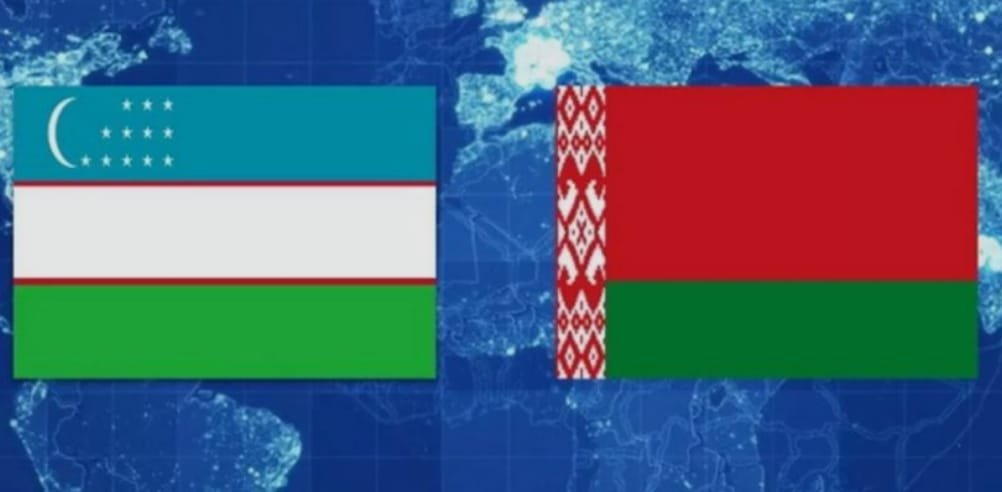
Uzbekistan And Belarus Expand Agri-Food Partnership With New Agreements

ISLAMABAD — Uzbekistan and Belarus have further solidified their economic ties by entering into new trade and investment agreements focused on agriculture. This development took place during the Belagro–2026 International Agricultural Exhibition and Fair, which was held in Minsk from June 1 to 6, 2026. The event saw the participation of an official Uzbek delegation, emphasizing both nations’ dedication to enhancing their agricultural cooperation. What Happened The Belagro–2026 International Agricultural Exhibition and Fair served as the backdrop for the latest agreements between Uzbekistan and Belarus. During the event, both countries engaged in discussions that resulted in a series of trade and investment deals aimed at boosting their agri-food sectors. These agreements are expected to facilitate the exchange of agricultural products, technology, and expertise between the two nations. The Uzbek delegation, led by high-ranking officials, met with their Belarusian counterparts to explore opportunities for collaboration in various agricultural domains. The discussions centered on enhancing the production and supply chain processes, which are crucial for meeting the increasing demand for agricultural goods in both countries. The agreements also include provisions for joint ventures and technology transfer, which are anticipated to enhance productivity and efficiency in the agri-food sector. According to a statement from the Uzbek delegation, “The partnership with Belarus is a strategic step towards achieving sustainable agricultural growth. By sharing knowledge and resources, we aim to improve our agricultural output and meet the challenges of food security.” Background Uzbekistan and Belarus have a history of cooperation in the agricultural sector, with previous agreements focusing on the exchange of agricultural machinery and technology. Both countries have recognized the importance of agriculture as a key driver of economic growth and have sought ways to leverage their respective strengths in this area. Belarus, known for its advanced agricultural machinery and expertise in dairy and meat production, has been a valuable partner for Uzbekistan, which is seeking to modernize its agricultural sector. The two countries have previously collaborated on projects aimed at improving irrigation systems and increasing crop yields. The Belagro exhibition, held annually in Belarus, is a significant event that attracts participants from various countries, providing a platform for showcasing innovations in agriculture and fostering international partnerships. Why It Matters The new trade and investment agreements between Uzbekistan and Belarus hold significant implications for both countries’ economies. For Uzbekistan, these agreements represent an opportunity to modernize its agricultural sector, which is a vital component of its economy. By accessing Belarusian technology and expertise, Uzbekistan can enhance its agricultural productivity, which is crucial for ensuring food security and supporting rural livelihoods. For Belarus, the partnership with Uzbekistan opens up new markets for its agricultural products and machinery. This is particularly important as Belarus seeks to diversify its export destinations amidst changing global trade dynamics. The collaboration also aligns with Belarus’s strategy to strengthen its ties with Central Asian countries, thereby expanding its influence in the region. On a broader scale, the agreements contribute to regional stability by fostering economic cooperation and interdependence. As both countries work together to address common challenges in agriculture, they set a precedent for other nations in the region to pursue similar partnerships. Key Takeaways Uzbekistan and Belarus have signed new trade and investment agreements focused on agriculture during the Belagro–2026 exhibition. The agreements aim to enhance agricultural productivity through technology transfer and joint ventures. Uzbekistan seeks to modernize its agricultural sector by leveraging Belarusian expertise. Belarus benefits from new markets for its agricultural products and machinery. The partnership contributes to regional stability by promoting economic cooperation. Source Attribution This article is based on official government statements, press releases, and public communications from relevant authorities. Author: NEN Editorial Desk | Editor: NEN Newsroom | Fact Checked By: NEN Editorial Team Author: NEN Editorial Desk  |  Editor: NEN Newsroom  |  Last Updated: July 08, 2026  |  Source: NEN Reporter This article was produced by the NEN Editorial Desk in accordance with NEN Agency’s Editorial Policy and Fact-Checking Policy.
World

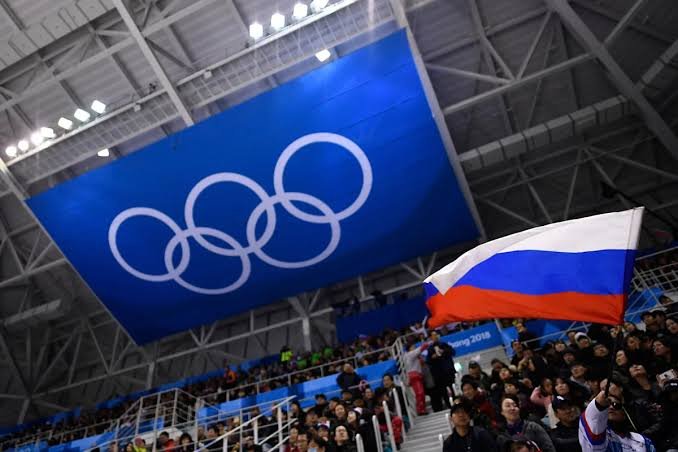
IOC Lifts Suspension on Russian Olympic Committee for LA28

LAUSANNE, Switzerland — The International Olympic Committee (IOC) Executive Board has provisionally lifted the suspension of the Russian Olympic Committee (ROC) as of October 12, 2023. This decision allows the ROC to participate in the upcoming Los Angeles 2028 Olympic Games, following a comprehensive review by the IOC’s Legal Affairs Commission. What Happened The suspension of the ROC was initially imposed due to the inclusion of regional entities from territories that the IOC did not recognize as part of Russia. However, after a detailed examination, the IOC’s Legal Affairs Commission concluded that the ROC has since complied with the necessary conditions, leading to the provisional lifting of the ban. The decision was made during a meeting of the IOC Executive Board in Lausanne, where the board members reviewed the findings of the commission. The IOC’s decision comes after months of deliberation and negotiations with the ROC. The commission’s report indicated that the ROC had made significant adjustments to its organizational structure, ensuring that it no longer included the contentious regional entities. This compliance was a critical factor in the IOC’s decision to reinstate the ROC’s Olympic status. In a statement, the IOC emphasized that the provisional lifting of the suspension is contingent upon the ROC maintaining its current compliance status. The IOC will continue to monitor the ROC’s activities closely to ensure adherence to the Olympic Charter and other relevant regulations. Background The ROC’s suspension was part of a broader set of sanctions imposed by international sports bodies in response to geopolitical tensions and disputes over territorial claims. The IOC’s decision to suspend the ROC in October 2023 was influenced by concerns over the inclusion of athletes and officials from regions not internationally recognized as part of Russia. This suspension followed a series of similar actions by other international sports federations. Historically, the IOC has taken a firm stance on issues of territorial integrity and political neutrality, often leading to suspensions or sanctions against national committees that fail to comply with these principles. The ROC’s case is one of several instances where the IOC has had to navigate complex geopolitical landscapes while maintaining the integrity of the Olympic movement. Why It Matters The provisional lifting of the ROC’s suspension is significant for several reasons. Economically, it allows Russian athletes to compete under their national flag in the Los Angeles 2028 Olympics, which can boost national morale and potentially lead to increased investment in sports infrastructure and athlete development in Russia. This decision also reflects the IOC’s willingness to engage in dialogue and negotiation to resolve complex issues, setting a precedent for future cases involving geopolitical disputes. Socially, the reinstatement of the ROC may help to mend relations between Russian athletes and the international sports community, fostering a sense of inclusion and cooperation. Politically, this move could be seen as a step towards de-escalating tensions between Russia and the international community, as sports often serve as a platform for diplomacy and cultural exchange. For the IOC, maintaining the integrity and inclusivity of the Olympic Games is paramount. The decision to reinstate the ROC underscores the organization’s commitment to these values while balancing the need to uphold international norms and regulations. Key Takeaways The IOC has provisionally lifted the suspension of the Russian Olympic Committee for the LA28 Olympics. The decision follows a thorough review by the IOC’s Legal Affairs Commission, confirming ROC’s compliance. The ROC’s suspension was initially due to the inclusion of non-recognized regional entities. This development allows Russian athletes to compete under their national flag in 2028. The decision reflects the IOC’s commitment to resolving geopolitical disputes through dialogue. Source Attribution This article is based on official statements and public communications from the International Olympic Committee. Author: NEN Editorial Desk | Editor: NEN Newsroom | Fact Checked By: NEN Editorial Team Author: NEN Editorial Desk  |  Editor: NEN Newsroom  |  Last Updated: July 07, 2026  |  Source: NEN Reporter This article was produced by the NEN Editorial Desk in accordance with NEN Agency’s Editorial Policy and Fact-Checking Policy.
World

Pakistan’s Exchange Rates Bulletin Released for July 2026

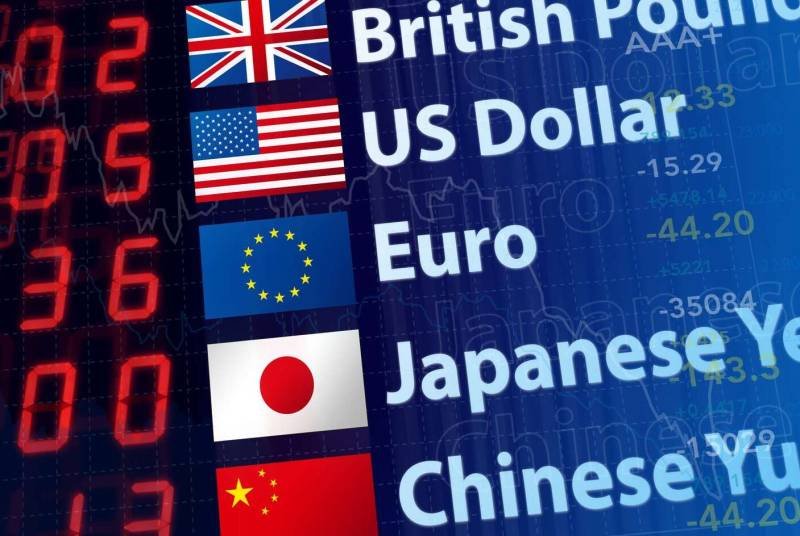
KARACHI — The Financial Markets Association of Pakistan (FMAP) has issued the latest foreign exchange rates bulletin for July 7, 2026. This bulletin, released on Tuesday, provides the conversion rates for various foreign currencies against the Pakistani Rupee (PKR) for forward cover and deposits, excluding FE-25 deposits. The State Bank of Pakistan (SBP) has set the settlement value date for July 9, 2026. What Happened The FMAP’s Exchange Rates Committee announced the conversion rates applicable for July 7, 2026, giving a detailed account of the rates for major currencies including the US Dollar (USD), British Pound (GBP), Euro (EUR), and others. According to the bulletin, the USD was valued at 278.0761 PKR for forward cover. The exchange rates are crucial for businesses and financial institutions as they determine the cost of foreign currency transactions and influence import and export pricing. The bulletin is part of a routine update issued by FMAP, which plays a significant role in Pakistan’s financial landscape by providing transparency and consistency in exchange rate determinations. The rates are determined based on various factors, including market demand and supply, international currency trends, and economic indicators. These rates are particularly important for importers and exporters who rely on forward cover to hedge against currency risk. By locking in a specific exchange rate for future transactions, businesses can protect themselves from adverse currency fluctuations. Background Exchange rates in Pakistan are influenced by several factors, including the country’s balance of payments, inflation rates, and monetary policy. Historically, the Pakistani Rupee has experienced volatility due to economic challenges and external pressures such as fluctuating oil prices and geopolitical tensions. The SBP plays a pivotal role in managing the country’s foreign exchange reserves and ensuring stability in the exchange rate market. Through various policy measures, including interest rate adjustments and market interventions, the SBP aims to maintain a stable exchange rate environment that supports economic growth. In recent years, Pakistan has faced challenges in maintaining a stable exchange rate due to external debt obligations and trade imbalances. The government has been working on various reforms to improve economic stability, including measures to boost exports and attract foreign investment. Why It Matters The release of the exchange rates bulletin is a critical event for Pakistan’s economy, affecting a wide range of stakeholders. For businesses engaged in international trade, these rates determine the cost of importing goods and the revenue from exports. A stable and predictable exchange rate is essential for planning and budgeting, allowing businesses to make informed decisions about pricing and investment. For the general public, exchange rates impact the cost of living, particularly for imported goods and services. Fluctuations in the exchange rate can lead to changes in the prices of essential commodities, affecting household budgets and purchasing power. On a broader scale, exchange rates are a reflection of the country’s economic health. A stable exchange rate can boost investor confidence, attract foreign investment, and contribute to economic growth. Conversely, a volatile exchange rate can deter investment and create uncertainty in the market. Internationally, Pakistan’s exchange rates are closely monitored by investors and financial institutions, as they provide insights into the country’s economic stability and potential risks. The rates also play a role in determining the competitiveness of Pakistan’s exports in the global market. Key Takeaways The FMAP issued the latest foreign exchange rates bulletin for July 7, 2026. The USD was valued at 278.0761 PKR for forward cover. Exchange rates are crucial for businesses, affecting import and export pricing. The SBP manages exchange rate stability through policy measures. Exchange rates impact the cost of living and economic growth in Pakistan. Source Attribution This article is based on official government statements, press releases, and public communications from relevant authorities. Author: NEN Editorial Desk | Editor: NEN Newsroom | Fact Checked By: NEN Editorial Team Author: NEN Editorial Desk  |  Editor: NEN Newsroom  |  Last Updated: July 07, 2026  |  Source: NEN Reporter This article was produced by the NEN Editorial Desk in accordance with NEN Agency’s Editorial Policy and Fact-Checking Policy.
World

Hashoo Foundation and UNDP Conclude Training on Peace and Environmental Justice in Swat

PESHAWAR — The Hashoo Foundation, in collaboration with the United Nations Development Programme (UNDP), has successfully completed a five-day training programme in Swat aimed at promoting peace and environmental justice. The initiative, titled ‘Empowering Women for Peace and Environmental Justice in Swat,’ concluded on July 7, 2023, and focused on Social Action Projects (SAPs) and Insider Mediation. What Happened The training programme, held in Swat, brought together a diverse group of participants, including environmental human rights activists, community leaders, and local women. The event aimed to equip attendees with the skills necessary to implement Social Action Projects and engage in insider mediation, thereby fostering peace and environmental justice in the region. According to the Hashoo Foundation, the training included interactive sessions, workshops, and practical exercises designed to enhance the participants’ understanding of conflict resolution and environmental issues. The programme emphasized the role of women in peacebuilding and environmental advocacy, encouraging them to take active roles in their communities. A spokesperson for the UNDP highlighted the importance of such initiatives in regions like Swat, which have experienced conflict and environmental challenges. “Empowering local communities, especially women, to take charge of their environment and resolve conflicts peacefully is crucial for sustainable development,” the spokesperson stated. Participants expressed their appreciation for the training, noting that it provided them with valuable insights and tools to address local issues. One participant remarked, “This training has opened my eyes to the ways we can contribute to peace and environmental conservation in our own communities.” Background Swat, a picturesque valley in the Khyber Pakhtunkhwa province of Pakistan, has a history of conflict and environmental degradation. The region has faced challenges such as deforestation, water scarcity, and pollution, exacerbated by past conflicts and socio-political instability. Efforts to restore peace and address environmental issues have been ongoing, with various organizations working to empower local communities. The Hashoo Foundation, a prominent non-profit organization in Pakistan, has been actively involved in community development projects across the country. Partnering with international organizations like the UNDP, the foundation aims to create sustainable solutions to social and environmental challenges. Why It Matters The successful completion of this training programme is significant for several reasons. Firstly, it highlights the importance of empowering women in regions affected by conflict and environmental issues. By equipping women with the skills to lead Social Action Projects and engage in mediation, the programme fosters a more inclusive approach to peacebuilding and environmental advocacy. Economically, empowering women and local communities can lead to more sustainable development. When communities are actively involved in resolving their own issues, they are more likely to develop solutions that are culturally appropriate and sustainable in the long term. This approach not only addresses immediate challenges but also contributes to the broader goal of sustainable development in Pakistan. Politically, initiatives like this training programme can strengthen social cohesion and stability in regions like Swat. By promoting dialogue and understanding among diverse community members, the programme helps to reduce tensions and build trust, which are essential for lasting peace. On an international level, the collaboration between the Hashoo Foundation and the UNDP underscores the importance of global partnerships in addressing local issues. Such collaborations bring together resources, expertise, and networks that can enhance the effectiveness of development projects. Key Takeaways The Hashoo Foundation and UNDP completed a five-day training programme in Swat focused on peace and environmental justice. The initiative aimed to empower women and local communities through Social Action Projects and insider mediation. Participants gained valuable skills in conflict resolution and environmental advocacy. The programme contributes to sustainable development and social cohesion in the region. International partnerships play a crucial role in addressing local challenges effectively. Source Attribution This article is based on official government statements, press releases, and public communications from relevant authorities. Author: NEN Editorial Desk | Editor: NEN Newsroom | Fact Checked By: NEN Editorial Team Author: NEN Editorial Desk  |  Editor: NEN Newsroom  |  Last Updated: July 07, 2026  |  Source: NEN Reporter This article was produced by the NEN Editorial Desk in accordance with NEN Agency’s Editorial Policy and Fact-Checking Policy.
World

Deputy Prime Minister Reviews Preparations for High-Level Global Events

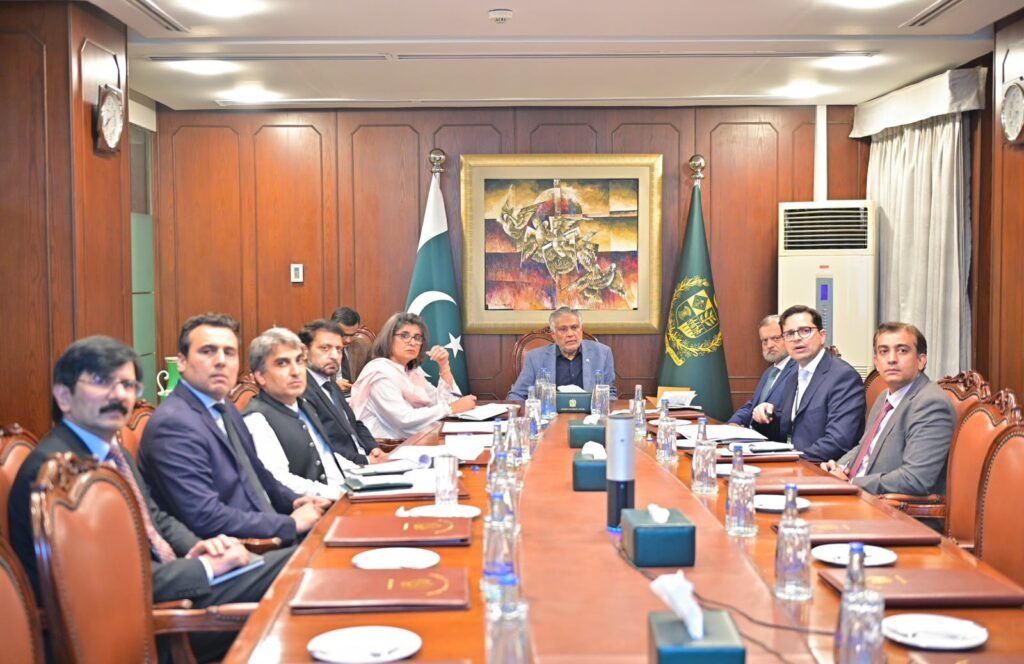
ISLAMABAD — Deputy Prime Minister and Foreign Minister Senator Mohammad Ishaq Dar chaired a meeting on Tuesday to assess Pakistan’s readiness for a series of upcoming high-level international engagements. The session focused on evaluating the country’s ongoing participation in various multilateral initiatives. What Happened During the meeting held in Islamabad, Deputy Prime Minister Mohammad Ishaq Dar was briefed on the current status of preparations for several significant global events in which Pakistan is set to participate. The discussions centered around ensuring that Pakistan is well-prepared to engage effectively in these multilateral forums. The deputy prime minister emphasized Pakistan’s steadfast commitment to multilateralism and instructed relevant departments to ensure thorough preparation for these engagements. According to official statements, the meeting reviewed logistical arrangements, agenda setting, and strategic objectives that Pakistan aims to achieve through its participation. The deputy prime minister highlighted the importance of these events in promoting Pakistan’s foreign policy objectives and enhancing its international standing. He also stressed the need for coordinated efforts across various government departments to present a unified and effective representation of Pakistan’s interests. Specific details about the events were not disclosed, but officials indicated that they include a mix of economic, environmental, and diplomatic forums. The deputy prime minister’s office confirmed that these events offer Pakistan opportunities to engage with international partners on critical global issues such as climate change, economic cooperation, and regional security. Background Pakistan has a history of active participation in multilateral forums, reflecting its strategic interest in global diplomacy and international cooperation. The country is a member of several international organizations, including the United Nations, the Organization of Islamic Cooperation, and the South Asian Association for Regional Cooperation. These platforms allow Pakistan to advocate for its national interests and collaborate on shared challenges with other nations. Historically, Pakistan’s engagement in multilateral initiatives has focused on economic development, peacekeeping, and advocating for the rights of developing countries. The current government’s foreign policy emphasizes strengthening ties with regional and global partners through proactive participation in international dialogues and initiatives. Why It Matters The preparations for these high-level events are crucial for Pakistan as they align with the country’s strategic goals of enhancing its diplomatic presence and influence on the global stage. Participation in multilateral forums provides Pakistan with opportunities to voice its perspectives on key issues, forge alliances, and attract foreign investment. Economically, these events are significant as they enable Pakistan to engage with international financial institutions and donor agencies, potentially securing economic support and investment. This is particularly important given Pakistan’s ongoing efforts to stabilize its economy and attract foreign direct investment to boost growth. On the social and environmental fronts, Pakistan’s active participation in global discussions on climate change and sustainable development underscores its commitment to addressing these pressing challenges. By engaging in these dialogues, Pakistan can contribute to shaping international policies that align with its national priorities and benefit its citizens. Politically, these events offer a platform for Pakistan to strengthen its bilateral relations and engage in dialogue with key global players. This is crucial for maintaining regional stability and addressing security concerns, particularly in the context of evolving geopolitical dynamics in South Asia. Key Takeaways Deputy Prime Minister Mohammad Ishaq Dar chaired a meeting to review Pakistan’s preparations for upcoming international events. The meeting focused on ensuring effective participation in multilateral forums to advance Pakistan’s foreign policy objectives. Pakistan aims to leverage these events to enhance its diplomatic presence, economic cooperation, and address global challenges. Participation in these forums is aligned with Pakistan’s strategic goals of economic growth, environmental sustainability, and regional stability. The events provide opportunities for Pakistan to engage with international partners and advocate for its national interests. Source Attribution This article is based on official government statements and public communications from relevant authorities. Author: NEN Editorial Desk | Editor: NEN Newsroom | Fact Checked By: NEN Editorial Team Author: NEN Editorial Desk  |  Editor: NEN Newsroom  |  Last Updated: July 07, 2026  |  Source: Press Release from Government of Pakistan This article was produced by the NEN Editorial Desk in accordance with NEN Agency’s Editorial Policy and Fact-Checking Policy.

World

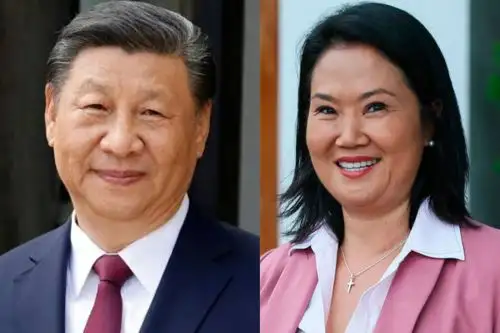
Xi Jinping Congratulates Keiko Fujimori on Peru’s Presidential Election Win

BEIJING — Chinese President Xi Jinping extended his congratulations to Keiko Fujimori on her recent election as the President of Peru. The announcement was made on Monday, marking a significant diplomatic gesture as Peru and China celebrate 55 years of diplomatic relations. Xi emphasized the strong partnership between the two nations and expressed his commitment to further enhancing bilateral ties. What Happened On Monday, Chinese President Xi Jinping officially congratulated Keiko Fujimori on her victory in the Peruvian presidential election. Xi highlighted the robust relationship between China and Peru, noting that the two countries are comprehensive strategic partners. This partnership has been characterized by frequent high-level exchanges and substantial cooperation in various fields, leading to significant achievements. Xi stated, “The relations between the two countries maintain good momentum for development.” He acknowledged the deep public support for the friendship between the peoples of China and Peru. Xi also expressed his readiness to work closely with President-elect Fujimori to advance the traditional friendship and elevate the comprehensive strategic partnership to new heights, aiming to benefit both nations. In addition to Xi’s message, Chinese Vice President Han Zheng also sent a congratulatory note to Luis Fernando Galarreta Velarde, the first vice president-elect of Peru. These gestures underscore China’s commitment to strengthening its diplomatic and economic ties with Peru. Background The diplomatic relationship between China and Peru dates back to 1971, marking a significant milestone with the establishment of formal diplomatic ties. Over the years, the relationship has evolved into a comprehensive strategic partnership, characterized by extensive economic and cultural exchanges. China is one of Peru’s largest trading partners, with significant investments in mining, infrastructure, and other sectors. Keiko Fujimori, the daughter of former Peruvian President Alberto Fujimori, has been a prominent political figure in Peru. Her election marks a continuation of the Fujimori political legacy in the country. The election was closely watched, given the historical and economic significance of Peru in the Latin American region. Why It Matters The congratulatory messages from Chinese leaders to Peru’s newly elected officials highlight the importance of the China-Peru relationship on both economic and geopolitical fronts. As Peru is a key player in Latin America, its partnership with China is crucial for regional stability and economic growth. China’s investments in Peru have been pivotal in sectors such as mining, which is a cornerstone of the Peruvian economy. For China, maintaining strong ties with Peru aligns with its broader strategy of expanding influence in Latin America. This region is increasingly seen as a vital area for China’s Belt and Road Initiative, which aims to enhance global trade routes and infrastructure projects. Strengthening ties with Peru could potentially open new avenues for Chinese companies and contribute to the economic development of both nations. Moreover, the emphasis on people-to-people exchanges and cultural ties reflects a soft power strategy that China employs to foster goodwill and mutual understanding. As both countries celebrate 55 years of diplomatic relations, the focus on cultural and educational exchanges could lead to deeper bilateral cooperation in various non-economic areas. Key Takeaways Chinese President Xi Jinping congratulated Keiko Fujimori on her election as Peru’s president, emphasizing the strong bilateral ties. China and Peru are celebrating 55 years of diplomatic relations, marked by significant economic and cultural exchanges. China is one of Peru’s largest trading partners, with substantial investments in key sectors such as mining and infrastructure. The congratulatory messages underscore China’s strategic interest in strengthening its influence in Latin America. People-to-people exchanges and cultural ties are highlighted as areas for further cooperation between the two nations. Source Attribution This article is based on official government statements, press releases, and public communications from relevant authorities. Author: NEN Editorial Desk | Editor: NEN Newsroom | Fact Checked By: NEN Editorial Team Author: NEN Editorial Desk  |  Editor: NEN Newsroom  |  Last Updated: July 07, 2026  |  Source: Press Release from Government of Pakistan This article was produced by the NEN Editorial Desk in accordance with NEN Agency’s Editorial Policy and Fact-Checking Policy.

World

Palestinian Infant Dies After Delayed Access to Medical Care in West Bank

RAMALLAH — A four-month-old Palestinian infant tragically passed away after Israeli forces allegedly delayed his family’s access to urgent medical care in the occupied West Bank. The incident occurred as the family attempted to reach a hospital located west of Ramallah, according to a Palestinian official on Monday. What Happened The infant, whose identity has not been disclosed, was reportedly in critical need of medical attention when his family encountered an Israeli checkpoint. The family was held up for over an hour, during which time the child’s condition deteriorated. Despite their pleas for expedited passage, the delay proved fatal, as reported by Palestinian officials. According to the family, they were en route to a hospital when they were stopped at a checkpoint controlled by Israeli forces. The delay in reaching medical facilities has sparked outrage among Palestinian communities and human rights organizations, who have long criticized the restrictions on movement imposed by Israel in the West Bank. A spokesperson for the Palestinian Ministry of Health stated, “This tragic incident underscores the severe impact of movement restrictions on the health and well-being of Palestinians.” The Israeli military has not yet commented on the specific incident but has previously stated that security measures are necessary to prevent potential threats. Background The West Bank, a territory occupied by Israel since 1967, has been a focal point of the Israeli-Palestinian conflict. The region is dotted with numerous Israeli checkpoints, which Palestinians argue severely restrict their freedom of movement. These checkpoints are part of a broader security apparatus that Israel maintains, citing concerns over potential attacks. Medical emergencies in the West Bank often bring to light the humanitarian challenges faced by Palestinians living under occupation. International human rights organizations have documented numerous cases where delays at checkpoints have resulted in critical health outcomes, including fatalities. In 2004, the International Court of Justice issued an advisory opinion stating that the construction of the Israeli barrier in the West Bank and the associated regime of movement restrictions were contrary to international law. Despite this, the situation on the ground remains largely unchanged, with checkpoints continuing to operate across the territory. Why It Matters The death of the Palestinian infant has reignited debates over the humanitarian impact of Israeli security measures in the West Bank. For Palestinians, these measures are seen as a daily reality that infringes upon their basic rights, including the right to health care. The incident highlights the broader issue of access to medical services in conflict zones, where political and security considerations often overshadow humanitarian needs. Economically, the restrictions on movement have significant implications for the Palestinian economy, affecting everything from trade to employment. Socially, the constant threat of delays and the potential for violence at checkpoints contribute to a climate of fear and anxiety among Palestinian communities. Internationally, the incident may draw renewed attention to the Israeli-Palestinian conflict, with potential diplomatic repercussions. Countries and organizations advocating for human rights may use this incident to pressure Israel to reconsider its policies in the West Bank, though such efforts have historically faced significant political challenges. Key Takeaways A four-month-old Palestinian infant died after a delay at an Israeli checkpoint in the West Bank. The incident has sparked outrage and highlighted the impact of movement restrictions on health care access. Checkpoints are part of Israel’s broader security measures, which are often criticized for infringing on Palestinian rights. The situation underscores the ongoing humanitarian challenges in the Israeli-Palestinian conflict. International attention may increase, potentially affecting diplomatic relations and policy discussions. Source Attribution This article is based on official statements from Palestinian authorities and public communications from relevant organizations. Author: NEN Editorial Desk | Editor: NEN Newsroom | Fact Checked By: NEN Editorial Team Author: NEN Editorial Desk  |  Editor: NEN Newsroom  |  Last Updated: July 07, 2026  |  Source: NEN Reporter This article was produced by the NEN Editorial Desk in accordance with NEN Agency’s Editorial Policy and Fact-Checking Policy.

Scroll to Top