
World

Welcome to the World section of NEN Agency, your window to the stories shaping our planet. From global politics and economic shifts to science breakthroughs, cultural moments, and humanitarian crises, we connect you to events that matter — wherever they happen.

Inside This Category

  • Global Politics & Diplomacy: International relations, summits, and policy shifts.

  • World Economy & Trade: Market trends, trade agreements, and financial developments.

  • Conflicts & Security: Coverage of wars, peace efforts, and security challenges.

  • Science & Environment: Climate change, technological advances, and space exploration.

  • Culture & Society: Arts, sports, and lifestyle stories from around the globe.

Why Our World Coverage Stands Out
We deliver global news with context, helping readers see how events beyond borders influence life in Pakistan and the wider region.

World

Pakistan Football Federation Unveils FIFA Forward Mini-Pitches, New Professional League

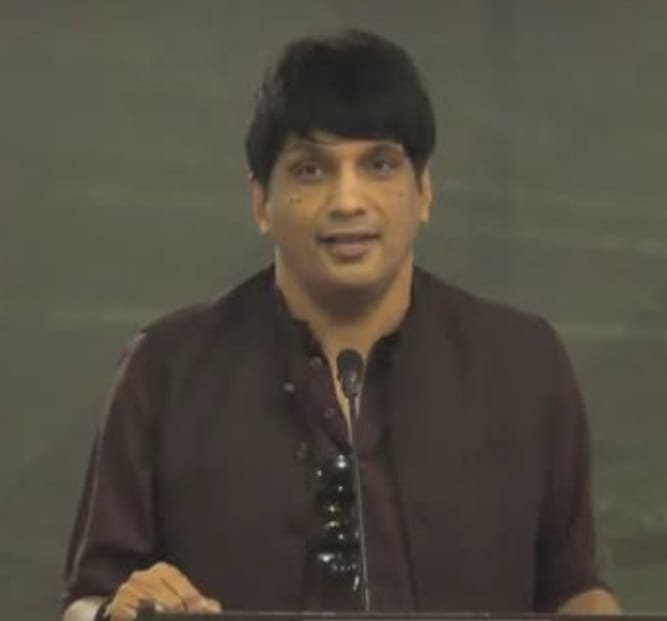
ISLAMABAD — Pakistan’s football landscape is set for a transformative shift as the Pakistan Football Federation (PFF) announces plans for FIFA Forward mini-pitches and the launch of the first-ever eight-franchise professional league. The initiative aims to elevate the sport’s profile in a nation traditionally dominated by cricket. What Happened Under the leadership of PFF President Syed Mohsin Gillani, Pakistan’s football scene is experiencing unprecedented growth. Gillani, who has established strong ties with FIFA and the Asian Football Confederation (AFC), has leveraged these relationships to bring international attention and resources to Pakistan’s football community. This strategic diplomacy has resulted in significant achievements for the national teams across various formats. Pakistan’s national teams have recently achieved milestones that were once considered unattainable. The men’s national team qualified for the second round of the FIFA World Cup 2026 Qualifiers for the first time, while the women’s team made a notable leap in global rankings during the FIFA Series 2026. At the youth level, the U-19 and U-16 teams have celebrated victories in AFC and SAFF tournaments, and the national futsal team has debuted in international competitions in Riyadh and Thailand. In addition to these achievements, PFF’s collaboration with international football bodies has led to the restoration of frozen bank accounts, ensuring financial transparency and operational autonomy. This has been instrumental in blocking third-party interference in football affairs, allowing the federation to focus on player development and infrastructure improvement. Background Football in Pakistan has long been overshadowed by cricket, facing challenges such as isolation, inadequate resources, and administrative hurdles. However, under Mohsin Gillani’s leadership, the PFF has made significant strides in overcoming these obstacles. His efforts to align the PFF constitution with FIFA statutes and secure strategic partnerships with countries like Argentina, Japan, Saudi Arabia, and China have been pivotal in modernizing the sport in Pakistan. The introduction of FIFA Forward mini-pitches and the establishment of a professional league are part of a broader strategy to enhance the sport’s infrastructure and provide players with opportunities to hone their skills. These initiatives are complemented by the ‘Football for Schools’ program, which aims to distribute over 150,000 footballs nationwide and equip school teachers with professional coaching skills. Why It Matters The development of football in Pakistan holds significant implications for the country’s sports culture and international standing. By diversifying its sports portfolio, Pakistan can foster a more inclusive environment for athletes and fans alike. The introduction of a professional league will not only provide a platform for local talent to showcase their skills but also attract international attention and investment. Economically, the growth of football can create new job opportunities, stimulate local economies, and contribute to the country’s GDP. Socially, it can encourage youth participation in sports, promoting a healthier lifestyle and reducing the allure of negative influences. On an international level, Pakistan’s active participation in global football events can enhance its diplomatic relations and cultural exchange with other nations. This can lead to further collaborations and partnerships, benefiting various sectors beyond sports. Key Takeaways The PFF has announced plans for FIFA Forward mini-pitches and an eight-franchise professional league. Under President Mohsin Gillani, Pakistan’s football teams have achieved historic milestones on the international stage. Strategic partnerships with countries like Argentina, Japan, Saudi Arabia, and China are enhancing player development. The ‘Football for Schools’ program aims to distribute over 150,000 footballs nationwide. These initiatives are expected to boost Pakistan’s sports culture, economy, and international relations. Source Attribution This article is based on official government statements, press releases, and public communications from relevant authorities. Author: NEN Editorial Desk | Editor: NEN Newsroom | Fact Checked By: NEN Editorial Team Author: NEN Editorial Desk  |  Editor: NEN Newsroom  |  Last Updated: July 10, 2026  |  Source: Press Release from Government of Pakistan This article was produced by the NEN Editorial Desk in accordance with NEN Agency’s Editorial Policy and Fact-Checking Policy.
World

President Zardari Concludes Official Visit to Kyrgyz Republic

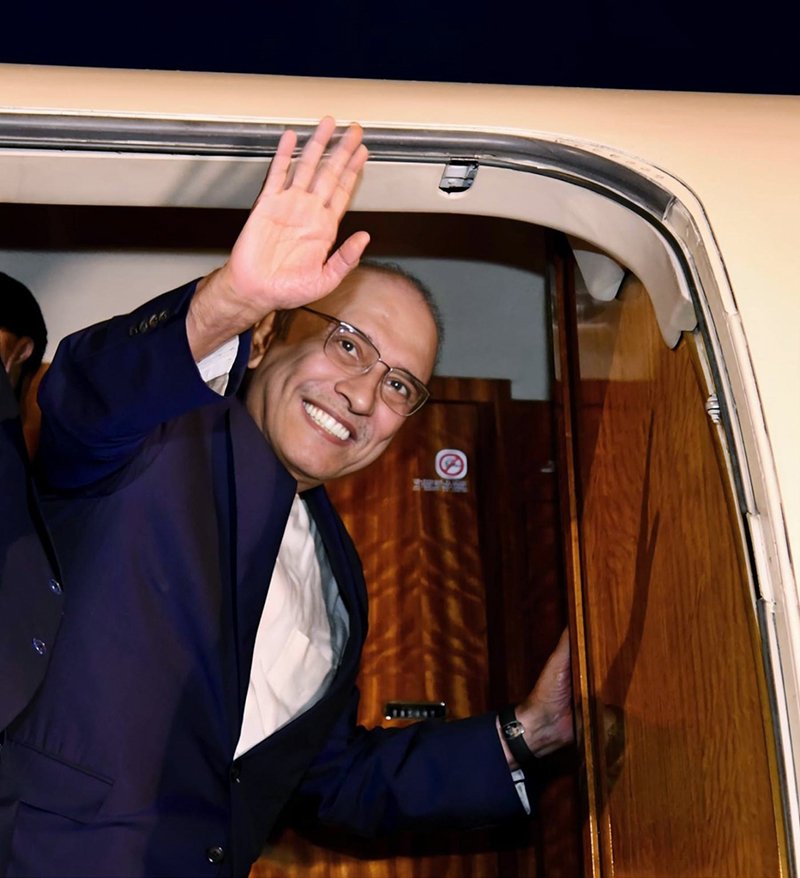
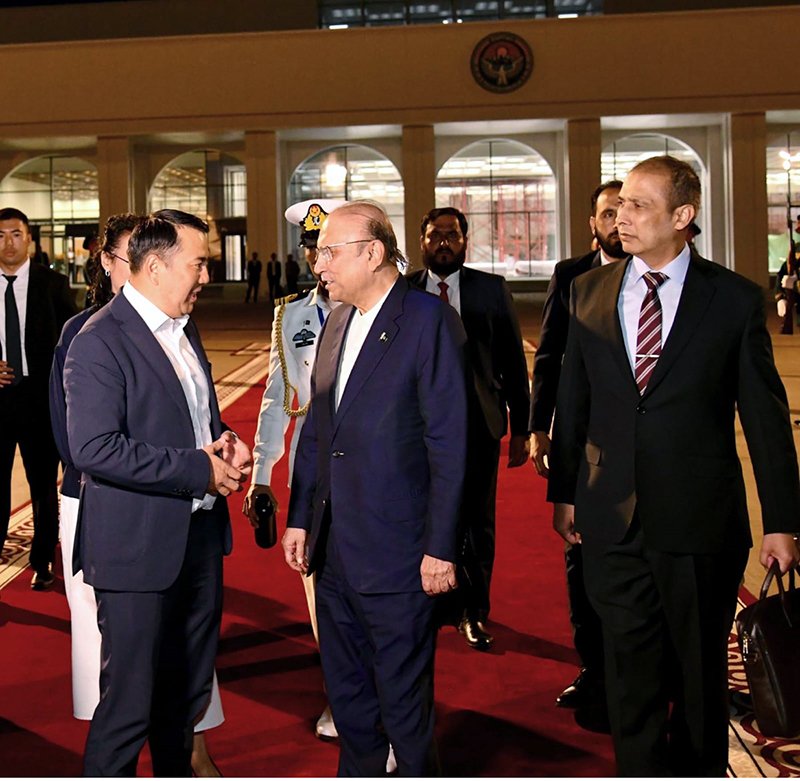
BISHKEK, KYRGYZSTAN — President Asif Ali Zardari has departed from Manas International Airport for Pakistan after concluding his official visit to the Kyrgyz Republic. The President was seen off by Marlen Mamataliyev, Speaker of the Kyrgyz Parliament, marking the end of a diplomatic engagement aimed at strengthening bilateral ties between the two nations. What Happened President Asif Ali Zardari’s visit to the Kyrgyz Republic was part of a broader initiative to enhance diplomatic and economic relations with Central Asian countries. During his stay, President Zardari engaged in high-level discussions with Kyrgyz officials, focusing on mutual cooperation in areas such as trade, energy, and regional security. The visit underscored Pakistan’s commitment to fostering stronger ties with its Central Asian neighbors. President Zardari’s itinerary included meetings with key Kyrgyz leaders, including President Sadyr Japarov. The discussions covered a wide range of topics, with particular emphasis on enhancing trade links and exploring opportunities for collaboration in the energy sector. The leaders also deliberated on regional security issues, highlighting the importance of joint efforts in combating terrorism and ensuring stability in the region. At the conclusion of his visit, President Zardari expressed optimism about the future of Pakistan-Kyrgyz relations, stating, “Our discussions have laid the groundwork for a more robust partnership that will benefit both our countries economically and politically.” The visit was characterized by a series of agreements aimed at facilitating trade and investment, as well as initiatives to promote cultural exchanges. Background The relationship between Pakistan and the Kyrgyz Republic has been evolving since the latter’s independence from the Soviet Union in 1991. Both countries are members of the Shanghai Cooperation Organization (SCO) and have a history of cooperation in various multilateral forums. The recent visit by President Zardari is part of Pakistan’s ongoing efforts to strengthen its ties with Central Asian states, which are considered strategically important due to their geographic location and natural resources. Historically, Pakistan has sought to establish itself as a key player in the region, leveraging its position as a bridge between South and Central Asia. The country’s foreign policy has consistently emphasized the importance of regional cooperation and connectivity, particularly in the context of trade and energy transit routes. Why It Matters The visit by President Zardari holds significant implications for both Pakistan and the Kyrgyz Republic. Economically, the strengthening of ties could lead to increased trade and investment opportunities, providing a boost to both economies. The potential for collaboration in the energy sector is particularly noteworthy, as both countries seek to diversify their energy sources and improve energy security. Politically, the visit reinforces Pakistan’s commitment to regional stability and cooperation. By engaging with Central Asian nations, Pakistan aims to play a more active role in regional security dynamics, particularly in the context of counter-terrorism efforts. The discussions on regional security during President Zardari’s visit highlight the shared concerns of both countries regarding the threat of extremism and the need for coordinated action. Internationally, the visit signals Pakistan’s intent to strengthen its diplomatic presence in Central Asia, a region that is increasingly attracting global attention due to its strategic significance and resource potential. By fostering closer ties with Kyrgyzstan, Pakistan positions itself as a key partner in the region’s development, potentially opening doors for further cooperation with other Central Asian states. Key Takeaways President Zardari concluded an official visit to the Kyrgyz Republic, focusing on trade, energy, and security cooperation. The visit included high-level discussions with Kyrgyz leaders, resulting in agreements to enhance bilateral relations. Strengthening ties with Kyrgyzstan is part of Pakistan’s broader strategy to engage with Central Asian countries. The visit underscores Pakistan’s commitment to regional stability and economic cooperation. Enhanced relations with Kyrgyzstan could lead to increased trade and investment opportunities for both nations. Source Attribution This article is based on official government statements, press releases, and public communications from relevant authorities. Author: NEN Editorial Desk | Editor: NEN Newsroom | Fact Checked By: NEN Editorial Team Author: NEN Editorial Desk  |  Editor: NEN Newsroom  |  Last Updated: July 10, 2026  |  Source: Press Release from Government of Pakistan This article was produced by the NEN Editorial Desk in accordance with NEN Agency’s Editorial Policy and Fact-Checking Policy.
World

Ahsan Iqbal Urges US-Based Pakistanis to Support AI and Export Growth

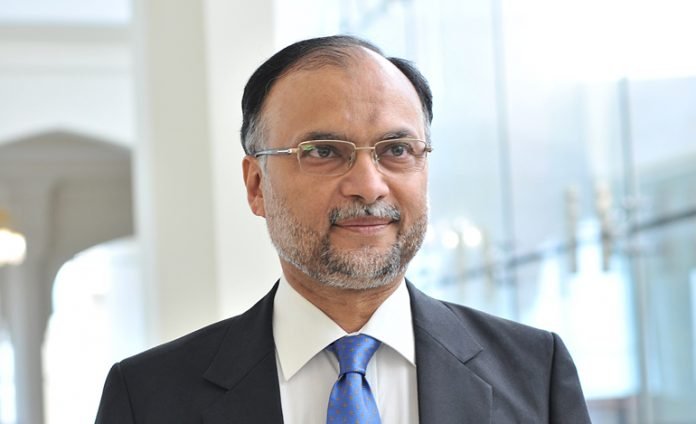
ISLAMABAD — Federal Minister for Planning, Development and Special Initiatives, Professor Ahsan Iqbal, has called on the Pakistani diaspora in the United States to set aside political differences and unite under the “Pakistan First” initiative. The minister emphasized the importance of supporting Pakistan’s economic growth through innovation, technology, and exports during a recent address. What Happened On Thursday, Professor Ahsan Iqbal addressed members of the Pakistani community in the United States, urging them to rally behind efforts to transform Pakistan’s economy. He highlighted the critical role that technology and innovation, particularly in artificial intelligence (AI), can play in driving export-led growth. Iqbal stressed the need for the diaspora to contribute to these sectors, which he believes are pivotal for Pakistan’s future economic stability and prosperity. “We must rise above political differences and unite for the economic transformation of Pakistan,” Iqbal stated. He urged the diaspora to leverage their skills, networks, and resources to foster an environment conducive to technological advancement and export expansion. The minister’s call to action is part of a broader strategy to engage overseas Pakistanis in national development initiatives. Iqbal’s appeal comes at a time when Pakistan is seeking to enhance its global competitiveness by integrating cutting-edge technologies into its economic framework. He pointed out that the diaspora’s involvement is crucial in achieving the government’s vision of a technologically advanced and export-oriented economy. Background Historically, the Pakistani diaspora has played a significant role in the country’s economic development through remittances and investments. The government has often sought to engage overseas Pakistanis in various initiatives aimed at boosting economic growth and development. In recent years, there has been a concerted effort to tap into the expertise and resources of the diaspora to support sectors such as technology, innovation, and exports. Pakistan’s economy has faced numerous challenges, including a trade deficit and reliance on traditional industries. The government has recognized the need to diversify the economy by promoting sectors that can drive sustainable growth. The focus on AI and innovation aligns with global trends, as countries worldwide are investing heavily in these areas to enhance productivity and competitiveness. Why It Matters The involvement of the Pakistani diaspora in AI and export-led growth is of significant importance for several reasons. Economically, it can help bridge the technology gap and bring in much-needed expertise and investment. The diaspora’s participation can accelerate the adoption of AI technologies, which are essential for modernizing industries and improving efficiency. Socially, engaging the diaspora fosters a sense of national unity and pride, encouraging overseas Pakistanis to contribute to their homeland’s development. Politically, it demonstrates a commitment to inclusive growth by involving all stakeholders in national progress, regardless of political affiliations. Internationally, a focus on AI and innovation can enhance Pakistan’s standing as a competitive player in the global market. By prioritizing these sectors, Pakistan can attract foreign investment, create jobs, and improve its trade balance. The government’s outreach to the diaspora is a strategic move to harness the potential of overseas Pakistanis in achieving these goals. Key Takeaways Federal Minister Ahsan Iqbal calls on the US-based Pakistani diaspora to support economic growth through AI and exports. The initiative aims to unite overseas Pakistanis under the “Pakistan First” banner, transcending political differences. The government’s strategy focuses on leveraging technology and innovation to enhance global competitiveness. The diaspora’s involvement is crucial for bridging the technology gap and fostering economic stability. Engaging overseas Pakistanis can boost national unity and contribute to Pakistan’s international economic standing. Source Attribution This article is based on official government statements, press releases, and public communications from relevant authorities. Author: NEN Editorial Desk | Editor: NEN Newsroom | Fact Checked By: NEN Editorial Team Author: NEN Editorial Desk  |  Editor: NEN Newsroom  |  Last Updated: July 09, 2026  |  Source: NEN Reporter This article was produced by the NEN Editorial Desk in accordance with NEN Agency’s Editorial Policy and Fact-Checking Policy.
World

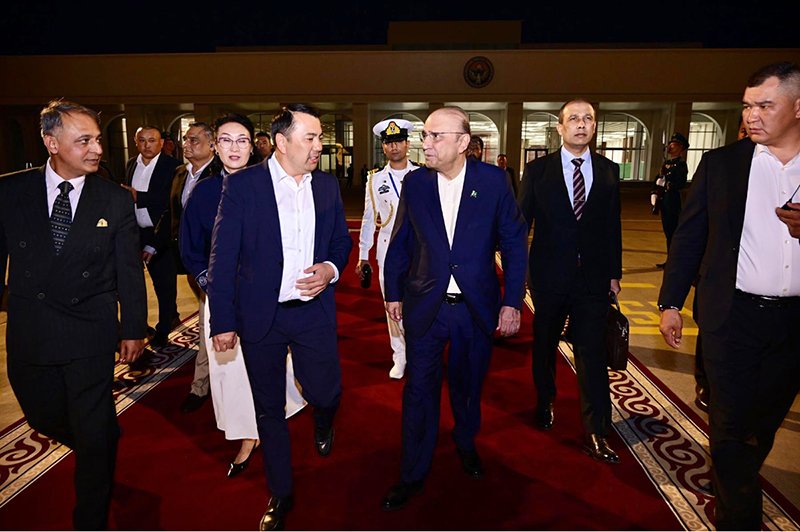
President Zardari Returns to Pakistan After Kyrgyz Republic Visit

ISLAMABAD — President Asif Ali Zardari departed from Manas International Airport on Tuesday, concluding his official visit to the Kyrgyz Republic. Marlen Mamataliyev, Speaker of the Kyrgyz Parliament, was present to see off the President as he embarked on his journey back to Pakistan. What Happened President Asif Ali Zardari’s visit to the Kyrgyz Republic marked a significant diplomatic engagement aimed at enhancing bilateral relations between the two countries. During his stay, President Zardari held discussions with Kyrgyz officials on various matters of mutual interest, including trade, energy cooperation, and regional security. The visit included meetings with Kyrgyz President Sadyr Japarov and other key government officials. According to official sources, the discussions were fruitful, with both sides expressing a strong commitment to strengthening ties. President Zardari emphasized the importance of regional collaboration, particularly in the fields of trade and energy. He highlighted Pakistan’s interest in participating in regional energy projects, which could benefit both nations economically. One of the key outcomes of the visit was an agreement to enhance trade relations. The two countries agreed to explore opportunities for increasing bilateral trade volume, which currently stands at a modest level. President Zardari also invited Kyrgyz businesses to invest in Pakistan, offering incentives and assurances of a conducive business environment. Security cooperation was another critical topic during the discussions. Both countries face common security challenges, and President Zardari reiterated Pakistan’s commitment to working closely with Kyrgyzstan to address these issues. The leaders agreed to enhance intelligence sharing and collaborate on counter-terrorism efforts. Background Pakistan and the Kyrgyz Republic have maintained diplomatic relations since the early 1990s, following the dissolution of the Soviet Union. Over the years, both countries have sought to strengthen their ties through various bilateral agreements and high-level visits. The relationship is primarily driven by shared interests in regional stability and economic development. The Kyrgyz Republic, a landlocked country in Central Asia, has been a focus of Pakistan’s foreign policy due to its strategic location and potential for economic cooperation. In recent years, both nations have participated in regional forums such as the Shanghai Cooperation Organization (SCO) to address common challenges and explore collaborative opportunities. Why It Matters The visit of President Zardari to the Kyrgyz Republic holds significant implications for Pakistan’s foreign policy and regional diplomacy. Strengthening ties with Central Asian countries like Kyrgyzstan is crucial for Pakistan’s strategic interests, particularly in terms of energy security and trade diversification. Central Asia is rich in natural resources, and Pakistan’s engagement with the region can help address its energy needs. By participating in regional energy projects, Pakistan can secure alternative energy sources, reducing its reliance on traditional suppliers. This diversification is vital for ensuring long-term energy security and economic stability. Moreover, enhancing trade relations with Kyrgyzstan can open new markets for Pakistani goods, contributing to economic growth. The agreement to boost bilateral trade reflects Pakistan’s broader strategy to expand its trade network beyond traditional partners, thereby increasing its economic resilience. Security cooperation with Kyrgyzstan is also of paramount importance. Both countries face threats from terrorism and extremism, and collaborative efforts can enhance regional stability. By working together on security issues, Pakistan and Kyrgyzstan can contribute to a safer and more secure Central Asia, which aligns with Pakistan’s broader regional security objectives. Key Takeaways President Zardari concluded an official visit to the Kyrgyz Republic, focusing on enhancing bilateral relations. The visit included discussions on trade, energy cooperation, and regional security. An agreement was reached to increase bilateral trade and explore investment opportunities. Security cooperation was emphasized, with commitments to enhance intelligence sharing and counter-terrorism efforts. The visit aligns with Pakistan’s strategic interests in Central Asia, particularly in terms of energy security and trade diversification. Source Attribution This article is based on official government statements, press releases, and public communications from relevant authorities. Author: NEN Editorial Desk | Editor: NEN Newsroom | Fact Checked By: NEN Editorial Team Author: NEN Editorial Desk  |  Editor: NEN Newsroom  |  Last Updated: July 09, 2026  |  Source: Press Release from Government of Pakistan This article was produced by the NEN Editorial Desk in accordance with NEN Agency’s Editorial Policy and Fact-Checking Policy.
World

President Zardari Concludes Kyrgyz Republic Visit, Departs for Pakistan

ISLAMABAD — President Asif Ali Zardari departed from Manas International Airport in Kyrgyzstan on Tuesday, concluding his official visit to the Kyrgyz Republic. The President was seen off by Marlen Mamataliyev, Speaker of the Kyrgyz Parliament, marking the end of a diplomatic engagement aimed at strengthening bilateral ties. What Happened President Zardari’s visit to the Kyrgyz Republic involved high-level meetings aimed at enhancing cooperation between the two countries. During his stay, President Zardari engaged in discussions with Kyrgyz officials focusing on economic collaboration, regional security, and cultural exchange. The visit underscored Pakistan’s commitment to fostering stronger ties with Central Asian nations. As part of his itinerary, President Zardari met with Kyrgyz President Sadyr Japarov. The two leaders discussed various avenues for mutual cooperation, particularly in trade, energy, and education. “We are committed to expanding our partnership with Kyrgyzstan,” President Zardari stated during a joint press conference. The leaders signed several memoranda of understanding to facilitate future collaboration in these sectors. President Zardari also addressed a business forum attended by key stakeholders from both countries. He emphasized the potential for increased trade and investment, highlighting opportunities in sectors such as agriculture, textiles, and information technology. “Our economic partnership can be a driving force for regional stability and prosperity,” he remarked. Background Pakistan and the Kyrgyz Republic have shared diplomatic relations since the early 1990s, following the dissolution of the Soviet Union. Over the years, both countries have sought to enhance their bilateral ties through various initiatives and agreements. The current visit by President Zardari is part of a broader strategy to engage with Central Asian countries, which are seen as crucial partners in regional connectivity projects, such as the China-Pakistan Economic Corridor (CPEC) and the Central Asia Regional Economic Cooperation (CAREC) program. Historically, Pakistan has aimed to strengthen its ties with Central Asian states to diversify its economic partnerships and enhance regional security cooperation. This visit follows a series of diplomatic engagements by Pakistani leaders in the region, reflecting a sustained effort to build stronger economic and political alliances. Why It Matters The visit holds significant implications for Pakistan’s foreign policy and economic strategy. By engaging with Kyrgyzstan, Pakistan is not only looking to bolster bilateral trade but also to secure its position as a key player in regional connectivity initiatives. The agreements signed during the visit are expected to facilitate increased trade flows and investment, contributing to Pakistan’s economic growth. From a geopolitical perspective, strengthening ties with Kyrgyzstan can enhance Pakistan’s influence in Central Asia, a region of strategic importance due to its proximity to major powers such as China and Russia. Enhanced cooperation in areas like energy and infrastructure can also support Pakistan’s energy needs and infrastructure development goals. For the Kyrgyz Republic, the visit represents an opportunity to deepen economic ties with a key South Asian nation, potentially opening new markets for its exports and attracting Pakistani investment. The collaboration in education and cultural exchange can also foster greater people-to-people connections, enriching the bilateral relationship. Key Takeaways President Zardari concluded his official visit to the Kyrgyz Republic, focusing on strengthening bilateral ties. High-level meetings addressed economic collaboration, regional security, and cultural exchange. Several memoranda of understanding were signed to facilitate future cooperation in trade, energy, and education. The visit aligns with Pakistan’s strategy to enhance ties with Central Asian countries for regional connectivity. Strengthened relations with Kyrgyzstan could bolster Pakistan’s economic and geopolitical standing in the region. Source Attribution This article is based on official government statements, press releases, and public communications from relevant authorities. Author: NEN Editorial Desk | Editor: NEN Newsroom | Fact Checked By: NEN Editorial Team Author: NEN Editorial Desk  |  Editor: NEN Newsroom  |  Last Updated: July 09, 2026  |  Source: Press Release from Government of Pakistan This article was produced by the NEN Editorial Desk in accordance with NEN Agency’s Editorial Policy and Fact-Checking Policy.
World

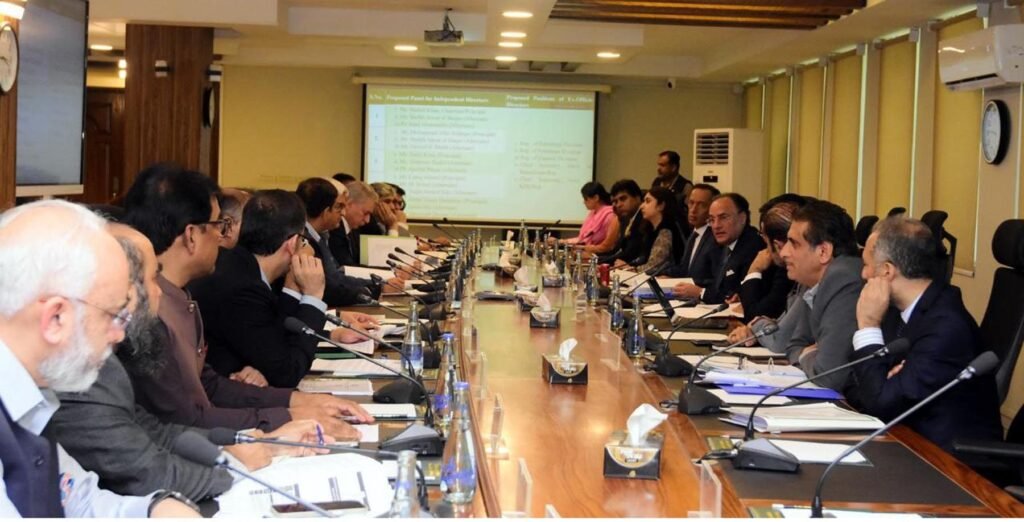
CCoSOEs Removes SMEDA from State-Owned Enterprises List

ISLAMABAD — The Cabinet Committee on State-Owned Enterprises (CCoSOEs) has decided to remove the Small and Medium Enterprises Development Authority (SMEDA) from the list of State-Owned Enterprises (SOEs). This decision, announced on Thursday, also includes a directive to the Petroleum Division to revise its proposal concerning exemptions from international financial reporting standards (IFRS) for certain energy sector SOEs. What Happened The CCoSOEs, in its recent meeting, took the significant step of delisting SMEDA from the roster of SOEs. The decision reflects a strategic move to streamline the list of entities considered as state-owned, potentially altering the operational and financial oversight mechanisms applicable to SMEDA. The committee also addressed the Petroleum Division’s proposal, which sought exemptions for specific energy sector SOEs from adhering to IFRS. The CCoSOEs instructed the division to reassess and modify its proposal to align with broader financial transparency and accountability goals. The decision to delist SMEDA is part of a broader governmental effort to redefine the scope and management of public sector enterprises. SMEDA, established to foster the growth of small and medium enterprises in Pakistan, will now operate outside the regulatory framework typically applied to SOEs. This change may impact its funding, governance, and operational strategies. In parallel, the directive to revise the IFRS exemption proposal underscores the government’s commitment to maintaining international financial standards. By revisiting the proposal, the CCoSOEs aims to ensure that any exemptions granted do not compromise the integrity and transparency of financial reporting within the energy sector. Background SMEDA was established in 1998 with the primary objective of promoting and facilitating the development of small and medium enterprises in Pakistan. As an SOE, it has been subject to specific regulatory and financial oversight designed to ensure accountability and efficient use of resources. The CCoSOEs, responsible for overseeing the performance and governance of SOEs, periodically reviews the list of entities classified under this category to ensure alignment with strategic national interests. International Financial Reporting Standards are globally recognized accounting standards that ensure transparency, accountability, and efficiency in financial markets. The Petroleum Division’s proposal for exemptions reflects the unique challenges faced by energy sector SOEs, which often operate under different financial and operational constraints compared to other industries. Why It Matters The removal of SMEDA from the SOE list is a pivotal development with several implications for the SME sector in Pakistan. By operating outside the SOE framework, SMEDA may gain greater flexibility in its operations, allowing it to adopt more innovative and responsive strategies to support SMEs. However, this also means that SMEDA will need to ensure robust internal governance to maintain transparency and accountability without the direct oversight typically provided to SOEs. For the energy sector, the revision of the IFRS exemption proposal is crucial. Adherence to international financial standards is vital for attracting foreign investment and maintaining investor confidence. By revisiting the proposal, the government signals its intent to uphold these standards, thereby enhancing the credibility and attractiveness of Pakistan’s energy sector to international investors. Overall, these decisions reflect a broader governmental strategy to optimize the management and performance of public sector entities, ensuring they contribute effectively to national economic goals while adhering to international best practices. Key Takeaways The CCoSOEs has removed SMEDA from the list of State-Owned Enterprises. The Petroleum Division is instructed to revise its IFRS exemption proposal for energy sector SOEs. SMEDA’s delisting may enhance its operational flexibility but requires strong internal governance. Revising the IFRS proposal underscores the importance of financial transparency in the energy sector. These decisions align with the government’s strategy to optimize public sector enterprise management. Source Attribution This article is based on official government statements, press releases, and public communications from relevant authorities. Author: NEN Editorial Desk | Editor: NEN Newsroom | Fact Checked By: NEN Editorial Team Author: NEN Editorial Desk  |  Editor: NEN Newsroom  |  Last Updated: July 09, 2026  |  Source: Press Release from Government of Pakistan This article was produced by the NEN Editorial Desk in accordance with NEN Agency’s Editorial Policy and Fact-Checking Policy.
World

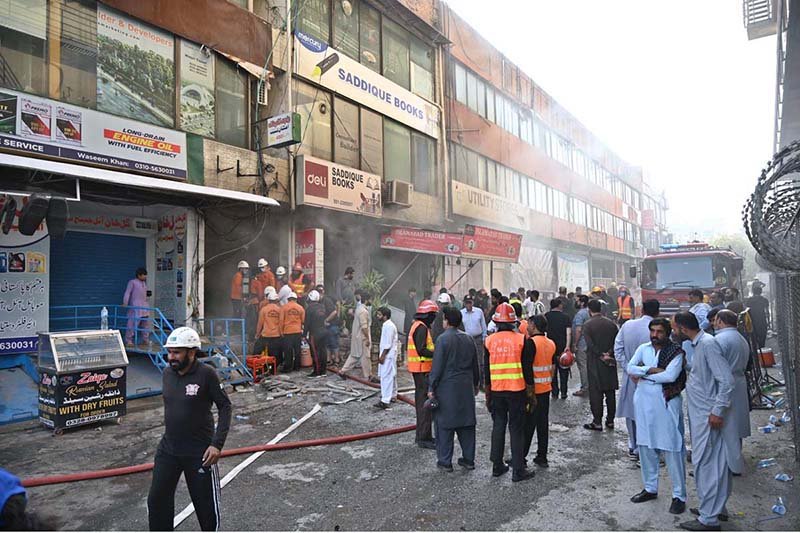
Firefighters Battle Blaze in Karachi Company’s G-9 Markaz Mall Basement

ISLAMABAD — Firefighters are actively working to control a fire that broke out in the basement of a shopping mall located in the Karachi Company, G-9 Markaz area of Islamabad on July 9. The fire, which has caused significant concern among local businesses and residents, is being tackled by emergency services as they strive to prevent further damage and ensure safety. What Happened The fire erupted in the early hours of the morning in the basement of the shopping mall, prompting an immediate response from the firefighting units. According to eyewitnesses, thick plumes of smoke were seen billowing from the building, causing panic among shop owners and customers. The Islamabad Fire Service dispatched multiple fire engines to the scene, working tirelessly to contain the blaze and prevent it from spreading to other parts of the mall. Authorities have not yet determined the cause of the fire, but initial reports suggest it may have started due to an electrical fault. Firefighters are employing all available resources to control the situation, and their efforts have been ongoing for several hours. An official from the Islamabad Fire Service stated, “Our teams are doing their utmost to bring the fire under control and ensure the safety of everyone involved.” The mall, a popular shopping destination in the G-9 Markaz area, hosts numerous retail outlets and attracts a significant number of visitors daily. As a precautionary measure, the entire mall has been evacuated, and nearby roads have been cordoned off to facilitate the firefighting operation and ensure public safety. Background The Karachi Company area, known for its bustling commercial activity, has been a focal point for business in Islamabad for many years. The shopping mall in question is one of several in the vicinity, contributing to the area’s reputation as a major retail hub. This incident is not the first of its kind; previous fires in commercial areas have highlighted the need for stringent safety measures and regular inspections to prevent such occurrences. In recent years, there has been an increased emphasis on improving fire safety standards in commercial buildings across Pakistan. The government has introduced various regulations mandating the installation of fire alarms, extinguishers, and emergency exits in shopping malls and other public places. However, enforcement remains a challenge, and incidents like this underscore the importance of adhering to safety protocols. Why It Matters The fire at the Karachi Company shopping mall is a stark reminder of the vulnerabilities that exist within Pakistan’s commercial infrastructure. It highlights the urgent need for improved safety measures and stricter enforcement of existing regulations to protect lives and property. The economic implications are also significant, as businesses located within the mall face potential losses due to damage and disruption. For local shop owners and employees, the fire represents not only a threat to their livelihoods but also a disruption to the community’s daily life. The mall is a key economic driver in the area, and any prolonged closure could have a ripple effect on the local economy. Additionally, the incident raises concerns about the preparedness of emergency services to handle such crises effectively and efficiently. On a broader scale, the fire serves as a call to action for policymakers and stakeholders to prioritize fire safety and disaster preparedness. Ensuring that commercial establishments comply with safety standards is crucial to preventing future incidents and safeguarding public welfare. Key Takeaways A fire broke out in the basement of a shopping mall in Karachi Company’s G-9 Markaz area. Firefighters are actively working to control the blaze and prevent further damage. The cause of the fire is suspected to be an electrical fault, though investigations are ongoing. The incident underscores the need for improved fire safety measures and enforcement in commercial areas. The economic impact on local businesses and the community could be significant if the mall remains closed. Source Attribution This article is based on official government statements, press releases, and public communications from relevant authorities. Author: NEN Editorial Desk | Editor: NEN Newsroom | Fact Checked By: NEN Editorial Team Author: NEN Editorial Desk  |  Editor: NEN Newsroom  |  Last Updated: July 09, 2026  |  Source: NEN Reporter This article was produced by the NEN Editorial Desk in accordance with NEN Agency’s Editorial Policy and Fact-Checking Policy.
World

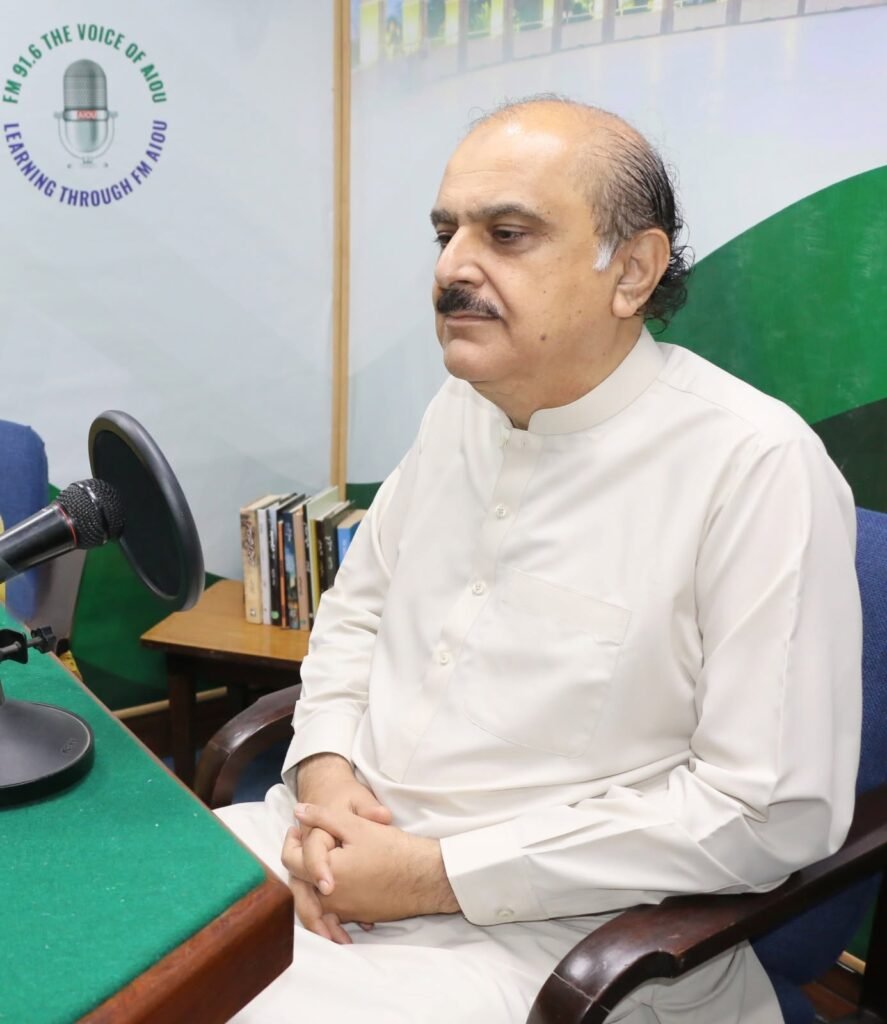
Pakistan, US Engage In Trade Negotiations In Washington

WASHINGTON — Pakistan and the United States are engaged in negotiations over an ‘Agreement on Reciprocal Trade’ in Washington, D.C., taking place on Thursday and Friday. The discussions are being led by Secretary Commerce Jawad Paul, representing the Pakistani delegation, which includes key officials such as Tahir Andrabi, ACDIS Secretary OPHRD, Nadeem Chaudhary, and Joint Secretary Tariff Policy Ashfaq Khan. What Happened The negotiations between Pakistan and the United States focus on enhancing bilateral trade relations through the proposed ‘Agreement on Reciprocal Trade.’ This agreement aims to facilitate smoother trade exchanges by addressing tariff barriers, regulatory hurdles, and other impediments that currently affect trade between the two nations. The talks are being held in Washington, D.C., a strategic location for such high-level discussions, reflecting the importance both countries place on strengthening economic ties. Secretary Commerce Jawad Paul leads the Pakistani delegation, which includes senior officials from various departments. The U.S. side is represented by counterparts from the Department of Commerce and other relevant agencies. The discussions are expected to cover a range of issues, including market access, trade facilitation measures, and the potential for increased investment opportunities in both countries. According to a statement from the Foreign Office, the negotiations are part of ongoing efforts to build a more robust economic partnership. “These talks are crucial for addressing the challenges and opportunities in our trade relationship,” said a spokesperson for the Foreign Office. The discussions are anticipated to pave the way for a formal agreement that could significantly boost trade volumes between Pakistan and the United States. Background Historically, trade between Pakistan and the United States has been characterized by fluctuations due to various geopolitical and economic factors. The two countries have maintained a trade relationship for decades, with the U.S. being one of Pakistan’s largest trading partners. In recent years, efforts have been made to diversify the trade portfolio, moving beyond traditional exports such as textiles and garments to include sectors like information technology and agriculture. Previous attempts to formalize trade agreements have encountered challenges, often due to differing priorities and economic policies. However, recent geopolitical shifts and economic needs have prompted both nations to revisit and potentially revamp their trade agreements. The current negotiations are seen as a continuation of these efforts, aiming to establish a more predictable and mutually beneficial trade framework. Why It Matters The outcome of these negotiations holds significant implications for both Pakistan and the United States. For Pakistan, a successful trade agreement could lead to increased exports, job creation, and economic growth. The U.S. market presents substantial opportunities for Pakistani goods, and reducing trade barriers could enhance the competitiveness of Pakistani products. For the United States, strengthening trade ties with Pakistan aligns with broader strategic interests in the region. It also offers American businesses access to a growing market with significant potential for investment and expansion. Moreover, enhancing economic cooperation could serve as a stabilizing factor in the broader geopolitical context, fostering stronger bilateral relations. Economically, the agreement could contribute to Pakistan’s efforts to diversify its export base and reduce its trade deficit. Socially, increased trade could lead to job creation and improved living standards for many Pakistanis. Politically, a successful agreement could bolster the government’s standing by demonstrating its ability to secure favorable international deals. Key Takeaways Pakistan and the United States are negotiating an ‘Agreement on Reciprocal Trade’ in Washington, D.C. The talks aim to address trade barriers and enhance economic cooperation between the two countries. Secretary Commerce Jawad Paul leads the Pakistani delegation in these discussions. The agreement could significantly boost trade volumes and economic ties between Pakistan and the U.S. A successful deal could have positive economic, social, and political impacts for Pakistan. Source Attribution This article is based on official government statements, press releases, and public communications from relevant authorities. Author: NEN Editorial Desk | Editor: NEN Newsroom | Fact Checked By: NEN Editorial Team Author: NEN Editorial Desk  |  Editor: NEN Newsroom  |  Last Updated: July 09, 2026  |  Source: NEN Reporter This article was produced by the NEN Editorial Desk in accordance with NEN Agency’s Editorial Policy and Fact-Checking Policy.
World

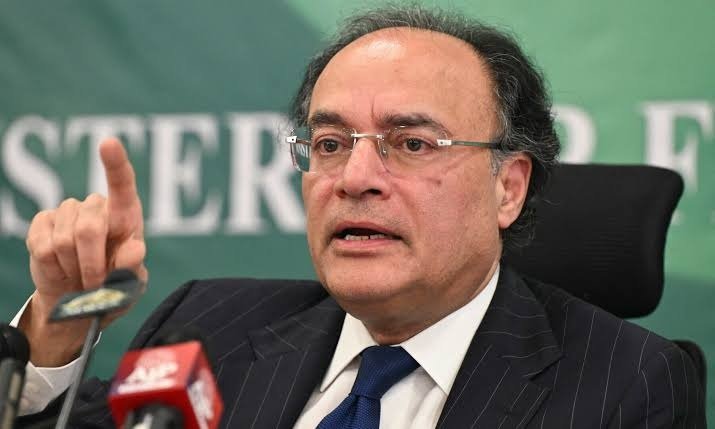
International Hockey Coaches Arrive, Rs 6 Billion Sought for SAF Games

ISLAMABAD — Five international hockey coaches are set to arrive in Pakistan to enhance the skills of national players and local coaches, according to Federal Secretary for Inter-Provincial Coordination (IPC), Mohyuddin Ahmad Wani. Additionally, the government is seeking Rs 6 billion to host the upcoming South Asian Games (SAF Games) in Islamabad and Lahore. What Happened During a press briefing on Thursday, Mohyuddin Ahmad Wani announced the arrival of five international hockey coaches who will work with Pakistan’s national team and local coaches. This initiative is part of a broader effort to elevate the standard of hockey in Pakistan, a sport that has historically been a source of national pride. The Secretary also disclosed that the government is actively seeking Rs 6 billion in funding to successfully organize the South Asian Games, scheduled to be held in Islamabad and Lahore. The SAF Games are a significant event in the regional sports calendar, and the funding is crucial to ensure that the facilities and logistics meet international standards. In a related development, the ban on Pakistan’s football activities has been lifted, which is expected to revitalize the sport in the country. The lifting of the ban is seen as a positive step towards re-engaging with international football bodies and improving the sport’s infrastructure domestically. Background Pakistan has a rich history in field hockey, having won numerous Olympic and World Cup titles in the past. However, in recent decades, the sport has seen a decline in performance and popularity. Efforts to revive hockey have included international collaborations and the hiring of foreign coaches to bring new techniques and strategies to the national team. The South Asian Games, held every two years, are a multi-sport event involving athletes from South Asian countries. Pakistan has previously hosted the games, with the last edition taking place in 2004. The upcoming games are seen as an opportunity to showcase Pakistan’s ability to host international sporting events and foster regional cooperation. Football in Pakistan has faced challenges, including administrative disputes and a lack of infrastructure, leading to a suspension by international football governing bodies. The recent lifting of the ban is a critical step towards rebuilding the sport and engaging with international competitions. Why It Matters The arrival of international hockey coaches is a significant development for Pakistan’s sports sector. It represents a strategic effort to reclaim the country’s former glory in field hockey by integrating international expertise into the training and development of players. This move is expected to enhance the competitiveness of the national team on the world stage. The Rs 6 billion funding request for the SAF Games underscores the importance of the event in promoting sports diplomacy and regional cooperation. Successfully hosting the games could boost Pakistan’s reputation as a capable host of international events, potentially attracting future opportunities and investments in the sports sector. The lifting of the football ban is a positive development for the sport in Pakistan. It opens avenues for international participation and collaboration, which could lead to improvements in infrastructure and talent development. This is crucial for engaging the youth in sports and promoting a healthier society. Key Takeaways Five international hockey coaches are arriving in Pakistan to train national players and coaches. The government is seeking Rs 6 billion to host the South Asian Games in Islamabad and Lahore. The ban on Pakistan’s football activities has been lifted, paving the way for international engagement. The initiatives are part of efforts to revive sports in Pakistan and improve international standing. Successful hosting of the SAF Games could enhance Pakistan’s reputation in the international sports community. Source Attribution This article is based on official government statements, press releases, and public communications from relevant authorities. Author: NEN Editorial Desk | Editor: NEN Newsroom | Fact Checked By: NEN Editorial Team Author: NEN Editorial Desk  |  Editor: NEN Newsroom  |  Last Updated: July 09, 2026  |  Source: NEN Reporter This article was produced by the NEN Editorial Desk in accordance with NEN Agency’s Editorial Policy and Fact-Checking Policy.

World

Pakistan Aims to Enhance Economic Ties with United Kingdom

ISLAMABAD — Pakistan is actively seeking to strengthen its economic and financial relations with the United Kingdom, focusing on investment promotion, capital market cooperation, and financial services, according to Finance Minister Senator Muhammad Aurangzeb. On Wednesday, he outlined the government’s strategy to boost remittances and further the country’s economic diplomacy agenda. What Happened Finance Minister Senator Muhammad Aurangzeb announced on Wednesday that Pakistan is looking to deepen its economic ties with the United Kingdom. The minister highlighted several key areas where both nations could collaborate, including investment promotion, capital market cooperation, and financial services. “We are committed to advancing our economic diplomacy agenda and enhancing bilateral trade,” Aurangzeb stated, emphasizing the potential for mutual benefits. The government aims to create a conducive environment for UK investors in Pakistan, focusing on sectors such as energy, infrastructure, and technology. Aurangzeb noted that increasing remittances from the Pakistani diaspora in the UK is also a priority, as these funds play a crucial role in stabilizing Pakistan’s foreign exchange reserves. The Finance Minister expressed optimism about the potential for increased collaboration in financial services, which could lead to more robust economic growth for both countries. Furthermore, Aurangzeb discussed the importance of aligning Pakistan’s financial regulations with international standards to attract foreign investment. He highlighted ongoing efforts to streamline regulatory processes and enhance transparency in financial transactions, which are expected to build investor confidence. Background Pakistan and the United Kingdom have a long history of economic and diplomatic relations, dating back to the colonial era. In recent years, both countries have sought to enhance their bilateral trade ties. The UK is one of Pakistan’s largest trading partners in Europe, with bilateral trade exceeding £2 billion annually. The Pakistani government has been keen to attract more foreign direct investment (FDI) to boost its economy, which has faced challenges such as inflation, a high fiscal deficit, and a depreciating currency. In 2021, the UK launched the Developing Countries Trading Scheme (DCTS), which aims to provide developing countries, including Pakistan, with preferential access to UK markets. This initiative is part of the UK’s post-Brexit trade strategy to foster stronger economic links with non-EU countries. Why It Matters Strengthening economic ties with the UK is significant for Pakistan as it seeks to stabilize its economy amid ongoing challenges. The UK is a major source of remittances, which are vital for Pakistan’s foreign exchange reserves. By enhancing investment opportunities and expanding trade, Pakistan can improve its economic outlook and create jobs. For the UK, deepening economic engagement with Pakistan offers access to a growing market in South Asia. With a population exceeding 220 million, Pakistan presents opportunities for UK businesses in various sectors, including technology, agriculture, and manufacturing. Strengthening these ties could also enhance the UK’s influence in the region, particularly in the context of its post-Brexit trade strategy. Moreover, increased cooperation in financial services could lead to innovations in fintech and digital banking, benefiting consumers in both countries. Aligning financial regulations with international standards could make Pakistan a more attractive destination for UK investors, potentially leading to increased FDI and economic growth. Key Takeaways Pakistan is seeking to enhance economic and financial ties with the United Kingdom. Key focus areas include investment promotion, capital market cooperation, and financial services. Increasing remittances from the UK is a priority for Pakistan’s economic stability. Strengthened ties offer mutual benefits, including job creation and market access. Aligning financial regulations with international standards is crucial for attracting UK investment. Source Attribution This article is based on official government statements, press releases, and public communications from relevant authorities. Author: NEN Editorial Desk | Editor: NEN Newsroom | Fact Checked By: NEN Editorial Team Author: NEN Editorial Desk  |  Editor: NEN Newsroom  |  Last Updated: July 09, 2026  |  Source: NEN Reporter This article was produced by the NEN Editorial Desk in accordance with NEN Agency’s Editorial Policy and Fact-Checking Policy.

Scroll to Top