

World

Welcome to the World section of NEN Agency, your window to the stories shaping our planet. From global politics and economic shifts to science breakthroughs, cultural moments, and humanitarian crises, we connect you to events that matter — wherever they happen.

Inside This Category

  • Global Politics & Diplomacy: International relations, summits, and policy shifts.

  • World Economy & Trade: Market trends, trade agreements, and financial developments.

  • Conflicts & Security: Coverage of wars, peace efforts, and security challenges.

  • Science & Environment: Climate change, technological advances, and space exploration.

  • Culture & Society: Arts, sports, and lifestyle stories from around the globe.

Why Our World Coverage Stands Out
We deliver global news with context, helping readers see how events beyond borders influence life in Pakistan and the wider region.

World

PSX and Finance Ministry Discuss Debt Strategy and Fiscal Reforms

ISLAMABAD — The Pakistan Stock Exchange (PSX), in collaboration with the Ministry of Finance, conducted an investor briefing on Thursday to discuss the government’s debt management strategy, the Sukuk market, and ongoing fiscal reforms. The session aimed to provide stakeholders with insights into the government’s plans for economic stability and growth. What Happened The investor briefing, held at the PSX, was a platform for the Ministry of Finance to outline its strategic approach to managing the national debt and promoting the Sukuk market. The session was attended by key stakeholders, including investors, financial analysts, and representatives from various financial institutions. During the briefing, officials from the Ministry of Finance presented detailed plans on the government’s debt management strategy. This included measures to optimize the debt portfolio, reduce borrowing costs, and enhance fiscal sustainability. The focus was also on the issuance of Sukuk bonds, which are Islamic financial certificates, to attract investment and diversify funding sources. In addition to debt management, the session highlighted ongoing fiscal reforms aimed at improving the country’s economic framework. These reforms are designed to increase transparency, enhance revenue collection, and streamline public expenditure. The Ministry of Finance emphasized the importance of these reforms in achieving long-term economic stability and growth. A representative from the PSX stated, “The collaboration with the Ministry of Finance is crucial for fostering a transparent and efficient financial market in Pakistan. Our goal is to ensure that investors are well-informed about government policies and strategies.” Background Pakistan has been grappling with significant economic challenges, including a high debt-to-GDP ratio and fiscal deficits. The government’s debt management strategy is part of a broader effort to stabilize the economy and restore investor confidence. The issuance of Sukuk bonds has been a key component of this strategy, providing a Sharia-compliant investment option that appeals to both domestic and international investors. Historically, Pakistan has relied heavily on external borrowing to finance its fiscal deficits. However, recent efforts have focused on diversifying funding sources and reducing dependence on external debt. The development of the Sukuk market is seen as a step towards achieving this goal. Why It Matters The investor briefing is significant as it reflects the government’s commitment to addressing economic challenges through strategic planning and stakeholder engagement. Effective debt management is crucial for maintaining fiscal stability and ensuring that the government can meet its financial obligations without resorting to excessive borrowing. The focus on Sukuk issuance is particularly important given the growing demand for Islamic financial products. By expanding the Sukuk market, Pakistan can attract a broader range of investors, including those who prefer Sharia-compliant investment options. This diversification of funding sources can help reduce the country’s reliance on traditional debt instruments and enhance financial stability. Furthermore, the ongoing fiscal reforms are expected to have a positive impact on Pakistan’s economic trajectory. By improving revenue collection and expenditure management, the government can create a more sustainable fiscal environment. This, in turn, can lead to increased investor confidence and economic growth. The investor briefing also underscores the importance of transparency and communication in financial markets. By keeping stakeholders informed about government policies and strategies, the PSX and the Ministry of Finance are fostering a more informed and engaged investment community. Key Takeaways The PSX and Ministry of Finance held an investor briefing to discuss debt management and fiscal reforms. The government’s debt strategy includes optimizing the debt portfolio and promoting Sukuk issuance. Fiscal reforms aim to increase transparency and improve revenue collection. The development of the Sukuk market is a key component of diversifying funding sources. Effective communication with stakeholders is crucial for maintaining investor confidence. Source Attribution This article is based on official government statements, press releases, and public communications from relevant authorities. Author: NEN Editorial Desk | Editor: NEN Newsroom | Fact Checked By: NEN Editorial Team Author: NEN Editorial Desk  |  Editor: NEN Newsroom  |  Last Updated: July 10, 2026  |  Source: Press Release from Ministry of Finance This article was produced by the NEN Editorial Desk in accordance with NEN Agency’s Editorial Policy and Fact-Checking Policy.

World

PAKMMAF Unveils Contender Series to Boost Pakistan’s MMA Prospects

ISLAMABAD — The Pakistan Mixed Martial Arts Federation (PAKMMAF) has announced the launch of the PAKMMAF Contender Series, a new initiative aimed at enhancing the country’s mixed martial arts (MMA) infrastructure and preparing athletes for the global stage. What Happened The PAKMMAF Contender Series was officially launched in Islamabad, marking a significant step in the development of MMA in Pakistan. This high-performance platform is designed to provide local fighters with consistent exposure to elite-level competition, bridging the gap between domestic events and the demands of international MMA circuits. The initiative is supported by Dr. Rizwan Aftab, a well-known activist in the sports community. The inaugural event of the series featured 12 elite fights, showcasing some of Pakistan’s most promising MMA talents. Among the highlights was the professional debut of Shahab Ali, a former International Mixed Martial Arts Federation (IMMAF) Asian Champion and the 2025 IMMAF Fighter of the Year. Under the mentorship of PAKMMAF President Omar Ahmed, Ali is considered a top contender with the potential to secure a contract with major international organizations like the UFC. In addition to established fighters, the federation is focusing on youth development by participating in the IMMAF Youth World Championships in Abu Dhabi for the first time. Aurezgzeb Ahmed, son of Senior Minister Maryam Aurangzeb, leads the youth contingent. His involvement highlights the federation’s strategy to identify and nurture young talent, offering them international exposure early in their careers. Background Mixed martial arts have been gaining popularity in Pakistan over the past decade, with several local fighters making their mark on the international scene. However, the absence of a structured pathway for athletes has often hindered their progress. The PAKMMAF Contender Series aims to address this gap by providing a comprehensive development program that starts at the grassroots level and progresses to international competitions. Historically, Pakistani athletes have faced challenges in accessing the resources and training necessary to compete at the highest levels. The new series seeks to change this by creating a sustainable ecosystem that supports athletes from their initial training stages through to professional careers. Why It Matters The launch of the PAKMMAF Contender Series is a significant development for the sports landscape in Pakistan. By establishing a clear and structured pathway for MMA athletes, the federation is poised to elevate the country’s presence in the international MMA community. This initiative not only enhances the prospects for individual athletes but also contributes to the overall growth of the sport in Pakistan. Economically, the series could attract investments and sponsorships, providing financial support to athletes and the federation. Socially, it promotes sports as a viable career option, encouraging youth participation and fostering a culture of athletic excellence. Politically, the involvement of figures like Dr. Rizwan Aftab and the support from government officials such as Senior Minister Maryam Aurangzeb underscore a commitment to developing sports infrastructure in the country. Internationally, the success of Pakistani fighters in the Contender Series could pave the way for more athletes to compete in prestigious organizations like the UFC, BRAVE Combat Federation, UAE Warriors, and ACA. This would not only enhance Pakistan’s reputation in the global MMA community but also inspire future generations of fighters. Key Takeaways The PAKMMAF Contender Series aims to elevate Pakistan’s MMA scene by providing a structured development pathway for athletes. The series includes elite-level competitions and focuses on both established fighters and youth development. Shahab Ali’s professional debut is a highlight, showcasing the potential of Pakistani fighters on the international stage. The initiative is supported by prominent figures and aims to attract investments, enhancing the economic prospects of the sport. Participation in international events like the IMMAF Youth World Championships is part of the federation’s strategy to nurture young talent. Source Attribution This article is based on official government statements, press releases, and public communications from relevant authorities. Author: NEN Editorial Desk | Editor: NEN Newsroom | Fact Checked By: NEN Editorial Team Author: NEN Editorial Desk  |  Editor: NEN Newsroom  |  Last Updated: July 10, 2026  |  Source: NEN Reporter This article was produced by the NEN Editorial Desk in accordance with NEN Agency’s Editorial Policy and Fact-Checking Policy.
World

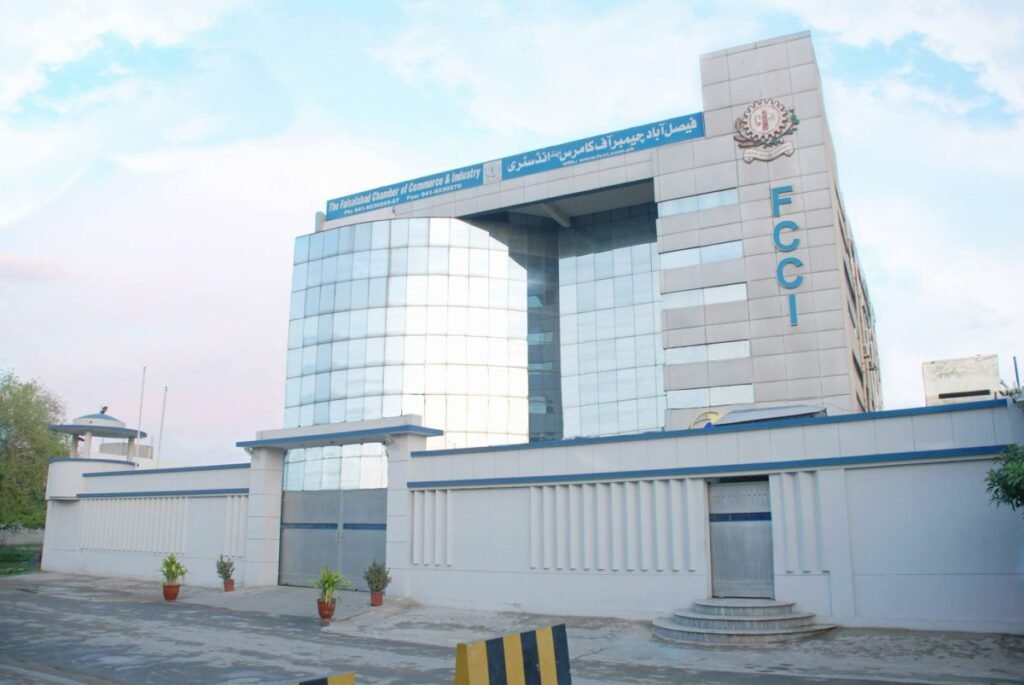
FCCI President Urges Collaboration for Improved Air Quality

ISLAMABAD — Faisalabad Chamber of Commerce & Industry (FCCI) President Farooq Yousaf Sheikh has emphasized the critical need for enhanced air quality to ensure the health and well-being of future generations. Speaking at a recent meeting in Faisalabad, Sheikh highlighted the importance of a collaborative approach involving the government, the World Wildlife Fund (WWF), and the private sector to address this pressing environmental issue. What Happened During a session held at the FCCI headquarters, President Farooq Yousaf Sheikh addressed the growing concerns over air pollution and its detrimental effects on public health. He stated, “A better air quality is imperative for healthy generations.” Sheikh called for a joint effort between governmental bodies, non-governmental organizations like the WWF, and private enterprises to implement effective measures aimed at improving air quality across Pakistan. Sheikh underscored the urgency of the situation by pointing to various studies that link poor air quality to respiratory diseases, cardiovascular problems, and other health issues. He argued that without immediate and concerted action, the health of Pakistan’s population, particularly children and the elderly, would continue to be at risk. The FCCI president proposed several initiatives, including stricter regulations on industrial emissions, increased green spaces in urban areas, and public awareness campaigns to educate citizens about the importance of air quality. He also suggested leveraging technology to monitor air pollution levels and identify hotspots that require immediate intervention. Background Pakistan has been grappling with severe air pollution for years, with major cities like Lahore and Karachi often ranking among the most polluted in the world. Industrial emissions, vehicular exhaust, and the burning of agricultural waste are significant contributors to the country’s poor air quality. The government has implemented various policies aimed at reducing pollution, such as the introduction of Euro-V fuel standards and the promotion of electric vehicles. However, enforcement remains a challenge, and air quality continues to deteriorate. The World Wildlife Fund (WWF) has been actively involved in environmental conservation efforts in Pakistan. Their initiatives include advocating for sustainable practices and supporting policies that aim to mitigate the effects of climate change and pollution. Why It Matters Improving air quality is not just an environmental issue; it has profound implications for public health, economic productivity, and social well-being. Poor air quality is linked to a range of health problems, which can lead to increased healthcare costs and reduced workforce productivity. For a developing country like Pakistan, these economic impacts can be particularly severe, hindering growth and development. Moreover, addressing air pollution aligns with global efforts to combat climate change. As a signatory to the Paris Agreement, Pakistan has committed to reducing its greenhouse gas emissions and promoting sustainable development. Collaborative efforts to improve air quality can contribute to these international commitments, enhancing Pakistan’s standing on the global stage. Socially, cleaner air can lead to improved quality of life for citizens, reducing the burden of disease and promoting healthier communities. This is particularly important for vulnerable populations, such as children and the elderly, who are more susceptible to the adverse effects of pollution. Key Takeaways FCCI President Farooq Yousaf Sheikh calls for collaboration to improve air quality in Pakistan. Air pollution poses significant health risks, particularly to children and the elderly. Proposed initiatives include stricter emission regulations and increased public awareness. Improved air quality has economic, social, and international implications for Pakistan. Efforts align with global commitments to reduce greenhouse gas emissions. Source Attribution This article is based on official statements and public communications from the Faisalabad Chamber of Commerce & Industry and other relevant authorities. Author: NEN Editorial Desk | Editor: NEN Newsroom | Fact Checked By: NEN Editorial Team Author: NEN Editorial Desk  |  Editor: NEN Newsroom  |  Last Updated: July 10, 2026  |  Source: Press Release from Government of Pakistan This article was produced by the NEN Editorial Desk in accordance with NEN Agency’s Editorial Policy and Fact-Checking Policy.
World

Privatization Commission Engages ADB for Islamabad Airport Operations

ISLAMABAD — The Privatization Commission (PC) of Pakistan has approved a significant step in the management of Islamabad International Airport (IIAP) by appointing the Asian Development Bank (ADB) as the financial adviser. This decision was finalized on Friday through the signing of the Transaction Advisory Services Agreement (TASA), marking a pivotal move towards outsourcing the airport’s operations. What Happened The PC Board’s approval of the TASA with ADB is aimed at enhancing the operational efficiency of IIAP by leveraging the expertise of the international financial institution. The agreement outlines ADB’s role in advising on the outsourcing process, which is expected to bring in private sector expertise and investment. This initiative is part of a broader strategy to improve the management and services of Pakistan’s airports. According to the Privatization Commission, the collaboration with ADB will facilitate a transparent and competitive process for selecting private operators to manage the airport’s operations. The involvement of ADB, known for its extensive experience in infrastructure projects across Asia, is anticipated to attract credible investors and operators with the capability to elevate the airport’s standards. Speaking on the development, a senior official from the Privatization Commission stated, “The appointment of ADB as the financial adviser is a strategic move to ensure that the outsourcing process is conducted efficiently and transparently. We are confident that this partnership will lead to significant improvements in the airport’s operations and services.” Background Islamabad International Airport, inaugurated in 2018, is one of Pakistan’s major aviation hubs, serving millions of passengers annually. Despite its modern infrastructure, the airport has faced challenges related to operational efficiency and service quality. The decision to outsource its operations aligns with Pakistan’s ongoing efforts to involve the private sector in managing public assets to enhance service delivery and operational performance. Historically, Pakistan’s aviation sector has been predominantly managed by state entities, with limited private sector involvement. However, in recent years, there has been a shift towards privatization and public-private partnerships, driven by the need to improve infrastructure and service standards. The collaboration with ADB is part of this broader trend, reflecting the government’s commitment to modernizing its aviation sector. Why It Matters The appointment of ADB as a financial adviser for the outsourcing of IIAP’s operations holds significant implications for Pakistan’s aviation industry and its economy. By bringing in international expertise, the government aims to enhance the airport’s operational efficiency, which is crucial for accommodating the growing number of passengers and flights. Economically, the successful outsourcing of IIAP could set a precedent for similar initiatives across other airports in the country, potentially attracting substantial foreign investment. Improved airport operations can lead to increased tourism and business travel, contributing to economic growth and job creation. Politically, this move demonstrates the government’s commitment to reforming state-owned enterprises and improving public sector efficiency. It aligns with broader economic reforms aimed at attracting foreign investment and fostering economic development. The involvement of a reputable institution like ADB also adds credibility to the process, potentially boosting investor confidence in Pakistan’s privatization efforts. Key Takeaways The Privatization Commission has appointed ADB as the financial adviser for outsourcing IIAP operations. The agreement aims to enhance operational efficiency through private sector involvement. ADB’s involvement is expected to attract credible investors and improve airport services. The initiative aligns with Pakistan’s broader strategy of involving the private sector in public asset management. Successful outsourcing could boost economic growth and set a precedent for similar projects. Source Attribution This article is based on official government statements, press releases, and public communications from relevant authorities. Author: NEN Editorial Desk | Editor: NEN Newsroom | Fact Checked By: NEN Editorial Team Author: NEN Editorial Desk  |  Editor: NEN Newsroom  |  Last Updated: July 10, 2026  |  Source: Press Release from Government of Pakistan This article was produced by the NEN Editorial Desk in accordance with NEN Agency’s Editorial Policy and Fact-Checking Policy.
World

PM Shehbaz Emphasizes Easy Credit for SMEs to Boost Economic Growth

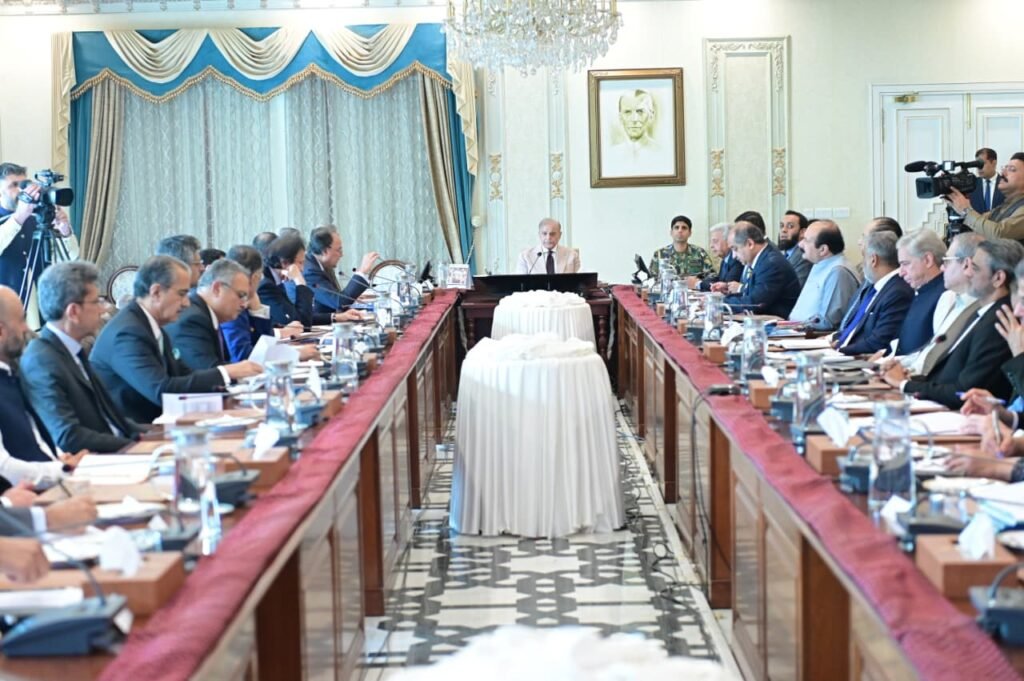
ISLAMABAD — Prime Minister Muhammad Shehbaz Sharif on Friday highlighted the importance of providing easy credit to small and medium enterprises (SMEs) as a crucial step towards achieving sustainable economic development in Pakistan. Chairing a high-level meeting, he stressed the need for banks to enhance loan provisions to priority sectors, particularly SMEs, which he described as the backbone of the national economy. What Happened During a meeting focused on promoting access to finance, Prime Minister Shehbaz Sharif underscored the government’s commitment to strengthening the economy by facilitating financial access. The meeting, held at the Prime Minister’s Office, was part of the government’s broader initiative to implement the Access to Finance Plan. According to a news release from the Prime Minister’s Office, Shehbaz Sharif stated, “The availability of easy-to-access financial facilities would enable increased exports, new employment opportunities, and sustainable economic growth.” The Prime Minister announced that banks demonstrating excellence in extending financial facilities would receive encouragement from the government. He also committed to personally chairing monthly review meetings to assess progress on the Access to Finance Plan. The plan aims to transition the economy from stability to sustainable growth by expanding financial services and integrating them into the national mainstream. Officials briefed the Prime Minister on the plan’s priorities, which include increasing access to loans for SMEs, agriculture, exports, renewable energy, housing, and IT sectors. The overarching goals are to boost exports, foster sustainable economic growth, and create new employment opportunities. A system-wide approach involving the Ministry of Finance, State Bank of Pakistan, provincial governments, and relevant institutions will be adopted for implementation. The Finance Minister will lead the new governance structure, with the Governor of the State Bank of Pakistan serving as co-chair. The officials outlined ambitious targets for the next two years, including increasing the SME sector’s share in private sector loans from 7 percent to 10 percent and raising the number of loan beneficiaries in the SME sector from 310,000 to 750,000. The meeting was attended by Deputy Prime Minister and Foreign Minister Muhammad Ishaq Dar, several federal ministers, senior government officials, and leaders from the banking sector. Background The Access to Finance Plan is part of the government’s broader strategy to revitalize Pakistan’s economy, which has faced numerous challenges in recent years, including inflation, fiscal deficits, and a sluggish growth rate. SMEs play a pivotal role in the country’s economic landscape, contributing significantly to GDP and employment. Historically, access to finance has been a major hurdle for SMEs, limiting their potential to expand and innovate. Previous initiatives to support SMEs have included various government-backed credit schemes and policy measures aimed at reducing bureaucratic hurdles. However, the sector continues to face challenges such as limited access to formal financial services and high borrowing costs. Why It Matters The emphasis on facilitating easy credit for SMEs is a strategic move to stimulate economic activity and foster resilience in the face of global economic uncertainties. By increasing the accessibility of financial services, the government aims to empower SMEs to expand their operations, innovate, and contribute more significantly to the national economy. Economically, enhancing credit access for SMEs is expected to lead to increased productivity, higher export volumes, and job creation, thereby reducing unemployment and improving living standards. Socially, the empowerment of SMEs can lead to greater economic inclusion, particularly for women and young entrepreneurs who often face barriers in accessing finance. Politically, the government’s focus on SMEs aligns with its broader economic reform agenda, which aims to stabilize the economy and lay the groundwork for sustainable growth. This initiative could bolster public confidence in the government’s economic policies and enhance its credibility both domestically and internationally. Key Takeaways Prime Minister Shehbaz Sharif emphasizes the need for easy credit access to SMEs to drive economic growth. The Access to Finance Plan aims to increase SME loans and integrate financial services into the national mainstream. Targets include raising the SME sector’s share in private loans from 7 percent to 10 percent in two years. The initiative involves a coordinated approach with the Ministry of Finance, State Bank, and provincial governments. Improved access to finance is expected to boost exports, create jobs, and enhance economic resilience. Source Attribution This article is based on official government statements, press releases, and public communications from relevant authorities. Author: NEN Editorial Desk | Editor: NEN Newsroom | Fact Checked By: NEN Editorial Team Author: NEN Editorial Desk  |  Editor: NEN Newsroom  |  Last Updated: July 10, 2026  |  Source: Press Release from Ministry of Finance This article was produced by the NEN Editorial Desk in accordance with NEN Agency’s Editorial Policy and Fact-Checking Policy.

World

Pakistan Releases Updated Foreign Exchange Rates for July 2026

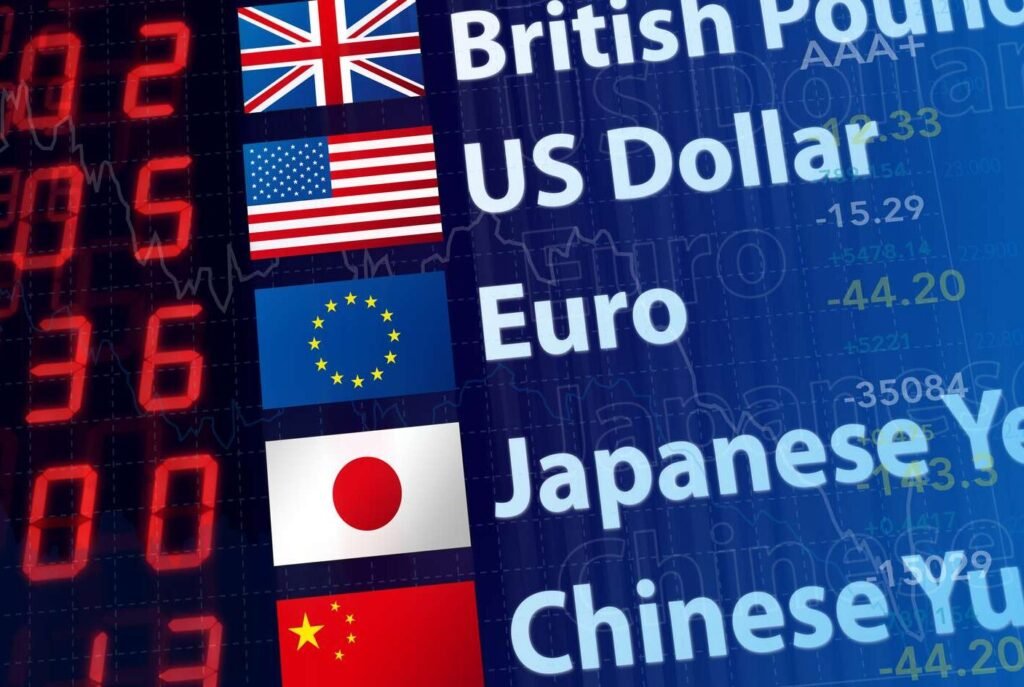
KARACHI — The Financial Markets Association of Pakistan’s Exchange Rates Committee has issued the latest foreign exchange rates bulletin for July 10, 2026. This announcement, made on Friday, provides the conversion rates for major currencies applicable for forward cover and deposits, excluding FE-25 deposits, with the State Bank of Pakistan (SBP) settlement value date set for July 14, 2026. What Happened The Exchange Rates Committee released the conversion rates for several major currencies, reflecting the current economic conditions and market demand. As per the bulletin, the conversion rate for the US dollar (USD) stands at 278.0266, while the British pound (GBP) is at 372.9727. The euro (EUR) has been pegged at 317.8678, and the Japanese yen (JPY) is valued at 1.7125. These rates are crucial for businesses and individuals engaged in international trade and finance, as they provide a benchmark for currency conversion and risk management. The issuance of these rates is a routine yet essential function of the Financial Markets Association of Pakistan, aimed at ensuring transparency and stability in the foreign exchange market. The rates are determined based on various factors, including international market trends, domestic economic policies, and geopolitical developments that influence currency valuations. Background The Financial Markets Association of Pakistan plays a pivotal role in the country’s financial sector, particularly in the foreign exchange market. Established to promote the development of financial markets and enhance their efficiency, the association provides a platform for market participants to collaborate and share information. The Exchange Rates Committee, a key component of the association, is responsible for issuing regular bulletins that detail the prevailing exchange rates for major currencies. Historically, Pakistan’s foreign exchange market has been influenced by various factors, including trade balances, foreign investment inflows, and remittances from overseas Pakistanis. The State Bank of Pakistan, as the central bank, regulates the market to maintain monetary stability and manage inflation. The exchange rates released by the Financial Markets Association serve as a guide for financial institutions, businesses, and individuals engaged in foreign exchange transactions. Why It Matters The release of updated foreign exchange rates is significant for several reasons. Firstly, it provides businesses with the necessary information to make informed decisions regarding international trade and investment. Accurate and timely exchange rate information is crucial for pricing goods and services, managing currency risk, and optimizing financial performance. For the broader economy, stable and transparent exchange rates contribute to economic stability and investor confidence. By providing a reliable reference point for currency conversion, the Exchange Rates Committee helps mitigate the risks associated with exchange rate volatility, which can have far-reaching implications for inflation, interest rates, and economic growth. On a global scale, Pakistan’s exchange rates are closely watched by international investors and financial institutions. The country’s economic policies, trade relations, and geopolitical developments all play a role in shaping the perception of its currency’s stability and attractiveness. As such, the regular issuance of exchange rate bulletins is an essential component of Pakistan’s efforts to maintain its standing in the international financial community. Key Takeaways The Financial Markets Association of Pakistan released updated foreign exchange rates for July 10, 2026. The rates include USD at 278.0266, GBP at 372.9727, EUR at 317.8678, and JPY at 1.7125. These rates are crucial for businesses and individuals engaged in international trade and finance. The Exchange Rates Committee plays a vital role in ensuring transparency and stability in the foreign exchange market. Stable exchange rates contribute to economic stability and investor confidence in Pakistan. Source Attribution This article is based on official government statements, press releases, and public communications from relevant authorities. Author: NEN Editorial Desk | Editor: NEN Newsroom | Fact Checked By: NEN Editorial Team Author: NEN Editorial Desk  |  Editor: NEN Newsroom  |  Last Updated: July 10, 2026  |  Source: NEN Reporter This article was produced by the NEN Editorial Desk in accordance with NEN Agency’s Editorial Policy and Fact-Checking Policy.
World

World Bank Allocates $375.9 Million for Pakistan’s Power Grid Upgrade

ISLAMABAD — The World Bank has approved $375.9 million in financing to enhance Pakistan’s electricity transmission network. Announced on Friday, this funding marks the commencement of the Grid Stability Enhancement Project, a decade-long initiative aimed at reducing power outages and integrating clean energy sources across the country. What Happened The World Bank’s Board of Executive Directors sanctioned the substantial financial package to support the first phase of Pakistan’s Grid Stability Enhancement Project. This initiative is designed to modernize the national power transmission grid, which has long been plagued by inefficiencies and frequent outages. The project seeks to address these issues by upgrading infrastructure and incorporating advanced technologies to ensure a more reliable and efficient electricity supply. The approved funds will be utilized to improve the grid’s capacity and stability, thereby facilitating the integration of renewable energy sources such as wind and solar power. This is particularly crucial for Pakistan, a country that has been striving to increase its share of clean energy in the overall energy mix. The project is expected to significantly reduce transmission losses and improve the quality of electricity supplied to consumers. In a statement, the World Bank emphasized the importance of this project in supporting Pakistan’s energy transition. “This project is a critical step towards enhancing the reliability of Pakistan’s electricity supply, which is essential for economic growth and improving the quality of life for its citizens,” the statement read. Background Pakistan’s power sector has historically faced numerous challenges, including outdated infrastructure, high transmission losses, and frequent power outages. These issues have been exacerbated by the increasing demand for electricity due to population growth and industrial expansion. In recent years, the government has made efforts to address these challenges through various reforms and investments in the energy sector. The focus has been on diversifying the energy mix, reducing reliance on imported fuels, and increasing the share of renewable energy. The Grid Stability Enhancement Project is part of these broader efforts to overhaul the power sector and ensure a sustainable and reliable electricity supply. Why It Matters The approval of this financing by the World Bank is a significant development for Pakistan’s energy sector. By modernizing the power transmission grid, the project aims to reduce the frequency and duration of power outages, which have long been a source of frustration for businesses and households alike. Reliable electricity supply is crucial for economic activities, and any improvement in this area is expected to have a positive impact on the country’s economic growth. Moreover, the integration of clean energy sources into the national grid aligns with Pakistan’s commitments to reduce carbon emissions and combat climate change. As the country seeks to meet its international obligations under the Paris Agreement, projects like the Grid Stability Enhancement Project are vital for transitioning to a more sustainable energy system. Additionally, the project is expected to create job opportunities in the energy sector, both during the construction phase and in the long term, as a more reliable power supply supports industrial growth and development. Key Takeaways The World Bank has approved $375.9 million for Pakistan’s Grid Stability Enhancement Project. The project aims to modernize the national power transmission grid and integrate clean energy sources. It is part of a 10-year program to reduce power outages and improve electricity supply. The initiative supports Pakistan’s efforts to transition to a sustainable energy system. The project is expected to have positive economic and environmental impacts. Source Attribution This article is based on official government statements, press releases, and public communications from relevant authorities. Author: NEN Editorial Desk | Editor: NEN Newsroom | Fact Checked By: NEN Editorial Team Author: NEN Editorial Desk  |  Editor: NEN Newsroom  |  Last Updated: July 10, 2026  |  Source: NEN Reporter This article was produced by the NEN Editorial Desk in accordance with NEN Agency’s Editorial Policy and Fact-Checking Policy.
World

PM Urges Balanced Progress on UN’s Peace, Development, Human Rights Goals

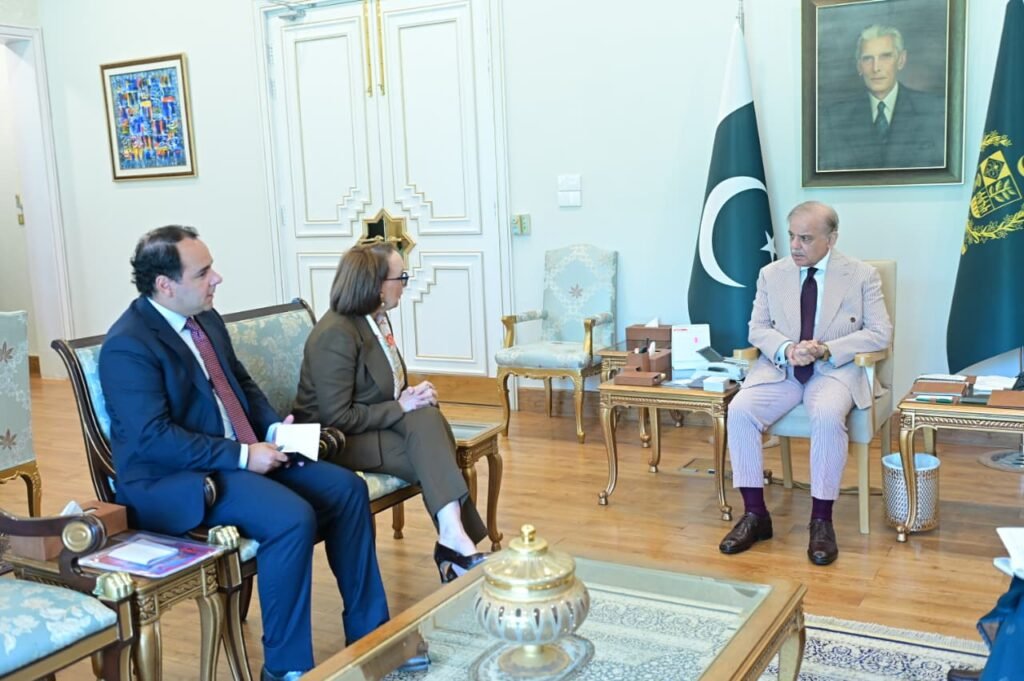
ISLAMABAD — Prime Minister Shehbaz Sharif on Friday underscored the necessity of achieving balanced progress across the United Nations’ three foundational pillars: peace and security, development, and human rights. This call was made during his meeting with Rebeca Grynspan, a candidate for the United Nations Secretary-General position, held at the Prime Minister’s House. What Happened During the meeting, Prime Minister Shehbaz Sharif highlighted the interconnected nature of the United Nations’ core objectives, emphasizing that progress in one area should not come at the expense of another. “A holistic approach is essential to ensure sustainable and equitable global development,” he stated. The Prime Minister expressed Pakistan’s commitment to supporting the UN’s efforts in maintaining international peace and security while promoting human rights and development. Rebeca Grynspan, currently the Secretary-General of the United Nations Conference on Trade and Development (UNCTAD), was visiting Pakistan as part of her campaign for the top UN position. She acknowledged Pakistan’s contributions to UN peacekeeping missions and its role in advocating for the rights of developing nations. “Pakistan has been a steadfast partner in the UN’s mission, and its voice is crucial in shaping the future direction of our global efforts,” Grynspan remarked. The meeting also covered discussions on global challenges such as climate change, economic disparities, and the need for international cooperation in addressing these issues. Prime Minister Sharif reiterated Pakistan’s stance on climate justice, highlighting the disproportionate impact of climate change on developing countries. Background The United Nations was founded in 1945 with the primary objectives of maintaining international peace and security, promoting sustainable development, and protecting human rights. Over the decades, these pillars have guided the organization’s efforts in addressing global challenges. Pakistan has been an active member of the UN since its inception, contributing significantly to peacekeeping missions and advocating for the rights of developing countries. In recent years, the UN has faced criticism for perceived imbalances in its approach to these pillars, with some member states arguing that economic development and human rights have been overshadowed by security concerns. The call for balanced progress is part of a broader debate on how the UN can more effectively address the interconnected challenges facing the world today. Why It Matters The Prime Minister’s emphasis on balanced progress across the UN’s pillars is significant for several reasons. Economically, it highlights the need for equitable development strategies that do not compromise human rights or peace initiatives. For Pakistan, a country grappling with economic challenges and security concerns, this approach underscores the importance of integrated policy-making that addresses multiple dimensions of development. Socially, the call for balance resonates with the global push for human rights, particularly in regions where these rights are under threat. By advocating for a comprehensive approach, Pakistan positions itself as a leader in promoting a more equitable international order. Politically, this stance reinforces Pakistan’s commitment to multilateralism and its role within the UN. As a member of various UN bodies, Pakistan’s advocacy for balanced progress could influence future policy directions and strengthen its diplomatic ties with other member states. Internationally, the emphasis on balanced progress aligns with global efforts to achieve the Sustainable Development Goals (SDGs), which aim to eradicate poverty, protect the planet, and ensure prosperity for all by 2030. By advocating for a holistic approach, Pakistan contributes to the broader discourse on sustainable and inclusive global governance. Key Takeaways Prime Minister Shehbaz Sharif calls for balanced progress across the UN’s peace, development, and human rights pillars. The meeting with Rebeca Grynspan highlighted Pakistan’s role in UN peacekeeping and advocacy for developing nations. Discussions included global challenges like climate change and economic disparities. Pakistan’s stance emphasizes integrated policy-making and multilateralism. The call aligns with global efforts to achieve the Sustainable Development Goals. Source Attribution This article is based on official government statements, press releases, and public communications from relevant authorities. Author: NEN Editorial Desk | Editor: NEN Newsroom | Fact Checked By: NEN Editorial Team Author: NEN Editorial Desk  |  Editor: NEN Newsroom  |  Last Updated: July 10, 2026  |  Source: NEN Reporter This article was produced by the NEN Editorial Desk in accordance with NEN Agency’s Editorial Policy and Fact-Checking Policy.
World

Pakistan’s Workers’ Remittances Reach $41.6 Billion in FY26, Up 8.6%

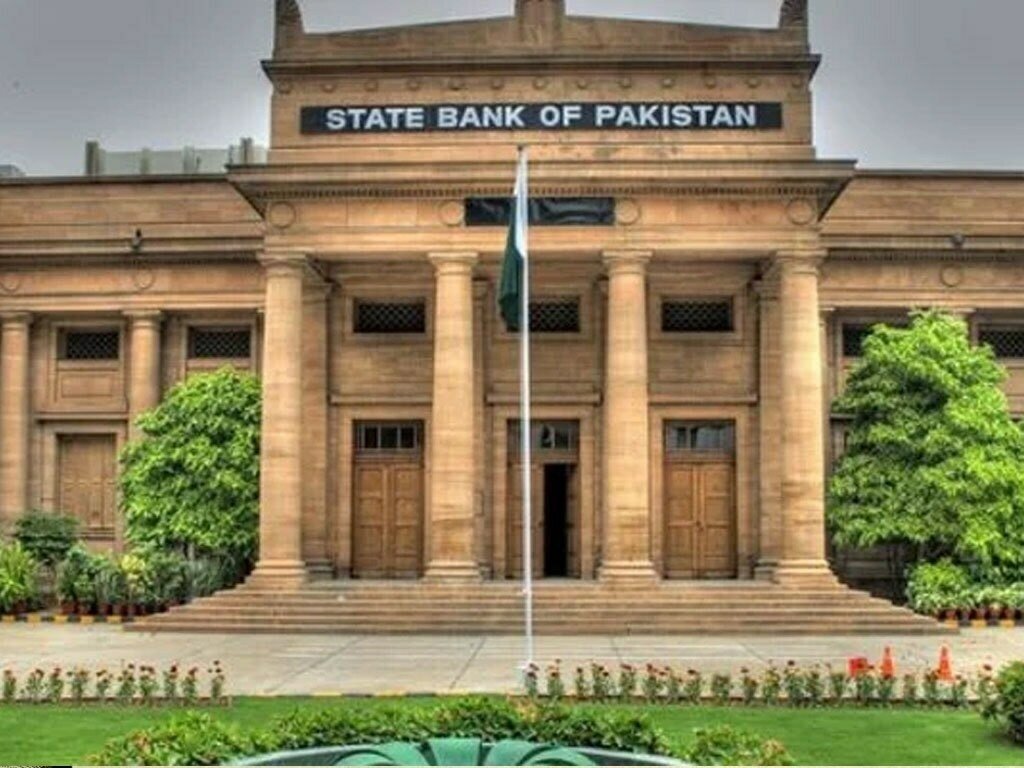
KARACHI — Workers’ remittances to Pakistan from overseas surged by 8.6% during the fiscal year 2025-26, reaching a total of $41.6 billion, according to the State Bank of Pakistan. This growth reflects the significant contributions of the Pakistani diaspora, with monthly inflows in June 2026 recorded at $3.5 billion. What Happened The State Bank of Pakistan reported that workers’ remittances for the fiscal year 2025-26 amounted to $41.6 billion, marking an 8.6% increase from the $38.3 billion received in the previous fiscal year. The remittances were primarily sourced from key countries including Saudi Arabia, the United Arab Emirates, the United Kingdom, and the United States. Specifically, Saudi Arabia contributed $9,783.1 million, the UAE $8,806.9 million, the UK $6,325.7 million, and the USA $3,623.8 million. European Union countries also played a significant role, contributing $5,226.6 million in total. Italy led the EU contributions with $1,547.3 million, followed by Spain with $905.6 million, Germany with $806.6 million, and France with $591.6 million. Other notable contributions came from Greece, Ireland, and Belgium. Beyond Europe, substantial remittances came from countries such as Australia ($1,142.1 million), Canada ($798.4 million), South Africa ($290.7 million), Malaysia ($167.6 million), Norway ($150 million), South Korea ($108.8 million), and Japan ($67.6 million). In June 2026 alone, remittances were recorded at $3.475 billion, a decrease of 18.3% from May 2026’s $4.25 billion. However, compared to June 2025, there was a 2% increase from $3.41 billion. The major contributors for June 2026 were Saudi Arabia ($829.6 million), the UAE ($792.2 million), the UK ($514.9 million), and the USA ($296.8 million). Background Remittances have historically been a critical component of Pakistan’s economy, providing a vital source of foreign exchange. The Pakistani diaspora, spread across the globe, has consistently supported the nation’s economy through these financial inflows. The State Bank of Pakistan regularly monitors and reports on these remittances, which are crucial for maintaining the country’s balance of payments and supporting its foreign exchange reserves. In recent years, remittances have shown resilience despite global economic challenges, including the COVID-19 pandemic. The government’s efforts to facilitate and streamline remittance processes have also contributed to the steady inflow of funds. Why It Matters The increase in workers’ remittances is significant for Pakistan’s economy, as these inflows help stabilize the country’s foreign exchange reserves, which are essential for international trade and debt servicing. A healthy reserve position can enhance investor confidence and potentially lead to improved credit ratings for the country. Economically, remittances provide a lifeline for many families in Pakistan, contributing to household incomes and supporting consumption. This, in turn, stimulates economic activity and can lead to improved living standards for recipients. Politically, the government’s ability to maintain and potentially increase remittance inflows is crucial for its economic strategy, especially in light of ongoing challenges such as inflation and fiscal deficits. The steady growth in remittances reflects the trust and confidence of overseas Pakistanis in the country’s economic management. On an international level, the increase in remittances underscores the strong ties between Pakistan and its diaspora, highlighting the global interconnectedness of the Pakistani community. Key Takeaways Workers’ remittances to Pakistan grew by 8.6% in FY26, reaching $41.6 billion. Major sources included Saudi Arabia, UAE, UK, and USA, with significant contributions from the EU. June 2026 remittances were $3.475 billion, a slight increase compared to June 2025. Remittances are crucial for Pakistan’s foreign exchange reserves and economic stability. The growth in remittances reflects strong ties between Pakistan and its global diaspora. Source Attribution This article is based on official government statements, press releases, and public communications from relevant authorities. Author: NEN Editorial Desk | Editor: NEN Newsroom | Fact Checked By: NEN Editorial Team Author: NEN Editorial Desk  |  Editor: NEN Newsroom  |  Last Updated: July 10, 2026  |  Source: NEN Reporter This article was produced by the NEN Editorial Desk in accordance with NEN Agency’s Editorial Policy and Fact-Checking Policy.

World

Pakistan Urges Immediate Ceasefire and Dialogue in Ukraine-Russia Conflict

UNITED NATIONS — Pakistan has called for an immediate and complete cessation of hostilities between Ukraine and Russia, urging both nations to resume meaningful dialogue aimed at achieving a comprehensive, durable, and peaceful resolution to the ongoing conflict. The appeal was made during a session at the United Nations on Thursday, highlighting the urgent need for diplomatic engagement to address the humanitarian crisis exacerbated by the conflict. What Happened During a United Nations meeting on July 10, Pakistan’s representative emphasized the critical need for an immediate halt to the escalating violence between Ukraine and Russia. The call was made in response to the worsening humanitarian situation, which has seen a significant increase in civilian casualties and displacement. “The sharp uptick in fighting and expansion of the battlefield is not only compounding the humanitarian plight in the region but also poses a threat to international peace and security,” stated the Pakistani envoy. The conflict, which has persisted for over four years, has seen renewed intensity in recent months, with both sides engaging in aggressive military operations. Pakistan’s appeal was part of a broader international effort to de-escalate tensions and promote peace talks. The representative stressed that dialogue remains the most viable path to a lasting solution, urging both parties to prioritize diplomatic channels over military confrontation. Background The conflict between Ukraine and Russia began in 2014 following Russia’s annexation of Crimea, leading to a protracted and complex geopolitical struggle. The situation has been marked by intermittent ceasefires and failed peace negotiations, with the Minsk agreements of 2014 and 2015 being the most notable attempts at resolution. Despite these efforts, hostilities have continued, resulting in thousands of deaths and widespread displacement. International bodies, including the United Nations and the Organization for Security and Co-operation in Europe (OSCE), have been actively involved in monitoring the situation and facilitating dialogue. However, the conflict remains unresolved, with both sides accusing each other of violating ceasefire agreements and engaging in aggressive military actions. Why It Matters The ongoing conflict between Ukraine and Russia has significant implications for regional stability and international relations. The humanitarian impact is severe, with millions of people affected by the violence, facing displacement, food insecurity, and limited access to essential services. The conflict has also strained relations between Russia and Western nations, leading to economic sanctions and increased military presence in Eastern Europe. Pakistan’s call for a ceasefire and dialogue underscores the global concern over the potential for further escalation, which could have dire consequences for international peace and security. The appeal aligns with Pakistan’s longstanding policy of advocating for peaceful resolution of conflicts through dialogue and diplomacy. By urging both parties to engage in negotiations, Pakistan is contributing to the international effort to prevent further humanitarian suffering and promote stability in the region. The resolution of the Ukraine-Russia conflict is crucial not only for the affected populations but also for maintaining global stability. A peaceful settlement would alleviate the humanitarian crisis, reduce regional tensions, and pave the way for economic recovery and development. Moreover, it would serve as a precedent for resolving other protracted conflicts through diplomatic means. Key Takeaways Pakistan has called for an immediate ceasefire and resumption of dialogue between Ukraine and Russia. The conflict has been ongoing for over four years, with significant humanitarian consequences. International efforts, including the Minsk agreements, have so far failed to resolve the conflict. The situation poses a threat to regional stability and international peace and security. Pakistan’s appeal aligns with its policy of promoting peaceful resolution of conflicts through diplomacy. Source Attribution This article is based on official government statements, press releases, and public communications from relevant authorities. Author: NEN Editorial Desk | Editor: NEN Newsroom | Fact Checked By: NEN Editorial Team Author: NEN Editorial Desk  |  Editor: NEN Newsroom  |  Last Updated: July 10, 2026  |  Source: NEN Reporter This article was produced by the NEN Editorial Desk in accordance with NEN Agency’s Editorial Policy and Fact-Checking Policy.

Scroll to Top