
World

Welcome to the World section of NEN Agency, your window to the stories shaping our planet. From global politics and economic shifts to science breakthroughs, cultural moments, and humanitarian crises, we connect you to events that matter — wherever they happen.

Inside This Category

  • Global Politics & Diplomacy: International relations, summits, and policy shifts.

  • World Economy & Trade: Market trends, trade agreements, and financial developments.

  • Conflicts & Security: Coverage of wars, peace efforts, and security challenges.

  • Science & Environment: Climate change, technological advances, and space exploration.

  • Culture & Society: Arts, sports, and lifestyle stories from around the globe.

Why Our World Coverage Stands Out
We deliver global news with context, helping readers see how events beyond borders influence life in Pakistan and the wider region.

World

National Bank Of Pakistan Announces Latest Exchange Rates

KARACHI — The Treasury Management Division of the National Bank of Pakistan (NBP) released the latest exchange rates on Saturday, providing updated buying and selling rates for a range of international currencies. These rates are crucial for businesses, travelers, and financial analysts who rely on accurate currency conversions for transactions and economic assessments. What Happened The National Bank of Pakistan’s Treasury Management Division published the exchange rates for various currencies on July 11. The rates, which are set to influence financial transactions across the country, include both telegraphic transfer (TT) buying and selling rates. The US Dollar, a key currency in international trade, is listed at a selling rate of 278.45 and a buying rate of 277.95. Similarly, the Euro is priced at 318.79 for selling and 318.22 for buying. Other major currencies include the British Pound, which has a selling rate of 374.21 and a buying rate of 373.53, and the Japanese Yen, with rates of 1.7236 for selling and 1.7205 for buying. The Swiss Franc is listed at 346.40 for selling and 345.78 for buying, while the Canadian Dollar is priced at 196.82 and 196.47, respectively. The Australian Dollar’s rates are 193.80 for selling and 193.46 for buying. Additional currencies such as the Swedish Krona, Norwegian Krone, Danish Krone, and others are also included, providing a comprehensive overview of the current exchange landscape. The conversion rates for frozen foreign currency deposits are also specified, with the US Dollar at 272.0266, the British Pound at 372.9727, the Euro at 317.8678, and the Japanese Yen at 1.7125. These rates are set for settlement on July 14, 2026. Background The National Bank of Pakistan, as one of the country’s leading financial institutions, plays a pivotal role in setting exchange rates that impact both domestic and international economic activities. Exchange rates are determined by a variety of factors, including market demand and supply, international trade balances, and economic policies. Historically, fluctuations in these rates have had significant impacts on Pakistan’s economy, influencing everything from import/export costs to inflation rates. NBP’s regular updates on exchange rates are part of its broader mandate to ensure transparency and stability in the financial sector. These rates are closely monitored by businesses engaged in international trade, as well as by individuals planning travel or investment abroad. Why It Matters The announcement of exchange rates by NBP is significant for several reasons. Firstly, it affects the cost of international trade, which is a vital component of Pakistan’s economy. Importers and exporters rely on these rates to calculate the cost of goods and services, impacting pricing strategies and profit margins. For instance, a stronger US Dollar against the Pakistani Rupee can increase the cost of imports, leading to higher prices for consumers. Secondly, exchange rates influence foreign investment. A stable and predictable exchange rate environment can attract foreign investors, who seek to minimize currency risk. This can lead to increased capital inflows, boosting economic growth and development. Moreover, exchange rates have a direct impact on inflation. A depreciating Rupee can lead to higher import costs, contributing to inflationary pressures. This is particularly relevant in the context of recent increases in petrol and diesel prices, which have already strained household budgets. Finally, the exchange rates are crucial for individuals who remit money abroad or receive remittances from overseas. Accurate and favorable rates can significantly affect the amount of money received or sent, influencing household finances and spending power. Key Takeaways NBP released updated exchange rates for a variety of international currencies. The US Dollar is listed at a selling rate of 278.45 and a buying rate of 277.95. Exchange rates impact international trade, foreign investment, and inflation. The rates are crucial for businesses, travelers, and individuals involved in remittances. NBP’s updates ensure transparency and stability in the financial sector. Source Attribution This article is based on official government statements, press releases, and public communications from relevant authorities. Author: NEN Editorial Desk | Editor: NEN Newsroom | Fact Checked By: NEN Editorial Team Author: NEN Editorial Desk  |  Editor: NEN Newsroom  |  Last Updated: July 11, 2026  |  Source: NEN Reporter This article was produced by the NEN Editorial Desk in accordance with NEN Agency’s Editorial Policy and Fact-Checking Policy.


World

Gold Price Declines By Rs1,400 Per Tola In Local Markets

LAHORE — The price of gold experienced a significant decline in both global and local markets on July 10, with a notable drop of Rs1,400 per tola in Pakistan. This decrease comes amid fluctuations in international gold prices, which saw a reduction of $14, bringing the price to $4,100 per ounce. What Happened The local bullion market in Pakistan reported a substantial decrease in the price of gold, which now stands at Rs432,436 per tola following the Rs1,400 reduction. Additionally, the price of ten grams of gold has decreased by Rs1,200, settling at Rs370,744. In contrast, the price of silver per tola has seen a slight increase, rising by Rs11 to Rs6,432. This recent adjustment in gold prices comes after a previous increase noted just a day earlier. On the prior day, the price of 24-carat gold per tola had surged by Rs3,600, reaching Rs433,836, while the price for ten grams of gold had increased by Rs3,086 to Rs371,944. During that period, the price of silver per tola remained stable at Rs6,421. The fluctuations in gold prices are influenced by various factors, including changes in the global economic environment, currency exchange rates, and investor sentiment. The recent drop in gold prices reflects a broader trend observed in international markets, where gold prices have been subject to volatility amid shifting economic conditions. Background Gold has long been considered a safe-haven asset, particularly during times of economic uncertainty. Its price is influenced by a myriad of factors, including geopolitical tensions, inflation rates, and changes in interest rates. Historically, gold prices tend to rise during periods of economic instability as investors seek to protect their wealth. In Pakistan, the gold market is heavily influenced by international trends, given that the country imports a significant portion of its gold. Local prices are often reflective of global market movements, adjusted for currency exchange rates and local demand. Over the past year, gold prices have experienced considerable volatility, driven by global economic challenges, including the COVID-19 pandemic, inflationary pressures, and geopolitical tensions. These factors have contributed to fluctuating investor confidence, impacting both the demand and price of gold. Why It Matters The decline in gold prices has significant implications for various stakeholders, including investors, jewelers, and consumers. For investors, the drop in gold prices may present an opportunity to purchase gold at a lower cost, potentially increasing demand in the short term. However, continued volatility in gold prices could pose risks for those looking to invest in the precious metal as a stable asset. For jewelers and businesses involved in the gold trade, fluctuating prices can impact profitability and inventory management. A decrease in gold prices may encourage consumer purchases, benefiting retailers, but it can also lead to challenges in pricing and stock valuation. Consumers, particularly those planning to purchase gold for weddings or other cultural events, may find the reduced prices advantageous. Gold holds cultural significance in Pakistan, often being given as gifts or used in traditional ceremonies, making its affordability a matter of interest for many families. On a broader scale, the movement of gold prices can reflect underlying economic conditions. A decrease in gold prices might suggest a stabilization of economic factors or a shift in investor confidence towards other asset classes. Monitoring these trends can provide insights into the economic health and future outlook for both Pakistan and the global market. Key Takeaways The price of gold in Pakistan has decreased by Rs1,400 per tola, now standing at Rs432,436. International gold prices have fallen by $14, reaching $4,100 per ounce. The price of ten grams of gold has decreased by Rs1,200 to Rs370,744. Silver prices have increased slightly, with a rise of Rs11 per tola to Rs6,432. Fluctuations in gold prices impact investors, jewelers, and consumers, reflecting broader economic conditions. Source Attribution This article is based on official government statements, press releases, and public communications from relevant authorities. Author: NEN Editorial Desk | Editor: NEN Newsroom | Fact Checked By: NEN Editorial Team Author: NEN Editorial Desk  |  Editor: NEN Newsroom  |  Last Updated: July 11, 2026  |  Source: NEN Reporter This article was produced by the NEN Editorial Desk in accordance with NEN Agency’s Editorial Policy and Fact-Checking Policy.

World

ICCI Calls for Comprehensive Regulatory Reforms to Boost Business Environment

ISLAMABAD — The Islamabad Chamber of Commerce and Industry (ICCI) has called on the government to initiate extensive regulatory reforms to enhance the business climate in Pakistan. Acting President of ICCI, Tahir Ayub, emphasized the need for a strategic overhaul to improve the ease of doing business, reduce compliance costs, and attract both domestic and international investors. What Happened During a recent meeting with various stakeholders, Tahir Ayub, Acting President of the ICCI, highlighted the pressing need for the government to implement a robust regulatory reform agenda. Ayub pointed out that the current regulatory framework poses significant challenges to businesses, particularly in terms of compliance costs and bureaucratic hurdles. He argued that these factors deter potential investors and stifle economic growth. Ayub stated, “A comprehensive regulatory reform agenda is crucial for creating a conducive business environment that can attract both local and foreign investments.” He further urged the government to streamline processes and eliminate unnecessary regulations that burden businesses. The ICCI’s call for reforms comes at a time when Pakistan is striving to improve its ranking in the World Bank’s Ease of Doing Business Index. The ICCI also highlighted the importance of digital transformation in regulatory processes, suggesting that technology could play a vital role in reducing red tape and enhancing transparency. By adopting digital solutions, the government could significantly cut down the time and cost associated with business registrations and compliance. Background Pakistan has historically faced challenges in creating a business-friendly environment due to complex regulatory frameworks and bureaucratic inefficiencies. In recent years, the government has made efforts to improve the situation, such as introducing reforms in taxation and business registration processes. However, these measures have not yet fully addressed the underlying issues that hinder business operations. The World Bank’s Ease of Doing Business Index has been a key benchmark for assessing the business environment in Pakistan. Despite some improvements, the country still ranks low in areas such as starting a business, dealing with construction permits, and enforcing contracts. These rankings reflect the need for more comprehensive and sustained reform efforts. Why It Matters The call for regulatory reforms by the ICCI is significant given the current economic challenges facing Pakistan. With inflation on the rise and a need for economic diversification, creating a favorable business environment is crucial for attracting investments that can drive growth and create jobs. Regulatory reforms could lead to increased foreign direct investment (FDI), which is essential for boosting the country’s economic prospects. Moreover, improving the ease of doing business can have a direct impact on small and medium enterprises (SMEs), which are vital for economic development. By reducing compliance costs and simplifying regulatory processes, SMEs can operate more efficiently and contribute to economic growth. Internationally, a better business environment can enhance Pakistan’s competitiveness in the global market. As neighboring countries continue to improve their business climates, Pakistan must keep pace to attract investors who are increasingly looking for stable and efficient markets. Key Takeaways The ICCI has urged the government to implement comprehensive regulatory reforms to improve the business environment. Key areas of focus include reducing compliance costs, streamlining processes, and embracing digital transformation. Regulatory reforms are crucial for attracting domestic and foreign investments and improving Pakistan’s ranking in the Ease of Doing Business Index. Improving the business climate can significantly benefit SMEs and contribute to economic growth. A favorable business environment is essential for enhancing Pakistan’s competitiveness in the global market. Source Attribution This article is based on official government statements, press releases, and public communications from relevant authorities. Author: NEN Editorial Desk | Editor: NEN Newsroom | Fact Checked By: NEN Editorial Team Author: NEN Editorial Desk  |  Editor: NEN Newsroom  |  Last Updated: July 11, 2026  |  Source: NEN Reporter This article was produced by the NEN Editorial Desk in accordance with NEN Agency’s Editorial Policy and Fact-Checking Policy.
World

International Hockey Coaches Begin New Roles in Pakistan

ISLAMABAD — Three internationally acclaimed hockey coaches have arrived in Pakistan to assume their roles in enhancing the sport’s development within the country. The coaches, David Dyer, Bob Weidow, and Chris Bowen, have been appointed by the Pakistan Hockey Federation (PHF) to spearhead a comprehensive development program. What Happened The arrival of the coaches marks a significant step in Pakistan’s efforts to rejuvenate its national hockey program. David Dyer will serve as the Fitness Coach, Bob Weidow will take on the role of Goalkeeping Coach and Penalty Corner Attack & Defense Specialist, while Chris Bowen will function as the Technical Coach and Sports Psychologist. These appointments were confirmed in a press release issued by the PHF. Upon their arrival, the coaches engaged in a detailed meeting with the PHF management to outline a strategic roadmap for the sport’s development. This roadmap encompasses short-term, medium-term, and long-term plans aimed at elevating the standard of hockey in Pakistan. Demonstrating their commitment to the task at hand, the coaches attended the final match of the Prime Minister’s National Junior Girls Hockey Championship. This provided them with an opportunity to assess the emerging talent and evaluate the current standards of women’s hockey in the country. PHF officials have expressed optimism that the expertise brought by these coaches will inject new energy into the sport at all levels. The coaches are expected to work closely with the senior national team, junior teams (Under-21 and Under-18), as well as the women’s hockey program, to align them with modern international standards. Background Pakistan has a rich history in field hockey, having won numerous international titles, including three Olympic gold medals and four World Cup titles. However, in recent decades, the country’s performance on the international stage has declined, prompting the need for a revitalization of the sport. The PHF has been actively seeking ways to restore Pakistan’s former glory in hockey. Previous initiatives have included domestic tournaments and training camps, but the hiring of internationally renowned coaches represents a more strategic approach to addressing the challenges faced by the sport. The involvement of foreign expertise is not new to Pakistan’s sports landscape. In the past, international coaches have contributed to the development of cricket and other sports, often bringing fresh perspectives and methodologies that benefit local athletes. Why It Matters The appointment of these coaches is a crucial move for Pakistan’s hockey ambitions. By bringing in seasoned professionals with extensive international experience, the PHF aims to bridge the gap between local talent and international competition standards. This initiative is expected to have far-reaching implications for the sport in Pakistan. Economically, a resurgence in hockey could lead to increased sponsorships and investments in the sport, providing much-needed financial support for infrastructure and player development. Socially, a strong national hockey team can serve as a source of national pride, inspiring young athletes and fostering unity through sport. Politically, success in international tournaments can enhance Pakistan’s image on the global stage, showcasing the country’s commitment to sports and youth development. Furthermore, improved performance in hockey could lead to more opportunities for international collaborations and exchanges, benefiting the broader sports ecosystem in Pakistan. Key Takeaways Three international hockey coaches have joined the Pakistan Hockey Federation to enhance the sport’s development. The coaches will focus on modernizing training and aligning Pakistani teams with international standards. The initiative aims to revitalize Pakistan’s hockey performance and restore its historical success in the sport. Economic, social, and political benefits are anticipated from the improved performance of Pakistan’s hockey teams. The PHF’s strategic roadmap includes short-term, medium-term, and long-term plans for the sport’s development. Source Attribution This article is based on official government statements, press releases, and public communications from relevant authorities. Author: NEN Editorial Desk | Editor: NEN Newsroom | Fact Checked By: NEN Editorial Team Author: NEN Editorial Desk  |  Editor: NEN Newsroom  |  Last Updated: July 10, 2026  |  Source: Press Release from Government of Pakistan This article was produced by the NEN Editorial Desk in accordance with NEN Agency’s Editorial Policy and Fact-Checking Policy.
World

Sindh Officials Meet Federal Ministers to Discuss Monsoon and Flood Preparedness

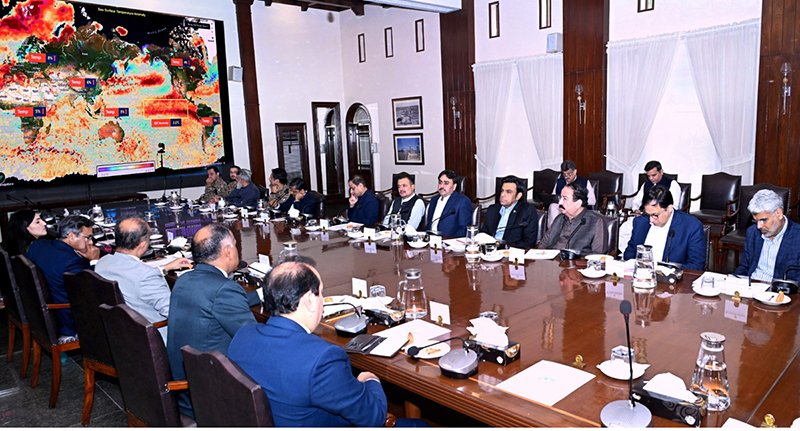
KARACHI — Sindh Irrigation Minister Jam Khan Shoro, alongside Chief Secretary Sindh Asif Hyder Shah and other senior officials, convened with Federal Minister for Climate Change Dr Musadik Malik and NDMA Chairman Lt Gen Inam Haider Malik at the Chief Minister’s House on July 10. The meeting focused on assessing Sindh’s preparedness for the upcoming monsoon season, enhancing flood response strategies, and implementing climate resilience initiatives. What Happened The meeting was a crucial platform for discussing the province’s readiness to tackle the challenges posed by the monsoon season, which often brings severe flooding to the region. Minister Shoro emphasized the importance of coordinated efforts between provincial and federal authorities to mitigate potential disasters. “Our priority is to ensure the safety and well-being of the citizens of Sindh,” Shoro stated, highlighting the need for robust flood management systems. Dr Musadik Malik, the Federal Minister for Climate Change, reiterated the federal government’s commitment to supporting Sindh in its disaster preparedness efforts. He discussed the deployment of the National Disaster Management Authority’s (NDMA) next-generation early warning and predictive disaster intelligence systems, which are designed to provide timely alerts and improve response times during emergencies. Lt Gen Inam Haider Malik, Chairman of the NDMA, provided insights into the authority’s plans to enhance disaster management capabilities across Pakistan. He noted that the integration of advanced technology and data analytics would play a pivotal role in predicting and managing natural disasters more effectively. Background Sindh, a province frequently affected by monsoon rains, has historically faced significant challenges in managing floodwaters. In recent years, climate change has exacerbated these issues, leading to more frequent and severe flooding events. The provincial government has been working on various initiatives to improve infrastructure and response mechanisms, but challenges remain due to limited resources and the scale of the problem. The National Disaster Management Authority (NDMA) was established to coordinate disaster response efforts across Pakistan. It has been instrumental in developing early warning systems and enhancing the country’s overall disaster management framework. The authority’s focus on integrating technology into disaster preparedness represents a shift towards more proactive and data-driven approaches. Why It Matters Effective monsoon preparedness and flood response are critical for Sindh, given the province’s vulnerability to climate-induced disasters. The meeting underscores the importance of collaboration between provincial and federal entities to safeguard communities and infrastructure. The deployment of advanced early warning systems by the NDMA is expected to enhance the province’s ability to respond to emergencies swiftly, potentially saving lives and reducing economic losses. From an economic perspective, flooding can have devastating impacts on agriculture, infrastructure, and livelihoods in Sindh. By improving preparedness and response strategies, the province can mitigate these effects and support economic stability. Additionally, the integration of climate resilience initiatives aligns with Pakistan’s broader goals of addressing climate change and reducing its impacts on vulnerable populations. Internationally, Pakistan’s efforts to enhance disaster management capabilities contribute to global climate resilience objectives. By adopting advanced technologies and improving coordination, the country sets an example for other regions facing similar challenges. This proactive approach also opens opportunities for international collaboration and support in building resilient communities. Key Takeaways Sindh officials and federal ministers met to discuss monsoon preparedness and flood response. The NDMA’s advanced early warning systems aim to improve disaster response times. Collaboration between provincial and federal authorities is crucial for effective disaster management. Improved flood management can mitigate economic and social impacts in Sindh. Pakistan’s efforts contribute to global climate resilience and disaster management initiatives. Source Attribution This article is based on official government statements, press releases, and public communications from relevant authorities. Author: NEN Editorial Desk | Editor: NEN Newsroom | Fact Checked By: NEN Editorial Team Author: NEN Editorial Desk  |  Editor: NEN Newsroom  |  Last Updated: July 10, 2026  |  Source: Press Release from Government of Pakistan This article was produced by the NEN Editorial Desk in accordance with NEN Agency’s Editorial Policy and Fact-Checking Policy.
World

Pakistan Expresses Condolences Over Lives Lost in Spain Wildfires

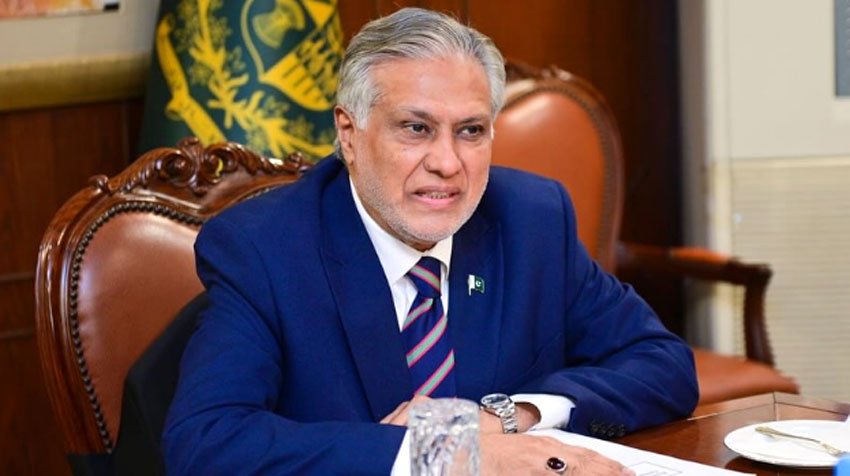
ISLAMABAD — Deputy Prime Minister and Foreign Minister Muhammad Ishaq Dar expressed deep sorrow over the tragic loss of lives caused by wildfires in Spain. In a statement released on Friday, Dar conveyed Pakistan’s condolences to the Spanish government and its citizens, acknowledging the devastating impact of the natural disaster. What Happened The wildfires in Spain have resulted in significant loss of life and widespread destruction, prompting international concern and sympathy. Deputy Prime Minister Muhammad Ishaq Dar, in a post on social media platform X, stated, “We are deeply grieved to learn about the devastating wildfires in Spain. Pakistan extends its heartfelt condolences to the Government and people of Spain in this difficult time.” His message underscores the solidarity between Pakistan and Spain during this crisis. The wildfires, which have been raging across several regions in Spain, have led to numerous fatalities and have displaced thousands of residents. Emergency services in Spain are working tirelessly to contain the fires, which have been exacerbated by high temperatures and dry conditions. The Spanish government has mobilized resources to assist affected communities and has received international offers of support. Background Spain has a history of battling wildfires, particularly during the summer months when temperatures soar and dry conditions prevail. The country has implemented various measures to mitigate the impact of such disasters, including early warning systems and fire prevention strategies. Despite these efforts, climate change has intensified the frequency and severity of wildfires in recent years, posing significant challenges to firefighting efforts. In the past, Spain has collaborated with other European nations to enhance its firefighting capabilities, sharing resources and expertise to combat large-scale fires. The current wildfires are among the most severe the country has faced in recent years, drawing attention to the urgent need for international cooperation in addressing climate-related disasters. Why It Matters The expression of condolences by Deputy Prime Minister Muhammad Ishaq Dar highlights the importance of international solidarity in times of crisis. As climate change continues to exacerbate natural disasters worldwide, countries are increasingly recognizing the need for collaborative efforts to address these challenges. Pakistan’s gesture of support to Spain reflects the broader diplomatic ties between the two nations and underscores the global nature of the fight against climate change. The wildfires in Spain serve as a stark reminder of the devastating impact of climate change on communities and ecosystems. With rising global temperatures and changing weather patterns, the frequency and intensity of wildfires are expected to increase, posing significant risks to human life and biodiversity. This situation calls for urgent action from the international community to implement effective climate policies and disaster management strategies. For Pakistan, which has also experienced the effects of climate change, including severe floods and extreme weather events, the situation in Spain resonates deeply. The country has been actively participating in international climate forums and has committed to reducing its carbon footprint. By expressing solidarity with Spain, Pakistan reinforces its commitment to addressing global environmental challenges and fostering international cooperation. Key Takeaways Deputy Prime Minister Muhammad Ishaq Dar expressed condolences over the loss of lives in Spain’s wildfires. The wildfires have caused significant fatalities and displacement in Spain, prompting international concern. Spain’s history of wildfires is exacerbated by climate change, highlighting the need for international cooperation. Pakistan’s gesture underscores the importance of global solidarity in addressing climate-related disasters. The situation emphasizes the urgent need for effective climate policies and disaster management strategies worldwide. Source Attribution This article is based on official government statements, press releases, and public communications from relevant authorities. Author: NEN Editorial Desk | Editor: NEN Newsroom | Fact Checked By: NEN Editorial Team Author: NEN Editorial Desk  |  Editor: NEN Newsroom  |  Last Updated: July 10, 2026  |  Source: NEN Reporter This article was produced by the NEN Editorial Desk in accordance with NEN Agency’s Editorial Policy and Fact-Checking Policy.

World

Interns Gain Vital Skills at Veterinary Awareness Session in Faisalabad

FAISALABAD — An awareness session for veterinary officers and para-veterinary interns was conducted at the Civil Veterinary Hospital in Faisalabad on Friday, under the Chief Minister’s Internship Programme. The session aimed to enhance the professional skills and technical knowledge of the participants, equipping them to better serve in their respective fields. What Happened The awareness session was chaired by Director Livestock Dr. Haider Ali Khan, with Additional Director Livestock Dr. Rubina Anjum and Deputy Director Livestock Dr. Sohail Ahmed Anjum also in attendance. The initiative was part of the ongoing efforts to provide hands-on training and practical guidance to the interns who are at the beginning of their careers in veterinary services. During the session, the interns received comprehensive training on various aspects of their professional duties. Dr. Nabila Murtaza conducted a session on the handling of semen and gas, which are crucial components in livestock management and artificial insemination processes. Meanwhile, Dr. Muhammad Asif Gondal provided detailed instruction on the 9211 SPMS (Semen Production and Management System), a critical system used in the livestock sector to ensure quality and efficiency in reproductive services. The training was designed to familiarize the interns with the operational procedures, technical matters, and service delivery systems within the Livestock Department. This knowledge is intended to help them improve their professional performance and deliver quality services to the public. The session also covered topics such as professional responsibilities, field duties, and departmental discipline, providing a comprehensive overview of the expectations and standards within the veterinary field. Background The Chief Minister’s Internship Programme is a government initiative aimed at providing practical training and professional development opportunities to young graduates in various fields, including veterinary sciences. The programme is part of broader efforts to enhance the skills of the workforce and improve service delivery across different sectors in Pakistan. Veterinary services play a crucial role in Pakistan’s agriculture sector, which is a significant part of the national economy. The sector not only supports food production but also contributes to the livelihoods of millions of people involved in farming and livestock rearing. The government has been focusing on improving veterinary services to ensure animal health and productivity, which in turn supports economic growth and food security. Why It Matters The awareness session is significant for several reasons. Firstly, it addresses the critical need for skilled professionals in the veterinary sector, which is vital for maintaining animal health and boosting agricultural productivity. By equipping interns with the necessary skills and knowledge, the programme helps ensure that the next generation of veterinary professionals is prepared to meet the challenges of the field. Economically, improving veterinary services can lead to increased productivity in the agriculture sector, which is a cornerstone of Pakistan’s economy. Healthy livestock contribute to higher yields and better quality products, which can enhance food security and increase exports. This, in turn, can have a positive impact on the national economy and the livelihoods of those involved in agriculture. Socially, the programme supports the development of a skilled workforce, which is essential for the country’s progress. By investing in the education and training of young professionals, the government is laying the groundwork for a more competent and efficient public service sector. Politically, initiatives like the Chief Minister’s Internship Programme demonstrate the government’s commitment to improving public services and supporting economic development. By focusing on sectors that have a direct impact on the population’s well-being, the government can build trust and support among its citizens. Key Takeaways An awareness session for veterinary interns was held in Faisalabad under the CM Internship Programme. The session provided training on technical and professional aspects of veterinary services. The programme aims to improve the skills of young professionals in the livestock sector. Improved veterinary services can enhance agricultural productivity and economic growth. The initiative reflects the government’s commitment to developing a skilled workforce. Source Attribution This article is based on official government statements, press releases, and public communications from relevant authorities. Author: NEN Editorial Desk | Editor: NEN Newsroom | Fact Checked By: NEN Editorial Team Author: NEN Editorial Desk  |  Editor: NEN Newsroom  |  Last Updated: July 10, 2026  |  Source: NEN Reporter This article was produced by the NEN Editorial Desk in accordance with NEN Agency’s Editorial Policy and Fact-Checking Policy.

World

President Calls for Unified Efforts to Enhance Health and Empowerment

ISLAMABAD — President Asif Ali Zardari has called upon various stakeholders, including government bodies, parliamentarians, academia, civil society organizations, development partners, religious leaders, media, and communities, to collaborate in advancing the health, well-being, and empowerment of the populace. This appeal was made in conjunction with the observance of World Population Day, which emphasizes the global theme of ‘Realising the Hopes’. What Happened On the occasion of World Population Day, President Asif Ali Zardari addressed the nation, urging a collective effort to tackle issues related to public health and empowerment. He highlighted the importance of a coordinated approach involving multiple sectors to address the challenges faced by the population. The President stressed that the combined efforts of all sectors are crucial in ensuring the health and empowerment of citizens, which are integral to national development. President Zardari emphasized the role of government institutions in formulating and implementing policies that prioritize public health and empowerment. He also called on parliamentarians to engage actively in legislative processes that support these goals. Additionally, he urged academia and civil society organizations to contribute through research and advocacy, while development partners and religious leaders were encouraged to support initiatives that promote health and empowerment. In his message, the President also underscored the role of media in raising awareness and educating the public about health and empowerment issues. He noted that media can play a significant role in shaping public opinion and influencing policy decisions. Furthermore, he called on communities to participate actively in initiatives aimed at improving health and empowerment outcomes. Background World Population Day, observed annually on July 11, aims to raise awareness about global population issues, including health, education, and gender equality. The day was established by the United Nations in 1989, inspired by the public interest in the Day of Five Billion, which was observed on July 11, 1987, when the world’s population reached approximately five billion. In Pakistan, population growth has been a significant concern, with the country ranking as the fifth most populous in the world. Rapid population growth poses challenges to health infrastructure, education systems, and economic development. The government has been working on various initiatives to address these challenges, including family planning programs and public health campaigns. Why It Matters The President’s call for a unified approach to health and empowerment is significant in the context of Pakistan’s socio-economic challenges. With a rapidly growing population, the country faces increased pressure on its health and education systems. A coordinated effort involving multiple stakeholders is essential to address these challenges effectively. Economically, improving public health and empowerment can lead to a more productive workforce, which is vital for national development. Healthier and empowered citizens are better equipped to contribute to the economy, reducing poverty and improving living standards. Socially, empowering individuals, particularly women and marginalized groups, can lead to more equitable and inclusive communities. Internationally, Pakistan’s efforts to address population-related challenges can enhance its standing as a responsible member of the global community. By aligning with international goals, such as the United Nations Sustainable Development Goals (SDGs), Pakistan can demonstrate its commitment to global development priorities. Key Takeaways President Asif Ali Zardari calls for a unified effort to promote health and empowerment in Pakistan. World Population Day highlights the importance of addressing global population issues. Pakistan faces challenges due to rapid population growth, impacting health and education systems. Coordinated efforts can improve economic productivity and social equity. Aligning with international goals can enhance Pakistan’s global standing. Source Attribution This article is based on official government statements, press releases, and public communications from relevant authorities. Author: NEN Editorial Desk | Editor: NEN Newsroom | Fact Checked By: NEN Editorial Team Author: NEN Editorial Desk  |  Editor: NEN Newsroom  |  Last Updated: July 10, 2026  |  Source: Press Release from Government of Pakistan This article was produced by the NEN Editorial Desk in accordance with NEN Agency’s Editorial Policy and Fact-Checking Policy.

World

Azadi Cup Tenpin Bowling Championship Organizing Committee Announced

ISLAMABAD — The Pakistan Tenpin Bowling Federation (PTBF) has officially announced the members of the Organizing Committee for the upcoming Azadi Cup Tenpin Bowling Championship, scheduled to take place from August 8 to 14 at the Leisure City Bowling Club, Safa Gold Mall, F-7 Markaz, Islamabad. What Happened The PTBF revealed the lineup for the Organizing Committee of the Azadi Cup Tenpin Bowling Championship, a significant event in the national sports calendar. The championship will be held over a week in August, coinciding with Pakistan’s Independence Day celebrations. Ijaz-ur-Rehman, the President of PTBF, will serve as the Chairman of the Committee, ensuring that the event is organized efficiently and with the grandeur it deserves. Supporting him in this endeavor are Aleem Agha and Asif Orakzai, who will act as Vice-Chairmen. Lt. Col. (R) Kamran Khalid Janjua has been appointed as the Organizing Secretary, tasked with overseeing the logistics and coordination of the championship. The committee also includes members such as Muhammad Hussain Chatha, Daniyal Ijaz, Engineer Rana Asad Tanveer, Ijaz Rehan, Mohsin Hadi, Kulsoom Ahmed, Muniba Iftikhar, Rehana Parveen, Fatima Ali, and Zukraf, each bringing their expertise to ensure the event’s success. Ijaz-ur-Rehman, in his capacity as Chairman, emphasized the importance of the committee’s role in organizing the championship with dignity and efficiency. He stated, “The purpose of forming the Organizing Committee is to organize the Independence Day Championship in a dignified manner.” This reflects the PTBF’s commitment to promoting tenpin bowling as a sport in Pakistan and celebrating national pride through sportsmanship. Background Tenpin bowling has been gaining traction in Pakistan over the past few years, with the PTBF at the forefront of promoting the sport. The Azadi Cup serves as a platform not only to celebrate Pakistan’s Independence Day but also to showcase local talent and encourage participation in bowling. The PTBF has been organizing such events to foster a competitive spirit and bring international attention to the sport within the country. Historically, the PTBF has worked towards establishing a robust infrastructure for tenpin bowling in Pakistan, including organizing national championships and participating in international competitions. The federation’s efforts have been instrumental in increasing the sport’s popularity and accessibility across different regions of the country. Why It Matters The Azadi Cup Tenpin Bowling Championship holds significant importance for several reasons. Economically, it boosts local businesses, especially those associated with the sports and hospitality sectors, as participants and spectators from various regions converge in Islamabad. Socially, it provides a platform for youth engagement, promoting healthy competition and sportsmanship among young athletes. Politically, the championship is a symbol of national unity and pride, aligning with the Independence Day celebrations. It underscores the government’s and sports bodies’ efforts to promote sports as a means of fostering unity and national pride. Moreover, the event highlights the potential of sports tourism in Pakistan, as successful organization and execution can attract international participants and audiences in future editions. On an international level, the championship can enhance Pakistan’s image as a country capable of hosting large-scale sporting events, thereby opening doors for future international collaborations and competitions. This aligns with the broader goal of integrating Pakistan into the global sports community, showcasing its hospitality and organizational capabilities. Key Takeaways The Azadi Cup Tenpin Bowling Championship will be held from August 8 to 14 in Islamabad. Ijaz-ur-Rehman leads the Organizing Committee as Chairman, with Aleem Agha and Asif Orakzai as Vice-Chairmen. The event coincides with Pakistan’s Independence Day celebrations, promoting national pride through sports. The championship aims to boost local economies and promote youth engagement in sports. Successful execution can enhance Pakistan’s international reputation as a host for sporting events. Source Attribution This article is based on official government statements, press releases, and public communications from relevant authorities. Author: NEN Editorial Desk | Editor: NEN Newsroom | Fact Checked By: NEN Editorial Team Author: NEN Editorial Desk  |  Editor: NEN Newsroom  |  Last Updated: July 10, 2026  |  Source: NEN Reporter This article was produced by the NEN Editorial Desk in accordance with NEN Agency’s Editorial Policy and Fact-Checking Policy.

World

Pakistan Taekwondo Team Embarks On South Korea Training Tour

ISLAMABAD — The Pakistan taekwondo team departed for South Korea on Friday to participate in an international training camp and five prestigious international taekwondo competitions. The tour is designed to provide the team with valuable international exposure, enhance their technical skills, and strengthen Pakistan’s preparation for upcoming major international events, according to a press release from the Taekwondo Federation of Pakistan. What Happened The delegation, comprising top athletes and coaches, is led by the President of the Pakistan Taekwondo Federation, Col (R) Waseem Ahmed Janjua. The team will engage in rigorous training sessions and compete in events that attract top talent from around the world. The itinerary includes participation in the Korea Open International Taekwondo Championships, the Chuncheon Korea Open International Taekwondo Championships, and several other high-profile competitions. Col (R) Waseem Ahmed Janjua expressed optimism about the tour, stating, “This is an excellent opportunity for our athletes to gain international experience and improve their skills by competing against some of the best in the world.” The training camp and competitions are expected to play a crucial role in preparing the athletes for the Asian Games and the World Taekwondo Championships scheduled for later this year. The team’s departure marks a significant step in their journey towards achieving international success. The athletes have been undergoing intensive training in Pakistan to ensure they are in peak condition for the challenges ahead. The training in South Korea is anticipated to further refine their techniques and strategies. Background Taekwondo has been gaining popularity in Pakistan over the past decade, with increasing participation at both grassroots and professional levels. The Pakistan Taekwondo Federation has been instrumental in promoting the sport, organizing national championships, and facilitating international exposure for athletes. Historically, Pakistani taekwondo athletes have faced challenges due to limited resources and international exposure. However, recent efforts by the federation have led to improved training facilities and opportunities for international competition. The federation’s strategic focus on international exposure is aimed at bridging the gap between local athletes and their international counterparts. Why It Matters The participation of the Pakistan taekwondo team in international competitions is significant for several reasons. Firstly, it provides athletes with the opportunity to compete at a high level, which is essential for their development and success on the global stage. Competing against international athletes allows them to gauge their skills and identify areas for improvement. Secondly, the exposure to different styles and techniques is invaluable. South Korea is known as a powerhouse in taekwondo, and training there offers Pakistani athletes a chance to learn from the best. This experience is expected to enhance their performance in future competitions, including the Asian Games and the World Championships. Economically, success in international sports can lead to increased funding and sponsorship opportunities for athletes and sports organizations in Pakistan. This can further develop the sport domestically and inspire young athletes to pursue taekwondo professionally. On a broader scale, the team’s participation in international events helps to elevate Pakistan’s profile in the global sports community. It demonstrates the country’s commitment to developing its athletes and competing at the highest levels. Key Takeaways The Pakistan taekwondo team has departed for South Korea to participate in an international training camp and competitions. The tour aims to provide international exposure and enhance the athletes’ skills for upcoming major events. The team will participate in several prestigious competitions, including the Korea Open International Taekwondo Championships. International exposure is crucial for the development of Pakistani athletes and the growth of taekwondo in the country. Success in these events could lead to increased funding and sponsorship opportunities for the sport in Pakistan. Source Attribution This article is based on official government statements, press releases, and public communications from relevant authorities. Author: NEN Editorial Desk | Editor: NEN Newsroom | Fact Checked By: NEN Editorial Team Author: NEN Editorial Desk  |  Editor: NEN Newsroom  |  Last Updated: July 10, 2026  |  Source: Press Release from Government of Pakistan This article was produced by the NEN Editorial Desk in accordance with NEN Agency’s Editorial Policy and Fact-Checking Policy.

Scroll to Top