

World

Welcome to the World section of NEN Agency, your window to the stories shaping our planet. From global politics and economic shifts to science breakthroughs, cultural moments, and humanitarian crises, we connect you to events that matter — wherever they happen.

Inside This Category

  • Global Politics & Diplomacy: International relations, summits, and policy shifts.

  • World Economy & Trade: Market trends, trade agreements, and financial developments.

  • Conflicts & Security: Coverage of wars, peace efforts, and security challenges.

  • Science & Environment: Climate change, technological advances, and space exploration.

  • Culture & Society: Arts, sports, and lifestyle stories from around the globe.

Why Our World Coverage Stands Out
We deliver global news with context, helping readers see how events beyond borders influence life in Pakistan and the wider region.

World

Punjab IGP Reassigns Additional SP, Suspends DSP for Negligence

LAHORE — Punjab Inspector General of Police (IGP) Abdul Kareem has taken disciplinary action against senior police officials in Rawalpindi, citing negligence and unsatisfactory performance. On Monday, the IGP ordered Additional Superintendent of Police (SP) Mudassar Iqbal to report to the Central Police Office (CPO) in Lahore and suspended Deputy Superintendent of Police (DSP) Headquarters Rawalpindi. What Happened The Punjab IGP’s decision came after a review of the performance of police officials in Rawalpindi. According to a spokesperson for the Punjab Police, IGP Abdul Kareem found the performance of DSP Headquarters Rawalpindi lacking in key areas, prompting his suspension. The decision underscores a commitment to accountability within the police force, aiming to enhance operational efficiency and public trust. Additional SP Mudassar Iqbal has been directed to report to the CPO in Lahore, where he will presumably be reassigned new responsibilities. The reassignment of SP Iqbal is part of a broader strategy to optimize police operations across the province. The spokesperson noted, “The IGP is determined to ensure that all officers perform their duties with utmost diligence and responsibility.” The suspension of the DSP and reassignment of the SP are part of ongoing efforts by the Punjab Police to address internal inefficiencies and improve service delivery to the public. The IGP’s actions reflect a zero-tolerance policy towards negligence and inefficiency within the force. Background The Punjab Police have been under scrutiny in recent years due to various incidents of misconduct and inefficiency. The provincial police force has faced criticism for its handling of high-profile cases and general law enforcement duties. In response, the Punjab government and police leadership have initiated several reforms aimed at improving accountability and performance among police officers. Historically, the Punjab Police have struggled with issues such as corruption, lack of resources, and inadequate training. These challenges have often led to public dissatisfaction and calls for reform. The current leadership under IGP Abdul Kareem has been vocal about addressing these issues and implementing measures to ensure a more effective policing system. Why It Matters This development is significant for several reasons. Firstly, it highlights the ongoing efforts by the Punjab Police to improve accountability and performance within the force. By taking decisive action against senior officials, the IGP is sending a clear message that negligence and inefficiency will not be tolerated. This could lead to improved morale and performance among other officers who see that accountability measures are being enforced. Secondly, the reassignment and suspension could have broader implications for police operations in Punjab. With a focus on efficiency and accountability, the police force may see improvements in response times, case resolution rates, and overall public trust. This is particularly important in a province where law and order challenges are prevalent, and effective policing is crucial for maintaining public safety. Finally, the actions taken by the IGP may influence other provinces to adopt similar accountability measures within their police forces. As Punjab is one of Pakistan’s most populous and influential provinces, its approach to policing can set a precedent for others to follow, potentially leading to nationwide improvements in law enforcement standards. Key Takeaways Punjab IGP Abdul Kareem has suspended DSP Headquarters Rawalpindi for negligence and unsatisfactory performance. Additional SP Mudassar Iqbal has been reassigned to the Central Police Office in Lahore. The actions are part of broader efforts to enhance accountability and efficiency within the Punjab Police. This move is expected to improve public trust and operational effectiveness of the police force. The measures could influence policing standards in other provinces of Pakistan. Source Attribution This article is based on official statements from the Punjab Police and public communications from relevant authorities. Author: NEN Editorial Desk | Editor: NEN Newsroom | Fact Checked By: NEN Editorial Team Author: NEN Editorial Desk  |  Editor: NEN Newsroom  |  Last Updated: June 29, 2026  |  Source: NEN Reporter This article was produced by the NEN Editorial Desk in accordance with NEN Agency’s Editorial Policy and Fact-Checking Policy.

World

ETPB Commemorates 187th Death Anniversary Of Maharaja Ranjit Singh In Lahore

LAHORE — The Evacuee Trust Property Board (ETPB) held a central ceremony on Monday to commemorate the 187th death anniversary of Maharaja Ranjit Singh at Gurdwara Dera Sahib in Lahore. The event saw the participation of Sikh pilgrims from India and other countries, alongside officials from the Pakistan Sikh Gurdwara Parbandhak Committee (PSGPC), ETPB officers, and various dignitaries. What Happened The ceremony, organized by the ETPB, was a significant event for the Sikh community, drawing participants from across the globe to honor the legacy of Maharaja Ranjit Singh, the founder of the Sikh Empire. The gathering at Gurdwara Dera Sahib, a site of historical importance, included religious rituals and cultural performances, highlighting the rich heritage and history associated with the Maharaja. ETPB Secretary, along with other prominent figures, addressed the attendees, emphasizing the importance of preserving the cultural and religious sites associated with the Sikh heritage in Pakistan. The event was marked by prayers and speeches that celebrated the life and contributions of Maharaja Ranjit Singh, who is revered for his leadership and efforts to unify the Sikh community during his reign from 1801 to 1839. Participants included a diverse group of Sikh pilgrims who traveled from various parts of India and other countries to pay their respects. The presence of international visitors underscored the global significance of Maharaja Ranjit Singh’s legacy and the continued reverence for his contributions to Sikh history. Background Maharaja Ranjit Singh, known as the ‘Lion of Punjab’, was a pivotal figure in the history of the Indian subcontinent. He established the Sikh Empire in the early 19th century, which at its peak, extended over much of the Punjab region, including parts of present-day Pakistan and India. His reign is noted for its secular approach, where he fostered an environment of religious tolerance and cultural diversity. Gurdwara Dera Sahib, located in Lahore, holds significant historical importance as it is believed to be the site where Maharaja Ranjit Singh was cremated. The gurdwara is a place of pilgrimage for Sikhs worldwide and serves as a symbol of the shared heritage between India and Pakistan. Why It Matters The commemoration of Maharaja Ranjit Singh’s death anniversary is a crucial event for the Sikh community, serving as a reminder of their rich cultural and historical roots. It also highlights the ongoing efforts to preserve and promote Sikh heritage sites in Pakistan, which play a vital role in fostering cross-border cultural ties and religious tourism. For Pakistan, such events are significant in promoting religious harmony and showcasing the country’s commitment to protecting the rights and heritage of minority communities. The presence of international pilgrims at the ceremony is a testament to the importance of these efforts in enhancing Pakistan’s image as a country that respects and values its diverse cultural heritage. Economically, the influx of pilgrims contributes to the local economy, particularly in the hospitality and tourism sectors. Events like these have the potential to boost religious tourism, which can be a substantial source of revenue and cultural exchange. Key Takeaways The ETPB organized a ceremony at Gurdwara Dera Sahib to honor Maharaja Ranjit Singh’s 187th death anniversary. Sikh pilgrims from India and other countries participated in the event, highlighting its international significance. Maharaja Ranjit Singh is celebrated for his contributions to the Sikh Empire and his secular governance. The event underscores Pakistan’s efforts to preserve Sikh heritage and promote religious tourism. Such commemorations enhance cultural ties and contribute to the local economy through tourism. Source Attribution This article is based on official government statements, press releases, and public communications from relevant authorities. Author: NEN Editorial Desk | Editor: NEN Newsroom | Fact Checked By: NEN Editorial Team Author: NEN Editorial Desk  |  Editor: NEN Newsroom  |  Last Updated: June 29, 2026  |  Source: NEN Reporter This article was produced by the NEN Editorial Desk in accordance with NEN Agency’s Editorial Policy and Fact-Checking Policy.
World

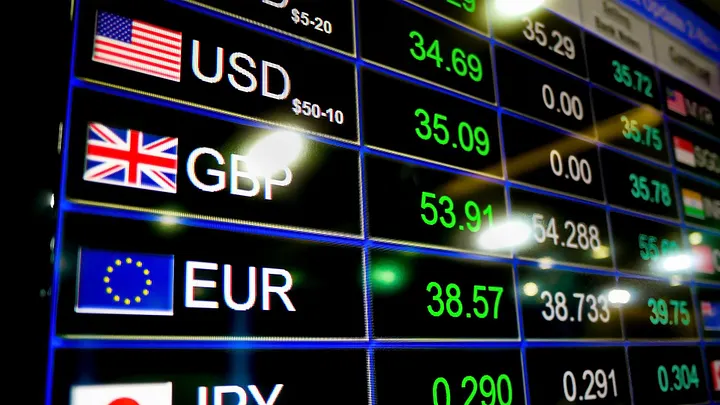
Pakistan’s Exchange Rates Issued by Financial Markets Association

KARACHI — The Exchange Rates Committee of the Financial Markets Association of Pakistan released the latest foreign exchange rates bulletin on Monday, June 29, 2026. The bulletin provides the conversion rates for various foreign currencies, which are crucial for forward cover and deposits, excluding FE-25 deposits. The State Bank of Pakistan (SBP) has set the settlement value date for these rates as July 2, 2026. What Happened The Financial Markets Association of Pakistan’s Exchange Rates Committee has issued the new conversion rates for foreign currencies, which are essential for forward cover and deposits. As of June 29, 2026, the exchange rate for the US Dollar (USD) is set at 278.1543 Pakistani Rupees (PKR). The British Pound (GBP) stands at 366.8299 PKR, while the Euro (EUR) is valued at 315.7886 PKR. The Japanese Yen (JPY) is pegged at 1.7201 PKR. These rates are significant for businesses and financial institutions engaging in international trade and transactions. The SBP’s settlement value date for these rates is July 2, 2026, which means these rates will be applicable for transactions settled on or after this date. The announcement of these rates comes amidst a backdrop of fluctuating currency values, which have been influenced by various economic factors both domestically and internationally. The exchange rates are a reflection of the current economic conditions and are used by businesses to hedge against currency risks. Background Exchange rates in Pakistan are determined by the market forces of demand and supply, with oversight by the State Bank of Pakistan. The Financial Markets Association of Pakistan plays a key role in providing regular updates on these rates, which are crucial for the country’s economic stability. Historically, the Pakistani Rupee has experienced volatility due to factors such as inflation, trade deficits, and changes in foreign exchange reserves. The exchange rate policy has evolved over the years, with the government and the SBP implementing various measures to stabilize the currency and support economic growth. In recent years, the Pakistani Rupee has faced depreciation pressures due to external debt obligations and a widening current account deficit. The government has been working to implement reforms aimed at improving fiscal discipline and enhancing foreign exchange reserves. Why It Matters The release of exchange rates is a critical component of Pakistan’s financial infrastructure, impacting a wide range of economic activities. For businesses engaged in international trade, these rates determine the cost of imports and exports, influencing pricing strategies and profit margins. For the average citizen, exchange rates can affect the cost of living, particularly for goods and services that are imported. Fluctuations in the exchange rate can lead to changes in the prices of essential commodities, impacting household budgets. On a broader scale, stable exchange rates are vital for attracting foreign investment. Investors seek predictable and stable economic environments, and fluctuations in currency values can deter investment. Therefore, the stability of the Pakistani Rupee is crucial for the country’s economic growth and development. Internationally, exchange rates also affect Pakistan’s competitiveness in the global market. A stronger Rupee can make exports more expensive, reducing demand, while a weaker Rupee can boost exports by making them more affordable to foreign buyers. Key Takeaways The Financial Markets Association of Pakistan released new exchange rates for June 29, 2026. The US Dollar is valued at 278.1543 PKR, while the British Pound is at 366.8299 PKR. The State Bank of Pakistan has set the settlement value date for July 2, 2026. Exchange rates impact international trade, cost of living, and foreign investment. Stable exchange rates are essential for Pakistan’s economic growth and competitiveness. Source Attribution This article is based on official government statements, press releases, and public communications from relevant authorities. Author: NEN Editorial Desk | Editor: NEN Newsroom | Fact Checked By: NEN Editorial Team Author: NEN Editorial Desk  |  Editor: NEN Newsroom  |  Last Updated: June 29, 2026  |  Source: NEN Reporter This article was produced by the NEN Editorial Desk in accordance with NEN Agency’s Editorial Policy and Fact-Checking Policy.

World

Pakistan Transfers Management of PIACL to Investor Consortium

ISLAMABAD — The Government of Pakistan has transferred management control of Pakistan International Airlines Corporation Limited (PIACL) to an investor consortium led by Arif Habib Corporation Limited. This transfer follows the successful first financial closing of the airline’s divestment, as announced by the Privatization Commission on Monday. What Happened The Privatization Commission of Pakistan announced the successful first closing of the divestment of PIACL, marking a significant step in the country’s privatization efforts. The management control of the national carrier has been handed over to a consortium led by Arif Habib Corporation Limited. This transition occurred after the fulfillment of all conditions precedent outlined in the Share Purchase and Subscription Agreement (SPSA). This move is part of the government’s broader strategy to privatize state-owned enterprises to improve efficiency and reduce financial burdens on the national exchequer. The investor consortium, which now holds management control, is expected to bring in expertise and capital to revitalize the struggling airline. The successful closing is seen as a pivotal moment in Pakistan’s ongoing efforts to restructure its public sector enterprises. According to the Privatization Commission, the transaction was completed after a rigorous process that ensured transparency and compliance with legal and regulatory frameworks. The completion of this phase allows the investor group to begin implementing strategic changes aimed at turning around the fortunes of PIACL. Background Pakistan International Airlines, once a symbol of national pride, has faced numerous challenges over the past decades, including financial losses, management inefficiencies, and operational setbacks. The airline has been struggling to maintain profitability, with mounting debts and operational costs weighing heavily on its balance sheets. The privatization of PIACL has been a topic of discussion for several years, with successive governments considering various strategies to address the airline’s financial woes. The current administration’s decision to proceed with privatization aligns with its broader economic reform agenda aimed at enhancing the performance of state-owned enterprises. The Share Purchase and Subscription Agreement (SPSA) is a critical component of this privatization process, setting forth the terms and conditions under which the investor consortium assumes management control. This agreement ensures that the transition adheres to the legal and regulatory standards, providing a framework for the future operations of the airline under new management. Why It Matters The transfer of management control of PIACL is a significant development in Pakistan’s economic landscape, with potential implications for the aviation sector and the broader economy. By involving private investors, the government aims to inject much-needed capital and expertise into the airline, potentially reversing years of financial decline. Economically, the successful privatization of PIACL could serve as a catalyst for further privatization initiatives, encouraging investor confidence in Pakistan’s market. It demonstrates the government’s commitment to reforming state-owned enterprises, which could lead to improved efficiency and competitiveness in various sectors. Socially, the revitalization of PIACL could lead to job creation and improved services for passengers, enhancing the airline’s reputation and customer satisfaction. Politically, the move reflects the government’s resolve to tackle long-standing challenges within the public sector, potentially bolstering its standing domestically and internationally. Internationally, the involvement of private investors in PIACL’s management could enhance the airline’s global competitiveness, opening up new routes and partnerships. This could lead to increased connectivity for Pakistan, boosting tourism and trade opportunities. Key Takeaways The Government of Pakistan has transferred management control of PIACL to a consortium led by Arif Habib Corporation Limited. This transfer follows the successful first financial closing of the airline’s divestment process. The privatization aims to improve the airline’s efficiency and financial performance. The move is part of broader economic reforms targeting state-owned enterprises. Successful privatization could enhance investor confidence and economic growth in Pakistan. Source Attribution This article is based on official government statements, press releases, and public communications from relevant authorities. Author: NEN Editorial Desk | Editor: NEN Newsroom | Fact Checked By: NEN Editorial Team Author: NEN Editorial Desk  |  Editor: NEN Newsroom  |  Last Updated: June 29, 2026  |  Source: NEN Reporter This article was produced by the NEN Editorial Desk in accordance with NEN Agency’s Editorial Policy and Fact-Checking Policy.

World

Punjab Food Authority Shuts Down Three Food Outlets, Seizes Equipment

LAHORE — The Punjab Food Authority (PFA) has sealed three food outlets in Lahore, confiscating equipment as part of an ongoing effort to ensure food safety and quality. The operations, directed by PFA Director General Syed Musa Raza, targeted establishments in Shalimar, Jail Road, and Ferozepur Road on Tuesday. What Happened The enforcement teams of the Punjab Food Authority conducted surprise inspections across various locations in Lahore, leading to the closure of three food businesses. These operations were carried out in response to complaints and routine checks aimed at maintaining food safety standards. During the inspections, the teams identified significant violations of food safety regulations, prompting immediate action. In addition to sealing the three outlets, the PFA imposed a substantial fine on another food business found to be in breach of the regulations. The authority also confiscated two freezers, a fryer, and a preparation table from the premises of the offending businesses. These actions were part of a broader initiative to crack down on establishments that fail to comply with the province’s stringent food safety standards. Director General Syed Musa Raza emphasized the importance of these operations, stating, “The Punjab Food Authority is committed to ensuring that the citizens of Lahore have access to safe and hygienic food. We will continue to take strict action against those who violate food safety laws.” Background The Punjab Food Authority, established in 2011, is responsible for regulating and monitoring the food industry in Punjab. It aims to ensure that food products are safe, hygienic, and of good quality for consumers. The authority conducts regular inspections and enforces compliance with food safety standards across the province. Over the years, the PFA has intensified its efforts to improve food safety, launching various campaigns and initiatives to educate both consumers and food business operators about the importance of maintaining high standards. The authority’s actions have been instrumental in reducing foodborne illnesses and improving public health outcomes. Why It Matters The recent actions by the Punjab Food Authority highlight the ongoing challenges faced by regulatory bodies in maintaining food safety standards in a rapidly growing urban environment like Lahore. With an increasing number of food outlets, the risk of non-compliance with safety regulations also rises, posing potential health risks to consumers. The economic implications of these operations are significant. For the businesses involved, the immediate closure and fines can result in substantial financial losses. However, these measures are necessary to protect public health and ensure that food businesses adhere to the required standards. The confiscation of equipment further underscores the authority’s commitment to enforcing compliance and deterring future violations. From a social perspective, these actions serve as a reminder to consumers to remain vigilant about the quality of food they consume. The PFA’s initiatives also encourage food businesses to prioritize hygiene and safety, which can lead to improved customer trust and business sustainability in the long term. Internationally, maintaining high food safety standards is crucial for Pakistan’s reputation as a reliable exporter of food products. Consistent enforcement of regulations can enhance the country’s credibility in global markets, potentially boosting export opportunities and contributing to economic growth. Key Takeaways The Punjab Food Authority sealed three food outlets in Lahore for violating food safety regulations. Equipment including two freezers, a fryer, and a preparation table were confiscated during the operations. One additional food business was fined for non-compliance with food safety standards. The PFA’s actions aim to ensure safe and hygienic food for the citizens of Lahore. Maintaining food safety standards is crucial for public health and Pakistan’s international trade reputation. Source Attribution This article is based on official statements and public communications from the Punjab Food Authority. Author: NEN Editorial Desk | Editor: NEN Newsroom | Fact Checked By: NEN Editorial Team Author: NEN Editorial Desk  |  Editor: NEN Newsroom  |  Last Updated: June 29, 2026  |  Source: NEN Reporter This article was produced by the NEN Editorial Desk in accordance with NEN Agency’s Editorial Policy and Fact-Checking Policy.

World

Punjab Extends Ban on Outdoor Drone Flying for Additional 30 Days

LAHORE — The Punjab Home Department has announced an extension of the ban on outdoor drone flying across the province for another 30 days, citing security concerns. The decision, effective immediately, was made under Section 144 of the Code of Criminal Procedure, 1898, and aims to ensure public safety and maintain law and order. What Happened The Punjab Home Department has extended the enforcement of Section 144, continuing the prohibition on the use of drones in open areas for an additional month. This extension is a precautionary measure to safeguard public and private property, as well as to maintain peace across the province. According to a spokesperson from the department, the provincial government is committed to ensuring that the use of drones does not compromise security or public safety. The ban specifically targets outdoor drone activities, while allowing the use of small drones indoors, such as in halls and marquees, during private events. Event organizers are responsible for ensuring that drones are used safely and lawfully within these premises. The restriction does not apply to intelligence agencies and law enforcement institutions when performing official duties. District administrations and police authorities throughout Punjab have been directed to enforce the ban strictly. The Home Department emphasized that maintaining public safety and law and order is a top priority for the government. Background The use of drones has been increasingly regulated in various regions due to potential security risks and privacy concerns. In Punjab, the initial ban on outdoor drone flying was implemented to prevent unauthorized surveillance and to mitigate risks associated with drone operations in sensitive areas. Section 144 of the Code of Criminal Procedure, 1898, grants authorities the power to prohibit certain activities when public safety is at risk. Previously, similar bans have been enforced during sensitive periods, such as religious gatherings or political events, to prevent any potential misuse of drone technology that could lead to disturbances or security breaches. Why It Matters The extension of the drone ban in Punjab underscores the government’s ongoing commitment to addressing security challenges in the region. Drones, while beneficial for various applications, pose significant risks when used inappropriately, including threats to privacy, potential collisions, and unauthorized access to restricted areas. For the general public, this ban aims to prevent incidents that could arise from the misuse of drones, thereby protecting citizens from potential harm. The decision also reflects a broader trend of increased regulation of drone technology globally, as governments seek to balance technological advancements with security and privacy concerns. Economically, the ban may affect businesses that rely on drones for outdoor activities, such as aerial photography and agricultural monitoring. However, the allowance for indoor drone use provides some respite for event organizers and businesses operating within controlled environments. Internationally, Pakistan’s approach to drone regulation aligns with global practices, where many countries are tightening controls on drone operations to prevent security breaches and protect privacy. This move may enhance Pakistan’s reputation as a nation committed to maintaining security and public order. Key Takeaways The Punjab government has extended the outdoor drone flying ban for another 30 days under Section 144. The ban is aimed at ensuring public safety and maintaining law and order across the province. Indoor use of small drones remains permitted, with event organizers responsible for their safe use. The restriction does not apply to intelligence and law enforcement agencies on official duties. This decision aligns with global trends of increased regulation of drone technology for security reasons. Source Attribution This article is based on official government statements, press releases, and public communications from relevant authorities. Author: NEN Editorial Desk | Editor: NEN Newsroom | Fact Checked By: NEN Editorial Team Author: NEN Editorial Desk  |  Editor: NEN Newsroom  |  Last Updated: June 29, 2026  |  Source: Press Release from Government of Pakistan This article was produced by the NEN Editorial Desk in accordance with NEN Agency’s Editorial Policy and Fact-Checking Policy.

World

South Korea to Invest $650 Billion in AI Data Centers by 2035

SEOUL — South Korea has announced an ambitious plan to invest over a quadrillion won (approximately $650 billion USD) in the development of artificial intelligence (AI) data centers by the year 2035. This initiative, unveiled by Science Minister Bae Kyung-hoon, aims to position the country as a leader in the global AI industry. What Happened During a national investment briefing chaired by President Lee Jae Myung at Cheong Wa Dae, Minister Bae Kyung-hoon detailed the government’s strategy to enhance South Korea’s standing in the physical AI sector. Emphasizing the critical role of data in achieving this goal, Bae stated, “The next three years will be the golden time to become the No. 1 in the area of physical AI.” The plan includes an initial investment of 550 trillion won to construct 8.4 gigawatts (GW) of AI data centers by 2029. The infrastructure will be expanded by an additional 10 GW by 2035. This extensive development will be concentrated in non-capital regions to ensure balanced regional growth, as highlighted by Minister Bae. Quoting Nvidia’s chief, Jensen Huang, Bae underscored the magnitude of the current AI boom, describing it as the “largest infrastructure build-up in human history.” He also highlighted the global investment earmarked for data centers over the next five years, amounting to $5.5 trillion or 8.4 quadrillion won. To support the burgeoning sector, the ministry plans to localize equipment and solutions used in the data centers, offering tax incentives and fostering a cluster ecosystem. Additionally, ultra-large test labs will be established to optimize and validate AI models. The ministry’s roadmap includes developing a general-purpose foundation model for physical AI within the next three years, utilizing AI tools that comprehend real-world dynamics. This model aims to boost productivity in key industries by 20 percent, thereby creating a competitive edge for South Korea. Background South Korea has been at the forefront of technological innovation, with a strong emphasis on AI and semiconductor industries. The government’s focus on AI data centers is part of a broader strategy to enhance its technological infrastructure and maintain a competitive position in the global market. Historically, South Korea has invested heavily in technology sectors, recognizing their potential to drive economic growth and job creation. The country’s commitment to AI development aligns with its long-term vision of becoming a digital powerhouse. Why It Matters The proposed investment in AI data centers is significant for several reasons. Economically, it represents a substantial commitment to technological advancement, which is expected to stimulate growth in related industries and create numerous job opportunities. The focus on non-capital regions for infrastructure development is likely to promote regional economic balance and reduce disparities. Socially, the initiative underscores the importance of AI in enhancing productivity and efficiency across various sectors, including manufacturing, healthcare, and logistics. By boosting productivity by 20 percent, the initiative could lead to improved services and products, benefiting consumers and businesses alike. Internationally, South Korea’s investment signals its intent to be a major player in the global AI landscape. As countries worldwide compete for technological dominance, South Korea’s strategic investments could enhance its influence and partnerships in the international arena. Key Takeaways South Korea plans to invest over a quadrillion won ($650 billion USD) in AI data centers by 2035. The initiative aims to position South Korea as a leader in the global AI industry. Infrastructure development will focus on non-capital regions to promote balanced regional growth. The plan includes localizing equipment, offering tax incentives, and creating ultra-large test labs. The initiative is expected to boost productivity in key industries by 20 percent, enhancing competitiveness. Source Attribution This article is based on official government statements, press releases, and public communications from relevant authorities. Author: NEN Editorial Desk | Editor: NEN Newsroom | Fact Checked By: NEN Editorial Team Author: NEN Editorial Desk  |  Editor: NEN Newsroom  |  Last Updated: June 29, 2026  |  Source: Press Release from Government of Pakistan This article was produced by the NEN Editorial Desk in accordance with NEN Agency’s Editorial Policy and Fact-Checking Policy.
World

Oil Prices Increase Amid Tensions Affecting Strait of Hormuz

LONDON — Oil prices experienced an uptick on Monday as Brent crude and US West Texas Intermediate (WTI) both recorded gains, driven by geopolitical tensions affecting a critical maritime route. Brent crude futures rose by 50 cents, reaching $72.49 per barrel, while WTI crude futures increased by 73 cents to $69.96 per barrel as of 2204 GMT. What Happened The increase in oil prices comes in the wake of renewed concerns over potential supply disruptions. These concerns have been fueled by recent military exchanges between the United States and Iran, which have escalated tensions in the Middle East. The Strait of Hormuz, a vital chokepoint through which a significant portion of the world’s oil supply is transported, is at the center of these tensions. The heightened uncertainty over the security of this strategic waterway has contributed to the upward pressure on oil prices. According to market analysts, the geopolitical developments have injected a sense of volatility into the oil markets. “The market is reacting to the geopolitical risks associated with the Strait of Hormuz,” said a commodities analyst. The potential for conflict in the region raises concerns about the safe passage of oil tankers, which could lead to supply bottlenecks and further price increases. In addition to geopolitical factors, the oil market is also responding to broader economic indicators. Recent data showing a rebound in global economic activity has bolstered demand expectations, providing additional support for oil prices. However, the primary driver of the current price movements remains the geopolitical landscape. Background The Strait of Hormuz is a narrow passage connecting the Persian Gulf with the Gulf of Oman and the Arabian Sea. It is one of the most strategically important waterways globally, with approximately 20% of the world’s petroleum passing through it. Historically, tensions in this region have had significant implications for global oil markets. The United States and Iran have had a contentious relationship, with periodic escalations impacting global oil supply perceptions. In recent years, incidents such as the targeting of oil tankers and military confrontations have periodically disrupted the flow of oil through the Strait, leading to fluctuations in global oil prices. Furthermore, the global oil market has been navigating the impacts of the COVID-19 pandemic, which initially led to a sharp decline in demand. As economies recover, the demand for oil has been gradually increasing, although the market remains sensitive to geopolitical developments. Why It Matters The rise in oil prices has significant implications for the global economy, particularly for countries heavily reliant on oil imports. Higher oil prices can lead to increased costs for transportation and manufacturing, potentially contributing to inflationary pressures. For Pakistan, which imports a substantial portion of its energy needs, rising oil prices could exacerbate the current account deficit and put additional pressure on foreign exchange reserves. On a broader scale, the situation underscores the vulnerability of global energy markets to geopolitical tensions. The Strait of Hormuz is a critical artery for oil transportation, and any disruptions could have far-reaching consequences for energy security worldwide. The potential for conflict in the region highlights the need for diversified energy sources and the importance of diplomatic efforts to ensure the stability of vital trade routes. Additionally, the current scenario may influence future energy policies and investments. Countries may accelerate their transition to renewable energy sources to mitigate the risks associated with oil dependency and geopolitical instability. Key Takeaways Brent crude rose to $72.49 per barrel, while WTI increased to $69.96 per barrel. Geopolitical tensions between the US and Iran have heightened concerns over the Strait of Hormuz. The Strait of Hormuz is a critical chokepoint for global oil transportation. Rising oil prices could impact inflation and economic stability, particularly in import-dependent countries like Pakistan. The situation may accelerate the transition to renewable energy sources globally. Source Attribution This article is based on official government statements, press releases, and public communications from relevant authorities. Author: NEN Editorial Desk | Editor: NEN Newsroom | Fact Checked By: NEN Editorial Team Author: NEN Editorial Desk  |  Editor: NEN Newsroom  |  Last Updated: June 29, 2026  |  Source: NEN Reporter This article was produced by the NEN Editorial Desk in accordance with NEN Agency’s Editorial Policy and Fact-Checking Policy.

World

Shipping Operations Intensify at Karachi’s Port Qasim

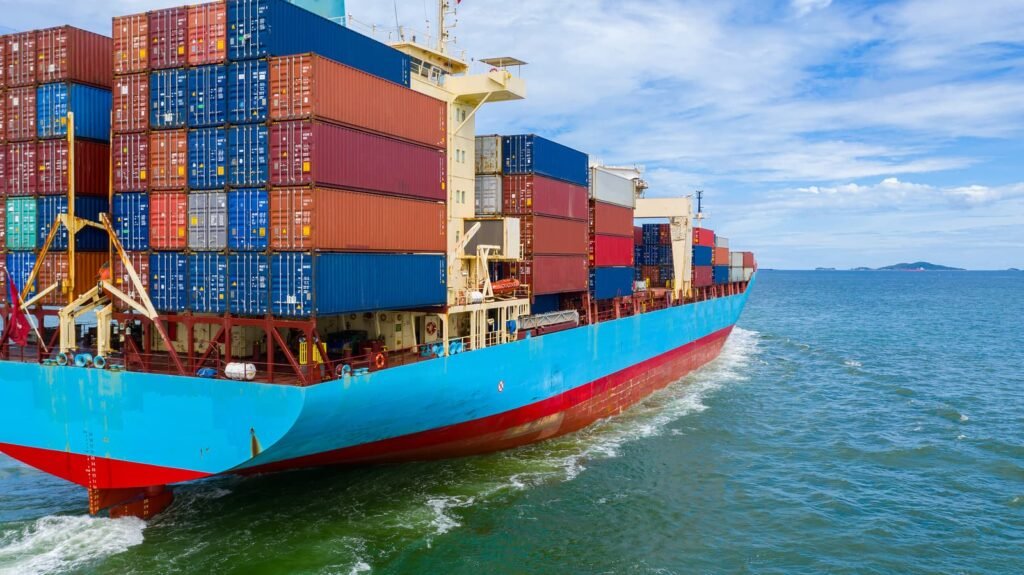
KARACHI — Shipping activity at Port Qasim has seen a significant uptick as two ships, Mostar and Darya Anita, carrying mogas and coal, docked at the FOTCO Oil Terminal and Pakistan International Bulk Terminal, respectively. The port has been bustling with activity over the past 24 hours, reflecting its critical role in Pakistan’s maritime trade. What Happened In the last 24 hours, Port Qasim has witnessed the arrival of two ships, Mostar and Darya Anita, which berthed at the FOTCO Oil Terminal and Pakistan International Bulk Terminal. These vessels are carrying essential commodities—mogas and coal—that are vital for the country’s energy and industrial sectors. Additionally, three more ships, Safeen Power, Rek Grace, and GHD Glory, arrived at the outer anchorage, bringing with them containers, steel coils, and palm kernel. Overall, seven ships were engaged at the port’s berths during this period, with the edible oil carrier Southern Anoa expected to depart by the afternoon. The port handled an impressive cargo volume of 71,391 tonnes, all of which were import cargo, underscoring the port’s importance as a gateway for goods entering Pakistan. Currently, 15 ships are stationed at the outer anchorage, with Rek Grace, Safeen Power, and Everlasting Grace expected to take berths at MW-2 and QICT. Background Port Qasim, located in Karachi, is one of Pakistan’s busiest ports and a crucial hub for the country’s trade activities. Established in the 1970s, it was developed to alleviate congestion at Karachi Port and has since grown to handle a significant portion of Pakistan’s maritime trade. The port is equipped with modern facilities to manage a diverse range of cargo, including oil, coal, and containers, making it an integral part of the national supply chain. Historically, the port has been pivotal in supporting Pakistan’s energy needs by facilitating the import of oil and coal, essential for power generation and industrial use. The port’s strategic location and infrastructure have made it a preferred choice for international shipping lines and a vital asset for the country’s economic growth. Why It Matters The increased shipping activity at Port Qasim highlights its role as a vital artery in Pakistan’s trade and economic framework. The port’s ability to handle large volumes of cargo efficiently is crucial for maintaining the steady flow of goods that support the nation’s industries and energy sector. The arrival of ships carrying essential commodities like mogas and coal is particularly significant given Pakistan’s ongoing energy challenges. The port’s operations have a direct impact on the country’s economic stability. Efficient handling of imports ensures that industries have the necessary raw materials to continue production, which is vital for economic growth and employment. Furthermore, the port’s capacity to manage a variety of cargo types reflects its adaptability and importance in the global shipping network, enhancing Pakistan’s trade relations and economic prospects. On an international level, the activity at Port Qasim is indicative of the broader trends in global trade, where ports serve as critical nodes in the supply chain. As global trade dynamics evolve, the port’s role in facilitating commerce between Pakistan and the rest of the world becomes increasingly important. This not only supports domestic economic growth but also strengthens Pakistan’s position in international markets. Key Takeaways Port Qasim has seen increased shipping activity with the arrival of several cargo ships. The port handled 71,391 tonnes of import cargo in the last 24 hours, highlighting its operational capacity. Ships carrying essential commodities like mogas and coal have docked, supporting Pakistan’s energy sector. The port’s efficient operations are crucial for economic stability and growth in Pakistan. Port Qasim’s role in global trade underscores its importance in Pakistan’s economic framework. Source Attribution This article is based on official government statements, press releases, and public communications from relevant authorities. Author: NEN Editorial Desk | Editor: NEN Newsroom | Fact Checked By: NEN Editorial Team Author: NEN Editorial Desk  |  Editor: NEN Newsroom  |  Last Updated: June 29, 2026  |  Source: NEN Reporter This article was produced by the NEN Editorial Desk in accordance with NEN Agency’s Editorial Policy and Fact-Checking Policy.

World

Pakistan Releases New Foreign Exchange Rates Amid Economic Challenges

KARACHI — The Exchange Rates Committee of the Financial Markets Association of Pakistan released the latest foreign exchange rates bulletin on Monday, June 29, 2026. The announcement provides key conversion rates for major currencies, reflecting ongoing economic conditions and market dynamics. What Happened The Exchange Rates Committee, a pivotal body within Pakistan’s financial landscape, issued the latest conversion rates for foreign currencies. These rates are crucial for businesses, investors, and individuals engaged in international trade and finance. The bulletin, released in Karachi, outlined the conversion rates effective for forward cover and deposits, excluding FE-25 deposits, with the State Bank of Pakistan (SBP) settlement value date set for July 2, 2026. According to the bulletin, the conversion rate for the US dollar (USD) stands at 278.1543, the British pound (GBP) at 366.8299, the euro (EUR) at 315.7886, and the Japanese yen (JPY) at 1.7201. These rates are indicative of the current economic conditions and the demand-supply dynamics in the foreign exchange market. The release of these rates comes at a time when Pakistan is grappling with significant economic challenges, including inflationary pressures, a depreciating currency, and a burgeoning trade deficit. The exchange rates are a critical tool for managing these issues, providing a benchmark for transactions and helping stabilize the financial system. Background Pakistan’s foreign exchange market has been under pressure due to a combination of internal and external factors. Historically, the country has faced challenges in maintaining a stable currency value, often influenced by political instability, fiscal deficits, and external debt obligations. The Financial Markets Association of Pakistan plays a crucial role in setting these rates, working closely with the State Bank of Pakistan to ensure they reflect the true market conditions. In recent years, the Pakistani rupee has experienced significant volatility, largely due to global economic trends and domestic fiscal policies. The government’s efforts to stabilize the currency have included measures such as monetary tightening and seeking assistance from international financial institutions. These efforts are aimed at curbing inflation and improving the country’s balance of payments position. Why It Matters The release of foreign exchange rates is a significant event for Pakistan’s economy, impacting various sectors. For businesses involved in import and export, these rates determine the cost of goods and services, influencing pricing strategies and profit margins. A higher exchange rate for the US dollar, for instance, can increase the cost of imports, affecting industries reliant on foreign raw materials. For the general public, fluctuations in exchange rates can affect the cost of living. Imported goods become more expensive, contributing to inflationary pressures. This situation can lead to increased costs for everyday items, from food to consumer electronics, thereby affecting household budgets. On the international front, stable and predictable exchange rates are essential for fostering investor confidence. Foreign investors look for stability in currency markets when making investment decisions. Volatile exchange rates can deter investment, impacting economic growth and employment opportunities. Furthermore, the exchange rates play a crucial role in Pakistan’s debt servicing obligations. A weaker rupee increases the cost of servicing foreign debt, putting additional strain on the country’s financial resources. This situation underscores the importance of effective exchange rate management in maintaining economic stability. Key Takeaways The Exchange Rates Committee released new foreign exchange rates for June 29, 2026. Key conversion rates include USD at 278.1543, GBP at 366.8299, and EUR at 315.7886. These rates are crucial for businesses, affecting import/export costs and pricing strategies. Fluctuations in exchange rates impact the cost of living and inflation in Pakistan. Stable exchange rates are vital for attracting foreign investment and managing debt. Source Attribution This article is based on official government statements, press releases, and public communications from relevant authorities. Author: NEN Editorial Desk | Editor: NEN Newsroom | Fact Checked By: NEN Editorial Team Author: NEN Editorial Desk  |  Editor: NEN Newsroom  |  Last Updated: June 29, 2026  |  Source: NEN Reporter This article was produced by the NEN Editorial Desk in accordance with NEN Agency’s Editorial Policy and Fact-Checking Policy.

Scroll to Top