
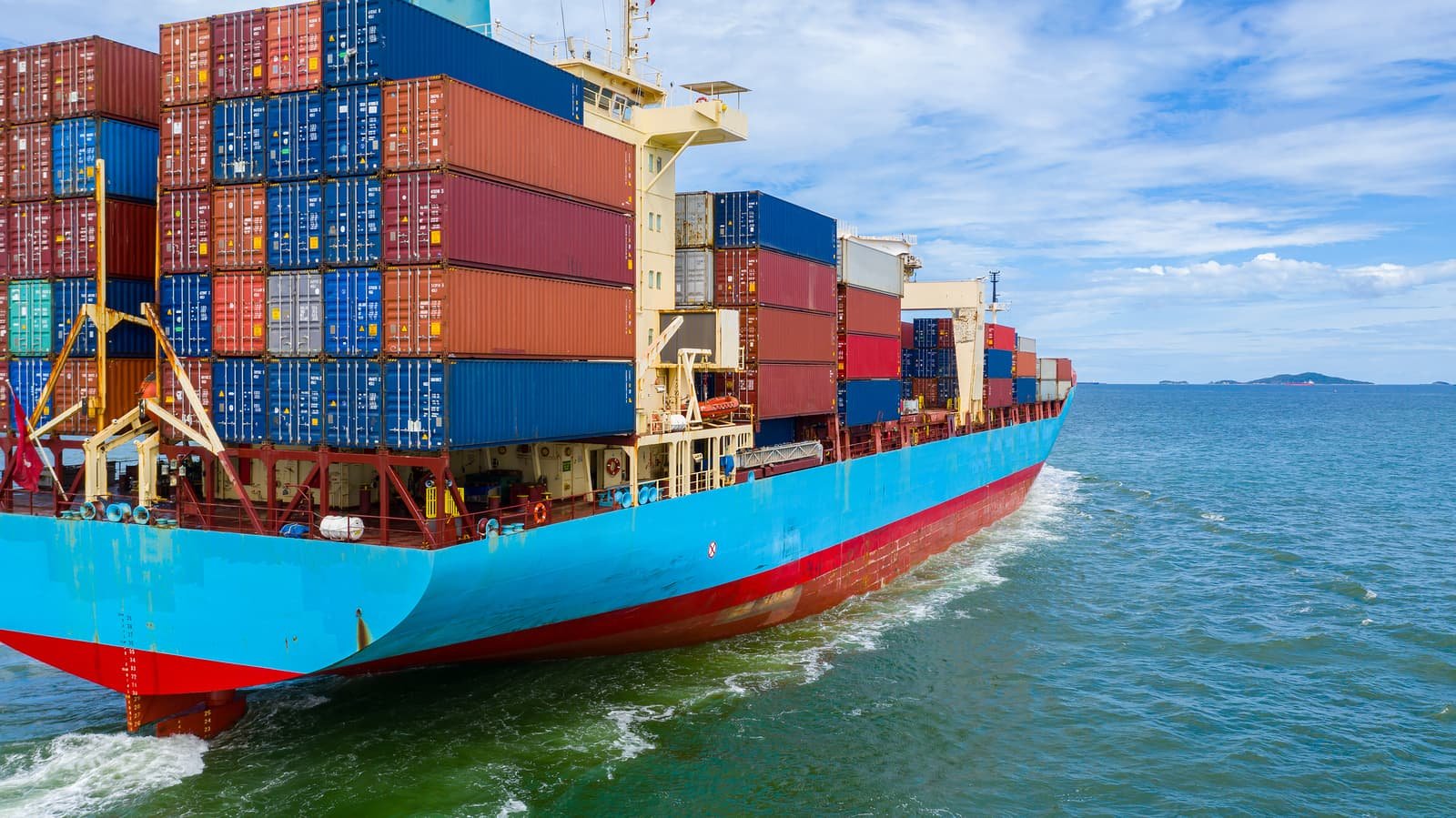
KARACHI — Shipping activity at Port Qasim has seen a significant uptick as two ships, Mostar and Darya Anita, carrying mogas and coal, docked at the FOTCO Oil Terminal and Pakistan International Bulk Terminal, respectively. The port has been bustling with activity over the past 24 hours, reflecting its critical role in Pakistan’s maritime trade.
What Happened
In the last 24 hours, Port Qasim has witnessed the arrival of two ships, Mostar and Darya Anita, which berthed at the FOTCO Oil Terminal and Pakistan International Bulk Terminal. These vessels are carrying essential commodities—mogas and coal—that are vital for the country’s energy and industrial sectors. Additionally, three more ships, Safeen Power, Rek Grace, and GHD Glory, arrived at the outer anchorage, bringing with them containers, steel coils, and palm kernel.
Overall, seven ships were engaged at the port’s berths during this period, with the edible oil carrier Southern Anoa expected to depart by the afternoon. The port handled an impressive cargo volume of 71,391 tonnes, all of which were import cargo, underscoring the port’s importance as a gateway for goods entering Pakistan. Currently, 15 ships are stationed at the outer anchorage, with Rek Grace, Safeen Power, and Everlasting Grace expected to take berths at MW-2 and QICT.
Background
Port Qasim, located in Karachi, is one of Pakistan’s busiest ports and a crucial hub for the country’s trade activities. Established in the 1970s, it was developed to alleviate congestion at Karachi Port and has since grown to handle a significant portion of Pakistan’s maritime trade. The port is equipped with modern facilities to manage a diverse range of cargo, including oil, coal, and containers, making it an integral part of the national supply chain.
Historically, the port has been pivotal in supporting Pakistan’s energy needs by facilitating the import of oil and coal, essential for power generation and industrial use. The port’s strategic location and infrastructure have made it a preferred choice for international shipping lines and a vital asset for the country’s economic growth.
Why It Matters
The increased shipping activity at Port Qasim highlights its role as a vital artery in Pakistan’s trade and economic framework. The port’s ability to handle large volumes of cargo efficiently is crucial for maintaining the steady flow of goods that support the nation’s industries and energy sector. The arrival of ships carrying essential commodities like mogas and coal is particularly significant given Pakistan’s ongoing energy challenges.
The port’s operations have a direct impact on the country’s economic stability. Efficient handling of imports ensures that industries have the necessary raw materials to continue production, which is vital for economic growth and employment. Furthermore, the port’s capacity to manage a variety of cargo types reflects its adaptability and importance in the global shipping network, enhancing Pakistan’s trade relations and economic prospects.
On an international level, the activity at Port Qasim is indicative of the broader trends in global trade, where ports serve as critical nodes in the supply chain. As global trade dynamics evolve, the port’s role in facilitating commerce between Pakistan and the rest of the world becomes increasingly important. This not only supports domestic economic growth but also strengthens Pakistan’s position in international markets.
Key Takeaways
- Port Qasim has seen increased shipping activity with the arrival of several cargo ships.
- The port handled 71,391 tonnes of import cargo in the last 24 hours, highlighting its operational capacity.
- Ships carrying essential commodities like mogas and coal have docked, supporting Pakistan’s energy sector.
- The port’s efficient operations are crucial for economic stability and growth in Pakistan.
- Port Qasim’s role in global trade underscores its importance in Pakistan’s economic framework.
Source Attribution
This article is based on official government statements, press releases, and public communications from relevant authorities.














