
World

Welcome to the World section of NEN Agency, your window to the stories shaping our planet. From global politics and economic shifts to science breakthroughs, cultural moments, and humanitarian crises, we connect you to events that matter — wherever they happen.

Inside This Category

  • Global Politics & Diplomacy: International relations, summits, and policy shifts.

  • World Economy & Trade: Market trends, trade agreements, and financial developments.

  • Conflicts & Security: Coverage of wars, peace efforts, and security challenges.

  • Science & Environment: Climate change, technological advances, and space exploration.

  • Culture & Society: Arts, sports, and lifestyle stories from around the globe.

Why Our World Coverage Stands Out
We deliver global news with context, helping readers see how events beyond borders influence life in Pakistan and the wider region.

World

MEPCO Lineman Electrocuted During Maintenance in Dera Ghazi Khan

DERA GHAZI KHAN — A lineman from the Multan Electric Power Company (MEPCO) tragically lost his life due to electrocution while performing maintenance work on an electric pole in the Shadan Lund area of Dera Ghazi Khan on Monday. The incident highlights the occupational hazards faced by utility workers in Pakistan. What Happened The unfortunate event took place near the Al-Nasr Cotton Factory in Basti Lashari, a locality known for its industrial activities. According to Rescue 1122 officials, the lineman was engaged in routine maintenance work on an electric pole when he received a fatal electric shock. Despite immediate rescue efforts, the lineman could not be revived, underscoring the perilous nature of electrical maintenance work. Eyewitnesses reported that the lineman was working at a considerable height on the pole when the incident occurred. The exact cause of the electrocution is still under investigation, but initial reports suggest that the lineman might have come into contact with a live wire. MEPCO officials have expressed their condolences to the family of the deceased and have assured a thorough investigation to determine the safety lapses that led to this tragic incident. In response to the incident, local authorities have reiterated the importance of adhering to safety protocols during electrical maintenance. They emphasized that all workers must be equipped with appropriate safety gear and that regular safety audits should be conducted to prevent such occurrences in the future. Background MEPCO, one of the largest power distribution companies in Pakistan, is responsible for supplying electricity to a vast region that includes Dera Ghazi Khan. The company has faced challenges in maintaining its extensive network, often due to outdated infrastructure and a lack of resources. Incidents involving linemen and other field workers are not uncommon, highlighting systemic issues within the power distribution sector. Historically, Pakistan’s power sector has struggled with safety standards, particularly for field workers who are exposed to high-risk environments. Previous incidents have prompted calls for improved safety measures and better training programs for linemen and other maintenance staff. However, progress has been slow, with many workers still lacking access to modern safety equipment. Why It Matters The electrocution of a MEPCO lineman in Dera Ghazi Khan raises critical questions about worker safety and the operational challenges faced by Pakistan’s power distribution companies. This incident is a stark reminder of the dangerous conditions under which many utility workers operate, often with insufficient safety measures in place. Economically, such incidents can have a ripple effect, leading to disruptions in power supply and increased operational costs for power companies. For MEPCO, the loss of a skilled worker not only affects the immediate team but also impacts the company’s ability to maintain its infrastructure efficiently. Socially, the incident underscores the need for better occupational safety standards across Pakistan. It highlights the vulnerability of workers who are essential to maintaining critical infrastructure yet often lack the protections afforded to other sectors. This tragedy could serve as a catalyst for policy changes aimed at improving safety standards and ensuring that workers are adequately protected. Internationally, the incident draws attention to the broader challenges faced by developing countries in upgrading their infrastructure and ensuring worker safety. It aligns with global discussions on occupational health and safety, particularly in industries that are crucial for national development. Key Takeaways A MEPCO lineman was electrocuted while performing maintenance work in Dera Ghazi Khan. The incident occurred near Al-Nasr Cotton Factory in Basti Lashari. Initial investigations suggest contact with a live wire as the cause of electrocution. MEPCO and local authorities are investigating the safety lapses involved. The incident highlights the need for improved safety standards for utility workers in Pakistan. Source Attribution This article is based on official statements from Rescue 1122 and communications from MEPCO and local authorities. Author: NEN Editorial Desk | Editor: NEN Newsroom | Fact Checked By: NEN Editorial Team Author: NEN Editorial Desk  |  Editor: NEN Newsroom  |  Last Updated: June 30, 2026  |  Source: NEN Reporter This article was produced by the NEN Editorial Desk in accordance with NEN Agency’s Editorial Policy and Fact-Checking Policy.
World

Pakistan’s IPO Market Surges as 10 Firms Raise Over Rs20 Billion

ISLAMABAD — The Securities and Exchange Commission of Pakistan (SECP) has approved ten Initial Public Offerings (IPOs) for listing on the Pakistan Stock Exchange (PSX) during the first half of 2026, raising over Rs20 billion. This marks a significant development in Pakistan’s capital market, reflecting investor confidence amid regional uncertainties. What Happened The SECP announced that nine companies have successfully completed their IPOs, collectively raising more than Rs20 billion through public offerings. The tenth company, LSE SPAC-II, is scheduled to commence its book-building process shortly. The IPOs covered a wide array of sectors, including manufacturing, petroleum, dairy, Islamic finance, poultry, real estate, and technology, showcasing the diversity and growth potential of Pakistan’s capital market. Service Long March Tyres Limited led the fundraising efforts by securing Rs7.77 billion to establish a passenger car tyre manufacturing plant in Nooriabad. Sitara Petroleum’s IPO was fully subscribed within eight minutes, raising Rs4.83 billion and attracting demand seven times the shares offered. Ghani Dairies, the first listed corporate dairy farm in Pakistan, raised Rs3.44 billion, while Wahdat Poultry secured nearly Rs1 billion for business expansion. Pak-Qatar General Takaful, the first listed non-life Takaful company in Pakistan, saw institutional demand 21 times the shares offered and attracted over 13,000 retail investors. The period also witnessed the successful listing of Signature Residency REIT and JS Rental REIT, broadening investment opportunities in managed real estate. Additionally, the listing of Pakistan’s first LSE SPAC-I and the approval of LSE SPAC-II highlight the increasing interest in special purpose acquisition companies. Select Technologies’ entry into the market further underscores the growing investor interest in technology and manufacturing sectors. SECP Chairman Dr. Kabir Ahmed Sidhu emphasized the Commission’s commitment to simplifying the listing process and making stock market investments more accessible. He stated that the SECP aims to expand investor participation, enabling more Pakistanis to partake in the country’s economic growth and strengthening capital markets as a key driver of investment and development. Background The surge in IPO activity is a testament to the SECP’s ongoing reforms aimed at simplifying regulations and facilitating capital raising. Historically, Pakistan’s capital market has faced challenges due to geopolitical tensions and economic instability. However, recent reforms have bolstered investor confidence, leading to increased participation in the stock market. The SECP has been actively working to enhance the regulatory framework, making it more conducive for companies to access the capital market. These efforts include streamlining the IPO process, reducing bureaucratic hurdles, and encouraging transparency and accountability among listed companies. Why It Matters The robust IPO momentum is significant for Pakistan’s economy as it reflects a growing confidence in the country’s financial markets. By raising over Rs20 billion, these IPOs provide much-needed capital for companies to expand operations, innovate, and contribute to economic growth. This influx of capital is crucial for driving job creation, boosting industrial output, and enhancing Pakistan’s competitiveness on the global stage. Moreover, the diverse range of sectors represented in the IPOs indicates a broadening of the economic base, reducing reliance on traditional industries and fostering innovation across various fields. This diversification is vital for economic resilience, particularly in times of regional and global economic uncertainties. Internationally, a vibrant IPO market positions Pakistan as an attractive destination for foreign investment. It signals to global investors that Pakistan’s regulatory environment is stable and conducive to business growth, potentially leading to increased foreign direct investment and partnerships. Key Takeaways Ten companies have raised over Rs20 billion through IPOs in the first half of 2026. The IPOs span diverse sectors, indicating a broadening of Pakistan’s economic base. SECP reforms have simplified regulations, boosting investor confidence and market participation. The strong IPO momentum contributes to economic growth, job creation, and industrial expansion. A vibrant IPO market enhances Pakistan’s attractiveness for foreign investment. Source Attribution This article is based on official government statements, press releases, and public communications from relevant authorities. Author: NEN Editorial Desk | Editor: NEN Newsroom | Fact Checked By: NEN Editorial Team Author: NEN Editorial Desk  |  Editor: NEN Newsroom  |  Last Updated: June 30, 2026  |  Source: Press Release from Government of Pakistan This article was produced by the NEN Editorial Desk in accordance with NEN Agency’s Editorial Policy and Fact-Checking Policy.
World

ICCI Workshop Prepares Pakistani Businesses for EU Sustainability Standards

ISLAMABAD — The Islamabad Chamber of Commerce and Industry (ICCI) recently hosted a workshop aimed at equipping Pakistani businesses with the necessary tools to meet the European Union’s emerging sustainability requirements. The session, held on June 29, was led by ICCI President Sardar Tahir Mehmood, who highlighted the critical role of export-led growth and industrial productivity in Pakistan’s economic future. What Happened The orientation workshop, titled “CSDDD Readiness: Foundations & Strategies,” focused on the Corporate Sustainability Due Diligence Directive (CSDDD) that the European Union is set to implement. This directive mandates companies to identify and mitigate adverse human rights and environmental impacts in their operations and supply chains. Sardar Tahir Mehmood emphasized the importance of aligning Pakistani businesses with these international standards to enhance their competitiveness in the global market. During his address, Mehmood stated, “Our economic future hinges on export-led growth, enhanced industrial productivity, and stronger integration with international markets, particularly the European Union.” He stressed that compliance with EU regulations is not just a legal necessity but also a strategic advantage for Pakistani exporters aiming to expand their market reach. The workshop provided participants with insights into the EU’s sustainability framework and practical strategies for compliance. Experts from various sectors discussed the implications of the CSDDD and shared best practices for integrating sustainability into business operations. The session concluded with a Q&A segment, allowing attendees to engage directly with the speakers and clarify their concerns. Background The European Union has been progressively tightening its sustainability regulations, with the CSDDD being one of the latest initiatives. This directive is part of the EU’s broader agenda to promote sustainable business practices and ensure that companies operating within its market adhere to high standards of environmental and social responsibility. Pakistani businesses, particularly those in the textile and manufacturing sectors, are significant exporters to the EU and must adapt to these changes to maintain their market presence. Historically, Pakistan has faced challenges in aligning with international trade standards, often due to a lack of awareness and resources. Initiatives like the ICCI workshop are crucial in bridging this gap, providing local businesses with the knowledge and tools needed to comply with global regulations. Why It Matters The EU is one of Pakistan’s largest trading partners, and compliance with its sustainability requirements is essential for maintaining and expanding market access. The CSDDD represents a shift towards more stringent oversight of supply chains, requiring businesses to adopt comprehensive due diligence processes. Failure to comply could result in significant economic repercussions, including loss of market access and potential legal liabilities. For Pakistani businesses, particularly small and medium enterprises (SMEs), aligning with the CSDDD can enhance their reputation and open up new opportunities in the EU market. It also encourages the adoption of sustainable practices, which can lead to cost savings and operational efficiencies in the long run. Furthermore, by integrating sustainability into their core operations, Pakistani businesses can contribute to global efforts to combat climate change and promote human rights. The ICCI’s proactive approach in organizing such workshops underscores the importance of preparing the local business community for these international challenges. By fostering a culture of compliance and sustainability, Pakistan can strengthen its economic ties with the EU and position itself as a responsible and competitive player in the global market. Key Takeaways The ICCI hosted a workshop to prepare Pakistani businesses for the EU’s CSDDD. Compliance with EU sustainability standards is crucial for market access. The EU is a major trading partner, making adherence to its regulations vital. Aligning with the CSDDD can enhance business reputation and open new markets. Workshops like these help bridge knowledge gaps and promote sustainable practices. Source Attribution This article is based on official statements and public communications from the Islamabad Chamber of Commerce and Industry. Author: NEN Editorial Desk | Editor: NEN Newsroom | Fact Checked By: NEN Editorial Team Author: NEN Editorial Desk  |  Editor: NEN Newsroom  |  Last Updated: June 30, 2026  |  Source: NEN Reporter This article was produced by the NEN Editorial Desk in accordance with NEN Agency’s Editorial Policy and Fact-Checking Policy.
World

Banks Extend Hours for Tax Payments on Fiscal Year-End

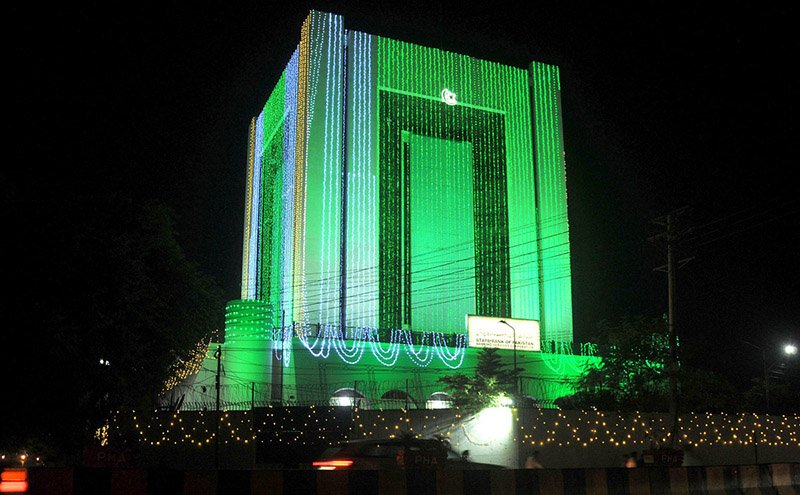
KARACHI — Banks across Pakistan will extend their working hours on Tuesday, June 30, 2026, to accommodate the payment of government duties and taxes as the financial year 2025-26 comes to a close. This move is intended to facilitate taxpayers in meeting their fiscal obligations efficiently. What Happened The State Bank of Pakistan has announced that all commercial banks and National Bank of Pakistan (NBP) branches involved in customs collections will remain open until 10:00 PM on June 30, 2026. Additionally, NBP branches specifically handling customs collections will extend their hours further, staying open until 11:59 PM. This decision aims to ensure that taxpayers can complete their over-the-counter (OTC) transactions without any hindrance as the fiscal year ends. In a statement, the central bank emphasized the importance of facilitating taxpayers through both OTC and Alternate Delivery Channels (ADCs). Banks have been instructed to keep their digital payment channels, including internet banking, mobile banking applications, ATMs, and other digital platforms, fully operational to support the online payment of government duties and taxes. The State Bank has also directed banks to keep their branches open as long as necessary to facilitate the Special Clearing of Government transactions conducted by the National Institutional Facilitation Technologies (NIFT). This measure is part of a broader effort to ensure a smooth and efficient tax collection process at the end of the financial year. Background The extension of banking hours at the end of the fiscal year is a common practice in Pakistan, aimed at easing the burden on taxpayers and ensuring the timely collection of government revenues. The State Bank of Pakistan regularly issues directives to banks to accommodate the increased volume of transactions that typically occur during this period. In previous years, similar measures have been implemented to facilitate tax payments, with banks extending their hours and enhancing their digital platforms to ensure seamless transactions. The focus on both OTC and ADCs reflects the growing reliance on digital banking solutions in Pakistan, which have become increasingly important in the wake of technological advancements and the need for efficient financial services. Why It Matters The extension of banking hours is crucial for ensuring that taxpayers can meet their obligations without facing logistical challenges. As the financial year ends, individuals and businesses are required to settle their accounts with the government, making this a peak period for tax collections. For the government, the timely collection of taxes is essential for maintaining fiscal health and funding public services. Delays in tax payments can disrupt government operations and affect the delivery of essential services to citizens. By extending banking hours and ensuring the availability of digital payment channels, the State Bank of Pakistan is taking proactive steps to prevent such disruptions. Moreover, the emphasis on digital payment channels highlights the ongoing shift towards a more digital economy in Pakistan. With the increasing adoption of internet and mobile banking, the banking sector is poised to play a pivotal role in facilitating economic transactions and supporting the country’s economic growth. These measures also reflect the broader trend of improving financial inclusion in Pakistan. By ensuring that taxpayers have multiple options for completing their transactions, the banking sector is contributing to a more inclusive financial system that caters to the diverse needs of the population. Key Takeaways Banks will extend hours on June 30, 2026, to facilitate tax payments as the fiscal year ends. State Bank of Pakistan mandates extended hours for OTC and ADC transactions. NBP branches handling customs collections will remain open until 11:59 PM. Banks are required to ensure uninterrupted digital payment services. The move supports timely government revenue collection and financial inclusion. Source Attribution This article is based on official government statements, press releases, and public communications from relevant authorities. Author: NEN Editorial Desk | Editor: NEN Newsroom | Fact Checked By: NEN Editorial Team Author: NEN Editorial Desk  |  Editor: NEN Newsroom  |  Last Updated: June 29, 2026  |  Source: Press Release from State Bank of Pakistan (SBP) This article was produced by the NEN Editorial Desk in accordance with NEN Agency’s Editorial Policy and Fact-Checking Policy.
World

KATI President Condemns Attack on Sindh Rangers, Urges Unity Against Terrorism

KARACHI — The President of the Korangi Association of Trade and Industry (KATI), Muhammad Ikram Rajput, has condemned a recent terrorist attack on Sindh Rangers personnel, calling it an affront to Pakistan’s peace and security. The attack, which occurred on Monday, has been described as a cowardly act targeting the country’s law enforcement agencies. What Happened On Monday, a terrorist attack was carried out against personnel of the Sindh Rangers, a paramilitary force responsible for maintaining law and order in the Sindh province, including Karachi. The attack has been met with widespread condemnation from various sectors of society, including business leaders and government officials. Muhammad Ikram Rajput, the President of KATI, issued a statement denouncing the attack, emphasizing that it was not only an assault on the Rangers but also on the broader stability and security of Pakistan. In his statement, Rajput highlighted the bravery and dedication of the Sindh Rangers, who have been pivotal in combating terrorism and maintaining peace in the region. He expressed solidarity with the victims and their families, stating, “The people of Pakistan remain united in their fight against terrorism and will not be deterred by such cowardly acts.” Rajput’s remarks reflect a broader sentiment across Pakistan, where citizens and institutions alike have shown resilience in the face of terrorist threats. Background Pakistan has faced significant challenges with terrorism over the past two decades, particularly in urban centers like Karachi. The Sindh Rangers have played a crucial role in counter-terrorism operations, often collaborating with local police and intelligence agencies to dismantle terrorist networks. Despite improvements in security, sporadic attacks continue to pose threats to stability. The Korangi Association of Trade and Industry, representing one of Karachi’s major industrial zones, has been vocal in supporting security forces and advocating for policies that ensure the safety of businesses and residents. The association’s leadership has consistently condemned acts of terrorism, recognizing the impact such incidents have on economic growth and investor confidence. Why It Matters The attack on the Sindh Rangers is a stark reminder of the ongoing threat terrorism poses to Pakistan’s security and economic stability. Karachi, being the economic hub of the country, is particularly vulnerable to disruptions caused by such incidents. The city’s industrial sectors, including those represented by KATI, are critical to Pakistan’s economy, contributing significantly to employment and GDP. Continued terrorist activities can undermine investor confidence, deter foreign investment, and affect the daily operations of businesses. The resilience shown by organizations like KATI in supporting security forces underscores the importance of a unified front against terrorism. This unity is crucial not only for maintaining peace but also for ensuring that economic activities can proceed without fear of disruption. Furthermore, the attack highlights the need for continued vigilance and enhanced security measures. It reinforces the importance of collaboration between government agencies, law enforcement, and civil society to effectively counter terrorism. The solidarity expressed by business leaders like Rajput serves as a powerful message that the nation stands together in the face of adversity. Key Takeaways The KATI President condemned the terrorist attack on Sindh Rangers as an assault on Pakistan’s peace and security. The Sindh Rangers are key players in maintaining law and order in Karachi and have been targeted in the past. Pakistan’s business community, including KATI, remains united in supporting security forces against terrorism. Continued terrorist threats pose risks to economic stability and investor confidence in Karachi. A unified response from all sectors of society is essential to effectively combat terrorism in Pakistan. Source Attribution This article is based on official statements and public communications from relevant authorities. Author: NEN Editorial Desk | Editor: NEN Newsroom | Fact Checked By: NEN Editorial Team Author: NEN Editorial Desk  |  Editor: NEN Newsroom  |  Last Updated: June 29, 2026  |  Source: Press Release from Government of Pakistan This article was produced by the NEN Editorial Desk in accordance with NEN Agency’s Editorial Policy and Fact-Checking Policy.
World

Pakistan’s Foreign Reserves Decline Amid External Debt Payments

KARACHI — Pakistan’s total liquid foreign reserves have been reported at $21.48 billion as of June 19, 2026, according to the State Bank of Pakistan (SBP). This marks a decrease in reserves held by the central bank, attributed primarily to external debt obligations. What Happened The State Bank of Pakistan’s recent statement highlights a decline in the nation’s foreign reserves, which now stand at $21,484.7 million. The reserves held by the central bank have decreased to $15,916.4 million, a drop influenced by the repayment of external debts. The announcement was made as part of the SBP’s routine weekly update on the country’s liquid foreign reserves. The decrease in reserves is significant, considering the financial challenges faced by Pakistan, including a balance of payments deficit and the need for foreign exchange to support imports and service external debts. The SBP’s statement did not specify the exact amount of debt repaid, but it emphasized the impact of these payments on the overall reserve position. Foreign reserves are crucial for maintaining the stability of the national currency and ensuring the country’s ability to meet its international financial obligations. The current reserve levels are a reflection of ongoing economic pressures and the need for effective fiscal management. Background Pakistan’s foreign reserves have been under pressure for several years due to a combination of factors, including a high import bill, fluctuating export revenues, and substantial external debt repayments. The country has previously sought assistance from international financial institutions, such as the International Monetary Fund (IMF), to bolster its reserves and stabilize the economy. Historically, Pakistan has faced challenges in maintaining adequate foreign reserves, which are essential for managing exchange rate volatility and ensuring economic stability. The government has implemented various measures to enhance foreign exchange inflows, including encouraging remittances from overseas Pakistanis and securing foreign investments. In recent years, the SBP has also taken steps to improve foreign reserve management through policy adjustments and strategic interventions in the foreign exchange market. Why It Matters The decline in foreign reserves is a critical issue for Pakistan’s economy, impacting its ability to manage external obligations and maintain currency stability. A reduction in reserves can lead to increased pressure on the Pakistani rupee, potentially resulting in depreciation and higher inflation rates. Economically, lower reserves limit the government’s capacity to finance imports, which could affect the availability of essential goods and services in the domestic market. This situation may also deter foreign investors, who view stable reserves as an indicator of economic health and investment security. Politically, the management of foreign reserves is a significant concern for the government, as it reflects on its ability to handle economic challenges and maintain public confidence. The government may need to explore additional measures to enhance reserve levels, such as negotiating new financial assistance packages or implementing policies to boost export revenues. Internationally, Pakistan’s reserve position is closely monitored by credit rating agencies and global financial markets, which assess the country’s creditworthiness and investment potential. A sustained decline in reserves could affect Pakistan’s credit ratings, leading to higher borrowing costs and reduced access to international capital markets. Key Takeaways Pakistan’s total liquid foreign reserves are reported at $21.48 billion as of June 19, 2026. Reserves held by the State Bank of Pakistan have decreased to $15,916.4 million due to external debt payments. The decline in reserves poses challenges for currency stability and economic management. Lower reserves may impact import financing and investor confidence. Effective fiscal management and policy measures are crucial to address reserve pressures. Source Attribution This article is based on official government statements, press releases, and public communications from relevant authorities. Author: NEN Editorial Desk | Editor: NEN Newsroom | Fact Checked By: NEN Editorial Team Author: NEN Editorial Desk  |  Editor: NEN Newsroom  |  Last Updated: June 29, 2026  |  Source: NEN Reporter This article was produced by the NEN Editorial Desk in accordance with NEN Agency’s Editorial Policy and Fact-Checking Policy.
World

National Bank Of Pakistan Releases Updated Currency Exchange Rates

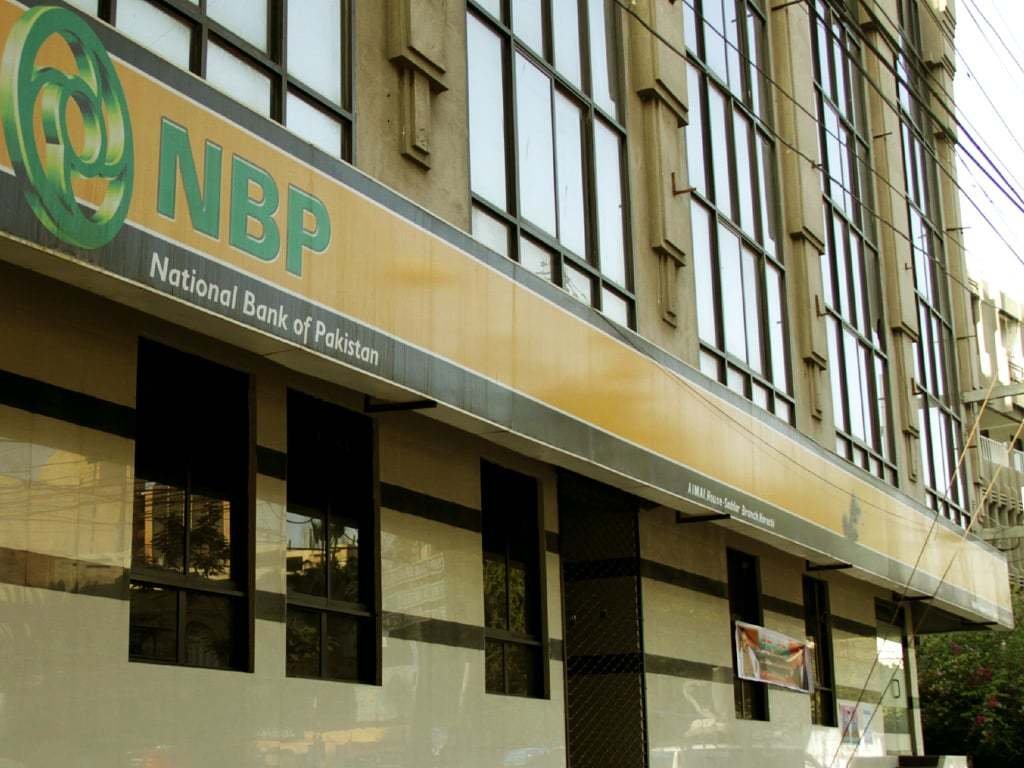
KARACHI — The National Bank of Pakistan (NBP) has announced the latest currency exchange rates for major international currencies as of Monday, June 29. These rates are crucial for businesses and individuals engaged in international trade and travel, providing a benchmark for currency conversions. What Happened The National Bank of Pakistan, a key financial institution in the country, released the updated buying and selling rates for several major currencies. As per the announcement, the US dollar is being sold at 279.99 PKR, reflecting the ongoing fluctuations in the currency market. The buying rate for the US dollar stands at a slightly lower figure, allowing for a margin that covers transaction costs and market volatility. In addition to the US dollar, the NBP has also provided rates for other significant currencies, including the Euro, British Pound, and Japanese Yen. These rates are essential for importers, exporters, and travelers who require accurate and up-to-date information for their financial transactions. The exchange rates are subject to change based on market conditions, and the NBP regularly updates them to reflect the latest trends. An official from the NBP stated, “These rates are indicative and may vary based on the volume and nature of the transaction. We advise our customers to check with their local branches for the most accurate and current rates.” This statement underscores the importance of consulting with financial institutions for precise exchange rate information, especially in a volatile market environment. Background The National Bank of Pakistan, established in 1949, plays a pivotal role in the country’s banking sector. It is responsible for managing government transactions and providing financial services to a wide range of customers, including businesses and individuals. The bank’s currency exchange rates are closely monitored by market participants as they influence trade and investment decisions. Historically, Pakistan’s currency has experienced significant fluctuations due to various economic factors, including inflation, trade deficits, and changes in foreign exchange reserves. The State Bank of Pakistan, the country’s central bank, implements monetary policies to stabilize the currency and manage inflation. However, external factors such as global oil prices and geopolitical tensions can also impact the exchange rates. Why It Matters The release of updated currency exchange rates by the National Bank of Pakistan is significant for several reasons. Firstly, it provides transparency and clarity for businesses engaged in international trade. Accurate exchange rates are vital for pricing goods and services, managing foreign currency exposure, and planning financial strategies. For individuals, especially those traveling abroad or sending remittances, knowing the current exchange rates helps in making informed financial decisions. It allows them to calculate the cost of foreign currency purchases and budget their expenses accordingly. On a broader scale, the exchange rates reflect the health of Pakistan’s economy. A stable currency is indicative of economic confidence and can attract foreign investment. Conversely, significant fluctuations can create uncertainty and deter potential investors. Furthermore, the exchange rates impact inflation levels in the country. A depreciating currency can lead to higher import costs, which may translate into increased prices for consumers. Therefore, monitoring and managing currency exchange rates is crucial for maintaining economic stability. Key Takeaways The National Bank of Pakistan has updated the currency exchange rates for major currencies, including the US dollar. Exchange rates are essential for businesses and individuals engaged in international trade and travel. The NBP advises consulting local branches for the most accurate and current rates. Currency exchange rates reflect the economic health of Pakistan and influence inflation and investment. Fluctuations in exchange rates can impact pricing, budgeting, and financial planning. Source Attribution This article is based on official government statements, press releases, and public communications from relevant authorities. Author: NEN Editorial Desk | Editor: NEN Newsroom | Fact Checked By: NEN Editorial Team Author: NEN Editorial Desk  |  Editor: NEN Newsroom  |  Last Updated: June 29, 2026  |  Source: NEN Reporter This article was produced by the NEN Editorial Desk in accordance with NEN Agency’s Editorial Policy and Fact-Checking Policy.
World

Traditional Clay Toy Craftsman Showcases Skills at Sialkot Village Fair

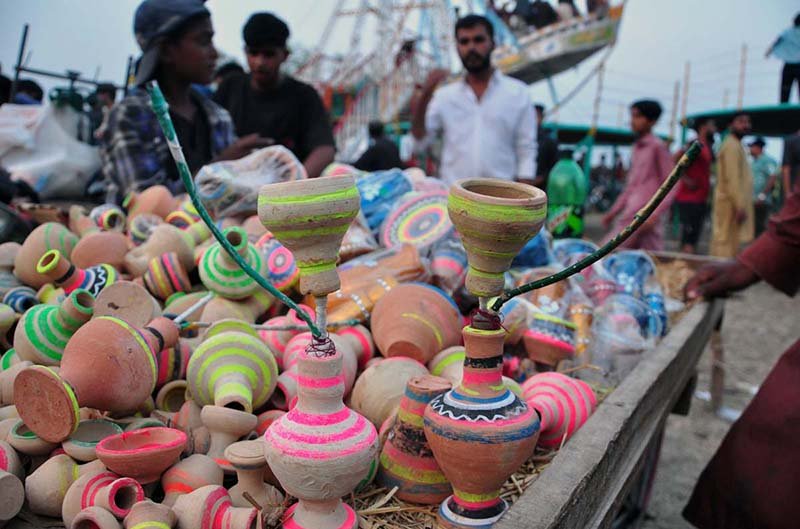
SIALKOT — A craftsman captivated attendees at a village fair in Sialkot on June 29 by selling traditional handmade clay toys, a cultural craft that continues to charm children and adults alike. The fair, a vibrant celebration of local arts and crafts, provided a platform for artisans to display their skills and preserve cultural heritage. What Happened The village fair in Sialkot, held annually, serves as a significant event for local artisans to showcase their traditional crafts. This year, a craftsman specializing in handmade clay toys drew considerable attention. These toys, crafted with intricate detail and vivid colors, are a testament to the rich cultural heritage of Pakistan. The craftsman, whose family has been in the trade for generations, shared, “These toys are not just playthings; they are a part of our history and culture.” Visitors to the fair were treated to a variety of clay toys, including miniature animals, dolls, and vehicles, each piece meticulously crafted by hand. The craftsman explained the process, stating, “Each toy is made from locally sourced clay, shaped, and then fired in a kiln. After cooling, they are painted with natural dyes.” The fair provided an opportunity for young children to engage with traditional toys, offering a break from the digital gadgets that dominate modern playtime. Parents expressed appreciation for the craftsman’s dedication to preserving this art form, with one parent noting, “It’s wonderful to see our children playing with toys that we grew up with. It connects them to their roots.” Background Clay toy making is a traditional craft in Pakistan, with historical roots tracing back to ancient civilizations in the region. Historically, these toys were not only used for play but also as educational tools to teach children about their environment and culture. The craft has been passed down through generations, with techniques and designs evolving over time. In recent years, the rise of mass-produced plastic toys and digital entertainment has posed a challenge to traditional crafts. However, fairs like the one in Sialkot play a crucial role in keeping these traditions alive by providing artisans with a platform to reach new audiences and educate the public about the cultural significance of their work. Why It Matters The craftsman’s participation in the Sialkot village fair highlights the importance of preserving cultural heritage in the face of globalization and technological advancement. Traditional crafts such as clay toy making are vital for maintaining cultural identity and providing economic opportunities for local artisans. Economically, events like the village fair offer artisans a chance to sell their products directly to consumers, increasing their income and sustaining their livelihoods. This is particularly important in rural areas where economic opportunities are limited. The fair also helps raise awareness about the value of handmade products, encouraging consumers to support local crafts. Socially, the fair fosters community engagement and cultural exchange. It allows younger generations to learn about their heritage and appreciate the skills involved in traditional crafts. This engagement is crucial for ensuring that these crafts are not lost to future generations. On a broader scale, preserving traditional crafts contributes to Pakistan’s cultural tourism sector. Unique cultural artifacts like handmade clay toys attract tourists interested in authentic cultural experiences, thereby boosting the local economy. Key Takeaways A craftsman showcased traditional handmade clay toys at a Sialkot village fair. The event highlights the cultural significance of preserving traditional crafts. Clay toy making is a historical craft with roots in ancient civilizations. The fair supports local artisans economically and culturally. Preserving crafts like clay toy making contributes to cultural tourism in Pakistan. Source Attribution This article is based on official government statements, press releases, and public communications from relevant authorities. Author: NEN Editorial Desk | Editor: NEN Newsroom | Fact Checked By: NEN Editorial Team Author: NEN Editorial Desk  |  Editor: NEN Newsroom  |  Last Updated: June 29, 2026  |  Source: Press Release from Government of Pakistan This article was produced by the NEN Editorial Desk in accordance with NEN Agency’s Editorial Policy and Fact-Checking Policy.
World

UN Envoy Meets Pakistan Officials to Address Islamophobia and Human Rights

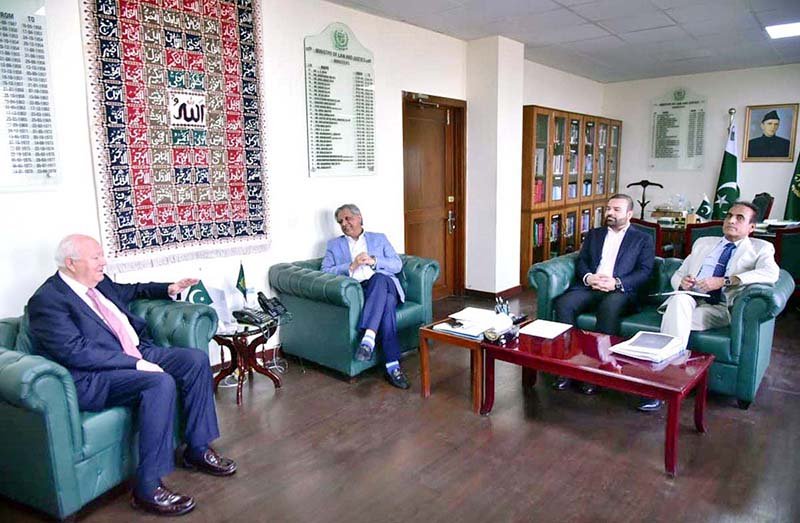
ISLAMABAD — Miguel Ángel Moratinos, United Nations Special Envoy to Combat Islamophobia and High Representative for the United Nations Alliance of Civilizations (UNAOC), met with Federal Minister for Human Rights, Senator Azam Nazeer Tarar, to discuss collaborative efforts in addressing Islamophobia and enhancing interfaith harmony. The meeting, held in Islamabad, also included Barrister Aqeel Malik, Minister of State for Law and Justice. What Happened During the meeting, Miguel Ángel Moratinos emphasized the importance of global cooperation in combating Islamophobia, a growing concern that affects millions worldwide. The discussions focused on developing strategies to promote interfaith dialogue and understanding, which are crucial in reducing religious tensions and fostering peace. Moratinos highlighted the need for a concerted effort by nations to address the root causes of Islamophobia and to implement educational programs that promote tolerance and respect among different faith communities. Senator Azam Nazeer Tarar expressed Pakistan’s commitment to working with international partners to combat religious discrimination and promote human rights. He noted, “Pakistan has always been at the forefront of advocating for the rights of all religious communities, and we are eager to strengthen our cooperation with the United Nations in this regard.” The meeting underscored Pakistan’s role in international forums advocating for policies that protect minority rights and promote religious harmony. Barrister Aqeel Malik, who was also present, reiterated the government’s dedication to upholding human rights and ensuring justice for all citizens. He stated, “Our legal framework is designed to protect the rights of all individuals, regardless of their religious beliefs, and we are committed to enforcing these laws to prevent discrimination and promote equality.” Background Islamophobia has been a persistent issue globally, with incidents of discrimination and violence against Muslims reported in various countries. The United Nations has been actively working to address this issue through initiatives like the UNAOC, which aims to foster intercultural dialogue and understanding. Pakistan, a predominantly Muslim country, has been vocal in international platforms about the need to combat Islamophobia and protect the rights of religious minorities. Historically, Pakistan has faced challenges related to religious harmony, with instances of sectarian violence and discrimination against minority communities. The government has implemented several measures to address these issues, including legal reforms and awareness campaigns aimed at promoting tolerance and coexistence. Why It Matters The meeting between Moratinos and Pakistani officials is significant as it highlights the country’s proactive stance in addressing global challenges related to religious discrimination. By engaging with the United Nations, Pakistan is positioning itself as a key player in the international effort to combat Islamophobia and promote human rights. Economically, fostering interfaith harmony can lead to a more stable and peaceful society, which is conducive to economic growth and development. Socially, promoting tolerance and understanding among different religious communities can reduce tensions and prevent conflicts, creating a more inclusive society. Politically, Pakistan’s collaboration with international organizations like the UNAOC enhances its diplomatic standing and reinforces its commitment to global human rights standards. This cooperation can also lead to stronger ties with other nations that share similar values and objectives. On an international level, addressing Islamophobia is crucial for maintaining global peace and security. By working together, countries can develop comprehensive strategies to counteract discrimination and promote a culture of peace and respect for all individuals, regardless of their religious beliefs. Key Takeaways Miguel Ángel Moratinos met with Pakistani officials to discuss efforts to combat Islamophobia. The meeting focused on promoting interfaith harmony and strengthening human rights cooperation. Pakistan is committed to working with the UN to address religious discrimination globally. Fostering interfaith dialogue is crucial for social stability and economic development. International collaboration is essential for combating Islamophobia and promoting global peace. Source Attribution This article is based on official government statements, press releases, and public communications from relevant authorities. Author: NEN Editorial Desk | Editor: NEN Newsroom | Fact Checked By: NEN Editorial Team Author: NEN Editorial Desk  |  Editor: NEN Newsroom  |  Last Updated: June 29, 2026  |  Source: Press Release from Government of Pakistan This article was produced by the NEN Editorial Desk in accordance with NEN Agency’s Editorial Policy and Fact-Checking Policy.

World

PAL Launches Poetry Competition for Quaid-e-Azam’s 150th Birth Anniversary

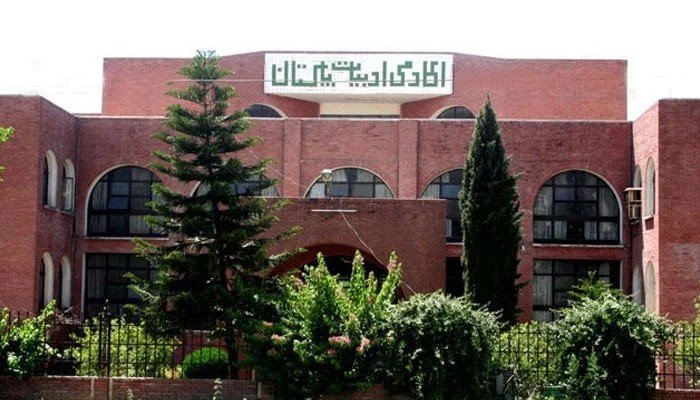
ISLAMABAD — The Pakistan Academy of Letters (PAL) has announced a nationwide poetry competition to celebrate the 150th birth anniversary of Quaid-e-Azam Muhammad Ali Jinnah, the founding father of Pakistan. The event, themed “Leader of the Caravan – Muhammad Ali Jinnah,” invites poets from across the country to submit original works that honor Jinnah’s life, vision, and legacy. What Happened The Pakistan Academy of Letters (PAL) has initiated a poetry competition as part of the commemorations for Quaid-e-Azam Muhammad Ali Jinnah’s 150th birth anniversary. The competition is designed to engage poets from all over Pakistan, encouraging them to create original poetry that reflects on the profound impact of Jinnah’s leadership and his enduring influence on the nation’s history. The theme, “Leader of the Caravan – Muhammad Ali Jinnah,” aims to inspire participants to delve into the multifaceted contributions of Jinnah, from his role in the independence movement to his vision for a unified and progressive Pakistan. According to PAL, the competition is open to poets of all ages and backgrounds, with submissions being accepted in multiple languages spoken across Pakistan. This inclusivity reflects Jinnah’s own commitment to a diverse and united nation. The academy has emphasized the importance of creativity and originality in the submissions, encouraging poets to explore Jinnah’s ideals and principles through their unique perspectives. The submission deadline is set for September 15, 2023, providing ample time for participants to craft their works. PAL has announced that a panel of esteemed literary figures will judge the entries, and winners will be awarded at a special ceremony later in the year. The top entries will also be published in a commemorative anthology, further extending the reach of Jinnah’s legacy through the power of poetry. Background Quaid-e-Azam Muhammad Ali Jinnah, born on December 25, 1876, played a pivotal role in the creation of Pakistan. As a prominent leader of the All-India Muslim League, Jinnah was instrumental in advocating for the rights of Muslims in the Indian subcontinent, ultimately leading to the establishment of Pakistan as an independent state in 1947. His vision for Pakistan was one of a democratic, inclusive, and progressive nation where all citizens could thrive regardless of their religious or ethnic backgrounds. The Pakistan Academy of Letters, established in 1976, has been a key institution in promoting literature and culture in Pakistan. By organizing events such as this poetry competition, PAL continues to foster a deeper understanding of Pakistan’s cultural and historical heritage, while also providing a platform for contemporary voices to contribute to the nation’s literary landscape. Why It Matters The poetry competition holds significant cultural and educational value as it not only commemorates a landmark anniversary of Quaid-e-Azam Muhammad Ali Jinnah but also reinforces his ideals and vision for Pakistan. By encouraging poets to reflect on Jinnah’s legacy, the event serves as a reminder of the values upon which Pakistan was founded. It highlights the importance of unity, diversity, and progress, which are crucial for the nation’s continued development. Furthermore, the competition provides an opportunity for emerging poets to gain recognition and contribute to the national discourse through their creative expressions. By publishing the winning entries, PAL ensures that these voices are heard, promoting a culture of literary appreciation and critical engagement with Pakistan’s history and future. In a broader context, the competition underscores the role of literature and the arts in shaping national identity and fostering dialogue. As Pakistan navigates contemporary challenges, revisiting the principles of its founding leaders through artistic expression can inspire new generations to uphold and advance the nation’s core values. Key Takeaways The Pakistan Academy of Letters has launched a poetry competition for Quaid-e-Azam’s 150th birth anniversary. The competition invites poets nationwide to submit works under the theme “Leader of the Caravan – Muhammad Ali Jinnah.” Submissions are open until September 15, 2023, with winners to be featured in a commemorative anthology. The event emphasizes Jinnah’s vision of unity, diversity, and progress for Pakistan. The competition promotes literary engagement and national discourse through creative expression. Source Attribution This article is based on official statements and public communications from the Pakistan Academy of Letters. Author: NEN Editorial Desk | Editor: NEN Newsroom | Fact Checked By: NEN Editorial Team Author: NEN Editorial Desk  |  Editor: NEN Newsroom  |  Last Updated: June 29, 2026  |  Source: NEN Reporter This article was produced by the NEN Editorial Desk in accordance with NEN Agency’s Editorial Policy and Fact-Checking Policy.

Scroll to Top