World

Welcome to the World section of NEN Agency, your window to the stories shaping our planet. From global politics and economic shifts to science breakthroughs, cultural moments, and humanitarian crises, we connect you to events that matter — wherever they happen.

Inside This Category

  • Global Politics & Diplomacy: International relations, summits, and policy shifts.

  • World Economy & Trade: Market trends, trade agreements, and financial developments.

  • Conflicts & Security: Coverage of wars, peace efforts, and security challenges.

  • Science & Environment: Climate change, technological advances, and space exploration.

  • Culture & Society: Arts, sports, and lifestyle stories from around the globe.

Why Our World Coverage Stands Out
We deliver global news with context, helping readers see how events beyond borders influence life in Pakistan and the wider region.

World

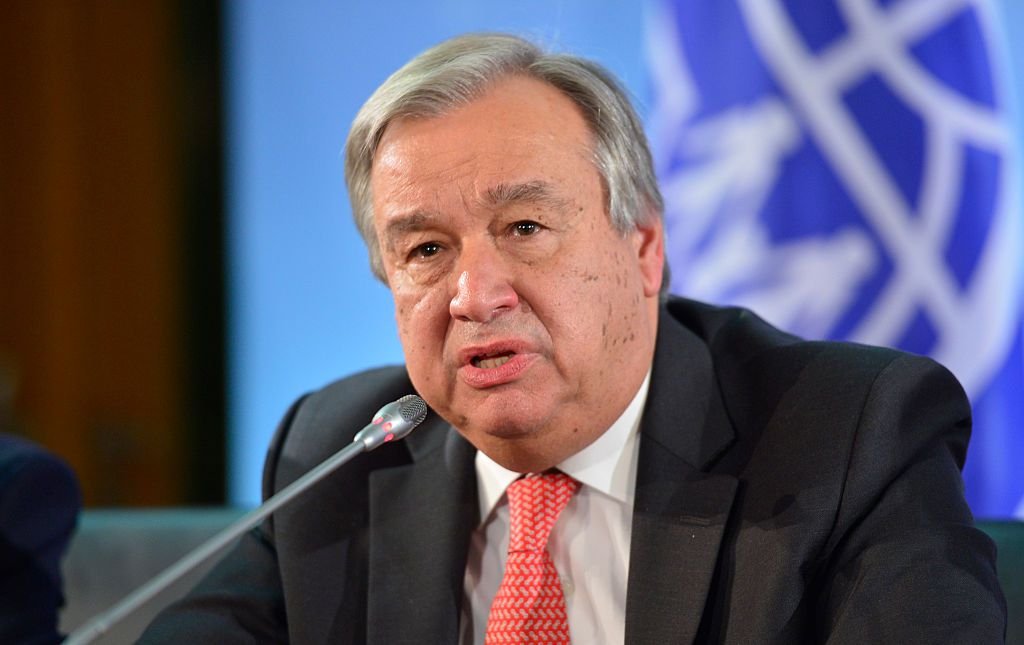
UN Chief Warns of Escalating Hate Speech, Pakistan Supports Action Plan

The United Nations has issued a serious warning about the escalating threat of hate speech to global peace and security. UN Secretary-General Antonio Guterres emphasizes the urgent need for measures to prevent situations that might lead to genocide or other severe crimes. Creating a Global Action Plan The United Nations is developing a global action plan to tackle hate speech effectively. This initiative aims to prevent incitement to violence and social discord, focusing on fostering a safer, more inclusive world. International Support for the Plan Pakistan’s Endorsement Pakistan has expressed strong support for the UN’s action plan, demonstrating its dedication to combating the dangers associated with hate speech. Alongside other UN member states, Pakistan endorses robust strategies to limit the global spread of harmful rhetoric.

World

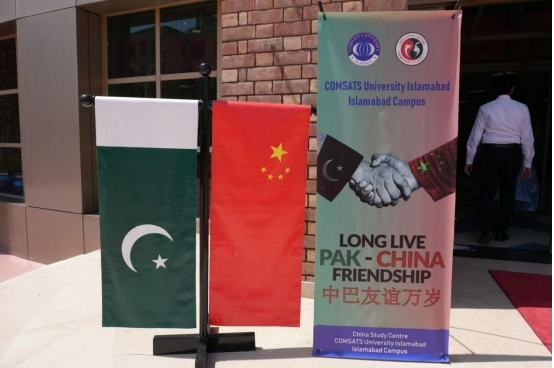
Ex-UN Official Praises China’s Poverty Alleviation Framework

BEIJING — Khalid Malik, the former United Nations Resident Coordinator in China and ex-Director of the UNDP Human Development Office, has commended China’s poverty alleviation efforts. He pointed out China’s success in redefining institutional frameworks that have lifted hundreds of millions out of poverty. Transforming Developmental Models Malik asserted that genuine development extends far beyond just GDP growth. It involves the transformation of human capabilities alongside the comprehensive governance of societal structures. According to Malik, China’s milestones in poverty reduction offer a model for developmental transformation worldwide. A Global Blueprint for Anti-Poverty Initiatives Malik highlighted that China’s approach could serve as a global blueprint for international anti-poverty initiatives. Many nations could benefit from adopting similar strategies focused on sustainable development. Key aspects include: Implementing robust institutional reforms Ensuring comprehensive growth

World

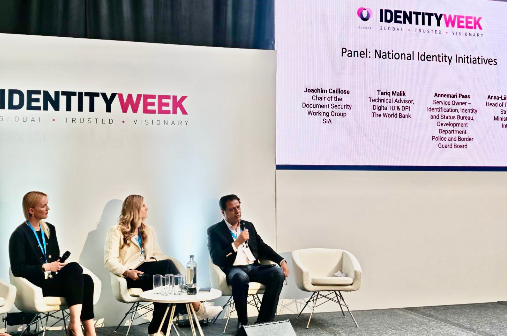
Identity Systems Are Nation-Building Projects, Says Ex-NADRA Chief

AMSTERDAM — Tariq Malik, the former Chairman of Pakistan’s National Database and Registration Authority (NADRA), addressed international policymakers at the Identity Week Europe Conference. He emphasized viewing global identity systems as nation-building projects rather than just technical initiatives. This perspective resonated with delegates worldwide, emphasizing the need for inclusion, trust, and state ownership in effective identity frameworks. Global Leadership in Biometric Identity Recognized as a leading Pakistani IT expert, Malik shared insights from NADRA, known for its advanced biometric identity platform. Serving hundreds of millions, NADRA has set a global standard for digital transformation and governance reforms. Technology as a Governance Tool Malik’s insights hold significant value for global identity policymakers. He explained that many developing nations aim to digitize civil registration and public service systems. Malik argued that technology should support governance, challenging the technology-first mindset prevalent in digital identity initiatives. Core Pillars of Effective Identity Systems Malik identified three essential elements for successful identity systems: Inclusion of all citizens, regardless of geographic or socioeconomic barriers Fostering trust between citizens and the state during data collection Ensuring state ownership for long-term sustainability and accountability Pakistan’s Digital Identity Model Malik’s principles draw from Pakistan’s digital identity system experience, offering valuable insights to countries beginning their digital transformation. He emphasized that sustainable systems require political commitment, citizen involvement, and capacity building. At the global summit, Malik demonstrated how developing countries can leverage identity technology to drive governance reforms and promote bilateral cooperation in building digital infrastructures.

World

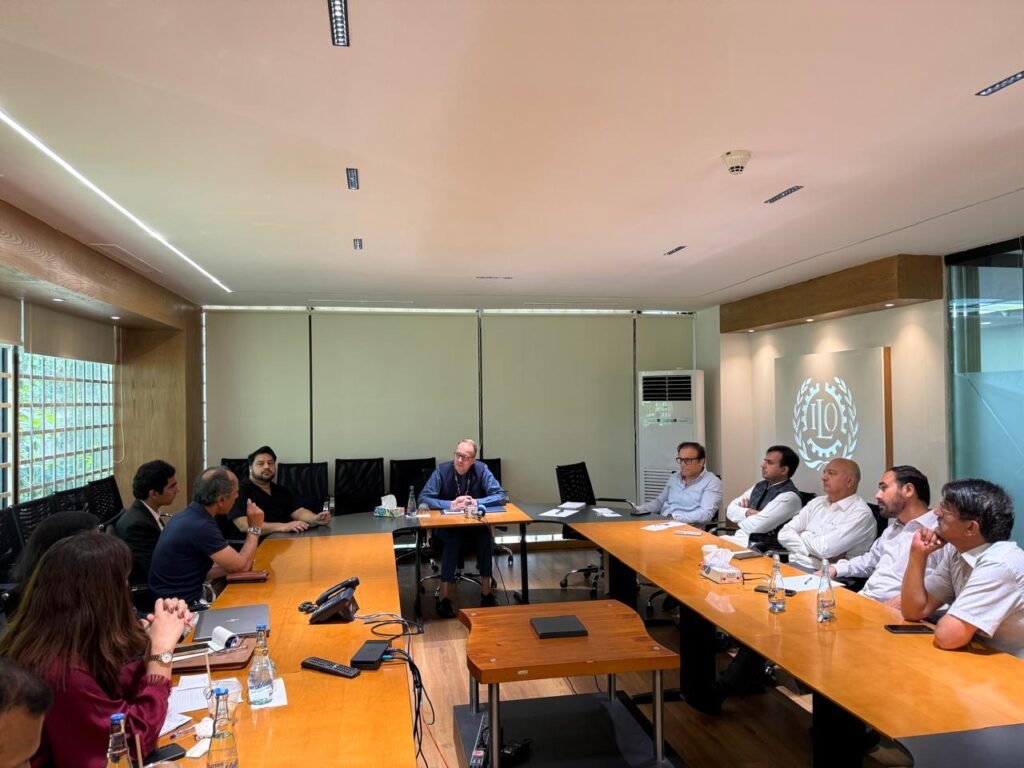
ILO Urges Accelerated Action to End Child Labour Worldwide

The International Labour Organization (ILO) is calling for intensified international efforts to end child labour worldwide. The focus is on addressing poverty, informal employment, and lack of access to education. Global Call for Coordinated Action George T. Tonstol, the Country Director of the ILO, has made an urgent call to governments, employers, and civil society to increase their efforts against child labour. This appeal was made during a media interaction preceding the World Day Against Child Labour. The ILO emphasizes that millions of children are trapped in exploitative conditions, negatively impacting their health, safety, and development. Key Interventions to Break the Cycle Tonstol outlined two critical interventions to tackle child labour: Ensuring children’s access to quality education Providing adults with decent work opportunities These strategies aim to alleviate economic pressures on families, enabling them to prioritize education over forcing children to work. With stable employment, parents can keep their children in school. Addressing Poverty and Informal Employment The ILO identifies poverty as a primary factor that drives children into the workforce. Informal employment often lacks proper regulations, leading to child exploitation. Families deprived of educational resources may adopt child labour out of necessity. Offering viable educational alternatives is essential to disrupting this cycle. Mobilizing Global Action on June 12 June 12 marks the World Day Against Child Labour, serving as a global initiative to highlight the plight of children in hazardous work conditions. This day is devoted to eliminating child labour and bolstering global political commitment. It encourages governments and civic organizations to take decisive actions and advocate for children’s rights and welfare.

World

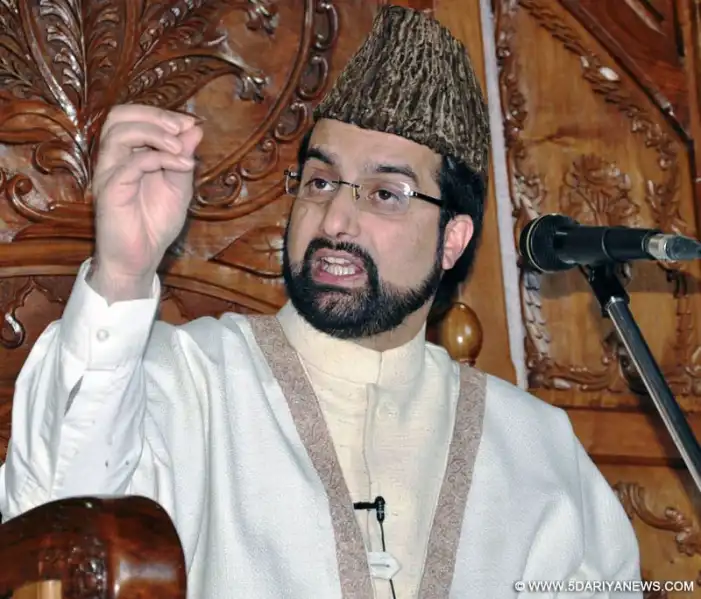
Mirwaiz Urges Kashmiris to Uphold Unity During Muharram

ISLAMABAD — Senior All Parties Hurriyat Conference leader and chief cleric, Mirwaiz Umar Farooq, urges Kashmiris in Indian-occupied Jammu and Kashmir to foster unity, brotherhood, and mutual respect during Muharram. This sacred Islamic month, expected to start around June 16, offers a time for profound religious reflection. Mirwaiz, noted for his combined religious and political influence, appeals earnestly for peace during this period. Emphasizing Communal Harmony Muharram commemorates the martyrdom of Imam Hussain at Karbala, an event of immense religious significance for Muslims globally. Mirwaiz highlights the critical need for maintaining communal harmony during this period. He calls upon Kashmiris to stay united amid prevailing regional challenges. His message centers on promoting peace and tolerance within the community, closely reflecting Muharram’s core spiritual values. Challenges in Observances In the occupied valley, historical restrictions imposed by Indian authorities have significantly impacted Muharram gatherings and religious observances over the years. These restrictions include: Limitations on religious processions Restrictions on assemblies and gatherings Constraints on traditional mourning rituals Call for Religious Freedom Kashmiri religious leaders consistently advocate for the peaceful observance of religious rituals, annually championing the right to practice these traditions without interference. Mirwaiz Umar Farooq’s message highlights the tension between religious expression and administrative control in the region. Despite the challenges, religious leaders remain committed to unity and spiritual reflection during Muharram.

World

D-8 Urges Dialogue and Diplomacy to Tackle Global Challenges

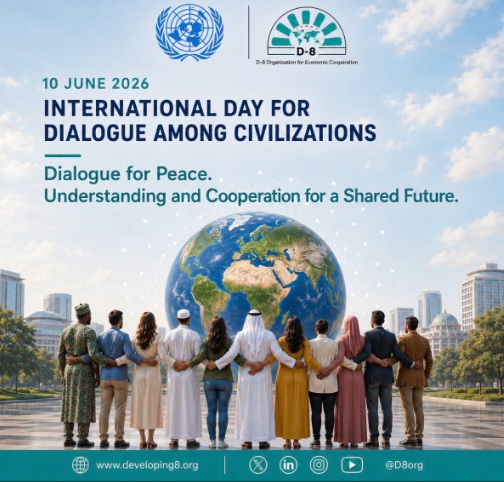
ISLAMABAD — The Developing-8 Organization for Economic Cooperation (D-8) stresses the need for enhanced dialogue and diplomacy to tackle global challenges. This announcement was made official on Wednesday via the D-8 Secretary-General’s X account. Diplomacy in International Cooperation The D-8 highlights the importance of international cooperation and diplomatic engagement. Multilateral efforts are crucial to addressing today’s pressing global economic and developmental issues. Developing nations are encouraged to coordinate actions for financial stability and sustainable growth through diplomatic channels. Bilateral partnerships are key for regional progress and economic resilience, aligning with the D-8’s development agenda. Economic Cooperation and Trade Initiatives Established to boost economic cooperation, the D-8 seeks to improve living standards and support joint initiatives across various sectors for regional development. Key focus areas include: Trade expansion and market access Industrial development programs Sustainable economic growth strategies These initiatives aim to enhance market access and increase regional competitiveness by fostering strategic partnerships among developing economies. Development Driven by Member Nations The D-8 comprises eight developing nations dedicated to economic partnership and shared prosperity. Its members include: Bangladesh Egypt Indonesia Iran Malaysia Nigeria Pakistan Turkey Regional Impact and Economic Potential Member nations represent significant markets with substantial economic potential across Asia, Africa, and the Middle East. Collectively, they account for a considerable portion of GDP and population in these regions. The organization aims to strengthen economic ties through coordinated trade and development policies. Diplomatic engagement and multilateral cooperation are essential for achieving international goals, driving sustainable development and shared prosperity worldwide.

World

Rawalpindi CPO Visits Home of Late Peace Committee Member Jafri

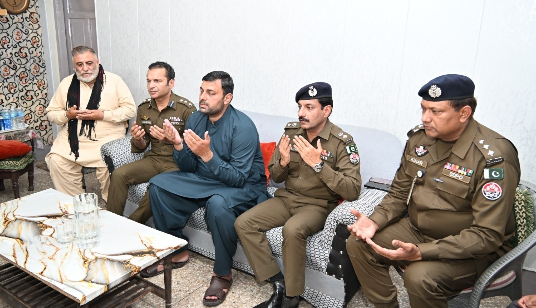
RAWALPINDI — City Police Officer Syed Khalid Mehmood Hamdani visited the home of the late Shaukat Jafri, a key figure in the Rawalpindi Peace Committee, on Wednesday. He expressed condolences to Jafri’s family and honored his contributions to community service. Honoring a Community Peace Leader During the visit, CPO Hamdani prayed for Shaukat Jafri and recognized his significant efforts. Jafri was highly respected for promoting peace and fostering communal harmony in Rawalpindi. As a dedicated member of the Peace Committee, Jafri worked tirelessly to ensure stability and unity. His efforts in interfaith dialogue and peaceful coexistence earned widespread admiration. Police Officials Pay Respects Several senior officials accompanied the City Police Officer during the condolence visit, demonstrating the police department’s respect for leaders dedicated to social cohesion. Senior Superintendent of Police (Operations) Chief Traffic Officer Other senior police officials The Role of the Peace Committee The visit emphasized the police department’s appreciation for Jafri’s role in promoting peace and stability. The Rawalpindi Peace Committee plays a crucial part in maintaining social cohesion in the community. Committee members like Jafri work closely with law enforcement to prevent conflicts and enhance understanding among diverse community groups. This committee is an essential platform for dialogue and conflict resolution throughout Rawalpindi.

World

China Urges Calm, Full Ceasefire Amid Escalating Middle East Tensions

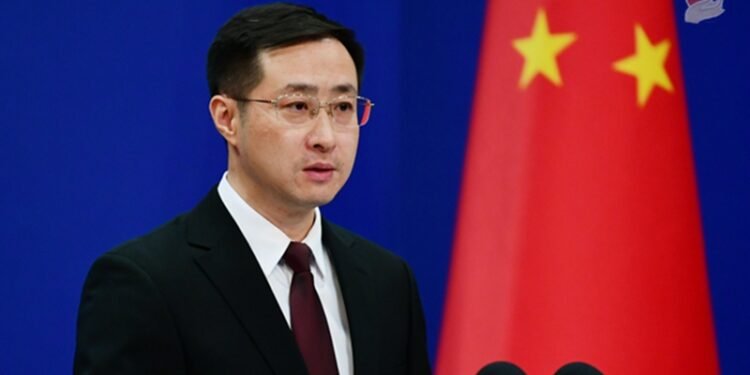
BEIJING — On Wednesday, China strongly advocated for a comprehensive and lasting ceasefire in the Middle East. As tensions mount, the nation called on all parties to exercise maximum restraint. China aims to reinforce its role as a key mediator in international disputes by emphasizing political and diplomatic solutions. China’s Advocacy for Diplomatic Dialogue During a regular press briefing in Beijing, Lin Jian, a spokesperson for the Chinese Foreign Ministry, addressed concerns over new U.S. military actions in the Middle East. Lin expressed deep concern about the rapid escalation in the region, prioritizing dialogue over military engagement. He reiterated Beijing’s dedication to peaceful solutions, warning that military actions could exacerbate the humanitarian crisis. Beijing’s Neutral Stance in Middle East Conflicts China consistently maintains a neutral stance in Middle East conflicts, prioritizing dialogue over military interventions as a core aspect of its foreign policy. This neutrality allows China to sustain diplomatic relations with various regional powers, positioning Beijing as a potential mediator for future peace talks. Core Principles of China’s Diplomatic Strategy China’s approach to international conflicts is built on several core diplomatic principles: Preference for diplomatic channels over military intervention Commitment to non-interference in sovereign affairs Support for multilateral cooperation frameworks Advocacy for UN-led peace processes This strategy aligns with Beijing’s broader foreign policy objectives. Historically, China has facilitated regional dispute mediation and diplomatic agreements between rival nations. Continued Diplomatic Efforts in the Region Wednesday’s statement is part of China’s ongoing diplomatic efforts amid escalating hostilities that have attracted global attention. China continues to advocate for peaceful resolutions through international cooperation, emphasizing that multilateral dialogue is essential for lasting stability. The Chinese Foreign Ministry persistently urges the resumption of negotiations, underlining that diplomatic solutions benefit all nations involved in the Middle East conflict.

World

Baku Initiative Group Releases Documentary on Sikh Struggle, 1984 Events

ISLAMABAD — The Baku Initiative Group (BIG), an international non-governmental organisation, has launched a documentary exploring the history, struggles, and aspirations of the Sikh community. Exploring Sikh Identity and the 1984 Events The documentary delves into pivotal events that have shaped Sikh identity on a global scale, with a particular focus on the military operation of June 1984. This significant event continues to deeply resonate within the Sikh community worldwide. Impact of the 1984 Military Operation Centrally featured in the documentary is the June 1984 military operation, a defining moment in Sikh history. Its profound implications are felt in both the political and religious realms, impacting millions. The aftermath of the operation remains a critical topic in international human rights discussions, advocating for global minority rights. Preserving Historical Narratives The film highlights Sikh Freedom International’s role in documenting these pivotal events. This organisation plays a crucial role in preserving these narratives for future generations. Their efforts ensure that these experiences are integral to the global human rights discourse, significantly enhancing the recognition of minority struggles worldwide. Objectives of the Documentary BIG, which is renowned for addressing minority and indigenous issues, aims to provide authentic perspectives on Sikh history through this documentary: Chronicling historical grievances and their enduring impact Seeking international recognition and acknowledgment Advocating for rights within a global framework Preserving cultural and religious identity Highlighting Minority Voices Globally This documentary marks a step forward in BIG’s mission to amplify minority voices by acknowledging their historical experiences and ongoing challenges. As part of a broader global initiative, the film concentrates on documenting minority rights issues. BIG remains committed to showcasing underrepresented perspectives in global human rights discussions. The film strives to enhance understanding of Sikh historical experiences, fostering dialogue on minority rights and the challenges faced by the global community.

World

Taliban Leader Sentenced to 42 Years for Kidnapping US Journalist

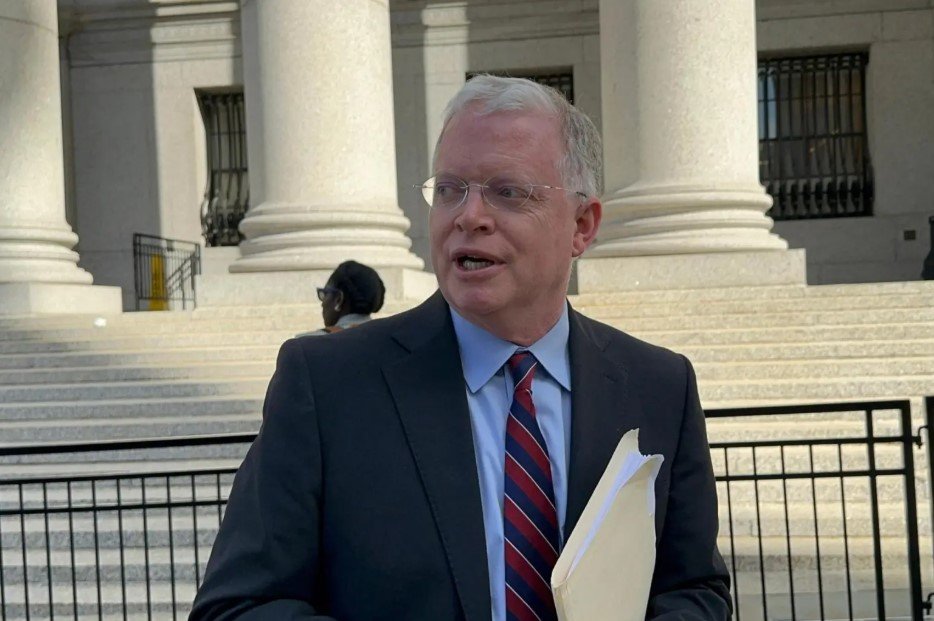
A court has sentenced a Taliban leader to 42 years in prison for the abduction of American journalist David Rohde and two Afghan colleagues. This verdict represents a significant advancement in holding Taliban operatives accountable for crimes targeting journalists. Details of the 2008 Abduction In 2008, foreign correspondent David Rohde was kidnapped while conducting research for a book. He was captured during an attempt to interview Taliban commander Mullah Najibullah. Colleagues Captured Along with Rohde, two Afghan nationals were also abducted: Afghan journalist Tahir Ludin Driver Asadullah Mangal They remained captive for seven months before successfully escaping in June 2009. Significance of the Legal Verdict This 42-year prison sentence is a rare occurrence, holding a Taliban leader legally responsible for kidnapping a Western journalist. Such convictions are not commonly seen in international legal proceedings. The ruling highlights the severe consequences of targeting journalists and emphasizes the global legal implications concerning press freedom. Impact on International Justice According to legal experts, the sentencing serves as a landmark moment for international justice. It may set a precedent for future prosecutions of similar offenses against journalists in high-risk areas. The Taliban leader, now facing over four decades in jail, underscores the crucial need for global efforts to safeguard journalists. This decision conveys a clear message to militant groups about upholding press freedom under international law.

Scroll to Top