

World

Welcome to the World section of NEN Agency, your window to the stories shaping our planet. From global politics and economic shifts to science breakthroughs, cultural moments, and humanitarian crises, we connect you to events that matter — wherever they happen.

Inside This Category

  • Global Politics & Diplomacy: International relations, summits, and policy shifts.

  • World Economy & Trade: Market trends, trade agreements, and financial developments.

  • Conflicts & Security: Coverage of wars, peace efforts, and security challenges.

  • Science & Environment: Climate change, technological advances, and space exploration.

  • Culture & Society: Arts, sports, and lifestyle stories from around the globe.

Why Our World Coverage Stands Out
We deliver global news with context, helping readers see how events beyond borders influence life in Pakistan and the wider region.

World

Uzbekistan Hosts TIIF 2026, Cementing Its Global Investment Status

TASHKENT — Uzbekistan is set to host the Tashkent International Investment Forum (TIIF) 2026, a pivotal event that underscores the country’s growing prominence on the global investment stage. Scheduled to take place in Tashkent, the forum will bring together a diverse array of participants, including world leaders, government officials, investors, and business magnates, to discuss and explore investment opportunities in Central Asia. What Happened The Tashkent International Investment Forum, first launched in 2022, has rapidly become Central Asia’s foremost platform for international investment dialogue. The 2026 edition of the forum is expected to attract a wide spectrum of stakeholders, aiming to foster dialogue and collaboration among key players in the global economy. The event is designed to showcase Uzbekistan’s economic potential and to attract foreign direct investment by providing a platform for networking and exchange of ideas. According to Mr. Khalid Taimur Akram, Executive Director of the Pakistan Research Center for a Community with Shared Future (PRCCSF), the forum serves as a crucial meeting point for discussing investment strategies and exploring new ventures. “TIIF has been instrumental in positioning Uzbekistan as a key player in the international investment landscape,” he noted. The forum will include sessions on various sectors such as energy, infrastructure, technology, and agriculture, reflecting Uzbekistan’s diverse economic landscape. Participants will have the opportunity to engage in panel discussions, workshops, and one-on-one meetings, facilitating a comprehensive understanding of the region’s investment climate. Background Uzbekistan has been undergoing significant economic reforms since President Shavkat Mirziyoyev took office in 2016. These reforms have aimed at liberalizing the economy, improving the business environment, and attracting foreign investment. The establishment of the TIIF is part of these broader efforts to integrate Uzbekistan into the global economy. Historically, Uzbekistan was relatively closed to foreign investment, with strict government controls over economic activities. However, recent policy shifts have seen the country opening up to international markets, with initiatives to modernize infrastructure, enhance transparency, and create a more conducive environment for business. Why It Matters The TIIF 2026 is significant as it highlights Uzbekistan’s strategic efforts to position itself as a central hub for investment in Central Asia. The forum’s success could lead to increased foreign direct investment, which is crucial for the country’s economic growth and development. By attracting global investors, Uzbekistan aims to boost its economic diversification, reduce reliance on traditional sectors, and create new employment opportunities. Moreover, the forum’s focus on sectors like technology and infrastructure aligns with global trends towards digitalization and sustainable development. This alignment could facilitate partnerships that bring cutting-edge technology and sustainable practices to Uzbekistan, enhancing its competitiveness in the global market. For Pakistan and other neighboring countries, Uzbekistan’s emergence as a regional investment hub presents opportunities for economic collaboration and trade. The strengthening of economic ties within Central Asia could lead to enhanced regional stability and prosperity. Key Takeaways Uzbekistan will host the Tashkent International Investment Forum (TIIF) in 2026, highlighting its growing role in global investment. The forum aims to attract diverse stakeholders, including investors and business leaders, to explore opportunities in Central Asia. Uzbekistan’s economic reforms and strategic initiatives have positioned it as a key player in the international investment landscape. The TIIF 2026 could lead to increased foreign direct investment, boosting economic growth and diversification in Uzbekistan. Regional collaboration and trade opportunities may arise from Uzbekistan’s emergence as an investment hub, benefiting neighboring countries like Pakistan. Source Attribution The information in this article is based on a report by the Associated Press of Pakistan (APP) and statements from Mr. Khalid Taimur Akram, Executive Director of the Pakistan Research Center for a Community with Shared Future (PRCCSF). The source material provides insights into the objectives and significance of the TIIF 2026 but does not include specific details on participant lists or financial commitments. Author: NEN Editorial Desk | Editor: NEN Newsroom | Fact Checked By: NEN Editorial Team Author: NEN Editorial Desk  |  Editor: NEN Newsroom  |  Last Updated: June 25, 2026  |  Source: APP This article was produced by the NEN Editorial Desk in accordance with NEN Agency’s Editorial Policy and Fact-Checking Policy.

World

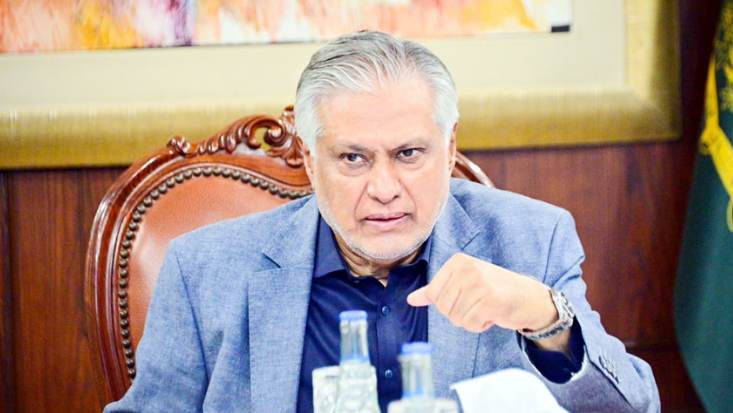
Punjab Government Commended for Ashura Arrangements During Minister’s Visit

FAISALABAD — Punjab Information Minister Azma Bokhari conducted an inspection of the Ashura security and service arrangements in the Faisalabad division on Thursday. The visit was met with praise from mourners and organizers who lauded the Punjab government for the exceptional facilities provided for Majalis and mourning processions. What Happened On June 25, Azma Bokhari, the Punjab Information Minister, visited Faisalabad to oversee the arrangements made for Ashura, the tenth day of Muharram, which is observed with solemnity by Muslims worldwide. The visit was aimed at ensuring that the security measures and services provided during the religious observance were adequate and effective. Accompanied by Chief Minister’s Adviser Zeeshan Malik, Regional Police Officer (RPO) Sohail Sukhera, and Divisional Commissioner Musarrat Jabeen, Bokhari toured various locations where Majalis and processions were being held. The officials assessed the security protocols and the facilities provided to the participants, which included water, medical aid, and sanitation services. During her visit, Bokhari interacted with the organizers and participants of the processions. She emphasized the government’s commitment to maintaining peace and providing necessary amenities during Ashura. The attendees expressed their satisfaction with the arrangements, noting that the government had gone to great lengths to ensure a smooth and secure observance of the religious event. “The Punjab government has ensured that all necessary measures are in place to facilitate the mourners and organizers during this significant observance,” Bokhari stated. Her remarks were echoed by RPO Sohail Sukhera, who highlighted the coordination between various departments to ensure the safety and comfort of the participants. Background Ashura, observed on the tenth day of Muharram, marks the martyrdom of Imam Hussain, the grandson of Prophet Muhammad, at the Battle of Karbala. It is a day of mourning and reflection for Muslims, particularly for the Shia community, who hold processions and gatherings to commemorate the event. In Pakistan, Ashura is a public holiday, and extensive security measures are typically put in place to ensure the safety of participants. The government, along with law enforcement agencies, works to prevent any untoward incidents during the processions. This involves deploying police personnel, setting up security checkpoints, and providing emergency services. Why It Matters The successful arrangements for Ashura in Faisalabad reflect the Punjab government’s commitment to religious harmony and public safety. Such efforts are crucial in a diverse society like Pakistan, where religious observances can sometimes become flashpoints for sectarian tension. By ensuring a peaceful and well-organized Ashura, the government not only upholds the rights of its citizens to practice their faith but also strengthens communal harmony. Economically, the smooth conduct of Ashura processions without incidents helps maintain stability in the region, which is essential for local businesses and daily life. Socially, it reassures the public that the government is attentive to their needs and capable of managing large-scale events with efficiency and care. Internationally, Pakistan’s ability to manage such significant religious events without disruption sends a positive message about the country’s governance and its commitment to protecting the rights of all religious communities. This can enhance Pakistan’s image as a nation that respects and facilitates religious diversity. Key Takeaways Punjab Information Minister Azma Bokhari praised the government’s arrangements for Ashura in Faisalabad. The visit highlighted the effective security and service measures in place for the religious observance. Mourners and organizers commended the facilities provided by the Punjab government. Successful Ashura arrangements underscore the government’s commitment to religious harmony and public safety. Efficient management of Ashura events contributes to social stability and international perception of Pakistan. Source Attribution The information in this article was sourced from the Associated Press of Pakistan (APP). The report provided details of the visit by Punjab Information Minister Azma Bokhari and the commendations received for the Ashura arrangements. While the source outlined the event, further analysis and context have been added to highlight its significance and implications. Author: NEN Editorial Desk | Editor: NEN Newsroom | Fact Checked By: NEN Editorial Team Author: NEN Editorial Desk  |  Editor: NEN Newsroom  |  Last Updated: June 25, 2026  |  Source: Associated Press of Pakistan This article was produced by the NEN Editorial Desk in accordance with NEN Agency’s Editorial Policy and Fact-Checking Policy.
World

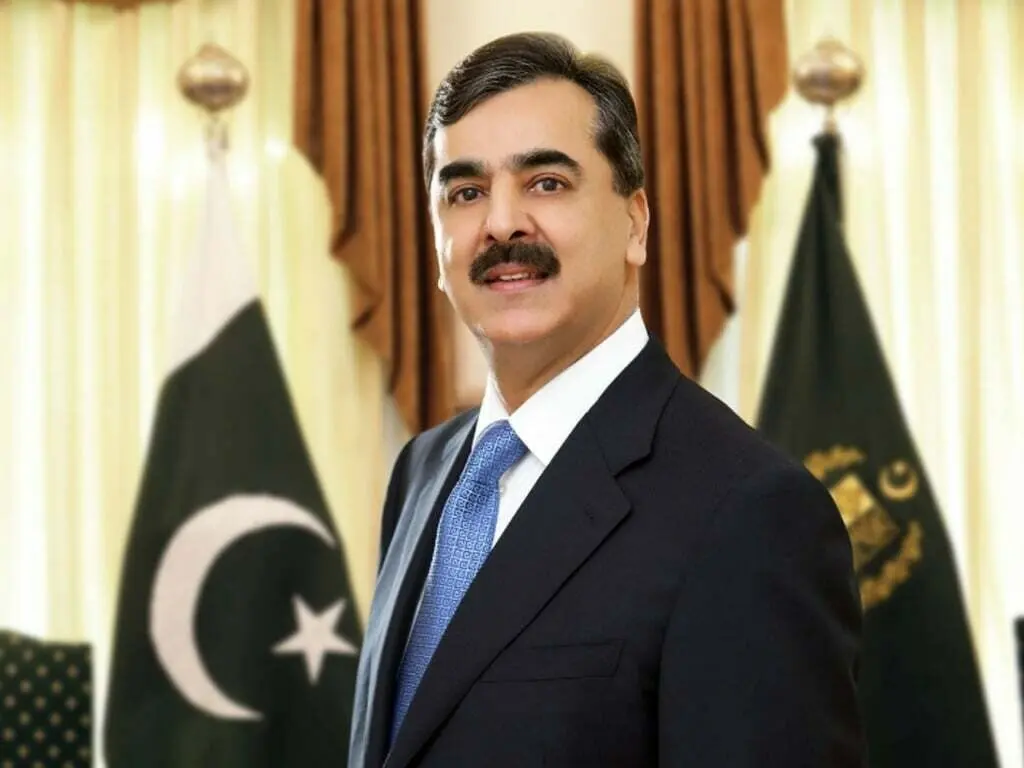
Officials Monitor 9th Muharram Processions and Security in Dera Ismail Khan

DERA ISMAIL KHAN — Commissioner Muhammad Dawood Khan and Regional Police Officer (RPO) Ghulam Mubashir Maken oversaw the 9th Muharram processions on Thursday, June 25, ensuring security arrangements were in place across Dera Ismail Khan. Their visits included inspections of various Imambargahs and key procession routes throughout the district. What Happened Commissioner Muhammad Dawood Khan and RPO Ghulam Mubashir Maken, along with Deputy Commissioner Hikmatullah Wazir and District Police Officer (DPO) Dera Ziauddin Ahmad, conducted thorough reviews of the security measures implemented for the 9th Muharram processions. The officials visited multiple Imambargahs and procession routes to ensure that all arrangements met the required standards for the safety of participants. During their visits, the officials interacted with procession organizers and security personnel to assess the effectiveness of the deployed security protocols. Commissioner Dawood Khan emphasized the importance of maintaining peace and security during the religious observance, which holds significant cultural and religious importance for the Shia Muslim community. RPO Maken highlighted the collaborative efforts between law enforcement agencies and local administration to prevent any untoward incidents. “Our primary goal is to ensure the safety and security of all participants,” he stated, underscoring the commitment of the police force to maintain order during the processions. The security arrangements included the deployment of additional police personnel, installation of CCTV cameras, and setting up of checkpoints at strategic locations. These measures were aimed at monitoring and managing the large crowds expected to participate in the processions. Background Muharram, the first month of the Islamic lunar calendar, is a period of mourning for Shia Muslims commemorating the martyrdom of Imam Hussain, the grandson of Prophet Muhammad, at the Battle of Karbala. The 9th and 10th days of Muharram, known as Ashura, are particularly significant, marked by processions and gatherings to honor Imam Hussain’s sacrifice. In Pakistan, Muharram processions are held with great reverence, and security is a major concern due to the large gatherings and the potential for sectarian violence. Over the years, the government has implemented stringent security measures to ensure the peaceful conduct of these events. Why It Matters The oversight of Muharram processions by high-ranking officials in Dera Ismail Khan underscores the importance of maintaining security during religious events in Pakistan. These processions are not only religious observances but also serve as a reflection of the country’s commitment to religious freedom and cultural expression. Ensuring the safety of participants is crucial in fostering a sense of security and community among the Shia population, who have historically faced sectarian violence. The successful management of these events can enhance communal harmony and demonstrate the government’s dedication to protecting minority rights. Moreover, the effective handling of Muharram processions can have broader implications for national security. It showcases the capability of law enforcement agencies to manage large-scale events, which is vital for maintaining public confidence in the state’s ability to protect its citizens. Key Takeaways Commissioner Muhammad Dawood Khan and RPO Ghulam Mubashir Maken oversaw security for the 9th Muharram processions in Dera Ismail Khan. Security measures included additional police deployment, CCTV surveillance, and checkpoints. Muharram holds significant religious importance, commemorating the martyrdom of Imam Hussain. Ensuring safety during these events is crucial for religious freedom and community harmony. Effective security management reflects positively on national stability and law enforcement capabilities. Source Attribution The information in this article is based on a report from the Associated Press of Pakistan (APP). The source provides an official account of the events and security measures but may not include all perspectives or developments related to the processions. Author: NEN Editorial Desk | Editor: NEN Newsroom | Fact Checked By: NEN Editorial Team Author: NEN Editorial Desk  |  Editor: NEN Newsroom  |  Last Updated: June 25, 2026  |  Source: Associated Press of Pakistan (APP) This article was produced by the NEN Editorial Desk in accordance with NEN Agency’s Editorial Policy and Fact-Checking Policy.
World

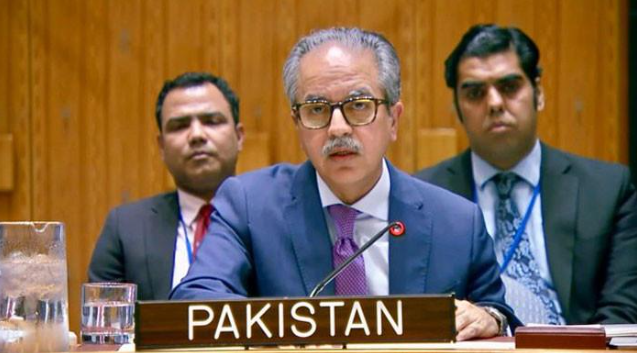
Ashura: A Symbol of Sacrifice and Justice, Says Speaker Ayaz Sadiq

ISLAMABAD — Speaker of the National Assembly Sardar Ayaz Sadiq on Thursday paid tribute to Hazrat Imam Hussain (AS), the Ahl-e-Bait (AS), and the martyrs of Karbala on the occasion of Ashura. He described the tragedy of Karbala as a pivotal chapter in Islamic history, highlighting its enduring significance as a beacon of courage and righteousness. What Happened On June 25, Speaker Ayaz Sadiq addressed the nation on the solemn occasion of Ashura, commemorating the martyrdom of Hazrat Imam Hussain (AS) and his companions at the Battle of Karbala in 680 AD. In his remarks, Sadiq emphasized the profound impact of the events at Karbala on the Islamic world, noting that the sacrifices made by Imam Hussain (AS) and his followers continue to inspire generations in their quest for justice and truth. Sadiq stated, “The tragedy of Karbala is not just a historical event but a timeless lesson in standing up against tyranny and oppression.” He underscored the importance of remembering the values of sacrifice and unwavering commitment to justice that Imam Hussain (AS) exemplified. The speaker’s comments were part of a broader series of events and speeches held nationwide to mark Ashura, a day of mourning and reflection for Muslims around the world. Background Ashura, the 10th day of the Islamic month of Muharram, holds significant importance in the Islamic calendar. It commemorates the martyrdom of Hazrat Imam Hussain (AS), the grandson of the Prophet Muhammad (PBUH), who was killed along with his family and followers in the Battle of Karbala. This event is seen as a defining moment in Islamic history, symbolizing the struggle against injustice and tyranny. The Battle of Karbala took place in 680 AD in present-day Iraq. Imam Hussain (AS) and his small group of supporters were vastly outnumbered by the forces of Yazid, the Umayyad caliph. Despite the overwhelming odds, Imam Hussain (AS) refused to pledge allegiance to Yazid, standing firm in his principles. The battle ended with the massacre of Hussain and his companions, but their sacrifice became a powerful symbol of resistance and moral integrity. Why It Matters The commemoration of Ashura is not only a religious observance but also a reflection on universal themes of justice, sacrifice, and resistance against oppression. In Pakistan, a country with a significant Shia Muslim population, Ashura is marked by large processions, religious gatherings, and acts of charity. It serves as a reminder of the ongoing struggles for justice and human rights, resonating with people across different sects and communities. Politically, the message of Karbala has been invoked by various movements and leaders in Pakistan to highlight issues of governance, accountability, and social justice. The narrative of standing up against unjust rulers and systems is particularly relevant in the context of Pakistan’s political landscape, where citizens often grapple with challenges related to corruption, inequality, and governance. Internationally, Ashura is observed by millions of Muslims around the world, fostering a sense of unity and shared heritage. The events of Karbala have transcended religious boundaries, inspiring movements for social justice and human rights globally. The annual observance of Ashura thus serves as a platform for dialogue and understanding among diverse communities. Key Takeaways Speaker Ayaz Sadiq emphasized the enduring significance of the tragedy of Karbala as a symbol of sacrifice and justice. Ashura commemorates the martyrdom of Hazrat Imam Hussain (AS) and his companions at the Battle of Karbala in 680 AD. The event is a powerful reminder of the struggle against tyranny and oppression, relevant to both religious and political contexts. In Pakistan, Ashura is marked by processions and gatherings, reflecting on themes of justice and human rights. Internationally, Ashura fosters unity and dialogue among diverse Muslim communities. Source Attribution The information in this article is based on a report by the Associated Press of Pakistan (APP). The source provides an official account of Speaker Ayaz Sadiq’s remarks on Ashura, highlighting the historical and contemporary significance of the event. While APP is a reliable source for official statements, further context and analysis have been added to provide a comprehensive understanding of the topic. Author: NEN Editorial Desk | Editor: NEN Newsroom | Fact Checked By: NEN Editorial Team Author: NEN Editorial Desk  |  Editor: NEN Newsroom  |  Last Updated: June 25, 2026  |  Source: Associated Press of Pakistan (APP) This article was produced by the NEN Editorial Desk in accordance with NEN Agency’s Editorial Policy and Fact-Checking Policy.
World

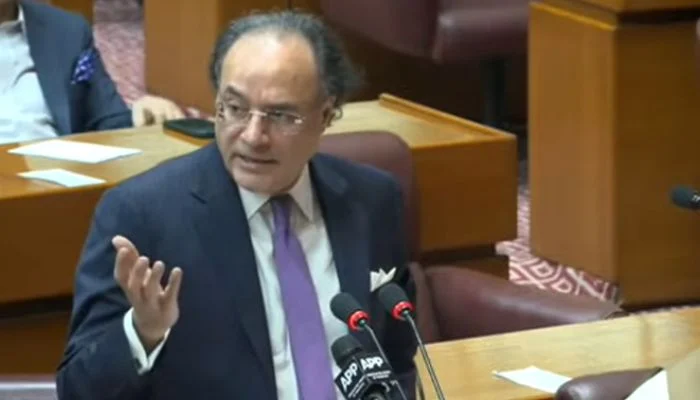
Governor Kundi Evaluates Security for Muharram Processions in Peshawar

PESHAWAR — Governor Khyber Pakhtunkhwa Faisal Karim Kundi conducted a thorough review of the security arrangements for the 9th Muharram procession in Peshawar on Thursday. The procession, which began at Naeem Shah Chowk Saddar, is a significant event in the Islamic calendar, marking a period of mourning observed by the Shia community. What Happened Governor Faisal Karim Kundi visited the central 9th Muharram procession to assess the security measures implemented by the Khyber Pakhtunkhwa Police and the civil administration. The procession is part of the annual Muharram-ul-Haram observance, which commemorates the martyrdom of Imam Hussain, the grandson of the Prophet Muhammad. This event is marked by large gatherings and processions, necessitating heightened security to ensure the safety of participants. During his visit, Governor Kundi expressed appreciation for the collaborative efforts of the police, civil administration, and religious leaders from both Shia and Sunni communities. He highlighted the significance of maintaining peace and harmony during this sensitive period. “The cooperation between different communities is crucial for the peaceful observance of Muharram,” he stated, emphasizing the importance of unity and mutual respect. The security arrangements included the deployment of additional police forces, installation of surveillance cameras, and setting up of checkpoints at strategic locations. These measures are intended to prevent any untoward incidents and ensure the smooth conduct of the processions. The Governor also interacted with the security personnel on duty, acknowledging their dedication and commitment. Background Muharram is the first month of the Islamic lunar calendar and holds significant religious importance for Muslims worldwide. The 9th and 10th days of Muharram, known as Ashura, are particularly significant for Shia Muslims, who commemorate the martyrdom of Imam Hussain at the Battle of Karbala in 680 AD. This event is observed with processions, recitations, and gatherings, making it a time of reflection and mourning. In Pakistan, Muharram processions are held across the country, with major events taking place in cities like Karachi, Lahore, and Peshawar. Given the historical sectarian tensions, the government implements stringent security measures to prevent any violence or disruptions during these observances. Why It Matters The security of Muharram processions is a matter of national importance in Pakistan, where sectarian violence has been a recurring issue. Ensuring the safety of participants during these events is crucial for maintaining social harmony and preventing any escalation of tensions. The efforts by the Khyber Pakhtunkhwa government to secure the Muharram processions reflect a broader commitment to religious tolerance and peace. Economically, the peaceful conduct of Muharram processions can also have implications for local businesses and daily life. Disruptions due to security concerns can affect commerce and mobility, impacting the livelihoods of many. Therefore, effective security arrangements help in minimizing such disruptions, allowing normalcy to prevail. On an international level, Pakistan’s handling of religious events is closely watched, as it reflects the country’s stance on religious freedom and minority rights. Successful management of Muharram processions can enhance Pakistan’s image as a nation committed to safeguarding the rights of all its citizens, irrespective of their sectarian affiliations. Key Takeaways Governor Faisal Karim Kundi reviewed security measures for the 9th Muharram procession in Peshawar. The event involved collaboration between police, civil administration, and religious leaders. Enhanced security included additional police deployment, surveillance, and checkpoints. Muharram holds significant religious importance, particularly for Shia Muslims. Effective management of processions is crucial for maintaining social harmony and economic stability. Source Attribution The information in this article is based on a report from the Associated Press of Pakistan (APP). The source provided details on the Governor’s visit and the security arrangements in place for the Muharram processions. As with any single source, the information may be limited to the details provided by the official report. Author: NEN Editorial Desk | Editor: NEN Newsroom | Fact Checked By: NEN Editorial Team Author: NEN Editorial Desk  |  Editor: NEN Newsroom  |  Last Updated: June 25, 2026  |  Source: Associated Press of Pakistan (APP) This article was produced by the NEN Editorial Desk in accordance with NEN Agency’s Editorial Policy and Fact-Checking Policy.
World

Amir Muqam Honors Poonch’s Sacrifices, Pledges Government Support

ISLAMABAD — Federal Minister for Kashmir Affairs, Engineer Amir Muqam, has paid tribute to the people of Poonch Division and Rawalakot, acknowledging their historical sacrifices for Pakistan and Kashmir. During a recent address, Muqam emphasized the region’s unwavering commitment to the nation and reiterated the government’s dedication to providing relief to the public. What Happened On June 25, Federal Minister Amir Muqam highlighted the significant contributions of the Poonch Division in a speech that underscored the area’s historical importance in the context of Pakistan’s national integrity and the Kashmir cause. He praised the residents for their steadfast loyalty and sacrifices, which have been pivotal in the region’s ongoing struggle for recognition and support. Muqam specifically mentioned the legendary figure, Sepoy Maqbool Hussain, whose dedication and sacrifices have become emblematic of the spirit of Poonch. The minister’s remarks were made during a ceremony that brought together local leaders, community members, and government officials to honor the legacy of those who have contributed to the national cause. In his address, Muqam reaffirmed the government’s commitment to addressing the needs of the people in Poonch and Rawalakot. He assured that efforts are underway to enhance infrastructure, improve living conditions, and provide necessary resources to uplift the region economically and socially. Background The Poonch Division, located in the Azad Jammu and Kashmir region, has a long history of involvement in the Kashmir conflict. The area has been a focal point in the struggle for the rights of Kashmiris, with many residents actively participating in efforts to secure autonomy and recognition. Historically, the region has been marked by significant military and civilian contributions to Pakistan’s defense and sovereignty. In recent years, the government has been working to improve the socio-economic conditions in Azad Jammu and Kashmir, with initiatives aimed at boosting development and providing relief to the local population. The region’s strategic importance, coupled with its historical sacrifices, has made it a priority for successive governments. Why It Matters The recognition of Poonch’s sacrifices by a federal minister underscores the ongoing importance of the region in Pakistan’s national narrative. The government’s commitment to providing relief and support is crucial, not only for the well-being of the local population but also for maintaining stability in a strategically sensitive area. Economically, the development of Poonch and surrounding areas could lead to increased opportunities for residents, reducing poverty and improving quality of life. Socially, government support can foster a sense of inclusion and recognition, which is vital for communities that have long felt marginalized. Politically, the reaffirmation of support for Poonch aligns with Pakistan’s broader strategy regarding the Kashmir issue. By acknowledging the sacrifices of the people in this region, the government reinforces its commitment to the Kashmir cause, which remains a central element of Pakistan’s foreign policy. Key Takeaways Federal Minister Amir Muqam honored the sacrifices of Poonch Division, emphasizing its historical significance. The government reaffirmed its commitment to providing relief and improving living conditions in the region. Poonch’s contributions are critical to Pakistan’s national integrity and the Kashmir cause. Development initiatives in the region aim to boost economic opportunities and improve infrastructure. The government’s support aligns with its broader strategy on the Kashmir issue. Source Attribution The information in this article is based on a report by the Associated Press of Pakistan (APP). The source provided details of Amir Muqam’s address and the context of his remarks. While the APP report offers a comprehensive overview, additional local perspectives and independent reports could provide further insights into the region’s current conditions and challenges. Author: NEN Editorial Desk | Editor: NEN Newsroom | Fact Checked By: NEN Editorial Team Author: NEN Editorial Desk  |  Editor: NEN Newsroom  |  Last Updated: June 25, 2026  |  Source: APP This article was produced by the NEN Editorial Desk in accordance with NEN Agency’s Editorial Policy and Fact-Checking Policy.

World

9th Muharram Procession in Attock Concludes Peacefully Amid Tight Security

ATTOCK — A 9th Muharram procession in the rural locality of Sheen Bagh, Attock, concluded peacefully on Thursday, as mourners gathered under stringent security measures. The procession, part of the annual observance of Muharram, marked a significant event for the local community. What Happened The 9th Muharram procession, known as Alam-o-Zuljannah, commenced on Thursday morning, originating from various residences in Sheen Bagh, including those of Adalat Shah and Maulana Imran Bukhari. The event drew a large number of participants who engaged in traditional mourning rituals, including the recitation of Noha, a form of lamentation poetry. The procession proceeded through designated routes, with participants carrying religious banners and symbols. Security was a top priority for the organizers and local authorities, who coordinated closely to ensure the safety of the attendees. Law enforcement agencies were deployed in significant numbers to manage the crowd and maintain order. Barricades were set up at strategic points, and thorough checks were conducted to prevent any untoward incidents. Local leaders and religious scholars addressed the gathering, emphasizing the spiritual significance of the day and urging participants to adhere to peaceful conduct. The procession concluded without any reported incidents, with participants dispersing in an orderly manner. Background Muharram is the first month of the Islamic lunar calendar and holds great significance for Muslims, particularly for the Shia community. It marks the anniversary of the Battle of Karbala, where Imam Hussain, the grandson of Prophet Muhammad, was martyred. The events of Muharram, especially the 9th and 10th days, known as Ashura, are observed with deep reverence and mourning. In Pakistan, Muharram processions are a longstanding tradition, with communities across the country participating in various rituals to commemorate the sacrifices made during the Battle of Karbala. These processions often involve large gatherings, making security a critical concern for authorities. Why It Matters The peaceful conclusion of the 9th Muharram procession in Attock is significant for several reasons. Firstly, it reflects the effective coordination between local authorities and community leaders in ensuring the safety of participants during a period that often sees heightened security risks. The successful management of such events is crucial in maintaining public confidence and ensuring the continuation of religious traditions without disruption. Economically, the smooth conduct of Muharram processions can have positive implications for local businesses, as vendors and service providers often cater to the needs of participants. The absence of security incidents also prevents potential disruptions to daily life and commerce in the area. Socially, the event underscores the importance of community cohesion and the role of religious observances in fostering unity among diverse groups. The peaceful nature of the procession in Attock serves as a model for other regions, demonstrating how religious events can be conducted with respect and harmony. Internationally, the peaceful observance of Muharram in Pakistan contributes to the country’s image as a nation capable of managing large-scale religious events with efficiency and care. This has broader implications for tourism and international relations, as it showcases Pakistan’s commitment to religious freedom and security. Key Takeaways The 9th Muharram procession in Sheen Bagh, Attock, concluded peacefully under tight security. The event involved traditional mourning rituals and was attended by a large number of participants. Security measures were effectively implemented, ensuring the safety of all attendees. Muharram holds significant religious importance, particularly for the Shia community in Pakistan. The peaceful conduct of the procession has positive social and economic implications for the region. Source Attribution The information in this article is based on a report from the Associated Press of Pakistan (APP). The source provided details on the event, including the procession’s route, security measures, and community participation. The APP report serves as a primary source for factual information, while additional analysis and context have been provided to enhance understanding of the event’s significance. Author: NEN Editorial Desk | Editor: NEN Newsroom | Fact Checked By: NEN Editorial Team Author: NEN Editorial Desk  |  Editor: NEN Newsroom  |  Last Updated: June 25, 2026  |  Source: Associated Press of Pakistan (APP) This article was produced by the NEN Editorial Desk in accordance with NEN Agency’s Editorial Policy and Fact-Checking Policy.

World

Cotton Commissioner Reviews Research Trials at Multan Institutes

MULTAN — Dr Khadim Hussain, Chief Executive Officer of the Pakistan Central Cotton Committee (PCCC) and Cotton Commissioner, conducted an inspection of research trials at the Cotton Research Institute (CRI) in Multan, according to the Associated Press of Pakistan (APP). The visit on June 24 aimed to assess the progress of National Coordinated Varietal Trials (NCVT) and other ongoing research projects. What Happened During his visit, Dr Khadim Hussain meticulously reviewed the trial planning and experimental plots at the CRI. He evaluated the performance of the current crop and examined the preliminary data generated from these trials. The inspection was part of a broader initiative to ensure that the research aligns with national agricultural goals and contributes to the enhancement of cotton production in Pakistan. Dr Khadim’s visit also included a detailed walkthrough of the various research experiments being conducted at the CRI. He interacted with the research staff, discussing the methodologies employed and the potential implications of their findings. The Cotton Commissioner emphasized the importance of these trials in developing new cotton varieties that can withstand local climatic conditions and pest challenges. The inspection covered a range of research activities, including the development of pest-resistant cotton strains and the improvement of yield and fiber quality. Dr Khadim noted the significance of these experiments in addressing the challenges faced by cotton growers in Pakistan, particularly in the context of changing weather patterns and pest infestations. Background The Cotton Research Institute in Multan is a pivotal entity in Pakistan’s agricultural research landscape, focusing on the development of high-yield and pest-resistant cotton varieties. The National Coordinated Varietal Trials (NCVT) are a key component of the institute’s research agenda, aimed at evaluating and improving cotton strains across different agro-climatic zones in the country. Pakistan’s cotton industry has historically been a cornerstone of the national economy, contributing significantly to exports and employment. However, the sector faces numerous challenges, including pest attacks, water scarcity, and fluctuating global market prices. Research initiatives like those at CRI are crucial for sustaining and enhancing the productivity of the cotton sector. Why It Matters The inspection by Dr Khadim Hussain underscores the critical role of research and development in bolstering Pakistan’s cotton industry. With cotton being a major cash crop, advancements in research directly impact the livelihoods of millions of farmers and the broader textile industry, which is a significant contributor to the country’s GDP. The development of new cotton varieties through these trials is essential for maintaining competitiveness in the global market. As climate change continues to affect agricultural productivity, creating resilient crop varieties becomes increasingly important. The research conducted at CRI not only aims to improve yield and quality but also seeks to mitigate the impacts of environmental stressors. Moreover, the success of these research initiatives has broader implications for food security and rural development in Pakistan. By enhancing cotton productivity, the country can ensure a stable supply of raw materials for its textile industry, thereby supporting economic stability and growth. Key Takeaways Dr Khadim Hussain inspected research trials at the Cotton Research Institute in Multan. The focus was on National Coordinated Varietal Trials and ongoing research experiments. Research aims to develop pest-resistant and high-yield cotton varieties. These trials are crucial for addressing challenges faced by Pakistan’s cotton industry. Advancements in cotton research have significant economic and social implications. Source Attribution The information is based on a report by the Associated Press of Pakistan (APP). The source provides a detailed account of the inspection but does not include specific data or outcomes from the trials, which limits the depth of analysis regarding the research results. Author: NEN Editorial Desk | Editor: NEN Newsroom | Fact Checked By: NEN Editorial Team Author: NEN Editorial Desk  |  Editor: NEN Newsroom  |  Last Updated: June 25, 2026  |  Source: Associated Press of Pakistan This article was produced by the NEN Editorial Desk in accordance with NEN Agency’s Editorial Policy and Fact-Checking Policy.

World

Rescue 1122 Mobilizes for Muharram Safety Measures in Multan

MULTAN — Punjab Emergency Service Rescue 1122 has activated a detailed emergency response plan for the 9th Muharram and Ashura, deploying all operational units on high alert throughout the Multan district. This initiative aims to ensure the safety of participants during Muharram processions and gatherings, as confirmed by District Emergency Officer Dr. Hussain Mian. What Happened In preparation for the 9th Muharram and Ashura, Rescue 1122 has mobilized over 600 personnel across Multan to manage any emergencies that may arise during the religious observances. The comprehensive plan involves strategic placement of rescue teams along procession routes and at major congregation points. Dr. Hussain Mian stated, “Our teams are fully equipped and ready to provide immediate assistance to ensure the safety and security of the public.” The emergency cover plan includes the deployment of ambulances, fire vehicles, and mobile rescue units to respond swiftly to any incidents. Rescue 1122 has also coordinated with local law enforcement and community leaders to enhance communication and response efficiency. The focus is on maintaining public order and minimizing any potential risks associated with large gatherings. Dr. Mian emphasized the importance of public cooperation, urging citizens to adhere to safety protocols and report any suspicious activities. He assured that all rescue personnel have received specialized training to handle emergency situations effectively during Muharram. Background Muharram, the first month of the Islamic lunar calendar, holds significant religious importance for Muslims, particularly the Shia community. The 9th and 10th days, known as Ashura, commemorate the martyrdom of Imam Hussain, the grandson of Prophet Muhammad, at the Battle of Karbala. This period is marked by processions, gatherings, and various religious ceremonies. Historically, Muharram processions have been targets of sectarian violence in Pakistan, necessitating heightened security measures. Rescue 1122, established in 2006, plays a crucial role in providing emergency medical and rescue services during such events, ensuring the safety of participants and the general public. Why It Matters The proactive measures by Rescue 1122 are crucial in preventing potential tragedies during Muharram, a time when sectarian tensions can escalate. The deployment of over 600 personnel highlights the seriousness with which the authorities are approaching public safety. This effort not only aims to protect lives but also to preserve the sanctity of religious observances. Economically, ensuring a safe Muharram is vital for maintaining stability in the region, as any unrest could disrupt local businesses and daily life. Socially, the initiative fosters a sense of security among citizens, encouraging peaceful participation in religious events. Politically, the government’s commitment to public safety during Muharram can enhance trust between the state and its citizens, particularly in a region where sectarian issues have historically been a source of tension. Internationally, successful management of Muharram events without incident can improve Pakistan’s image as a country capable of handling religious diversity and maintaining peace during sensitive times. Key Takeaways Rescue 1122 has deployed over 600 personnel in Multan for Muharram safety. The emergency plan includes ambulances, fire vehicles, and mobile rescue units. Muharram processions are significant religious events requiring heightened security. Rescue 1122’s efforts aim to prevent sectarian violence and ensure public safety. Effective management of Muharram can positively impact Pakistan’s social and political climate. Source Attribution The information in this article is based on a report from the Associated Press of Pakistan (APP). The source provides official statements and details regarding the emergency measures implemented by Rescue 1122 for Muharram. However, the report does not include specific details on the coordination with other agencies or the exact locations of the deployed units. Author: NEN Editorial Desk | Editor: NEN Newsroom | Fact Checked By: NEN Editorial Team Author: NEN Editorial Desk  |  Editor: NEN Newsroom  |  Last Updated: June 25, 2026  |  Source: APP This article was produced by the NEN Editorial Desk in accordance with NEN Agency’s Editorial Policy and Fact-Checking Policy.

World

CTO Islamabad Urges Public Cooperation for Safe Muharram Procession

ISLAMABAD — Chief Traffic Officer (CTO) Kainat Azhar Khan emphasized the need for public cooperation to ensure a safe Muharram procession in Islamabad. During a visit to the G-6 area on Thursday morning, she reviewed the traffic management and security arrangements for the upcoming religious event. What Happened CTO Kainat Azhar Khan conducted an on-site inspection of the main Muharram procession route in Islamabad’s G-6 area. The visit was aimed at evaluating the traffic management strategies and security measures in place. Khan expressed satisfaction with the preparations but stressed the importance of public discipline to ensure the event proceeds smoothly. Speaking to media representatives during her visit, CTO Khan highlighted the deployment of additional traffic personnel to manage the flow of vehicles and ensure the safety of participants. “Our primary objective is to facilitate the procession while minimizing inconvenience to the general public,” she stated. Khan also noted that the traffic police have coordinated with other law enforcement agencies to enhance security measures along the procession route. The CTO mentioned that specific traffic diversions and parking restrictions would be implemented to maintain order and prevent congestion. She urged citizens to cooperate with the authorities by adhering to the designated routes and following instructions from traffic personnel. “Public cooperation is crucial for the success of these arrangements,” Khan added. Background Muharram is the first month of the Islamic lunar calendar and holds significant religious importance for Muslims, particularly the Shia community. The tenth day of Muharram, known as Ashura, commemorates the martyrdom of Imam Hussain, the grandson of the Prophet Muhammad, at the Battle of Karbala. Processions and gatherings are held worldwide to honor his sacrifice. In Pakistan, Muharram processions are observed with great reverence, and large crowds participate in these events. The government and law enforcement agencies undertake extensive measures to ensure the safety and security of participants, given the historical threats and incidents of violence associated with such gatherings. Why It Matters The safety of Muharram processions is a matter of national importance in Pakistan, where sectarian tensions have occasionally led to violence. Ensuring a peaceful observance of Muharram is crucial for maintaining communal harmony and public safety. The proactive measures taken by the Islamabad Traffic Police, under the leadership of CTO Kainat Azhar Khan, reflect the authorities’ commitment to safeguarding religious freedoms while maintaining public order. The emphasis on public cooperation underscores the role of citizens in supporting law enforcement efforts. By adhering to traffic regulations and security protocols, the public can contribute to a peaceful and orderly observance of Muharram. This cooperation is vital not only for the safety of participants but also for minimizing disruptions to daily life in the capital city. Moreover, the successful management of Muharram processions can enhance Pakistan’s image internationally, showcasing the country’s ability to handle large-scale religious events with efficiency and respect for diversity. It also sets a precedent for the management of future public gatherings, reinforcing the importance of collaboration between authorities and the community. Key Takeaways CTO Islamabad Kainat Azhar Khan stresses public cooperation for safe Muharram processions. Additional traffic personnel and security measures are in place for the event. Muharram holds significant religious importance, necessitating robust safety protocols. Public adherence to traffic and security guidelines is crucial for a peaceful observance. Successful management of the event can positively impact Pakistan’s international image. Source Attribution The information in this article is based on a report from the Associated Press of Pakistan (APP). The source provided an overview of the CTO’s visit and her statements regarding the preparations for the Muharram procession. The article expands on the source material by providing additional context and analysis. Author: NEN Editorial Desk | Editor: NEN Newsroom | Fact Checked By: NEN Editorial Team Author: NEN Editorial Desk  |  Editor: NEN Newsroom  |  Last Updated: June 25, 2026  |  Source: Associated Press of Pakistan (APP) This article was produced by the NEN Editorial Desk in accordance with NEN Agency’s Editorial Policy and Fact-Checking Policy.

Scroll to Top