
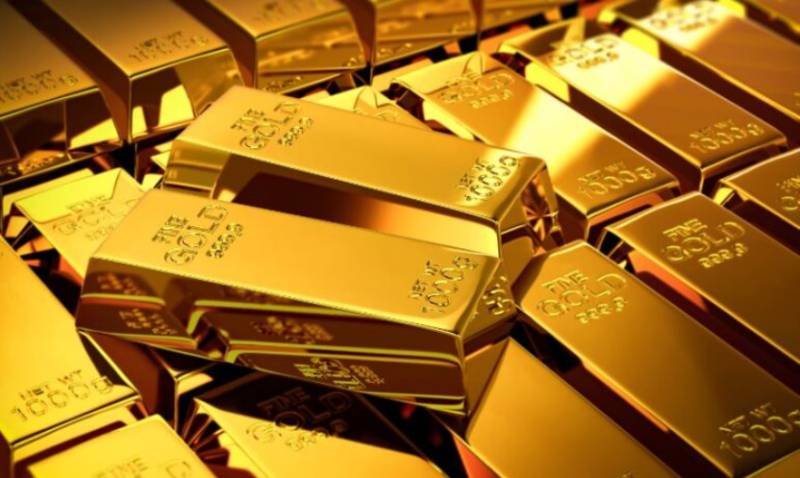
ISLAMABAD — The price of gold in Pakistan experienced a notable decrease on Tuesday, with the cost of 24-karat gold per tola falling by Rs2,500. This adjustment brings the new price to Rs434,936, as reported by the All Pakistan Sarafa Gems and Jewellers Association.
What Happened
The All Pakistan Sarafa Gems and Jewellers Association announced a significant reduction in the price of gold, marking a decrease of Rs2,500 per tola for 24-karat gold. This change reflects the dynamic nature of the precious metals market, which is influenced by various factors including international market trends, currency fluctuations, and local demand.
The adjustment in gold prices comes amidst a backdrop of fluctuating global gold rates. According to market analysts, the decline in local gold prices is largely attributed to the strengthening of the Pakistani rupee against the US dollar, which has a direct impact on the cost of imported commodities, including gold. Additionally, the international gold market has been experiencing volatility, with prices adjusting in response to economic indicators and geopolitical developments.
Gold traders and jewellers across Pakistan have been closely monitoring these changes, as gold remains a popular investment and a traditional gift in the country. The reduction in gold prices may influence consumer behavior, potentially increasing the demand for gold jewelry and investment in gold bars and coins.
Background
Gold has been a significant part of Pakistan’s economy, both as an investment vehicle and as a cultural staple. Traditionally, gold is considered a safe haven asset, particularly in times of economic uncertainty. The local gold market is heavily influenced by international trends, as Pakistan imports a substantial portion of its gold.
Historically, gold prices in Pakistan have been subject to fluctuations due to changes in global market conditions, currency exchange rates, and domestic economic policies. The All Pakistan Sarafa Gems and Jewellers Association plays a crucial role in setting daily gold prices, which are closely followed by traders and consumers alike.
In recent years, the gold market has experienced periods of both rapid increases and declines, reflecting broader economic trends and investor sentiment. The current decrease in prices is part of this ongoing pattern of volatility.
Why It Matters
The drop in gold prices holds significant implications for various stakeholders in Pakistan. For consumers, the reduction in prices may present an opportunity to purchase gold at a lower cost, which is particularly relevant for those planning weddings or other events where gold jewelry is traditionally exchanged.
For investors, the decrease in gold prices could signal a potential buying opportunity, especially for those looking to diversify their portfolios with precious metals. However, it also poses a challenge for those who have invested in gold at higher prices, as the value of their holdings may temporarily decrease.
Economically, the fluctuation in gold prices can impact Pakistan’s trade balance, as gold imports are a significant component of the country’s import bill. A decrease in gold prices may reduce the cost of imports, potentially easing the pressure on foreign exchange reserves.
Politically, the stability of gold prices is often seen as a reflection of broader economic health. Therefore, significant changes in gold prices can influence public perception of economic management and government policies.
Key Takeaways
- The price of 24-karat gold per tola in Pakistan has decreased by Rs2,500, now standing at Rs434,936.
- The reduction is influenced by the strengthening of the Pakistani rupee and international market trends.
- This price change may affect consumer demand and investment strategies in the gold market.
- Gold remains a critical component of Pakistan’s economy, with cultural and economic significance.
- Fluctuations in gold prices can impact the country’s trade balance and foreign exchange reserves.
Source Attribution
This article is based on official government statements, press releases, and public communications from relevant authorities.














