
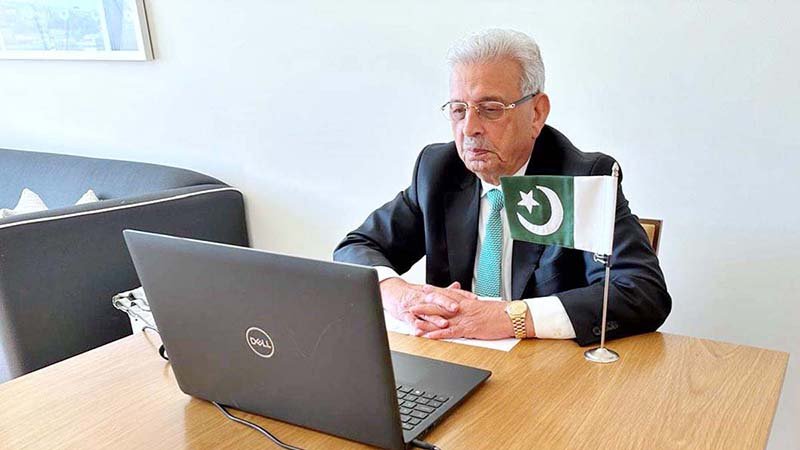
ISLAMABAD — Pakistan and Morocco have taken significant steps to bolster their strategic cooperation in the agriculture sector. On Tuesday, Minister for National Food Security and Research Rana Tanveer Hussain met with Morocco’s Minister of Agriculture, Fisheries, Rural Development and Forests Ahmed El Bouari in Rabat. The meeting aimed to explore avenues for enhancing bilateral ties in agriculture, a sector crucial to both nations’ economies.
What Happened
The meeting between Minister Rana Tanveer Hussain and Minister Ahmed El Bouari was held in a cordial and constructive atmosphere, highlighting the strong diplomatic relations between Pakistan and Morocco. During the discussions, both ministers emphasized the importance of agriculture as a cornerstone of their respective economies and agreed on the need for increased cooperation in this sector.
According to official statements, the discussions focused on sharing expertise and technology to improve agricultural productivity and sustainability. Minister Hussain highlighted Pakistan’s advancements in agricultural technology and expressed willingness to share these innovations with Morocco. In response, Minister El Bouari acknowledged the potential for mutual benefits through collaboration and suggested joint ventures in agricultural research and development.
The meeting also covered potential trade opportunities, with both sides expressing interest in increasing the exchange of agricultural products. Minister Hussain noted that Pakistan could export various agricultural commodities to Morocco, including rice and textiles, while Morocco could provide expertise in fisheries and rural development.
Both ministers agreed to establish a joint working group to identify specific projects and initiatives that could be pursued under this enhanced cooperation framework. This group will be tasked with developing a detailed action plan to facilitate the implementation of agreed-upon projects.
Background
Pakistan and Morocco have maintained diplomatic relations since the 1960s, with agriculture being a focal point of their bilateral cooperation. Both countries have economies heavily reliant on agriculture, which contributes significantly to their GDPs and employment. In recent years, Pakistan has sought to modernize its agricultural sector through technology and innovation, while Morocco has focused on sustainable agricultural practices and rural development.
Previous agreements between the two nations have included cooperation in agricultural research and development, exchange programs for agricultural experts, and trade in agricultural products. The current meeting builds on these foundations, aiming to deepen and expand the scope of cooperation.
Why It Matters
The strategic cooperation between Pakistan and Morocco in agriculture holds significant implications for both countries. For Pakistan, enhancing agricultural productivity is crucial for food security and economic stability. By collaborating with Morocco, Pakistan can access new technologies and practices that could improve crop yields and sustainability.
For Morocco, the partnership provides an opportunity to diversify its agricultural imports and strengthen its food security. The exchange of expertise and technology between the two countries could lead to innovations in agricultural practices, benefiting both economies.
Furthermore, this cooperation aligns with broader international efforts to address global food security challenges. As both countries face the impacts of climate change on agriculture, joint initiatives in research and development could contribute to more resilient agricultural systems.
On a political level, the strengthened ties between Pakistan and Morocco could lead to increased diplomatic engagement and collaboration in other sectors, fostering a more robust bilateral relationship.
Key Takeaways
- Pakistan and Morocco have agreed to enhance cooperation in the agriculture sector.
- The meeting focused on sharing expertise and technology to improve agricultural productivity.
- A joint working group will be established to develop specific projects and initiatives.
- Both countries aim to increase trade in agricultural products and collaborate on research.
- The cooperation could lead to innovations in agricultural practices and strengthen food security.
Source Attribution
This article is based on official government statements and public communications from relevant authorities.














