
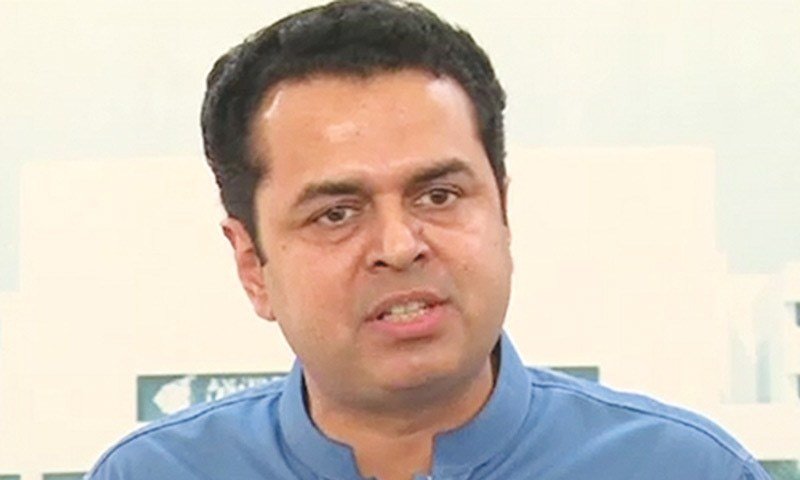
ISLAMABAD — The government has committed to transforming Islamabad into a modern capital featuring world-class infrastructure. Minister of State for Interior Talal Chaudhry announced a series of measures on June 24 aimed at tackling the city’s longstanding infrastructural challenges.
Government Plans for Infrastructure Overhaul
Minister Talal Chaudhry unveiled the government’s ambitious strategy to upgrade Islamabad’s infrastructure. This plan focuses on establishing a sustainable and globally competitive capital. Key areas of intervention include:
- Water supply improvements
- Advanced waste management systems
- Enhanced traffic flow through road expansion
- Upgraded security measures
- Urban hospitality and development
Chaudhry emphasized these initiatives aim to resolve persistent issues. “We are implementing major infrastructure interventions to ensure a modern, efficient, and sustainable urban environment,” he stated, adding the projects will enhance residents’ quality of life and attract international business and tourism.
Background of Islamabad’s Infrastructure
As Pakistan’s capital, Islamabad has struggled with numerous infrastructural challenges due to rapid urbanization. This growth has increased demand for essential services, straining existing infrastructure.
The city faces issues such as traffic congestion, inadequate waste management, and water shortages. Security measures also require updates in response to regional and international threats. Originally designed in the 1960s, Islamabad’s infrastructure needs significant upgrading to meet modern standards.
Importance of Modernizing Islamabad
The government’s commitment to modernizing Islamabad’s infrastructure is economically significant. Improved infrastructure can attract foreign investment, boost tourism, and create job opportunities. A modern capital serves as a hub for international business, promoting economic growth.
Socially, initiatives aim to enhance residents’ quality of life through better public health outcomes from improved services. Politically, a modern capital enhances Pakistan’s image internationally, reflecting positively on governance and increasing influence in global affairs.
Addressing Islamabad’s infrastructural challenges could also set a precedent for developments across other cities in Pakistan, leading to more balanced urban development nationwide.
Key Takeaways
- The government is committed to transforming Islamabad into a modern capital with world-class infrastructure.
- Key focus areas include water supply, waste management, traffic flow, security, and urban development.
- These initiatives aim to improve the quality of life and attract international business.














