
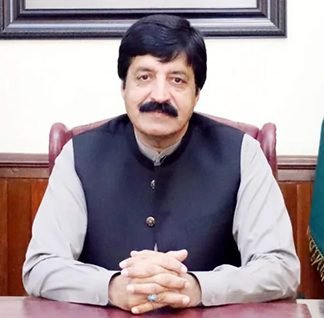
LAHORE — Governor Punjab Sardar Saleem Haider Khan has called for national unity to combat terrorism and sectarianism, emphasizing the need to thwart divisive efforts by anti-state elements. The governor made these remarks during a meeting with a delegation of religious scholars from various schools of thought on July 18.
What Happened
During a meeting held in Lahore, Governor Sardar Saleem Haider Khan addressed a delegation led by a vice chairman, comprising religious scholars from different sects. The governor highlighted the importance of unity among the nation to effectively counter the threats posed by terrorism and sectarianism. He stated, “Anti-state elements seek to create division and chaos in the country,” underscoring the urgency of a collective response to these challenges.
The discussion focused on the role of religious leaders in promoting harmony and understanding among different sects. Governor Khan urged the scholars to use their influence to foster peace and discourage any form of sectarian violence. He emphasized that religious leaders have a critical role in guiding their communities towards tolerance and coexistence.
The governor also reiterated the government’s commitment to maintaining peace and security in the province. He assured the delegation that the authorities are vigilant and proactive in addressing any threats to the nation’s stability. The meeting concluded with a consensus on the need for continued dialogue and cooperation among religious communities to sustain peace and harmony.
Background
Pakistan has a long history of dealing with sectarian violence and terrorism, which have posed significant challenges to its internal security. Sectarianism, often fueled by external influences, has led to tensions and conflicts among different religious communities. Over the years, various governments have implemented policies and measures to curb these issues, including promoting interfaith dialogue and strengthening law enforcement.
The country has also faced the threat of terrorism, with numerous attacks targeting civilians, religious sites, and security forces. The government has launched several military operations and intelligence efforts to dismantle terrorist networks and enhance security. Despite these efforts, the persistence of sectarianism and terrorism remains a concern, necessitating ongoing vigilance and unity among the populace.
Why It Matters
The call for unity by Governor Khan is significant in the context of Pakistan’s ongoing struggle against sectarianism and terrorism. These issues not only threaten the country’s security but also hinder its social and economic development. Sectarian violence disrupts communities, leading to loss of life, displacement, and economic instability.
Economically, the instability caused by sectarianism and terrorism can deter investment and hinder growth. Investors are often wary of regions plagued by violence and unrest, which can limit job opportunities and economic progress. Socially, sectarianism fractures communities, creating an environment of distrust and hostility that can take generations to heal.
Politically, addressing these issues is crucial for the government to maintain its legitimacy and authority. Public confidence in the government’s ability to ensure safety and security is essential for political stability. Moreover, international perceptions of Pakistan are influenced by its handling of sectarianism and terrorism, affecting diplomatic relations and foreign aid.
Key Takeaways
- Governor Punjab Sardar Saleem Haider Khan emphasized the need for national unity against sectarianism and terrorism.
- The governor met with religious scholars to discuss promoting harmony and discouraging sectarian violence.
- Pakistan continues to face challenges from sectarianism and terrorism, impacting its security and development.
- Unity among religious communities is crucial for maintaining peace and fostering social cohesion.
- The government’s commitment to combating these issues is vital for ensuring stability and economic progress.
Source Attribution
This article is based on official government statements and public communications from relevant authorities.














