
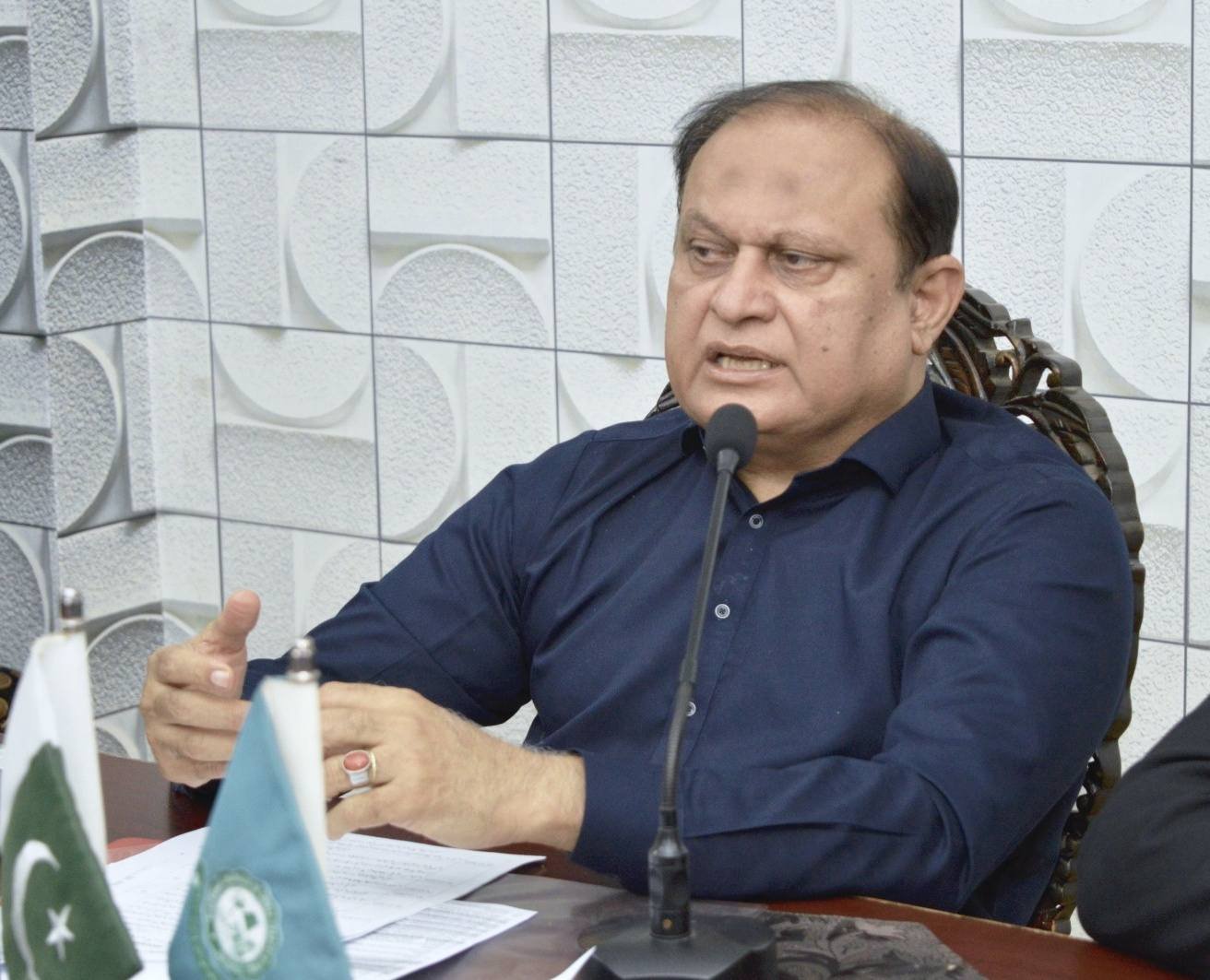
HYDERABAD — Muhammad Saleem Memon, President of the Hyderabad Chamber of Small Traders and Small Industry, has called for Liquid Petroleum Gas (LPG) to be sold to citizens at government rates. On Monday, Memon voiced his concerns over the acute shortage and surging prices of LPG in Hyderabad, despite its official rate set by the Oil and Gas Regulatory Authority (OGRA) at Rs 309 per kilogram.
LPG Supply and Pricing Challenges
On June 22, Memon highlighted the difficulties encountered by Hyderabad’s residents and small businesses due to LPG scarcity and inflated costs. Local distributors are not adhering to the OGRA-specified rate, which is causing financial strain for consumers. Memon urged authorities to ensure compliance with regulated pricing to ease the public’s burden.
“The current situation is untenable for both consumers and small traders relying on LPG for daily operations,” Memon stated. He emphasized strict enforcement of official pricing to curb distributor exploitation. The gap between government and market prices has heightened financial difficulties for citizens, particularly lower-income groups.
Memon’s plea coincides with reports of LPG being sold at significantly elevated prices, reaching up to Rs 350 per kilogram in some areas. This escalation has led to widespread public dissatisfaction amid existing economic hardships.
Understanding the LPG Market
LPG is an essential energy source for households and small businesses in Pakistan, especially in urban centers like Hyderabad. The Oil and Gas Regulatory Authority (OGRA) sets and manages LPG prices to maintain affordability and accessibility. However, inconsistent enforcement leads to market discrepancies.
The Pakistani LPG market has historically been volatile. Prices fluctuate due to supply chain disruptions, international market trends, and regulatory challenges. Although the government attempts to stabilize prices through intervention, local implementation often falls short.
Implications of High LPG Prices
The inflated LPG prices present several challenges. Economically, they increase living costs, particularly burdening low-income families relying on LPG for cooking and heating. This disparity exacerbates regional poverty levels.
Socially, high LPG prices lead to reliance on alternative, less safe energy sources, posing health and safety risks. This can result in social unrest, with citizens frustrated over perceived regulatory neglect.
Politically, efficient regulation of essential commodities like LPG is crucial for the government’s public image. Failure to address these issues may undermine public trust in governmental institutions and lead to political consequences.
Key Takeaways
- Muhammad Saleem Memon advocates for LPG sales at government rates in Hyderabad.
- Market prices surpass the OGRA-set price of Rs 309 per kg.
- LPG shortages and high costs strain consumers financially.
- LPG remains vital for Pakistani households and businesses.
- Strong regulatory enforcement prevents exploitation and ensures affordability.
Source Attribution
The information in this article is based on a report from the Associated Press of Pakistan (APP), which provides insights into the current LPG market challenges in Hyderabad.














