
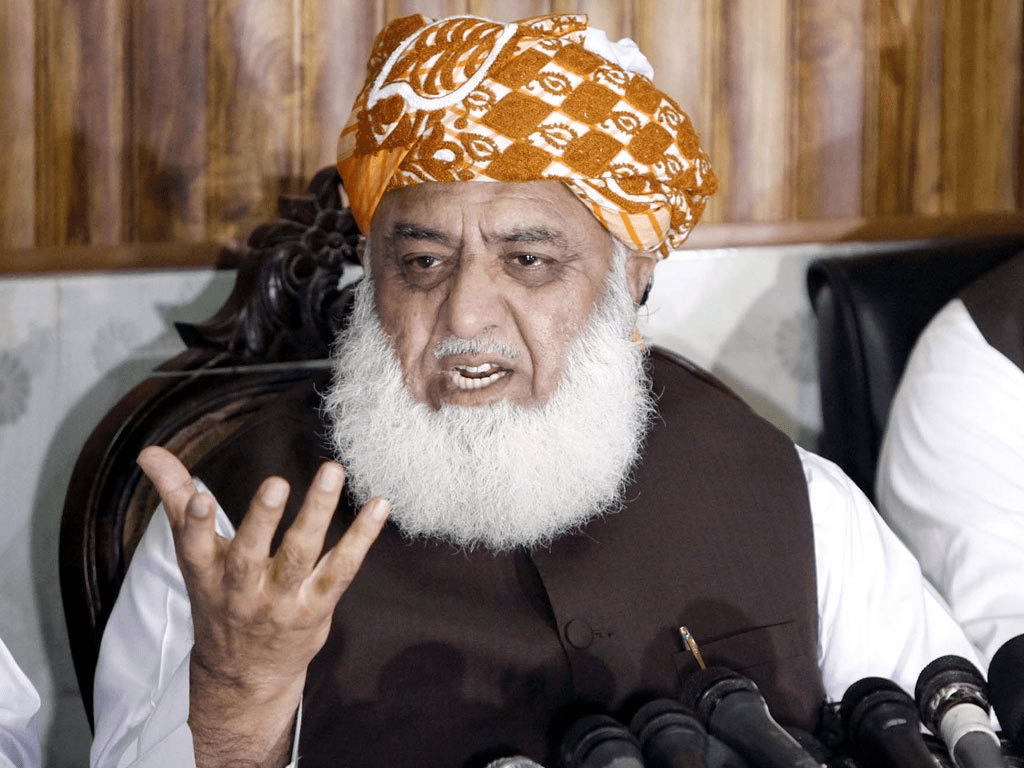
ISLAMABAD — The Jamiat Ulema-i-Islam-Fazl (JUI-F) has warmly welcomed the Iranian President’s visit to Pakistan, underscoring its potential to enhance regional stability. Maulana Fazlur Rehman, the Emir of JUI-F, expressed support for stronger bilateral ties between the two neighbor countries.
Diplomatic Engagement
On Wednesday, Maulana Fazlur Rehman publicly endorsed the Iranian President’s visit to Pakistan. He emphasized the importance of this diplomatic engagement, suggesting it could lead to improved stability across the region. This visit marks a significant step in strengthening the ties between Pakistan and Iran, nations with a shared historical bond and common border.
Rehman noted that the visit provides an opportunity to address mutual concerns and explore collaboration avenues in various sectors. “Stronger relations between Pakistan and Iran would promote stability,” Rehman stated, reflecting a broader regional desire for peace and economic development.
The visit is expected to include discussions on trade, security, and cultural exchanges. Both nations have historically maintained a complex relationship, influenced by geopolitical dynamics. Recent engagements indicate a joint interest in overcoming past challenges and focusing on future opportunities.
Complex Historical Relationship
Pakistan and Iran share a multifaceted relationship, characterized by cooperation and tension. Historically, they collaborated on economic and security initiatives, though geopolitical shifts sometimes strained their ties. Regional alliances and global powers further complicate their relationship.
In recent years, there’s been a renewed effort to strengthen bilateral relations, with both countries seeing the potential benefits of collaboration. This includes trade, energy, and cultural exchange initiatives. The Iranian President’s visit is part of ongoing efforts to solidify ties and address challenges like border security and economic development.
Significance of the Visit
The Iranian President’s visit to Pakistan holds significant implications for both nations and the broader region. Enhanced cooperation could lead to increased trade and investment, benefiting industries and creating jobs. Iran and Pakistan can potentially collaborate on energy projects, addressing Pakistan’s energy needs and providing a stable market for Iranian resources.
Politically, improved Pakistan-Iran relations could contribute to regional stability. Both countries play crucial roles in South Asia and the Middle East, and their cooperation could help mitigate regional conflicts. Stronger ties could also counterbalance external influences, allowing both nations to pursue independent foreign policies.
Socially, increased cultural exchanges and people-to-people contacts could enhance mutual understanding, fostering a more harmonious relationship and reducing misunderstandings.
Key Points
- JUI-F welcomes the Iranian President’s visit, emphasizing its role in regional stability.
- The visit aims to strengthen Pakistan-Iran relations through collaboration in various sectors.
- Historical ties between the two countries have been complex due to geopolitical dynamics.
- Enhanced cooperation could lead to economic benefits and regional peace.
- Cultural exchanges could promote mutual understanding and goodwill.














