
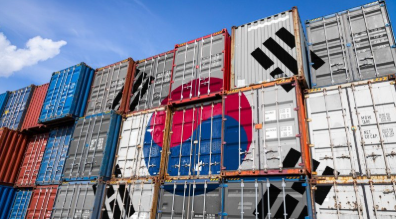
SEOUL — The Republic of Korea experienced a remarkable 60.4 percent increase in export figures year-on-year for the first 20 days of June, according to data from the Korea Customs Service. This significant rise marks a robust recovery in Korea’s trade sector, reflecting the global economic rebound.
Details from the Korea Customs Service
During the period from June 1 to June 20, Korea’s exports reached US$62 billion, a substantial increase from the $38.6 billion in the same period last year. Imports also grew by 23.2 percent to $44.5 billion, resulting in a trade surplus of $17 billion, highlighting the strength of Korea’s export-driven economy.
Performance of Key Sectors
The export surge was driven by strong performances in sectors like semiconductors, automobiles, and petrochemicals. The semiconductor industry benefited from increased global demand. Meanwhile, the automotive sector saw a boost due to recovering global consumer demand and new vehicle models.
According to Yonhap News Agency, this export growth aligns with the global trade recovery trend as economies worldwide emerge from COVID-19 restrictions. Easing supply chain disruptions and increased consumer spending have supported Korea’s export performance.
Korean Economy and Trade
Korea’s economy relies heavily on exports, with the trade sector comprising a significant portion of its GDP. Historically, Korea has been a major exporter of electronics, automobiles, and petrochemical products. The recent export surge is part of the broader global recovery following the COVID-19 pandemic downturn.
Measures to Enhance Competitiveness
Korea has taken steps to boost trade competitiveness through investments in technology and infrastructure and establishing trade agreements with key partners. The government is also diversifying export markets to reduce dependency on specific regions, enhancing economic resilience.
Economic Implications
The increase in exports is a positive indicator for Korea’s economic outlook. A robust export sector supports job creation, economic growth, and technological progress. The $17 billion trade surplus strengthens Korea’s economic position and buffers against potential global economic uncertainties.
This export surge contributes to increasing foreign exchange reserves, stabilizing the national currency, and boosting investor confidence, which can attract more foreign investments. The growth in semiconductors and automobiles is crucial as these industries are vital to Korea’s industrial landscape and global trade relations.
Key Takeaways
- Korea’s exports surged by 60.4 percent year-on-year in early June.
- The country achieved a trade surplus of $17 billion in this period.
- Key sectors driving growth include semiconductors, automobiles, and petrochemicals.
- The export surge indicates a broader recovery in global trade.














