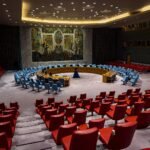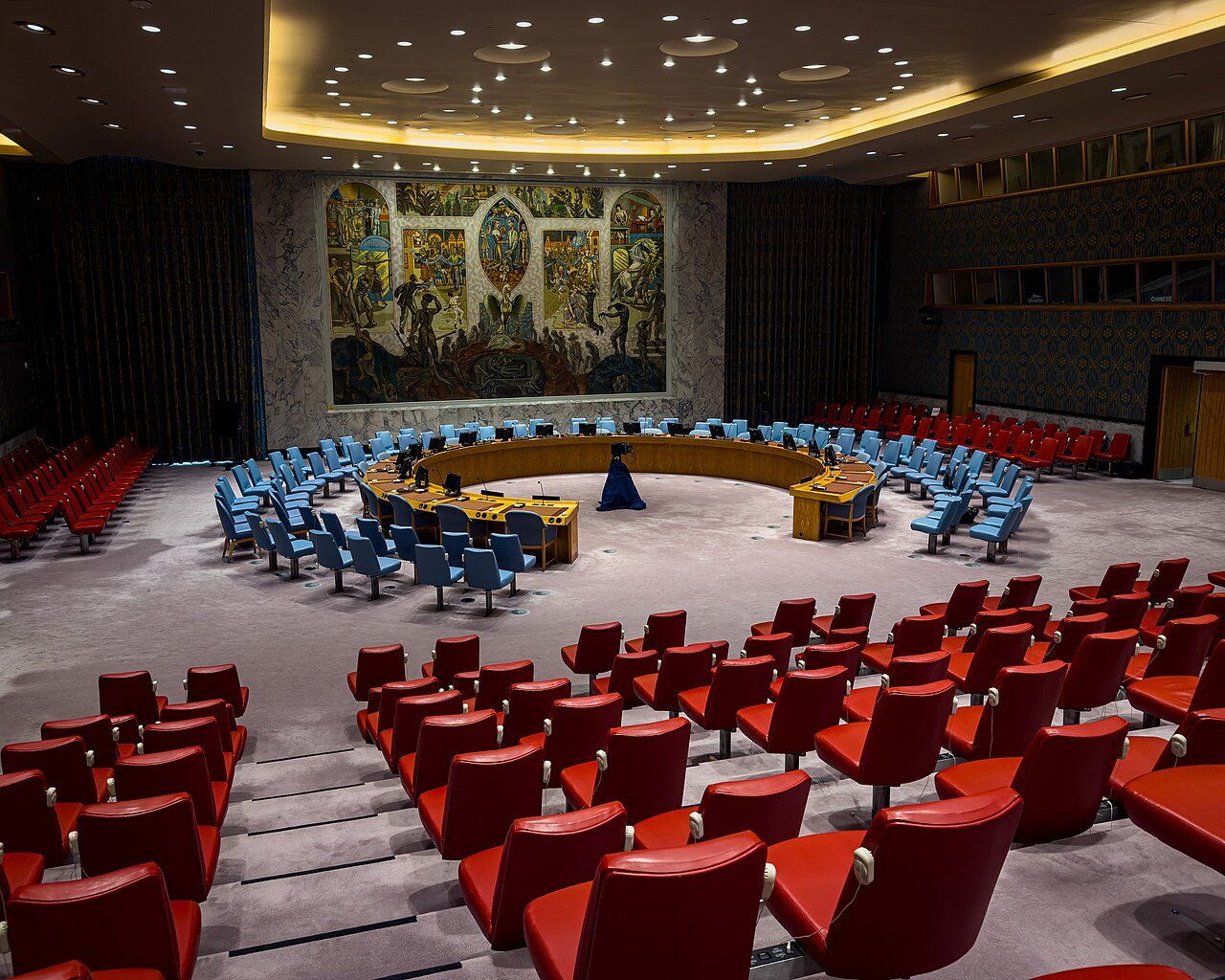
NEW YORK: Pakistan has called for an immediate end to military provocations and unlawful attacks in the Gulf region, telling the United Nations Security Council that the sovereignty and territorial integrity of all states must be respected and that civilians and commercial shipping must be protected.
Speaking at a Security Council meeting on the situation in the Gulf, Pakistan’s Permanent Representative to the UN, Ambassador Syed Haider Shah, expressed serious concern over rising tensions and their impact on Gulf states and the wider region, Radio Pakistan reported on Saturday. He reaffirmed Pakistan’s close bonds with Gulf countries, saying their security and prosperity were of great importance to Pakistan.
The ambassador condemned attacks on member states of the Gulf Cooperation Council (GCC) and expressed solidarity with their governments and people. He strongly condemned Houthi attacks and threats against Saudi Arabia, including strikes on civilian infrastructure and on ships engaged in lawful trade, and voiced support for the Kingdom’s sovereignty and security. Attacks on civilian facilities such as airports and energy installations, he said, were unacceptable.
He also stressed the strategic importance of the Strait of Hormuz and the Bab el-Mandeb, warning that threats to shipping put seafarers at risk, disrupt trade and deepen energy and food insecurity, particularly for vulnerable economies. He called for freedom of navigation to be protected, normal passage restored and humanitarian aid delivered safely, and proposed a regional security framework based on peaceful coexistence and shared prosperity.
Background
Pakistan, which is serving a two-year term as a non-permanent member of the Security Council for 2025-26, has consistently urged de-escalation in the Middle East and the Gulf. Islamabad has also played a role in facilitating dialogue between the United States and Iran, a point Prime Minister Shehbaz Sharif highlighted this week. The ambassador urged all parties to stop attacks, keep channels of communication open and back regional initiatives as well as the UN Secretary-General’s good offices, and said Pakistan would work with partners to promote de-escalation and maritime security.
What This Means for Pakistan
Stability in the Gulf matters directly to Pakistani households. Millions of Pakistanis work in Gulf countries, and their earnings make up a large share of the $3.9 billion in remittances sent home in October. Much of Pakistan’s imported oil and gas also comes from or passes through the Gulf, so any disruption to shipping in the Strait of Hormuz can push up freight costs and fuel prices at home.
Closer to home, regional security, including energy supply and the situation in the Gulf, is also expected to come up at the ECO Council of Ministers meeting opening in Islamabad on Sunday.
Sources: Radio Pakistan, Permanent Mission of Pakistan to the United Nations
Featured image: Photo: Jdforrester / Wikimedia Commons, CC BY 4.0