ISLAMABAD: Pakistan exports of goods reached an all-time high of $11.4 billion in the first four months of the 2026-27 fiscal year, the government has announced. Earnings for July to October were 8.8 percent higher than the $10.4 billion recorded in the same period of the previous year.
The government shared the figures on Sunday, 15 November. The government said the result reflects measures introduced in the federal budget under Prime Minister Shehbaz Sharif, backed by coordinated work between the finance team and state institutions to support exporters.
The measures it highlighted include lower taxes and surcharges for industry, particularly exporters; quicker processing of tax refunds; better use of export development funds; expanded concessional export financing; and dedicated finance for small and medium exporters, with a focus on micro and small firms. The government also acknowledged that the economy continues to face regional and global headwinds.
Background
Goods exports count physical products made in Pakistan and sold abroad, such as textiles, rice, leather and surgical goods; they do not include services such as IT exports. Prime Minister Shehbaz Sharif has set a target of taking exports to $60 billion by 2029, as part of a wider push to earn more foreign exchange and rely less on borrowing from bilateral and multilateral lenders. The budget measures listed above are part of the effort to move towards that goal.
Support for smaller exporters has been a recurring theme this month. Earlier this week, the Prime Minister said Rs300 billion had been set aside for small and medium exporters, as NEN reported in Export Finance Scheme: PM Shehbaz Says Rs300 Billion Reserved for SME Exporters.
What This Means for You
Exports grew by roughly $1 billion compared with last year, or about $250 million more each month. On average, Pakistan earned about $2.85 billion a month from goods exports between July and October.
If that monthly pace were maintained for the rest of the fiscal year, goods exports for the full year would come to roughly $34 billion. This is simple arithmetic based on the four-month figure, not an official forecast, since exports usually vary from month to month with seasonal orders and global demand.
Export dollars help the country pay for essential imports such as fuel, machinery and edible oil, and they support the stability of the rupee, which in turn affects prices in the market. You can track the currency on our dollar rate in Pakistan today page. Higher export orders also mean steadier work in export factories and the businesses that supply them.
What Happens Next
Detailed monthly trade data, including imports, is released by the Pakistan Bureau of Statistics. The November figures, due early next month, will show whether the export momentum is holding.
Sources: Government of Pakistan. Reported by NEN News Desk.
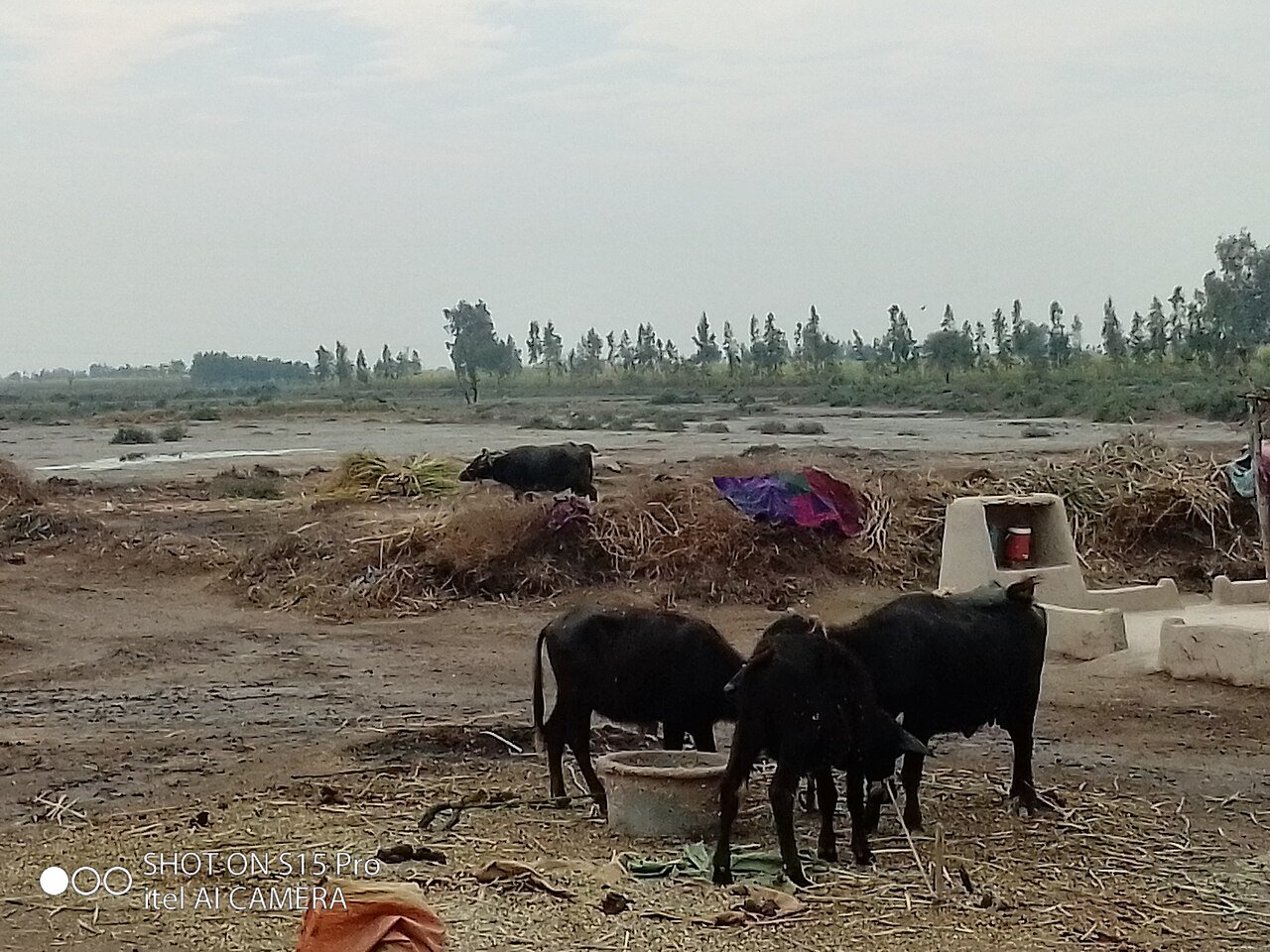
Featured image: Photo: Accurimbono / Wikimedia Commons, CC BY-SA 4.0