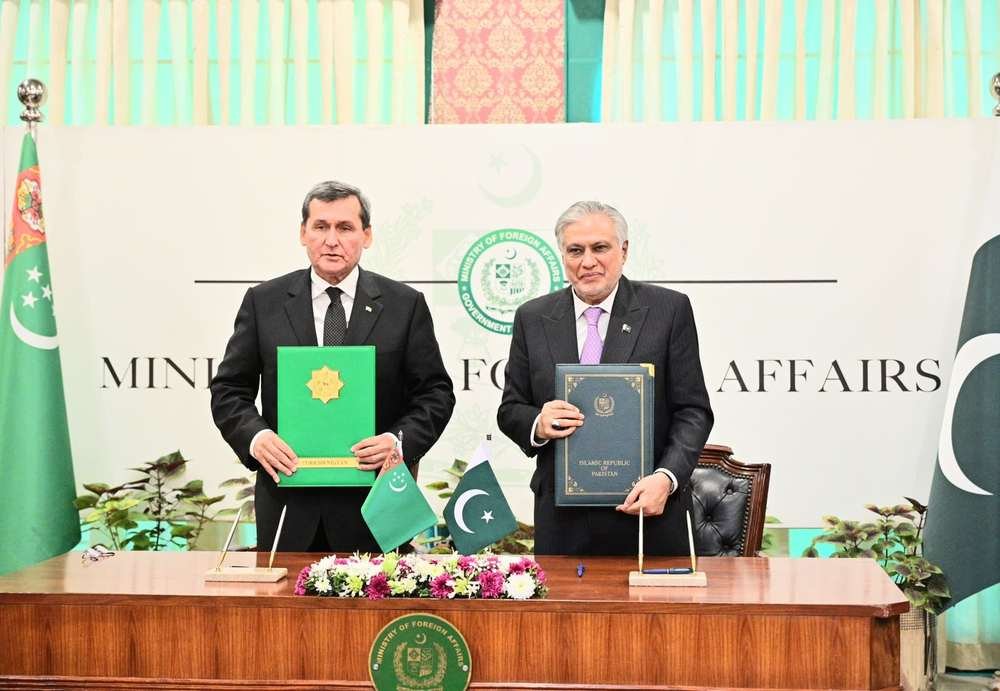
ISLAMABAD: Pakistan and Turkmenistan concluded the 6th session of their Joint Intergovernmental Commission (JIC) in Islamabad on Tuesday, signing the session’s protocol along with a five-year cooperation programme between their foreign ministries and a memorandum of understanding on tourism.
The session was co-chaired by Deputy Prime Minister and Foreign Minister Senator Mohammad Ishaq Dar and Rashid Meredov, Deputy Chairman of the Cabinet of Ministers and Minister of Foreign Affairs of Turkmenistan. Pakistan’s federal ministers for power, commerce and petroleum attended, together with the ministers of state for federal education and for national heritage and culture, and senior officials.
The two delegations reviewed cooperation across a wide range of sectors: trade and investment, energy, agriculture and food security, transport and communications, industry, IT and telecommunications, education, health, banking and finance, tourism, sports and culture. Power cooperation, transit trade and regional connectivity received particular attention. Dar called for agreed outcomes to be implemented through Joint Working Groups, with close coordination between institutions and regular follow-up.
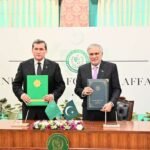
After the session, Dar and Meredov signed the JIC protocol and a Programme of Cooperation between the two foreign ministries for 2026-2030. A separate MoU on tourism was exchanged between Pakistan’s Ministry of Inter-Provincial Coordination and Turkmenistan’s Ministry of Culture.
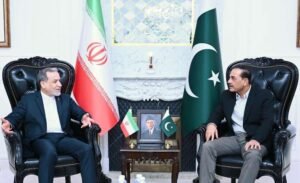
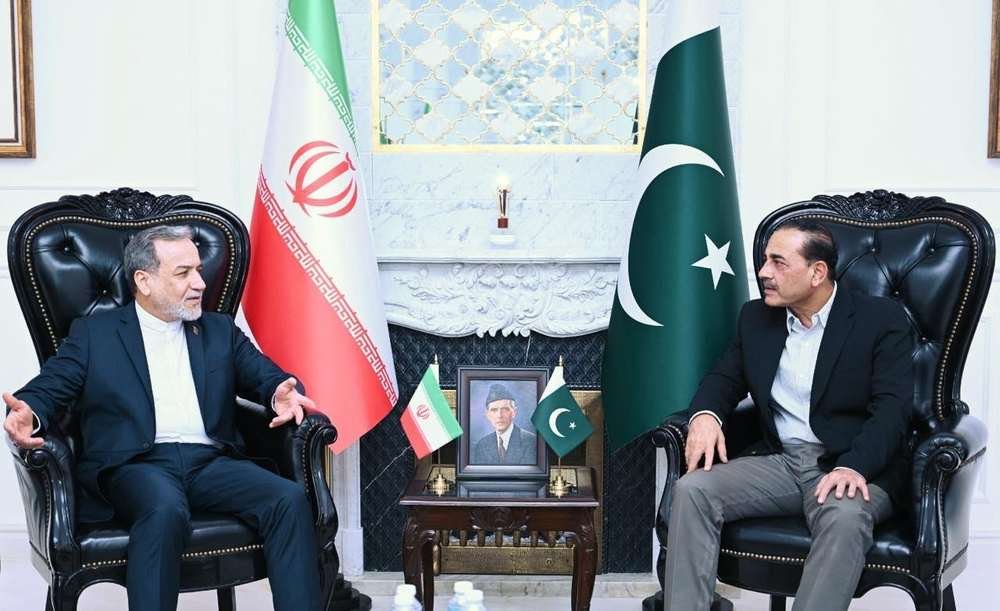
Earlier in the day, the two foreign ministers held a one-on-one meeting covering trade, investment, energy, connectivity and people-to-people links, along with regional developments. Dar said dialogue and diplomacy remain “the only viable means” of resolving outstanding issues, while Meredov praised Pakistan’s constructive role in promoting regional stability.
Background
The JIC is the main forum through which the two governments set economic targets and review progress between sessions. Turkmenistan, which holds some of the world’s largest natural gas reserves, is a long-standing partner in Pakistan’s plans for energy links with Central Asia, including the proposed Turkmenistan-Afghanistan-Pakistan-India (TAPI) gas pipeline.
The visit came days after Islamabad hosted the Economic Cooperation Organization’s Council of Ministers, where member states, including Turkmenistan, adopted a set of long-term goals, as NEN reported in ECO Council of Ministers Adopts Strategic Goals 2035.
What This Means for Pakistan
A signed protocol turns broad promises into a list of tasks that ministries must report on, which makes follow-up easier to track. The presence of the power, petroleum and commerce ministers shows that energy supply and trade routes are at the centre of the relationship. For ordinary citizens, the tourism MoU could, over time, open the way for more travel and cultural exchanges between the two countries.
What Happens Next
Joint Working Groups in the agreed sectors are expected to take forward the decisions taken at the session, with progress to be reviewed at the next meeting of the commission.
Sources: Ministry of Foreign Affairs. Reported by NEN News Desk.
Featured image: Deputy Prime Minister and Foreign Minister Ishaq Dar and Turkmenistan Foreign Minister Rashid Meredov after signing the JIC protocol in Islamabad. Photo: Handout