BEIJING, November 23 – NEN: Pakistan’s first astronaut is close to making history. Planning Minister Ahsan Iqbal reached Beijing on Sunday to attend the departure ceremony for the Shenzhou-24 mission. The astronaut will become the first foreign guest aboard the Chinese space station.
What Happened in Beijing
Officials received Mr Iqbal at the airport on arrival. Yang Yunli, Vice President of the space company, welcomed him there. Staff of the Pakistan Embassy also joined the welcome.
On Monday, Mr Iqbal visits the space mission centre. There he meets the two Pakistani astronauts who have finished their training. One of them will fly. The final choice will be made before the launch.
Mr Iqbal said the mission is “carrying the dreams of our youth beyond the Earth.” Meanwhile, the pre-launch drill for Shenzhou-24 has ended successfully. As a result, the mission teams can now move on to the next stage of preparation.
Background
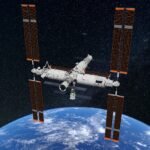
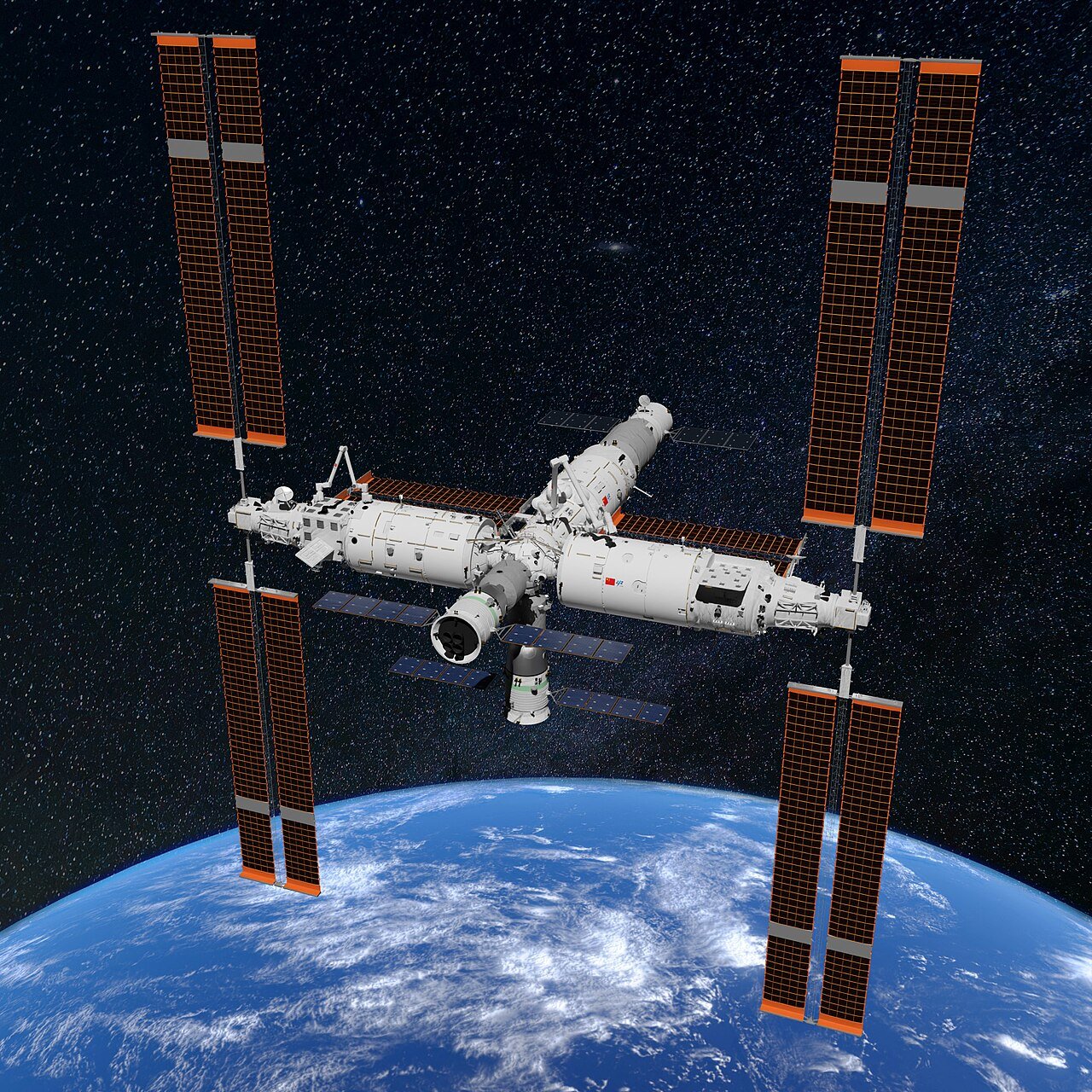
SUPARCO, Pakistan’s space agency, announced earlier this month that the first Pakistani astronaut will fly to the Tiangong space station on Shenzhou-24. Tiangong is China’s own space station. It circles the Earth and hosts crews who live and work on board.
Two Pakistani candidates were chosen for training in China. Both have now completed that training. Mr Iqbal described the Pakistani astronaut as the station’s first foreign guest, so the flight is a first for Tiangong itself. That makes the mission a landmark for both countries.
The mission also shows how close Pakistan and China are in science and technology. The two countries already work together on roads, power plants and ports. Now their partnership reaches into space.
What This Means for Pakistan
For young Pakistanis, this flight sends a clear message. A career in space science is possible. Students of physics, engineering and computer science can now see a real path to follow.
Space work also helps everyday life. For example, satellites support weather forecasts, maps and phone and internet links. Farmers use weather data to plan sowing, and rescue teams use maps during floods. So a stronger space programme can bring practical benefits to ordinary families.
Schools and universities may also see more interest in science subjects. Parents can use this moment to talk with children about careers in technology. Teachers can use the news in class, because it makes science feel close to home.
Pakistanis living abroad can follow the story with pride, too. Families in the Gulf, the UK, North America and Australia can share the news with children who grew up overseas. It is a simple way to connect them with Pakistan’s achievements.
What Happens Next
First, the final selection of one astronaut will take place. Then the chosen astronaut will leave for the launch site with the Shenzhou-24 crew. After that, the mission will carry Pakistan’s first astronaut to the Tiangong station.
NEN will report the final selection and the launch as soon as they are announced. Readers can check this page for updates.
Sources: Ministry of Planning, Development and Special Initiatives, SUPARCO, Government of Pakistan. Reported by NEN News Desk.
Featured image: Photo: Shujianyang / Wikimedia Commons, CC BY-SA 4.0