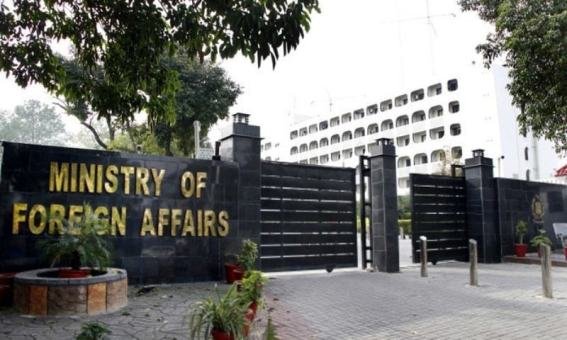
ISLAMABAD, November 21 – NEN: Wheat supply and food prices were the focus of a high-level meeting chaired by Deputy Prime Minister and Foreign Minister Ishaq Dar on Saturday. The meeting reviewed how much of the essential food items is available across the country. It also looked at steps to keep prices steady.
What the Wheat Supply Meeting Reviewed
Officials went over the stock of wheat in the country and the plans for its supply. They also considered importing wheat if needed. The aim is to keep reserves healthy and avoid any shortage.
Mr Dar shared the news on social media. He wrote that officials met to review the availability and price stability of essential food items across the country.
Mr Dar told the departments concerned to take effective steps to keep prices stable. The departments should also act against profiteering, he said. In addition, he stressed close coordination between federal and provincial authorities. That way, the two levels can stop artificial shortages and sudden price swings.
Background on Wheat Supply in Pakistan
Wheat is the main staple food in Pakistan. Flour, bread and naan all depend on it, so its price touches almost every home. Because of this, the government watches wheat stocks closely every year.
Pakistan grows most of its wheat in Punjab and Sindh, and farmers harvest the crop in spring. The stock gathered then must last through the whole year. So officials check the balance often, especially before the winter months.
Both federal and provincial governments manage food prices. Provinces handle local markets and price checks. The federal government looks after national stocks and imports. For this reason, coordination between the two levels matters.
Profiteering means selling goods at unfairly high prices. Artificial shortage means a gap in supply that traders create on purpose, often by holding stock back. Both can push prices up even when stocks are enough.
What This Means for You
For households, the message is simple. Officials are checking stocks and prices at the national level. If a shortage looks likely, the government has an import option ready.
Shoppers can help too. First, check the official rate list for flour in your district. Then, if a shop charges more, report it to the local price control office or the district administration. Also, avoid panic buying, because it can raise prices for everyone.
Families abroad who send money home before Ramzan or other occasions can also note this focus on price stability. Steady food prices help your money go further at home. For exchange rates, see our dollar rate page.
What Happens Next
Mr Dar’s meeting also shows how closely the government tracks daily food needs. Because bread and flour matter to every family, the review looked at both stocks and prices at once.
The departments concerned will now take the steps Mr Dar listed. Federal and provincial authorities will work together on supply and price checks. Officials will also keep reviewing stock levels and decide on imports if they are needed.
Sources: Office of the Deputy Prime Minister. Reported by NEN News Desk.
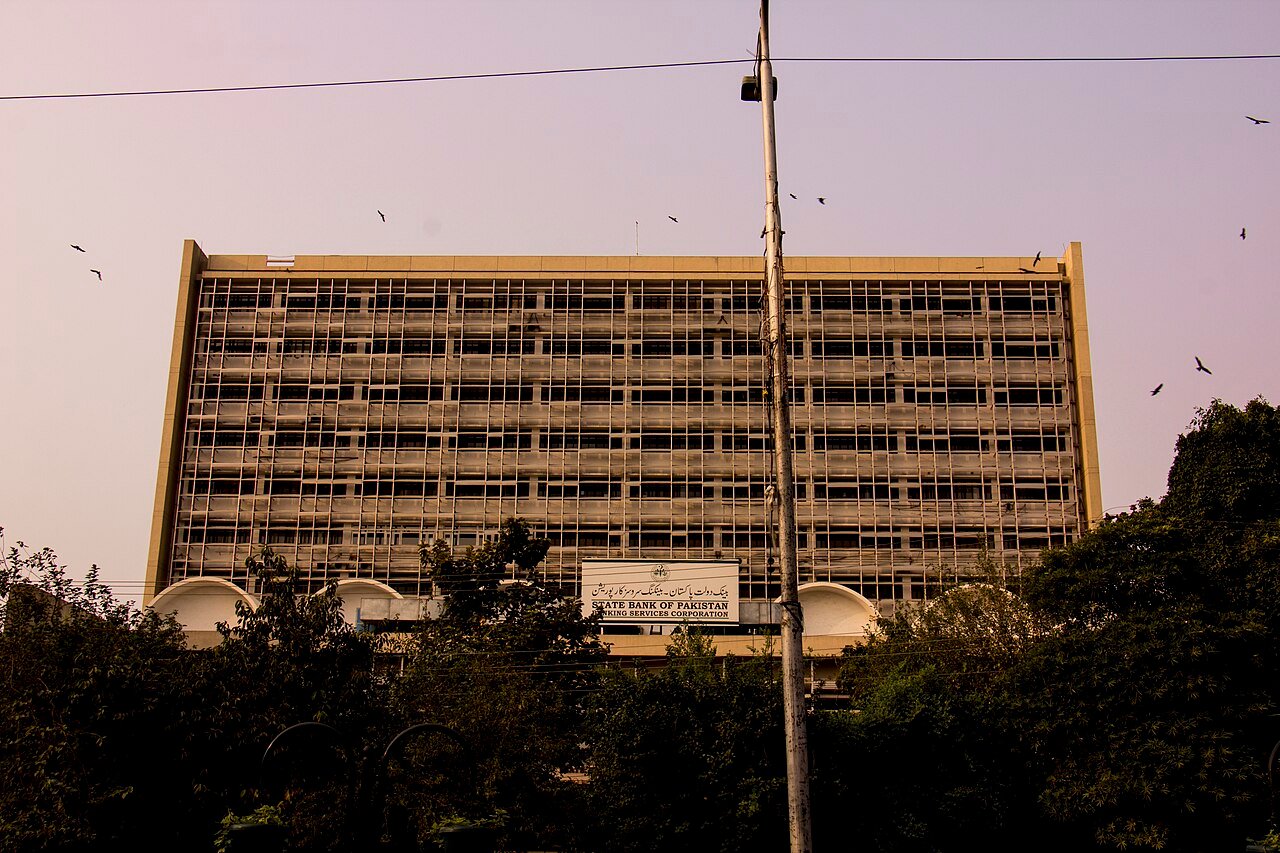
Featured image: Photo: Tamourkhan / Wikimedia Commons, CC BY-SA 4.0