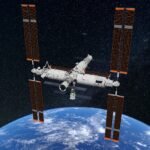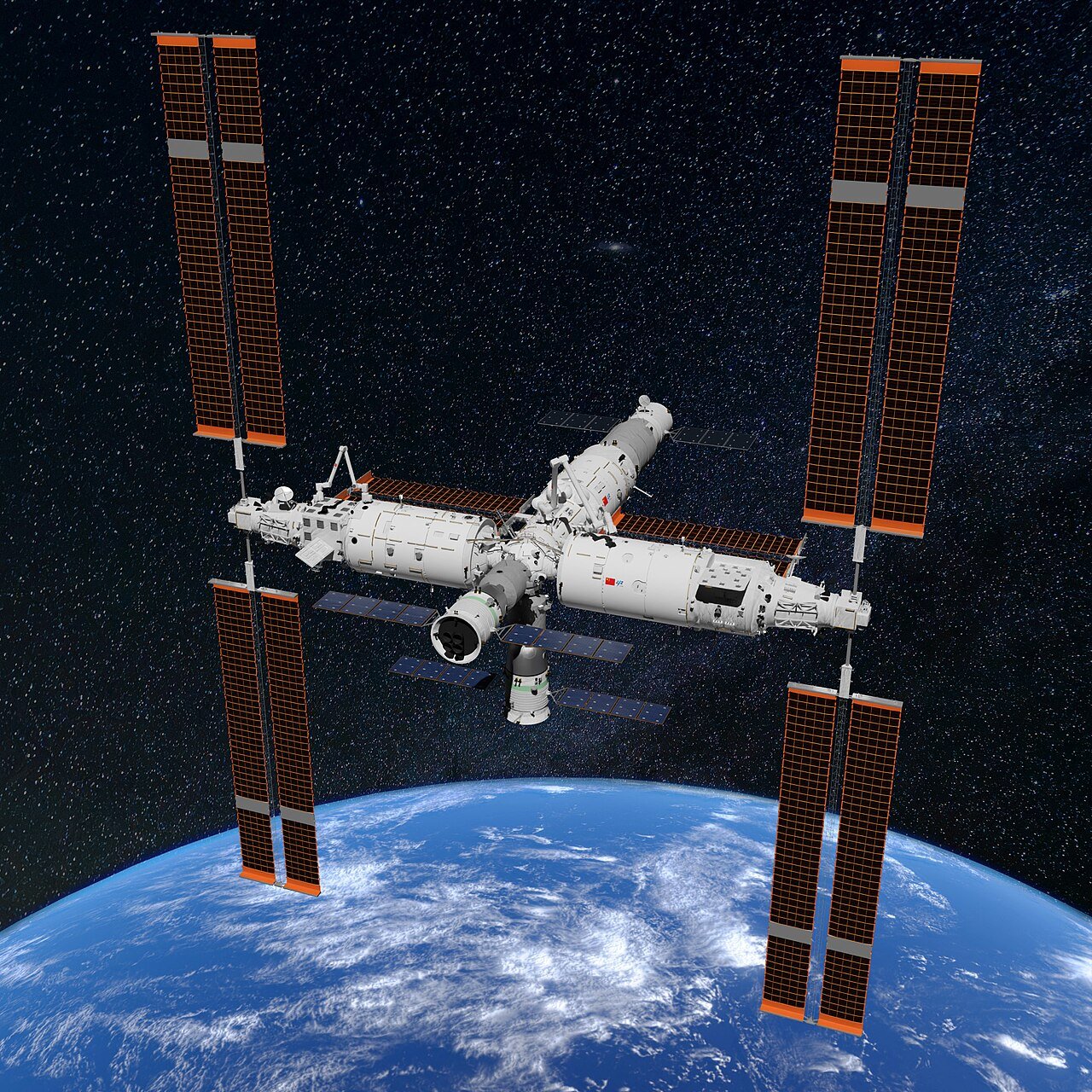
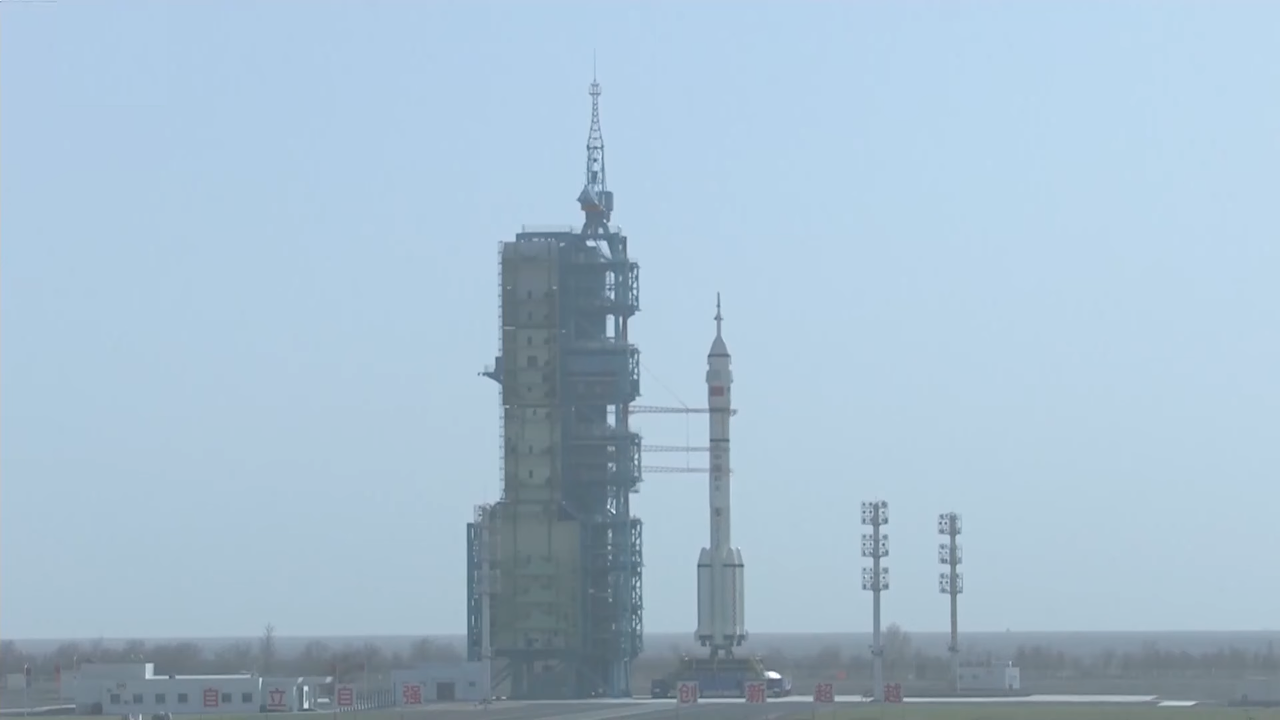
ISLAMABAD, November 25 – NEN: Pakistan’s first astronaut, Wing Commander Muhammad Zeeshan Ali, reached space on Wednesday. His Shenzhou-24 spacecraft lifted off from China’s Jiuquan Satellite Launch Centre. Later, it docked with the Tiangong space station.
How the Launch Unfolded
A Long March-2F rocket carried the crew into the sky at 8:18am Beijing time. In Pakistan, the clock showed 5:18am. About 10 minutes later, the spacecraft separated from the rocket. China’s space agency then declared the launch a complete success.
The docking followed at 11:56am Beijing time, or 8:56am in Pakistan. So the trip to the station took about three and a half hours. Commander Tang Hongbo leads the mission, and Wu Yi is also on board. Meanwhile, Mr Ali serves as the payload specialist.
The 40-year-old is the first foreign astronaut to travel to Tiangong. He will spend five to 10 days at the station. During that time, he will do science work.
According to SUPARCO, Pakistan’s space agency, his research includes growing tiny algae. Scientists want to see if algae can supply food and oxygen. He will also study how spaceflight affects quinoa seeds.
Leaders Welcome the Milestone
Prime Minister Shehbaz Sharif called it the journey of 240 million Pakistanis. In a message on Tuesday, he also said the Pakistan-China friendship is “surpassing the heights of the Himalayas”. Planning Minister Ahsan Iqbal watched the launch at the site in China.
Military leaders also congratulated the nation, according to the ISPR. The message came from Field Marshal Syed Asim Munir and the naval and air chiefs. The commander of the National Strategic Command joined them as well. In addition, they praised SUPARCO’s teams and thanked China for its support.
Background
SUPARCO and the China Manned Space Agency signed an agreement in February 2025. After that, two Pakistanis, Mr Ali and Khurram Daud, went for training. Mr Ali later won the place on this flight.
Before the launch, he said he carried Pakistan’s name on his shoulders. He also called the mission a launch pad rather than a finish line. NEN earlier reported on the departure ceremony in Beijing.
What This Means for You
For students, the flight shows that space science is now a real career path. Subjects such as physics, biology and engineering all play a part. Therefore, parents can use this moment to discuss these fields at home.
The research also links to daily needs. For example, work on seeds and algae can teach scientists how living things cope in harsh conditions. Food supply matters to every family, so such lessons are worth following.
Teachers can also turn the mission into a simple class lesson. The station circles the Earth, and the crew live and work on board. Children can then compare that life with their own.
Pakistanis living abroad can share the story too. Children growing up in the Gulf, Britain or North America can learn about this first for their parents’ country.
What Happens Next
Mr Ali will now work with the crew on the station. The wider mission includes about 90 experiments and tests. After his short stay, he will return to Earth with members of the earlier Shenzhou-23 crew.
Sources: SUPARCO, China Manned Space Agency, Prime Minister’s Office, ISPR. Reported by NEN News Desk.
Featured image: Photo: China News Service / Wikimedia Commons, CC BY 4.0