
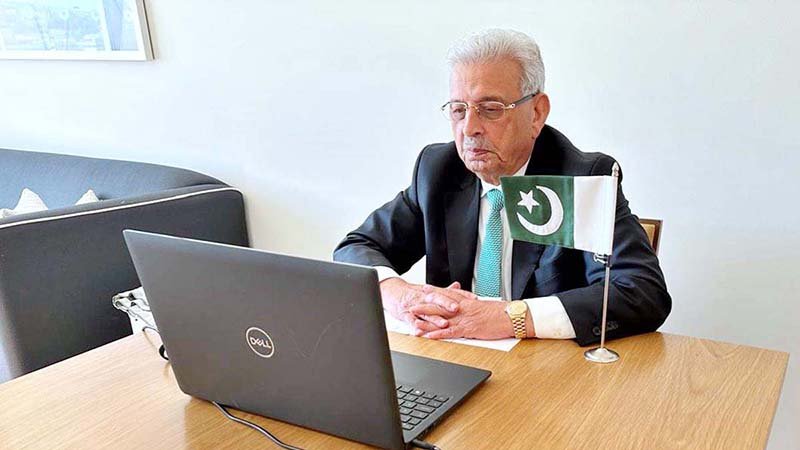
ISLAMABAD — Pakistan has extended an invitation to Portugal to explore strategic investment opportunities in its burgeoning olive value chain. This development emerged from a high-level meeting between Federal Minister for National Food Security and Research Rana Tanveer Hussain and Portuguese Minister for Agriculture and the Sea José Manuel Fernandes in Lisbon on July 3.
What Happened
During the meeting in Lisbon, Minister Rana Tanveer Hussain emphasized the potential for collaboration between Pakistan and Portugal in the agricultural sector, particularly focusing on olive cultivation and value chain development. The discussions aimed at enhancing bilateral cooperation in agriculture, food security, and climate-resilient farming practices.
Minister Hussain highlighted Pakistan’s efforts to expand its olive production as part of a broader strategy to boost agricultural output and ensure food security. He noted that the country has been investing in research and development to improve olive cultivation techniques, which could benefit significantly from Portuguese expertise and investment.
José Manuel Fernandes, the Portuguese Minister for Agriculture and the Sea, expressed interest in exploring these opportunities, acknowledging the potential for mutual benefits. He stated, “Portugal is keen to engage with Pakistan in areas where we can share our expertise and learn from each other, particularly in sustainable agriculture and food security.”
The meeting concluded with both parties agreeing to further discussions and potential visits to explore the practical aspects of collaboration. This initiative is part of Pakistan’s broader strategy to attract foreign investment into its agricultural sector, which is a critical component of the country’s economy.
Background
Pakistan has been actively working to diversify its agricultural sector, with a particular focus on developing the olive industry. The government has launched several initiatives to promote olive cultivation, recognizing its potential to reduce the country’s reliance on imported edible oils and enhance food security.
In recent years, Pakistan has seen a significant increase in olive plantation areas, supported by government policies and international cooperation. The country’s climate and soil conditions are conducive to olive cultivation, making it a promising area for investment.
Portugal, with its extensive experience in olive farming and production, presents a valuable partner for Pakistan. The European nation is known for its high-quality olive oil production and has developed advanced techniques in sustainable agriculture.
Why It Matters
The potential collaboration between Pakistan and Portugal in the olive sector could have significant economic and social implications. For Pakistan, attracting foreign investment into its agricultural sector is crucial for economic growth and development. The olive industry, in particular, offers opportunities for job creation, rural development, and increased export potential.
From an economic perspective, enhancing olive production can help Pakistan reduce its import bill for edible oils, thereby improving the trade balance. Additionally, the development of a robust olive value chain can lead to the establishment of processing industries, further boosting economic activity.
Socially, the initiative supports rural communities by providing them with new opportunities for employment and income generation. It also aligns with Pakistan’s goals of promoting sustainable agriculture and improving food security.
Internationally, this collaboration could strengthen diplomatic ties between Pakistan and Portugal, paving the way for broader cooperation in other sectors. It also positions Pakistan as a potential leader in olive production in the region, attracting attention from other countries interested in similar collaborations.
Key Takeaways
- Pakistan is inviting Portuguese investment in its olive value chain to enhance agricultural collaboration.
- The meeting between Pakistani and Portuguese ministers focused on agriculture, food security, and climate-resilient farming.
- Portugal’s expertise in olive production could significantly benefit Pakistan’s growing olive sector.
- This initiative is part of Pakistan’s broader strategy to attract foreign investment in agriculture.
- Collaboration could lead to economic growth, job creation, and strengthened diplomatic ties.
Source Attribution
This article is based on official government statements and public communications from relevant authorities.














