
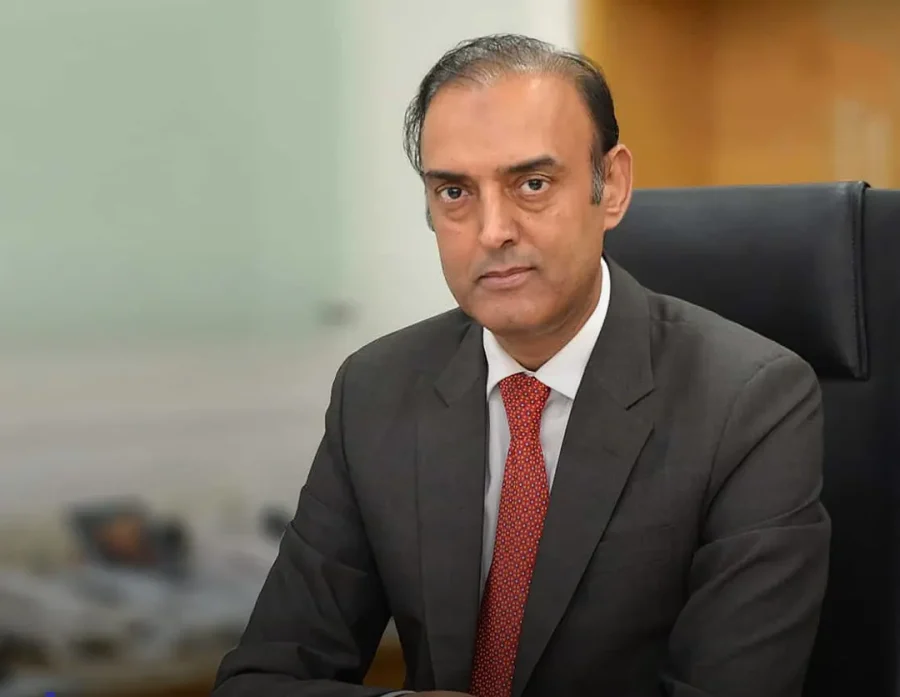
KARACHI — Governor of the State Bank of Pakistan (SBP), Jameel Ahmad, expressed optimism regarding the country’s economic trajectory, citing gradual improvements across various sectors as a key factor in the anticipated stabilization. Speaking on Friday, Ahmad highlighted the positive outlook for the new financial year, supported by the central bank’s foreign exchange reserves, which stood at $18.4 billion at the close of the previous fiscal year.
What Happened
In a statement made on Friday, Jameel Ahmad, Governor of the State Bank of Pakistan, conveyed a sense of cautious optimism about the national economy’s future. He noted that the economy is showing signs of gradual improvement, which is expected to continue throughout the new financial year. The SBP’s foreign exchange reserves, a critical indicator of economic health, were reported to be $18.4 billion as of the end of the last financial year.
Ahmad emphasized that various sectors are contributing to this positive trend, although he did not specify which sectors are leading the charge. The governor’s remarks come at a time when Pakistan is grappling with multiple economic challenges, including inflationary pressures and external debt obligations. Despite these hurdles, the SBP remains confident in the economy’s ability to stabilize further.
Ahmad’s comments are part of a broader effort by the central bank to reassure investors and the public about the country’s economic prospects. The SBP has been actively involved in implementing monetary policies aimed at controlling inflation and stabilizing the currency, which are crucial for sustained economic growth.
Background
Pakistan’s economy has faced significant challenges over the past few years, including high inflation rates, a depreciating currency, and substantial external debt. The COVID-19 pandemic exacerbated these issues, leading to a contraction in economic activity and increased fiscal deficits. In response, the government and the SBP have implemented a series of measures to stabilize the economy, including seeking financial assistance from international organizations and implementing structural reforms.
The SBP has played a pivotal role in these efforts, utilizing monetary policy tools to manage inflation and stabilize the currency. The central bank has also worked to improve the country’s foreign exchange reserves, which are crucial for maintaining investor confidence and ensuring the ability to meet external obligations.
Why It Matters
The stabilization of Pakistan’s economy is of paramount importance for several reasons. Economically, a stable economy can lead to increased investment, both domestic and foreign, which is essential for job creation and economic growth. The improvement in foreign exchange reserves is a positive sign, as it provides the country with a buffer against external shocks and enhances its ability to meet international financial obligations.
Socially, economic stability can lead to improved living standards for the population. As the economy stabilizes, inflationary pressures are likely to ease, leading to more affordable goods and services for citizens. This, in turn, can reduce poverty levels and improve overall quality of life.
Politically, a stable economy can enhance the government’s legitimacy and ability to implement policies effectively. It can also reduce the likelihood of social unrest, which is often triggered by economic hardships. Internationally, a stable Pakistan is beneficial for regional stability, particularly given the country’s strategic location and its role in regional trade and security dynamics.
Key Takeaways
- SBP Governor Jameel Ahmad is optimistic about economic stabilization in Pakistan.
- The central bank’s foreign exchange reserves are reported at $18.4 billion.
- Gradual improvements are observed across various economic sectors.
- Economic stability is crucial for investment, social well-being, and political legitimacy.
- Pakistan’s economic health impacts regional stability and international relations.
Source Attribution
This article is based on official government statements, press releases, and public communications from relevant authorities.














