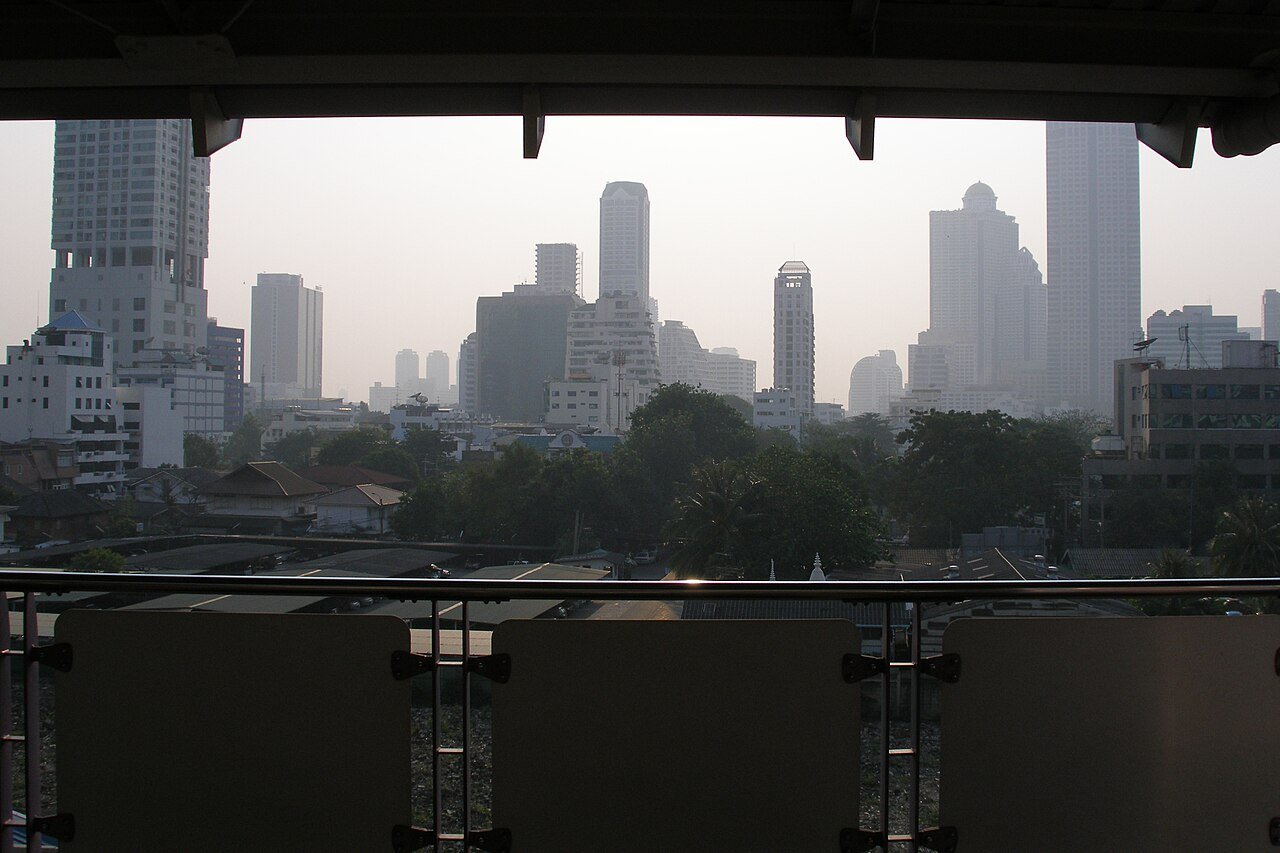
ISLAMABAD, November 20 – NEN: Pakistan trade routes were the focus of a speech by Federal Communications Minister Abdul Aleem Khan at the UN ESCAP Ministerial Conference on Transport in Bangkok. He spoke virtually. The minister said strong regional connectivity keeps trade stable when global conditions are uncertain.
What the Minister Told the Conference
First, Mr Khan called for alternative trade routes. In his words, countries should not depend on one corridor or one neighbour. He also said that removing trade barriers would make regional supply chains stronger.
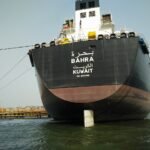
Then the minister described Pakistan as the best bridge between Central Asia, South Asia, China and the Middle East. He said Karachi, Port Qasim and Gwadar offer the shortest and most practical sea access for the landlocked Central Asian republics.
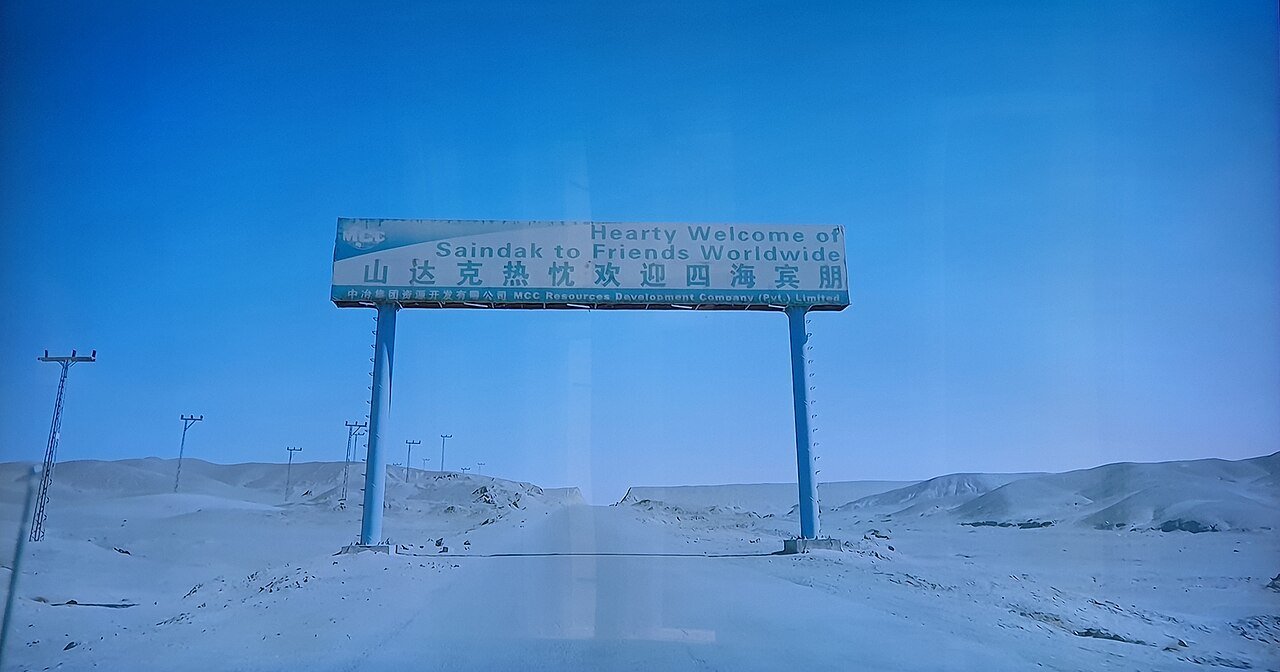
Next, he gave an update on projects. Pakistan is working closely with partners on the Kazakhstan-Turkmenistan-Afghanistan-Pakistan railway. Feasibility studies for the Uzbekistan-Afghanistan-Pakistan rail link are moving ahead. In addition, keeping the Karakoram Highway open all year has boosted trade with China and Central Asia, and CPEC work on the Thakot-Raikot section is advancing.
Background
ESCAP is the United Nations Economic and Social Commission for Asia and the Pacific. It brings governments together to plan transport, trade and development. The conference in Bangkok let ministers share their plans in one place.
A landlocked country, for example, has no coast of its own. Its goods must cross another country to reach a port. Because Pakistan has ports on the Arabian Sea, it can serve as the exit and entry point for such countries. That is the idea behind the minister’s bridge comparison.
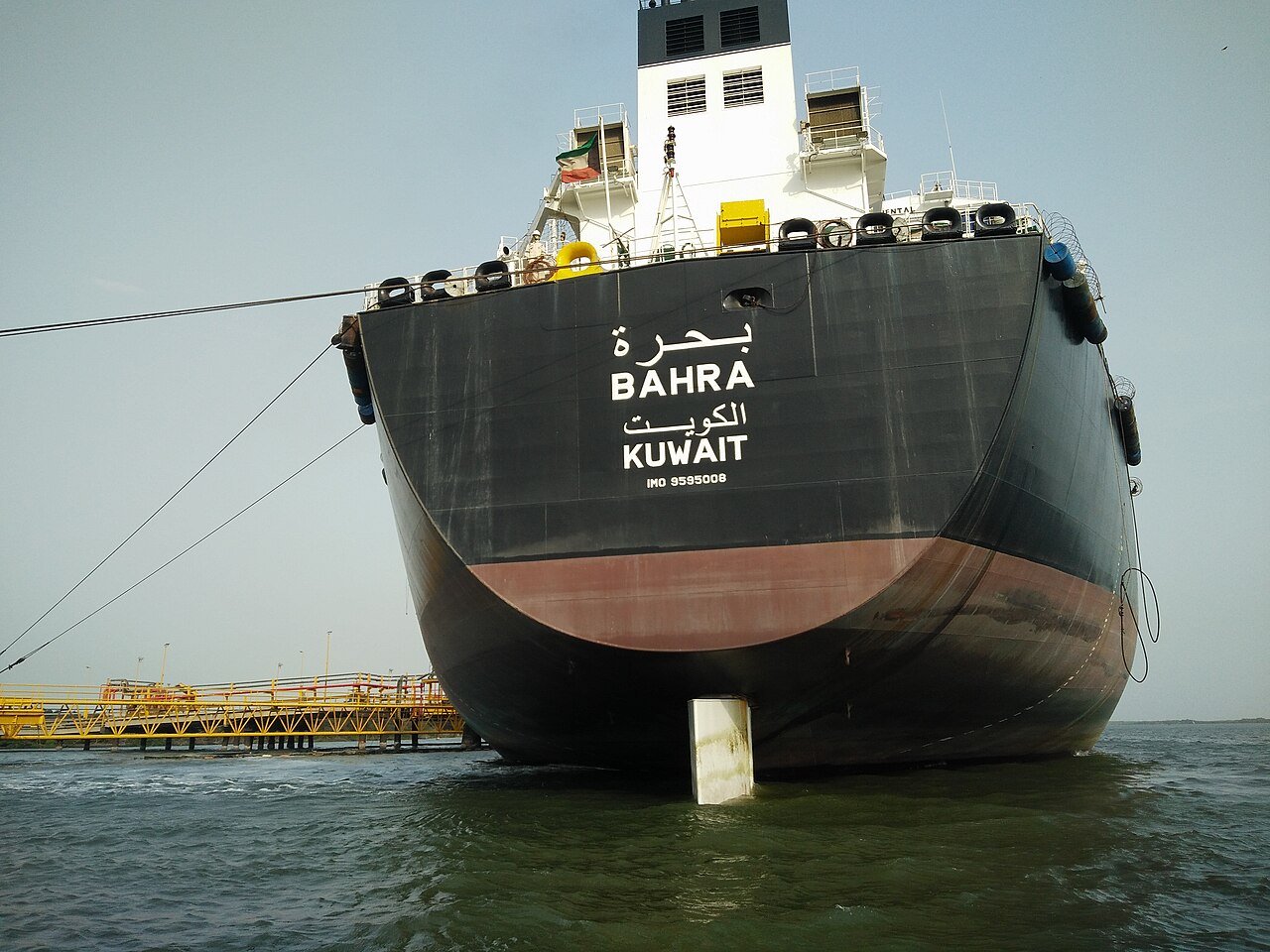
Port Qasim and Karachi already handle much of Pakistan’s sea trade. As a result, they are natural starting points for goods heading north. NEN reported that exports hit a record $11.4 billion in the first four months of FY27, so the volume moving through these routes is growing.
What This Means for You
For exporters and importers, better roads and railways usually mean lower transport costs and shorter delivery times. A shorter route also means goods spend less time in storage. As a result, traders who ship food, textiles and machinery gain.
Meanwhile, for truck drivers and logistics workers, more regional trade means more work along the route. Because the Karakoram Highway stays open all year, transport to the north does not stop in winter. Firms can therefore plan steady deliveries.
For ordinary shoppers, cheaper transport can help keep the cost of imported goods in check over time. Still, rail and road projects take years to finish, so changes come step by step. For Pakistanis living abroad who run import or export firms, these routes are worth watching. They may open new ways to reach buyers in Central Asia and China.
What Happens Next
The railway studies and the CPEC road work continue. NEN will report further news on Pakistan trade routes as the Ministry of Communications announces it.
Sources: Ministry of Communications, UN ESCAP. Reported by NEN News Desk.
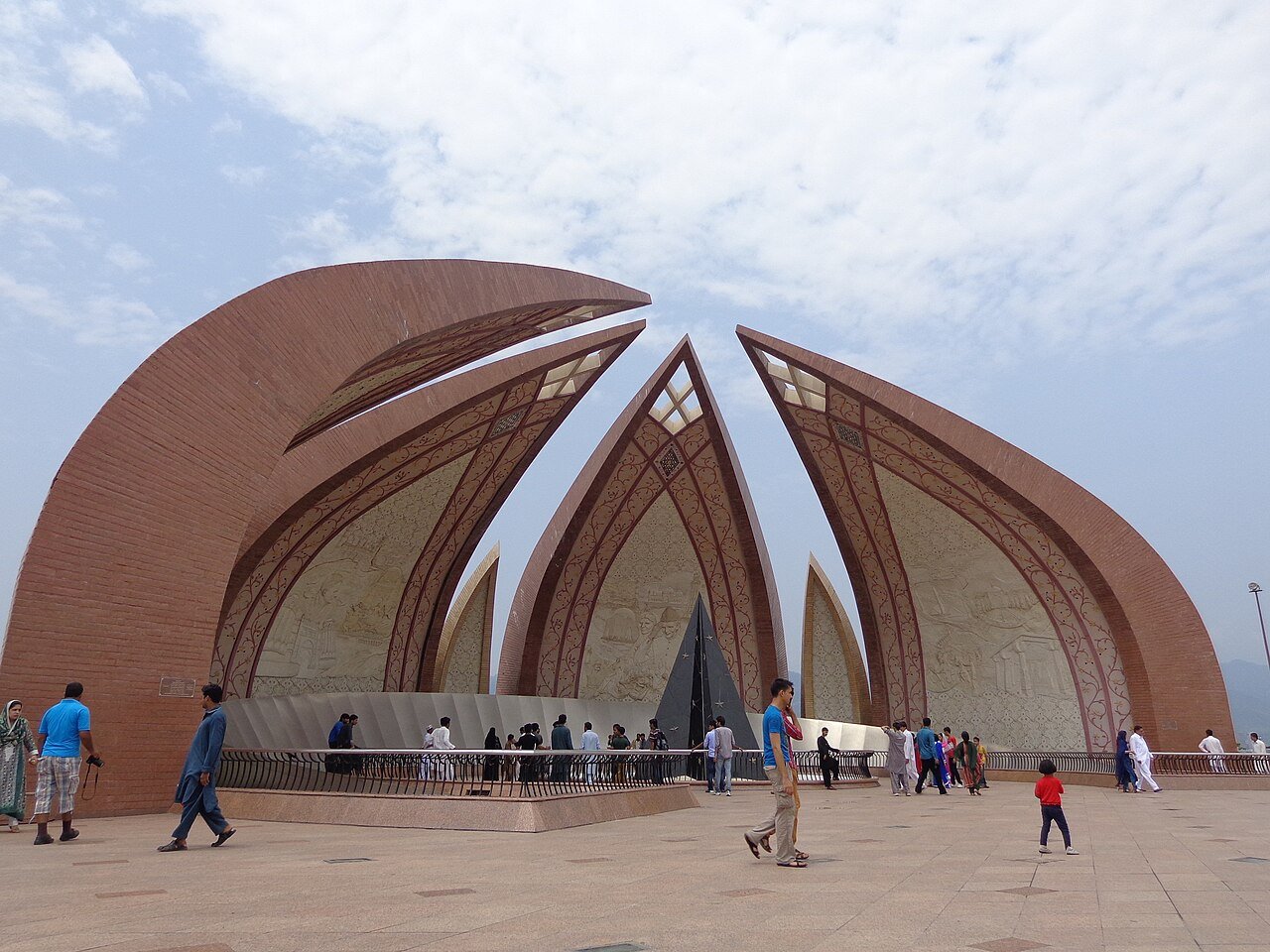
Featured image: Photo: Accurimbono / Wikimedia Commons, CC BY-SA 4.0