
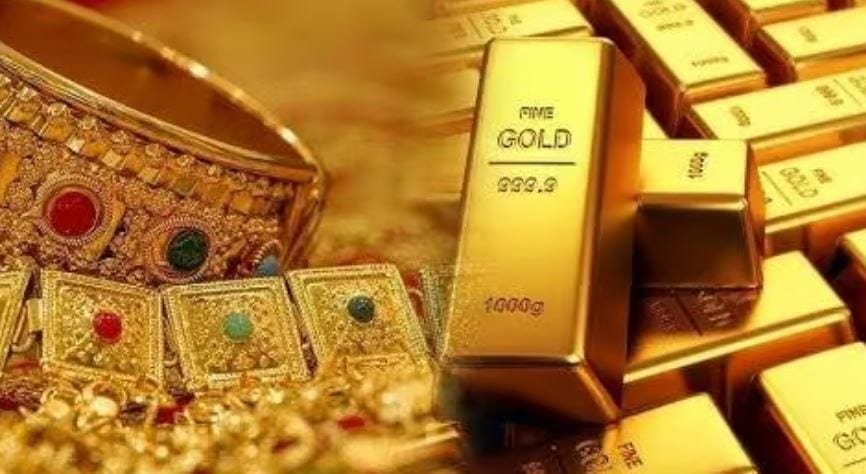
ISLAMABAD — Pakistan’s gold imports experienced a significant drop of 47.79% during the first eleven months of the current fiscal year, as reported by the Pakistan Bureau of Statistics (PBS).
What Happened
The PBS data revealed a marked decrease in gold imports, with figures nearly halved from the same period last year. This trend reflects broader economic measures aimed at stabilizing the country’s foreign exchange reserves.
Between July 2022 and May 2023, Pakistan imported $12.5 million worth of gold, down from $23.9 million in the previous fiscal year. This reduction is due to government efforts to lower the trade deficit and conserve foreign exchange reserves. Additionally, the depreciating Pakistani rupee has increased import costs, discouraging luxury items like gold.
In May 2023 alone, the value of gold imports was $1.1 million, compared to $2.3 million in May 2022, illustrating the consistent decline.
Overall, PBS reported a 28.4% decrease in total imports for the same eleven-month period, showing a broader contraction across various sectors.
Background
Traditionally, Pakistan has been a significant importer of gold, used mainly for jewelry and investment. The gold market is influenced by global prices, currency fluctuations, and domestic demand. Recent economic challenges and rupee depreciation have impacted the import of gold and other luxury goods.
To address the balance of payments crisis, the government has imposed higher tariffs and stricter import regulations, focusing on luxury goods. The reduction in gold imports is a direct result of these policies.
Why It Matters
The decrease in gold imports is part of Pakistan’s strategy to manage economic challenges by reducing the trade deficit and preserving foreign exchange reserves, which are crucial for economic stability.
This trend affects the domestic gold market. Jewelers and investors relying on imported gold may face shortages, raising prices for gold jewelry and investments, especially during periods of high demand like wedding seasons.
Economically, reducing non-essential imports allows the government to prioritize essential goods like food and energy, vital for growth and development.
International financial institutions and investors are closely monitoring Pakistan’s import management efforts, which could affect credit ratings and investor confidence.
Key Takeaways
- Gold imports fell by 47.79% during the first eleven months of the current fiscal year.
- The reduction is linked to government policies on trade deficit and foreign reserves.
- Total imports decreased by 28.4% in the same period.
- The domestic gold market may face higher prices due to lower imports.














