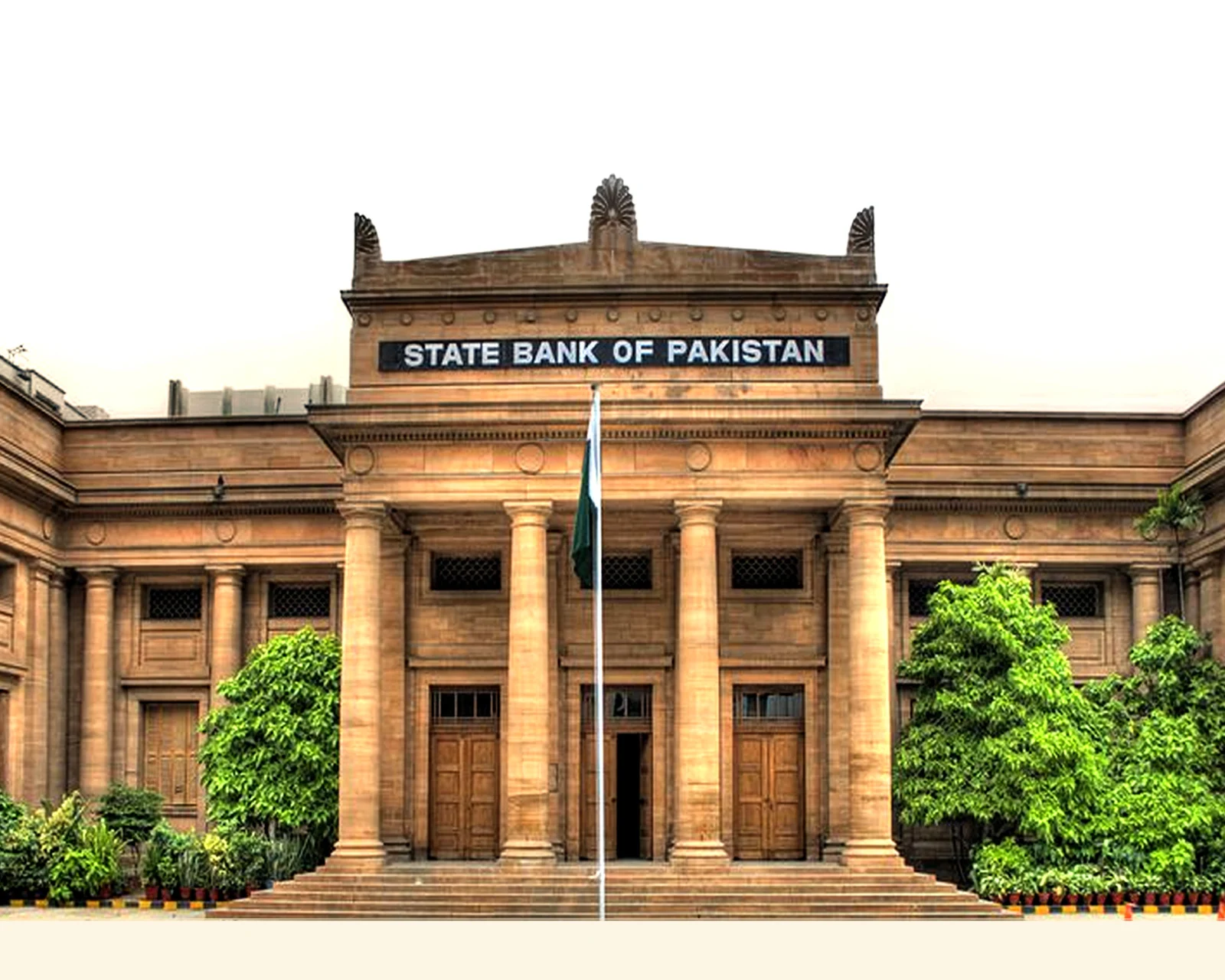
ISLAMABAD — Pakistan’s export of goods and services to the United Kingdom increased by 8.42% in July 2026, reaching $220.257 million, according to the State Bank of Pakistan (SBP). This growth marks a positive start to the fiscal year 2026-27, compared to the same month in the previous year.
What Happened
The State Bank of Pakistan’s latest report highlights a notable increase in Pakistan’s exports to the UK, with figures rising to $220.257 million in July 2026. This represents an 8.42% increase compared to July 2025, when exports amounted to approximately $203.1 million. The growth is attributed to a surge in demand for Pakistani textiles, leather goods, and agricultural products in the UK market.
Textiles continue to be the leading export sector, contributing significantly to the overall figures. The textile industry has been a cornerstone of Pakistan’s export economy, benefiting from competitive pricing and improved quality standards that meet international demands. Additionally, the leather goods sector has seen an uptick in exports, driven by enhanced production capabilities and strategic marketing efforts targeting UK consumers.
Furthermore, agricultural exports, including rice and fruits, have also played a role in the increased trade volume. The UK market’s preference for high-quality basmati rice and mangoes from Pakistan has bolstered this sector’s performance. The SBP report indicates that these sectors’ combined efforts have contributed to the overall growth in exports to the UK.
Background
Historically, the UK has been one of Pakistan’s major trading partners, with bilateral trade relations spanning several decades. The two countries have maintained strong economic ties, facilitated by trade agreements and mutual interests in various sectors. In recent years, Pakistan has focused on diversifying its export portfolio to the UK, aiming to reduce dependency on a few key commodities.
The economic policies implemented by the Pakistani government have also played a crucial role in enhancing export performance. Initiatives such as export incentives, improved trade infrastructure, and bilateral trade agreements have been instrumental in boosting trade volumes. The government’s focus on strengthening trade relations with the UK aligns with its broader strategy to increase exports and improve the country’s trade balance.
Why It Matters
The increase in exports to the UK is significant for Pakistan’s economy, as it contributes to the country’s foreign exchange reserves and supports economic stability. The growth in export revenue helps mitigate the trade deficit and strengthens Pakistan’s economic position on the global stage.
For the textile and leather industries, the rise in exports to the UK provides an opportunity for expansion and job creation. These sectors are labor-intensive, and increased demand can lead to more employment opportunities, contributing to economic growth and development in Pakistan.
Moreover, the positive trade relations with the UK can serve as a model for Pakistan’s trade strategy with other countries. By leveraging its strengths in key export sectors, Pakistan can enhance its international trade footprint and explore new markets for its products.
On a broader scale, the increase in exports reflects the resilience of Pakistan’s economy amid global challenges. It underscores the potential for growth in international markets and the importance of strategic trade partnerships in achieving sustainable economic development.
Key Takeaways
- Pakistan’s exports to the UK rose by 8.42% in July 2026, reaching $220.257 million.
- Textiles, leather goods, and agricultural products were key contributors to the export growth.
- The increase supports Pakistan’s foreign exchange reserves and economic stability.
- Positive trade relations with the UK highlight opportunities for expansion and job creation.
- Pakistan’s trade strategy aims to diversify export markets and reduce dependency on key commodities.
Source Attribution
This article is based on official government statements, press releases, and public communications from relevant authorities.