
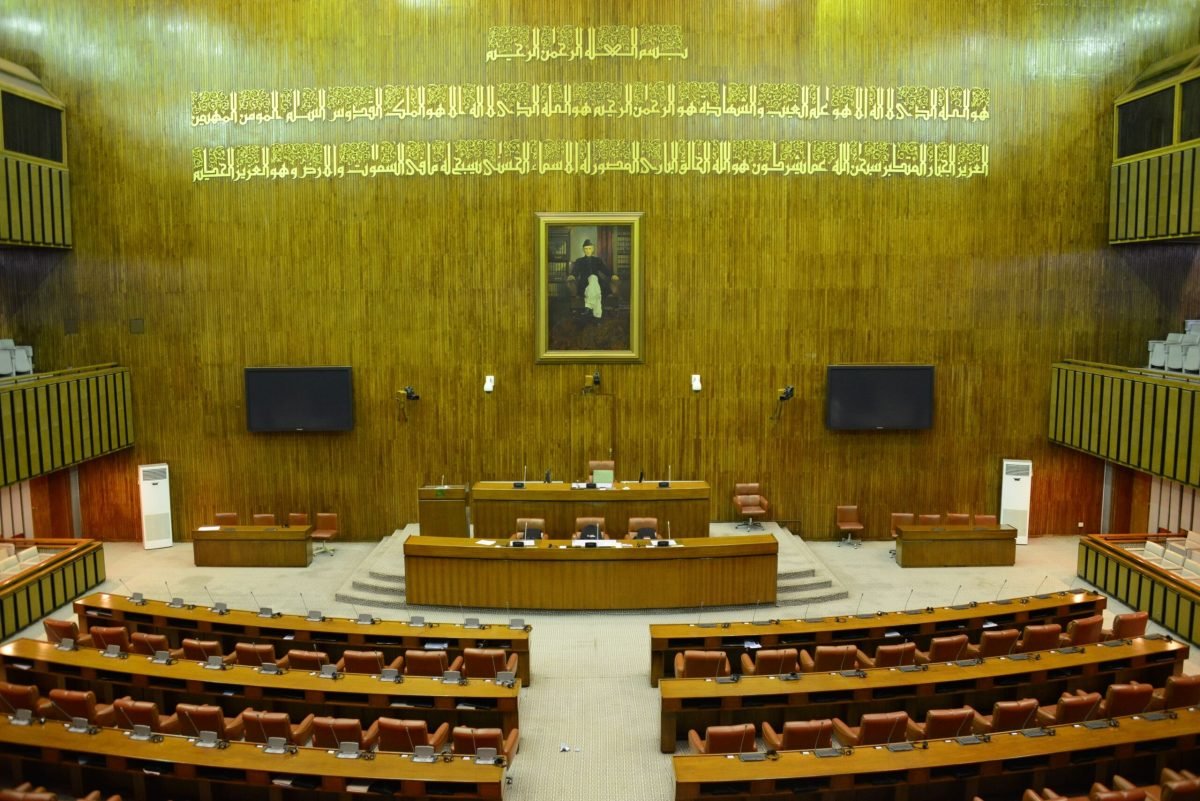
ISLAMABAD — The Senate Standing Committee on Science and Technology convened on Tuesday to deliberate on a proposed amendment to the Islamabad Capital Territory Food Safety Act, 2021. The amendment aims to regulate the consumption of high-sugar and high-caffeine beverages, particularly among children and adolescents. The committee also requested a detailed scientific analysis of the ingredients used in energy drinks.
What Happened
During the meeting, the Senate Standing Committee on Science and Technology reviewed the proposed amendment to the Islamabad Capital Territory Food Safety Act, 2021. The amendment seeks to impose stricter regulations on the sale and marketing of energy drinks, which are often high in sugar and caffeine. The committee expressed concerns about the potential health risks these beverages pose to younger consumers.
The committee called for a comprehensive scientific analysis of the ingredients in energy drinks to better understand their impact on health. This request underscores the need for evidence-based policy-making to ensure public health safety. The analysis is expected to provide insights into the long-term effects of consuming such drinks, particularly among children and adolescents, who are more vulnerable to the negative consequences of excessive sugar and caffeine intake.
Senator Mushtaq Ahmed, a member of the committee, emphasized the importance of safeguarding public health, stating, “We must ensure that our children are protected from the harmful effects of these beverages. It is our duty to provide a safe environment for our future generations.” The committee’s deliberations are part of a broader effort to enhance food safety standards across the country.
Background
The Islamabad Capital Territory Food Safety Act, 2021, was enacted to establish a regulatory framework for ensuring the safety and quality of food products within the capital territory. The act empowers authorities to monitor and control the production, distribution, and sale of food items to protect public health.
Energy drinks have been a subject of controversy globally due to their high caffeine and sugar content. Health experts have raised concerns about their potential to cause adverse health effects, particularly in young consumers. The proposed amendment to the food safety act reflects a growing awareness of these issues and a commitment to addressing them through legislative measures.
Why It Matters
The regulation of energy drinks is a significant public health issue with implications for consumer safety and well-being. High consumption of sugar and caffeine can lead to various health problems, including obesity, diabetes, heart issues, and behavioral changes. These risks are particularly pronounced in children and adolescents, whose bodies are still developing and are more susceptible to the effects of stimulants.
By seeking a scientific analysis of energy drink ingredients, the Senate committee is taking a proactive approach to policy-making. This move could lead to more informed regulations that better protect consumers, especially young people, from potential health hazards. The outcome of this analysis could also influence public awareness campaigns and educational initiatives aimed at reducing the consumption of unhealthy beverages.
Moreover, the proposed amendment is part of Pakistan’s broader efforts to align its food safety standards with international best practices. As the country continues to grapple with public health challenges, such legislative measures are crucial in promoting healthier lifestyles and preventing diet-related diseases.
Key Takeaways
- The Senate committee reviewed an amendment to regulate high-sugar and high-caffeine beverages.
- A scientific analysis of energy drink ingredients has been requested to assess health impacts.
- The amendment aims to protect children and adolescents from potential health risks.
- The initiative is part of efforts to enhance food safety standards in Pakistan.
- Public health and consumer safety are central to the proposed legislative changes.
Source Attribution
This article is based on official government statements, press releases, and public communications from relevant authorities.














