
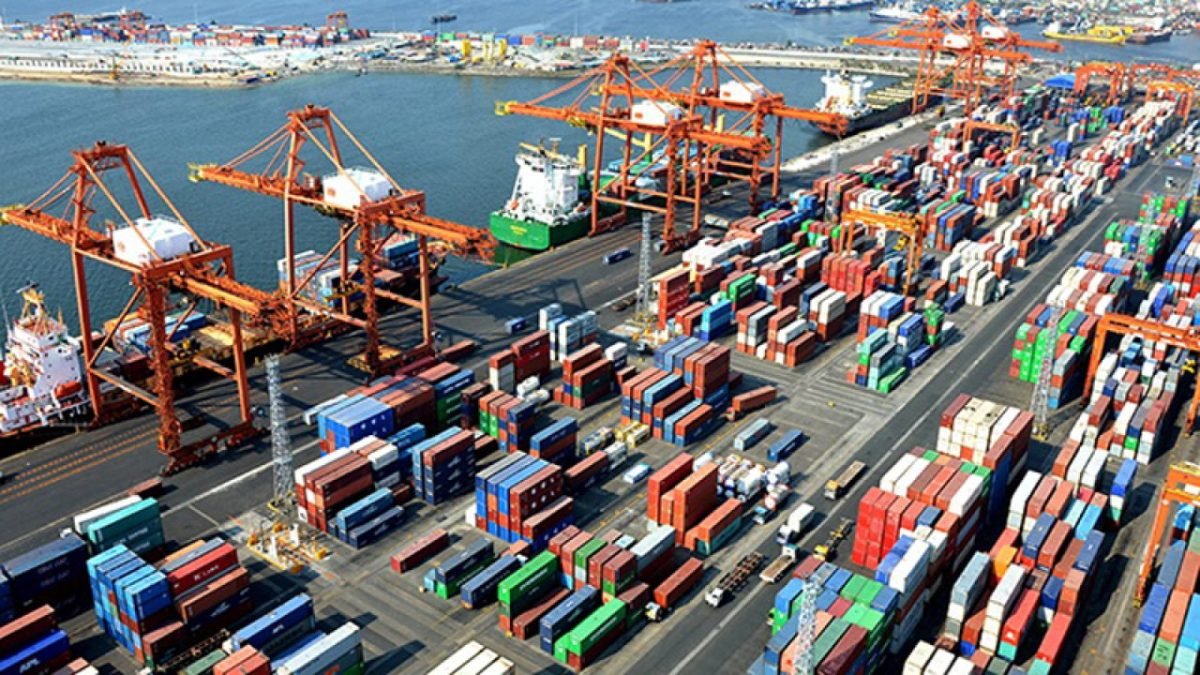
KARACHI — Port Qasim in Karachi observed intensified shipping operations as three vessels, GSL Melina, Aprex, and Sun Profit, docked at various terminals on Tuesday. The ships carried containers, palm oil, and coal, marking a significant day for port activities.
Shipping Activity at Port Qasim
The GSL Melina berthed at the Qasim International Container Terminal, unloading containers vital for Pakistan’s trade. The Aprex arrived at the Liquid Cargo Terminal with palm oil, essential for the food and manufacturing sectors. Meanwhile, the Sun Profit, laden with coal, anchored at the Marginal Wharf Bulk Terminal-4, supporting the energy sector by delivering crucial fuel for power plants.
Besides these arrivals, six more ships are expected. These include GFS Jade, MSC Doulala-VII, Asian Phoenix, PGC Perklis, Avra, and Jahan-1, bringing diverse cargo such as containers, fuel oil, and LPG. This schedule indicates robust port activity, critical for maintaining the supply chain and aiding economic activities nationwide.
Port Qasim: A Trade Hub
Established in the 1970s, Port Qasim is one of Pakistan’s busiest ports, handling a significant portion of import and export activities. Its infrastructure supports bulk, liquid, and containerized cargo. Over the years, expansions have enhanced its capacity and efficiency to meet increasing trade demands.
Managed by the Port Qasim Authority, the port is pivotal to Pakistan’s economy, promoting international trade and supporting domestic industries due to the country’s strategic location.
Economic Implications
Port activity at Qasim is indicative of Pakistan’s economic status and international trade relations. Ships carrying essentials like palm oil and coal significantly impact the industrial and energy sectors. Palm oil contributes to food processing, while coal is critical for electricity generation, essential for meeting energy demands.
Handling containers reflects a consistent flow of consumer goods and raw materials critical for retail and manufacturing sectors. Efficient port operations ensure timely delivery, preventing supply chain disruptions that could affect the economy.
Overall, the port’s activity showcases Pakistan’s engagement with global trade networks. As the country enhances export capabilities and attracts foreign investments, the roles of ports like Qasim become vital, facilitating trade and contributing to economic and job growth.
Highlights of Current Operations
- Three ships docked carrying containers, palm oil, and coal.
- Six more ships are scheduled, marking robust shipping operations.
- Operations support food, manufacturing, and energy sectors.
- Port Qasim is crucial for trade infrastructure and economic growth.
- Efficient handling underscores the port’s strategic regional importance.














