
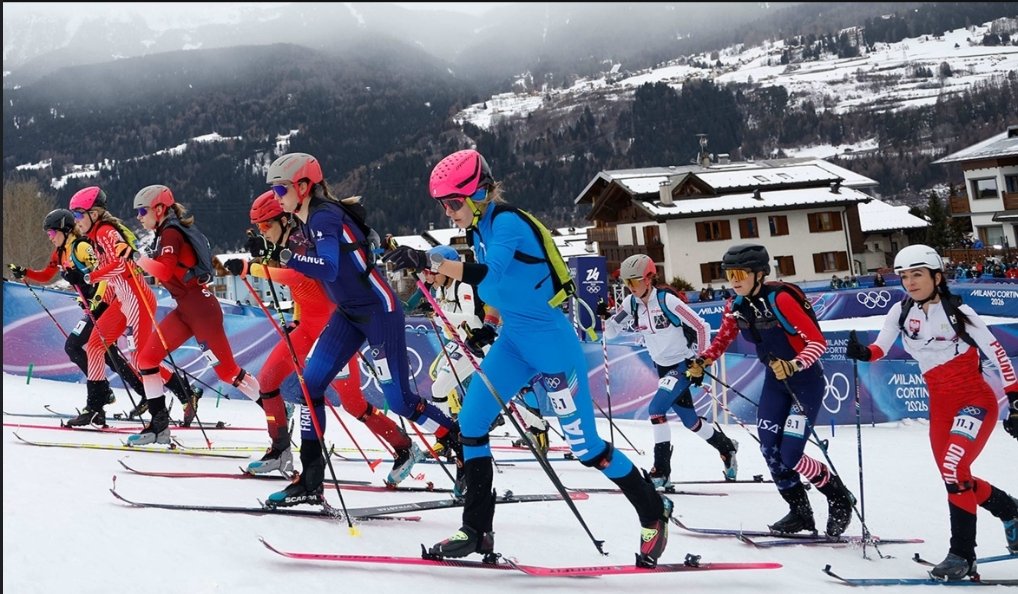
LAUSANNE — The International Olympic Committee (IOC) has announced the inclusion of ski mountaineering as a new sport for the Alpes 2030 Winter Olympics. This decision was finalized during the 146th IOC Session in Lausanne on June 25, following recommendations by its Executive Board and a proposal from the French Alps 2030 Organizing Committee.
IOC Decision on Ski Mountaineering
Incorporating ski mountaineering into the Winter Olympics marks a significant expansion of the Games’ sports lineup. This decision, confirmed in a Lausanne session, followed a vote on various proposals. The French Alps 2030 Organizing Committee initially proposed ski mountaineering, reflecting the region’s rich winter sports history.
Ski mountaineering combines skiing and mountaineering, requiring athletes to ascend and descend mountains on skis. Popular in alpine areas, the sport’s Olympic inclusion is expected to enhance the Winter Games, drawing both athletes and spectators to this visually thrilling sport.
IOC Leadership’s Endorsement
IOC President Thomas Bach expressed enthusiasm, stating, “Ski mountaineering embodies the Olympic spirit of endurance, skill, and respect for nature. We are excited to welcome it to the Olympic family.” This move aligns with the IOC’s efforts to modernize the program and attract younger audiences through contemporary sports.
Historical Context and Recognition
Ski mountaineering has deep roots in Europe, especially the Alps, originating as a method to navigate snowy mountains. It evolved into a sport with championships, overseen by the International Ski Mountaineering Federation (ISMF), pivotal in promoting Olympic inclusion.
The sport’s journey to Olympic recognition accelerated in the early 2000s, with ISMF standardizing rules and increasing global profile. Ski mountaineering debuted internationally at the 2020 Winter Youth Olympic Games in Lausanne, receiving a positive reception, paving the way for Olympic consideration.
Impact of Olympic Inclusion
Adding ski mountaineering to the Alpes 2030 Winter Olympics is significant. Economically, it could boost tourism and related sectors as global fans and athletes attend. The sport’s inclusion may increase interest, leading to greater participation and investment in necessary infrastructure.
Environmental and Social Benefits
Socially, this aligns with the IOC’s commitment to eco-friendly, accessible sports. Ski mountaineering’s minimal infrastructure needs lower environmental impacts, encouraging outdoor activity and environmental awareness among participants and spectators.
Relevance and Future Strategy
Politically, the move highlights the IOC’s strategy to maintain Olympic Games relevance by integrating sports appealing to younger audiences. This shift is part of a broader effort to sustain the Games’ appeal amid rising competition from new sports and digital entertainment.
Key Takeaways
- The IOC has officially added ski mountaineering to the Olympics.
- This addition reflects efforts to modernize Olympic sports with contemporary trends.
- Ski mountaineering is expected to attract younger audiences and boost tourism.














