ISLAMABAD, November 25 – NEN: The new SUPARCO Mission Hub lets the public follow Pakistan’s first human spaceflight online. The national space agency launched the portal on Wednesday. Anyone can visit it at astronaut.suparco.gov.pk.
What the Portal Offers
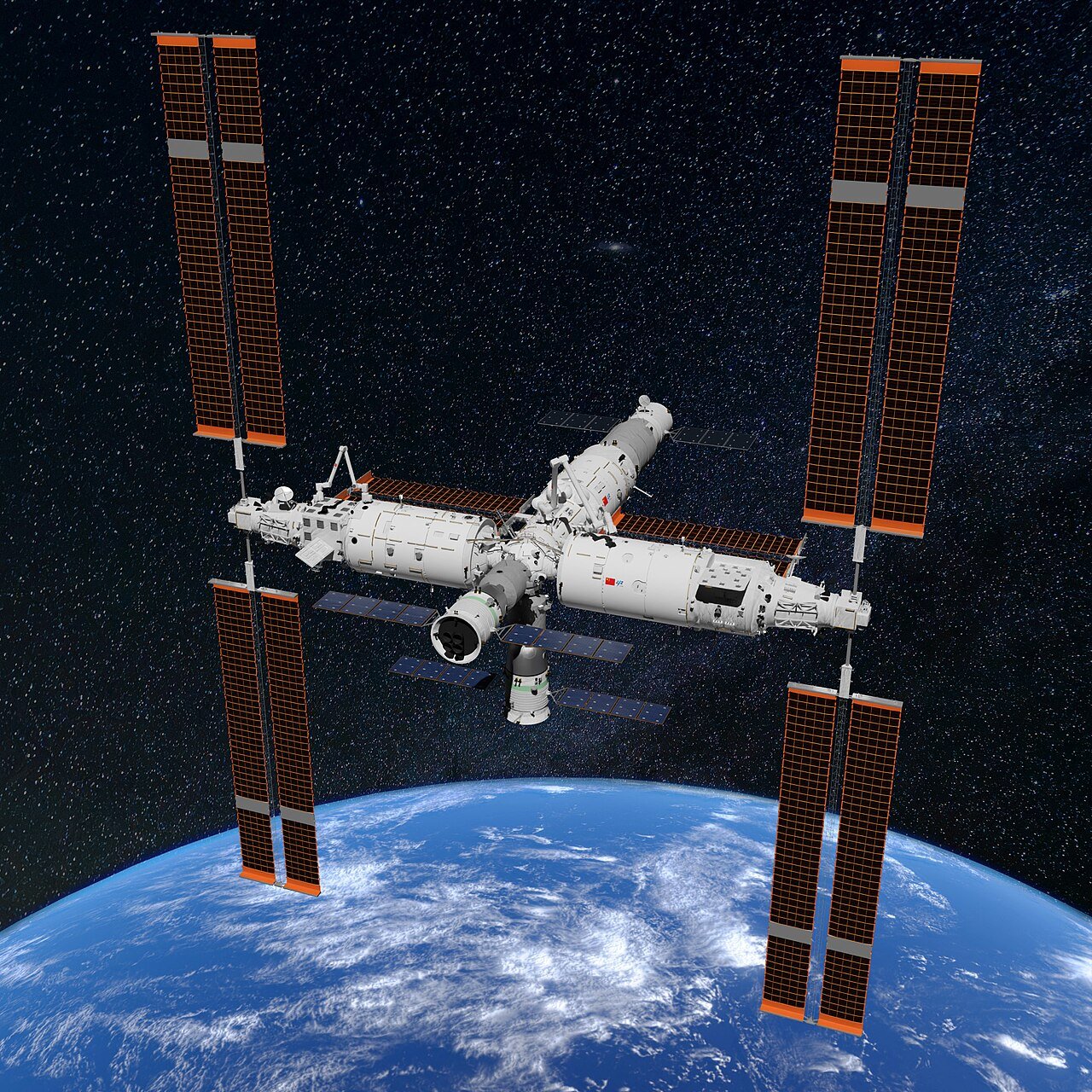
First, visitors get a mission dashboard. It shows the parts of China’s Tiangong space station. A timeline and a countdown clock also appear.
The site tracks the station live as well. For example, it gives pass times over seven cities. These are Islamabad, Lahore, Karachi, Quetta, Peshawar, Gilgit and Muzaffarabad.
In addition, users can send goodwill messages for the mission. They can also watch videos and read fresh updates. The page offers both English and Urdu.
According to the portal, the station flies between 340 and 450 kilometres above Earth. It circles the planet about once every 90 minutes. That works out to roughly 16 trips each day.
Background
Wing Commander Muhammad Zeeshan Ali became Pakistan’s first astronaut in space on Wednesday. His Shenzhou-24 spacecraft lifted off from China at 5:18am Pakistan time. Later, it docked with Tiangong, as our report on the astronaut’s arrival explains.
SUPARCO is Pakistan’s space and upper atmosphere research agency. The mission is a joint effort with China’s space programme. Mr Ali serves as the payload specialist, which means he handles science work on board. His stay should last five to 10 days.
The United Nations also welcomed the flight. A spokesperson praised the peaceful space cooperation between China and Pakistan.
What This Means for You
You can turn this mission into a simple family lesson. First, open the portal and choose your nearest city. Then note the time of the next pass. Next, set an alarm a few minutes early.
Students can use the dashboard to learn about orbits. For example, they can compare the station’s 90-minute circuit with a 24-hour day. Teachers could also use the timeline for a short class talk.
Before heading outside, remember that a pass on the screen may happen in daylight or behind cloud. So seeing the station with your own eyes depends on the sky. Choose an open spot, and never look towards the sun.
Overseas Pakistanis can follow along from abroad too. The online hub gives relatives in different countries a shared way to watch the journey.
Here is a quick guide to the numbers. A 90-minute circuit means the crew sees many sunrises and sunsets each day. In one hour, the station covers about two thirds of a full loop.
Parents can ask children to guess where the station will be next. Then they can check the live map together. After that, a short drawing of the path can make the idea stick.
A web browser is all you need for the portal. So a phone is enough to start. Share the address with classmates and friends who enjoy science.
What Happens Next
The mission continues aboard Tiangong. Meanwhile, the portal will keep offering tracking details, videos and updates.
Sources: SUPARCO; Ministry of Information and Broadcasting; United Nations. Reported by NEN News Desk.
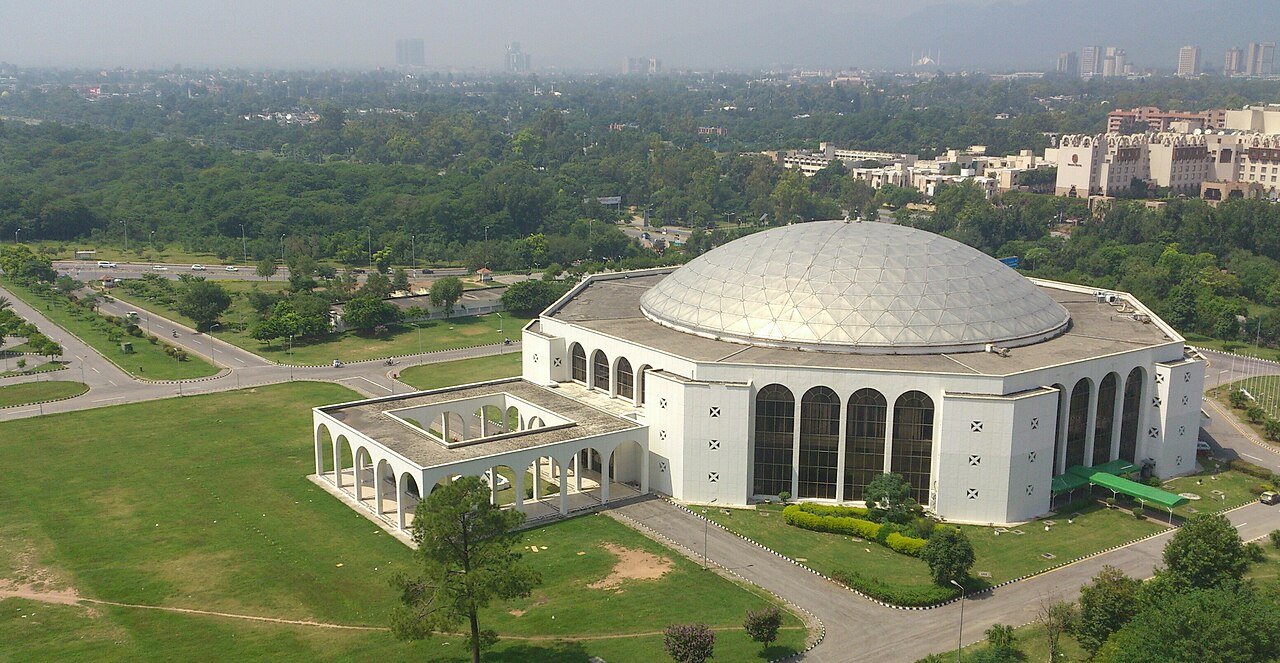
Featured image: Photo: Shujianyang / Wikimedia Commons, CC BY-SA 4.0