
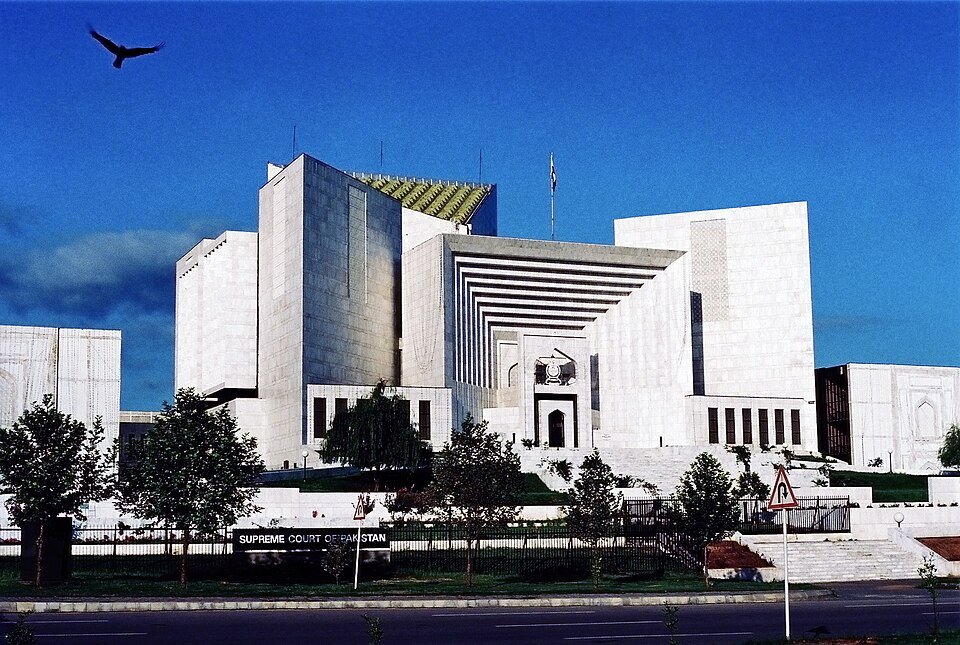
ISLAMABAD — The Supreme Court of Pakistan has ruled that property transfers cannot proceed unless the buyer pays the full sale consideration. This underscores the importance of meeting contractual obligations in property transactions.
Supreme Court Ruling
The Supreme Court addressed a case where a buyer failed to fulfill payment terms as stipulated in the contract. The court decided that specific performance, which enforces contract terms, is an equitable relief granted only to those who consistently demonstrate readiness, willingness, and the financial capability to honor their contractual commitments.
The court highlighted that specific performance is not an automatic right but a discretionary remedy contingent on the parties’ conduct. It stated, “A party seeking specific performance must demonstrate continuous readiness and willingness to perform their part of the contract.” Failure to complete payment disqualifies the buyer from demanding property transfer.
This judgment will significantly impact property transactions nationwide, reinforcing the necessity for buyers to adhere strictly to contract terms.
Legal Framework
Property transactions in Pakistan are governed by statutory laws and judicial precedents. The Specific Relief Act of 1877 provides the legal foundation for seeking specific performance. Courts have the discretion to grant this relief based on party conduct and the contract’s enforceability.
Historically, Pakistani courts regard specific performance as a remedy based on equity, awarded not routinely but on each case’s merits. This principle has been upheld in various cases assessing party behavior to determine entitlement to relief.
Implications for the Property Market
The Supreme Court’s decision has several implications. It underscores the necessity for complete fulfillment of contractual obligations to claim rights under a contract, crucial for the real estate sector, where transactions often involve substantial sums and complex agreements.
Economically, the ruling may alter buyer and seller behavior in the property market. Buyers might ensure financial readiness before contracts, while sellers could feel more secure knowing the court will support their rights if buyers default.
Socially, this decision could build trust in property transactions, encouraging parties to adhere to contractual terms, enhancing predictability in Pakistan’s property market.
International Relevance
Internationally, this decision aligns with practices where equitable remedies depend on party conduct. It signals to foreign investors that Pakistan’s legal system upholds contract sanctity, vital for a favorable business environment.
Key Takeaways
- The Supreme Court of Pakistan’s ruling requires buyers to meet payment obligations for property transfer rights.
- Specific performance is a contingent equitable remedy requiring continuous readiness and willingness from the buyer.
- The decision underscores the importance of contractual adherence in property transactions.
- Economic and social effects include increased transaction trust and market stability.














