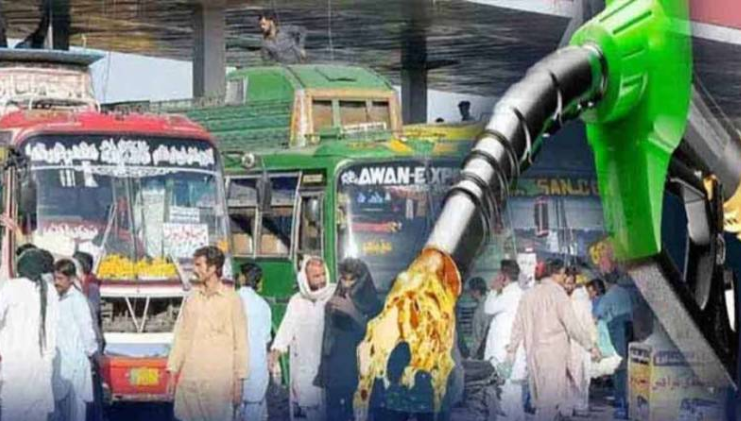
RAWALPINDI — Transport fares in Rawalpindi have been reduced by 12 to 18 percent, following a decrease in petroleum prices as directed by Punjab Chief Minister Maryam Nawaz Sharif. This decision aims to provide financial relief to commuters amid fluctuating fuel costs.
New Fare Structure Implemented
The district administration, along with the Regional Transport Authority (RTA), has implemented revised fare lists effective immediately. Per the RTA secretary, fare recalibration occurred at the tehsil level to ensure benefits of reduced fuel prices reach the public. The new rates include:
- A 12 percent reduction for air-conditioned diesel transport
- A 15 percent cut for non-air-conditioned diesel and petrol-run public transport
- An 18 percent decrease for goods transport
To ensure compliance, a strict monitoring mechanism is in place. Special teams conduct inspections at bus stands, wagon terminals, and along transport routes. During the ongoing campaign, 464 vehicles were inspected, leading to 86 fines and penalties totaling Rs. 280,000 for fare violations.
Monitoring and Enforcement
Officials have warned transport operators that overcharging will result in strict legal action, including fines and potential impounding of vehicles. The administration is committed to daily inspections to enforce adherence to the revised fares, ensuring sustained relief for commuters.
Fuel Price Influence
This reduction in transport fares aligns with a recent decrease in petroleum prices, significantly affecting living costs and transportation expenses in Pakistan. Fuel prices are frequently adjusted based on international market trends and government policies. The current fare cut is part of the Punjab government’s broader strategy to ease economic burdens by reducing transportation costs, a notable component of household expenditures.
Historically, fuel price changes have directly impacted transport fares, with past increases sparking public outcry and demands for fare reductions. The Punjab Chief Minister’s directive addresses these concerns promptly and effectively.
Impact and Significance
Reducing transport fares is significant for several reasons. Economically, it alleviates financial pressure on daily commuters, especially those reliant on public transport for their livelihood. Lower transport costs can increase disposable income for families, potentially boosting local economies with increased spending power.
Socially, this decision showcases responsive governance, addressing public needs through timely policy adjustments. Such measures can enhance public trust in government institutions as citizens observe tangible benefits from policy changes.
Politically, the move could strengthen the Punjab government’s position by showing its commitment to addressing economic challenges. By proactively reducing fares, it may gain voter goodwill, particularly in urban areas where public transport is essential. Internationally, these measures reflect a government’s adaptability and responsiveness to domestic and global economic conditions, potentially enhancing its reputation as stable and citizen-focused.