
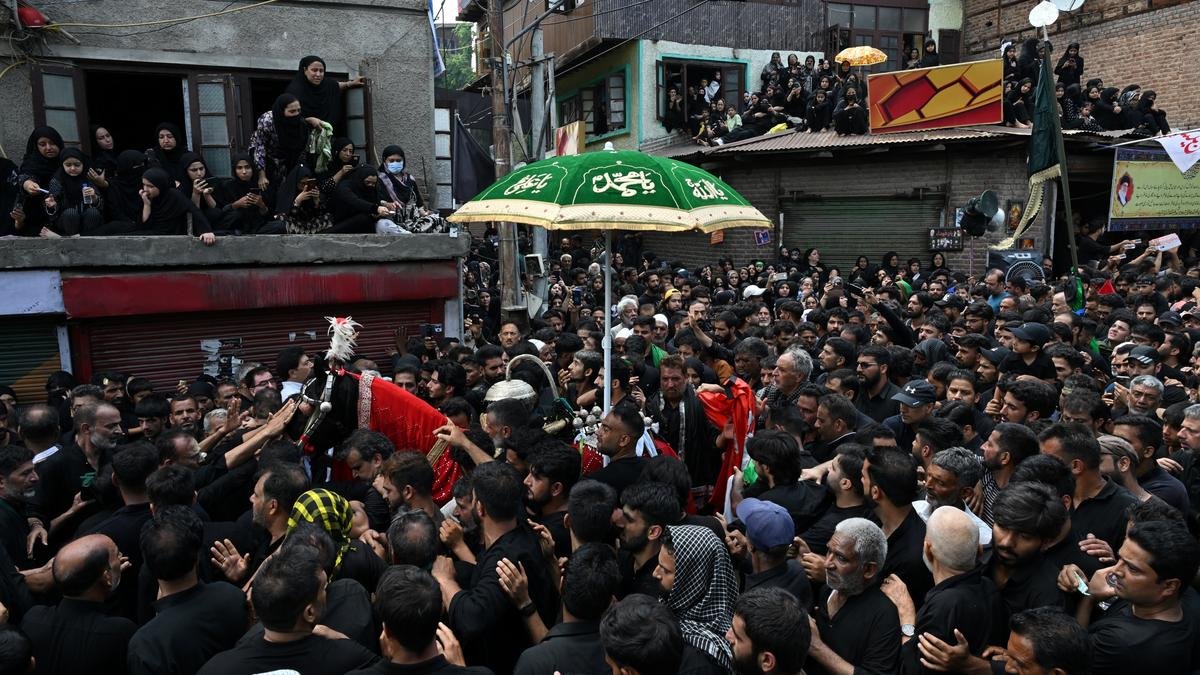
DERA ISMAIL KHAN — The Water and Sanitation Services Company (WSSC) in Dera Ismail Khan has launched a city-wide cleanliness drive. This effort focuses on the routes of Muharram-ul-Haram mourning processions and Imambargahs. It aims to provide a clean and safe environment for participants and mourners.
Sanitation Efforts for Muharram
The WSSC has deployed resources to boost sanitation for the upcoming Muharram processions. Sanitation teams are conducting special cleaning operations along the designated routes. This initiative is part of a wider strategy to maintain hygiene and safety during religious observances.
Teams are tasked with waste removal, street cleaning, and ensuring debris-free areas. Additional waste bins have been placed along the routes to help the public dispose of waste properly. The WSSC works with local authorities to ensure that efforts are effectively implemented and any issues promptly addressed.
Community Involvement
An official stated, “We are committed to providing a clean, safe environment during Muharram. Our teams work round the clock to maintain the routes.” The official highlighted the need for community cooperation and encouraged residents to use the waste bins provided.
Significance of Muharram
Muharram, the first month of the Islamic calendar, holds significant importance for Muslims, especially Shiite communities. They commemorate Imam Hussain’s martyrdom, Prophet Muhammad’s grandson, through processions and gatherings, known as Majalis. In Pakistan, these attract large crowds, necessitating extensive preparations for public safety and cleanliness.
Impact of the Cleanliness Drive
The cleanliness drive is crucial for several reasons. It emphasizes the importance of public health and safety during large gatherings. A clean environment prevents the spread of diseases, contributing to community well-being.
Maintaining cleanliness during events can positively impact the local economy. Clean environments attract visitors, benefiting local businesses and vendors, especially during Muharram.
Community and Governance
Socially, the initiative highlights community service and cooperation. Encouraging locals to help maintain cleanliness fosters communal responsibility and pride. This can strengthen community cohesion and civic engagement.
Politically, effective public service management during religious events can enhance the credibility of local authorities. Demonstrating competence builds government trust, crucial for governance and public administration.
Key Takeaways
- The WSSC has intensified cleanliness efforts for Muharram processions.
- Sanitation teams are deployed along the procession routes to ensure cleanliness and safety.
- Muharram’s significance draws large crowds, highlighting the need for meticulous preparation.














