

2026

World

NBP Releases Latest Foreign Exchange Rates for July 2026

KARACHI — The Treasury Management Division of the National Bank of Pakistan (NBP) announced the latest foreign exchange rates on Thursday, providing updated figures for various global currencies against the Pakistani Rupee. These rates are crucial for businesses, investors, and individuals engaged in foreign transactions. What Happened The National Bank of Pakistan’s Treasury Management Division has released the exchange rates applicable as of July 2, 2026. The rates include both Telegraphic Transfer (TT) Selling and TT Buying rates for a range of currencies. The US Dollar, a major currency in international trade, is listed at a TT Selling rate of 278.55 PKR and a TT Buying rate of 278.05 PKR. The Euro is pegged at 317.13 PKR for selling and 316.56 PKR for buying. Other significant currencies include the British Pound, which stands at 370.17 PKR for selling and 369.50 PKR for buying. The Japanese Yen, often used in regional trade, is listed at 1.7149 PKR for selling and 1.7118 PKR for buying. Additionally, the Swiss Franc is available at a selling rate of 344.42 PKR and a buying rate of 343.80 PKR. For the Canadian Dollar, the TT Selling rate is 195.94 PKR, while the TT Buying rate is 195.59 PKR. The Australian Dollar is priced at 191.96 PKR for selling and 191.62 PKR for buying. Other currencies such as the Swedish Krona, Norwegian Krone, and Danish Krone have also been updated, reflecting their respective positions in the global market. The bank also provided conversion rates for frozen foreign currency deposits, with the US Dollar set at 278.12 PKR, the British Pound at 367.90 PKR, and the Euro at 316.86 PKR. These rates are set for the settlement date of July 6, 2026. Background The National Bank of Pakistan, as a key player in the country’s financial sector, regularly updates foreign exchange rates to reflect market conditions. These rates are essential for facilitating international trade and investment, as well as for individuals and businesses engaged in currency exchange. The NBP’s role in providing these rates underscores its importance in maintaining economic stability and supporting financial transactions across borders. Historically, exchange rates have been influenced by a range of factors including economic policies, market demand, and geopolitical events. The NBP’s regular updates help ensure transparency and provide guidance to stakeholders in the financial markets. Why It Matters The release of updated exchange rates by the NBP holds significant importance for Pakistan’s economy. Exchange rates impact the cost of imports and exports, influencing trade balances and economic growth. For businesses, accurate and timely exchange rate information is crucial for pricing strategies and financial planning. On a broader scale, exchange rates affect inflation, purchasing power, and overall economic stability. Changes in rates can lead to fluctuations in the cost of goods and services, impacting consumers directly. For investors, exchange rates play a critical role in assessing the value of international investments and managing currency risk. Moreover, as Pakistan continues to engage in international trade and attract foreign investment, maintaining competitive exchange rates is vital for economic development. The NBP’s updates provide a benchmark for currency valuation, aiding in the decision-making process for policymakers and financial analysts. Key Takeaways The NBP has released updated exchange rates for July 2, 2026, covering a range of global currencies. The US Dollar is set at 278.55 PKR for TT Selling and 278.05 PKR for TT Buying. Conversion rates for frozen foreign currency deposits have also been provided, with the settlement date set for July 6, 2026. Exchange rates play a crucial role in impacting trade, investment, and economic stability in Pakistan. The NBP’s regular updates ensure transparency and assist stakeholders in financial decision-making. Source Attribution This article is based on official government statements, press releases, and public communications from relevant authorities. Author: NEN Editorial Desk | Editor: NEN Newsroom | Fact Checked By: NEN Editorial Team Author: NEN Editorial Desk  |  Editor: NEN Newsroom  |  Last Updated: July 02, 2026  |  Source: NEN Reporter This article was produced by the NEN Editorial Desk in accordance with NEN Agency’s Editorial Policy and Fact-Checking Policy.

Pakistan

Pakistan’s Latest Currency Exchange Rates Released by Central Bank

KARACHI — The State Bank of Pakistan released the latest exchange rates for major foreign currencies on July 2, 2026, reflecting fluctuations in the global currency market. These rates are crucial for businesses and individuals engaged in international trade and travel, providing a benchmark for currency conversion and financial planning. What Happened On July 2, 2026, the State Bank of Pakistan announced updated exchange rates for several major currencies against the Pakistani Rupee. The US Dollar (USD) is now being sold at 279.94 PKR and bought at 276.94 PKR. The British Pound (GBP) is selling for 372.02 PKR and buying at 367.63 PKR, while the Euro (EUR) is available at a selling rate of 318.71 PKR and a buying rate of 314.96 PKR. The Japanese Yen (JPY) stands at 1.7234 PKR for selling and 1.7032 PKR for buying. The Saudi Riyal (SAR) and the UAE Dirham (AED) are selling at 74.55 PKR and 76.23 PKR, respectively, with buying rates at 73.67 PKR and 75.31 PKR. Additionally, the London Interbank Offered Rate (LIBOR) for calculating interest on special USD bonds has been updated. The LIBOR for one month is 3.6641%, for three months is 3.7502%, and for six months is 3.8675%. These rates are significant for financial institutions and investors dealing with USD-denominated bonds. The State Bank also provided indicative Forward Buying and Selling Rates (FBP) for the US Dollar, Euro, and British Pound. These rates are used for forward contracts, which are agreements to exchange currency at a future date at a pre-agreed rate. The indicative rates for the USD range from 276.71 PKR for sight transactions to 262.33 PKR for six-month forward contracts. The Euro’s forward rates range from 315.20 PKR for sight to 301.02 PKR for six months, while the GBP ranges from 367.69 PKR to 348.67 PKR. Background The exchange rate is a critical economic indicator for Pakistan, influencing inflation, trade balance, and foreign reserves. Pakistan’s economy is heavily reliant on imports, making exchange rate stability vital for maintaining manageable import costs. Historically, the Pakistani Rupee has faced depreciation pressures due to trade deficits, external debt obligations, and fluctuating global oil prices. The State Bank of Pakistan regularly updates exchange rates to reflect market conditions and ensure transparency in currency transactions. These updates are essential for businesses involved in import and export activities, as well as for individuals planning international travel or remittances. Why It Matters The release of updated exchange rates holds significant implications for Pakistan’s economic landscape. For businesses, these rates determine the cost of importing goods and services, impacting pricing strategies and profit margins. Companies involved in exports benefit from favorable exchange rates, which can enhance competitiveness in international markets. For the general public, exchange rates influence the cost of foreign travel and education, as well as the value of remittances sent by Pakistanis working abroad. A stronger Rupee can reduce the cost of living for citizens by lowering import prices, while a weaker Rupee can increase inflationary pressures. On a macroeconomic level, the exchange rate affects Pakistan’s trade balance and foreign exchange reserves. A stable or appreciating Rupee can help reduce the trade deficit by making exports more competitive and imports less costly. Conversely, a depreciating Rupee can strain foreign reserves and increase the cost of servicing external debt. Internationally, exchange rates are a barometer of economic stability and investor confidence. Fluctuations in the Rupee’s value can influence foreign investment decisions, impacting economic growth and development prospects. Key Takeaways The State Bank of Pakistan has updated exchange rates for major currencies as of July 2, 2026. The US Dollar is selling at 279.94 PKR and buying at 276.94 PKR. LIBOR rates for USD bonds have been updated, with one-month LIBOR at 3.6641%. Exchange rates impact import costs, inflation, and foreign exchange reserves. Stable exchange rates are crucial for economic stability and investor confidence. Source Attribution This article is based on official government statements, press releases, and public communications from relevant authorities. Author: NEN Editorial Desk | Editor: NEN Newsroom | Fact Checked By: NEN Editorial Team Author: NEN Editorial Desk  |  Editor: NEN Newsroom  |  Last Updated: July 02, 2026  |  Source: NEN Reporter This article was produced by the NEN Editorial Desk in accordance with NEN Agency’s Editorial Policy and Fact-Checking Policy.

Pakistan

Police Apprehend Four Suspects in Crackdown on Illegal Weapons and Drugs

ISLAMABAD — In a concerted effort to combat illegal activities, police forces have arrested four suspects in separate operations targeting illegal weapons possession and drug trafficking. These operations, part of an intensified campaign against crime, were conducted on Thursday, according to official sources. What Happened Police authorities executed a series of operations aimed at dismantling networks involved in the illegal trade of weapons and narcotics. The operations resulted in the arrest of four individuals suspected of engaging in these illicit activities. The suspects were apprehended in different locations, underscoring the widespread nature of these crimes. According to the police, the operations were meticulously planned and involved intelligence gathering and surveillance over several weeks. “We have been monitoring these suspects for some time now and decided to act when we had sufficient evidence,” stated a senior police official involved in the operations. The arrests were made without any resistance, and the suspects are currently in custody, pending further investigation. During the raids, law enforcement officials seized a significant quantity of illegal firearms and a variety of narcotics. The confiscated items include pistols, rifles, and an assortment of drugs, which are believed to be intended for distribution within local communities. The police have emphasized that these operations are part of a broader strategy to curb the proliferation of illegal weapons and drugs, which pose a significant threat to public safety. Background Pakistan has been grappling with issues related to illegal weapons and drug trafficking for many years. The availability of illegal firearms has been linked to an increase in violent crimes, while drug trafficking has contributed to social and health problems across the country. In response, law enforcement agencies have been intensifying efforts to dismantle these networks through targeted operations and stricter enforcement of existing laws. The government has also been working on legislative measures to strengthen the legal framework against illegal arms and drug trafficking. These measures include harsher penalties for offenders and improved coordination between different law enforcement agencies. The recent operations are a reflection of these ongoing efforts to address the root causes of crime and enhance public safety. Why It Matters The successful apprehension of suspects involved in illegal weapons and drug trafficking is a significant step towards reducing crime rates and enhancing security in Pakistan. Illegal firearms are often used in violent crimes, including robberies and assaults, contributing to a sense of insecurity among citizens. By removing these weapons from circulation, the police are working to prevent potential crimes and improve public safety. Drug trafficking, on the other hand, has far-reaching implications for society. It not only affects the health and well-being of individuals but also fuels other criminal activities and undermines social stability. The operations conducted by the police demonstrate a commitment to addressing these issues and protecting communities from the harmful effects of drugs. Furthermore, these actions send a strong message to criminal networks that law enforcement agencies are vigilant and prepared to take decisive action against illegal activities. This could deter future crimes and encourage cooperation from the public in reporting suspicious activities, thereby enhancing the overall effectiveness of crime prevention strategies. Key Takeaways Police arrested four suspects in operations targeting illegal weapons and drugs. Seized items include firearms and various narcotics intended for distribution. Operations are part of a broader campaign to combat crime and enhance public safety. Efforts align with government initiatives to strengthen legal measures against illegal activities. The arrests highlight the commitment of law enforcement to dismantle criminal networks. Source Attribution This article is based on official government statements, press releases, and public communications from relevant authorities. Author: NEN Editorial Desk | Editor: NEN Newsroom | Fact Checked By: NEN Editorial Team Author: NEN Editorial Desk  |  Editor: NEN Newsroom  |  Last Updated: July 02, 2026  |  Source: NEN Reporter This article was produced by the NEN Editorial Desk in accordance with NEN Agency’s Editorial Policy and Fact-Checking Policy.
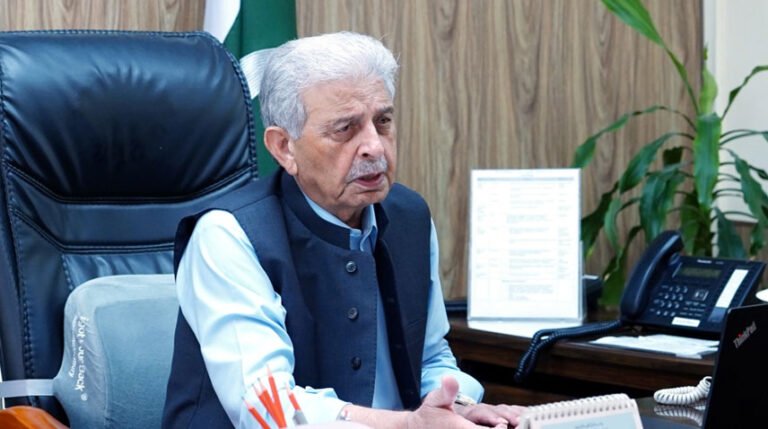
Pakistan

AJK Election Commission Approves 10 Appeals on Rejected Nominations

MUZAFFARABAD — The Election Commission of Azad Jammu and Kashmir (AJK) has approved 10 out of 28 appeals concerning the rejection of nomination papers for the upcoming general elections scheduled for July 27. The commission rejected 16 appeals and dismissed two due to non-prosecution, according to official statements. What Happened The AJK Election Commission recently reviewed a total of 28 appeals filed by candidates whose nomination papers had been previously rejected for various reasons. The commission’s decision to uphold 10 of these appeals allows the affected candidates to participate in the forthcoming elections, a critical political event in the region. The commission detailed that 16 appeals were rejected based on merit, while two were dismissed due to the appellants’ failure to pursue their cases. This decision is part of the preparatory process for the general elections in AJK, which are set to take place on July 27. The elections are crucial for determining the political landscape of the region, which has its own legislative assembly and operates under a semi-autonomous status within Pakistan. The AJK Election Commission’s actions are guided by the electoral laws and regulations that govern the nomination process. This includes ensuring that all candidates meet the eligibility criteria set forth in the AJK constitution and electoral laws. The commission’s role is to ensure a fair and transparent electoral process, which includes addressing grievances related to the nomination of candidates. Background Azad Jammu and Kashmir, a region administered by Pakistan, holds its general elections every five years to elect representatives to its Legislative Assembly. The assembly is responsible for making laws and policies pertinent to the region’s governance. The election process is overseen by the AJK Election Commission, which is tasked with ensuring free and fair elections. The nomination process is a critical phase in the electoral cycle, where candidates submit their papers to be considered for election. These papers are scrutinized by the election commission to ensure compliance with legal requirements. Rejections can occur for various reasons, including discrepancies in documentation, failure to meet eligibility criteria, or legal disqualifications. Historically, the AJK elections have been a focal point of political activity, often reflecting broader political trends within Pakistan. The region’s political dynamics are influenced by its unique status and the ongoing Kashmir conflict, which adds layers of complexity to its electoral processes. Why It Matters The approval of these appeals is significant for several reasons. Firstly, it underscores the importance of a transparent and accountable electoral process, which is fundamental to democratic governance. By addressing and resolving grievances related to nominations, the AJK Election Commission reinforces public confidence in the electoral system. Economically, the elections can impact development policies and resource allocation within AJK. The elected government will have the mandate to implement policies that can influence economic growth, infrastructure development, and social welfare programs in the region. Politically, the elections are a barometer of public sentiment and can influence the political landscape in AJK and its relationship with the federal government of Pakistan. The outcome could affect the region’s approach to governance and its stance on issues related to the Kashmir conflict. Internationally, the elections in AJK are observed closely, given the region’s strategic significance and the ongoing dispute over Kashmir. The conduct of free and fair elections is crucial for maintaining the region’s credibility and for Pakistan’s diplomatic engagements concerning Kashmir. Key Takeaways The AJK Election Commission approved 10 out of 28 appeals on rejected nominations. 16 appeals were rejected, and two were dismissed due to non-prosecution. The decisions are part of preparations for the AJK general elections on July 27. The elections are crucial for the political and economic future of AJK. International observers closely monitor the elections due to the region’s strategic importance. Source Attribution This article is based on official government statements, press releases, and public communications from relevant authorities. Author: NEN Editorial Desk | Editor: NEN Newsroom | Fact Checked By: NEN Editorial Team Author: NEN Editorial Desk  |  Editor: NEN Newsroom  |  Last Updated: July 02, 2026  |  Source: Press Release from Government of Pakistan This article was produced by the NEN Editorial Desk in accordance with NEN Agency’s Editorial Policy and Fact-Checking Policy.

World

Pakistani Products Highlighted at Hunan Expo for Trade and Pharma Cooperation

ZHUZHOU — Six Pakistani enterprises showcased their handicrafts at the 2026 Hunan Integrated Development of Domestic and Foreign Trade Expo, held in Zhuzhou from June 26 to 28. The event also provided a platform for Pakistani diplomats to explore new avenues of bilateral cooperation in traditional Chinese medicine and medical devices. What Happened The Hunan Integrated Development of Domestic and Foreign Trade Expo, an annual event aimed at promoting international trade and cooperation, featured a diverse array of products and innovations from around the world. This year, six Pakistani enterprises participated, displaying a range of handicrafts that highlighted the country’s rich cultural heritage. The expo served as an opportunity for Pakistani businesses to engage with international buyers and expand their market reach. In addition to showcasing handicrafts, Pakistani diplomats focused on strengthening ties with China in the pharmaceutical sector. Discussions centered around collaboration in traditional Chinese medicine and the development of medical devices, areas where both countries see potential for mutual benefit. The expo provided a conducive environment for these discussions, with representatives from both nations expressing optimism about future partnerships. Pakistani officials emphasized the importance of such events in fostering economic ties and exploring new business opportunities. “Our participation in the Hunan Expo underscores our commitment to expanding trade relations with China,” said a representative from the Pakistani delegation. “We are particularly interested in the pharmaceutical sector, where we see significant potential for collaboration.” Background Pakistan and China have a long-standing relationship characterized by strong economic and strategic ties. The China-Pakistan Economic Corridor (CPEC), a flagship project under China’s Belt and Road Initiative, has been a cornerstone of this relationship, facilitating infrastructure development and trade between the two nations. In recent years, both countries have sought to diversify their economic cooperation beyond infrastructure projects. The pharmaceutical sector has emerged as a promising area for collaboration, with Pakistan keen to leverage China’s expertise in traditional medicine and medical technology. This interest aligns with Pakistan’s broader strategy to enhance its healthcare sector and improve access to affordable medicines and medical devices. Why It Matters The participation of Pakistani enterprises in the Hunan Expo is significant for several reasons. Economically, it provides an avenue for Pakistani businesses to access the Chinese market, one of the largest in the world. By showcasing their products at such events, these enterprises can attract new customers and establish valuable business connections. On a broader scale, the focus on pharmaceutical cooperation reflects a strategic shift in Pakistan’s economic engagement with China. By exploring partnerships in traditional Chinese medicine and medical devices, Pakistan aims to enhance its healthcare infrastructure and provide better services to its population. This collaboration could lead to the introduction of new medical technologies and treatments in Pakistan, improving healthcare outcomes and reducing costs. Politically, the strengthening of ties in the pharmaceutical sector underscores the deepening relationship between Pakistan and China. As both countries continue to collaborate on various fronts, such initiatives contribute to the overall stability and prosperity of the region. The potential for joint ventures and technology transfers in the pharmaceutical industry could also spur innovation and economic growth in Pakistan. Key Takeaways Six Pakistani enterprises showcased handicrafts at the 2026 Hunan Expo in Zhuzhou. Pakistani diplomats explored cooperation in traditional Chinese medicine and medical devices. The expo provided a platform for strengthening trade relations between Pakistan and China. Pharmaceutical cooperation is seen as a strategic area for enhancing Pakistan’s healthcare sector. The event underscores the deepening economic ties between Pakistan and China. Source Attribution This article is based on official government statements, press releases, and public communications from relevant authorities. Author: NEN Editorial Desk | Editor: NEN Newsroom | Fact Checked By: NEN Editorial Team Author: NEN Editorial Desk  |  Editor: NEN Newsroom  |  Last Updated: July 02, 2026  |  Source: NEN Reporter This article was produced by the NEN Editorial Desk in accordance with NEN Agency’s Editorial Policy and Fact-Checking Policy.
World

Pakistan Launches ESG Mutual Funds Framework to Boost Sustainable Investments

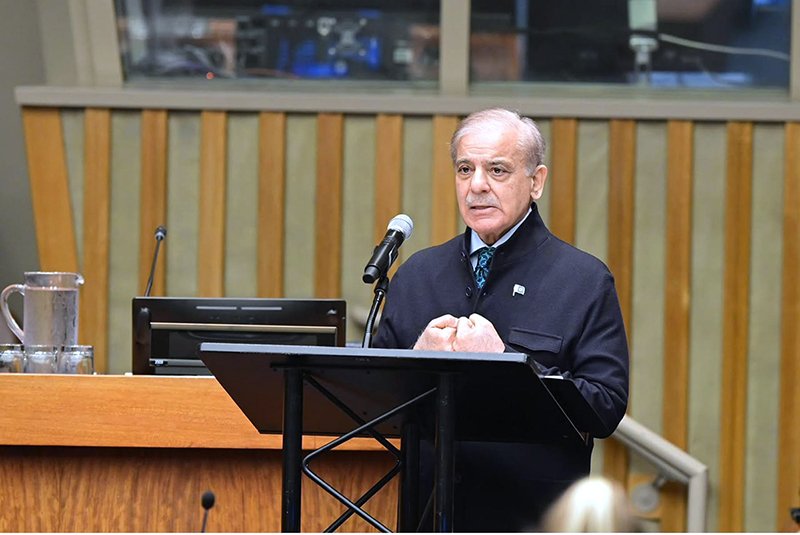
ISLAMABAD — Pakistan has taken a significant stride in sustainable finance with the Securities and Exchange Commission of Pakistan (SECP) unveiling the nation’s first Environmental, Social, and Governance (ESG) Mutual Funds Framework. Announced on Wednesday, this initiative marks Pakistan’s entry into the global sustainable investment market. What Happened The SECP’s newly introduced framework allows Asset Management Companies (AMCs) to establish ESG-focused mutual funds. This move aligns Pakistan’s capital market with international sustainable investment practices. According to a press release from the SECP, the framework is designed to foster responsible investment strategies that integrate financial returns with ethical business practices. Globally, the sustainable investment sector has seen rapid growth, with assets exceeding $16 trillion managed under such strategies. As global investors increasingly prioritize investments that not only promise financial returns but also adhere to responsible and ethical standards, regulators worldwide are developing frameworks to facilitate ESG investing. In Pakistan, this initiative is crucial given the country’s vulnerability to climate change. The framework aims to create a transparent regulatory environment for ESG-aligned collective investment schemes, thereby integrating Pakistan into the expanding global sustainable investment ecosystem. Equity-based ESG mutual funds under this framework will primarily invest in companies listed on the Pakistan Stock Exchange’s Sustainability Index and those complying with SECP’s ESG Disclosure Guidelines. Meanwhile, debt-based ESG mutual funds will focus on green, social, and sustainability-linked debt instruments, adhering to Pakistan’s Green Taxonomy and Sustainable Finance Framework. The framework mandates that ESG mutual funds invest at least 50 percent of their net assets in ESG-aligned investments. It also introduces governance, disclosure, and independent assurance requirements to prevent greenwashing and enhance transparency and accountability. Background The SECP’s ESG Mutual Funds Framework is part of a broader sustainability reform agenda. In recent years, the Commission has implemented several initiatives to bolster the sustainable finance ecosystem in Pakistan. These include ESG Disclosure Guidelines for listed companies, the adoption of IFRS Sustainability Disclosure Standards (IFRS S1 and S2), the launch of the ESG Sustain Platform, and the development of Pakistan’s Green Taxonomy. These reforms aim to strengthen Pakistan’s sustainable finance infrastructure, positioning the country’s capital market to attract responsible and long-term investments. The introduction of the ESG Mutual Funds Framework is a continuation of these efforts, reflecting a commitment to integrating sustainable practices into the financial sector. Why It Matters The launch of the ESG Mutual Funds Framework is a pivotal development for Pakistan’s financial sector. As one of the countries most vulnerable to climate change, Pakistan’s engagement with sustainable finance is vital for its economic resilience and environmental sustainability. By encouraging companies to adopt better environmental, social, and governance practices, the framework enhances their access to sustainable investment capital and promotes responsible corporate behavior. Economically, this framework could attract foreign investment by aligning Pakistan’s financial market with global ESG standards. It offers investors opportunities to engage in ethical investing, potentially increasing the inflow of capital into the country. This could lead to job creation, technological advancements, and overall economic growth. Socially, the framework promotes corporate responsibility and transparency, which can lead to improved corporate governance and ethical business practices. This can enhance public trust in the financial sector and contribute to social stability. Internationally, by adopting ESG standards, Pakistan positions itself as a responsible participant in the global financial community. This can improve the country’s international standing and foster stronger economic ties with other nations committed to sustainable development. Key Takeaways The SECP has launched Pakistan’s first ESG Mutual Funds Framework, marking a significant step towards sustainable finance. The framework aligns Pakistan’s capital market with global sustainable investment practices and aims to attract responsible and long-term investments. It mandates that ESG mutual funds invest at least 50 percent of their net assets in ESG-aligned investments. The initiative is crucial for Pakistan, one of the world’s most climate-vulnerable nations, and aims to enhance corporate responsibility and transparency. This framework is part of SECP’s broader sustainability reform agenda, which includes various initiatives to strengthen Pakistan’s sustainable finance ecosystem. Source Attribution This article is based on official government statements, press releases, and public communications from relevant authorities. Author: NEN Editorial Desk | Editor: NEN Newsroom | Fact Checked By: NEN Editorial Team Author: NEN Editorial Desk  |  Editor: NEN Newsroom  |  Last Updated: July 02, 2026  |  Source: Press Release from Government of Pakistan This article was produced by the NEN Editorial Desk in accordance with NEN Agency’s Editorial Policy and Fact-Checking Policy.
World

UN Warns Israeli Expansion in Gaza Threatens Civilians and Aid Efforts

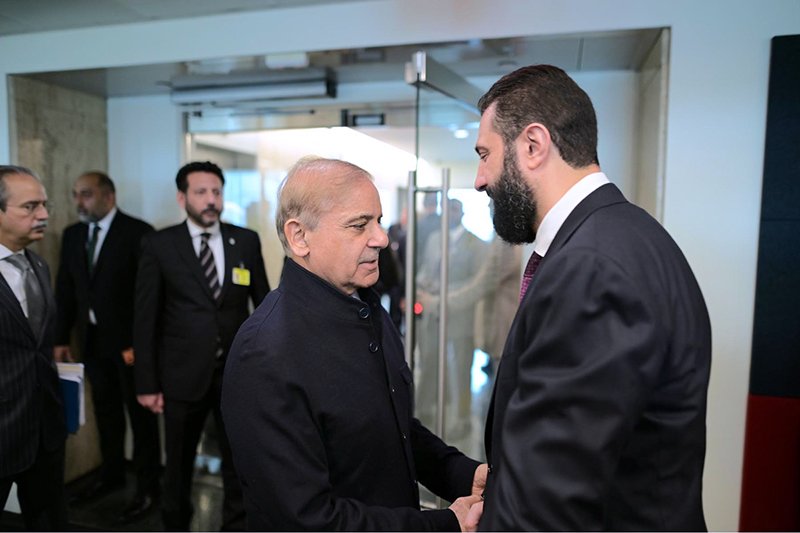
NEW YORK — The United Nations has issued a warning regarding the expansion of areas under Israeli control in Gaza, stating that it poses significant risks to civilians and hampers humanitarian relief efforts. This development follows the ceasefire agreement reached in October, which was intended to de-escalate tensions in the region. What Happened According to the United Nations and its humanitarian partners, the expansion of Israeli-controlled areas in Gaza has intensified since the ceasefire agreement was implemented. The UN highlighted that this expansion has exacerbated the vulnerability of civilians living in these areas, who are already facing dire conditions. The increased control has also restricted the movement of humanitarian aid, making it challenging for relief organizations to deliver essential supplies to those in need. In a statement released on Wednesday, the UN emphasized the urgent need for all parties involved to adhere to international humanitarian laws and ensure the protection of civilians. “The expansion of controlled areas not only endangers the lives of civilians but also severely limits the capacity of humanitarian agencies to operate effectively,” the statement read. The UN further reported that the ongoing expansion has led to the displacement of numerous families, adding to the already significant number of internally displaced persons in Gaza. This situation has placed additional strain on local resources and infrastructure, which are already overstretched due to the prolonged conflict. Background The ceasefire agreement reached in October was a pivotal moment aimed at halting the hostilities between Israel and Palestinian factions in Gaza. This agreement was brokered after a period of intense conflict that resulted in significant casualties and destruction on both sides. Historically, the region has been a flashpoint for conflict, with numerous ceasefires being brokered and subsequently broken over the years. Gaza, a densely populated area with a population of over two million people, has been under a blockade since 2007. This has severely impacted the region’s economy and infrastructure, leading to widespread poverty and unemployment. The humanitarian situation in Gaza has been a focal point for international organizations, which have repeatedly called for increased access to deliver aid and support to the affected population. Why It Matters The expansion of Israeli control in Gaza has significant implications for the region’s stability and the well-being of its inhabitants. For the civilian population, this expansion means increased insecurity and uncertainty about their future. The restriction of humanitarian aid exacerbates the already critical living conditions, potentially leading to a humanitarian crisis if not addressed promptly. From a geopolitical perspective, the continued expansion could further strain relations between Israel and Palestine, complicating efforts to achieve a long-term peace solution. The international community, including key stakeholders in the Middle East peace process, has expressed concern over these developments, urging both parties to engage in dialogue and uphold the terms of the ceasefire agreement. Economically, the restriction of aid and movement in Gaza could lead to further deterioration of the local economy, which is heavily reliant on external assistance. This could result in increased poverty levels and further destabilize the region, impacting not only Gaza but also neighboring areas. Key Takeaways The UN warns that Israeli expansion in Gaza endangers civilians and restricts humanitarian aid. Since the October ceasefire, Israeli-controlled areas in Gaza have increased, affecting civilian safety. The expansion has led to further displacement and strained local resources in Gaza. The situation poses risks to regional stability and complicates peace efforts between Israel and Palestine. International organizations call for adherence to humanitarian laws to protect civilians and aid operations. Source Attribution This article is based on official statements from the United Nations and public communications from relevant authorities. Author: NEN Editorial Desk | Editor: NEN Newsroom | Fact Checked By: NEN Editorial Team Author: NEN Editorial Desk  |  Editor: NEN Newsroom  |  Last Updated: July 02, 2026  |  Source: NEN Reporter This article was produced by the NEN Editorial Desk in accordance with NEN Agency’s Editorial Policy and Fact-Checking Policy.
Pakistan

Magnitude 5.3 Earthquake Shakes Khyber Pakhtunkhwa, No Damage Reported

PESHAWAR — Tremors from a 5.3 magnitude earthquake were felt across several cities in Khyber Pakhtunkhwa on Wednesday evening, causing panic among residents. The seismic event, originating from the Hindu Kush region of Afghanistan, was recorded at a depth of 174 kilometres. What Happened On Wednesday evening, residents in various cities of Khyber Pakhtunkhwa, including Peshawar, Swat, Shangla, Buner, and Lower Dir, experienced tremors from a 5.3 magnitude earthquake. The seismic activity led to a wave of panic among the population, although no immediate reports of casualties or property damage were confirmed. Seismic monitoring authorities pinpointed the earthquake’s epicentre in the Hindu Kush region of Afghanistan, a common source of seismic activity affecting northern Pakistan. The earthquake struck at a significant depth of 174 kilometres, which often results in widespread but less intense surface shaking. This geological characteristic is typical of the Hindu Kush region, known for its frequent deep-seated earthquakes due to the complex tectonic interactions between the Eurasian and Indian plates. Local authorities responded promptly, assessing the situation and ensuring public safety. Emergency services were on alert, although the absence of immediate damage reports suggested that the infrastructure in the affected areas remained intact. Residents were advised to remain calm and to follow safety protocols in the event of aftershocks. Background The Hindu Kush region is a well-known seismic zone, frequently experiencing earthquakes due to its location at the convergence of the Eurasian and Indian tectonic plates. This area has historically been the epicentre of numerous earthquakes that have been felt across northern Pakistan. The depth and magnitude of these earthquakes can vary, but deep earthquakes like the recent one tend to cause less surface damage despite being felt over a wide area. In the past, significant earthquakes originating from this region have caused considerable damage and loss of life in Pakistan, particularly when they occur at shallower depths. The region’s geological conditions make it susceptible to seismic activity, necessitating constant vigilance and preparedness from both authorities and residents. Why It Matters Earthquakes in the Hindu Kush region hold significant implications for Pakistan, particularly in terms of disaster preparedness and infrastructure resilience. While the recent tremors did not result in casualties or damage, they serve as a reminder of the region’s vulnerability to seismic events. The ability of local infrastructure to withstand such events without damage is crucial for ensuring public safety and maintaining economic stability. Furthermore, the psychological impact on residents cannot be underestimated. Frequent tremors contribute to a heightened sense of anxiety and urgency regarding disaster preparedness. It underscores the importance of effective communication and education on earthquake safety measures and protocols. Economically, the resilience of infrastructure in the face of seismic events is vital for the continuity of business operations and the protection of investments. Ensuring that buildings and critical infrastructure are constructed to withstand earthquakes is essential for minimizing economic disruptions. On an international level, Pakistan’s ability to manage and respond to natural disasters is closely watched by global partners and organizations involved in humanitarian aid and disaster relief. Effective management of such events could enhance Pakistan’s reputation for resilience and preparedness. Key Takeaways A 5.3 magnitude earthquake was felt across multiple cities in Khyber Pakhtunkhwa, originating from the Hindu Kush region. The earthquake was recorded at a depth of 174 kilometres, resulting in widespread but mild tremors. No immediate reports of casualties or property damage were received, indicating resilient infrastructure. The event highlights the ongoing seismic vulnerability of the region and the importance of disaster preparedness. Effective response and communication are crucial for managing public anxiety and ensuring safety. Source Attribution This article is based on official government statements, press releases, and public communications from relevant authorities. Author: NEN Editorial Desk | Editor: NEN Newsroom | Fact Checked By: NEN Editorial Team Author: NEN Editorial Desk  |  Editor: NEN Newsroom  |  Last Updated: July 02, 2026  |  Source: NEN Reporter This article was produced by the NEN Editorial Desk in accordance with NEN Agency’s Editorial Policy and Fact-Checking Policy.

Pakistan

BSDI Projects Near Completion in Kalat, Says Deputy Commissioner

QUETTA — Deputy Commissioner Kalat Munir Ahmed Durrani announced on Wednesday that the Balochistan Sustainable Development Initiatives (BSDI) projects are nearing successful completion in the Kalat district, particularly in Khaliqabad. These projects, under the leadership of Chief Minister Balochistan Sarfraz Bugti, aim to enhance the infrastructure and socio-economic conditions of the area. What Happened During a press briefing, Deputy Commissioner Munir Ahmed Durrani highlighted the progress of the BSDI projects in Kalat. He stated, “Under the determined leadership and vision of Chief Minister Balochistan Sarfraz Bugti, BSDI schemes are in the process of being successfully completed in Kalat Khaliqabad.” These initiatives are part of a broader effort to improve the living standards of the local community by providing essential infrastructure and services. The BSDI projects encompass a range of development activities, including road construction, water supply systems, and educational facilities. The Deputy Commissioner emphasized that these projects are designed to address the immediate needs of the local population and to lay the groundwork for long-term economic growth. The completion of these projects is expected to provide significant benefits to the residents of Kalat by improving access to basic services and enhancing economic opportunities. Local officials and community leaders have expressed their support for the initiatives, noting the positive impact on the region’s development. The projects are expected to be completed within the next few months, with ongoing monitoring and evaluation to ensure their success and sustainability. Background The Balochistan Sustainable Development Initiatives (BSDI) were launched as part of the provincial government’s strategy to address the socio-economic challenges faced by the region. Balochistan, being the largest province in Pakistan by area, has historically lagged in terms of infrastructure development and access to essential services. The BSDI aims to bridge this gap by implementing targeted projects that focus on infrastructure, education, health, and economic development. Chief Minister Sarfraz Bugti has prioritized these initiatives as part of his administration’s commitment to improving the quality of life for the people of Balochistan. The government has allocated significant resources to ensure the successful implementation of these projects, with a focus on transparency and accountability. Why It Matters The completion of the BSDI projects in Kalat is significant for several reasons. Economically, these projects are expected to boost local development by improving infrastructure, which is crucial for attracting investment and facilitating trade. Improved roads and transportation networks will enhance connectivity, making it easier for goods and services to reach remote areas. Socially, the projects aim to improve access to essential services such as education and healthcare, which are vital for the well-being of the community. The establishment of new schools and healthcare facilities will provide much-needed support to the local population, particularly in rural areas where access to such services is limited. Politically, the successful completion of these projects demonstrates the provincial government’s commitment to addressing the needs of its citizens. It reflects a strategic shift towards inclusive development, which is essential for maintaining social stability and fostering trust between the government and the people. On an international level, these initiatives showcase Pakistan’s efforts to promote sustainable development in its less developed regions, aligning with global development goals. The BSDI projects in Kalat are a testament to the country’s dedication to improving the quality of life for all its citizens, regardless of geographic location. Key Takeaways BSDI projects in Kalat are nearing completion, focusing on infrastructure and socio-economic development. The initiatives are part of Balochistan’s strategy to improve living standards and promote sustainable growth. Key areas of development include road construction, water supply, and educational facilities. The projects aim to enhance economic opportunities and access to essential services for the local community. The success of these initiatives highlights the provincial government’s commitment to inclusive development. Source Attribution This article is based on official government statements and public communications from relevant authorities. Author: NEN Editorial Desk | Editor: NEN Newsroom | Fact Checked By: NEN Editorial Team Author: NEN Editorial Desk  |  Editor: NEN Newsroom  |  Last Updated: July 01, 2026  |  Source: NEN Reporter This article was produced by the NEN Editorial Desk in accordance with NEN Agency’s Editorial Policy and Fact-Checking Policy.

Pakistan

Consul General Hussain Muhammad Attends ELPS Champion Ceremony in Dubai

ISLAMABAD — Consul General of Pakistan Hussain Muhammad participated as the Chief Guest in the World Champion Recognition Ceremony at the English Language Private School (ELPS) in Dubai on Wednesday. The event celebrated the achievements of students in the CENTURY Tech Challenge 2026. What Happened The ceremony, held at ELPS in Dubai, was organized to honor the students who excelled in the CENTURY Tech Challenge 2026. Consul General Hussain Muhammad, representing Pakistan, attended as the Chief Guest, highlighting the importance of educational achievements and international collaboration in education. The CENTURY Tech Challenge is a prestigious competition that tests students’ skills in various technological and educational disciplines, aiming to foster innovation and excellence among young learners. During the event, the Consul General praised the students for their hard work and dedication. He stated, “The achievements of these young champions are a testament to their commitment to learning and innovation. It is encouraging to see such talent being nurtured and recognized on an international platform.” The ceremony included a series of presentations by the students, showcasing their projects and the skills they developed during the challenge. The event also featured speeches from educators and officials who emphasized the role of technology in modern education and the importance of preparing students for future challenges. The Consul General’s presence underscored Pakistan’s commitment to supporting educational initiatives and fostering international educational exchanges. Background The CENTURY Tech Challenge is an annual event that brings together students from various schools to compete in technology-driven projects. It aims to enhance students’ problem-solving skills and encourage them to apply their knowledge in real-world scenarios. The English Language Private School in Dubai has been participating in this challenge for several years, consistently achieving high rankings and recognition for its students. Pakistan’s involvement in such international educational events reflects the country’s focus on improving its educational standards and integrating technology into its curriculum. The participation of Pakistani officials in these events highlights the importance placed on global educational partnerships and the exchange of knowledge and expertise. Why It Matters The participation of Consul General Hussain Muhammad in the ELPS World Champion Recognition Ceremony signifies Pakistan’s ongoing efforts to strengthen its ties with the international educational community. By supporting such events, Pakistan demonstrates its commitment to fostering innovation and excellence among its youth, which is crucial for the country’s socio-economic development. Education is a key driver of economic growth and social progress, and initiatives like the CENTURY Tech Challenge play a vital role in equipping students with the skills needed to succeed in a rapidly changing world. By engaging with international educational programs, Pakistan can benefit from the exchange of ideas and best practices, ultimately enhancing the quality of education within the country. Furthermore, the recognition of Pakistani students on international platforms boosts the country’s image and showcases its potential to contribute to global innovation and technological advancement. This can lead to increased opportunities for collaboration and investment in Pakistan’s educational sector, benefiting students and educators alike. Key Takeaways Consul General Hussain Muhammad attended the ELPS World Champion Recognition Ceremony in Dubai as the Chief Guest. The event celebrated students’ achievements in the CENTURY Tech Challenge 2026, highlighting their skills in technology and innovation. The ceremony underscored the importance of international educational collaboration and the role of technology in modern education. Pakistan’s participation in such events reflects its commitment to enhancing educational standards and fostering global partnerships. Recognizing Pakistani students on international platforms boosts the country’s image and promotes further educational collaboration. Source Attribution This article is based on official government statements, press releases, and public communications from relevant authorities. Author: NEN Editorial Desk | Editor: NEN Newsroom | Fact Checked By: NEN Editorial Team Author: NEN Editorial Desk  |  Editor: NEN Newsroom  |  Last Updated: July 01, 2026  |  Source: NEN Reporter This article was produced by the NEN Editorial Desk in accordance with NEN Agency’s Editorial Policy and Fact-Checking Policy.

Scroll to Top