

2026

World

Pakistan Releases Latest Foreign Exchange Rates for July 2026

KARACHI — The Exchange Rates Committee of the Financial Markets Association of Pakistan released the latest foreign exchange rates bulletin on Thursday, detailing conversion rates applicable for July 2, 2026. This update provides critical insights into the current financial landscape and aids in economic planning and transactions. What Happened The bulletin issued by the Exchange Rates Committee outlines the conversion rates for various foreign currencies applicable for forward cover and deposits, excluding FE-25 deposits. The State Bank of Pakistan (SBP) has set the settlement value date for these rates as July 6, 2026. The exchange rate for the US Dollar (USD) is set at 278.1227 Pakistani Rupees, while the British Pound (GBP) stands at 367.9007 Rupees. The Euro (EUR) is valued at 316.8652 Rupees, and the Japanese Yen (JPY) is listed at 1.7136 Rupees. These rates are crucial for businesses, investors, and policymakers as they navigate the complexities of international trade and finance. The rates are determined based on various economic indicators and market conditions, reflecting the current state of the global and local economy. Background Foreign exchange rates are a vital component of the financial system, influencing trade balances, inflation, and economic growth. In Pakistan, the Exchange Rates Committee of the Financial Markets Association plays a pivotal role in setting these rates, ensuring they reflect the prevailing economic conditions and market trends. Historically, Pakistan’s foreign exchange rates have been influenced by factors such as trade deficits, foreign investments, and remittances from overseas Pakistanis. The State Bank of Pakistan regularly intervenes in the foreign exchange market to stabilize the currency and manage inflation. The central bank’s policies, along with global economic trends, significantly impact the exchange rates. In recent years, fluctuations in oil prices and geopolitical tensions have also played a role in shaping the foreign exchange landscape in Pakistan. Why It Matters The release of the latest foreign exchange rates is significant for several reasons. Firstly, it impacts the cost of imports and exports, directly affecting the trade balance. A higher exchange rate for the US Dollar, for instance, makes imports more expensive, which can lead to increased prices for goods and services within the country. Conversely, it can make Pakistani exports more competitive in international markets. For businesses engaged in international trade, these rates are critical for financial planning and risk management. Companies must hedge against currency fluctuations to protect their profit margins. This is particularly important for importers and exporters who deal with long-term contracts and need to predict future costs and revenues accurately. On a macroeconomic level, foreign exchange rates influence inflation and interest rates. A weaker Rupee can lead to higher inflation as the cost of imported goods rises. This, in turn, can prompt the central bank to adjust interest rates to control inflationary pressures, affecting borrowing costs for businesses and consumers. Moreover, the exchange rates are a barometer of the country’s economic health and investor confidence. A stable and strong currency can attract foreign investment, boosting economic growth and job creation. Conversely, a volatile currency can deter investment and lead to economic instability. Key Takeaways The Exchange Rates Committee released the latest foreign exchange rates for July 2, 2026. The US Dollar is valued at 278.1227 Rupees, and the British Pound at 367.9007 Rupees. The State Bank of Pakistan has set the settlement value date as July 6, 2026. Exchange rates impact trade balances, inflation, and economic growth. Stable exchange rates can attract foreign investment and boost economic stability. Source Attribution This article is based on official government statements, press releases, and public communications from relevant authorities. Author: NEN Editorial Desk | Editor: NEN Newsroom | Fact Checked By: NEN Editorial Team Author: NEN Editorial Desk  |  Editor: NEN Newsroom  |  Last Updated: July 02, 2026  |  Source: NEN Reporter This article was produced by the NEN Editorial Desk in accordance with NEN Agency’s Editorial Policy and Fact-Checking Policy.


Pakistan

Pakistan’s Raw Cotton Exports Surge by 199% in Eleven Months

ISLAMABAD — Pakistan’s raw cotton exports experienced a significant increase of 199.20% during the first eleven months of the current financial year, according to data from the Pakistan Bureau of Statistics. From July 2026 to May 2027, the country exported approximately 1,550 metric tons of raw cotton, valued at $2.606 million, compared to 433 metric tons worth $0.871 million during the same period last year. What Happened The substantial growth in raw cotton exports is a notable development in Pakistan’s agricultural sector. The data reveals that the export volume rose to 1,550 metric tons, marking a 199.20% increase in comparison to the previous year’s figures. This surge in exports was valued at $2.606 million, a significant rise from the $0.871 million recorded in the same timeframe last year. In addition to raw cotton, Pakistan also saw an increase in cotton yarn exports. The country exported about 284,150 metric tons of cotton yarn, earning $701.096 million, which represents a 13.35% increase from the previous year’s exports of 230,941 metric tons valued at $618.353 million. On the import side, agricultural machinery and implements saw a 24.76% increase, with imports valued at $123.781 million compared to $99.214 million in the previous year. Agricultural chemicals imports grew by 4.92%, totaling $9.336 billion, up from $8.898 billion. Fertilizer imports reached 939,261 metric tons valued at $539.675 million, a slight increase from 929,474 metric tons costing $576.116 million last year. However, the import of manufactured fertilizers decreased by 6.33%. Conversely, insecticide imports rose by 31.71%, with 41,798 metric tons valued at $188.892 million imported, up from 29,496 metric tons worth $143.417 million. Plastic materials imports also increased, with 2.189 million metric tons valued at $2.561 billion imported, compared to 1.967 million metric tons valued at $2.455 billion in the previous year. Background Pakistan’s agricultural sector plays a crucial role in its economy, with cotton being one of the major crops. Historically, the country has been a significant player in the global cotton market. However, fluctuations in production and export volumes have been influenced by various factors, including weather conditions, pest infestations, and global market dynamics. The government has been focusing on enhancing agricultural productivity and export potential through various initiatives and policies aimed at supporting farmers and improving infrastructure. The increase in raw cotton exports is indicative of these efforts bearing fruit. Why It Matters The surge in raw cotton exports is significant for Pakistan’s economy as it contributes to foreign exchange earnings and supports the livelihoods of millions involved in the agriculture sector. The increase in cotton yarn exports further underscores the potential for value addition in the textile industry, which is a major contributor to the country’s GDP. Economically, the growth in exports helps in balancing trade deficits and strengthens the national currency. Socially, it provides employment opportunities and enhances the income levels of those involved in the agricultural supply chain. On an international level, Pakistan’s increased presence in the cotton export market can improve trade relations and open up new markets for other agricultural and industrial products. This development also aligns with the government’s broader economic goals of boosting exports and achieving sustainable economic growth. Key Takeaways Raw cotton exports from Pakistan increased by 199.20% over the past eleven months. Cotton yarn exports also rose by 13.35%, highlighting growth in the textile sector. Imports of agricultural machinery and chemicals saw significant increases. Fertilizer imports increased slightly, while insecticide imports rose by 31.71%. Plastic material imports grew, indicating rising demand in related industries. Source Attribution This article is based on official government statements, press releases, and public communications from relevant authorities. Author: NEN Editorial Desk | Editor: NEN Newsroom | Fact Checked By: NEN Editorial Team Author: NEN Editorial Desk  |  Editor: NEN Newsroom  |  Last Updated: July 02, 2026  |  Source: NEN Reporter This article was produced by the NEN Editorial Desk in accordance with NEN Agency’s Editorial Policy and Fact-Checking Policy.
Pakistan

ANP Demands Comprehensive Audit of Khyber Pakhtunkhwa Government

PESHAWAR — The Awami National Party (ANP) has officially called for a thorough audit of the Khyber Pakhtunkhwa (KP) Government’s financial and administrative operations. On July 2, Arbab Muhammad Usman Khan, a member of the Khyber Pakhtunkhwa Assembly representing the ANP, penned a formal letter to the Auditor General of Pakistan, urging an examination of the provincial government’s dealings. What Happened Arbab Muhammad Usman Khan’s letter to the Auditor General of Pakistan represents a significant move by the ANP to scrutinize the KP Government’s management of resources. The letter, sent on behalf of the party, seeks an in-depth review of both financial transactions and administrative procedures within the current provincial administration. According to ANP sources, the demand for an audit is driven by concerns over transparency and accountability in the government’s operations. In the letter, Khan emphasized the necessity of ensuring that public funds are utilized effectively and that administrative processes adhere to established legal and ethical standards. The ANP’s request underscores a growing demand for transparency in governmental affairs, particularly in regions where political and economic challenges are prevalent. The letter has sparked discussions within political circles about the implications of such an audit. It raises questions about the potential findings and their impact on the credibility of the current KP Government. While the ANP has not disclosed specific allegations, the call for an audit suggests a lack of confidence in the current administration’s ability to manage public resources efficiently. Background The demand for an audit comes at a time when the KP Government has been under scrutiny for its handling of various projects and public funds. Historically, the province has faced challenges related to governance and resource allocation. Previous administrations have also been criticized for their financial management, leading to calls for greater oversight and accountability. The ANP, a significant political force in the region, has often positioned itself as a proponent of transparency and good governance. The party’s latest move aligns with its broader agenda of advocating for accountability in public office. This is not the first time the ANP has raised concerns about the provincial government’s operations, having previously highlighted issues related to development projects and budget allocations. Why It Matters The call for a comprehensive audit of the KP Government holds substantial significance for several reasons. Economically, the audit could reveal inefficiencies or mismanagement of funds that, if addressed, could improve public service delivery and development outcomes in the province. Such findings could also influence future budgetary allocations and policy decisions, potentially leading to more equitable resource distribution. Politically, the audit represents a challenge to the current administration’s credibility. If the audit uncovers significant discrepancies or irregularities, it could weaken the government’s standing and bolster the opposition’s position in the province. This could have ramifications for upcoming elections, influencing voter perceptions and party dynamics. On a broader scale, the demand for an audit reflects a growing trend of political actors advocating for transparency and accountability in governance. This aligns with international norms and expectations, as citizens increasingly demand greater oversight of public officials and institutions. For Pakistan, enhancing transparency in provincial governance could improve its international standing and attract foreign investment by demonstrating a commitment to good governance practices. Key Takeaways The ANP has called for a comprehensive audit of the KP Government’s financial and administrative operations. The demand highlights concerns over transparency and accountability in the provincial administration. The audit could have significant economic and political implications for the KP Government. This move aligns with broader trends advocating for transparency and good governance. The outcome of the audit could influence future elections and policy decisions in the province. Source Attribution This article is based on official government statements, press releases, and public communications from relevant authorities. Author: NEN Editorial Desk | Editor: NEN Newsroom | Fact Checked By: NEN Editorial Team Author: NEN Editorial Desk  |  Editor: NEN Newsroom  |  Last Updated: July 02, 2026  |  Source: NEN Reporter This article was produced by the NEN Editorial Desk in accordance with NEN Agency’s Editorial Policy and Fact-Checking Policy.
Pakistan

Government Prepares for Observance of Kashmir Exploitation Day on August 5

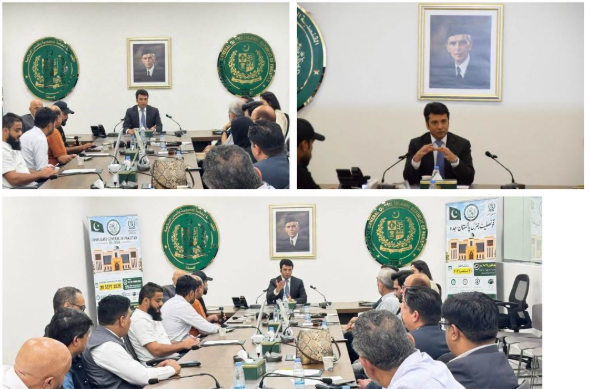
ISLAMABAD — The Government of Pakistan has initiated preparations for the observance of Kashmir Exploitation Day, set to be commemorated on August 5, 2026. A high-level meeting was convened on Thursday, chaired by Kamran Rehman Khan, Secretary of the Ministry of Kashmir Affairs, Gilgit-Baltistan, and SAFRON, to review and finalize the plans for nationwide events marking the occasion. What Happened The meeting, held in Islamabad, focused on organizing a series of events designed to highlight the ongoing issues in Indian-administered Kashmir. Secretary Kamran Rehman Khan emphasized the importance of the day in drawing international attention to the human rights violations and political challenges faced by the Kashmiri people. The meeting was attended by senior officials from various ministries and departments, who discussed logistical arrangements and the coordination needed to ensure successful observance across the country. According to the Ministry of Kashmir Affairs, the events will include seminars, rallies, and media campaigns aimed at raising awareness about the situation in Kashmir. The Secretary stated, “The government is committed to supporting the Kashmiri people in their struggle for self-determination and will continue to highlight their plight on all international forums.” Participants in the meeting also reviewed the communication strategy to engage with international media and human rights organizations. The aim is to amplify the voices of Kashmiris and garner global support for their cause. The Ministry plans to involve civil society organizations, educational institutions, and the diaspora community in the observance activities. Background Kashmir Exploitation Day was first observed on August 5, 2020, marking the first anniversary of India’s abrogation of Article 370 of its constitution, which revoked the special status of Jammu and Kashmir. The move by the Indian government was met with widespread protests and criticism from Pakistan and other countries, who viewed it as a violation of international law and the rights of the Kashmiri people. Since the revocation, the region has experienced increased military presence and restrictions on civil liberties, leading to heightened tensions between India and Pakistan. Pakistan has consistently raised the issue at international platforms, including the United Nations, calling for a peaceful resolution in accordance with UN resolutions. Why It Matters The observance of Kashmir Exploitation Day is significant for several reasons. Firstly, it serves as a reminder of the unresolved Kashmir conflict, which has been a point of contention between India and Pakistan since their independence in 1947. The day aims to keep the international community engaged with the issue, emphasizing the need for a just and peaceful resolution. Economically, the ongoing conflict has hindered development in the region, affecting trade and investment opportunities. The instability has also strained relations between the two nuclear-armed neighbors, impacting regional security and economic cooperation in South Asia. Socially, the observance highlights the human rights concerns in Kashmir, where reports of arbitrary detentions, communication blackouts, and restrictions on freedom of expression have been prevalent. By bringing these issues to the forefront, Pakistan seeks to advocate for the rights and freedoms of the Kashmiri people. Internationally, the day provides an opportunity for Pakistan to strengthen diplomatic ties with countries sympathetic to the Kashmiri cause. It also serves as a platform to counter India’s narrative and assert Pakistan’s stance on the issue. Key Takeaways Pakistan is preparing for the observance of Kashmir Exploitation Day on August 5, 2026. The day marks the anniversary of India’s abrogation of Article 370, affecting Jammu and Kashmir’s special status. Events will include seminars, rallies, and media campaigns to raise awareness about the Kashmir issue. The observance aims to draw international attention to human rights violations in Kashmir. Pakistan seeks to engage the international community for a peaceful resolution to the Kashmir conflict. Source Attribution This article is based on official government statements, press releases, and public communications from relevant authorities. Author: NEN Editorial Desk | Editor: NEN Newsroom | Fact Checked By: NEN Editorial Team Author: NEN Editorial Desk  |  Editor: NEN Newsroom  |  Last Updated: July 02, 2026  |  Source: NEN Reporter This article was produced by the NEN Editorial Desk in accordance with NEN Agency’s Editorial Policy and Fact-Checking Policy.
Pakistan

Monsoon Rains Claim Seven Lives, Injure 19 in Khyber Pakhtunkhwa

ISLAMABAD — Torrential monsoon rains accompanied by strong winds and flash floods have wreaked havoc in Khyber Pakhtunkhwa over the past 48 hours, resulting in the deaths of seven individuals and injuries to 19 others, as reported by the Provincial Disaster Management Authority (PDMA) on Thursday. What Happened The recent spell of monsoon rains has unleashed severe weather conditions across Khyber Pakhtunkhwa, causing significant destruction. The PDMA confirmed that seven people lost their lives due to incidents directly linked to the adverse weather, while 19 others sustained injuries. The affected areas have been grappling with flash floods and strong winds, which have compounded the damage. According to the PDMA, the torrential rains have led to the collapse of several houses, uprooting of trees, and blocking of roads, thereby disrupting daily life. Rescue operations are underway, with emergency services working tirelessly to assist those affected. The PDMA has been coordinating with local authorities to ensure the timely delivery of aid and support to the impacted regions. In addition to the loss of life and injuries, the monsoon rains have also resulted in significant property damage. The PDMA has urged residents in vulnerable areas to take precautionary measures and remain vigilant as weather forecasts predict continued rainfall in the coming days. Background Khyber Pakhtunkhwa, a province in northern Pakistan, is no stranger to the challenges posed by monsoon rains. The region frequently experiences heavy rainfall during the monsoon season, which typically lasts from June to September. In previous years, monsoon rains have led to severe flooding, landslides, and infrastructure damage across the province. The PDMA, established to manage and mitigate disaster risks, plays a crucial role in coordinating response efforts and ensuring the safety of residents during such natural calamities. The authority regularly issues warnings and advisories to the public, urging them to take necessary precautions during periods of extreme weather. Why It Matters The impact of the monsoon rains in Khyber Pakhtunkhwa extends beyond the immediate loss of life and property damage. The recurring nature of such events highlights the need for improved infrastructure and disaster preparedness in the region. The provincial government, along with national authorities, faces the ongoing challenge of enhancing resilience against natural disasters. Economically, the destruction caused by the monsoon rains can have far-reaching effects on local communities. Damage to homes and infrastructure not only disrupts daily life but also imposes financial burdens on affected families. The agricultural sector, a significant contributor to the region’s economy, often suffers losses due to flooding and waterlogging, impacting food security and livelihoods. Socially, the aftermath of such disasters can lead to displacement and increased vulnerability among affected populations. Ensuring timely relief and rehabilitation efforts is crucial to mitigate the long-term impact on communities. The government and humanitarian organizations must work collaboratively to provide support and rebuild affected areas. On a broader scale, the recurring monsoon-related challenges in Khyber Pakhtunkhwa underscore the importance of addressing climate change and its impact on weather patterns. As Pakistan continues to grapple with the effects of climate change, enhancing disaster preparedness and resilience becomes imperative to safeguard lives and livelihoods. Key Takeaways Monsoon rains in Khyber Pakhtunkhwa have resulted in seven deaths and 19 injuries over the past 48 hours. The Provincial Disaster Management Authority is actively coordinating rescue and relief efforts in affected areas. Significant property damage has occurred, with houses collapsing and roads blocked due to flash floods and strong winds. The recurring nature of monsoon-related disasters highlights the need for improved infrastructure and disaster preparedness in the region. Addressing climate change and enhancing resilience against natural disasters are crucial for safeguarding communities in Pakistan. Source Attribution This article is based on official government statements, press releases, and public communications from relevant authorities. Author: NEN Editorial Desk | Editor: NEN Newsroom | Fact Checked By: NEN Editorial Team Author: NEN Editorial Desk  |  Editor: NEN Newsroom  |  Last Updated: July 02, 2026  |  Source: NEN Reporter This article was produced by the NEN Editorial Desk in accordance with NEN Agency’s Editorial Policy and Fact-Checking Policy.

Pakistan

Punjab Government Launches E-Procurement System to Enhance Transparency

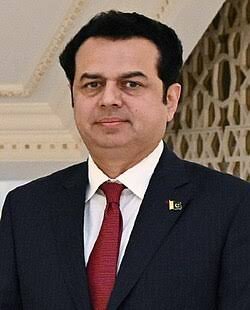
LAHORE — The Punjab government has officially launched an advanced e-procurement system aimed at bolstering transparency and digital governance across the province. This initiative, announced on Thursday, mandates all government departments to transition their public procurement processes to the new online platform, in alignment with the Chief Minister’s vision for modernizing governance. What Happened The Punjab government, under the leadership of Chief Minister Mohsin Naqvi, has introduced a comprehensive e-procurement system designed to streamline and digitize the procurement processes of all provincial government departments. This system is part of a broader strategy to enhance efficiency, reduce corruption, and improve transparency in government dealings. The e-procurement platform will serve as a centralized digital hub where all procurement activities, including tendering, bidding, and contract management, will be conducted online. The government has directed all departments to fully integrate their procurement processes with this new system by the end of the current fiscal year. According to a statement from the Punjab Information Technology Board (PITB), the e-procurement system will not only make the procurement process more transparent but also ensure that all transactions are traceable and auditable. “This platform will significantly reduce the chances of malpractices and enhance public trust in government operations,” said a PITB spokesperson. The system is expected to bring about cost savings by reducing paperwork, minimizing the time required for procurement processes, and eliminating the need for physical submissions of bids and tenders. It will also provide a level playing field for all vendors by ensuring that procurement opportunities are accessible to a wider audience. Background The introduction of the e-procurement system is part of a series of reforms initiated by the Punjab government to promote digital governance. In recent years, the province has made significant strides in adopting technology-driven solutions to improve service delivery and governance. The Punjab Information Technology Board has been at the forefront of these efforts, developing various e-governance platforms that have been implemented across different sectors. Historically, public procurement in Pakistan has been plagued by inefficiencies and allegations of corruption. Traditional paper-based procurement processes have often been criticized for their lack of transparency and accountability. The move towards digital procurement is seen as a crucial step in addressing these issues and aligning with international best practices. Why It Matters The implementation of the e-procurement system is expected to have far-reaching implications for governance in Punjab. By digitizing procurement processes, the government aims to create a more transparent and accountable system that can withstand scrutiny and foster public confidence. Economically, the new system is likely to result in significant cost savings for the government. By reducing the reliance on paper-based processes and streamlining procurement activities, the government can allocate resources more efficiently and effectively. This could lead to better utilization of public funds and improved service delivery to citizens. Socially, the e-procurement system is poised to enhance public trust in government operations. By ensuring that procurement processes are conducted transparently and fairly, the government can mitigate concerns about corruption and favoritism, which have historically undermined public confidence. On an international level, the adoption of digital procurement practices aligns Punjab with global standards, potentially attracting foreign investment and partnerships. As international organizations and investors increasingly prioritize transparency and accountability, Punjab’s commitment to digital governance could enhance its reputation as a forward-thinking and reliable partner. Key Takeaways The Punjab government has launched an e-procurement system to improve transparency and efficiency. All government departments are required to adopt the new system by the end of the fiscal year. The system is expected to reduce corruption and enhance public trust in government operations. Economic benefits include cost savings and more efficient resource allocation. The initiative aligns Punjab with international best practices in digital governance. Source Attribution This article is based on official government statements, press releases, and public communications from relevant authorities. Author: NEN Editorial Desk | Editor: NEN Newsroom | Fact Checked By: NEN Editorial Team Author: NEN Editorial Desk  |  Editor: NEN Newsroom  |  Last Updated: July 02, 2026  |  Source: NEN Reporter This article was produced by the NEN Editorial Desk in accordance with NEN Agency’s Editorial Policy and Fact-Checking Policy.
Pakistan

Iqra University Fashion Thesis Display Highlights Innovation and Creativity

ISLAMABAD — The Department of Fashion Design at Iqra University Islamabad Campus H-9 recently held its annual Fashion Thesis Display, showcasing the innovative and creative talents of its graduating students. The event, which took place on campus, served as a platform for students to present their final projects, reflecting their technical skills and creative visions. What Happened The Fashion Thesis Display at Iqra University is an eagerly anticipated event that highlights the culmination of years of hard work by the fashion design students. This year’s showcase featured a diverse range of collections that demonstrated the students’ ability to blend traditional craftsmanship with modern design techniques. Each collection was unique, reflecting the individual student’s perspective and creativity. Attendees at the event included industry professionals, faculty members, and family and friends of the students. The display offered an opportunity for students to receive feedback from industry experts, which is invaluable as they prepare to enter the competitive world of fashion design. The collections were evaluated on various criteria, including originality, technical execution, and marketability. One of the standout collections was by a student who integrated sustainable materials into her designs, emphasizing the growing trend of eco-friendly fashion. Another collection drew inspiration from traditional Pakistani textiles, reimagining them in contemporary silhouettes. The diversity of themes and execution underscored the broad range of skills and interests among the students. Background Iqra University has long been recognized for its strong emphasis on practical and industry-oriented education, particularly in the field of fashion design. The university’s fashion design program is designed to equip students with both the creative and technical skills needed to succeed in the fashion industry. The annual thesis display is a key component of the program, providing students with a platform to showcase their work to a wider audience. The fashion industry in Pakistan has been growing steadily, with increasing recognition on both national and international stages. Events like the Fashion Thesis Display play a crucial role in nurturing new talent and providing them with the exposure needed to launch successful careers. Why It Matters The Fashion Thesis Display at Iqra University is more than just an academic exercise; it is a significant event for the fashion industry in Pakistan. By showcasing the work of emerging designers, the event helps to introduce fresh talent to the industry, which is essential for its continued growth and innovation. The emphasis on creativity and innovation at the display reflects broader trends in the global fashion industry, where there is a growing demand for unique, sustainable, and culturally relevant designs. As Pakistani designers gain more visibility on the international stage, events like these help to position Pakistan as a hub for fashion innovation. For the students, the display represents a critical stepping stone in their careers. It provides them with the opportunity to network with industry professionals, receive constructive feedback, and potentially secure job offers or internships. The experience gained through such events is invaluable, helping to bridge the gap between academic learning and professional practice. Key Takeaways The Fashion Thesis Display at Iqra University showcased the creativity and technical skills of graduating students. Collections featured a range of themes, including sustainable fashion and traditional Pakistani textiles. The event plays a vital role in introducing new talent to the fashion industry in Pakistan. Students gain valuable exposure and feedback from industry professionals, aiding their career development. The event reflects broader trends in the global fashion industry towards innovation and sustainability. Source Attribution This article is based on official statements and public communications from Iqra University and relevant authorities. Author: NEN Editorial Desk | Editor: NEN Newsroom | Fact Checked By: NEN Editorial Team Author: NEN Editorial Desk  |  Editor: NEN Newsroom  |  Last Updated: July 02, 2026  |  Source: NEN Reporter This article was produced by the NEN Editorial Desk in accordance with NEN Agency’s Editorial Policy and Fact-Checking Policy.

Pakistan

Gold Prices Increase by Rs9,100 Per Tola in Pakistan

ISLAMABAD — The price of gold in Pakistan’s local market surged by Rs9,100 per tola on Thursday, reaching a new rate of Rs428,736 for 24-karat gold. This increase was reported by the All Pakistan Sarafa Gems and Jewellers Association, reflecting significant changes in the precious metal’s valuation. What Happened The gold market in Pakistan experienced a notable price hike on Thursday, with the cost of 24-karat gold per tola climbing by Rs9,100. This adjustment brought the price to Rs428,736, as per the latest figures released by the All Pakistan Sarafa Gems and Jewellers Association. The surge in gold prices is attributed to fluctuations in the international market, where gold often acts as a hedge against inflation and currency devaluation. According to market analysts, the rise in gold prices is influenced by several factors, including the depreciation of the Pakistani rupee against the US dollar, which makes gold more expensive in local terms. Additionally, global economic uncertainties, such as inflationary pressures and geopolitical tensions, have driven investors towards safe-haven assets like gold. “The increase in gold prices is a reflection of both international market trends and domestic economic conditions,” said a spokesperson from the All Pakistan Sarafa Gems and Jewellers Association. The spokesperson further noted that the demand for gold typically rises during periods of economic instability, as investors seek to protect their wealth. Background Gold has long been considered a stable investment during times of economic uncertainty. In Pakistan, gold prices are influenced by both local demand and international market dynamics. Historically, the gold market in Pakistan has shown sensitivity to changes in the global economy, currency fluctuations, and domestic fiscal policies. In recent years, the Pakistani rupee has faced depreciation against major currencies, including the US dollar, impacting the local gold market. Additionally, the country’s economic challenges, such as inflation and trade deficits, have further contributed to the volatility in gold prices. Why It Matters The surge in gold prices holds significant implications for various stakeholders in Pakistan. For consumers, especially those planning weddings or other significant events, the increased cost of gold can lead to higher expenses. Gold jewelry is a traditional component of wedding gifts and ceremonies, and price hikes can affect affordability. For investors, the rising gold prices may present an opportunity to capitalize on potential gains. As a safe-haven asset, gold often attracts investors during times of economic uncertainty. This trend is evident in Pakistan, where individuals and institutions may increase their gold holdings as a hedge against inflation and currency devaluation. On a broader economic scale, the increase in gold prices can impact the country’s trade balance. Higher gold prices may lead to increased import costs, affecting the overall trade deficit. However, it can also boost the value of gold reserves held by the central bank, potentially stabilizing the national currency. Internationally, the rise in gold prices reflects broader economic trends, including concerns over inflation and geopolitical tensions. As these factors continue to influence global markets, Pakistan’s gold market is likely to remain volatile, with prices subject to further fluctuations. Key Takeaways Gold prices in Pakistan have increased by Rs9,100 per tola, reaching Rs428,736 for 24-karat gold. The price hike is influenced by international market trends and the depreciation of the Pakistani rupee. Higher gold prices impact consumers, investors, and the national economy, with implications for trade and currency stability. Gold remains a preferred investment during economic uncertainty, attracting both individual and institutional investors. The gold market in Pakistan is expected to remain volatile due to ongoing global economic conditions. Source Attribution This article is based on official statements and data from the All Pakistan Sarafa Gems and Jewellers Association and other relevant authorities. Author: NEN Editorial Desk | Editor: NEN Newsroom | Fact Checked By: NEN Editorial Team Author: NEN Editorial Desk  |  Editor: NEN Newsroom  |  Last Updated: July 02, 2026  |  Source: NEN Reporter This article was produced by the NEN Editorial Desk in accordance with NEN Agency’s Editorial Policy and Fact-Checking Policy.
World

NBP Releases Latest Foreign Exchange Rates for July 2026

KARACHI — The Treasury Management Division of the National Bank of Pakistan (NBP) announced the latest foreign exchange rates on Thursday, providing updated figures for various global currencies against the Pakistani Rupee. These rates are crucial for businesses, investors, and individuals engaged in foreign transactions. What Happened The National Bank of Pakistan’s Treasury Management Division has released the exchange rates applicable as of July 2, 2026. The rates include both Telegraphic Transfer (TT) Selling and TT Buying rates for a range of currencies. The US Dollar, a major currency in international trade, is listed at a TT Selling rate of 278.55 PKR and a TT Buying rate of 278.05 PKR. The Euro is pegged at 317.13 PKR for selling and 316.56 PKR for buying. Other significant currencies include the British Pound, which stands at 370.17 PKR for selling and 369.50 PKR for buying. The Japanese Yen, often used in regional trade, is listed at 1.7149 PKR for selling and 1.7118 PKR for buying. Additionally, the Swiss Franc is available at a selling rate of 344.42 PKR and a buying rate of 343.80 PKR. For the Canadian Dollar, the TT Selling rate is 195.94 PKR, while the TT Buying rate is 195.59 PKR. The Australian Dollar is priced at 191.96 PKR for selling and 191.62 PKR for buying. Other currencies such as the Swedish Krona, Norwegian Krone, and Danish Krone have also been updated, reflecting their respective positions in the global market. The bank also provided conversion rates for frozen foreign currency deposits, with the US Dollar set at 278.12 PKR, the British Pound at 367.90 PKR, and the Euro at 316.86 PKR. These rates are set for the settlement date of July 6, 2026. Background The National Bank of Pakistan, as a key player in the country’s financial sector, regularly updates foreign exchange rates to reflect market conditions. These rates are essential for facilitating international trade and investment, as well as for individuals and businesses engaged in currency exchange. The NBP’s role in providing these rates underscores its importance in maintaining economic stability and supporting financial transactions across borders. Historically, exchange rates have been influenced by a range of factors including economic policies, market demand, and geopolitical events. The NBP’s regular updates help ensure transparency and provide guidance to stakeholders in the financial markets. Why It Matters The release of updated exchange rates by the NBP holds significant importance for Pakistan’s economy. Exchange rates impact the cost of imports and exports, influencing trade balances and economic growth. For businesses, accurate and timely exchange rate information is crucial for pricing strategies and financial planning. On a broader scale, exchange rates affect inflation, purchasing power, and overall economic stability. Changes in rates can lead to fluctuations in the cost of goods and services, impacting consumers directly. For investors, exchange rates play a critical role in assessing the value of international investments and managing currency risk. Moreover, as Pakistan continues to engage in international trade and attract foreign investment, maintaining competitive exchange rates is vital for economic development. The NBP’s updates provide a benchmark for currency valuation, aiding in the decision-making process for policymakers and financial analysts. Key Takeaways The NBP has released updated exchange rates for July 2, 2026, covering a range of global currencies. The US Dollar is set at 278.55 PKR for TT Selling and 278.05 PKR for TT Buying. Conversion rates for frozen foreign currency deposits have also been provided, with the settlement date set for July 6, 2026. Exchange rates play a crucial role in impacting trade, investment, and economic stability in Pakistan. The NBP’s regular updates ensure transparency and assist stakeholders in financial decision-making. Source Attribution This article is based on official government statements, press releases, and public communications from relevant authorities. Author: NEN Editorial Desk | Editor: NEN Newsroom | Fact Checked By: NEN Editorial Team Author: NEN Editorial Desk  |  Editor: NEN Newsroom  |  Last Updated: July 02, 2026  |  Source: NEN Reporter This article was produced by the NEN Editorial Desk in accordance with NEN Agency’s Editorial Policy and Fact-Checking Policy.

Pakistan

Pakistan’s Latest Currency Exchange Rates Released by Central Bank

KARACHI — The State Bank of Pakistan released the latest exchange rates for major foreign currencies on July 2, 2026, reflecting fluctuations in the global currency market. These rates are crucial for businesses and individuals engaged in international trade and travel, providing a benchmark for currency conversion and financial planning. What Happened On July 2, 2026, the State Bank of Pakistan announced updated exchange rates for several major currencies against the Pakistani Rupee. The US Dollar (USD) is now being sold at 279.94 PKR and bought at 276.94 PKR. The British Pound (GBP) is selling for 372.02 PKR and buying at 367.63 PKR, while the Euro (EUR) is available at a selling rate of 318.71 PKR and a buying rate of 314.96 PKR. The Japanese Yen (JPY) stands at 1.7234 PKR for selling and 1.7032 PKR for buying. The Saudi Riyal (SAR) and the UAE Dirham (AED) are selling at 74.55 PKR and 76.23 PKR, respectively, with buying rates at 73.67 PKR and 75.31 PKR. Additionally, the London Interbank Offered Rate (LIBOR) for calculating interest on special USD bonds has been updated. The LIBOR for one month is 3.6641%, for three months is 3.7502%, and for six months is 3.8675%. These rates are significant for financial institutions and investors dealing with USD-denominated bonds. The State Bank also provided indicative Forward Buying and Selling Rates (FBP) for the US Dollar, Euro, and British Pound. These rates are used for forward contracts, which are agreements to exchange currency at a future date at a pre-agreed rate. The indicative rates for the USD range from 276.71 PKR for sight transactions to 262.33 PKR for six-month forward contracts. The Euro’s forward rates range from 315.20 PKR for sight to 301.02 PKR for six months, while the GBP ranges from 367.69 PKR to 348.67 PKR. Background The exchange rate is a critical economic indicator for Pakistan, influencing inflation, trade balance, and foreign reserves. Pakistan’s economy is heavily reliant on imports, making exchange rate stability vital for maintaining manageable import costs. Historically, the Pakistani Rupee has faced depreciation pressures due to trade deficits, external debt obligations, and fluctuating global oil prices. The State Bank of Pakistan regularly updates exchange rates to reflect market conditions and ensure transparency in currency transactions. These updates are essential for businesses involved in import and export activities, as well as for individuals planning international travel or remittances. Why It Matters The release of updated exchange rates holds significant implications for Pakistan’s economic landscape. For businesses, these rates determine the cost of importing goods and services, impacting pricing strategies and profit margins. Companies involved in exports benefit from favorable exchange rates, which can enhance competitiveness in international markets. For the general public, exchange rates influence the cost of foreign travel and education, as well as the value of remittances sent by Pakistanis working abroad. A stronger Rupee can reduce the cost of living for citizens by lowering import prices, while a weaker Rupee can increase inflationary pressures. On a macroeconomic level, the exchange rate affects Pakistan’s trade balance and foreign exchange reserves. A stable or appreciating Rupee can help reduce the trade deficit by making exports more competitive and imports less costly. Conversely, a depreciating Rupee can strain foreign reserves and increase the cost of servicing external debt. Internationally, exchange rates are a barometer of economic stability and investor confidence. Fluctuations in the Rupee’s value can influence foreign investment decisions, impacting economic growth and development prospects. Key Takeaways The State Bank of Pakistan has updated exchange rates for major currencies as of July 2, 2026. The US Dollar is selling at 279.94 PKR and buying at 276.94 PKR. LIBOR rates for USD bonds have been updated, with one-month LIBOR at 3.6641%. Exchange rates impact import costs, inflation, and foreign exchange reserves. Stable exchange rates are crucial for economic stability and investor confidence. Source Attribution This article is based on official government statements, press releases, and public communications from relevant authorities. Author: NEN Editorial Desk | Editor: NEN Newsroom | Fact Checked By: NEN Editorial Team Author: NEN Editorial Desk  |  Editor: NEN Newsroom  |  Last Updated: July 02, 2026  |  Source: NEN Reporter This article was produced by the NEN Editorial Desk in accordance with NEN Agency’s Editorial Policy and Fact-Checking Policy.

Scroll to Top