

2026

Pakistan

ICCI Delegation Congratulates FPCCI President on National Honour

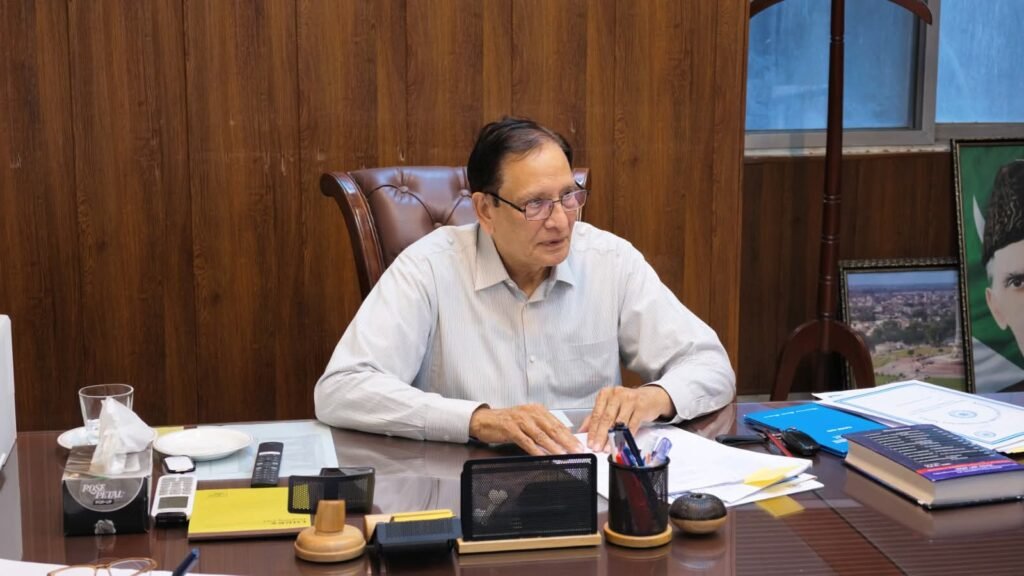
ISLAMABAD — The Acting President of the Islamabad Chamber of Commerce and Industry (ICCI), Irfan Chaudhry, led a delegation of business leaders to congratulate Atif Ikram Sheikh, President of the Federation of Pakistan Chambers of Commerce and Industry (FPCCI), on his nomination for the Tamgha-e-Imtiaz. The meeting took place in Islamabad, highlighting the significance of this national honour for Pakistan’s business community. What Happened The delegation, comprising prominent traders and industrialists, gathered to celebrate Atif Ikram Sheikh’s nomination for the Tamgha-e-Imtiaz, one of Pakistan’s highest civilian awards. During the gathering, Sheikh expressed his gratitude, stating, “This nomination is not just a personal achievement but a recognition of the efforts and contributions of Pakistan’s entire business community.” The event underscored the unity and solidarity among business leaders in Pakistan, as they rallied to support one of their own. Irfan Chaudhry, leading the ICCI delegation, emphasized the importance of such recognitions in boosting the morale of the business sector. He remarked, “Atif Ikram Sheikh’s nomination is a testament to the hard work and dedication of our business leaders who continue to drive Pakistan’s economic growth.” The event served as a platform for discussing future initiatives and strategies to further enhance the role of the business community in national development. Background The Tamgha-e-Imtiaz is awarded to individuals who have made significant contributions in various fields, including public service, literature, arts, sports, and business. It is a symbol of excellence and national pride. Atif Ikram Sheikh’s nomination for this prestigious award is a reflection of his leadership and the positive impact he has had on Pakistan’s business landscape. The FPCCI, under Sheikh’s leadership, has been instrumental in advocating for business-friendly policies and facilitating trade and industry growth. The organization represents the interests of businesses across Pakistan and plays a crucial role in shaping economic policies. Sheikh’s nomination is seen as a recognition of the FPCCI’s efforts to promote economic development and foster a conducive environment for business operations. Why It Matters The nomination of Atif Ikram Sheikh for the Tamgha-e-Imtiaz holds significant implications for Pakistan’s business community. It highlights the critical role that business leaders play in driving economic growth and development. Such recognitions can inspire other business leaders to strive for excellence and contribute positively to the country’s economy. Economically, the award can enhance the credibility and reputation of Pakistan’s business sector on an international level. It signals to foreign investors and partners that Pakistan values and rewards business excellence, potentially attracting more investment into the country. This can lead to job creation, increased exports, and overall economic prosperity. Socially, the recognition of business leaders like Sheikh can foster a sense of pride and motivation among entrepreneurs and business professionals. It can encourage innovation and entrepreneurship, which are vital for economic diversification and resilience. Politically, such awards can strengthen the relationship between the government and the business community, facilitating dialogue and collaboration on policy matters. Key Takeaways ICCI Acting President Irfan Chaudhry led a delegation to congratulate FPCCI President Atif Ikram Sheikh on his Tamgha-e-Imtiaz nomination. The nomination is seen as a recognition of the contributions of Pakistan’s entire business community. The Tamgha-e-Imtiaz is one of Pakistan’s highest civilian awards, symbolizing excellence and national pride. Sheikh’s leadership in the FPCCI has been pivotal in advocating for business-friendly policies. The award can enhance Pakistan’s business sector’s credibility and attract foreign investment. Source Attribution This article is based on official statements and public communications from the Islamabad Chamber of Commerce and Industry and the Federation of Pakistan Chambers of Commerce and Industry. Author: NEN Editorial Desk | Editor: NEN Newsroom | Fact Checked By: NEN Editorial Team Author: NEN Editorial Desk  |  Editor: NEN Newsroom  |  Last Updated: August 17, 2026  |  Source: Press Release from Government of Pakistan This article was produced by the NEN Editorial Desk in accordance with NEN Agency’s Editorial Policy and Fact-Checking Policy.

Pakistan

FBR Recognizes Officers Nominated For National Civil Awards

ISLAMABAD — The Federal Board of Revenue (FBR) conducted a ceremony on Monday at its headquarters to honor officers nominated for national civil awards, acknowledging their exceptional contributions to public service and literature. What Happened The ceremony, held at the FBR headquarters in Islamabad, was organized to celebrate the achievements of officers who have been nominated for the prestigious national civil awards. These awards recognize individuals who have demonstrated excellence in various fields, including public service and literature. The event was attended by senior FBR officials, colleagues, and family members of the nominees, creating an atmosphere of pride and celebration. During the ceremony, FBR Chairman Asim Ahmad commended the officers for their dedication and hard work. He stated, “The officers being honored today have set a benchmark for excellence in public service. Their contributions have significantly enhanced the efficiency and effectiveness of the FBR.” The chairman also highlighted the importance of acknowledging the efforts of individuals who go above and beyond in their duties, emphasizing that such recognition serves as motivation for others within the organization. The officers nominated for the awards have played pivotal roles in various initiatives aimed at improving tax collection processes, enhancing transparency, and fostering a culture of accountability within the FBR. Their efforts have not only contributed to the organization’s goals but have also had a positive impact on the country’s economic framework. Background The national civil awards are among the highest honors bestowed by the Government of Pakistan, recognizing individuals who have made significant contributions to the country in various domains. These awards are announced annually on Pakistan’s Independence Day, with the investiture ceremony taking place on Pakistan Day, March 23. The awards include categories such as Sitara-i-Imtiaz, Tamgha-i-Imtiaz, and Pride of Performance, among others. The FBR, as Pakistan’s premier tax authority, plays a crucial role in the country’s economic development by implementing tax policies and ensuring compliance. Over the years, the FBR has undertaken numerous reforms to enhance its operational efficiency and increase revenue collection, which are critical for the nation’s fiscal health. Why It Matters The recognition of FBR officers nominated for national civil awards underscores the importance of public service excellence in Pakistan. By honoring these individuals, the FBR not only acknowledges their contributions but also sets a standard for others within the organization to aspire to. This recognition is vital in fostering a culture of meritocracy and motivation among public servants, which is essential for the effective functioning of government institutions. Economically, the FBR’s efforts to improve tax collection and compliance have a direct impact on Pakistan’s fiscal stability. Efficient tax administration is crucial for generating the revenue needed to fund public services and infrastructure projects, which are vital for the country’s development. The achievements of the nominated officers contribute to these broader economic goals by enhancing the FBR’s capacity to meet its targets. Socially, the recognition of public servants who excel in their roles can inspire a new generation of professionals to pursue careers in public service. It highlights the value of dedication and integrity in government roles, encouraging more individuals to contribute positively to the nation’s progress. Key Takeaways The FBR held a ceremony to honor officers nominated for national civil awards. The awards recognize contributions in public service and literature. FBR Chairman Asim Ahmad praised the officers for their dedication and impact. The national civil awards are among Pakistan’s highest honors for individual achievements. Recognizing public service excellence is crucial for fostering motivation and meritocracy. Source Attribution This article is based on official government statements, press releases, and public communications from relevant authorities. Author: NEN Editorial Desk | Editor: NEN Newsroom | Fact Checked By: NEN Editorial Team Author: NEN Editorial Desk  |  Editor: NEN Newsroom  |  Last Updated: August 17, 2026  |  Source: NEN Reporter This article was produced by the NEN Editorial Desk in accordance with NEN Agency’s Editorial Policy and Fact-Checking Policy.

World

Deputy PM Awards Diplomatic Course Graduates in Islamabad Ceremony

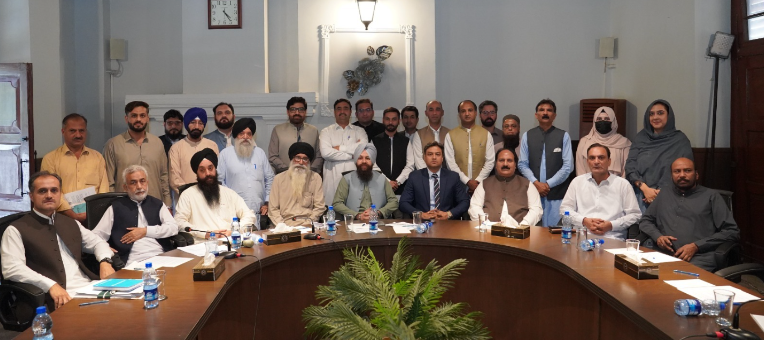
ISLAMABAD — Deputy Prime Minister and Foreign Minister Senator Mohammad Ishaq Dar awarded medals and certificates to officers graduating from the 44th and 45th Specialized Diplomatic Course (SDC) on Monday. The ceremony, held in Islamabad, recognized the achievements of the position holders and graduates of the 45th SDC. What Happened The ceremony, attended by several dignitaries and officials, marked the culmination of the 45th Specialized Diplomatic Course, a significant milestone in the training of Pakistan’s future diplomats. Deputy Prime Minister Ishaq Dar personally distributed medals to the top performers of both the 44th and 45th courses and presented certificates to all graduating officers of the 45th course. In his address, Dar emphasized the importance of diplomatic training in strengthening Pakistan’s international relations. He stated, “The skills and knowledge acquired during this course are crucial for representing Pakistan on the global stage.” The Deputy Prime Minister also highlighted the evolving challenges in international diplomacy and the need for well-prepared diplomats to navigate these complexities. The Specialized Diplomatic Course is a rigorous program designed to equip officers with the necessary skills and knowledge to effectively represent Pakistan in various international forums. The course curriculum includes modules on international law, diplomatic practices, negotiation techniques, and global political dynamics. Background The Specialized Diplomatic Course is a cornerstone of Pakistan’s diplomatic training framework, organized by the Foreign Service Academy. Established in 1981, the Academy has been instrumental in preparing diplomats for service in Pakistan’s missions abroad. The SDC is specifically tailored to address the contemporary needs of diplomatic engagement, ensuring that officers are well-versed in both traditional and modern diplomatic practices. Historically, the course has produced several notable diplomats who have gone on to hold key positions in Pakistan’s foreign missions. The training is part of a broader strategy to enhance the capacity of Pakistan’s diplomatic corps, which plays a vital role in advancing the country’s foreign policy objectives. Why It Matters The graduation of officers from the Specialized Diplomatic Course is significant for several reasons. Firstly, it ensures that Pakistan continues to have a cadre of well-trained diplomats capable of effectively representing the nation’s interests globally. In an increasingly interconnected world, the role of diplomats is crucial in fostering international cooperation, securing economic partnerships, and addressing global challenges such as climate change and security threats. Economically, well-trained diplomats can help attract foreign investment and promote trade by negotiating favorable terms and building strong bilateral relations. This is particularly important for Pakistan as it seeks to strengthen its economic ties with key partners and explore new markets for its exports. On a social and political level, the presence of skilled diplomats can enhance Pakistan’s image and influence on the international stage. Diplomats serve as the face of the nation, and their ability to engage effectively with counterparts from other countries can lead to improved bilateral and multilateral relations. Furthermore, the training of diplomats is aligned with Pakistan’s broader foreign policy goals, which include promoting regional stability, combating terrorism, and advocating for the rights of developing nations in international forums. Key Takeaways Deputy Prime Minister Ishaq Dar awarded medals and certificates to graduates of the 44th and 45th Specialized Diplomatic Course in Islamabad. The ceremony highlighted the importance of diplomatic training for Pakistan’s international relations. The Specialized Diplomatic Course equips officers with skills in international law, negotiation, and global politics. Well-trained diplomats are crucial for advancing Pakistan’s foreign policy and economic interests. The Foreign Service Academy has been pivotal in preparing diplomats since its establishment in 1981. Source Attribution This article is based on official government statements and public communications from relevant authorities. Author: NEN Editorial Desk | Editor: NEN Newsroom | Fact Checked By: NEN Editorial Team Author: NEN Editorial Desk  |  Editor: NEN Newsroom  |  Last Updated: August 17, 2026  |  Source: NEN Reporter This article was produced by the NEN Editorial Desk in accordance with NEN Agency’s Editorial Policy and Fact-Checking Policy.
World

President Zardari Reaffirms Pakistan’s Commitment to Global Sustainability Goals

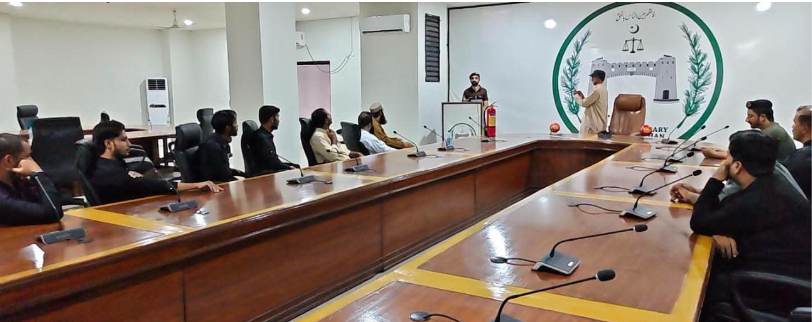
ISLAMABAD — President Asif Ali Zardari has reiterated Pakistan’s dedication to achieving global climate and sustainability objectives. Speaking on August 17, President Zardari emphasized the nation’s commitment to the Sustainable Development Goals (SDGs) and its obligations under international environmental agreements. What Happened President Zardari, in a statement issued from Islamabad, stressed Pakistan’s unwavering commitment to fulfilling its international environmental responsibilities. He highlighted the country’s adherence to the Paris Agreement, which aims to limit global warming to well below 2 degrees Celsius, and the United Nations Strategic Plan for Forests 2017–2030, which promotes sustainable forest management worldwide. Furthermore, President Zardari underscored Pakistan’s role in the United Nations Convention to Combat Desertification, a treaty focused on addressing desertification and land degradation. He also reaffirmed the nation’s participation in the Convention on Biological Diversity, which seeks to conserve biological diversity, promote sustainable use of its components, and ensure fair sharing of benefits arising from genetic resources. “The Federal Government, Provincial Governments, and local administrations are all aligned in their efforts to meet these international commitments,” President Zardari stated. His remarks come at a time when environmental issues are increasingly at the forefront of global policy discussions. Background Pakistan has been a signatory to several international environmental treaties, reflecting its commitment to global sustainability efforts. The Paris Agreement, adopted in 2015, is a landmark accord within the United Nations Framework Convention on Climate Change (UNFCCC) dealing with greenhouse-gas-emissions mitigation, adaptation, and finance. Pakistan ratified this agreement in 2016, demonstrating its commitment to global climate action. The United Nations Strategic Plan for Forests 2017–2030, adopted by the UN General Assembly, aims to halt deforestation and increase forest area by 3% worldwide by 2030. Pakistan’s participation in this plan aligns with its national reforestation initiatives, such as the Billion Tree Tsunami project. The United Nations Convention to Combat Desertification, established in 1994, addresses the challenges of desertification, land degradation, and drought. Pakistan’s involvement is crucial given its vulnerability to these environmental issues. Similarly, the Convention on Biological Diversity, which Pakistan joined in 1994, emphasizes biodiversity conservation, sustainable use, and equitable benefit-sharing. Why It Matters President Zardari’s reaffirmation of Pakistan’s commitment to global climate and sustainability goals is significant for several reasons. Economically, adherence to international environmental agreements can attract foreign investment and aid, as countries increasingly prioritize sustainability in their economic partnerships. Environmentally, Pakistan faces severe challenges, including climate change impacts, deforestation, and biodiversity loss, which require robust policy responses and international cooperation. Socially, these commitments can lead to improved health outcomes and livelihoods for Pakistani citizens. For instance, sustainable land management practices can enhance agricultural productivity, while biodiversity conservation can support ecosystem services that communities rely on. Politically, maintaining international commitments enhances Pakistan’s standing on the global stage, demonstrating its readiness to collaborate on shared challenges. This can strengthen diplomatic relations and foster partnerships with other nations committed to sustainability. Internationally, Pakistan’s active participation in global environmental frameworks contributes to collective efforts to address climate change and environmental degradation. As a developing nation, Pakistan’s leadership in this area can inspire other countries facing similar challenges to take decisive action. Key Takeaways President Zardari reaffirmed Pakistan’s commitment to global climate and sustainability goals. Pakistan is adhering to the Paris Agreement and other international environmental treaties. These commitments have significant economic, social, and political implications for Pakistan. Pakistan’s participation in global frameworks contributes to collective environmental efforts. International cooperation is crucial for addressing Pakistan’s environmental challenges. Source Attribution This article is based on official government statements and public communications from relevant authorities. Author: NEN Editorial Desk | Editor: NEN Newsroom | Fact Checked By: NEN Editorial Team Author: NEN Editorial Desk  |  Editor: NEN Newsroom  |  Last Updated: August 17, 2026  |  Source: Press Release from Government of Pakistan This article was produced by the NEN Editorial Desk in accordance with NEN Agency’s Editorial Policy and Fact-Checking Policy.
Pakistan

SECP Launches Corporate Debt Market Desk to Boost Capital Raising

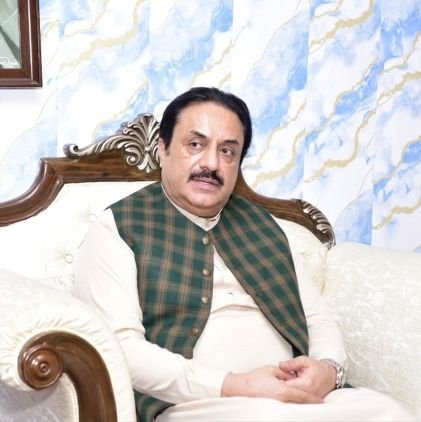
ISLAMABAD — The Securities and Exchange Commission of Pakistan (SECP) has launched a new Corporate Debt Market Desk aimed at enhancing the corporate debt market and facilitating capital raising through debt instruments. This strategic move comes as part of SECP’s broader efforts to strengthen Pakistan’s financial markets and provide more avenues for corporate financing. What Happened The SECP announced the establishment of the Corporate Debt Market Desk on [insert date of announcement]. The primary objective of this initiative is to streamline processes related to the issuance and management of corporate debt instruments, thereby encouraging more companies to explore debt financing options. The desk will serve as a centralized hub for all activities related to corporate bonds, sukuks, and other debt securities. According to the SECP, the Corporate Debt Market Desk will focus on reducing regulatory bottlenecks and improving the overall efficiency of the debt market. By doing so, it aims to attract both local and international investors, thereby increasing the liquidity and depth of the market. An SECP spokesperson stated, “The establishment of this desk is a significant step towards creating a more robust and dynamic corporate debt market in Pakistan.” The desk will also provide advisory services to corporations on structuring debt instruments and navigating the regulatory landscape. This is expected to be particularly beneficial for small and medium-sized enterprises (SMEs) that may lack the expertise to engage in complex financial transactions. Background The corporate debt market in Pakistan has historically been underdeveloped, with most companies relying heavily on traditional bank loans for financing. This has limited the options available for businesses seeking to raise capital and has constrained the growth of the financial sector. In recent years, the SECP has been working to diversify the financial instruments available in the market, with a particular focus on promoting Islamic finance and sukuk issuance. Previous initiatives by the SECP include regulatory reforms aimed at simplifying the process for issuing corporate bonds and sukuks. These efforts have been part of a broader strategy to align Pakistan’s financial markets with international best practices and to attract foreign investment. Why It Matters The establishment of the Corporate Debt Market Desk is expected to have significant implications for Pakistan’s economy. By facilitating easier access to debt capital, the SECP aims to support business expansion and infrastructure development, which are crucial for economic growth. The move is also likely to enhance the competitiveness of Pakistan’s financial markets, making them more attractive to foreign investors. For businesses, particularly SMEs, the desk provides an opportunity to diversify their funding sources beyond traditional bank loans. This can lead to more favorable financing terms and reduce the overall cost of capital. Moreover, a vibrant corporate debt market can help mitigate the risks associated with over-reliance on bank financing, thereby contributing to financial stability. On an international level, the development of a robust corporate debt market is seen as a critical factor in improving Pakistan’s credit rating and enhancing its standing in global financial markets. This could lead to increased foreign direct investment and greater economic integration with regional and global economies. Key Takeaways The SECP has established a Corporate Debt Market Desk to promote debt financing in Pakistan. The desk aims to streamline regulatory processes and attract local and international investors. This initiative is part of broader efforts to diversify Pakistan’s financial markets and promote economic growth. The desk will provide advisory services to help businesses, especially SMEs, navigate debt issuance. The development of the corporate debt market is expected to improve Pakistan’s financial stability and international standing. Source Attribution This article is based on official government statements, press releases, and public communications from relevant authorities. Author: NEN Editorial Desk | Editor: NEN Newsroom | Fact Checked By: NEN Editorial Team Author: NEN Editorial Desk  |  Editor: NEN Newsroom  |  Last Updated: August 17, 2026  |  Source: NEN Reporter This article was produced by the NEN Editorial Desk in accordance with NEN Agency’s Editorial Policy and Fact-Checking Policy.
Pakistan

SECP Launches Corporate Debt Market Desk to Boost Capital Raising

ISLAMABAD — The Securities and Exchange Commission of Pakistan (SECP) has announced the establishment of a Corporate Debt Market Desk, aiming to enhance the corporate debt market and streamline capital raising processes through debt instruments. This initiative is designed to assist issuers and market participants by simplifying, accelerating, and reducing the costs associated with debt issuance. What Happened The SECP’s newly formed Corporate Debt Market Desk is set to play a pivotal role in the development of Pakistan’s financial markets. The desk will focus on promoting the corporate debt market by providing comprehensive support to issuers and market participants. According to the SECP, the desk will facilitate a more efficient process for issuing debt, thereby making it easier for companies to raise capital. This move is part of SECP’s broader strategy to deepen the financial markets and provide more robust and diverse financing options for businesses in Pakistan. The desk will serve as a one-stop resource for entities looking to issue corporate debt, offering guidance on regulatory requirements, market conditions, and best practices for debt issuance. As part of its mandate, the Corporate Debt Market Desk will also work to enhance market transparency and investor confidence. By streamlining the processes and reducing the time and costs involved in issuing debt, the SECP aims to make Pakistan’s corporate debt market more attractive to both domestic and international investors. Background Pakistan’s corporate debt market has historically been underdeveloped, with companies primarily relying on bank loans for financing. The SECP has been working to change this dynamic by encouraging the use of debt instruments as a viable alternative for raising capital. Over the years, various reforms have been introduced to improve the regulatory framework and encourage more companies to tap into the debt market. The establishment of the Corporate Debt Market Desk is a continuation of these efforts. It follows previous initiatives aimed at enhancing the regulatory environment and increasing the participation of institutional investors in the market. The SECP has also been involved in efforts to educate market participants about the benefits and processes involved in issuing corporate debt. Why It Matters The introduction of the Corporate Debt Market Desk is significant for several reasons. Firstly, it represents a concerted effort by the SECP to diversify the financial markets in Pakistan. By providing an alternative to traditional bank financing, the desk will enable companies to access a broader range of financing options, which is crucial for business expansion and economic growth. Economically, a robust corporate debt market can lead to lower borrowing costs for companies, as increased competition among lenders can drive down interest rates. This, in turn, can lead to increased investment and job creation, contributing positively to the country’s economic trajectory. Socially, the development of the corporate debt market can enhance financial inclusion by providing smaller companies with access to capital markets. This can lead to a more equitable distribution of resources and opportunities across different sectors of the economy. On an international level, a well-functioning corporate debt market can attract foreign investment, as international investors often seek diversified investment opportunities. This can lead to increased foreign capital inflows, which are essential for stabilizing Pakistan’s balance of payments and strengthening its foreign exchange reserves. Key Takeaways The SECP has established a Corporate Debt Market Desk to enhance the corporate debt market in Pakistan. The desk aims to simplify, accelerate, and reduce the costs associated with debt issuance. This initiative is part of SECP’s broader strategy to diversify financing options and deepen financial markets. A robust corporate debt market can lead to lower borrowing costs and increased investment. The development of this market can attract foreign investment and enhance financial inclusion. Source Attribution This article is based on official statements and public communications from the Securities and Exchange Commission of Pakistan. Author: NEN Editorial Desk | Editor: NEN Newsroom | Fact Checked By: NEN Editorial Team Author: NEN Editorial Desk  |  Editor: NEN Newsroom  |  Last Updated: August 17, 2026  |  Source: NEN Reporter This article was produced by the NEN Editorial Desk in accordance with NEN Agency’s Editorial Policy and Fact-Checking Policy.
Pakistan

Gold Prices Surge By Rs2,000 Per Tola Across Pakistan

ISLAMABAD — The price of gold in Pakistan experienced a significant increase on Monday, with the cost of 24-karat gold rising by Rs2,000 per tola. This change brings the new price to Rs461,936 per tola, as reported by the All Pakistan Sarafa Gems and Jewellers Association. What Happened The gold market in Pakistan has seen a notable rise in prices, with the cost of 24-karat gold increasing by Rs2,000 per tola. This adjustment has set the new price at Rs461,936 per tola. The All Pakistan Sarafa Gems and Jewellers Association, which monitors and reports on the daily fluctuations in gold prices, confirmed this increase. The rise in gold prices is attributed to a combination of international market trends and local currency fluctuations. According to the association, the increase in gold prices is reflective of the global market where gold prices have been trending upwards. The local currency’s depreciation against the US dollar has further compounded the price hike, making gold more expensive for local buyers. This trend is consistent with the global scenario where geopolitical tensions and economic uncertainties have led investors to seek refuge in gold as a stable investment. Market analysts suggest that this increase is also influenced by the upcoming wedding season in Pakistan, which traditionally boosts the demand for gold, leading to higher prices. The demand for gold jewelry typically rises during this period as families prepare for wedding festivities. Background Gold has long been considered a safe haven for investors, particularly during times of economic uncertainty. In Pakistan, gold is not only a form of investment but also holds cultural significance, especially in the form of jewelry. The country’s gold market is heavily influenced by international prices, as well as local factors such as currency exchange rates and seasonal demand. Historically, gold prices in Pakistan have mirrored global trends. For instance, during the global financial crisis of 2008, gold prices surged as investors sought to protect their wealth. Similarly, in recent years, geopolitical tensions and economic challenges have led to fluctuations in gold prices worldwide, impacting the local market. Why It Matters The rise in gold prices has significant implications for various stakeholders in Pakistan. For consumers, particularly those planning weddings or other celebrations, the increased cost of gold can strain budgets. Gold jewelry is a traditional gift and investment in Pakistani culture, and higher prices may lead to reduced purchasing power for many families. Economically, the increase in gold prices can affect the overall inflation rate, as gold is a key component of the consumer price index. This could lead to higher inflationary pressures, impacting the cost of living for ordinary citizens. Additionally, the jewelry industry, which relies heavily on gold, may face challenges in maintaining sales volumes as consumers adjust to higher prices. On a broader scale, the rising gold prices reflect underlying economic conditions, including currency devaluation and global market volatility. These factors highlight the interconnectedness of local and international markets and underscore the importance of economic stability for maintaining affordable gold prices. Key Takeaways The price of 24-karat gold in Pakistan increased by Rs2,000 per tola, reaching Rs461,936. Global market trends and local currency depreciation are primary factors driving the price hike. The upcoming wedding season in Pakistan is expected to further influence gold demand and prices. Higher gold prices may impact consumer purchasing power and contribute to inflationary pressures. The situation underscores the interconnectedness of local and global economic conditions. Source Attribution This article is based on official statements and reports from the All Pakistan Sarafa Gems and Jewellers Association and other relevant authorities. Author: NEN Editorial Desk | Editor: NEN Newsroom | Fact Checked By: NEN Editorial Team Author: NEN Editorial Desk  |  Editor: NEN Newsroom  |  Last Updated: August 17, 2026  |  Source: NEN Reporter This article was produced by the NEN Editorial Desk in accordance with NEN Agency’s Editorial Policy and Fact-Checking Policy.

Pakistan

Pakistan Stock Exchange Sees 397-Point Rise Amid Bullish Trend

ISLAMABAD — The Pakistan Stock Exchange (PSX) experienced a notable upswing on Monday, with the benchmark KSE-100 Index climbing by 397.83 points. This increase represents a 0.22 percent rise, bringing the index to a close at 180,502.45 points, up from the previous session’s 180,104.61 points. What Happened The PSX’s performance on Monday marked a continuation of positive market sentiment, as investors showed increased confidence in the market. The trading session saw a substantial volume of activity, with the ready market recording a trading volume of 1.048 billion shares. This level of trading indicates robust investor participation and a strong appetite for equities. Market analysts attributed this bullish trend to several factors, including positive economic indicators and investor optimism regarding upcoming corporate earnings reports. The increase in the KSE-100 Index was driven by gains across various sectors, with particular strength observed in the banking and energy sectors. “The market is responding positively to recent economic data and the anticipation of favorable corporate earnings,” said a senior market analyst. “Investors are optimistic about the economic recovery and are positioning themselves accordingly.” The day’s trading saw significant contributions from blue-chip companies, which helped bolster the overall index. Additionally, foreign investor interest played a role in driving the market upward, as international investors sought to capitalize on attractive valuations within the Pakistani market. Background The Pakistan Stock Exchange has been experiencing fluctuations in recent months, influenced by both domestic and international factors. Historically, the PSX has been sensitive to changes in political stability, economic policy, and global market trends. In recent years, efforts have been made to enhance market transparency and attract foreign investment, contributing to a more resilient financial market. In the context of economic policy, the government has been implementing reforms aimed at stabilizing the economy and promoting growth. These measures include fiscal consolidation, monetary policy adjustments, and initiatives to improve the ease of doing business in Pakistan. Such efforts have been crucial in restoring investor confidence and supporting market performance. Why It Matters The recent gains in the PSX are significant for several reasons. Economically, a rising stock market can have a positive impact on investor sentiment, encouraging further investment and contributing to economic growth. As companies see their stock prices increase, they may have greater access to capital, enabling expansion and job creation. Socially, a bullish stock market can enhance consumer confidence, as individuals perceive an improvement in economic conditions. This can lead to increased consumer spending, further stimulating economic activity. Additionally, a strong stock market can benefit individual investors and pension funds, potentially improving financial security for many citizens. Politically, the performance of the stock market can influence public perception of government effectiveness in managing the economy. A robust market may be seen as an endorsement of current economic policies, while a declining market could raise concerns about economic management. Internationally, the PSX’s performance is closely watched by foreign investors and analysts. A positive trend can attract foreign investment, providing much-needed capital inflows and supporting the country’s balance of payments. Conversely, a negative trend could deter investment and exacerbate economic challenges. Key Takeaways The KSE-100 Index of the Pakistan Stock Exchange rose by 397.83 points, a 0.22 percent increase. The trading volume reached 1.048 billion shares, indicating strong market participation. Investor optimism is driven by positive economic indicators and anticipated corporate earnings. Economic reforms and market transparency efforts are contributing to investor confidence. The PSX’s performance has significant economic, social, and political implications for Pakistan. Source Attribution This article is based on official government statements, press releases, and public communications from relevant authorities. Author: NEN Editorial Desk | Editor: NEN Newsroom | Fact Checked By: NEN Editorial Team Author: NEN Editorial Desk  |  Editor: NEN Newsroom  |  Last Updated: August 17, 2026  |  Source: NEN Reporter This article was produced by the NEN Editorial Desk in accordance with NEN Agency’s Editorial Policy and Fact-Checking Policy.
World

Pakistan-China B2B Cooperation Set to Boost Investment and Exports

ISLAMABAD — Pakistan’s Advisor to the Prime Minister on Industries and Production, Haroon Akhtar Khan, emphasized the significance of Pakistan-China Business-to-Business (B2B) cooperation in enhancing investment, technology transfer, and export growth. Speaking on Monday during a meeting to assess the progress of B2B initiatives, Khan highlighted the potential benefits of this collaboration for Pakistan’s economy. What Happened During the meeting, Haroon Akhtar Khan outlined the strategic importance of the Pakistan-China B2B cooperation in fostering economic growth. He stated that this partnership is paving the way for new investments and technological advancements in Pakistan’s industrial sector. The meeting was attended by key stakeholders from various industries, underscoring the government’s commitment to strengthening economic ties with China. Khan noted that the B2B cooperation is expected to facilitate local manufacturing, thereby reducing dependency on imports and promoting self-sufficiency. “The collaboration with China is crucial for our industrial development, as it will bring in advanced technologies and expertise,” he remarked. The advisor also pointed out that the initiative aims to boost Pakistan’s export potential by integrating local industries into global supply chains. Emphasizing the need for a conducive business environment, Khan assured stakeholders that the government is working on policy reforms to attract foreign investment. He mentioned that the ongoing projects under the China-Pakistan Economic Corridor (CPEC) are a testament to the robust economic partnership between the two countries. Background The Pakistan-China B2B cooperation is a component of the broader China-Pakistan Economic Corridor (CPEC), a flagship project under China’s Belt and Road Initiative. Launched in 2013, CPEC aims to enhance connectivity and economic integration between the two nations through infrastructure development, energy projects, and industrial cooperation. Historically, Pakistan and China have maintained strong bilateral relations, with economic cooperation being a cornerstone of this partnership. Over the years, China has emerged as one of Pakistan’s largest trading partners and a major source of foreign direct investment. The B2B cooperation initiative is designed to leverage this relationship by encouraging direct interactions between businesses in both countries. Why It Matters The Pakistan-China B2B cooperation holds significant implications for Pakistan’s economic landscape. By facilitating technology transfer and investment, the initiative can help modernize Pakistan’s industrial base, making it more competitive in the global market. This is particularly important for a country like Pakistan, which is seeking to diversify its economy and reduce its reliance on traditional sectors such as agriculture. Economically, the cooperation is expected to create job opportunities and spur economic growth by attracting foreign investment. The influx of Chinese technology and expertise could lead to the development of new industries, enhancing Pakistan’s export capabilities. This is crucial for addressing the country’s trade deficit and improving its balance of payments. On a social level, the initiative could contribute to poverty alleviation by creating employment opportunities in various sectors. The development of local industries and infrastructure projects under CPEC can lead to improved living standards for many Pakistanis. Politically, the deepening of economic ties with China reinforces Pakistan’s strategic partnership with a key global player. This collaboration not only strengthens bilateral relations but also positions Pakistan as a critical partner in regional economic integration efforts. Key Takeaways Pakistan-China B2B cooperation aims to boost investment, technology transfer, and export growth. The initiative is part of the broader China-Pakistan Economic Corridor (CPEC) framework. Haroon Akhtar Khan emphasized the importance of creating a conducive business environment for foreign investment. The cooperation is expected to modernize Pakistan’s industrial base and enhance its global competitiveness. Economic, social, and political benefits are anticipated from strengthened bilateral ties with China. Source Attribution This article is based on official government statements, press releases, and public communications from relevant authorities. Author: NEN Editorial Desk | Editor: NEN Newsroom | Fact Checked By: NEN Editorial Team Author: NEN Editorial Desk  |  Editor: NEN Newsroom  |  Last Updated: August 17, 2026  |  Source: Press Release from Government of Pakistan This article was produced by the NEN Editorial Desk in accordance with NEN Agency’s Editorial Policy and Fact-Checking Policy.

Pakistan

Pakistan Secures 3-3 Draw Against Wales in Hockey World Cup 2026

AMSTELVEEN — Pakistan made a remarkable comeback to secure a 3-3 draw against Wales in their second Pool D match of the FIH Hockey World Cup 2026, held at the Wagener Hockey Stadium in Amstelveen, Netherlands, on Monday. The thrilling encounter saw Pakistan rally in the final quarter to level the score, showcasing resilience and determination. What Happened The match between Pakistan and Wales was a display of competitive spirit and skill. Pakistan, trailing for most of the game, managed to equalize in the final quarter, preventing Wales from securing a victory. The Welsh team initially took the lead, putting Pakistan under pressure early on. However, Pakistan’s players demonstrated exceptional teamwork and strategic play to fight back. Wales opened the scoring in the first quarter, capitalizing on a defensive error by Pakistan. The Welsh side continued to press forward, adding a second goal before halftime. Pakistan struggled to find their rhythm in the first half, facing a well-organized Welsh defense. In the third quarter, Pakistan began to regain control, with a series of attacking moves that tested the Welsh goalkeeper. Their efforts paid off as they scored their first goal, narrowing the deficit. The momentum shifted in Pakistan’s favor as they continued to apply pressure, leading to their second goal in the early minutes of the final quarter. With the score at 2-2, Wales responded quickly, regaining the lead with a well-executed play. However, Pakistan remained undeterred, and in the dying minutes of the match, they managed to score the equalizer, securing a hard-fought draw. Background The FIH Hockey World Cup 2026 is a prestigious tournament that brings together top international teams to compete for the title. Pakistan, a nation with a rich history in field hockey, has faced challenges in recent years, struggling to maintain its past dominance in the sport. The team is currently in a rebuilding phase, focusing on nurturing young talent and improving their global ranking. Historically, Pakistan has been one of the most successful teams in field hockey, with multiple World Cup titles to their name. However, the past few decades have seen a decline in their performance on the international stage, prompting efforts to revitalize the sport within the country. Why It Matters The draw against Wales holds significant implications for Pakistan’s hockey team and its supporters. It demonstrates the team’s potential to compete at a high level, even against formidable opponents. The result boosts the morale of the players and provides a foundation for future performances in the tournament. Economically, a strong performance in the World Cup can attract sponsorships and investments in Pakistan’s hockey infrastructure, which is crucial for the development of the sport. Socially, it reignites interest and enthusiasm among the youth, encouraging participation in hockey and fostering a new generation of players. Politically, successful international performances can enhance national pride and unity, serving as a reminder of Pakistan’s historical achievements in the sport. It also underscores the importance of government and private sector support in revitalizing field hockey in the country. Key Takeaways Pakistan secured a 3-3 draw against Wales in their second Pool D match of the FIH Hockey World Cup 2026. The match was held at Wagener Hockey Stadium in Amstelveen, Netherlands. Pakistan’s comeback in the final quarter demonstrated resilience and teamwork. The result is significant for Pakistan’s efforts to revive its field hockey legacy. Strong performances can boost economic, social, and political support for the sport in Pakistan. Source Attribution This article is based on official government statements, press releases, and public communications from relevant authorities. Author: NEN Editorial Desk | Editor: NEN Newsroom | Fact Checked By: NEN Editorial Team Author: NEN Editorial Desk  |  Editor: NEN Newsroom  |  Last Updated: August 17, 2026  |  Source: NEN Reporter This article was produced by the NEN Editorial Desk in accordance with NEN Agency’s Editorial Policy and Fact-Checking Policy.

Scroll to Top