
2026

World

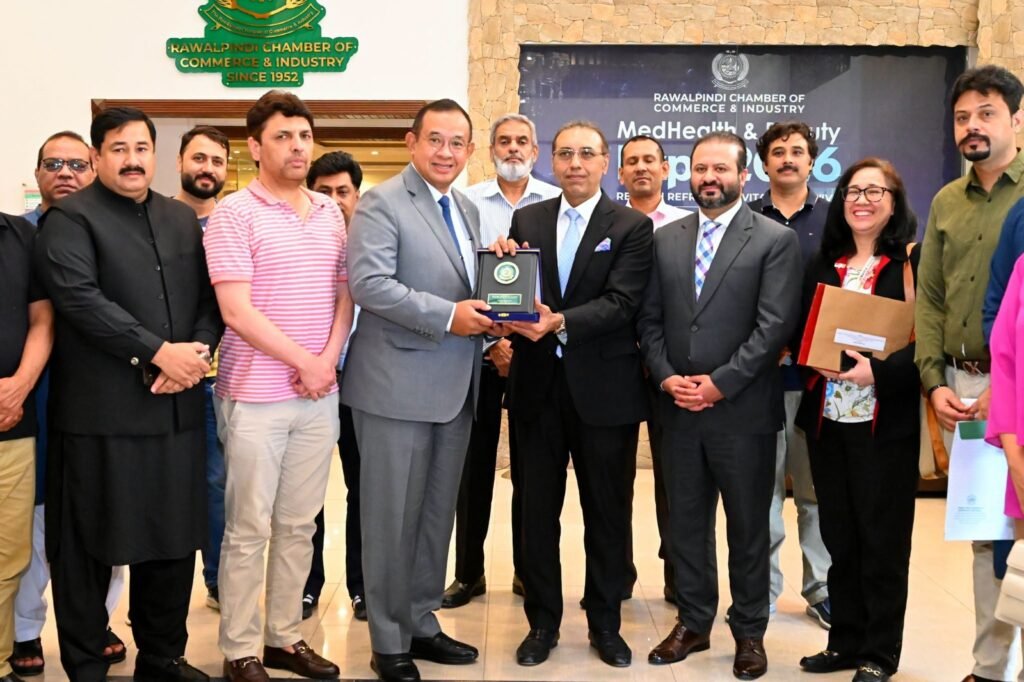
Indonesian Ambassador Promises Easier Visas for Pakistani Exporters at Trade Expo

RAWALPINDI — Indonesian Ambassador Chandra W. Sukotjo announced streamlined visa processes for Pakistani exporters attending the 41st Trade Expo Indonesia. The announcement was made during a visit to the Rawalpindi Chamber of Commerce and Industry (RCCI) on August 3, aiming to bolster economic ties between the two nations. What Happened During his official visit to the RCCI, Ambassador Sukotjo discussed various measures to enhance bilateral trade, including simplified business visa procedures for Pakistani exporters. He emphasized the importance of reducing visa fees and facilitating easier access for those attending the upcoming Trade Expo in Indonesia. The ambassador led a diplomatic delegation that engaged with local business leaders to explore opportunities in sectors such as halal food, renewable energy, healthcare, and digital technologies. The 41st Trade Expo Indonesia, scheduled to take place later this year, is a significant event aimed at showcasing Indonesian products and services to the international market. Ambassador Sukotjo highlighted the expo as a platform for Pakistani businesses to explore new avenues and establish partnerships. “We are committed to making the visa process more accessible for Pakistani exporters,” he stated, underscoring the mutual benefits of increased trade cooperation. The RCCI President, Saqib Rafiq, welcomed the ambassador’s announcement and expressed optimism about the potential for increased trade between Pakistan and Indonesia. He noted that the easier visa process would encourage more Pakistani businesses to participate in the expo, thereby fostering stronger economic ties. Background Indonesia and Pakistan have a history of economic cooperation, with both countries being members of the Organization of Islamic Cooperation (OIC) and the Developing Eight (D-8) Organization for Economic Cooperation. Trade between the two nations has traditionally focused on sectors such as textiles, palm oil, and agriculture. However, recent efforts have been made to diversify trade into new areas like technology and renewable energy. In recent years, both countries have signed several agreements to enhance bilateral trade, including a Preferential Trade Agreement (PTA) that aims to reduce tariffs on a range of goods. The upcoming Trade Expo Indonesia represents another step towards strengthening these economic ties by providing a platform for businesses to engage directly. Why It Matters The announcement of easier visa access is significant for Pakistani exporters, as it lowers one of the barriers to international trade participation. By simplifying the visa process, more Pakistani businesses can attend the Trade Expo Indonesia, potentially leading to increased exports and economic growth. This move aligns with Pakistan’s broader strategy to enhance its export base and reduce trade deficits. For Indonesia, facilitating easier access for Pakistani exporters not only strengthens bilateral relations but also helps in expanding its market reach in South Asia. The focus on sectors like halal food and renewable energy is particularly relevant, given the growing demand for sustainable solutions and halal-certified products in global markets. Economically, this development could lead to increased foreign exchange earnings for Pakistan and job creation in export-oriented industries. Politically, it reinforces the partnership between two key members of the OIC and D-8, promoting regional stability and cooperation. Key Takeaways Indonesian Ambassador Chandra W. Sukotjo announced easier visa processes for Pakistani exporters attending the 41st Trade Expo Indonesia. The initiative aims to enhance bilateral trade, focusing on sectors like halal food, renewable energy, and digital technologies. Streamlined visa access could lead to increased participation by Pakistani businesses, boosting exports and economic growth. This development strengthens economic ties between Pakistan and Indonesia, aligning with broader regional cooperation goals. The Trade Expo Indonesia offers a platform for Pakistani businesses to explore new markets and establish international partnerships. Source Attribution This article is based on official government statements and public communications from relevant authorities. Author: NEN Editorial Desk | Editor: NEN Newsroom | Fact Checked By: NEN Editorial Team Author: NEN Editorial Desk  |  Editor: NEN Newsroom  |  Last Updated: August 03, 2026  |  Source: NEN Reporter This article was produced by the NEN Editorial Desk in accordance with NEN Agency’s Editorial Policy and Fact-Checking Policy.

Pakistan

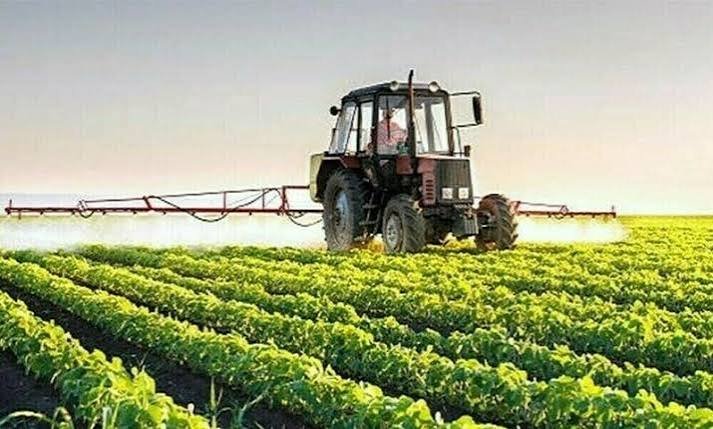
Minister Cheema Assesses NAFSA Progress, Emphasizes Agri-Trade Reforms

ISLAMABAD — Federal Minister for Economic Affairs Ahad Cheema on Monday evaluated the progress on the operationalization of the National Agri-Trade and Food Safety Authority (NAFSA). The minister reiterated the government’s commitment to implementing a modern, technology-driven regulatory framework to enhance agricultural trade, strengthen food safety oversight, and improve the ease of doing business in Pakistan. What Happened During a high-level meeting held in Islamabad, Minister Ahad Cheema reviewed the steps taken towards making NAFSA fully operational. The authority is envisioned as a pivotal institution in reforming Pakistan’s agricultural trade landscape by introducing advanced regulatory practices. Cheema emphasized that the establishment of NAFSA is integral to the government’s broader strategy to modernize the agricultural sector, which is a cornerstone of the national economy. The minister highlighted that NAFSA’s operationalization would involve deploying cutting-edge technology to monitor and regulate agricultural trade activities. This includes the implementation of digital platforms for tracking and verifying food safety standards, which are expected to facilitate smoother trade processes and attract foreign investment. Cheema stated, “Our aim is to create a robust framework that not only ensures food safety but also boosts the confidence of international trading partners in Pakistan’s agricultural products.” Officials from various departments, including the Ministry of National Food Security and Research, participated in the meeting. They discussed the integration of NAFSA’s functions with existing agricultural policies and the potential challenges in its implementation. The discussions also covered the timeline for NAFSA’s full operationalization, with the minister urging all stakeholders to expedite efforts to meet the set deadlines. Background The establishment of NAFSA is part of Pakistan’s ongoing efforts to reform its agricultural sector, which has historically been plagued by inefficiencies and regulatory bottlenecks. The agricultural sector contributes significantly to Pakistan’s GDP and employs a large portion of the workforce. However, it faces challenges such as outdated farming practices, inadequate infrastructure, and limited access to international markets. In recent years, the government has introduced several initiatives aimed at revitalizing the sector, including subsidies for modern farming equipment and incentives for export-oriented agricultural products. The creation of NAFSA is seen as a continuation of these efforts, focusing on improving regulatory oversight and enhancing the competitiveness of Pakistani agricultural products in global markets. Why It Matters The operationalization of NAFSA holds significant implications for Pakistan’s economic landscape. By establishing a comprehensive regulatory framework, the government aims to address long-standing issues related to food safety and quality standards. This is particularly important as Pakistan seeks to expand its agricultural exports and integrate more deeply into global supply chains. For local farmers and businesses, NAFSA promises to streamline processes, reduce bureaucratic hurdles, and provide clearer guidelines on compliance with international standards. This could lead to increased productivity and profitability, as well as greater access to foreign markets. Moreover, by enhancing food safety measures, the authority aims to protect consumer health and build trust in Pakistani agricultural products both domestically and internationally. On a broader scale, the successful implementation of NAFSA could serve as a model for other sectors in Pakistan, demonstrating the benefits of modern regulatory practices and technology adoption. It could also improve Pakistan’s standing in international trade rankings, attracting more foreign investment and contributing to sustainable economic growth. Key Takeaways Minister Ahad Cheema reviewed the progress on NAFSA’s operationalization, emphasizing modern agri-trade reforms. NAFSA aims to implement a technology-driven regulatory framework to enhance agricultural trade and food safety. The authority is part of broader efforts to modernize Pakistan’s agricultural sector and boost international competitiveness. Successful implementation could improve Pakistan’s trade rankings and attract foreign investment. NAFSA’s framework is expected to streamline processes for local farmers and businesses, enhancing productivity and market access. Source Attribution This article is based on official government statements, press releases, and public communications from relevant authorities. Author: NEN Editorial Desk | Editor: NEN Newsroom | Fact Checked By: NEN Editorial Team Author: NEN Editorial Desk  |  Editor: NEN Newsroom  |  Last Updated: August 03, 2026  |  Source: Press Release from Government of Pakistan This article was produced by the NEN Editorial Desk in accordance with NEN Agency’s Editorial Policy and Fact-Checking Policy.

World

Gold Prices Rise Sharply in Pakistan Amid Global Market Trends

LAHORE — The price of gold has seen a significant increase in Pakistan as well as in the global market, according to the latest figures released by the All Pakistan Sarafa Jewelers Association on Monday. The cost of gold per tola has surged by Rs 1,7000, reaching Rs 428,436, while the price for 10 grams has risen by Rs 1,457, now standing at Rs 367,314. What Happened The gold market in Pakistan has experienced a notable hike in prices, reflecting trends observed globally. According to the All Pakistan Sarafa Jewelers Association, the price of gold per tola has increased to Rs 428,436, marking a significant rise of Rs 1,7000. Similarly, the price for 10 grams of gold has climbed by Rs 1,457, reaching Rs 367,314. This surge in gold prices is attributed to various factors, including fluctuations in the international market and currency exchange rates. Gold, often considered a safe-haven asset, has seen increased demand as investors seek refuge amid economic uncertainties. The global market has also witnessed a rise in gold prices, driven by factors such as inflation concerns, geopolitical tensions, and changes in monetary policies by major economies. The strengthening of the US dollar and its impact on local currency valuations have further influenced the gold prices in Pakistan. According to industry experts, the current trend in gold prices is likely to continue in the short term, with potential for further increases depending on global economic conditions. Jewelers and investors in Pakistan are closely monitoring these developments, as the gold market remains volatile and responsive to international economic indicators. Background Historically, gold has been a preferred investment in Pakistan, serving as a hedge against inflation and currency depreciation. The country’s gold market is heavily influenced by global trends, as it relies on imports to meet domestic demand. In recent years, fluctuations in the international gold market have had a direct impact on local prices, often leading to significant volatility. Gold prices are typically affected by a range of factors, including global economic conditions, central bank policies, and geopolitical events. In Pakistan, the gold market is also influenced by domestic factors such as inflation rates, currency exchange rates, and government policies related to import duties and taxation. Why It Matters The rise in gold prices holds significant implications for various stakeholders in Pakistan. For consumers, particularly those planning weddings or other major events, the increase in gold prices could lead to higher costs for jewelry purchases. This could impact consumer spending patterns, as individuals may seek alternatives or delay purchases in response to rising prices. For investors, the surge in gold prices presents both opportunities and challenges. While some may benefit from increased asset values, others may face difficulties in accessing affordable investment options. The gold market’s volatility also poses risks for investors, requiring careful analysis and strategic decision-making. Economically, the increase in gold prices could contribute to inflationary pressures, as higher costs for gold imports may affect the country’s trade balance. Policymakers may need to consider measures to stabilize the market and mitigate potential negative impacts on the economy. On a broader scale, the rise in gold prices reflects underlying economic uncertainties and challenges faced by global markets. As such, it underscores the importance of monitoring international economic trends and their implications for Pakistan’s economy and financial markets. Key Takeaways Gold prices in Pakistan have increased significantly, with per tola prices rising by Rs 1,7000. The global market has also seen a rise in gold prices due to economic uncertainties. Factors influencing gold prices include inflation concerns, geopolitical tensions, and currency exchange rates. The increase in gold prices impacts consumers, investors, and the broader economy in Pakistan. Monitoring global economic trends is crucial for understanding future gold market movements. Source Attribution This article is based on official statements and data from the All Pakistan Sarafa Jewelers Association and other relevant authorities. Author: NEN Editorial Desk | Editor: NEN Newsroom | Fact Checked By: NEN Editorial Team Author: NEN Editorial Desk  |  Editor: NEN Newsroom  |  Last Updated: August 03, 2026  |  Source: NEN Reporter This article was produced by the NEN Editorial Desk in accordance with NEN Agency’s Editorial Policy and Fact-Checking Policy.
Pakistan

PML-N Confident Of Success In Third Phase Of AJK Elections

ISLAMABAD — Minister of State for Law and Justice Barrister Aqeel Malik expressed confidence on Monday that the Pakistan Muslim League-Nawaz (PML-N) would secure a majority of seats in the upcoming third phase of the Azad Jammu and Kashmir (AJK) elections. Addressing a private television channel, Malik emphasized the party’s strong position following its previous victories in the earlier phases of the elections. What Happened Speaking from Islamabad, Barrister Aqeel Malik highlighted the PML-N’s strategic preparations and robust campaign efforts as key factors contributing to their anticipated success in the third phase of the AJK elections. “The PML-N has demonstrated its commitment to the people of AJK through effective governance and development initiatives,” Malik stated. He further noted that the party’s previous victories in the initial phases of the elections have bolstered their confidence in achieving a majority in the upcoming phase. The third phase of the AJK elections is scheduled to take place later this month, with several key constituencies up for grabs. The PML-N has been actively campaigning across the region, focusing on issues such as infrastructure development, healthcare improvements, and educational advancements. Malik underscored the importance of these elections in shaping the future governance of AJK and reaffirmed the party’s dedication to serving the needs of the region’s residents. Background The Azad Jammu and Kashmir elections are conducted in multiple phases, with the first two phases having already been completed. These elections are crucial for determining the legislative assembly that will govern the region. Historically, the PML-N has been a significant political force in AJK, often competing closely with other major parties such as the Pakistan Peoples Party (PPP) and Pakistan Tehreek-e-Insaf (PTI). In the previous phases, the PML-N secured a substantial number of seats, reinforcing its position as a leading political entity in the region. The party’s focus on development and governance has been central to its electoral strategy, aiming to address the longstanding issues faced by the people of AJK. Why It Matters The outcome of the third phase of the AJK elections holds significant implications for the political landscape of the region. A victory for the PML-N would not only consolidate its power within AJK but also influence the broader political dynamics between the region and the federal government of Pakistan. The PML-N’s policies and governance strategies in AJK could serve as a model for addressing similar challenges in other parts of the country. Moreover, the elections are a critical test of the PML-N’s popularity and effectiveness in governance, particularly in light of the challenges posed by competing parties. The results could impact the party’s standing at the national level, influencing its strategies in future general elections across Pakistan. For the residents of AJK, these elections represent an opportunity to voice their preferences for leadership and governance. The issues at stake, including economic development, healthcare, and education, are vital for improving the quality of life in the region. The PML-N’s commitment to addressing these areas could play a pivotal role in swaying voter sentiment in their favor. Key Takeaways Barrister Aqeel Malik expressed confidence in PML-N’s success in the third phase of AJK elections. The PML-N has focused on development and governance as key campaign strategies. The third phase of elections is crucial for determining AJK’s future governance. A PML-N victory could influence political dynamics between AJK and Pakistan’s federal government. The elections provide AJK residents with an opportunity to choose their leadership and governance priorities. Source Attribution This article is based on official government statements, press releases, and public communications from relevant authorities. Author: NEN Editorial Desk | Editor: NEN Newsroom | Fact Checked By: NEN Editorial Team Author: NEN Editorial Desk  |  Editor: NEN Newsroom  |  Last Updated: August 03, 2026  |  Source: NEN Reporter This article was produced by the NEN Editorial Desk in accordance with NEN Agency’s Editorial Policy and Fact-Checking Policy.
Pakistan

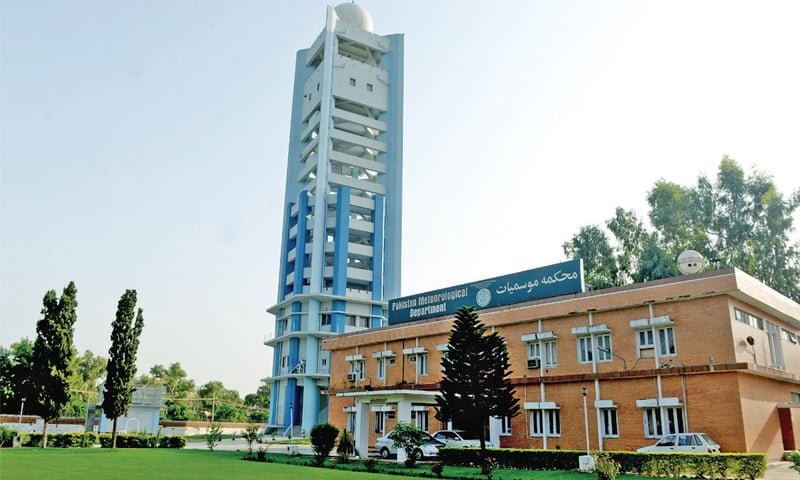
Monsoon Rains Continue, Flash Flood Warnings Issued Across Pakistan

ISLAMABAD — The Pakistan Meteorological Department (PMD) has issued warnings of heavy rain and potential flash floods as the monsoon system is expected to persist across various regions of Pakistan on Tuesday. The forecast includes rain accompanied by wind and thunderstorms in areas such as Kashmir, Gilgit-Baltistan, Khyber Pakhtunkhwa, Islamabad, upper and central Punjab, and northeastern Balochistan. What Happened On Monday, the PMD announced that the ongoing monsoon system would continue to affect several regions of Pakistan, bringing with it the potential for heavy to very heavy rainfall. The department specifically warned that these conditions could lead to urban flooding, flash floods, and landslides in vulnerable areas. The forecast for Tuesday includes rain and thunderstorms, with isolated heavy falls expected in Kashmir, Gilgit-Baltistan, Khyber Pakhtunkhwa, Islamabad, upper and central Punjab, and northeastern Balochistan. The PMD’s advisory highlighted the risk of urban flooding in low-lying areas, particularly in cities such as Islamabad, Rawalpindi, Lahore, and Peshawar. Additionally, there is a heightened risk of landslides in the mountainous regions of Kashmir and Gilgit-Baltistan, where the terrain is particularly susceptible to heavy rain-induced landslides. Local authorities have been advised to remain vigilant and take necessary precautionary measures to mitigate the impact of these weather conditions. Residents in affected areas are urged to stay informed about the latest weather updates and adhere to safety advisories issued by local disaster management authorities. Background Pakistan experiences its monsoon season from July to September, during which heavy rains are common. The monsoon is a critical period for the country, as it replenishes water resources but also poses significant risks of flooding and landslides. In recent years, climate change has exacerbated the intensity and unpredictability of monsoon rains, leading to increased instances of extreme weather events. Historically, Pakistan has faced severe flooding during the monsoon season. In 2010, the country experienced one of its worst floods, affecting over 20 million people and causing widespread destruction. Since then, the government has been working to improve its disaster management and response systems, though challenges remain, particularly in terms of infrastructure and resource allocation. Why It Matters The continuation of heavy monsoon rains and the associated risk of flash floods and landslides have significant implications for Pakistan. Economically, the potential for urban flooding can disrupt daily life, affecting businesses and transportation systems. The agricultural sector, which is heavily dependent on monsoon rains, also faces risks of crop damage and soil erosion, which can impact food security and livelihoods. Socially, the threat of flooding and landslides poses a danger to communities, particularly those in vulnerable areas with inadequate infrastructure. The displacement of people due to natural disasters can lead to humanitarian challenges, including the need for emergency shelter, food, and medical assistance. Politically, the government’s ability to effectively manage and respond to these natural disasters is crucial. Effective disaster response can bolster public confidence in governmental institutions, while inadequate responses can lead to criticism and unrest. Additionally, Pakistan’s efforts to address climate change and improve resilience to extreme weather events are closely watched by international partners and organizations. Key Takeaways The PMD has forecast heavy rain and thunderstorms across several regions of Pakistan on Tuesday. There is a risk of urban flooding, flash floods, and landslides in vulnerable areas. Authorities are advised to remain vigilant and take precautionary measures. The monsoon season is critical for water resources but poses significant risks. Effective disaster management is essential for economic stability and public confidence. Source Attribution This article is based on official government statements, press releases, and public communications from relevant authorities. Author: NEN Editorial Desk | Editor: NEN Newsroom | Fact Checked By: NEN Editorial Team Author: NEN Editorial Desk  |  Editor: NEN Newsroom  |  Last Updated: August 03, 2026  |  Source: NEN Reporter This article was produced by the NEN Editorial Desk in accordance with NEN Agency’s Editorial Policy and Fact-Checking Policy.

Pakistan

FSC&RD Registers Over 505 New Crop Varieties to Boost Seed Production

ISLAMABAD — The Federal Seed Certification and Registration Department (FSC&RD) has registered over 505 new crop variety names in the past year, aiming to enhance the production and availability of certified, high-yielding seeds across Pakistan. This initiative forms part of the government’s broader strategy to fortify the national seed sector and ensure food security. What Happened The FSC&RD announced that it had issued more than 505 variety names for the registration of new crop types over the last year. This move is intended to increase the production of certified seeds, which are crucial for achieving high agricultural yields. The registration of these varieties is a critical step in ensuring that farmers have access to seeds that are not only high-yielding but also resistant to various environmental stresses. According to the FSC&RD, this initiative aligns with the government’s efforts to modernize agriculture by introducing new technologies and innovations in the seed sector. The department emphasized that the availability of certified seeds is essential for improving crop productivity and ensuring the sustainability of agricultural practices in Pakistan. FSC&RD officials highlighted the importance of this development, stating that the registration of new varieties would provide farmers with more options and help them adapt to changing climatic conditions. “By registering these new varieties, we are offering farmers a wider selection of seeds that are better suited to their specific regional conditions,” an official from the department stated. Background The Federal Seed Certification and Registration Department is responsible for the regulation and certification of seeds in Pakistan. Established under the Seed Act of 1976, the department plays a pivotal role in ensuring that only high-quality seeds are available to farmers. Over the years, FSC&RD has been instrumental in introducing various seed varieties that have contributed to increased agricultural productivity. In recent years, Pakistan’s agricultural sector has faced numerous challenges, including climate change, water scarcity, and soil degradation. These issues have underscored the need for resilient and high-yielding seed varieties. The government’s focus on seed certification and registration is part of a larger effort to address these challenges and promote sustainable agricultural practices. Why It Matters The registration of over 505 new crop varieties is significant for several reasons. Firstly, it marks a substantial step towards achieving food security in Pakistan. With a growing population and increasing demand for food, the availability of high-yielding seeds is crucial for boosting agricultural output. Economically, the introduction of new seed varieties can lead to increased agricultural productivity, which is vital for the country’s GDP, as agriculture remains a key sector in Pakistan’s economy. Higher yields can lead to greater income for farmers, improved livelihoods, and reduced poverty levels in rural areas. Socially, this development empowers farmers by providing them with more choices and better tools to combat the effects of climate change. Access to diverse seed varieties allows farmers to select those best suited to their local conditions, thereby enhancing resilience against adverse weather patterns and pest infestations. On an international level, the initiative positions Pakistan as a proactive player in the global agricultural sector, demonstrating its commitment to adopting innovative practices and technologies. This can attract foreign investment and foster collaborations with international agricultural research organizations. Key Takeaways The FSC&RD registered over 505 new crop variety names in the past year. This initiative aims to increase the availability of certified, high-yielding seeds. The registration aligns with government efforts to modernize agriculture and ensure food security. New seed varieties provide farmers with more options and help adapt to climate change. The development has significant economic, social, and international implications. Source Attribution This article is based on official government statements, press releases, and public communications from relevant authorities. Author: NEN Editorial Desk | Editor: NEN Newsroom | Fact Checked By: NEN Editorial Team Author: NEN Editorial Desk  |  Editor: NEN Newsroom  |  Last Updated: August 03, 2026  |  Source: NEN Reporter This article was produced by the NEN Editorial Desk in accordance with NEN Agency’s Editorial Policy and Fact-Checking Policy.
Pakistan

WUM Vice Chancellor Pledges Merit-Based Promotions for Junior Staff

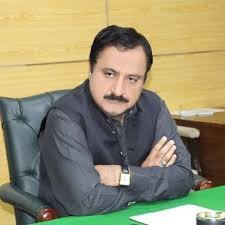
MULTAN — Vice Chancellor of Women University Multan (WUM), Professor Dr. Syeda Shahida Batool, has committed to ensuring timely and merit-based promotions for junior staff members. This assurance was given during a meeting held on August 3, where a delegation of junior employees, including clerks, attendants, stenographers, and lab attendants, met with the vice chancellor to discuss their pending promotion cases. What Happened The meeting was convened at the request of the junior staff, who have been awaiting promotions that have been delayed due to various administrative hurdles. During the discussion, the delegation highlighted the challenges they face due to the stagnation in their career progression. They stressed the importance of timely promotions for their professional growth and morale. Professor Dr. Syeda Shahida Batool acknowledged the concerns raised by the staff and assured them that the university administration is committed to addressing these issues. She emphasized that promotions would be conducted on the basis of merit and in accordance with the university’s policies. “We are dedicated to ensuring that all promotion cases are handled fairly and efficiently,” she stated. The vice chancellor also highlighted the importance of maintaining a motivated workforce, which she believes is essential for the university’s progress. She assured the delegation that the administration would expedite the review process of the pending cases to facilitate timely promotions. Background Women University Multan, established to provide higher education opportunities to women in the region, has been facing administrative challenges, including delays in staff promotions. The issue of pending promotions is not unique to WUM but is a common problem in many public sector institutions in Pakistan, often due to bureaucratic delays and lack of resources. The university’s promotion policy is designed to ensure that all staff members have equal opportunities for career advancement based on their performance and qualifications. However, the implementation of this policy has been inconsistent, leading to frustrations among the junior staff. Why It Matters The assurance of timely promotions is significant for several reasons. Firstly, it addresses the long-standing grievances of the junior staff, who have been feeling undervalued and demotivated due to the delay in their career progression. This move is likely to boost morale and enhance productivity among the staff, which is crucial for the effective functioning of the university. Economically, timely promotions can lead to improved financial stability for the employees, as promotions often come with salary increments. This is particularly important in the current economic climate, where inflation and cost of living are rising in Pakistan. Socially, ensuring merit-based promotions can enhance the university’s reputation as a fair and equitable employer, which can attract more qualified professionals to the institution. This can lead to an overall improvement in the quality of education provided by the university, benefiting the students and the broader community. Furthermore, addressing administrative inefficiencies and ensuring accountability in the promotion process can set a precedent for other public sector institutions in Pakistan, encouraging them to adopt similar practices. Key Takeaways WUM Vice Chancellor Dr. Syeda Shahida Batool has assured timely, merit-based promotions for junior staff. The assurance was given after a delegation of junior staff met with the vice chancellor to discuss pending promotion cases. Timely promotions are expected to boost staff morale and productivity, benefiting the university’s operations. Addressing promotion delays can improve the financial stability of employees amid rising living costs. This initiative can serve as a model for other public sector institutions in Pakistan to enhance administrative efficiency. Source Attribution This article is based on official statements and public communications from Women University Multan. Author: NEN Editorial Desk | Editor: NEN Newsroom | Fact Checked By: NEN Editorial Team Author: NEN Editorial Desk  |  Editor: NEN Newsroom  |  Last Updated: August 03, 2026  |  Source: NEN Reporter This article was produced by the NEN Editorial Desk in accordance with NEN Agency’s Editorial Policy and Fact-Checking Policy.
World

Punjab Hospital Wins Global Diamond Award For Stroke Care Excellence

LAHORE — Punjab Chief Minister Maryam Nawaz Sharif has extended her heartfelt congratulations to the management and neurology team at Services Hospital Lahore for receiving the prestigious WSO/Angels Diamond Award. The award, which recognizes excellence in stroke care, marks a significant international acknowledgment of Punjab’s ongoing efforts to enhance public healthcare services. What Happened On Monday, Chief Minister Maryam Nawaz Sharif lauded the Services Hospital Lahore after it was honored with the WSO/Angels Diamond Award. This accolade is awarded to hospitals that demonstrate outstanding performance in stroke care, adhering to the highest standards set by the World Stroke Organization (WSO) and the Angels Initiative. The award signifies the hospital’s commitment to providing exceptional medical services in the field of neurology, particularly in the treatment and management of stroke. The Chief Minister highlighted the achievement as a testament to the dedication and hard work of the hospital’s neurology team. She stated, “This award is a reflection of the tireless efforts of our healthcare professionals who are committed to improving patient outcomes and setting new benchmarks in medical care.” The recognition places Services Hospital among the elite institutions globally that have made significant strides in stroke management. Services Hospital Lahore has been at the forefront of adopting advanced medical practices and technologies to enhance patient care. The hospital’s stroke unit has implemented comprehensive protocols that ensure rapid diagnosis and treatment, which are crucial in minimizing the long-term effects of strokes. The award underscores the hospital’s success in maintaining these high standards and its role as a leader in healthcare innovation in Pakistan. Background The WSO/Angels Diamond Award is part of a global initiative aimed at improving stroke care worldwide. The Angels Initiative, in collaboration with the World Stroke Organization, provides support and resources to hospitals to enhance their stroke care capabilities. This program encourages hospitals to adopt best practices and achieve excellence in patient care, with the Diamond Award representing the highest level of achievement within this framework. Services Hospital Lahore has been actively participating in the Angels Initiative, which has helped it to refine its stroke care protocols and improve patient outcomes. The hospital has invested in training its staff, upgrading its facilities, and implementing state-of-the-art technologies to ensure that patients receive prompt and effective treatment. Why It Matters The recognition of Services Hospital Lahore with the WSO/Angels Diamond Award is significant for several reasons. Firstly, it highlights the progress made by Pakistan’s healthcare system in aligning with international standards. This achievement not only boosts the morale of healthcare professionals in the region but also sets a benchmark for other institutions to aspire to. Economically, the award could attract further investment in the healthcare sector, as international recognition often leads to increased confidence among potential investors and donors. This could result in improved infrastructure, more advanced medical equipment, and better training opportunities for healthcare professionals across Pakistan. Socially, the award enhances public trust in the healthcare system, encouraging more patients to seek timely medical attention for stroke symptoms. This is crucial in a country where awareness about stroke prevention and treatment is still developing. The recognition serves as a reminder of the importance of early intervention and the availability of high-quality care within the country. Politically, the award can be seen as a validation of the government’s efforts to improve public healthcare services. It aligns with broader health policy objectives aimed at enhancing the quality and accessibility of medical care for all citizens, thereby contributing to the overall well-being of the population. Key Takeaways Services Hospital Lahore received the WSO/Angels Diamond Award for excellence in stroke care. The award reflects Punjab’s commitment to improving public healthcare services. The recognition is expected to boost confidence in Pakistan’s healthcare system. The award may attract further investment and improve healthcare infrastructure. It underscores the importance of early stroke intervention and high-quality care. Source Attribution This article is based on official government statements, press releases, and public communications from relevant authorities. Author: NEN Editorial Desk | Editor: NEN Newsroom | Fact Checked By: NEN Editorial Team Author: NEN Editorial Desk  |  Editor: NEN Newsroom  |  Last Updated: August 03, 2026  |  Source: NEN Reporter This article was produced by the NEN Editorial Desk in accordance with NEN Agency’s Editorial Policy and Fact-Checking Policy.

Pakistan

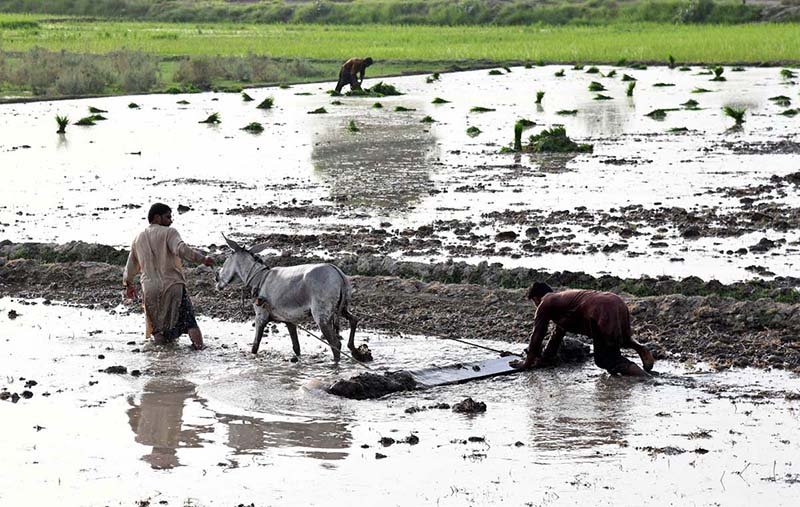
Farmers Utilize Traditional Methods for Rice Cultivation in Larkana

LARKANA — Farmers in Larkana are employing traditional agricultural techniques to prepare fields for rice cultivation as the monsoon season progresses. On August 3, local farmers were observed using wooden levelling slabs and donkeys to ready their fields, a practice that underscores the enduring reliance on age-old methods in Pakistan’s rural heartlands. What Happened In the rural areas of Larkana, a region known for its agricultural productivity, farmers are currently engaged in the critical phase of preparing their fields for rice cultivation. This involves the manual operation of wooden levelling slabs, which are pushed by hand to flatten the soil, and the use of donkeys to assist in this labor-intensive process. These methods, deeply rooted in tradition, remain prevalent due to their cost-effectiveness and the lack of access to modern machinery for many small-scale farmers. The preparation of fields is a crucial step in rice farming, as it ensures that the soil is adequately levelled and ready to retain water, which is essential for rice growth. The use of donkeys to lead the levelling slabs is a testament to the farmers’ adaptation to available resources, balancing efficiency with economic constraints. This approach not only reflects the resilience of the agricultural community but also highlights the challenges faced by farmers in accessing modern agricultural technology. Background Rice is a staple crop in Pakistan, with the country being one of the largest producers and exporters of rice globally. The cultivation of rice is predominantly concentrated in the provinces of Punjab and Sindh, with Larkana being a significant contributor to Sindh’s rice output. The traditional methods employed by farmers in Larkana are reminiscent of practices that have been passed down through generations, illustrating a continuity of agricultural heritage. Historically, the reliance on manual and animal-assisted farming techniques has been due to limited access to mechanized farming equipment. While some regions have seen advancements in agricultural technology, many rural areas continue to depend on traditional methods due to economic and infrastructural barriers. Why It Matters The persistence of traditional farming methods in Larkana has broader implications for Pakistan’s agricultural sector. Economically, the reliance on manual labor and animal power reflects the financial constraints faced by smallholder farmers, who constitute a significant portion of the agricultural workforce. This situation underscores the need for policy interventions that provide access to affordable technology and resources to enhance productivity and sustainability. Socially, the use of traditional methods is indicative of the cultural heritage and knowledge systems that are integral to rural communities. However, it also highlights the disparities in technological adoption between urban and rural areas, which can impact the overall competitiveness of Pakistan’s agricultural exports. On an international level, as global demand for rice continues to rise, the efficiency and sustainability of rice production in Pakistan are critical. Enhancing productivity through modern technology could significantly boost export potential and improve the livelihoods of farmers. Thus, addressing the technological divide is essential for aligning with global agricultural trends and ensuring food security. Key Takeaways Farmers in Larkana are using traditional methods for rice field preparation, involving wooden levelling slabs and donkeys. The reliance on manual and animal-assisted techniques highlights economic constraints and limited access to modern machinery. Rice is a major crop in Pakistan, with significant production in Sindh, including Larkana. Addressing the technological divide in agriculture is crucial for enhancing productivity and export potential. Traditional methods reflect cultural heritage but also underscore the need for policy support in rural areas. Source Attribution This article is based on official government statements, press releases, and public communications from relevant authorities. Author: NEN Editorial Desk | Editor: NEN Newsroom | Fact Checked By: NEN Editorial Team Author: NEN Editorial Desk  |  Editor: NEN Newsroom  |  Last Updated: August 03, 2026  |  Source: NEN Reporter This article was produced by the NEN Editorial Desk in accordance with NEN Agency’s Editorial Policy and Fact-Checking Policy.

Pakistan

Murree Deputy Commissioner Evaluates Educational Standards in Surprise School Visit

RAWALPINDI — Deputy Commissioner Murree, Agha Zaheer Abbas Shirazi, conducted a surprise inspection of the Special Education Center and Government School Daryagali on Monday. The visit aimed to assess the quality of classroom teaching, student attendance, and the availability of civic facilities in these public educational institutions located in the hilly district of Murree. What Happened During the unannounced visit, Deputy Commissioner Shirazi evaluated various aspects of the educational environment at the Special Education Center and Government School Daryagali. The inspection focused on the effectiveness of classroom instruction, the regularity of student attendance, and the condition of civic amenities provided to the students and staff. Deputy Commissioner Shirazi interacted with teachers and students to gain firsthand insights into the educational challenges they face. He emphasized the importance of maintaining high educational standards and ensuring that all students have access to quality education. Shirazi also issued administrative instructions on-site to address any immediate concerns identified during the inspection. The surprise visit underscored the district administration’s commitment to improving educational standards in Murree, particularly in public institutions that serve a significant portion of the local population. Shirazi’s proactive approach aims to identify and rectify issues that may hinder the educational process, ensuring that students receive the best possible learning experience. Background Murree, a popular tourist destination in Pakistan, also houses several educational institutions that cater to the local population. The district administration periodically conducts inspections to ensure that these institutions adhere to the educational standards set by the government. The focus on special education centers is part of a broader initiative to provide inclusive education to students with diverse needs. In recent years, the government has placed increased emphasis on improving the quality of education in public schools across the country. This includes initiatives to enhance teacher training, improve infrastructure, and ensure the availability of necessary resources. The inspections are part of ongoing efforts to monitor and evaluate the implementation of these educational policies at the grassroots level. Why It Matters The surprise inspection by Deputy Commissioner Shirazi is significant in several ways. Firstly, it highlights the government’s commitment to ensuring that educational standards are consistently met in public institutions. By addressing issues such as classroom instruction quality and student attendance, the administration aims to create an environment conducive to learning. Secondly, the focus on special education centers is crucial for promoting inclusivity in the education system. By evaluating the facilities and resources available to students with special needs, the administration can identify areas for improvement and ensure that these students receive the support they require to succeed academically. Furthermore, the inspection serves as a reminder to educational institutions about the importance of maintaining high standards and accountability. Regular evaluations help to identify gaps in the system and provide opportunities for corrective action, ultimately benefiting students and enhancing the overall quality of education in the region. On a broader scale, these efforts contribute to Pakistan’s educational development goals, aligning with national and international commitments to provide quality education for all children. By prioritizing education, the government aims to empower future generations and drive socio-economic progress in the country. Key Takeaways Deputy Commissioner Murree conducted a surprise inspection of educational institutions to evaluate standards. The visit focused on classroom teaching quality, student attendance, and civic facilities. Immediate administrative instructions were issued to address identified issues. The inspection underscores the importance of inclusivity and quality in education. These efforts align with Pakistan’s broader educational development goals. Source Attribution This article is based on official government statements, press releases, and public communications from relevant authorities. Author: NEN Editorial Desk | Editor: NEN Newsroom | Fact Checked By: NEN Editorial Team Author: NEN Editorial Desk  |  Editor: NEN Newsroom  |  Last Updated: August 03, 2026  |  Source: NEN Reporter This article was produced by the NEN Editorial Desk in accordance with NEN Agency’s Editorial Policy and Fact-Checking Policy.

Scroll to Top