
2026

World

Port Qasim Sees Surge in Shipping Activity with New Arrivals

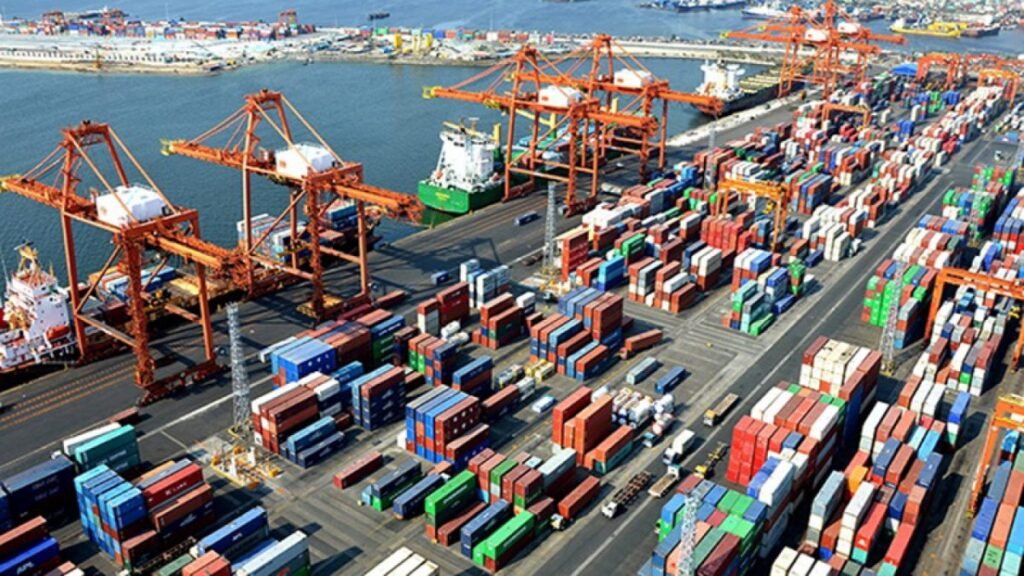
KARACHI — Port Qasim experienced increased shipping activity as three vessels berthed at its terminals on August 3, 2023. The ships, namely DP World Chennai, Malmo, and My Dream, arrived carrying containers, palm oil, and coal, respectively, enhancing the port’s operational throughput. What Happened On August 3, 2023, Port Qasim witnessed the docking of three significant vessels, each serving a different sector of the shipping industry. The DP World Chennai, a container ship, berthed at the Qasim International Container Terminal, contributing to the port’s container handling capacity. Meanwhile, the vessel Malmo, carrying a shipment of palm oil, docked at the Liquid Cargo Terminal, highlighting the port’s role in the import of essential commodities. Additionally, the bulk carrier My Dream arrived with a load of coal, anchoring at the Bulk Cargo Terminal, which underscores the port’s importance in supporting Pakistan’s energy sector. In addition to these arrivals, six more ships are scheduled to dock at Port Qasim. These include Mol Earnest, CMA CGM Nile, Star Cape Town, Peonia, and PST, all of which are expected to further boost the port’s activity levels and operational capacity. This influx of vessels is indicative of Port Qasim’s strategic importance in handling diverse cargo types, ranging from containerized goods to bulk commodities. Background Port Qasim, located in Karachi, is one of Pakistan’s premier maritime facilities, playing a crucial role in the country’s trade and logistics networks. Established in the late 1970s, the port has undergone significant expansions to accommodate growing trade volumes. It serves as a key node for imports and exports, handling a variety of cargo types, including containers, liquid bulk, and dry bulk. The port’s strategic location and modern infrastructure make it a vital hub for both domestic and international shipping lines. Historically, Port Qasim has been instrumental in supporting Pakistan’s economic growth by facilitating trade flows and providing employment opportunities. The port’s operations are governed by the Port Qasim Authority, which oversees its development and ensures compliance with international maritime standards. Why It Matters The recent surge in shipping activity at Port Qasim holds significant implications for Pakistan’s economy. As a major gateway for trade, the port’s ability to efficiently handle diverse cargo types directly impacts the country’s import and export capabilities. The arrival of container ships like DP World Chennai supports Pakistan’s manufacturing and retail sectors by ensuring the steady flow of goods and materials. This, in turn, helps stabilize market prices and supply chains, benefiting consumers and businesses alike. The docking of the Malmo with palm oil imports is particularly crucial given Pakistan’s reliance on palm oil for both industrial and domestic use. Palm oil is a key ingredient in many food products and is also used in the production of biofuels. Ensuring a steady supply of this commodity helps mitigate potential shortages and price volatility in the market. Moreover, the arrival of the bulk carrier My Dream with coal shipments is vital for Pakistan’s energy sector. Coal remains a significant source of energy for the country, and its import is essential for power generation and industrial use. Efficient handling of coal shipments at Port Qasim supports energy security and helps meet the growing demand for electricity. Overall, the increased shipping activity at Port Qasim underscores the port’s role in bolstering Pakistan’s trade infrastructure and economic resilience. It highlights the interconnectedness of global supply chains and the importance of maintaining robust maritime logistics capabilities. Key Takeaways Three ships, including DP World Chennai, Malmo, and My Dream, recently berthed at Port Qasim. The port handled diverse cargo types: containers, palm oil, and coal. Six additional ships are scheduled to arrive, further boosting port activity. Port Qasim is crucial for Pakistan’s trade, supporting various economic sectors. The port’s operations impact energy security, market stability, and supply chains. Source Attribution This article is based on official government statements, press releases, and public communications from relevant authorities. Author: NEN Editorial Desk | Editor: NEN Newsroom | Fact Checked By: NEN Editorial Team Author: NEN Editorial Desk  |  Editor: NEN Newsroom  |  Last Updated: August 03, 2026  |  Source: NEN Reporter This article was produced by the NEN Editorial Desk in accordance with NEN Agency’s Editorial Policy and Fact-Checking Policy.

World

LCCI President Heads Trade Delegation to Europe for Economic Talks

LAHORE — A high-level trade delegation led by Lahore Chamber of Commerce and Industry (LCCI) President Faheem Ur Rehman Saigol embarked on a crucial visit to Europe on August 3. The delegation aims to enhance trade and economic ties with Switzerland, France, and Germany, focusing on expanding Pakistan’s export markets and fostering business collaborations. What Happened The trade delegation, spearheaded by LCCI President Faheem Ur Rehman Saigol, departed for a series of meetings and discussions across key European nations. The visit is strategically planned to explore new avenues for trade, investment, and economic cooperation between Pakistan and Europe. The delegation’s itinerary includes meetings with business leaders, trade associations, and government officials in Switzerland, France, and Germany. Saigol emphasized the importance of this visit, stating, “Our goal is to open new channels for trade and investment, which are vital for the economic growth of Pakistan. Europe presents a vast market for our products, and strengthening these ties will benefit our industries significantly.” The delegation is expected to discuss a range of issues, including tariff barriers, market access, and potential joint ventures. The visit comes at a time when Pakistan is seeking to diversify its export markets and reduce its trade deficit. By engaging with European counterparts, the LCCI aims to identify opportunities for Pakistani businesses, particularly in sectors like textiles, agriculture, and technology. Background Historically, Pakistan has maintained trade relations with European countries, but the volume of trade has fluctuated over the years. The European Union is one of Pakistan’s largest trading partners, with textiles and clothing making up a significant portion of exports. However, challenges such as tariff barriers and stringent quality standards have often hindered the growth of trade. In recent years, the Pakistani government and business community have made concerted efforts to improve trade relations with Europe. Initiatives such as the Generalised Scheme of Preferences Plus (GSP+) have provided Pakistan with preferential access to European markets, boosting exports. However, there remains a need for further engagement to address existing challenges and explore new opportunities. Why It Matters The visit by the LCCI delegation is significant for several reasons. Economically, it represents an opportunity to increase Pakistan’s export revenues by tapping into the lucrative European markets. With the country’s economy facing challenges such as inflation and a trade deficit, expanding export markets is crucial for economic stability. Socially, stronger trade ties with Europe could lead to job creation and improved livelihoods in Pakistan. As industries grow to meet increased demand, employment opportunities are likely to rise, contributing to poverty alleviation and economic development. Politically, enhancing economic relations with Europe could strengthen Pakistan’s diplomatic ties with the region, providing a platform for broader cooperation on issues such as climate change, security, and education. Such partnerships could also improve Pakistan’s international standing and influence. Internationally, the visit underscores Pakistan’s commitment to engaging with global markets and diversifying its economic partnerships. By fostering closer ties with Europe, Pakistan can reduce its reliance on traditional markets and build a more resilient economy. Key Takeaways The LCCI delegation, led by President Faheem Ur Rehman Saigol, is visiting Switzerland, France, and Germany to enhance trade ties. The visit aims to explore new trade and investment opportunities, focusing on sectors like textiles, agriculture, and technology. Strengthening trade relations with Europe is crucial for Pakistan’s economic growth and stability. The visit could lead to job creation and improved livelihoods in Pakistan by expanding export markets. Engagement with Europe enhances Pakistan’s diplomatic and international relations. Source Attribution This article is based on official government statements, press releases, and public communications from relevant authorities. Author: NEN Editorial Desk | Editor: NEN Newsroom | Fact Checked By: NEN Editorial Team Author: NEN Editorial Desk  |  Editor: NEN Newsroom  |  Last Updated: August 03, 2026  |  Source: Press Release from Government of Pakistan This article was produced by the NEN Editorial Desk in accordance with NEN Agency’s Editorial Policy and Fact-Checking Policy.
Pakistan

Ahsan Iqbal Advocates Governance Reforms and Empowered Local Governments

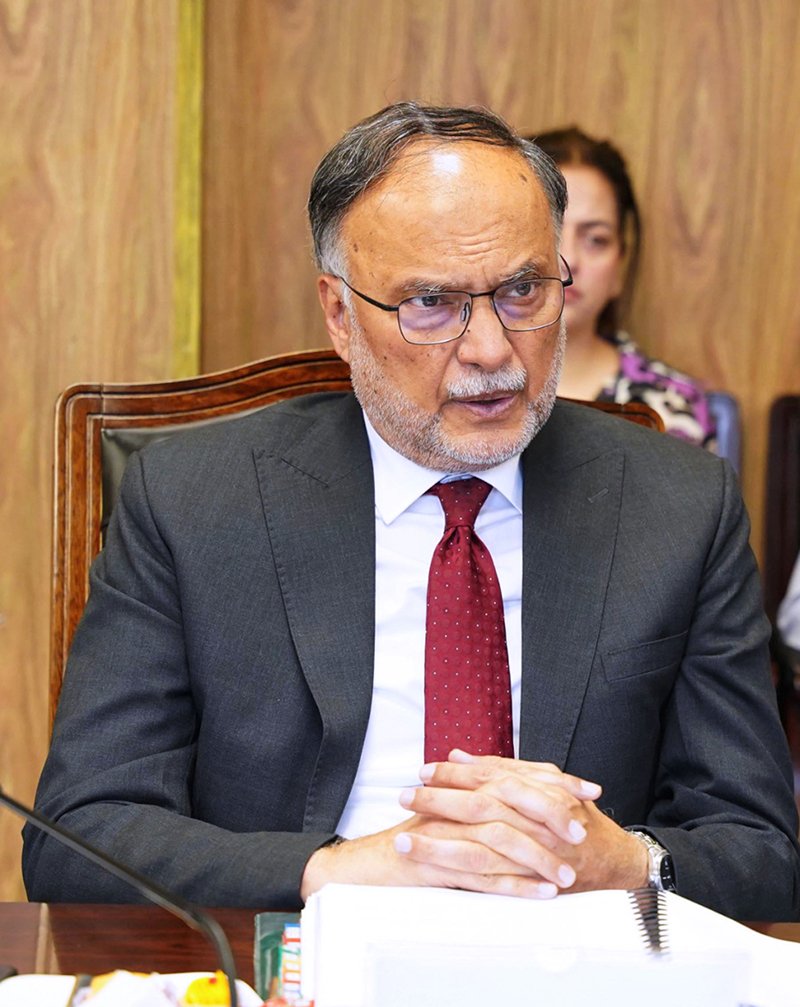
ISLAMABAD — Federal Minister for Planning and Development Ahsan Iqbal has emphasized the urgent need for comprehensive governance reforms and the strengthening of local governments in Pakistan. Speaking on Monday, Iqbal highlighted the challenges posed by the country’s limited resources and rapidly growing population, which have strained the current administrative system’s ability to deliver effective services. What Happened During an interview with a private news channel, Ahsan Iqbal, Federal Minister for Planning and Development, underscored the necessity of implementing significant governance reforms in Pakistan. He pointed out that the existing administrative framework is under immense pressure due to the country’s limited resources and an increasing population. “The current system is struggling to meet the demands of service delivery,” Iqbal stated, emphasizing the urgent need for change. Iqbal called for a strategic shift towards empowering local governments, which he believes is crucial for improving governance at the grassroots level. He argued that local governments, when strengthened, could play a pivotal role in addressing the needs of the populace more efficiently and effectively. “Stronger local governments can ensure that resources are utilized optimally and services are delivered directly to the people,” he added. The minister also highlighted the importance of adopting modern governance practices and technologies to enhance transparency and accountability within the administrative system. He suggested that reforms should focus on decentralization, allowing for more localized decision-making, which could lead to more tailored and responsive governance solutions. Background The call for governance reforms in Pakistan is not new. Over the years, various administrations have acknowledged the need to overhaul the country’s administrative systems to better serve its citizens. Historically, Pakistan’s governance structure has been highly centralized, which has often led to inefficiencies and delays in service delivery. Efforts to empower local governments have been a recurring theme in Pakistan’s political discourse. The Local Government Ordinance of 2001, introduced under President Pervez Musharraf, was a significant attempt to decentralize power. However, subsequent governments have struggled to maintain the momentum of these reforms, often due to political and bureaucratic resistance. Why It Matters The push for governance reforms and stronger local governments is critical for Pakistan’s socio-economic development. With a population exceeding 240 million, the demand for public services such as education, healthcare, and infrastructure is immense. The current centralized governance model has often been criticized for its inability to address these needs effectively, leading to widespread dissatisfaction among citizens. Empowering local governments could lead to more efficient resource allocation and service delivery, directly impacting the quality of life for millions of Pakistanis. Decentralization allows for decisions to be made closer to the communities they affect, enabling more context-specific solutions and fostering greater civic engagement. Moreover, governance reforms are essential for attracting foreign investment. Investors seek stable and transparent administrative environments, and reforms that enhance accountability and reduce bureaucratic red tape could make Pakistan a more attractive destination for international businesses. On an international level, improved governance in Pakistan could enhance its diplomatic standing, showcasing the country as a progressive and reform-oriented nation. This could lead to stronger bilateral relations and increased cooperation with other countries. Key Takeaways Ahsan Iqbal calls for comprehensive governance reforms and stronger local governments in Pakistan. The current administrative system is under pressure due to limited resources and a growing population. Empowering local governments could improve service delivery and resource allocation. Governance reforms are crucial for socio-economic development and attracting foreign investment. Decentralization could lead to more context-specific solutions and greater civic engagement. Source Attribution This article is based on official government statements, press releases, and public communications from relevant authorities. Author: NEN Editorial Desk | Editor: NEN Newsroom | Fact Checked By: NEN Editorial Team Author: NEN Editorial Desk  |  Editor: NEN Newsroom  |  Last Updated: August 03, 2026  |  Source: NEN Reporter This article was produced by the NEN Editorial Desk in accordance with NEN Agency’s Editorial Policy and Fact-Checking Policy.
World

GB Chief Minister Leads Historic All Parties Conference on Kashmir

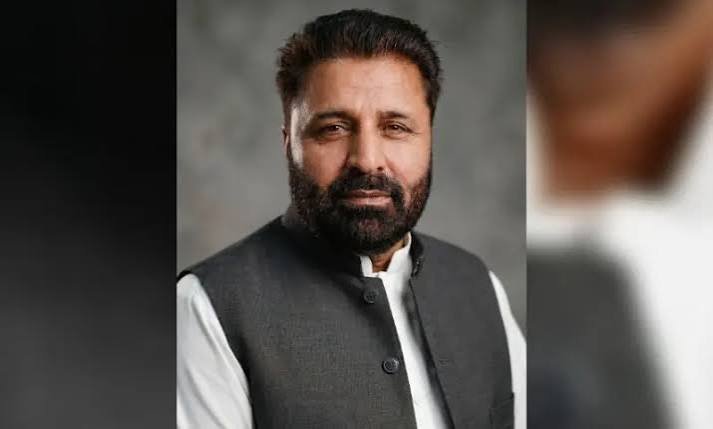
GILGIT — Chief Minister of Gilgit-Baltistan Amjad Hussain Azar chaired the first-ever all parties conference on Kashmir on Monday, reaffirming Pakistan’s unwavering support for the people of Indian Illegally Occupied Jammu and Kashmir (IIOJK). The conference aimed to consolidate political and diplomatic efforts to highlight the plight of Kashmiris at international forums. What Happened The conference, held in Gilgit, brought together representatives from various political parties and civil society organizations to discuss the ongoing situation in IIOJK. Chief Minister Azar emphasized the importance of presenting a united front against the human rights violations occurring in the region. “Raising the voice of the oppressed people of IIOJK at international forums is our foremost national responsibility,” he stated. Participants at the conference unanimously agreed on the necessity of extending political and diplomatic support to the Kashmiris. They also condemned the Indian government’s actions in the region, which have been criticized globally for human rights abuses. The conference concluded with a resolution to continue advocating for the rights of Kashmiris and to engage with international bodies to exert pressure on India to cease its oppressive policies. The event marked a significant step in Pakistan’s efforts to galvanize international support for the Kashmir cause. By bringing together diverse political voices, the conference underscored the national consensus on the issue and the commitment to pursue justice for the people of IIOJK. Background The Kashmir conflict dates back to the partition of British India in 1947, which led to the creation of India and Pakistan. The princely state of Jammu and Kashmir was given the choice to join either country, leading to a prolonged territorial dispute. Since then, the region has witnessed several wars and continuous unrest. In August 2019, the Indian government revoked Article 370 of its constitution, which granted special autonomy to Jammu and Kashmir. This move was met with widespread protests and increased tensions between India and Pakistan. The international community has expressed concern over the human rights situation in the region, with reports of arbitrary detentions, communication blackouts, and restrictions on freedom of movement. Why It Matters The all parties conference on Kashmir is a pivotal development in Pakistan’s strategy to address the Kashmir issue on the global stage. By uniting political factions, the conference strengthens Pakistan’s position in advocating for the rights of Kashmiris. This unified approach is crucial in countering India’s narrative and highlighting the human rights violations in IIOJK. Economically, the ongoing conflict in Kashmir affects regional stability, which is essential for trade and development in South Asia. The resolution of the Kashmir issue could lead to improved relations between India and Pakistan, potentially opening up new economic opportunities for both countries. Socially, the conference reflects the solidarity of the Pakistani people with the Kashmiris, reinforcing the cultural and historical ties between the two regions. It also serves as a reminder of Pakistan’s commitment to supporting oppressed communities and advocating for their rights on the international stage. Internationally, Pakistan’s diplomatic efforts are crucial in garnering support from other nations and international organizations. By highlighting the Kashmir issue, Pakistan aims to increase pressure on India to comply with international human rights standards and seek a peaceful resolution to the conflict. Key Takeaways GB Chief Minister Amjad Hussain Azar chaired the first-ever all parties conference on Kashmir in Gilgit. The conference aimed to consolidate political and diplomatic efforts to support the people of IIOJK. Participants condemned Indian actions in Kashmir and resolved to advocate for Kashmiri rights internationally. The conference strengthens Pakistan’s unified stance on the Kashmir issue. Resolving the Kashmir conflict is crucial for regional stability and economic opportunities in South Asia. Source Attribution This article is based on official government statements, press releases, and public communications from relevant authorities. Author: NEN Editorial Desk | Editor: NEN Newsroom | Fact Checked By: NEN Editorial Team Author: NEN Editorial Desk  |  Editor: NEN Newsroom  |  Last Updated: August 03, 2026  |  Source: Press Release from Government of Pakistan This article was produced by the NEN Editorial Desk in accordance with NEN Agency’s Editorial Policy and Fact-Checking Policy.
Pakistan

Pakistan and Spain to Enhance Collaboration in Education, Agriculture, and Sports

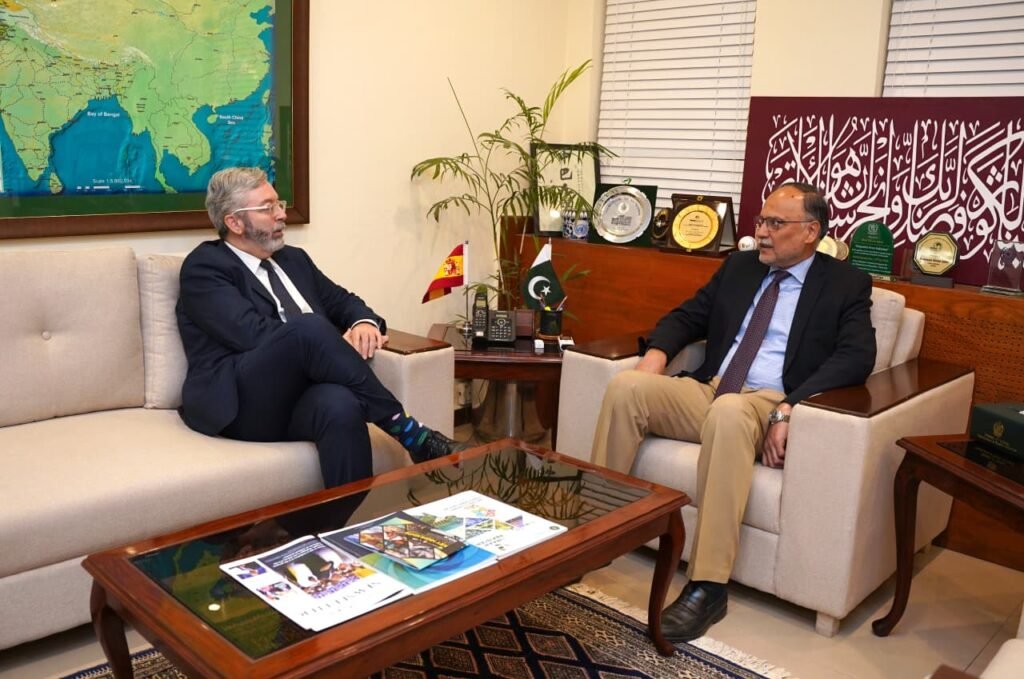
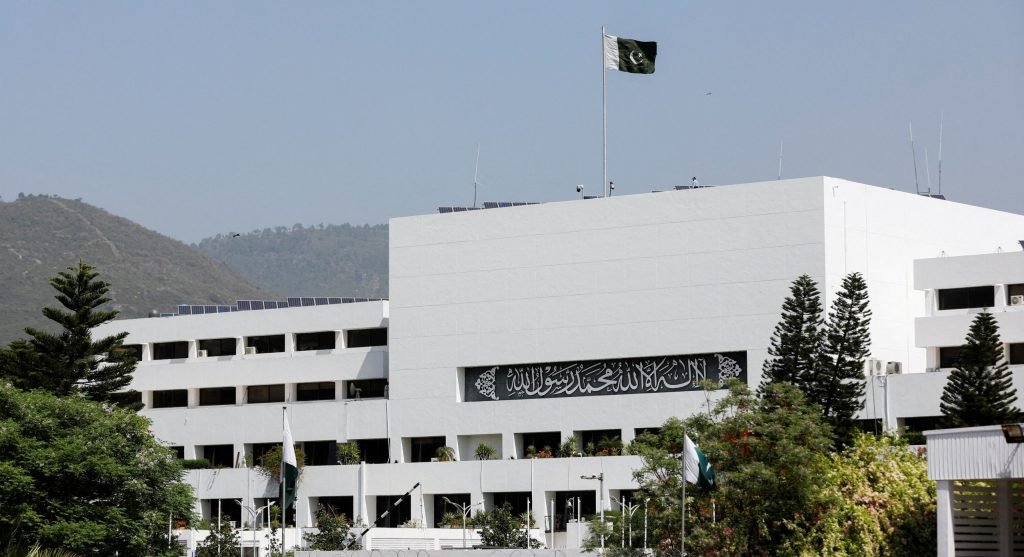
ISLAMABAD — Pakistan and Spain have agreed to enhance their bilateral cooperation in several key sectors, including higher education, agriculture, and sports. This decision was reached during a meeting held on Monday between Federal Minister for Planning, Development and Special Initiatives, Professor Ahsan Iqbal, and Spain’s Ambassador to Pakistan, Carlos Aragon. What Happened During the meeting in Islamabad, Professor Ahsan Iqbal and Ambassador Carlos Aragon discussed various avenues for strengthening ties between the two nations. The discussions focused on expanding cooperation in higher education, agriculture, sports, human development, and cultural exchanges. Professor Iqbal emphasized Pakistan’s commitment to fostering a robust partnership with Spain, highlighting the potential benefits for both countries. Professor Iqbal stated, “Pakistan is keen to deepen its relationship with Spain, particularly in areas that can significantly contribute to the socio-economic development of our country.” The meeting underscored the mutual interest in boosting academic exchanges and collaborative research between Pakistani and Spanish universities. Additionally, both parties explored opportunities to enhance agricultural productivity and sports development through shared expertise and resources. Ambassador Aragon expressed Spain’s willingness to support Pakistan in these endeavors, noting the historical ties and potential for future collaboration. “Spain values its relationship with Pakistan and is eager to explore new areas of cooperation that can bring mutual benefits,” he remarked. Background The relationship between Pakistan and Spain has been historically cordial, with both countries engaging in various diplomatic and economic exchanges over the years. Spain has been a supportive partner in Pakistan’s development initiatives, particularly in sectors like renewable energy and infrastructure development. The recent dialogue builds on these existing ties, aiming to broaden the scope of cooperation to include education, agriculture, and sports. In recent years, Pakistan has sought to enhance its educational ties with European countries to improve its higher education standards and research capabilities. Similarly, agriculture remains a critical sector for Pakistan’s economy, and collaboration with countries like Spain can introduce advanced techniques and technologies to boost productivity. Sports, too, is an area where Pakistan aims to develop further, leveraging international partnerships to enhance training and facilities. Why It Matters The agreement to deepen cooperation between Pakistan and Spain holds significant implications for various sectors within Pakistan. In higher education, the potential for academic exchanges and joint research initiatives could lead to improved educational standards and innovation, benefiting students and faculty alike. Such collaborations can also pave the way for Pakistani students to gain international exposure and experience. In agriculture, Spain’s expertise in modern farming techniques and sustainable practices can be instrumental in addressing Pakistan’s agricultural challenges. By adopting advanced technologies and practices, Pakistan could enhance its food security and increase agricultural exports, contributing to economic growth. Sports development is another critical area where international cooperation can have a profound impact. By learning from Spain’s successful sports programs, Pakistan can improve its training facilities and athlete performance, potentially leading to better representation in international competitions. Overall, this enhanced cooperation aligns with Pakistan’s broader goals of socio-economic development and international integration. By building strong partnerships with countries like Spain, Pakistan can accelerate its progress in key sectors, ultimately improving the quality of life for its citizens. Key Takeaways Pakistan and Spain have agreed to expand cooperation in higher education, agriculture, and sports. The meeting between Professor Ahsan Iqbal and Ambassador Carlos Aragon focused on mutual interests and potential benefits. Historical ties between the two countries provide a strong foundation for future collaboration. Enhanced cooperation could lead to improved educational standards, agricultural productivity, and sports development in Pakistan. This partnership aligns with Pakistan’s goals for socio-economic development and international integration. Source Attribution This article is based on official government statements and public communications from relevant authorities. Author: NEN Editorial Desk | Editor: NEN Newsroom | Fact Checked By: NEN Editorial Team Author: NEN Editorial Desk  |  Editor: NEN Newsroom  |  Last Updated: August 03, 2026  |  Source: NEN Reporter This article was produced by the NEN Editorial Desk in accordance with NEN Agency’s Editorial Policy and Fact-Checking Policy.
Pakistan

18,000 Out-Of-School Children Enrolled In Non-Formal Education, NA Committee Informed

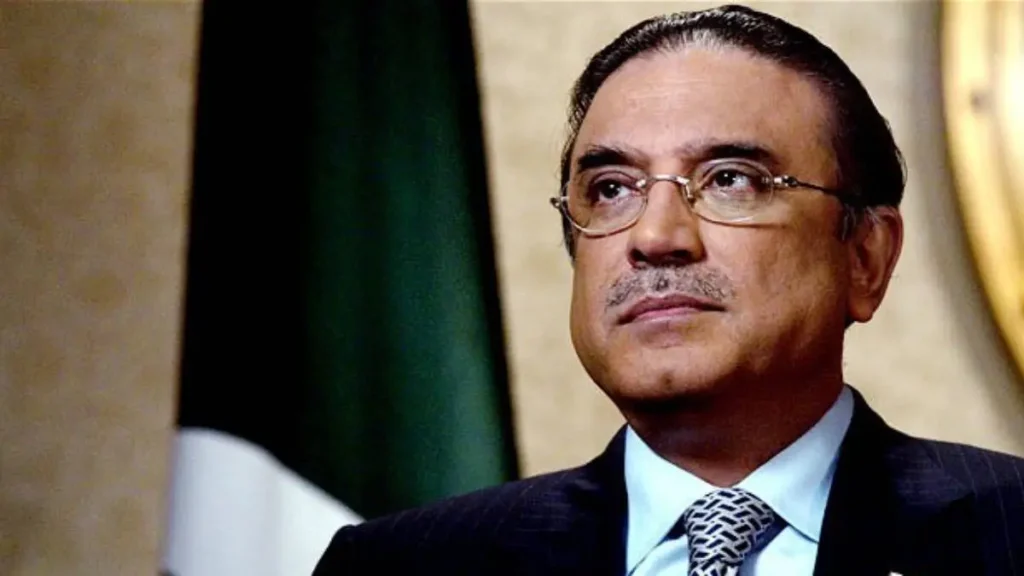
ISLAMABAD — The National Assembly Standing Committee on Federal Education and Professional Training was briefed that approximately 18,000 out-of-school children have been enrolled in non-formal education programs. This update was provided during a meeting chaired by Mahtab Akbar Rashdi, Member of the National Assembly, held at the Constitution Avenue on August 3. What Happened The National Assembly’s committee convened to discuss the progress and challenges in addressing the issue of out-of-school children in Pakistan. Officials reported that out of an identified 26,000 out-of-school children, about 18,000 have been successfully enrolled in non-formal education setups. These initiatives are part of broader efforts to provide educational opportunities to children who have been left out of the formal schooling system. Mahtab Akbar Rashdi, who chaired the meeting, emphasized the importance of these programs in bridging the educational gap in the country. The committee was informed about the strategies being implemented to reach the remaining 8,000 children and the challenges faced in this endeavor. The discussion also highlighted the need for increased funding and resources to expand these non-formal educational initiatives. During the session, various stakeholders, including education experts and government officials, shared insights into the effectiveness of non-formal education in integrating out-of-school children into the learning environment. The committee was urged to consider policy adjustments and increased collaboration with non-governmental organizations to enhance the reach and impact of these programs. Background Pakistan has long faced challenges in ensuring universal education, with millions of children remaining out of school due to various socio-economic factors. The government has been striving to address this issue through both formal and non-formal educational frameworks. Non-formal education serves as a flexible and accessible alternative for children who cannot attend regular schools due to financial constraints, geographical barriers, or other personal circumstances. Historically, efforts to reduce the number of out-of-school children have included initiatives like the National Education Policy and various provincial programs aimed at increasing enrollment rates. However, the progress has been slow, necessitating innovative approaches such as non-formal education to meet the educational needs of marginalized populations. Why It Matters The enrollment of 18,000 out-of-school children into non-formal education programs is a significant step towards addressing Pakistan’s educational challenges. This initiative not only provides these children with access to education but also helps in reducing the long-term socio-economic disparities that arise from lack of education. Education is a fundamental right and a critical factor in economic development and social stability. By integrating out-of-school children into the educational system, Pakistan can work towards achieving its national and international commitments, such as the Sustainable Development Goals (SDGs), which emphasize inclusive and equitable quality education. The success of these programs could serve as a model for other regions facing similar challenges. It highlights the potential of non-formal education as a viable solution to educational access issues, especially in rural and underprivileged areas. Furthermore, this initiative reflects the government’s commitment to improving educational outcomes and investing in the future of its young population. Key Takeaways Approximately 18,000 out-of-school children have been enrolled in non-formal education programs in Pakistan. The National Assembly Standing Committee on Federal Education discussed strategies to reach the remaining 8,000 identified out-of-school children. Non-formal education is crucial for providing educational access to children who cannot attend regular schools. This initiative aligns with Pakistan’s efforts to meet the Sustainable Development Goals related to education. Increased funding and policy support are needed to expand the reach of non-formal education programs. Source Attribution This article is based on official government statements and public communications from relevant authorities. Author: NEN Editorial Desk | Editor: NEN Newsroom | Fact Checked By: NEN Editorial Team Author: NEN Editorial Desk  |  Editor: NEN Newsroom  |  Last Updated: August 03, 2026  |  Source: NEN Reporter This article was produced by the NEN Editorial Desk in accordance with NEN Agency’s Editorial Policy and Fact-Checking Policy.
Pakistan

President Zardari Honors Martyred Police Officers on Police Martyrs Day

ISLAMABAD — President Asif Ali Zardari paid tribute to the police officers and personnel who lost their lives in the line of duty, emphasizing their role in maintaining peace and security across Pakistan. His message was delivered on the occasion of Police Martyrs Day, observed annually on August 4. What Happened In his official statement, President Zardari lauded the courage and dedication of the police personnel who have made the ultimate sacrifice for the nation. He highlighted the invaluable contribution of these officers in ensuring the safety and security of the country, stating, “Their exemplary courage, firm dedication and ultimate sacrifice in service of the nation will always be remembered.” Police Martyrs Day is a solemn occasion marked across Pakistan to honor the bravery and sacrifices of police officers who have laid down their lives in the line of duty. The day serves as a reminder of the ongoing challenges faced by law enforcement agencies in their efforts to combat crime and terrorism. Various events and ceremonies are held nationwide to commemorate the fallen heroes, with senior officials and community members participating to pay their respects. The observance also includes discussions and seminars aimed at addressing the issues faced by police forces and exploring ways to enhance their effectiveness and safety. Background The observance of Police Martyrs Day in Pakistan began as a tribute to the numerous police officers who have lost their lives while performing their duties. Over the years, the country has faced significant security challenges, including terrorism and organized crime, which have put law enforcement agencies on the front lines. Pakistan’s police forces have been instrumental in counter-terrorism operations and maintaining law and order in volatile regions. Despite limited resources and challenging conditions, they have continued to serve with dedication and bravery. The day serves as a reminder of the sacrifices made by these officers and the ongoing need for support and resources to enhance their capabilities. Why It Matters The observance of Police Martyrs Day holds significant importance for Pakistan as it underscores the critical role of law enforcement agencies in maintaining national security. The sacrifices made by police officers highlight the ongoing challenges faced by the country in its fight against terrorism and crime. Economically, the stability and security provided by effective policing are crucial for attracting investment and fostering economic growth. A secure environment is essential for businesses to thrive and for citizens to feel safe in their daily lives. Socially, honoring the sacrifices of police personnel helps to build trust and respect between law enforcement agencies and the communities they serve. It reinforces the notion that the police are not just enforcers of law but also protectors of the public, willing to lay down their lives for the safety of others. Politically, the recognition of police martyrs can serve as a catalyst for policy reforms aimed at improving the working conditions and resources available to law enforcement agencies. It highlights the need for continued investment in training, equipment, and support systems to ensure that police forces are well-equipped to handle the challenges they face. Key Takeaways President Zardari paid tribute to martyred police officers on Police Martyrs Day. The day is observed annually on August 4 to honor fallen police personnel. Police forces in Pakistan face significant challenges, including terrorism and crime. Effective policing is crucial for national security and economic stability. Honoring police sacrifices can lead to improved trust and policy reforms. Source Attribution This article is based on official government statements and public communications from relevant authorities. Author: NEN Editorial Desk | Editor: NEN Newsroom | Fact Checked By: NEN Editorial Team Author: NEN Editorial Desk  |  Editor: NEN Newsroom  |  Last Updated: August 03, 2026  |  Source: Press Release from Government of Pakistan This article was produced by the NEN Editorial Desk in accordance with NEN Agency’s Editorial Policy and Fact-Checking Policy.

Pakistan

Pakistan Cycling Federation Unveils 2026-27 Event Calendar

ISLAMABAD — The Pakistan Cycling Federation (PCF) has officially announced its event calendar for the 2026-27 season, aiming to enhance the sport’s profile and participation across the country. The announcement was made by PCF President Syed Azhar Ali Shah on August 3, 2023, detailing the schedule of various national and international cycling events. What Happened The Pakistan Cycling Federation has laid out an ambitious plan for the upcoming 2026-27 season, which includes a series of competitive events designed to foster cycling talent nationwide. The highlight of the calendar is the National Road Cycling Championship, slated to take place in Karachi in October 2026. This championship is expected to draw participants from all affiliated units, providing a platform for cyclists to showcase their skills at a national level. Syed Azhar Ali Shah emphasized the importance of these events in promoting cycling as a mainstream sport in Pakistan. “The calendar is structured to not only highlight competitive cycling but also to encourage grassroots participation,” he stated. The events will span various disciplines, including road cycling, track cycling, and mountain biking, catering to a wide range of athletes and enthusiasts. In addition to the national championship, the calendar features several regional competitions and training camps aimed at developing young talent. The PCF plans to collaborate with local cycling clubs and international bodies to ensure the events meet global standards. Background Cycling in Pakistan has been gradually gaining traction, with the PCF playing a pivotal role in organizing events and nurturing talent. Historically, the federation has faced challenges such as limited funding and infrastructure, which have hindered the sport’s growth. However, recent years have seen increased efforts to overcome these obstacles, with the PCF actively seeking sponsorships and partnerships to support its initiatives. The National Road Cycling Championship has been a recurring event in the PCF’s calendar, serving as a cornerstone for national-level competition. Karachi, known for its vibrant sports culture, has been a frequent host for such events, providing a suitable environment for cyclists to compete. Why It Matters The unveiling of the 2026-27 event calendar by the PCF is a significant step towards revitalizing cycling in Pakistan. By organizing a comprehensive schedule of events, the federation aims to increase visibility for the sport and attract new participants. This initiative is expected to have a positive impact on the local sports industry, potentially leading to increased investment and infrastructure development. From an economic perspective, hosting national and international cycling events can boost local economies, particularly in host cities like Karachi. These events often attract visitors and tourism, providing a financial uplift to local businesses and service industries. Socially, the promotion of cycling aligns with broader health and environmental goals. Encouraging cycling as a mode of transport and recreation can contribute to improved public health outcomes and reduced urban pollution, aligning with sustainable development objectives. Politically, the success of such sporting events can enhance Pakistan’s image on the international stage, showcasing the country’s capability to host large-scale events and fostering goodwill through sports diplomacy. Key Takeaways The Pakistan Cycling Federation announced its 2026-27 event calendar, featuring the National Road Cycling Championship in Karachi. The calendar includes various national and regional competitions aimed at promoting cycling across Pakistan. PCF President Syed Azhar Ali Shah highlighted the calendar’s role in fostering grassroots participation and talent development. The initiative is expected to boost local economies, improve public health, and enhance Pakistan’s international sporting reputation. Efforts to develop cycling infrastructure and secure sponsorships are crucial for the sport’s growth in Pakistan. Source Attribution This article is based on official statements and public communications from the Pakistan Cycling Federation. Author: NEN Editorial Desk | Editor: NEN Newsroom | Fact Checked By: NEN Editorial Team Author: NEN Editorial Desk  |  Editor: NEN Newsroom  |  Last Updated: August 03, 2026  |  Source: NEN Reporter This article was produced by the NEN Editorial Desk in accordance with NEN Agency’s Editorial Policy and Fact-Checking Policy.

Pakistan

Nasir Iqbal Advances To PN Fleet Club Squash Open Finals

ISLAMABAD — Pakistan’s squash player Nasir Iqbal has secured a place in the finals of the PN Fleet Club Squash Open 2026, taking place in Karachi. The tournament, which saw participation from six Pakistani players, has been a platform for showcasing the country’s squash talent. What Happened Nasir Iqbal, a prominent figure in Pakistan’s squash scene, has made it to the finals of the PN Fleet Club Squash Open 2026. The event, held in Karachi, featured six Pakistani athletes: Noor Zaman, Muhammad Asim Khan, Muhammad Hamza Khan, Anas Khan, Saeed Abdul, and Nasir Iqbal himself. Iqbal’s journey to the finals has been marked by a series of impressive performances, demonstrating his skill and determination on the court. The PN Fleet Club Squash Open is a significant event in Pakistan’s squash calendar, attracting top talent from across the country. Nasir Iqbal’s advancement to the finals highlights his status as one of Pakistan’s leading squash players. His performance in the tournament has been closely watched by fans and sports analysts, who regard him as a potential champion. Throughout the tournament, Iqbal has displayed exceptional skill and strategic play, overcoming a series of challenging opponents. His path to the finals has included victories over fellow competitors, showcasing his ability to maintain high performance under pressure. The finals are expected to be a thrilling match, with Iqbal aiming to secure the championship title. Background Squash has a rich history in Pakistan, with the country producing numerous world-class players over the years. Pakistan’s dominance in the sport dates back to the mid-20th century, with legendary players like Jahangir Khan and Jansher Khan setting international records. The PN Fleet Club Squash Open is part of this legacy, providing a platform for emerging and established players to compete at a high level. Nasir Iqbal, hailing from Bannu, has been a part of Pakistan’s squash circuit for several years. He has represented Pakistan in various international tournaments, earning recognition for his talent and sportsmanship. His participation in the PN Fleet Club Squash Open is another step in his career, as he continues to build on his achievements and contribute to Pakistan’s squash heritage. Why It Matters Nasir Iqbal’s success in reaching the finals of the PN Fleet Club Squash Open is significant for several reasons. Firstly, it underscores the ongoing talent and potential within Pakistan’s squash community. As the sport continues to evolve globally, having players like Iqbal rise to prominence helps maintain Pakistan’s reputation as a powerhouse in squash. Economically, events like the PN Fleet Club Squash Open contribute to local and national sports tourism, drawing attention to Pakistan as a destination for international sports events. This can lead to increased investment in sports infrastructure and development programs, benefiting athletes and the broader community. On a social level, Iqbal’s achievements inspire young athletes across Pakistan, encouraging them to pursue sports as a viable career path. His journey from a local player to a national contender serves as a motivational story for aspiring squash players, highlighting the possibilities within the sport. Key Takeaways Nasir Iqbal has advanced to the finals of the PN Fleet Club Squash Open 2026 in Karachi. The tournament featured six Pakistani players, showcasing the country’s squash talent. Squash has a long-standing history in Pakistan, with significant contributions to the sport globally. Iqbal’s success highlights the potential for sports tourism and investment in Pakistan. His achievements serve as an inspiration for young athletes across the nation. Source Attribution This article is based on official government statements, press releases, and public communications from relevant authorities. Author: NEN Editorial Desk | Editor: NEN Newsroom | Fact Checked By: NEN Editorial Team Author: NEN Editorial Desk  |  Editor: NEN Newsroom  |  Last Updated: August 03, 2026  |  Source: Press Release from Government of Pakistan This article was produced by the NEN Editorial Desk in accordance with NEN Agency’s Editorial Policy and Fact-Checking Policy.

Pakistan

Pakistani Rupee Appreciates Slightly Against US Dollar

ISLAMABAD — The Pakistani Rupee appreciated by three paisa against the US Dollar in interbank trading on Monday, closing at Rs 277.77 compared to the previous day’s rate of Rs 277.80. This minor increase in the Rupee’s value comes amid ongoing economic challenges and fluctuating foreign exchange reserves. What Happened On August 3, 2023, the Pakistani Rupee showed a slight improvement against the US Dollar, gaining three paisa in the interbank market. According to the Forex Association of Pakistan, the Rupee closed at Rs 277.77, compared to the previous closing rate of Rs 277.80. This marginal appreciation reflects the volatile nature of currency markets, influenced by various economic factors both domestically and internationally. The buying and selling rates of the US Dollar in the open market were also noted, indicating a broader trend in the currency’s performance. Market analysts suggest that this minor gain could be attributed to recent measures taken by Pakistan’s central bank to stabilize the currency, as well as fluctuations in global currency markets. Currency traders and financial experts continue to monitor the situation closely, as the Rupee’s performance is a critical indicator of Pakistan’s economic health. The interbank market, where banks trade currencies between themselves, often sets the tone for the open market rates, impacting how businesses and consumers experience currency fluctuations. Background The Pakistani Rupee has faced significant challenges over the past few years, largely due to economic instability, high inflation rates, and a substantial current account deficit. The government and the State Bank of Pakistan have been working to implement policies aimed at stabilizing the currency and improving the country’s foreign exchange reserves. Historically, the Rupee has been under pressure from external debt obligations and a reliance on imports, which require foreign currency payments. Efforts to attract foreign investment and boost exports are ongoing, as these are seen as long-term solutions to the currency’s depreciation. In recent months, the Rupee’s value has been subject to sharp fluctuations, influenced by geopolitical tensions, global oil prices, and domestic economic policies. The central bank’s interventions, including adjustments in interest rates and foreign exchange reserves management, play a crucial role in attempting to stabilize the currency. Why It Matters The value of the Pakistani Rupee against the US Dollar is a significant economic indicator, affecting various sectors of the economy. A stronger Rupee can help reduce the cost of imports, including essential goods and raw materials, which can, in turn, help control inflation. Conversely, a weaker Rupee can increase the cost of imports, putting upward pressure on prices and affecting the purchasing power of consumers. For businesses, particularly those involved in international trade, currency stability is crucial. Exporters benefit from a weaker Rupee as it makes their goods cheaper for foreign buyers, potentially boosting sales. However, importers face higher costs when the Rupee depreciates, which can affect profit margins and lead to increased prices for consumers. On a broader scale, the Rupee’s performance impacts investor confidence. A stable and appreciating currency can attract foreign investment, which is vital for economic growth and development. Conversely, a volatile currency can deter investors, leading to reduced capital inflows and economic stagnation. Key Takeaways The Pakistani Rupee appreciated by three paisa against the US Dollar in interbank trading, closing at Rs 277.77. This minor gain reflects ongoing efforts by the central bank to stabilize the currency amid economic challenges. The Rupee’s value is influenced by domestic policies, global market conditions, and geopolitical factors. Currency stability is crucial for controlling inflation, managing import costs, and attracting foreign investment. The Rupee’s performance is a key indicator of Pakistan’s overall economic health and investor confidence. Source Attribution This article is based on official government statements, press releases, and public communications from relevant authorities. Author: NEN Editorial Desk | Editor: NEN Newsroom | Fact Checked By: NEN Editorial Team Author: NEN Editorial Desk  |  Editor: NEN Newsroom  |  Last Updated: August 03, 2026  |  Source: NEN Reporter This article was produced by the NEN Editorial Desk in accordance with NEN Agency’s Editorial Policy and Fact-Checking Policy.

Scroll to Top